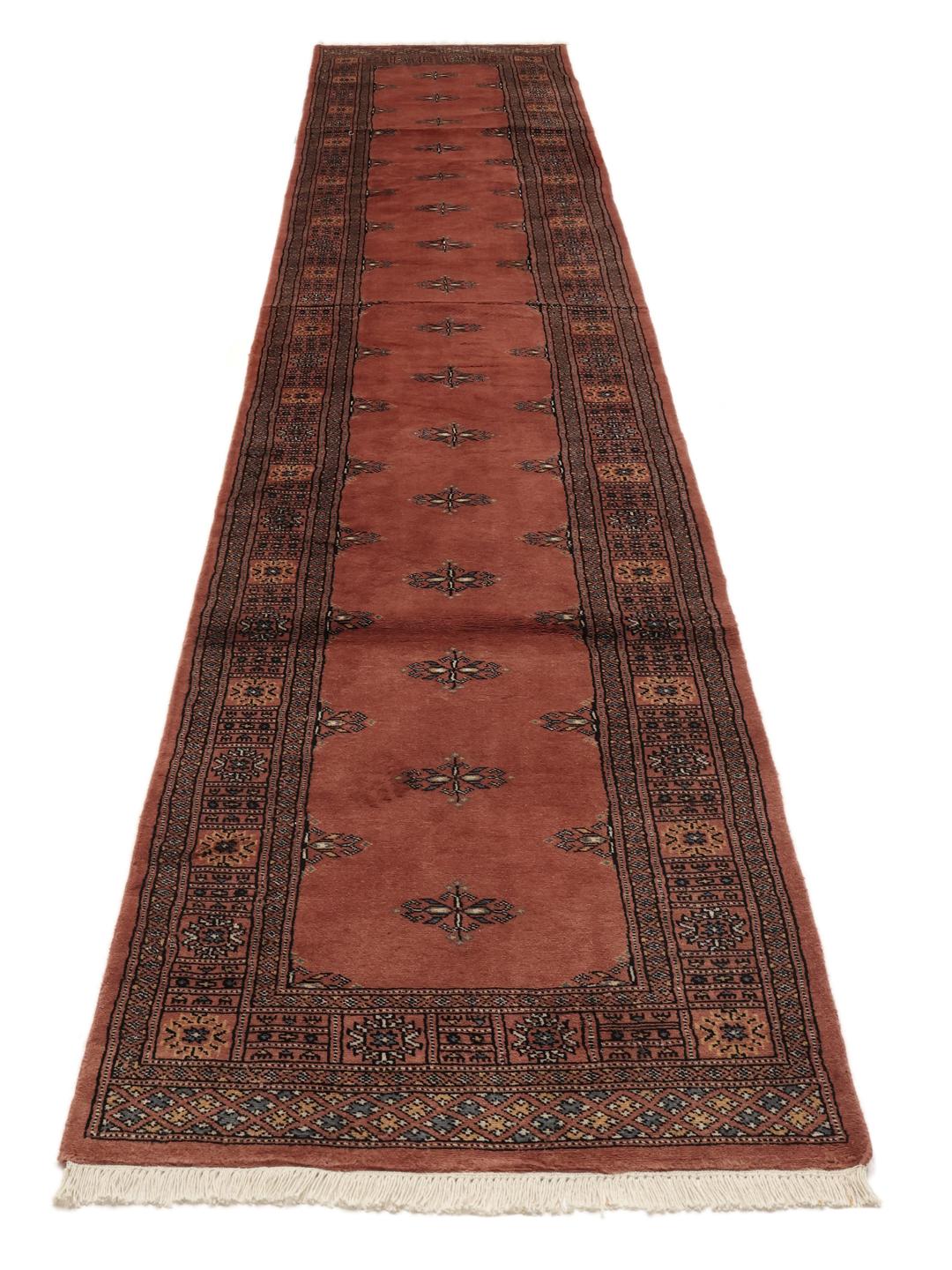
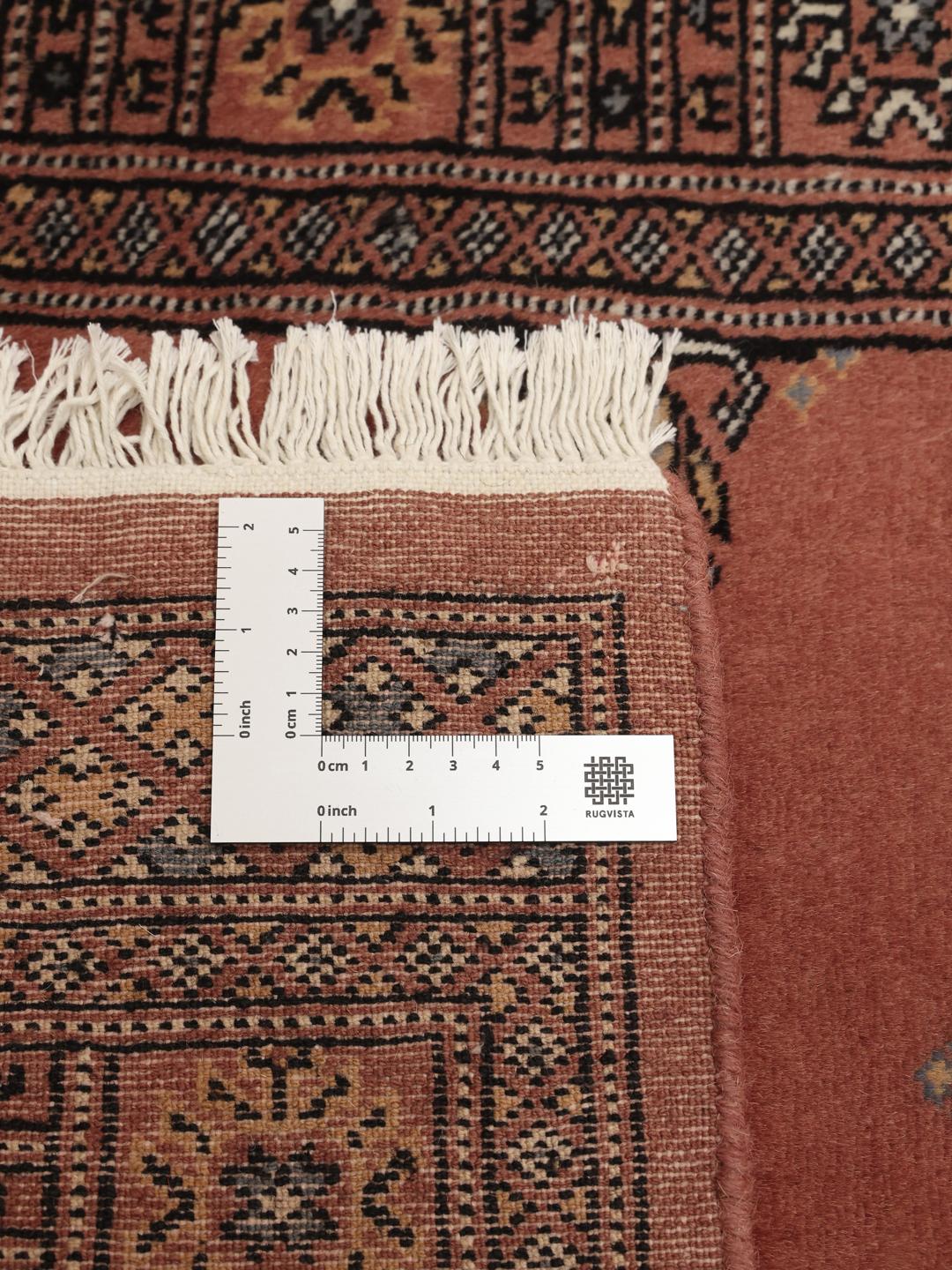
Bokhara rugs take their name from the ancient Silk Road city of Bukhara in Central Asia, a historical trading hub where various nomadic and sedentary cultures exchanged textiles and techniques for centuries. While the design motifs originated from tribal traditions in this region, the finest examples of the style today are masterfully produced in Pakistan, where the tradition has been preserved and refined over generations.
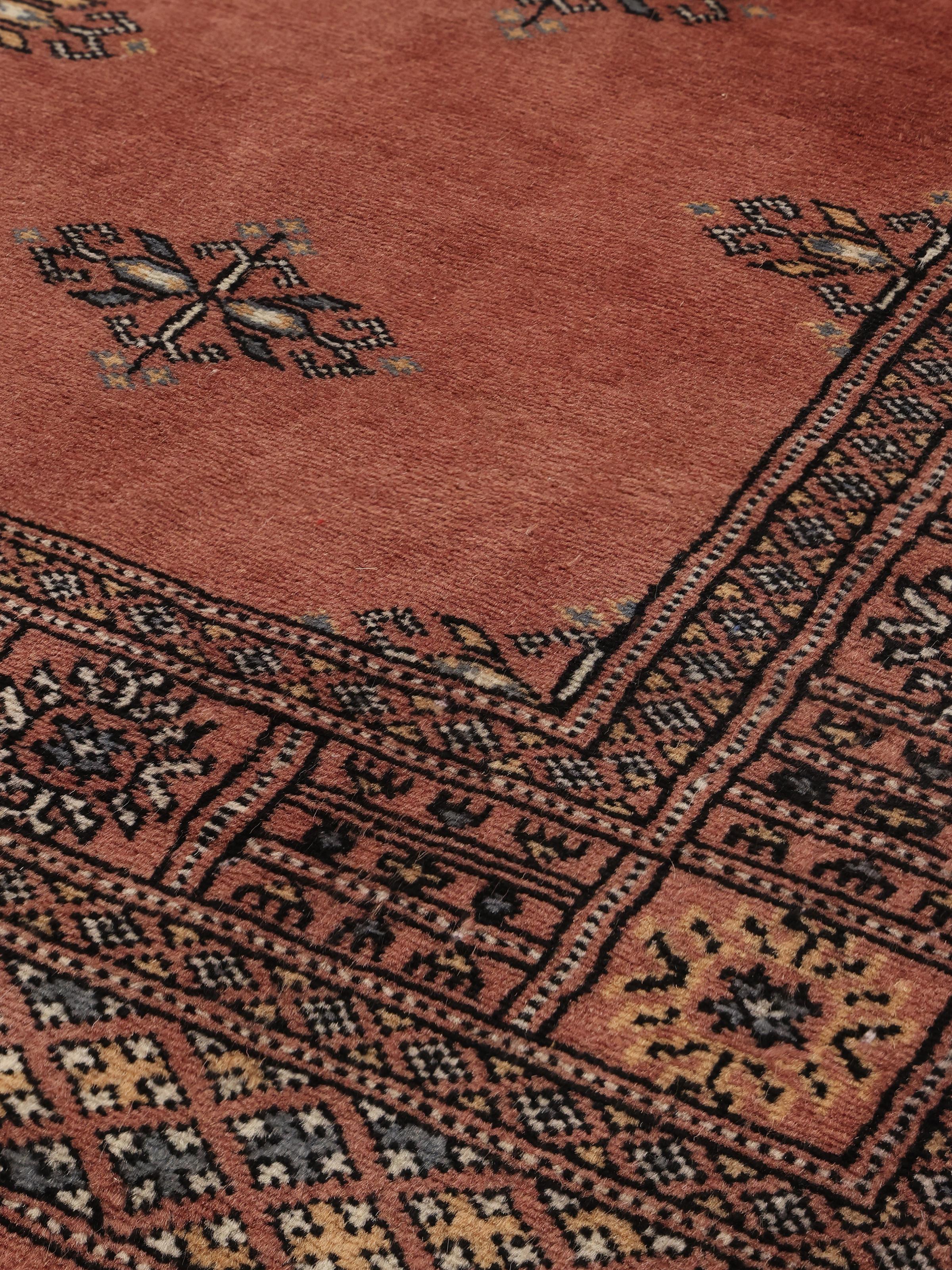
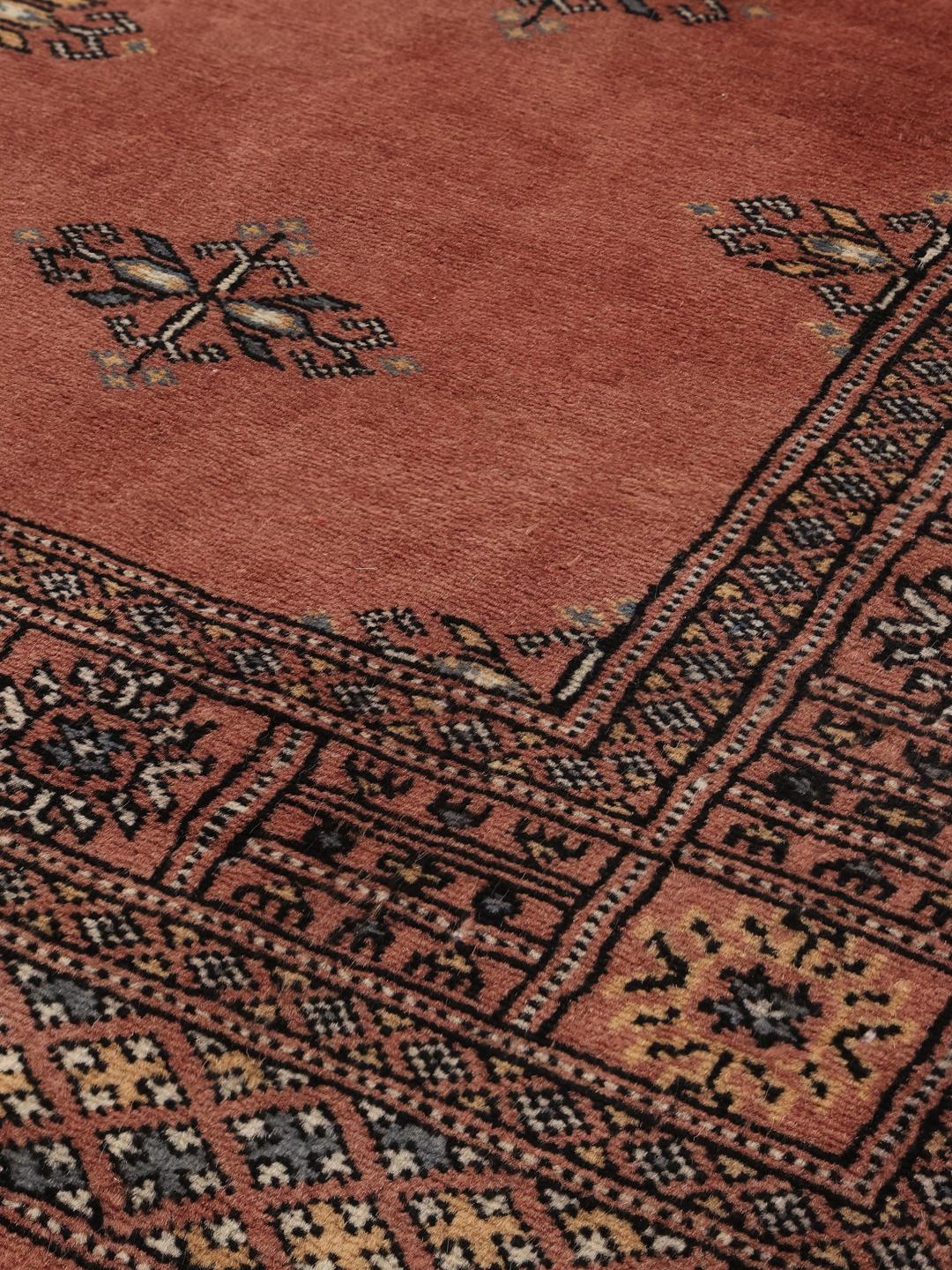
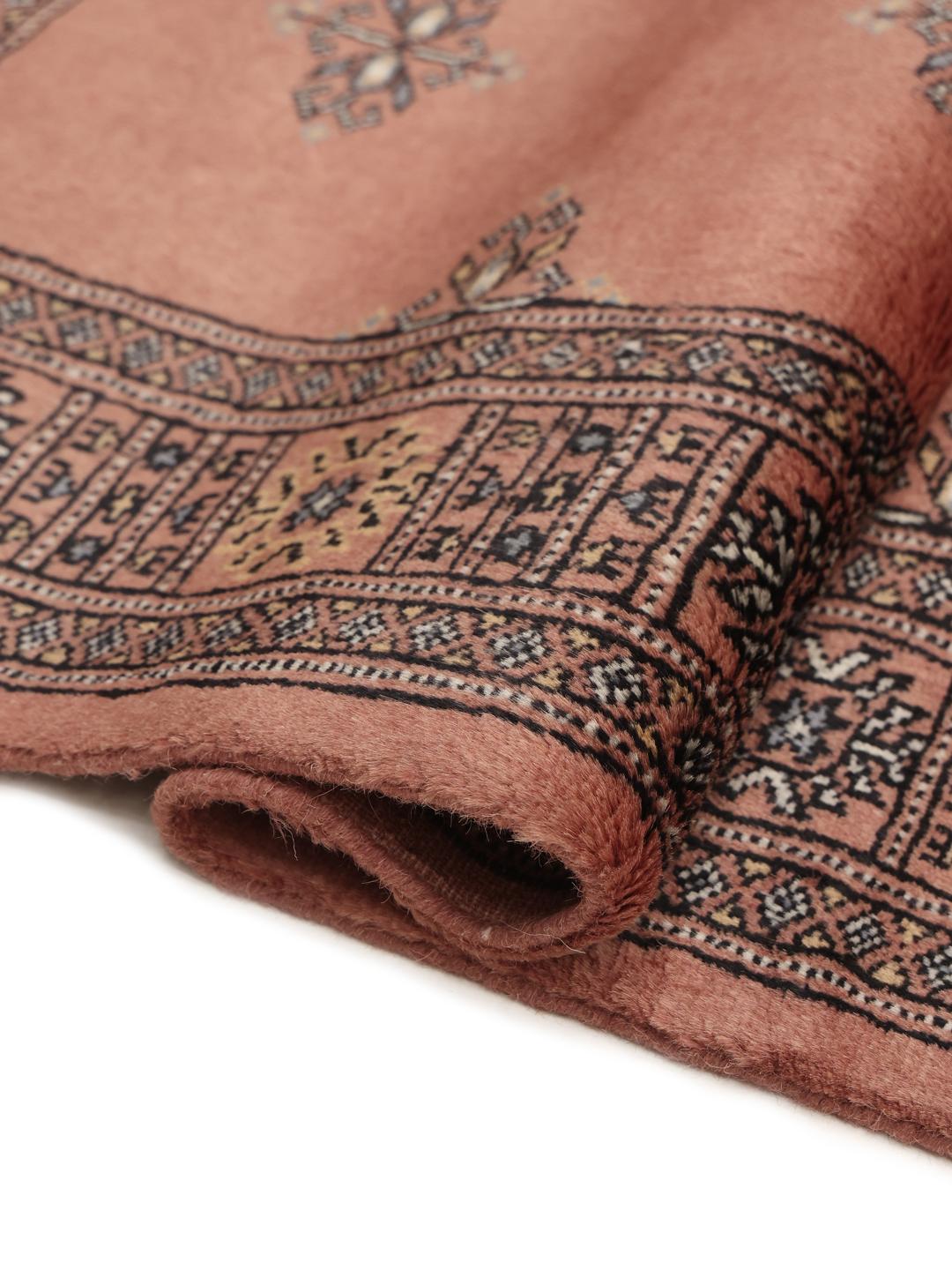
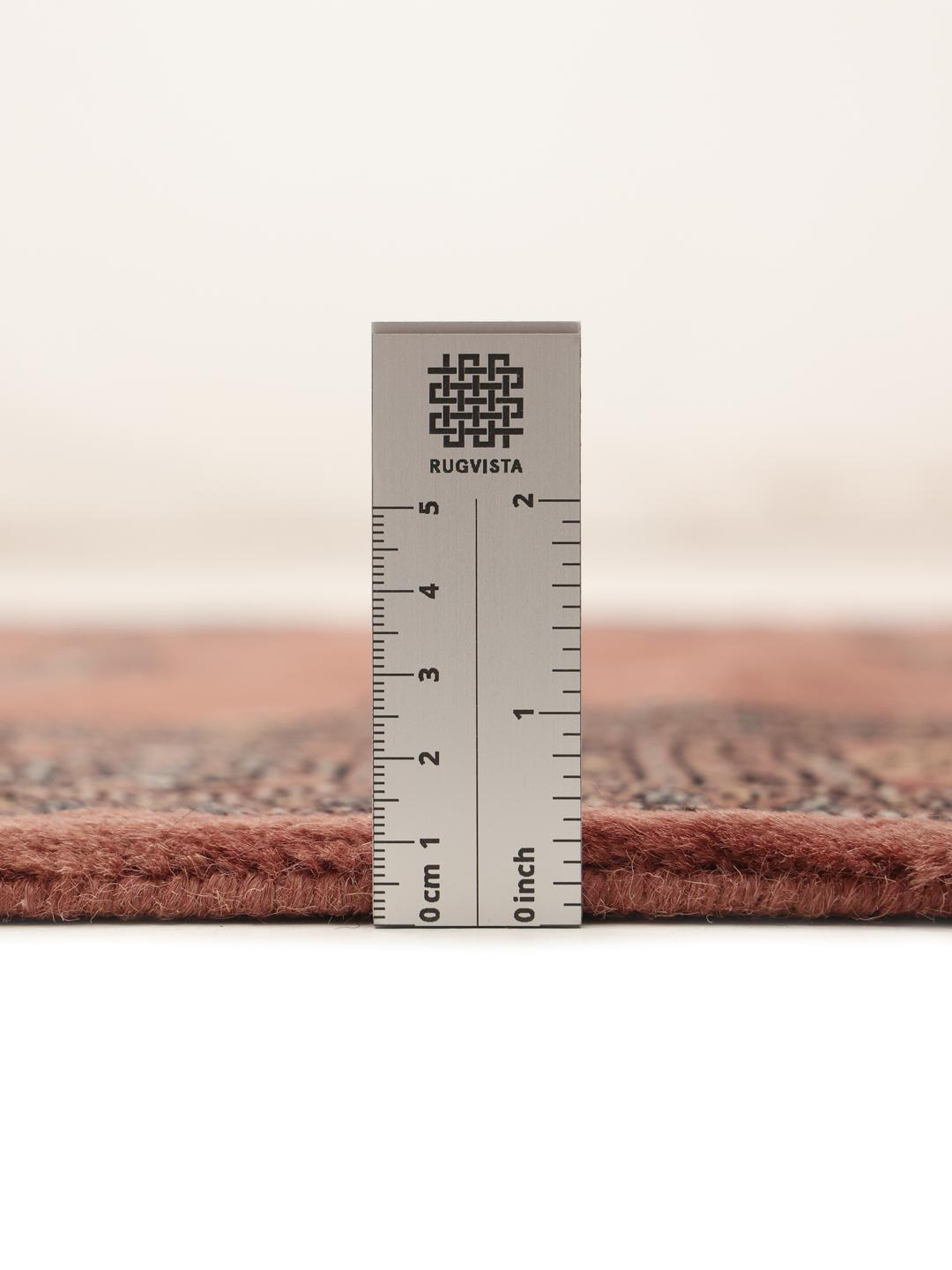
The term 2ply describes a specific technical approach where two strands of wool are twisted together before being used in the pile. This is a hallmark of quality in the region’s rug-making tradition, as it creates a denser, more lustrous surface that is significantly more durable than single-ply alternatives. This construction method allows the rug to withstand years of use while retaining its soft, inviting texture and depth of colour.
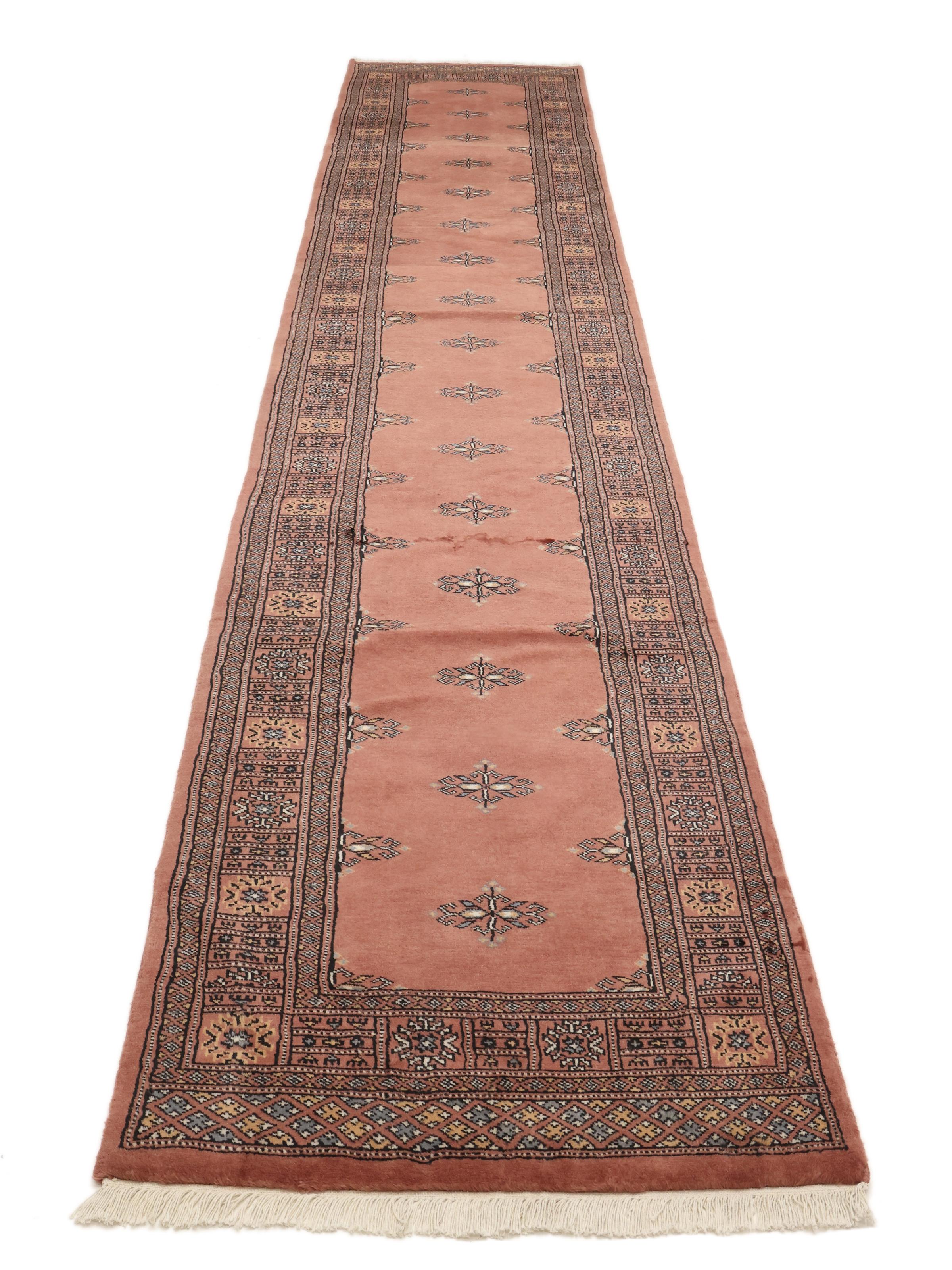
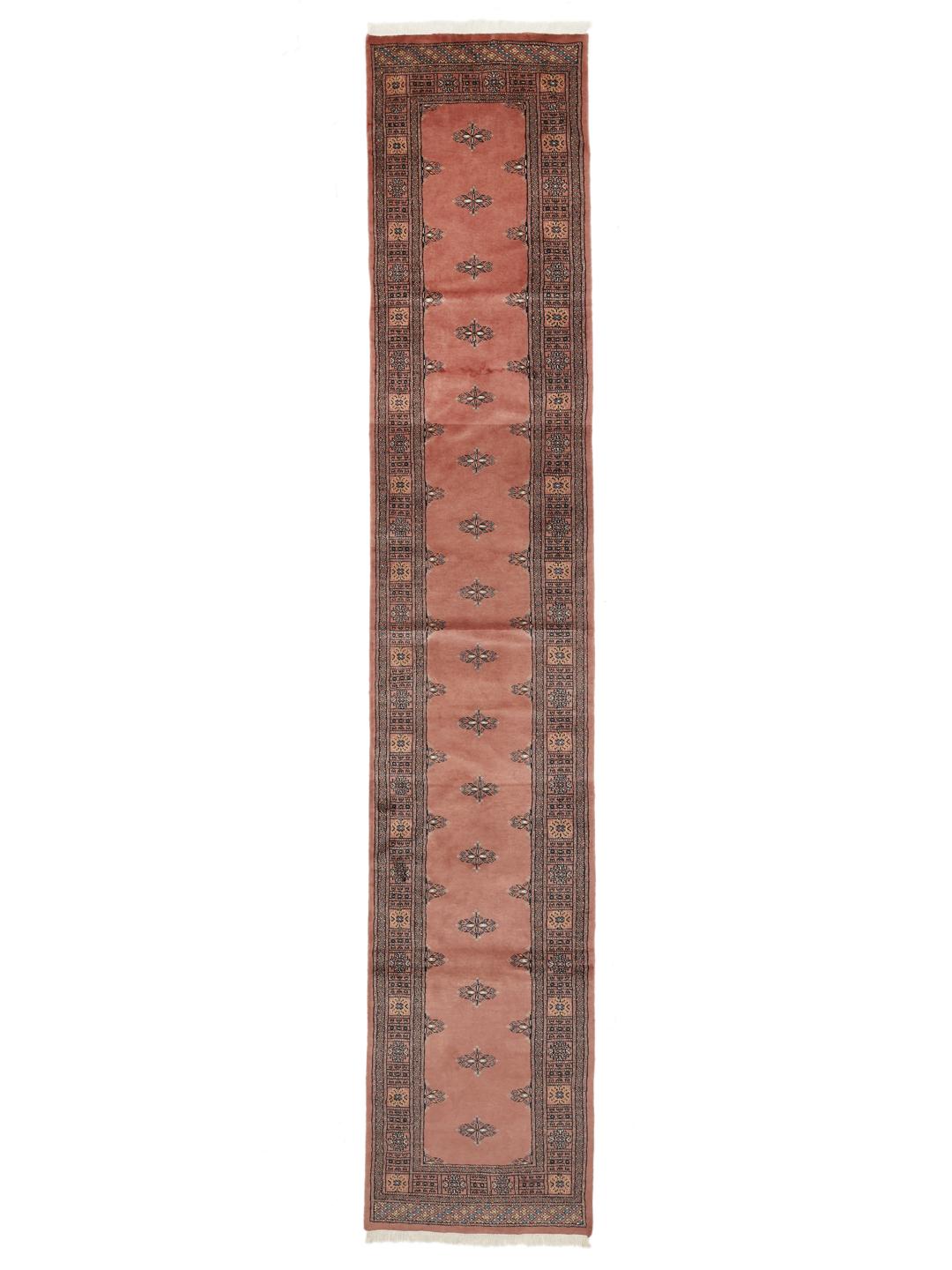
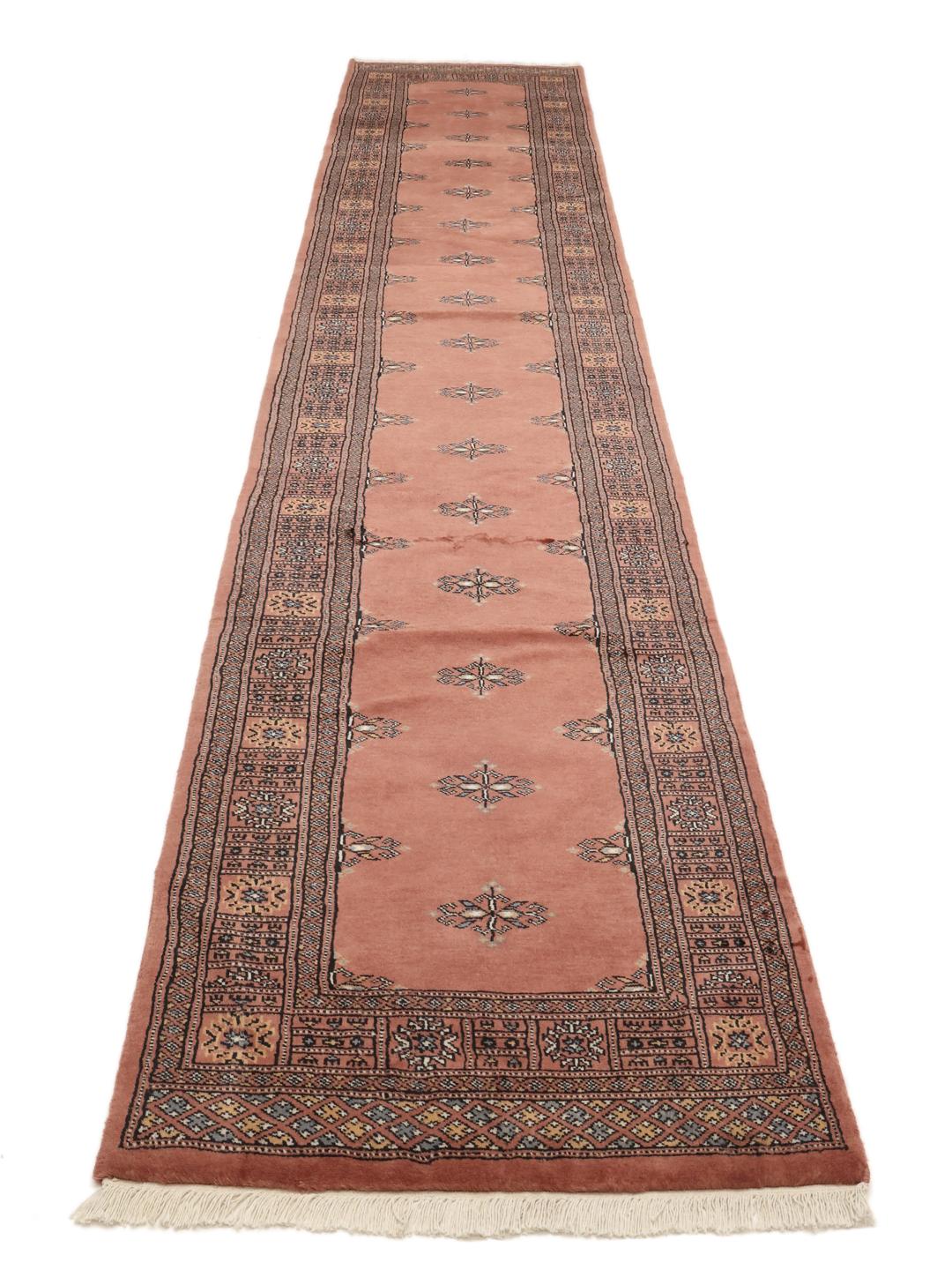
Visually, these rugs are best known for their repeating gul motifs, which are stylized, octagonal medallions often said to represent elephant footprints or tribal symbols. These are typically arranged in clean, structured rows and enclosed by complex, repeating borders that frame the field. The use of a soft, earthy red base is a classic choice for this tradition, providing a warm, grounding effect that has made these rugs a staple in homes for generations.
These rugs are deeply valued by collectors and homeowners alike for their blend of historical design and tangible quality. Owning a piece from this tradition is an act of appreciation for a craft that prioritises patience, skill, and cultural continuity. Because each rug is created by hand, it carries the unique signature of the artisan who made it, making it a meaningful addition to any collection and a lasting piece of functional art.