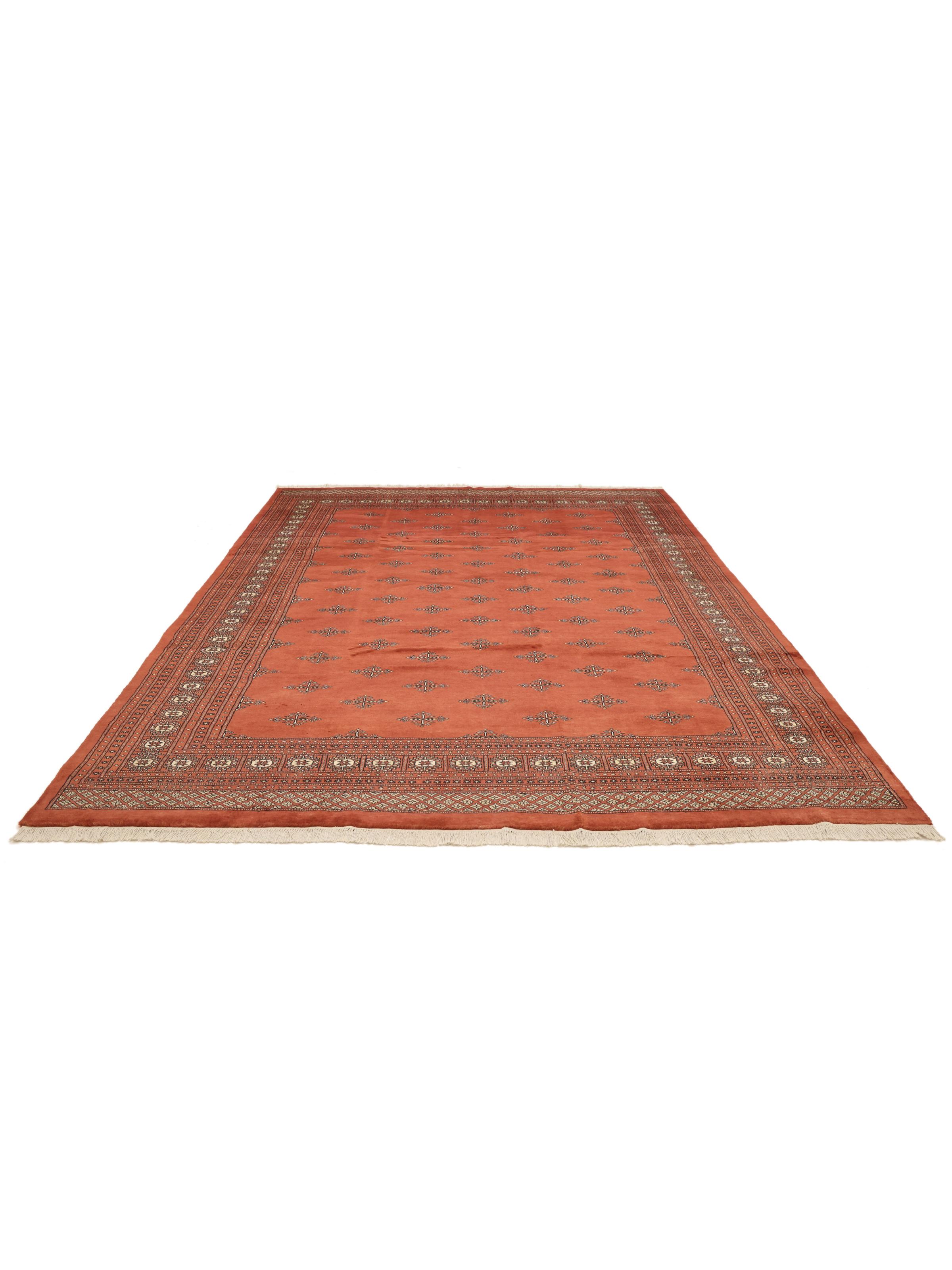
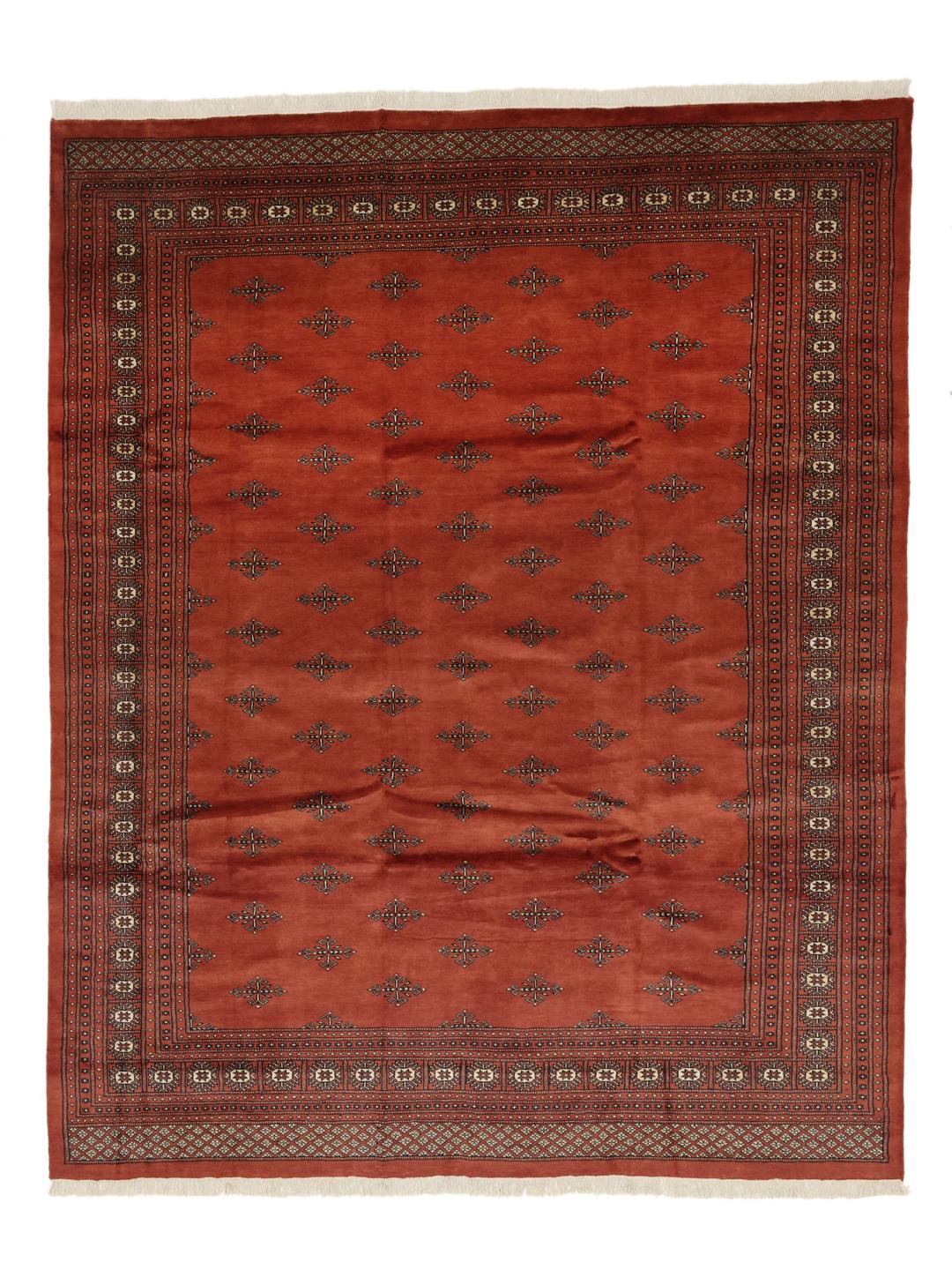
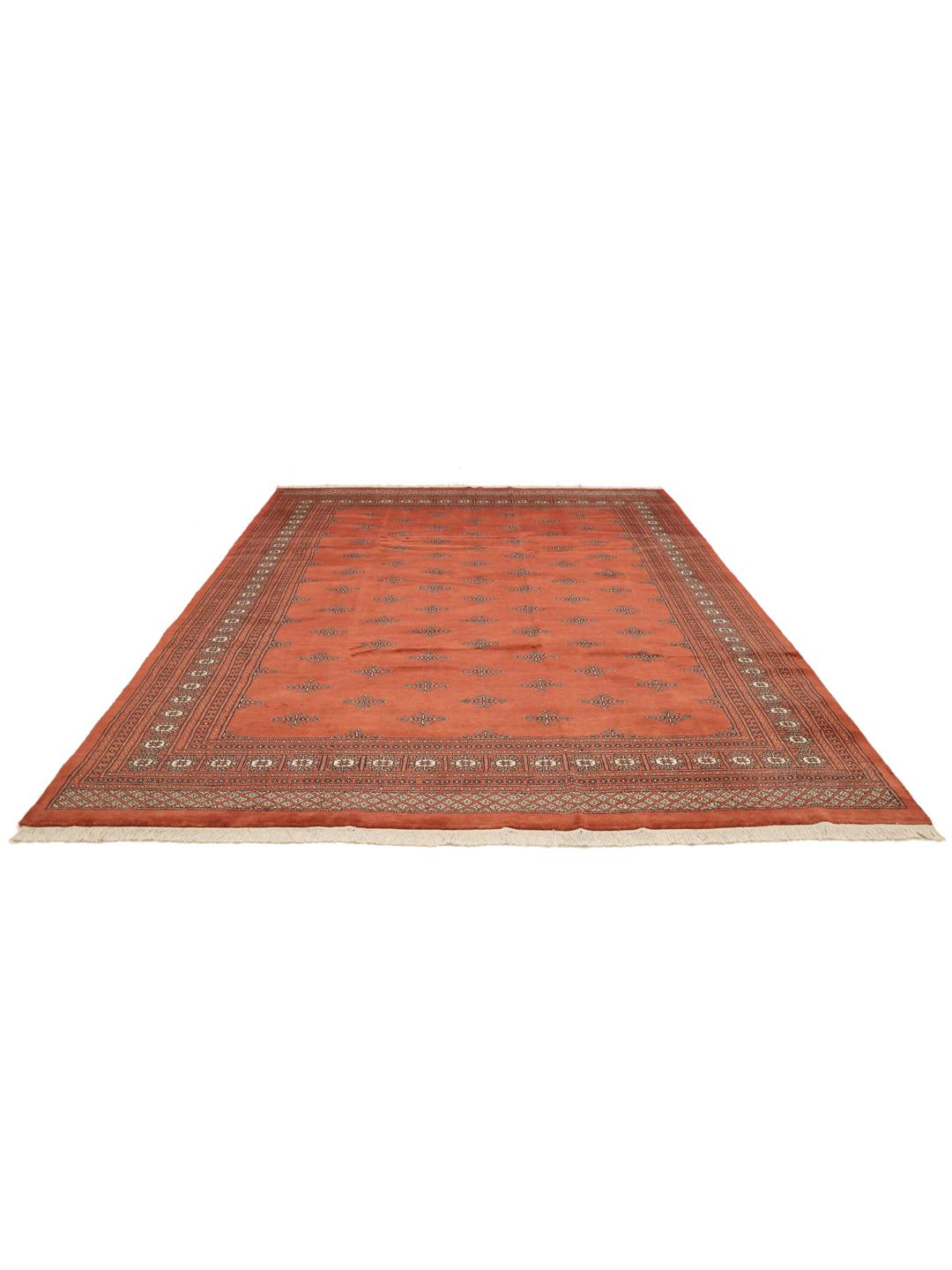
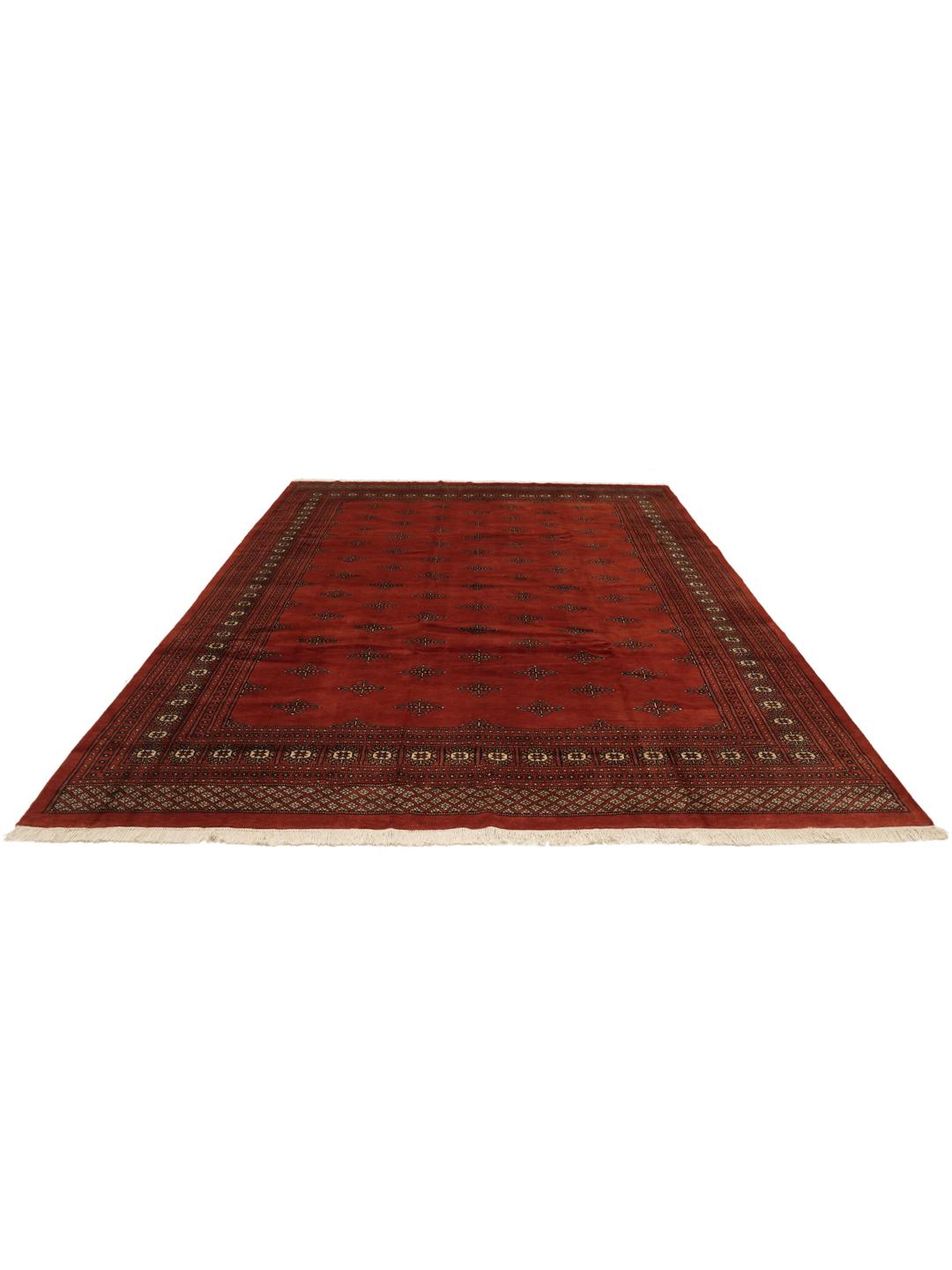
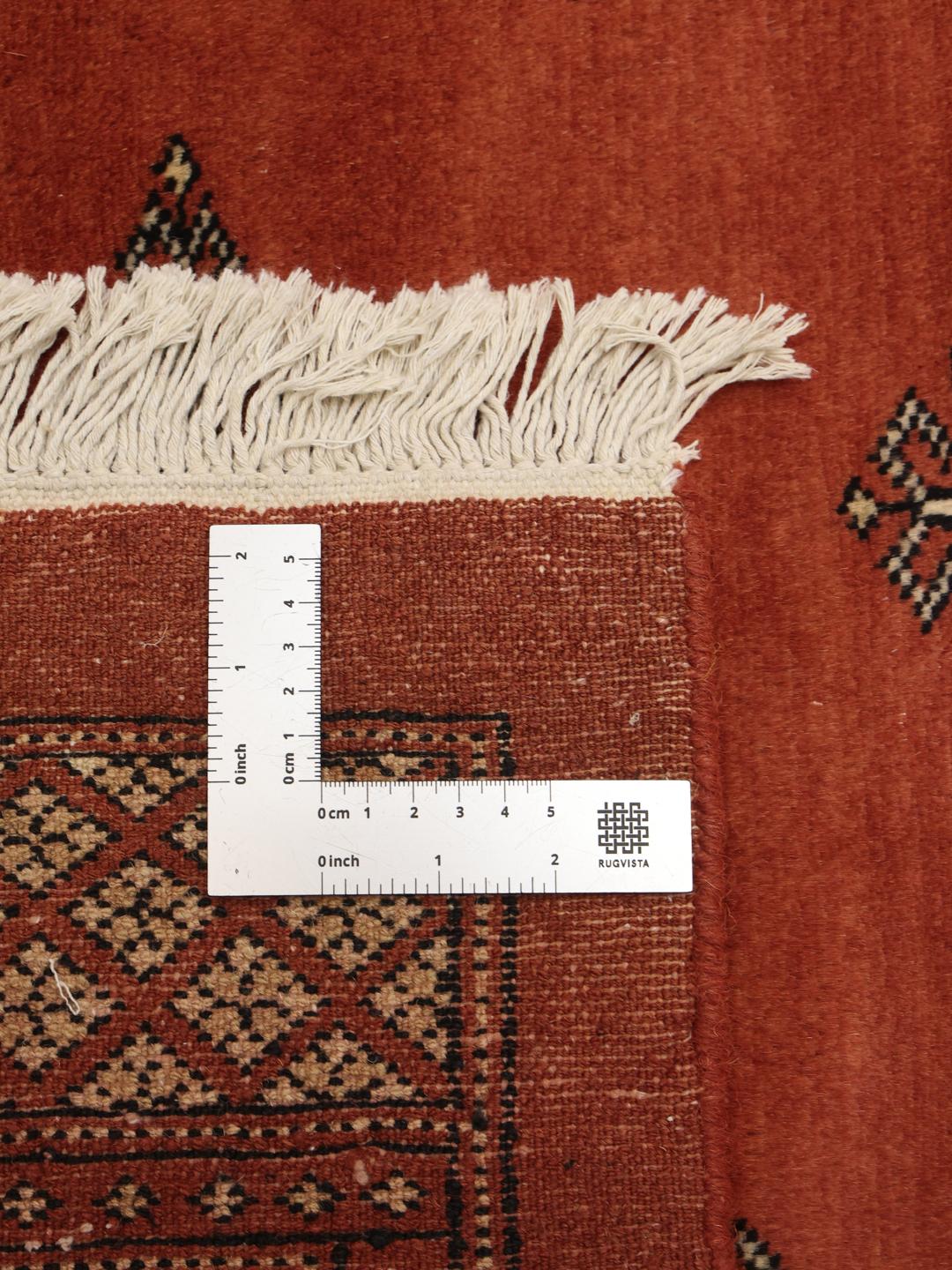
Bokhara rugs take their name from the ancient Silk Road city of Bukhara, a historic trading hub in Central Asia. While they are named for this legendary centre of commerce, the finest examples of these rugs today are woven in Pakistan. This migration of craft traditions occurred as weavers moved across borders, carrying their intricate techniques and aesthetic sensibilities with them to new regions where they continued to flourish.
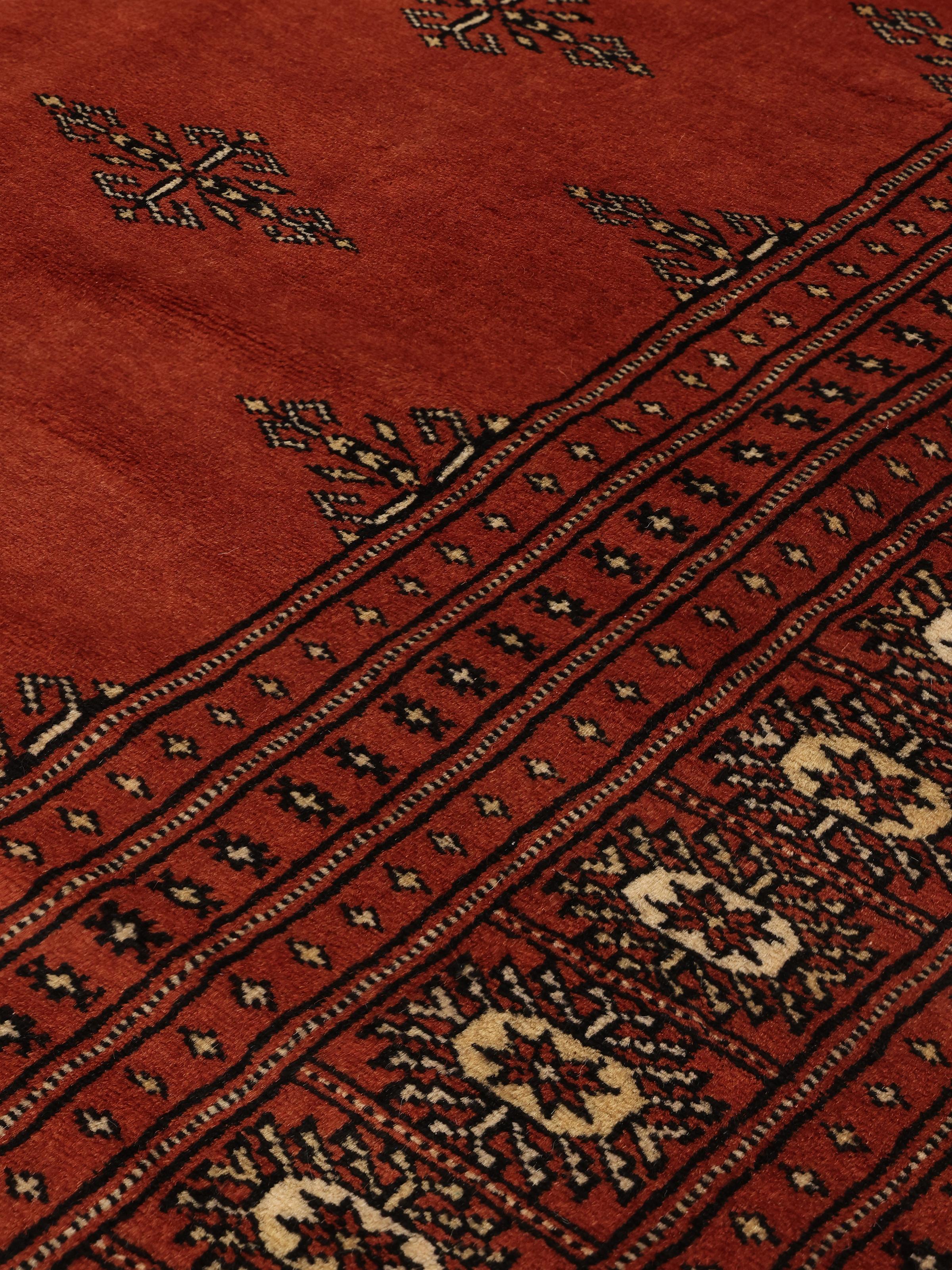
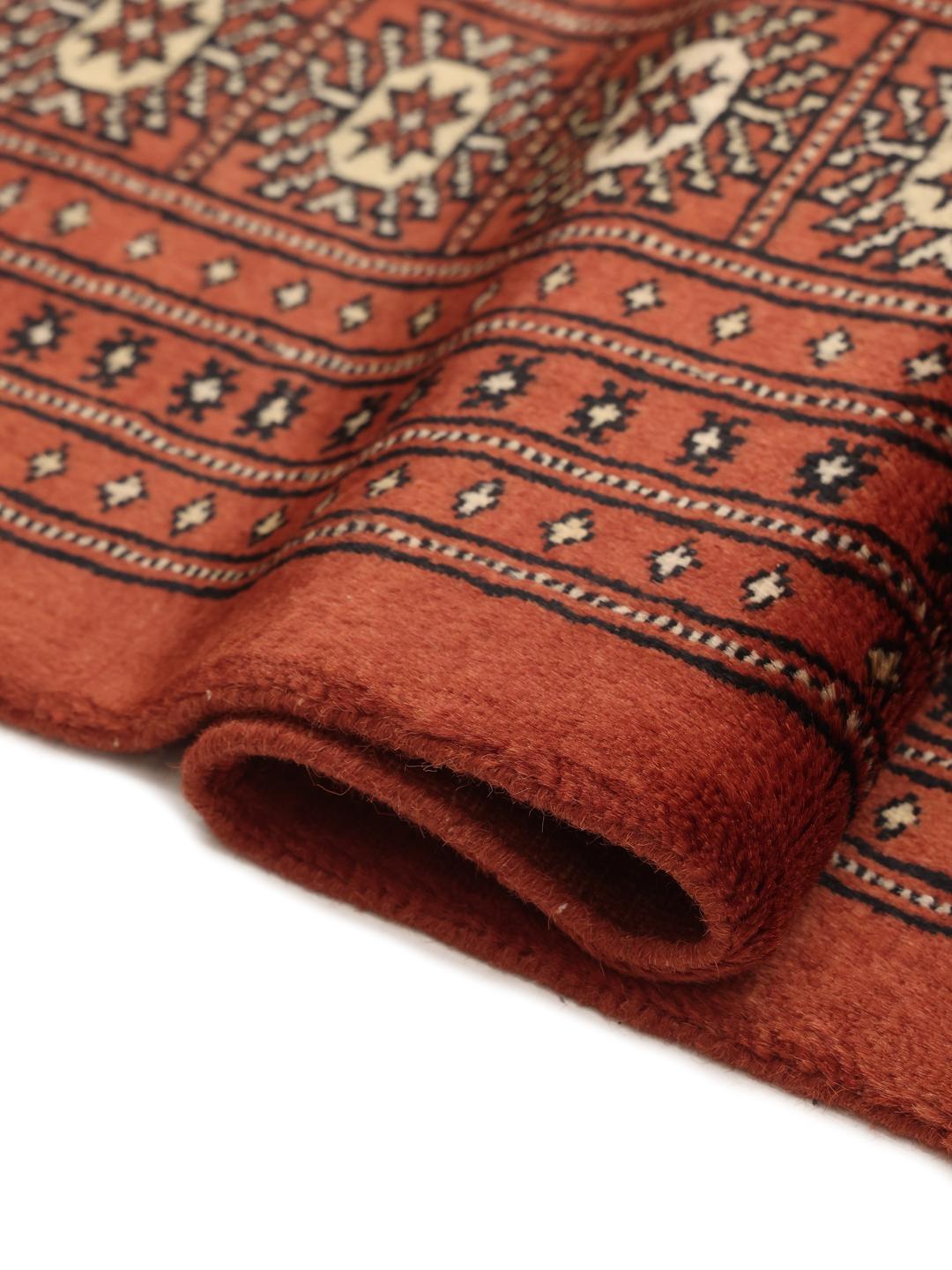
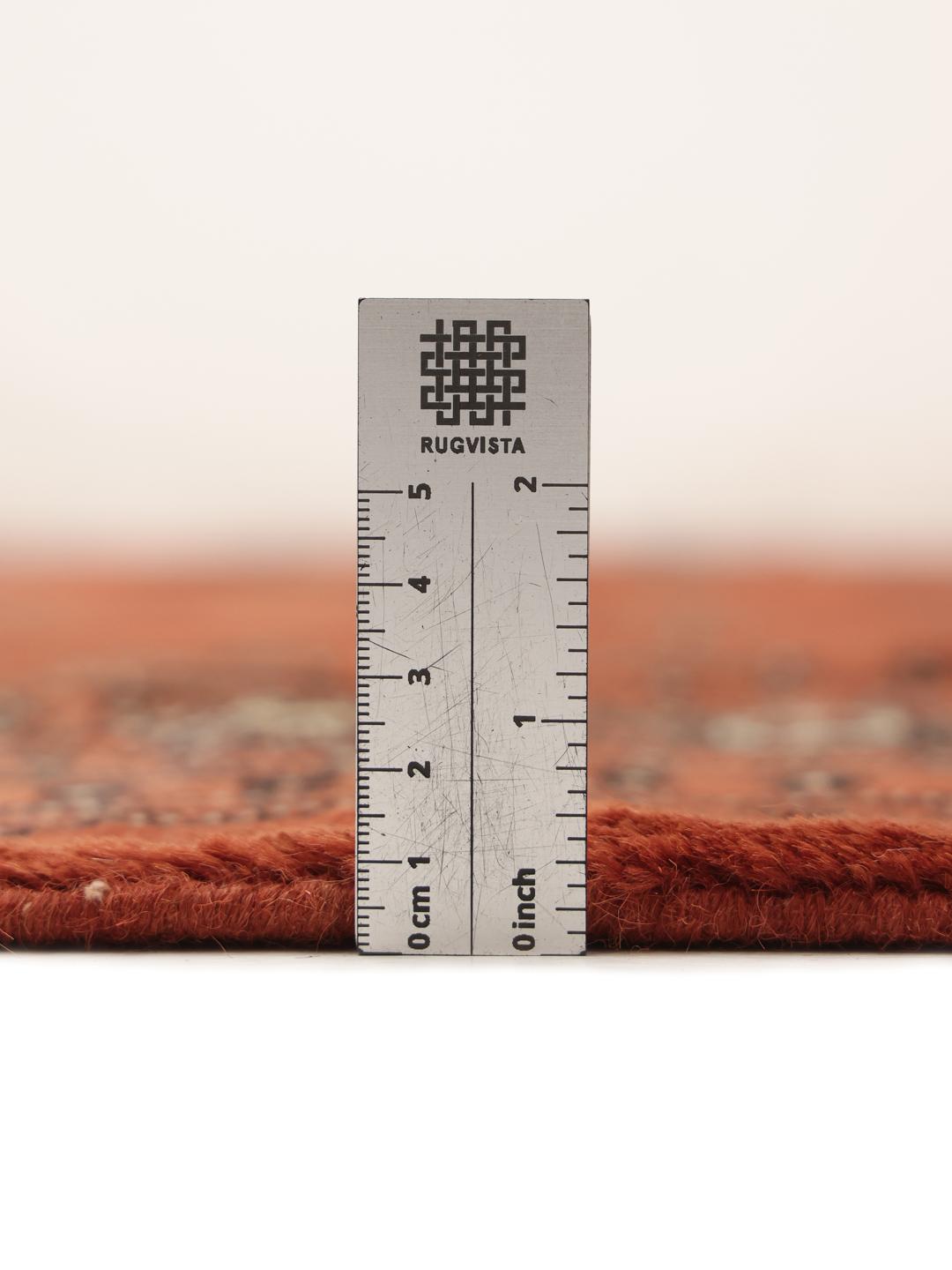
The term '2ply' refers to the specific construction of the pile, where two strands of wool are twisted together before being knotted. This technique is significant because it creates a pile that is thicker, more lustrous, and substantially more durable than single-ply alternatives. It provides a deeper, more luxurious texture that feels substantial and holds its vibrant colour profile for many years.
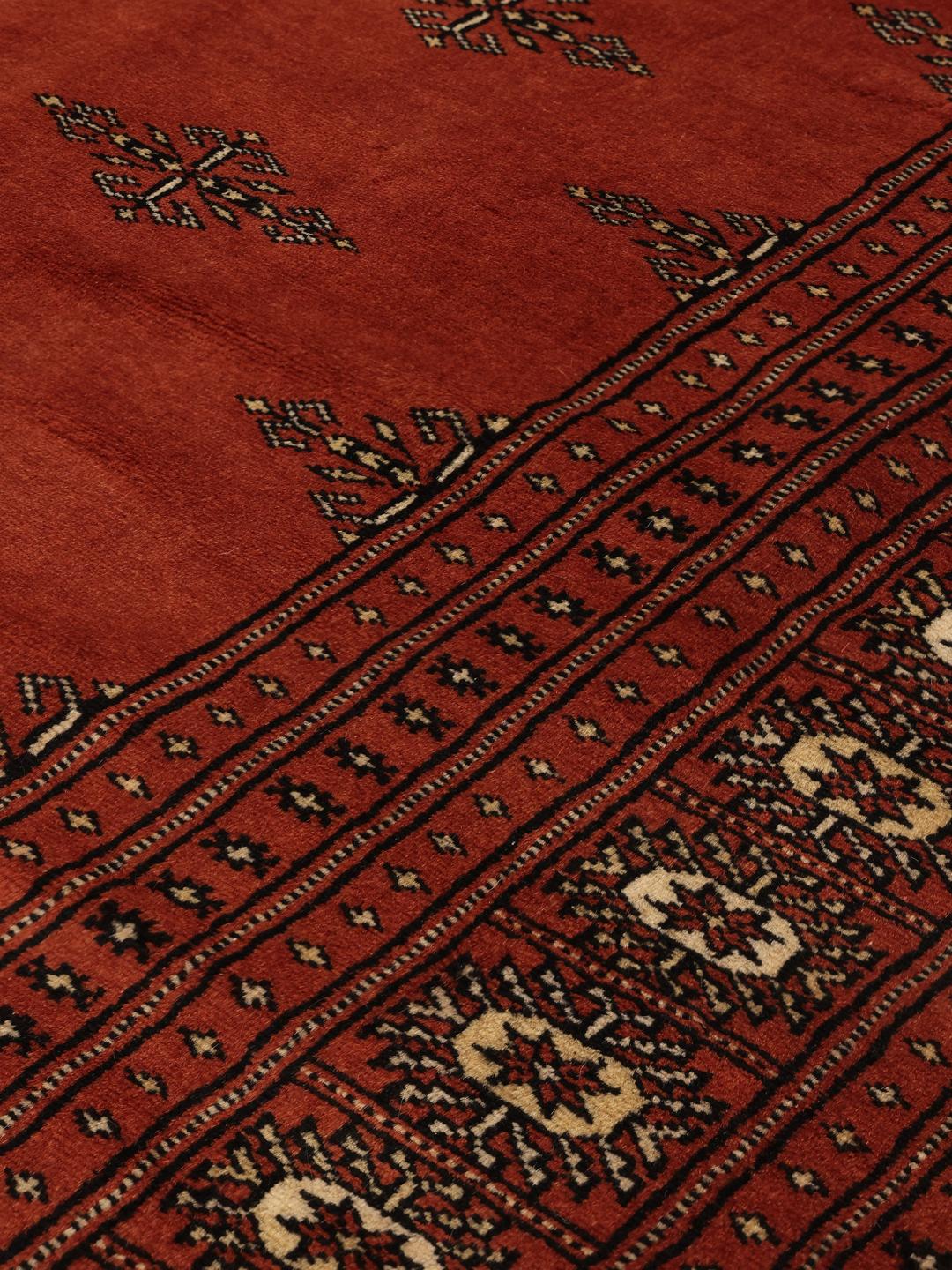
Visually, these rugs are defined by their signature gul motifs, which are repeating octagonal or elephant-foot shaped medallions arranged in elegant rows across the field. These are traditionally enclosed by complex, geometric borders that frame the composition. This specific rug carries forward these classic design elements with a focus on symmetry and balanced, rhythmic repetition.
Owning a hand-knotted rug from this tradition is about more than just decoration; it is an investment in a storied craft. These rugs are highly valued by collectors for their ability to balance formal design with an organic, human touch. By choosing this piece, you are participating in a long-standing heritage of skill that prioritises lasting quality over fleeting trends.