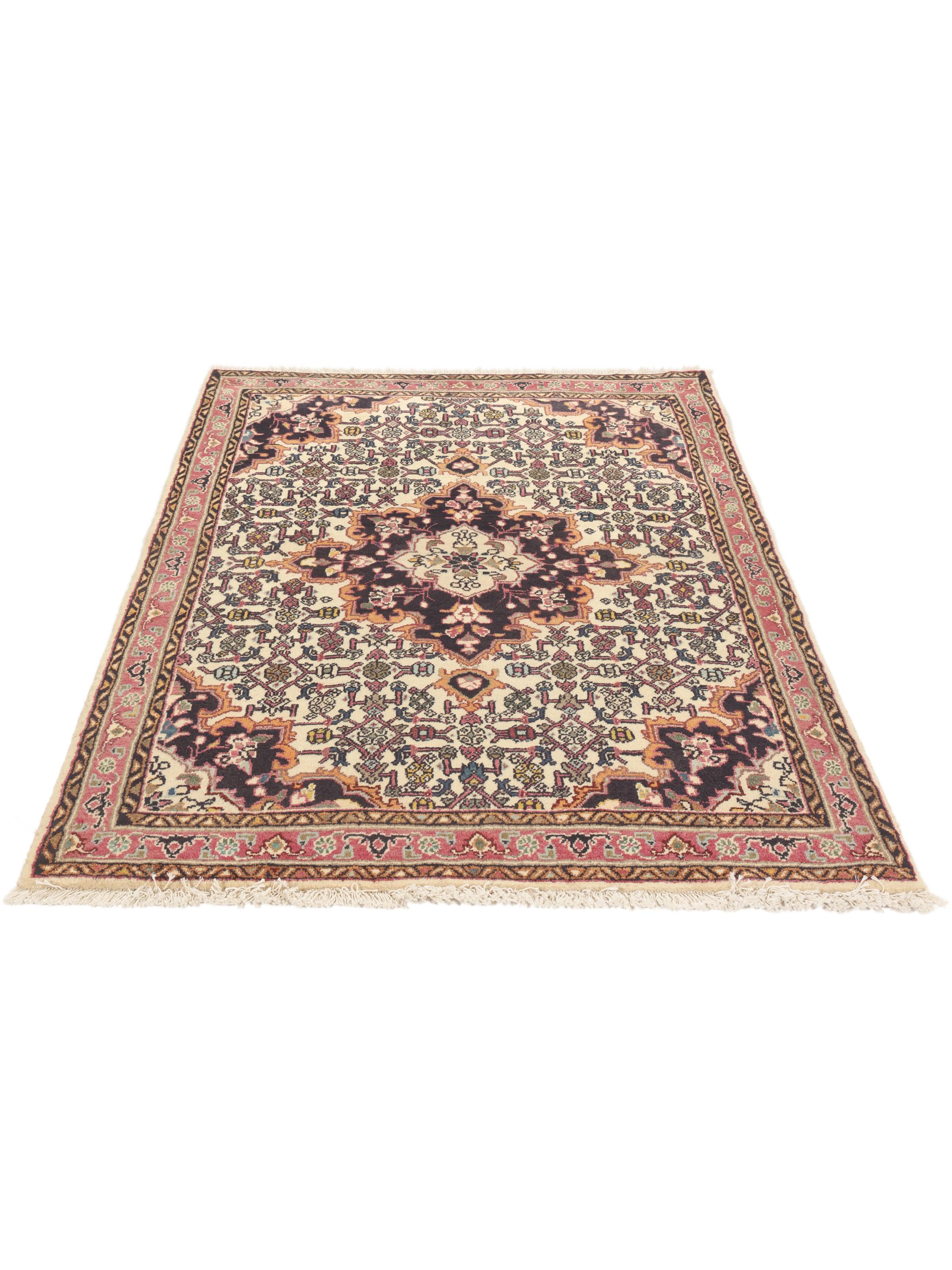
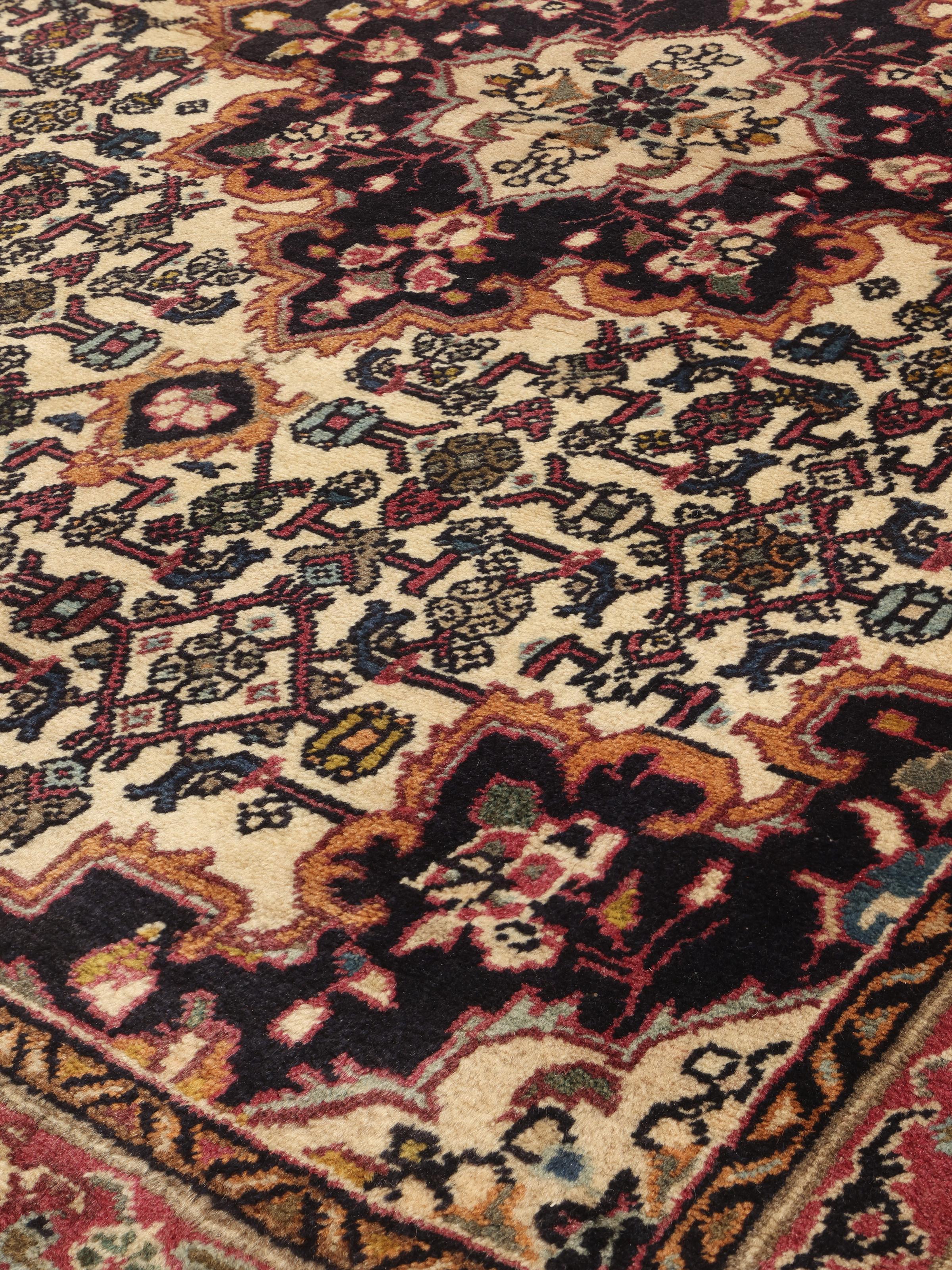
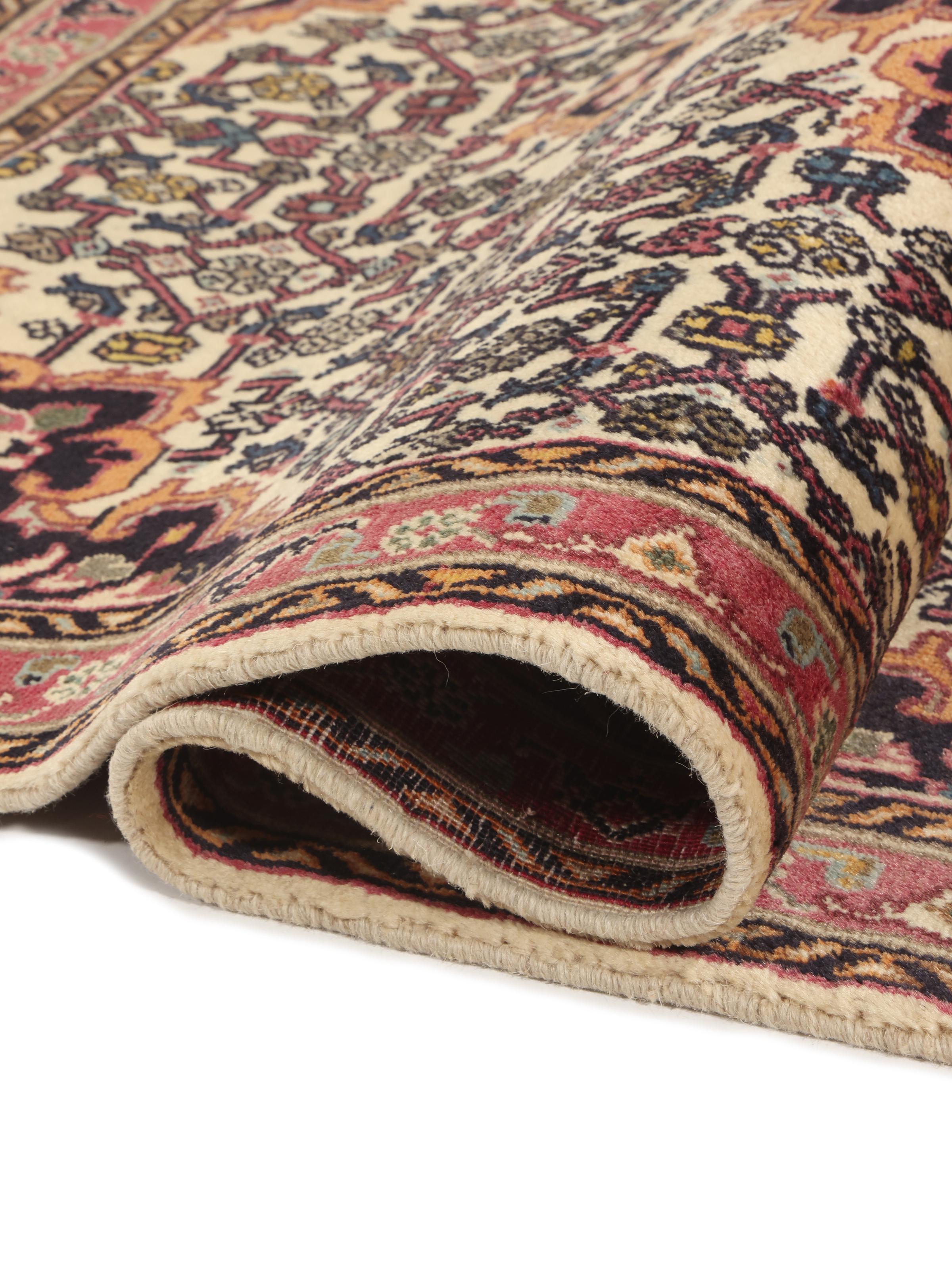
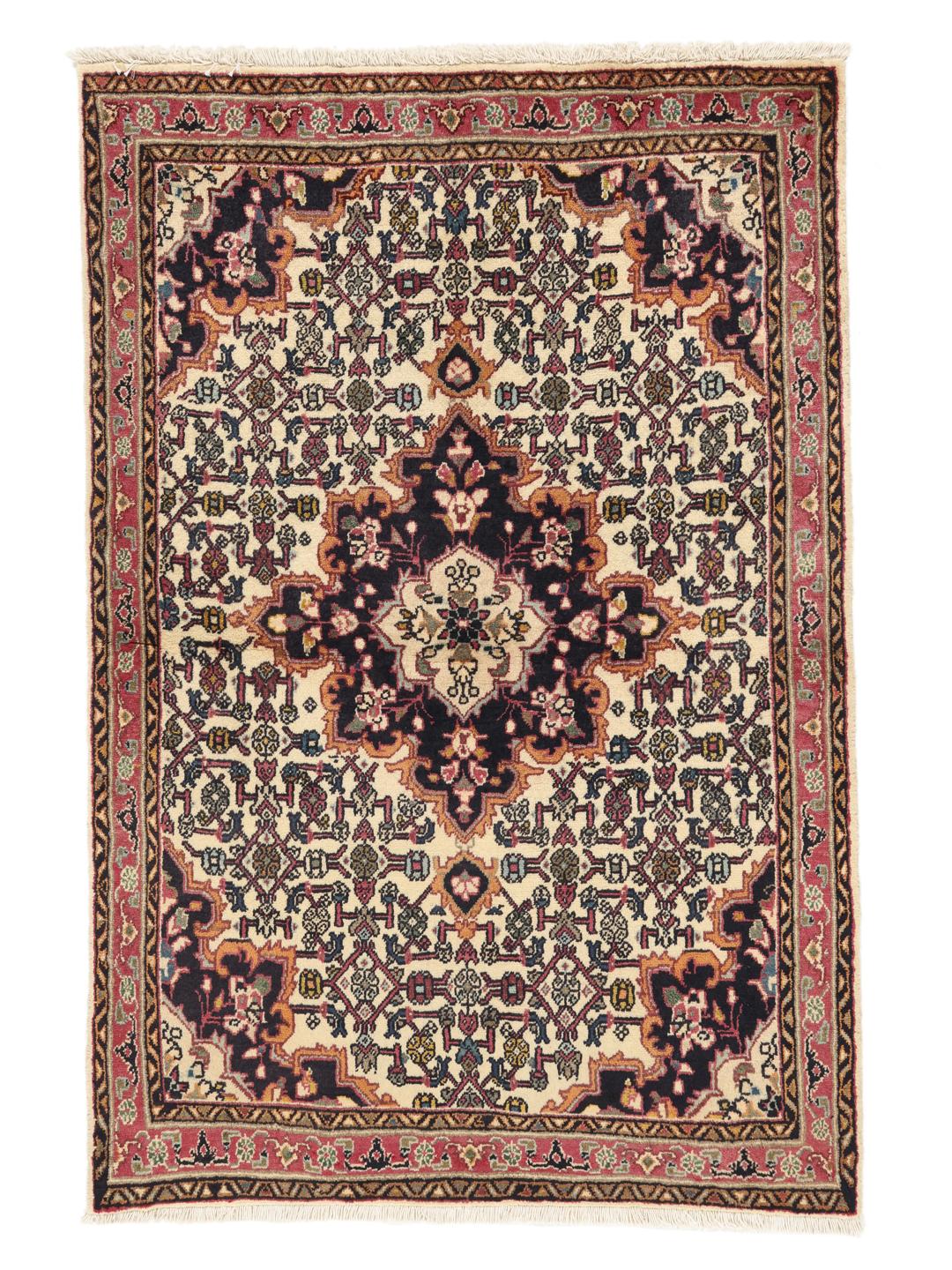
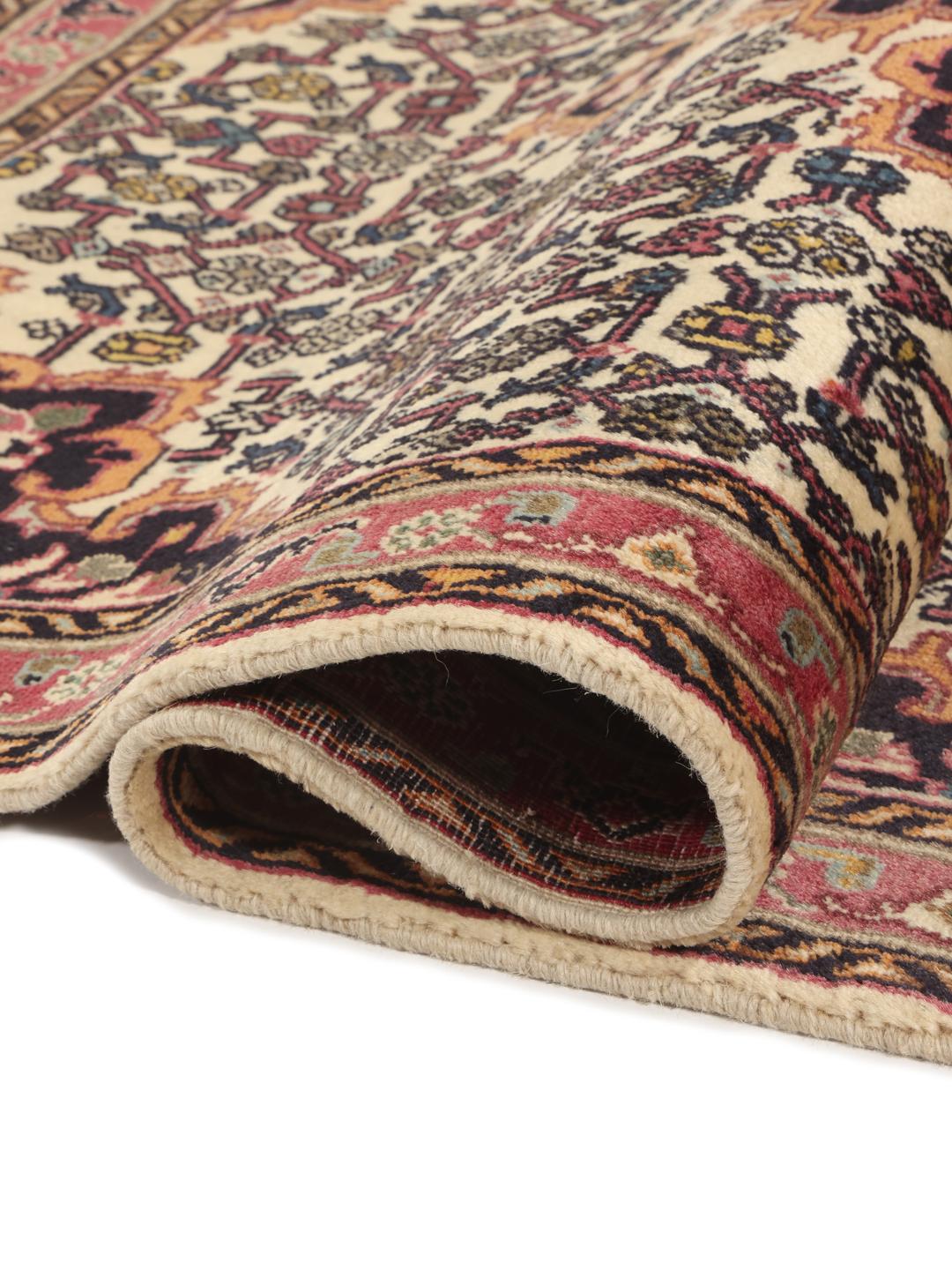
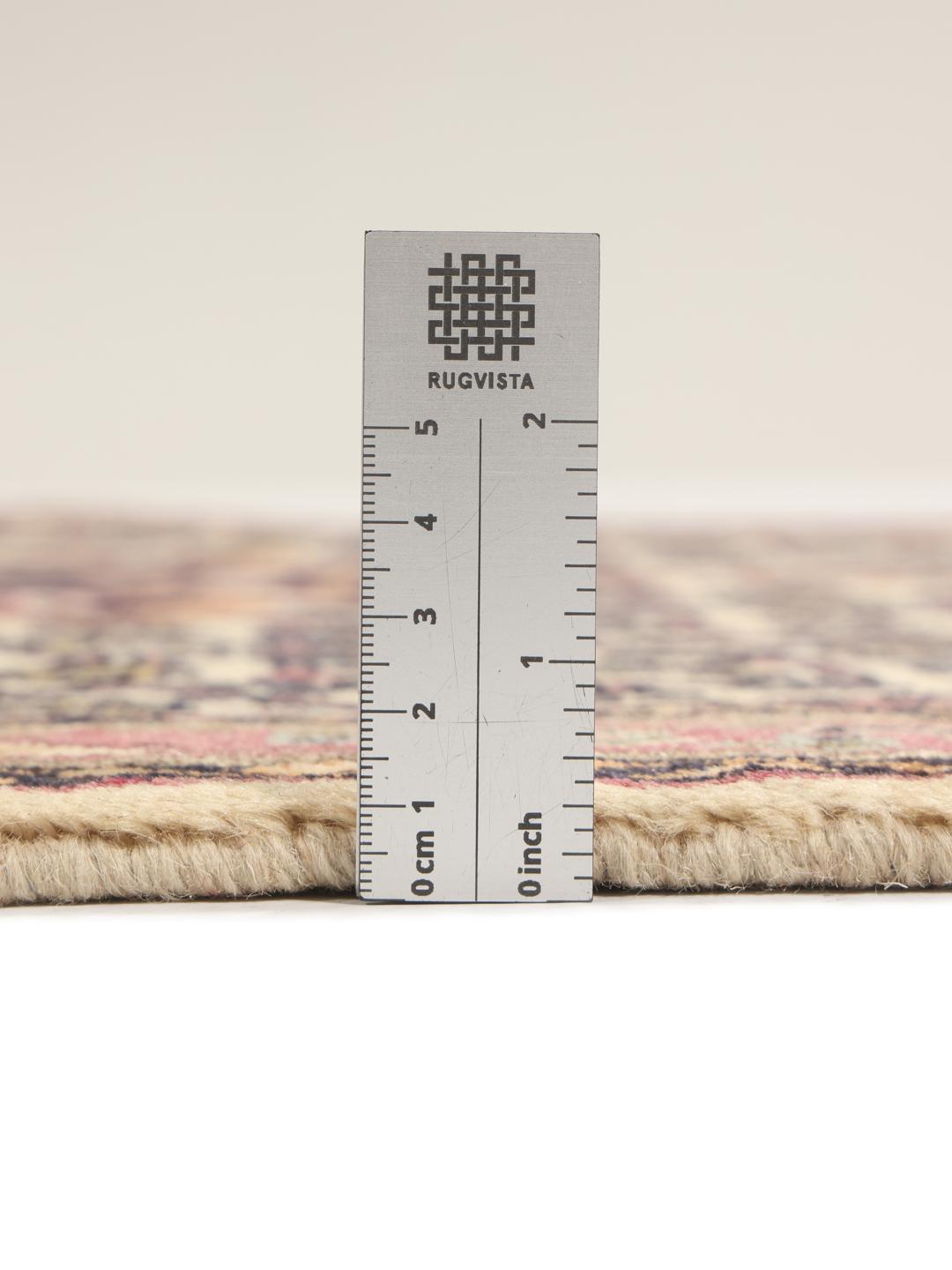
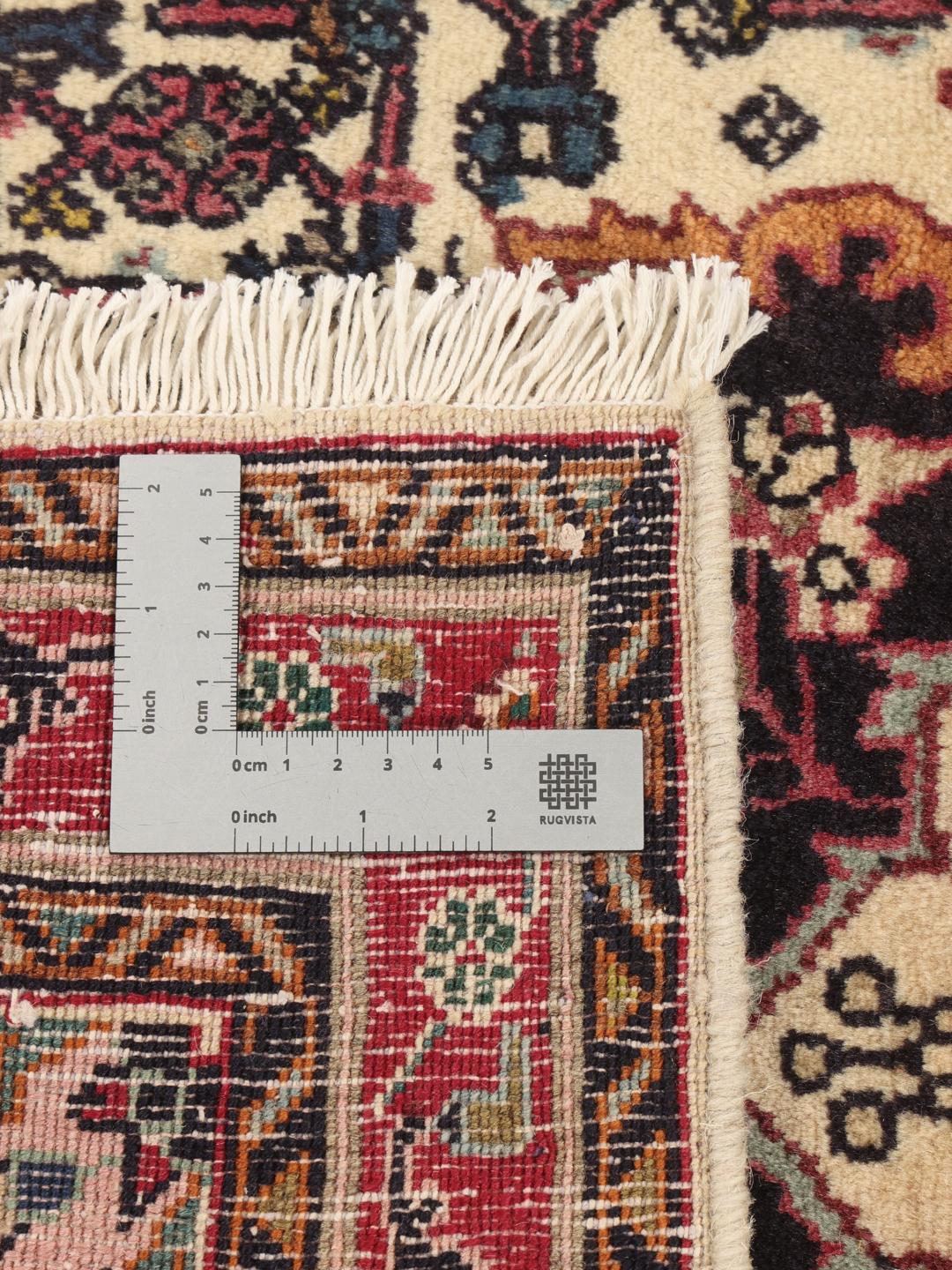
Bidjar rugs originate from the Kurdish region of the Middle East, a mountainous area with a long-standing tradition of weaving. Often referred to as the 'Iron Rugs of the East,' these pieces are famous for their heavy, sturdy construction and compact pile. This reputation for strength has made them highly sought after by collectors who appreciate both beauty and extreme durability.
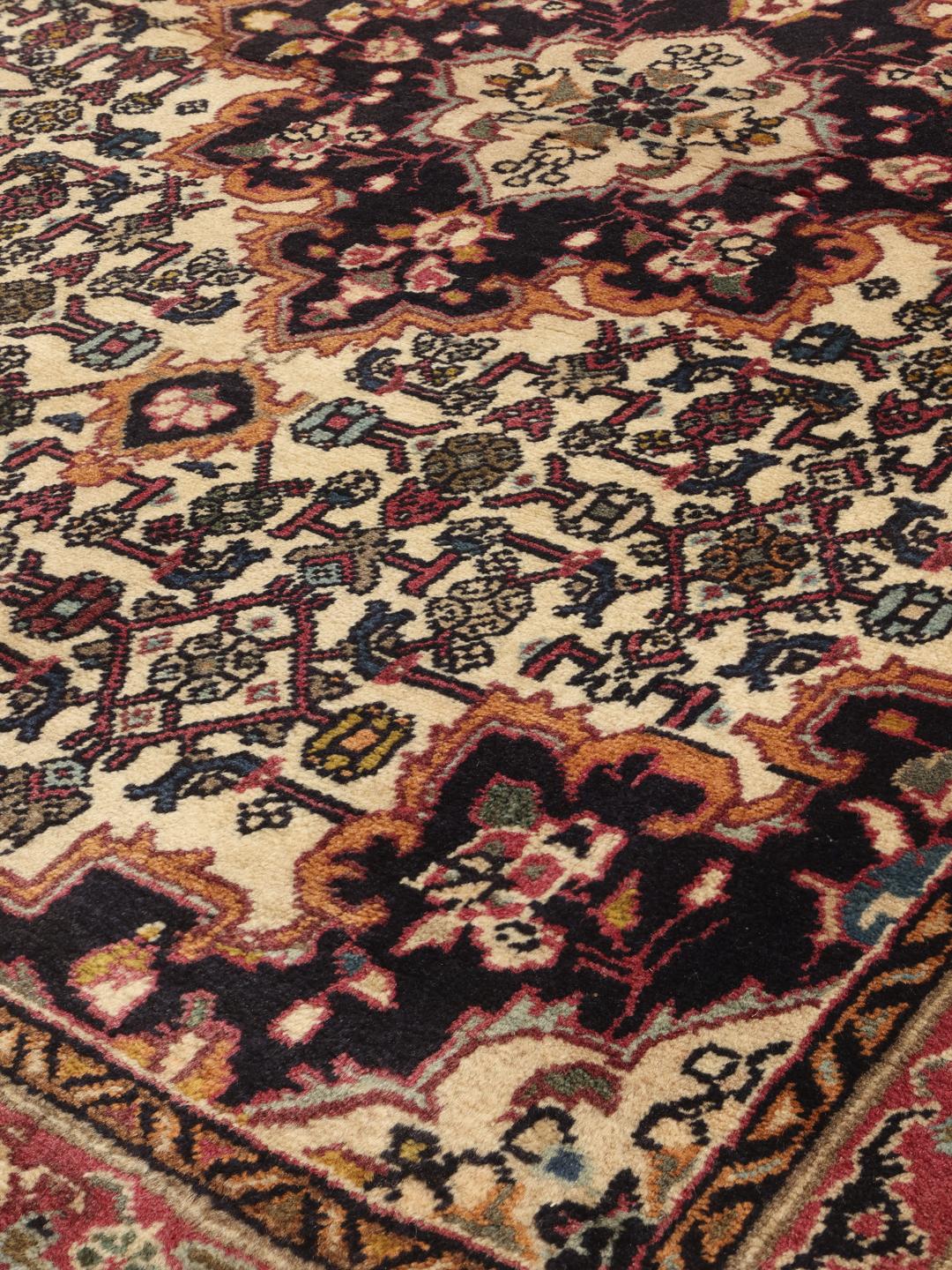
The term 'Bidjar' refers to the specific, dense knotting technique used in this region. The weavers employ a very tight packing method where the foundation is beaten down with a heavy comb, creating a stiff, carpet-like surface that is incredibly resistant to wear. This technical approach is essential to the rug's longevity and is a hallmark of the regional tradition.
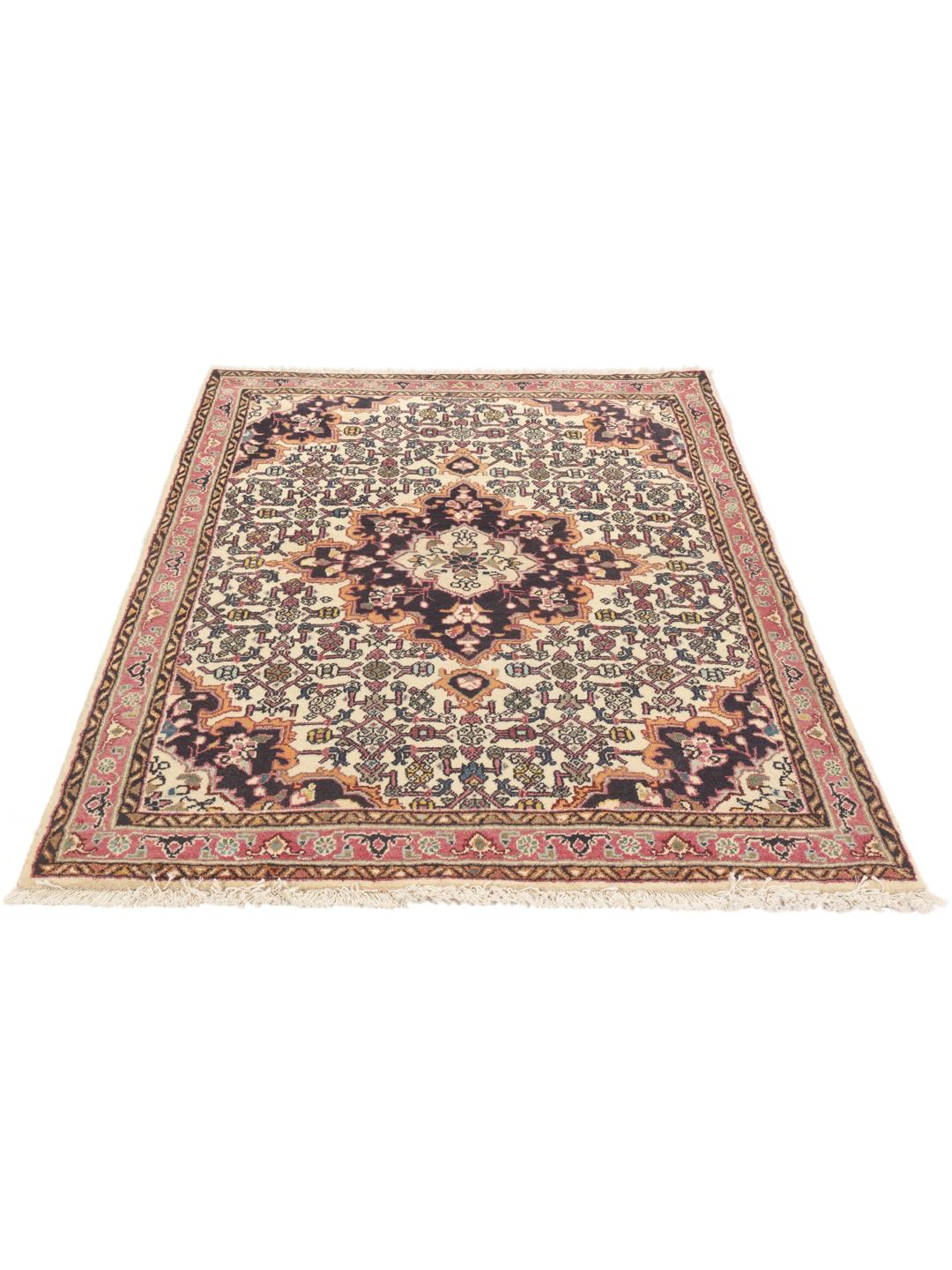
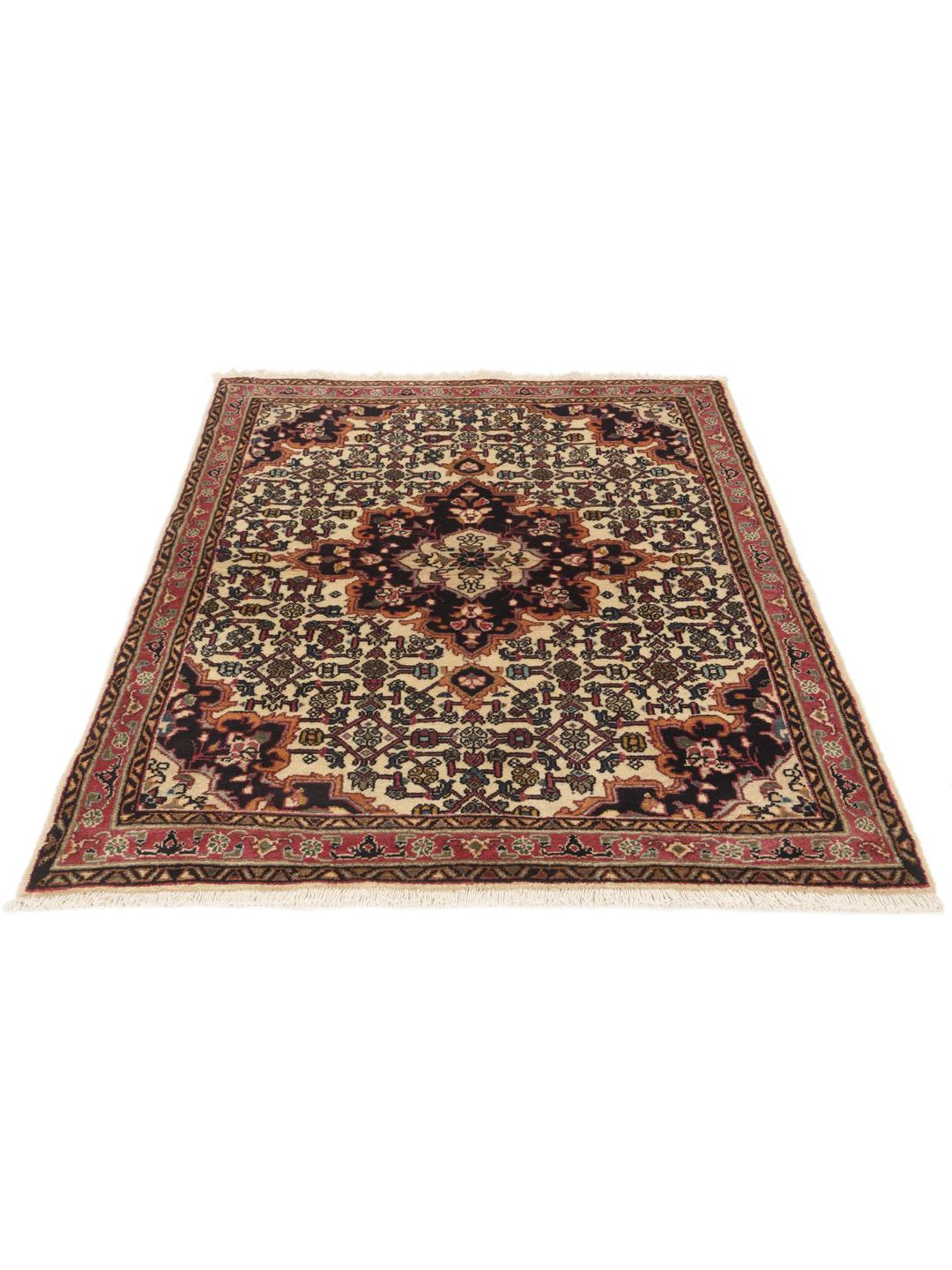
Visually, these rugs are defined by their bold, often geometric, or stylized floral motifs. The central medallion is a frequent feature, balanced by complex, ornate borders that frame the field. While traditional patterns are common, the artistic expression of each weaver allows for creative variations in the colour and motif, making every rug a distinct narrative of its maker's skill and regional heritage.
Collecting a rug from this tradition is an investment in cultural history. These pieces are valued not only for their robust construction but also for the preservation of ancient weaving methods. By owning such a rug, you are preserving a legacy of craftsmanship that has survived for centuries, bringing an authentic sense of heritage and enduring quality into your living space.