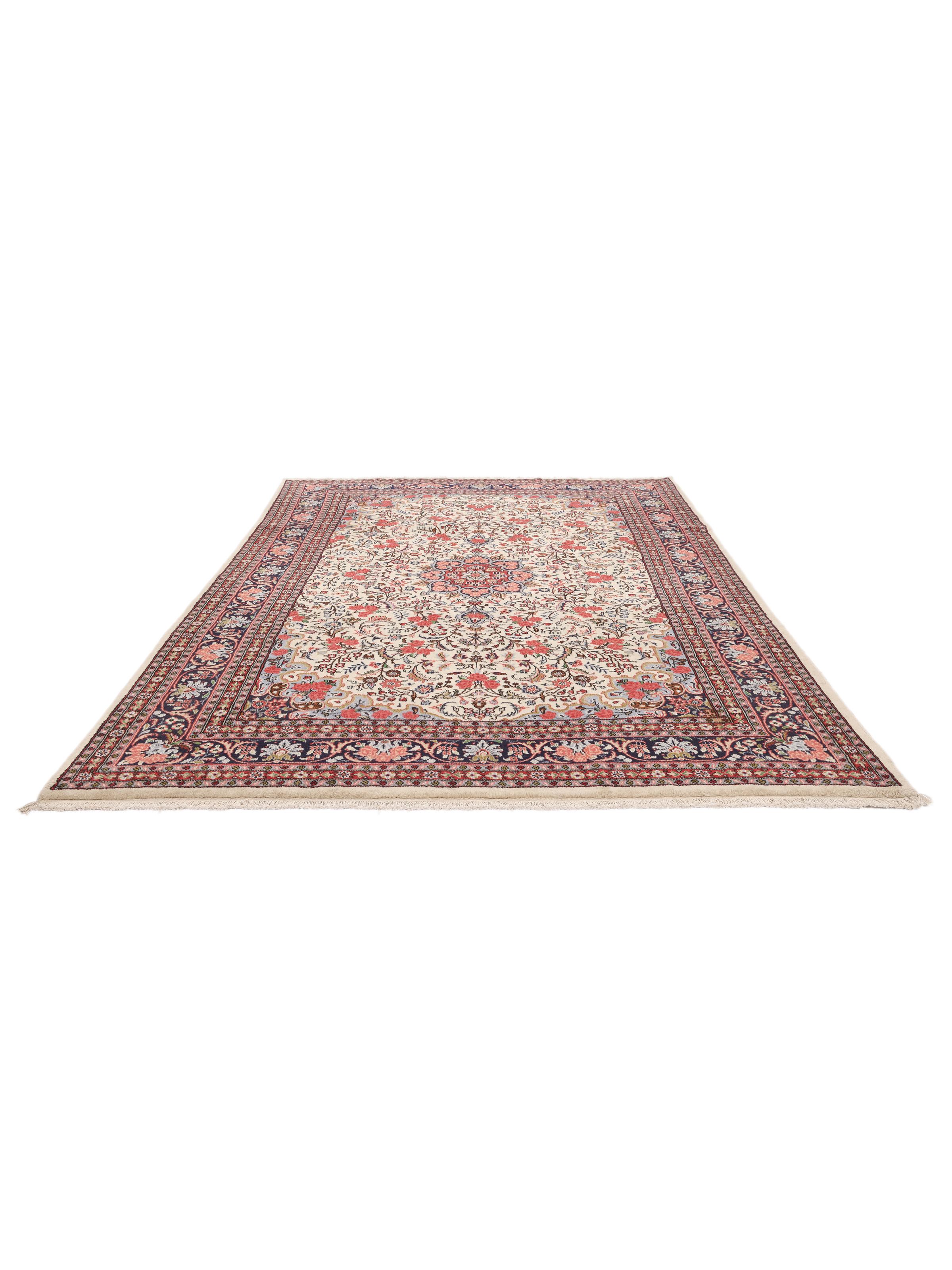
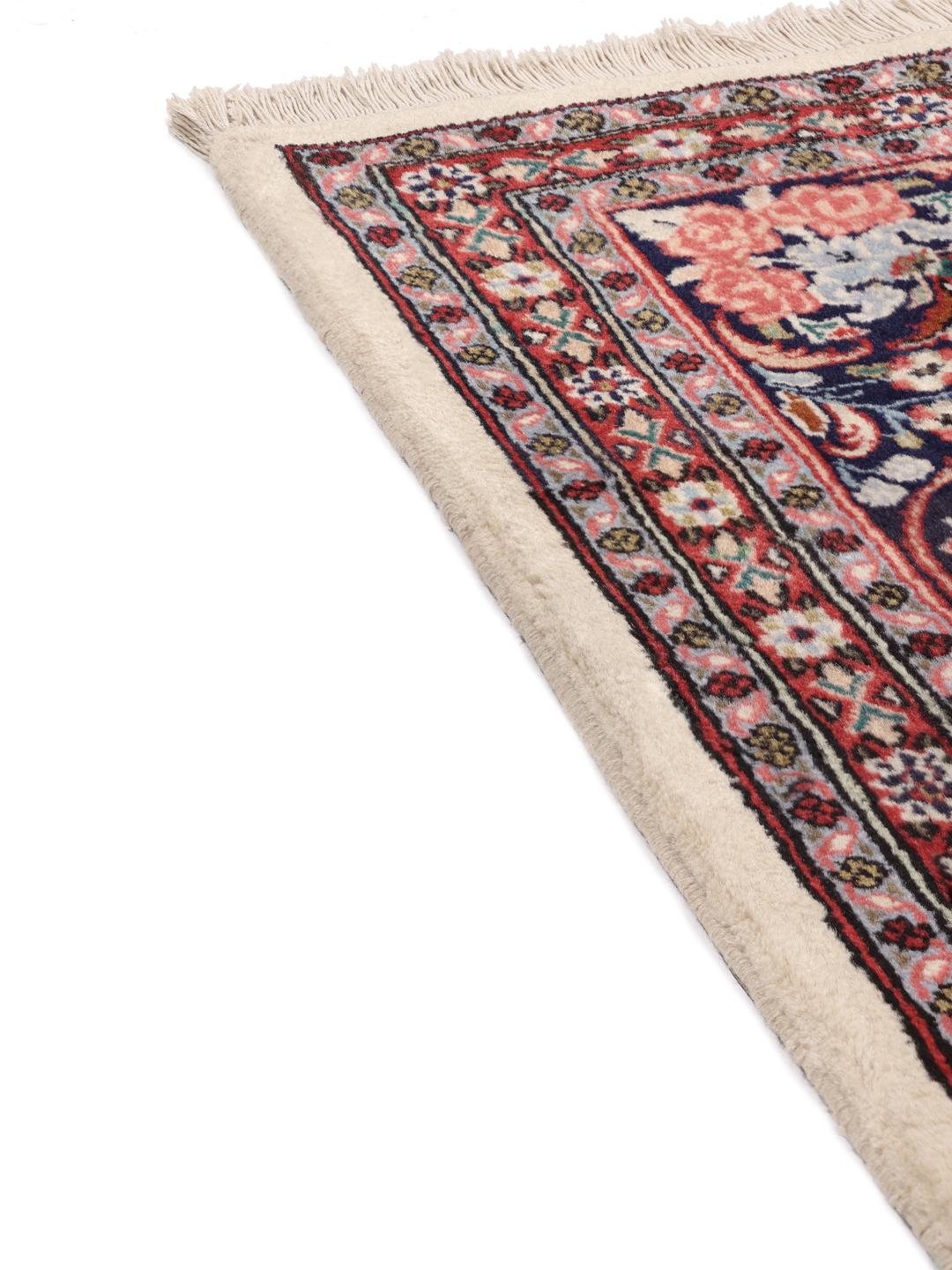
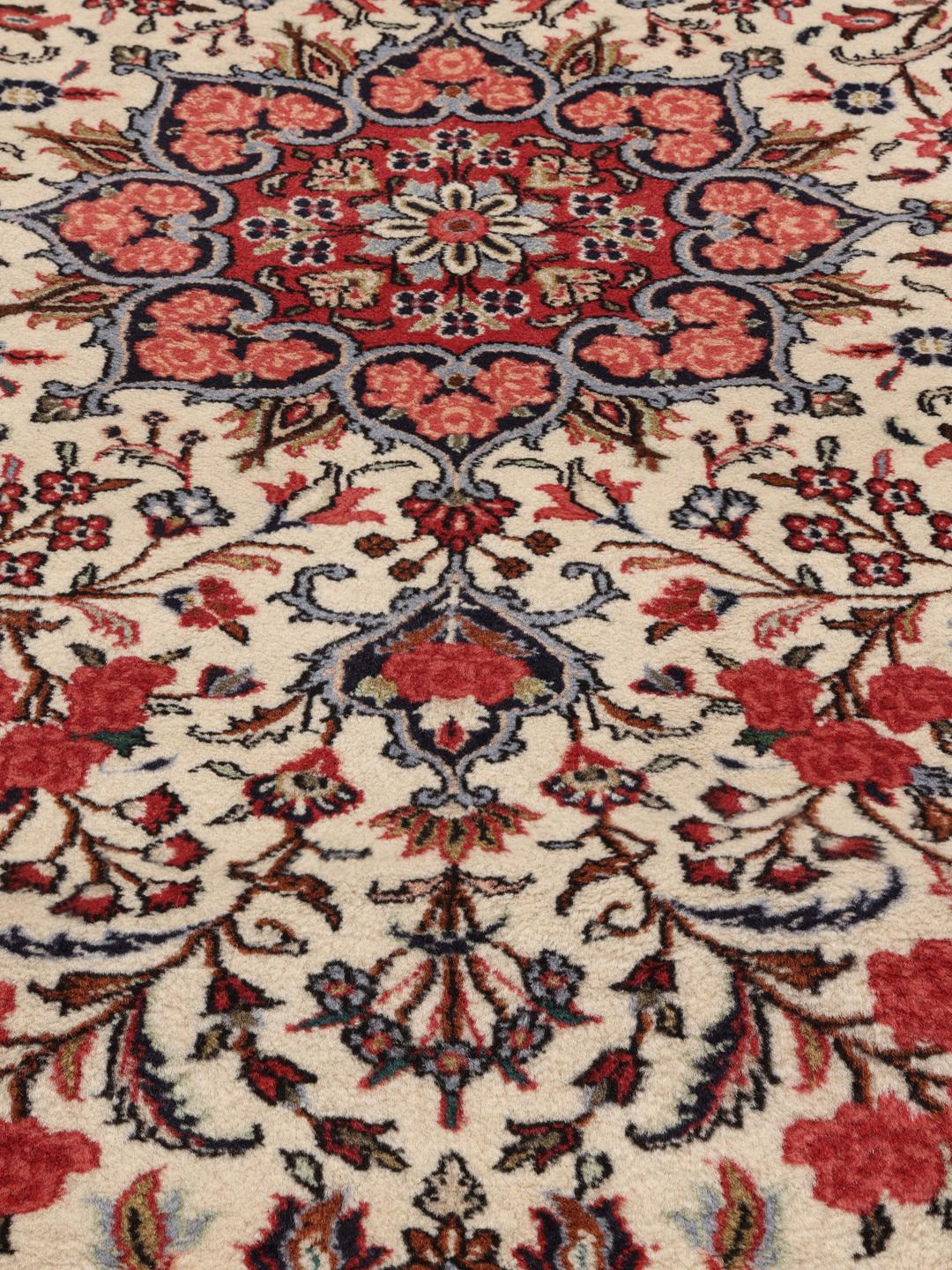
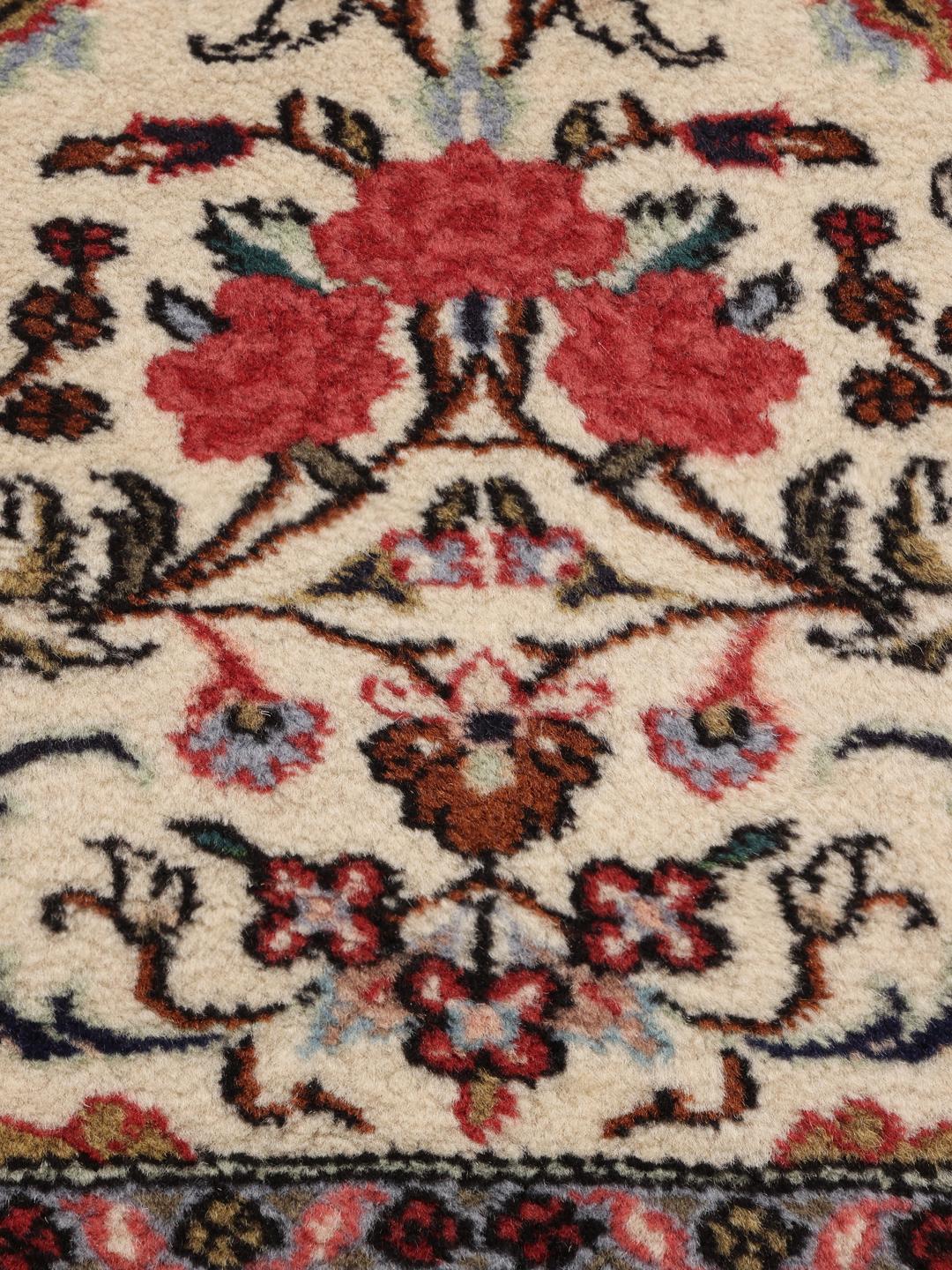
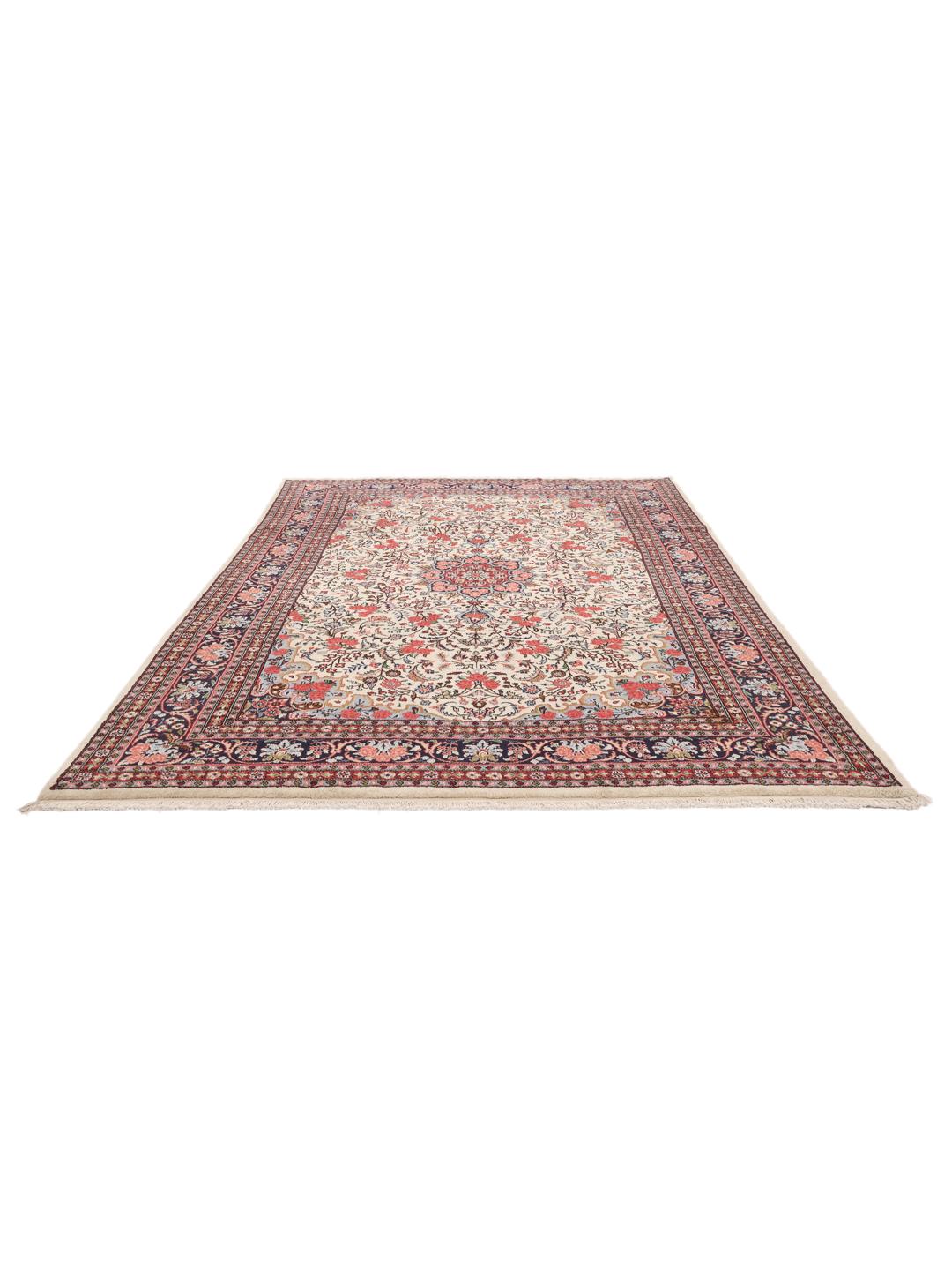
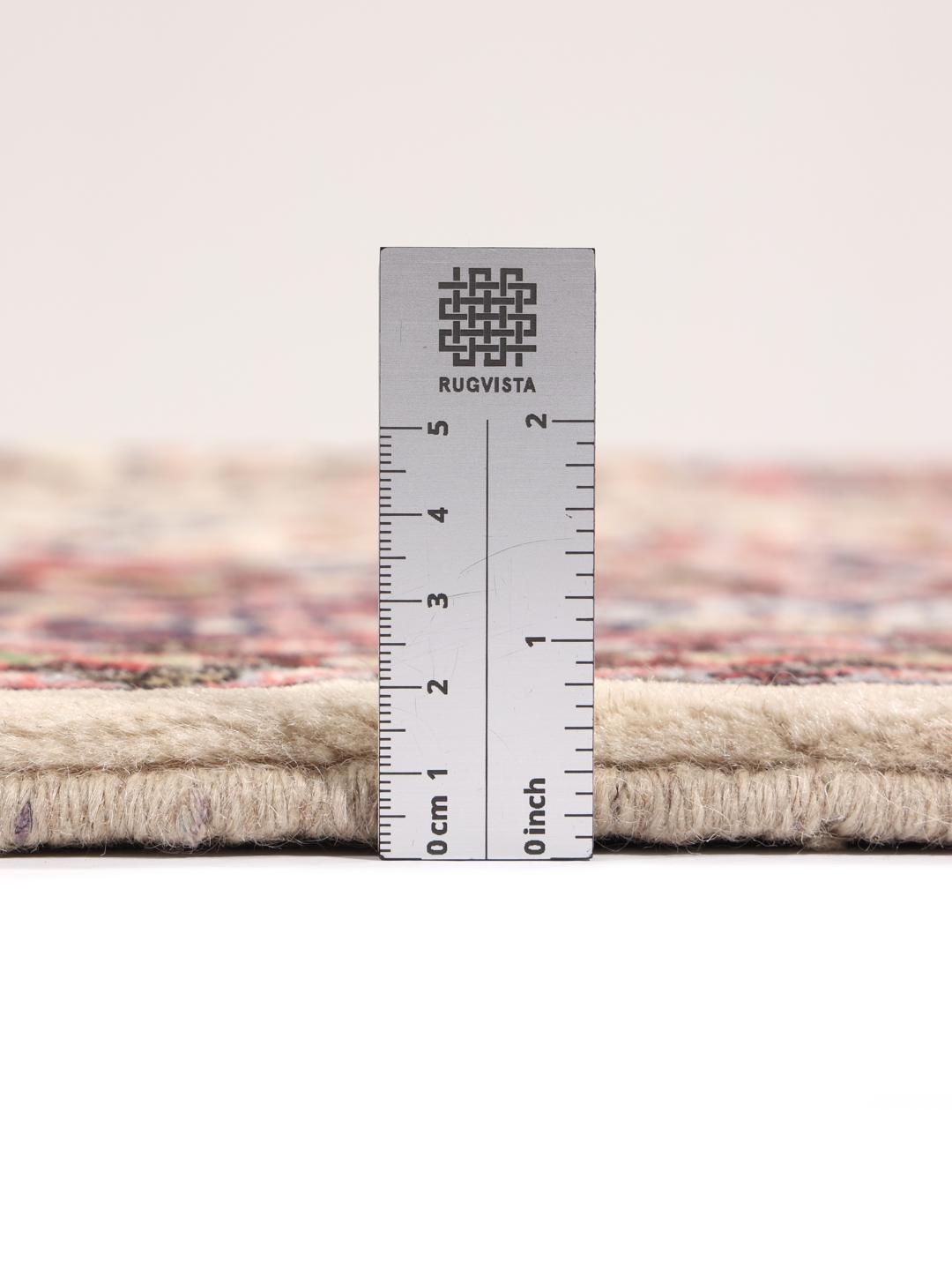
Bidjar rugs originate from the Kurdish town of Bijar in the Middle East, a region renowned for its deep-rooted weaving traditions. Often referred to as the Iron Rugs of the Middle East, these pieces are celebrated for their legendary durability and heavy, dense construction. This reputation stems from the unique way the weavers compress the foundation, creating a rug that is remarkably sturdy and resilient.
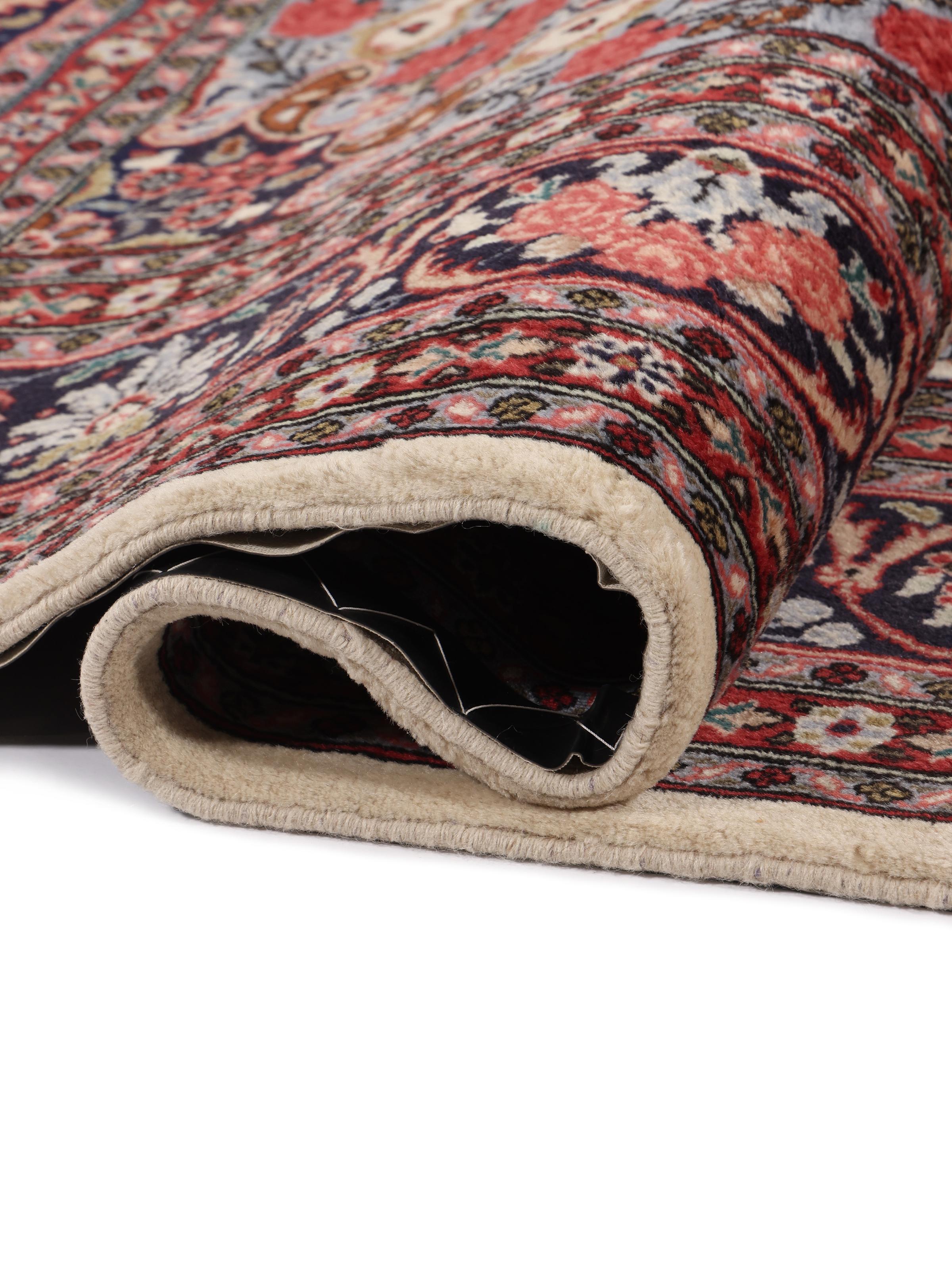
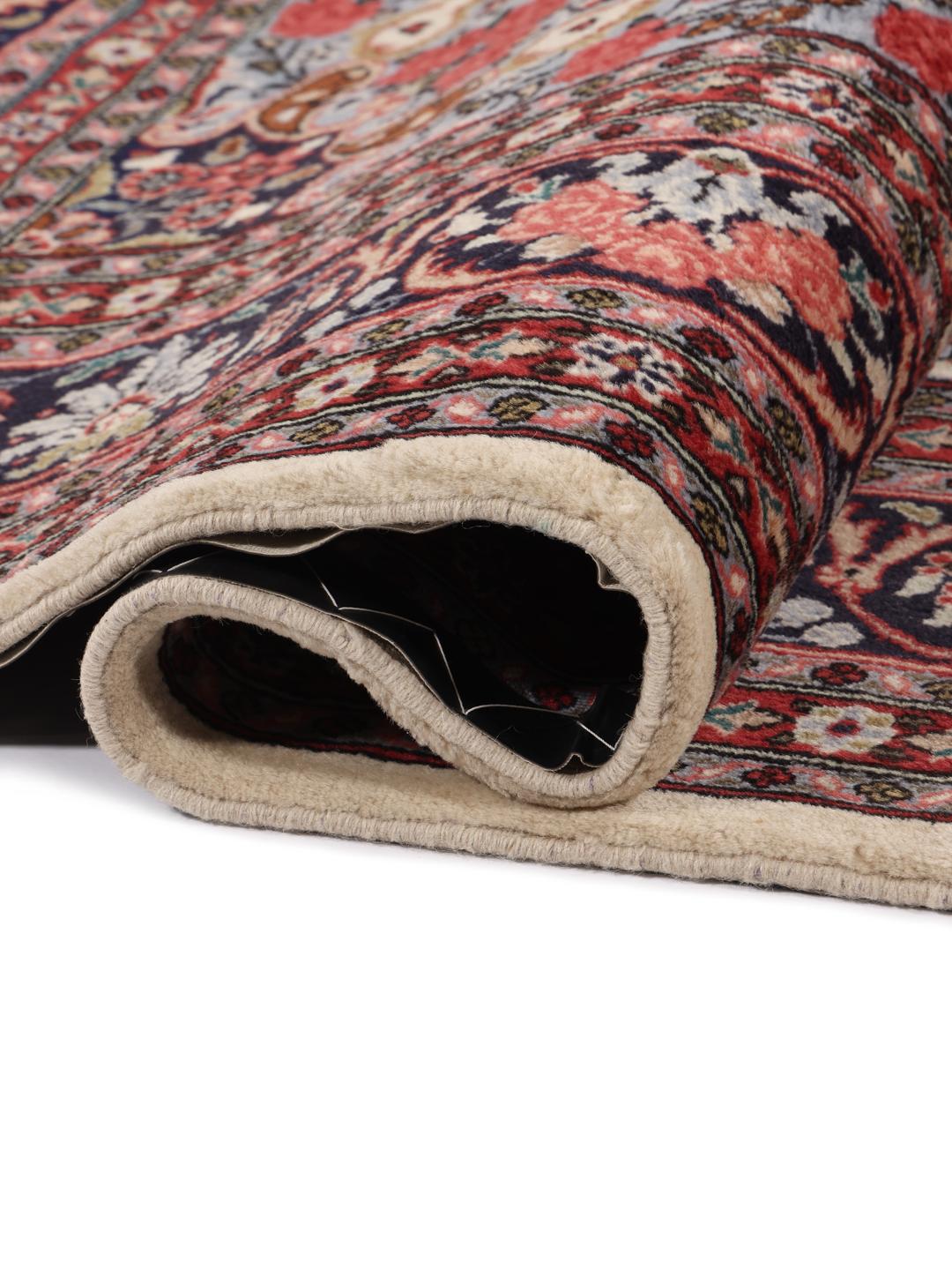
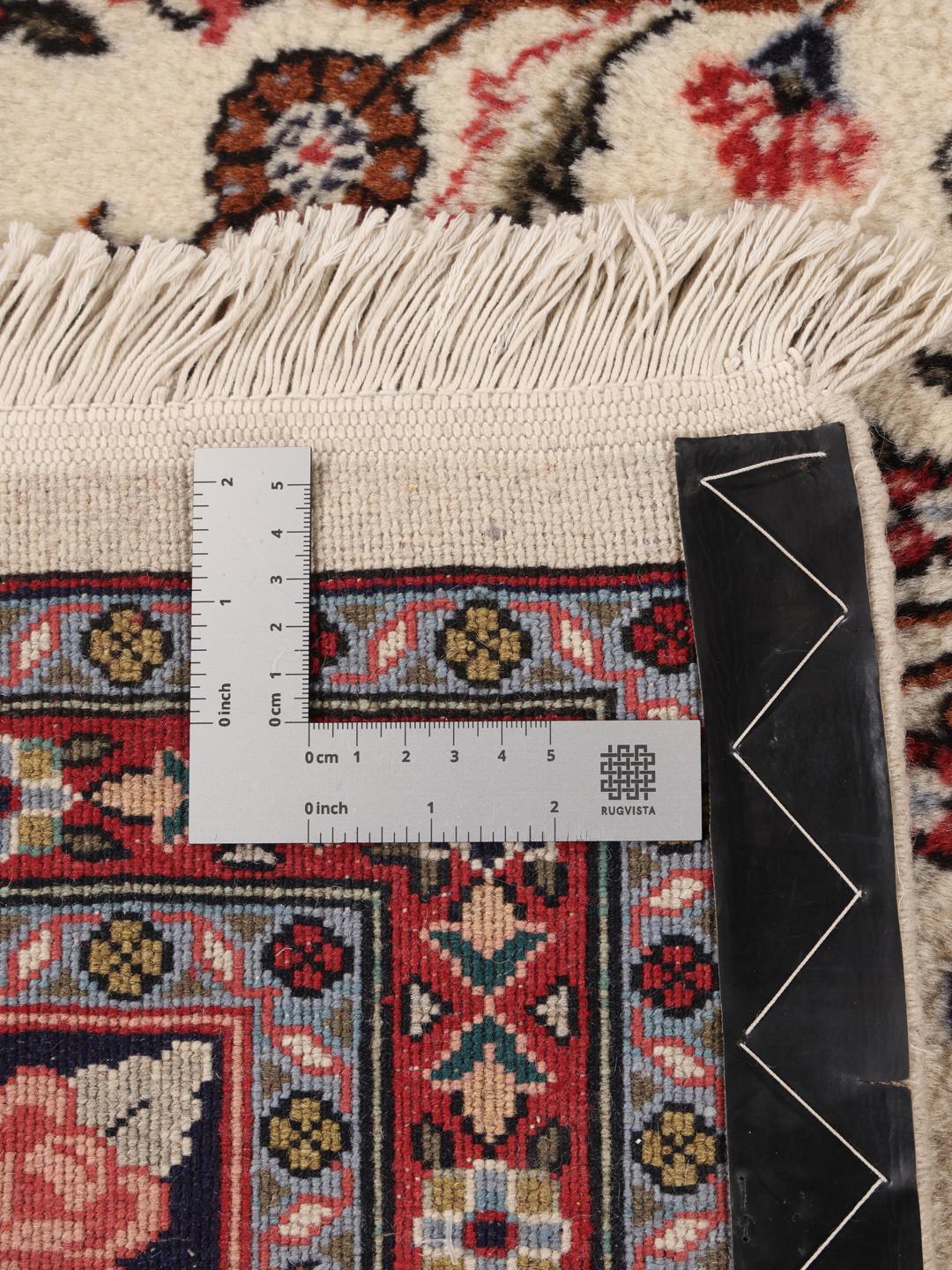
The technical mastery involved in a Bidjar rug is centred on the specific way the knots are tied and the foundation is prepared. The technique typically involves using a heavy, wet comb to beat the wefts down with great force, which locks the wool pile into a near-vertical position. This creates a surface that is not only dense and lustrous but also exceptionally resistant to wear and tear, making it a prized choice for high-traffic areas.
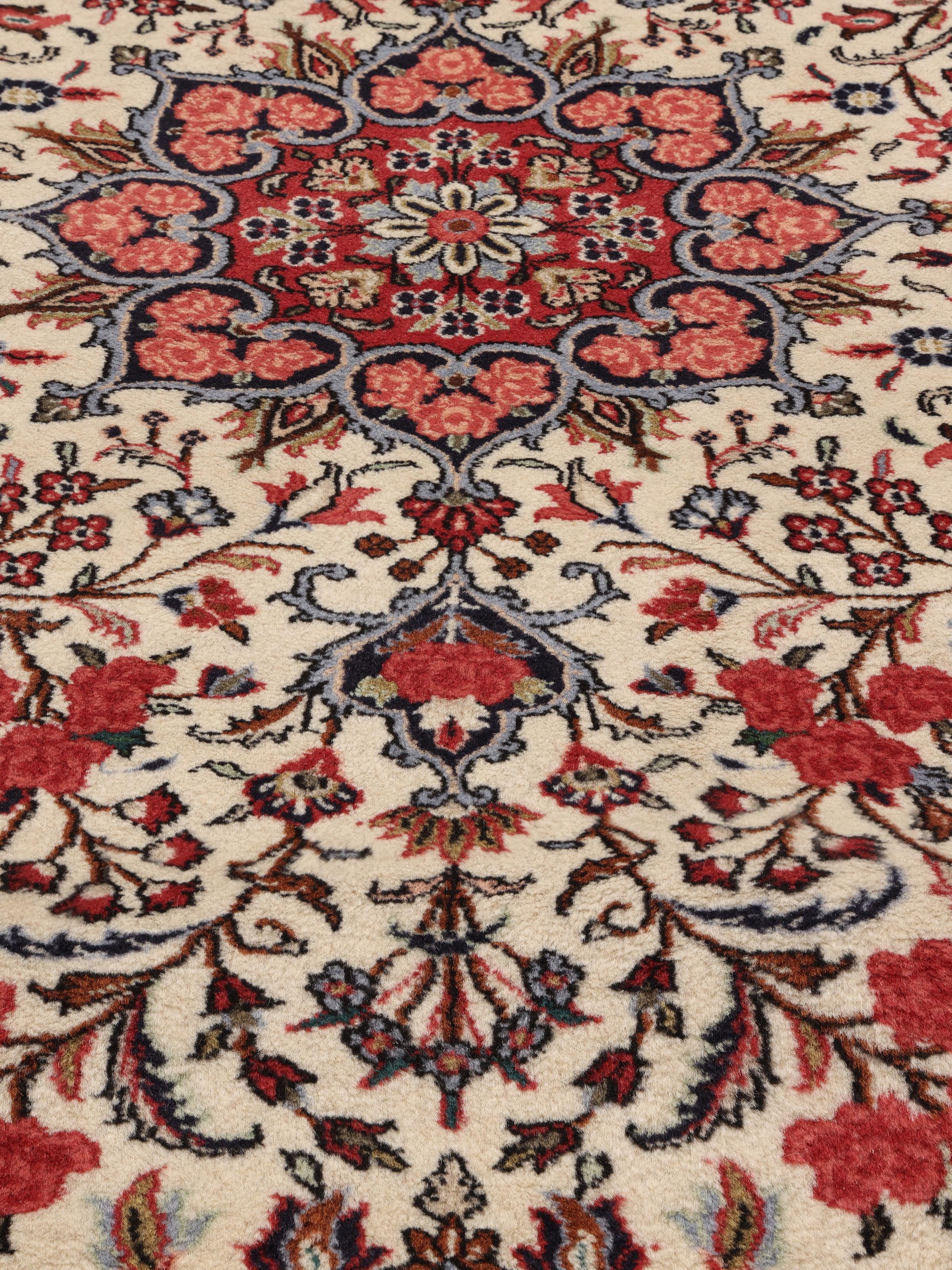
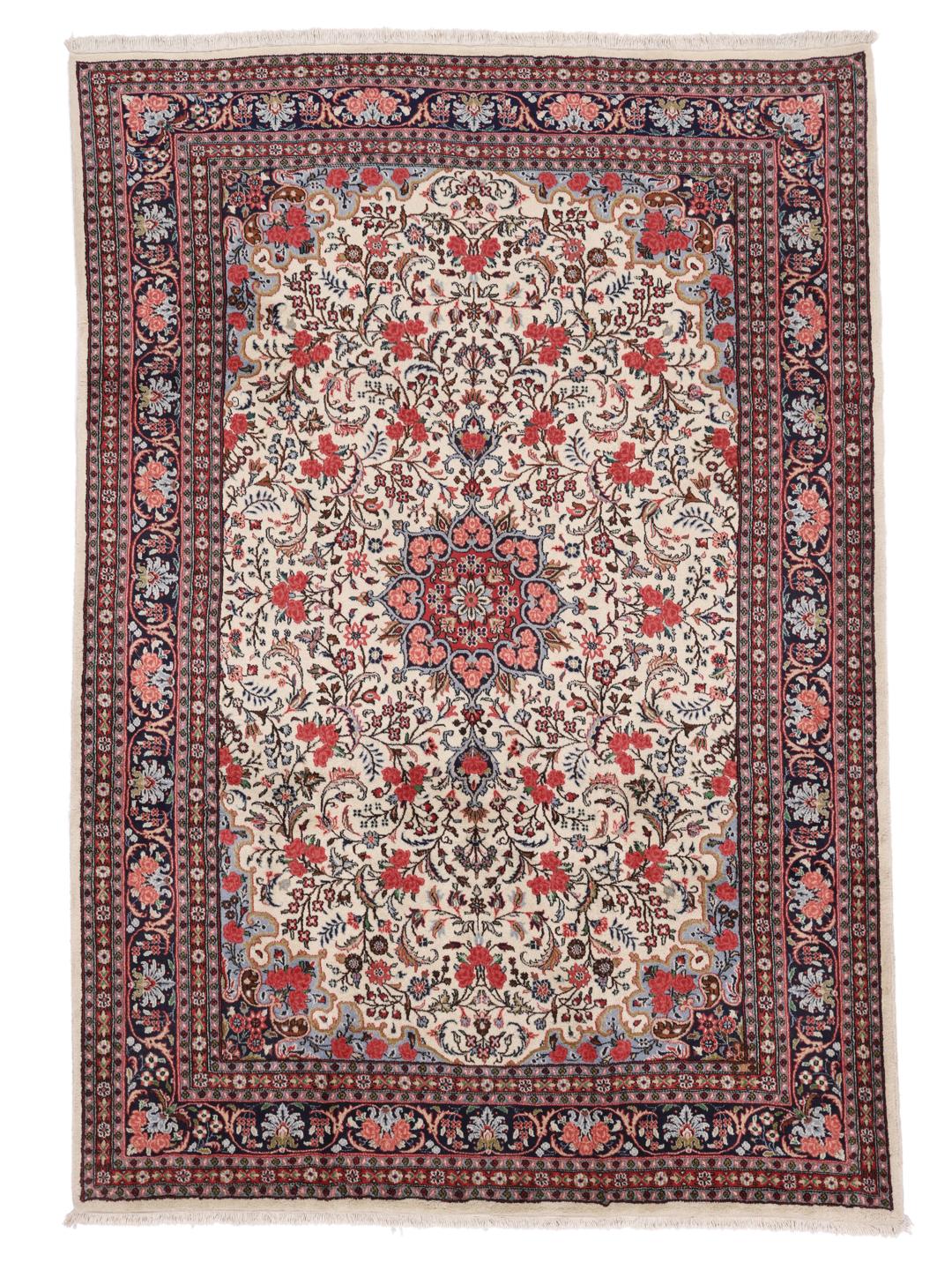
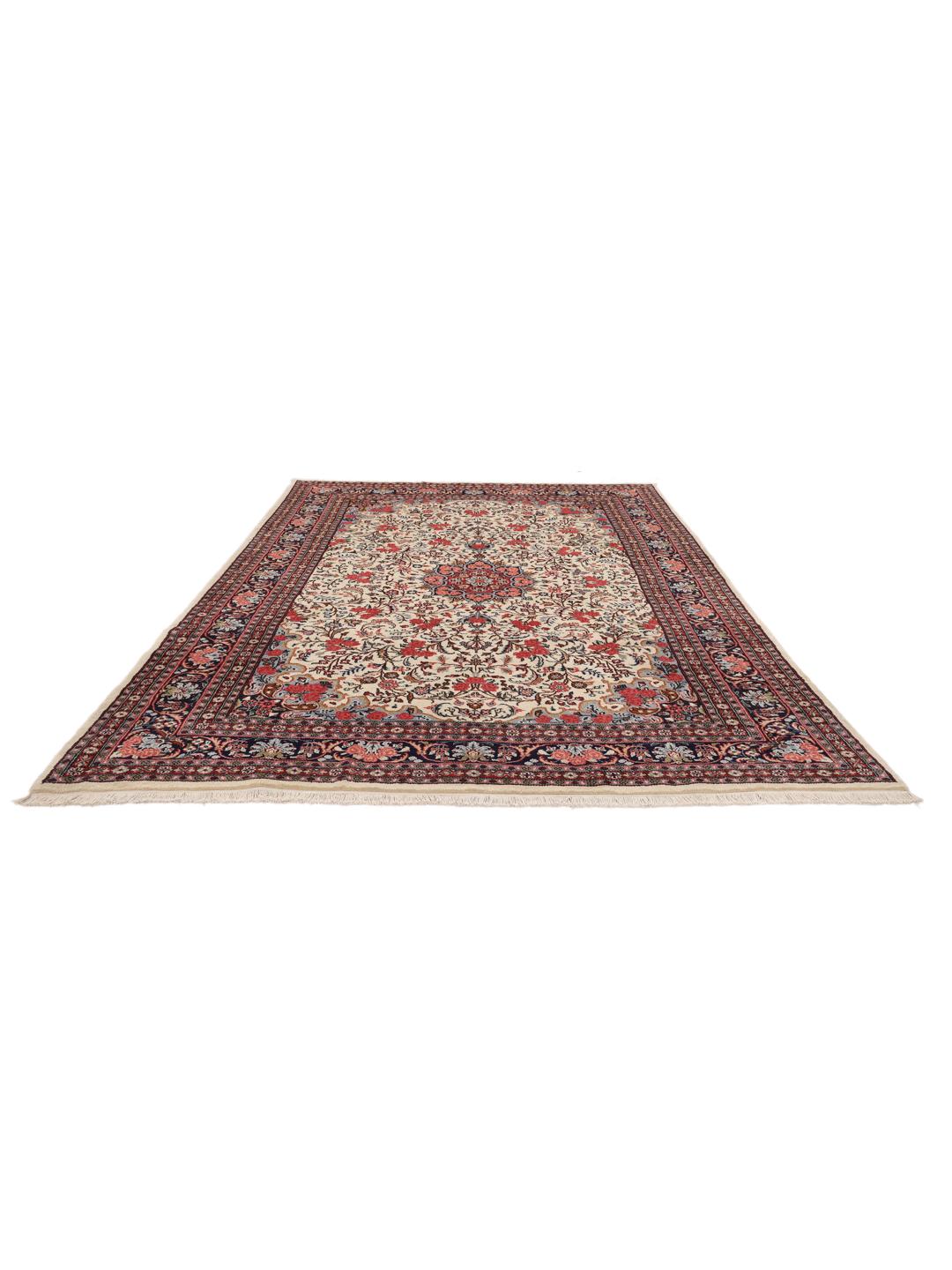
Visually, these rugs are known for their sophisticated patterns, often centred around a grand medallion. While many feature a classic Herati or floral design, the execution is always distinct, often characterised by a rich, layered aesthetic. The borders are usually broad and formal, providing a structured frame that complements the complexity of the central field and highlights the vibrant colour palettes traditionally employed by the weavers.
Collectors value these rugs for their combination of artistic beauty and rugged, long-lasting construction. Owning a Bidjar is seen as a commitment to a centuries-old craft that balances aesthetic grace with structural strength. It is a piece that carries the cultural weight of its origin, offering a narrative of skill and tradition that enhances the character of any home.