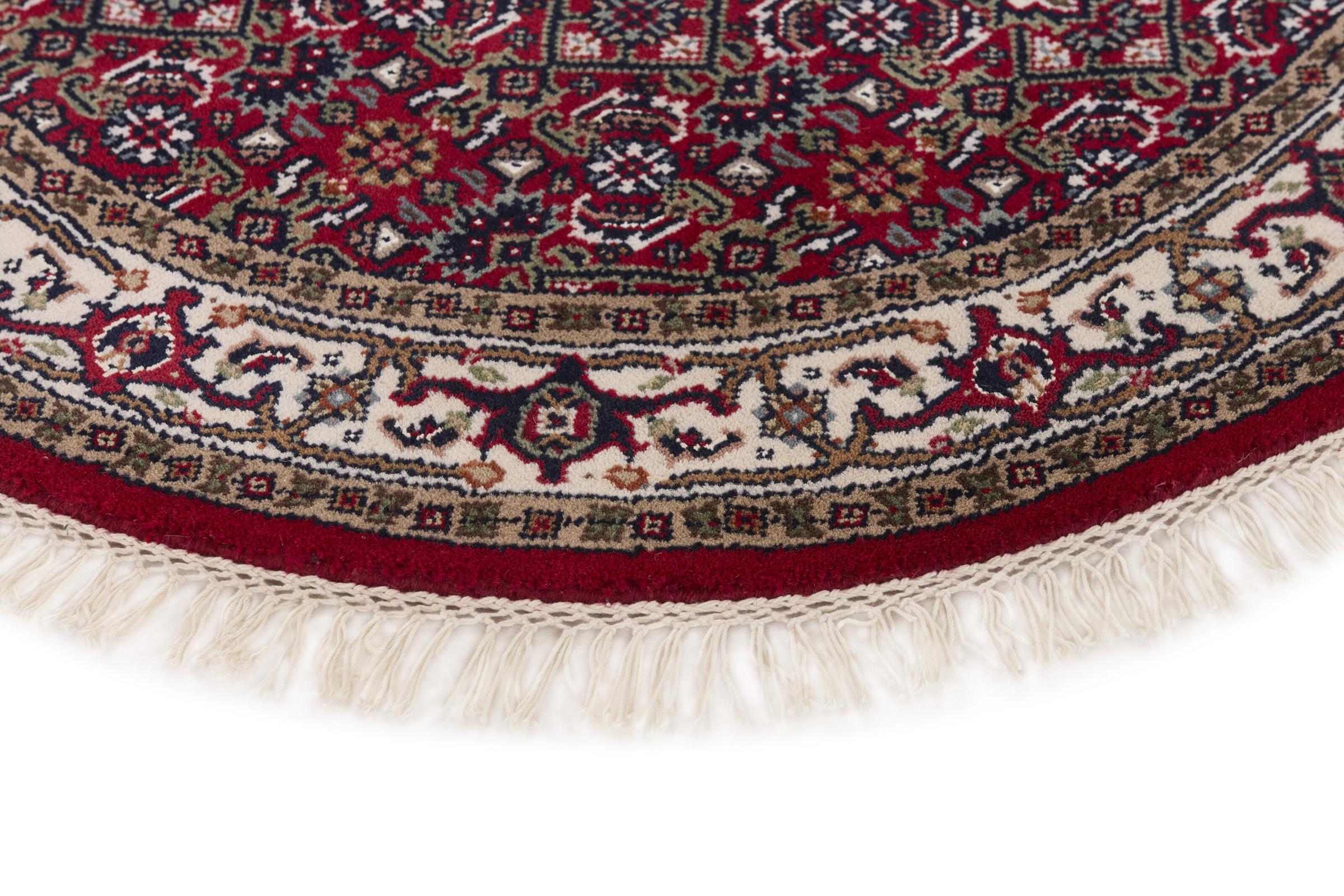
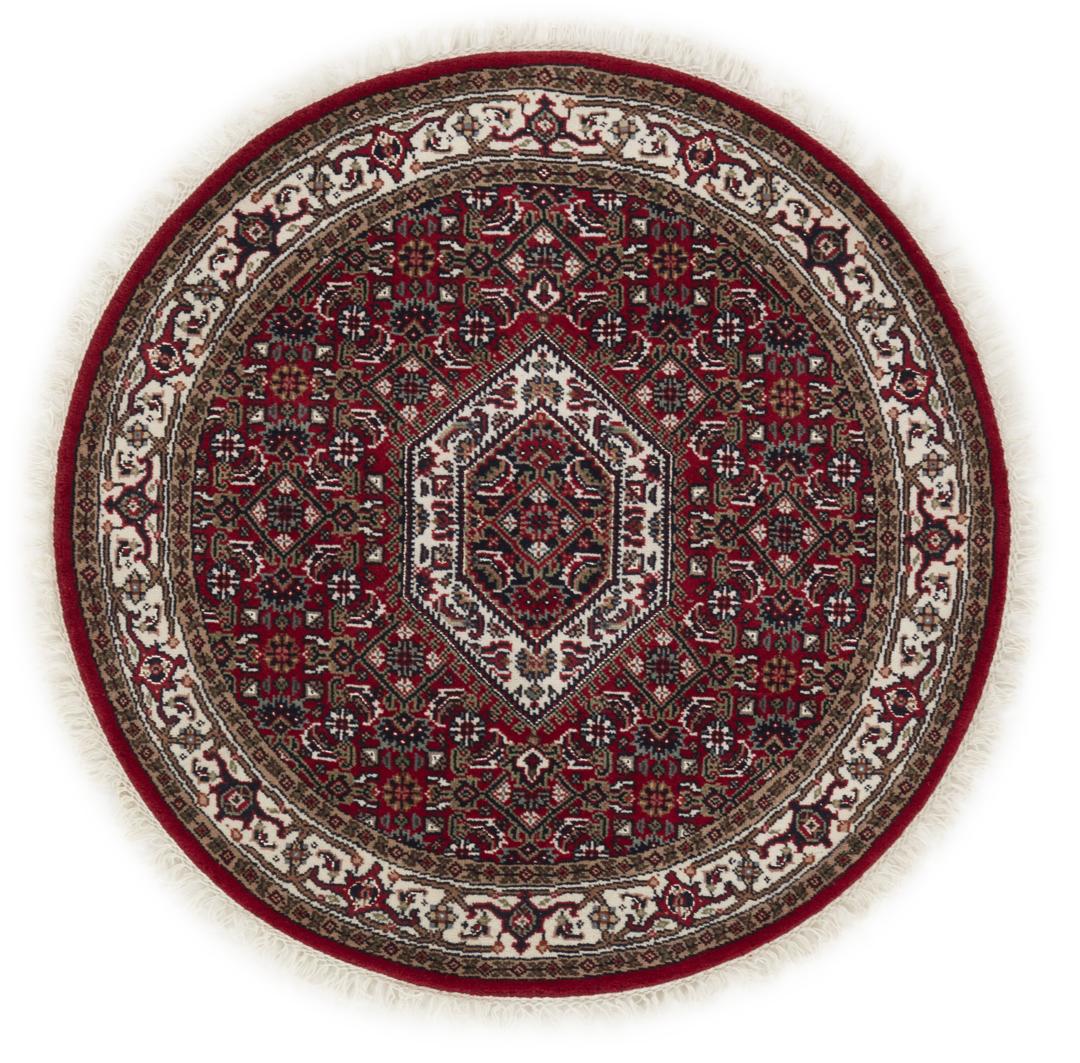
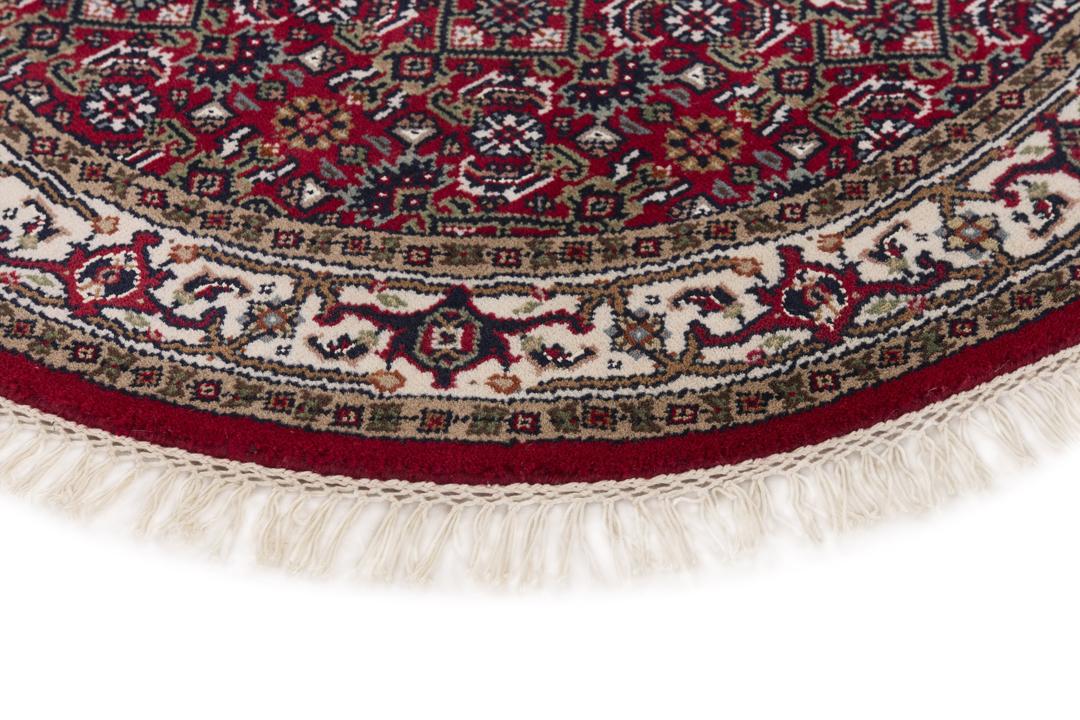
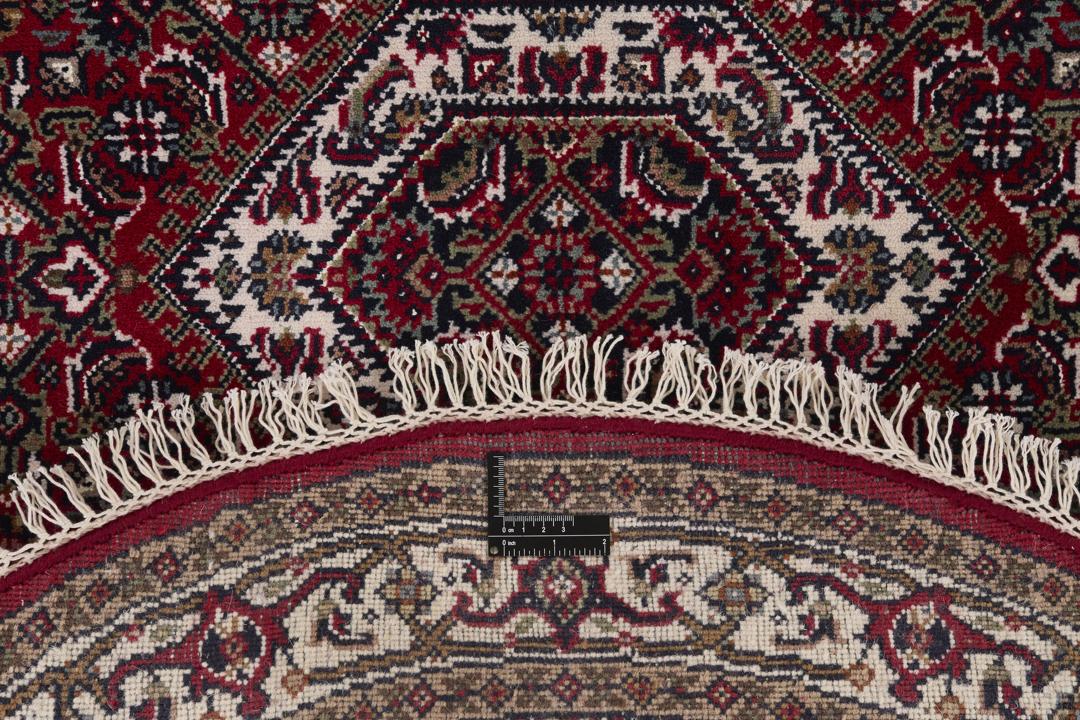
Bidjar rugs originate from the Kurdish region of the Middle East, specifically the town of Bidjar, which is renowned for producing some of the most durable and tightly woven rugs in the world. Historically, these rugs are celebrated for their remarkable longevity, often referred to as the iron rugs of the region due to their heavy, compact construction. The tradition has since been carried forward by skilled weavers in India who maintain these high standards of quality.
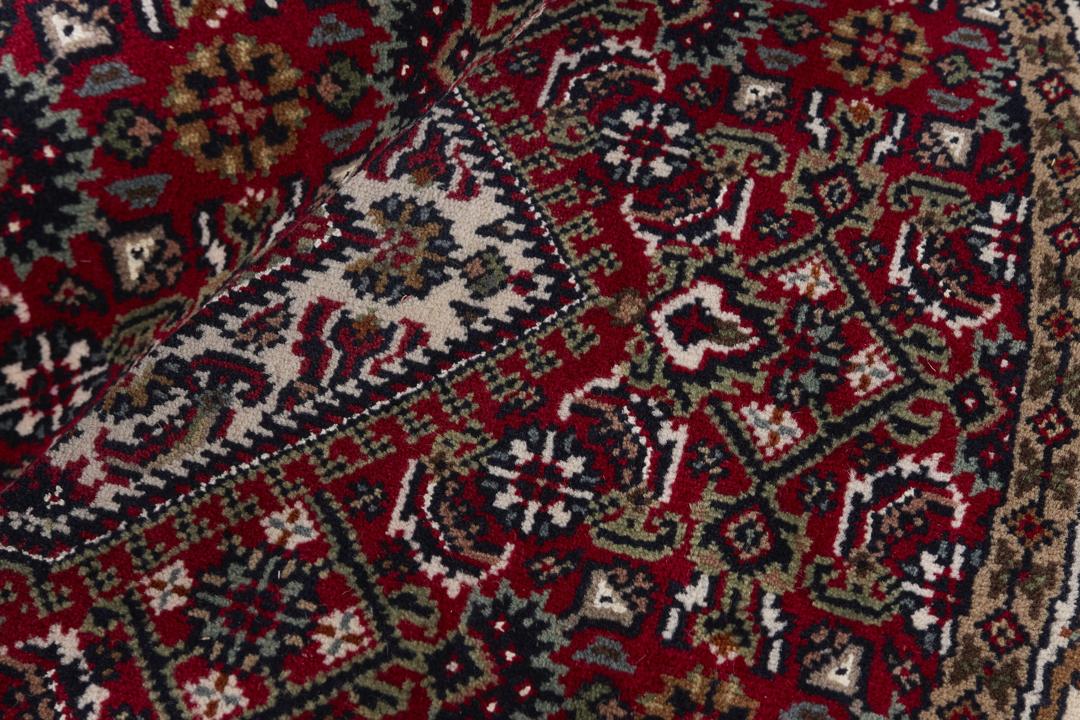
The term Bidjar refers to a specific weaving philosophy that prioritises structural integrity and density. By using a heavy, multi-layered foundation, these rugs achieve a firmness that is distinct from other styles. This technique creates a pile that stands upright and resists wear, which is why they are often sought after by those who prioritise both aesthetic beauty and long-term functional value in their floor coverings.
Visually, Bidjar rugs are characterised by their formal and often dense ornamentation. They frequently feature intricate floral motifs, repeating geometric medallions, or the classic Herati pattern, which consists of a central flower surrounded by leaves. The colour palettes are typically deep and saturated, relying on rich reds, blues, and earthy tones to create a sense of groundedness and traditional sophistication.
Collectors value Bidjar rugs not only for their robust construction but also for the cultural heritage they represent. Owning a piece from this lineage is an act of preserving a historic craft that values the human touch above all else. These rugs are seen as investments in heritage, where the skill of the artisan is permanently captured in the weave, providing a legacy of beauty that can be passed down through generations.