The Bidjar tradition, often referred to as the Iron Rugs of the Middle East, is renowned for its incredible durability and structural integrity. Originating from the Kurdish region, these rugs are historically celebrated for their dense, heavy construction which makes them exceptionally long-lasting. While the style has evolved over centuries, the core aesthetic remains focused on strength and intricate, formal beauty.
The term 'Bidjar' refers to a specific design tradition that emphasises complex floral and geometric motifs. In the past, the weavers were known for their unique technique of using a heavy, wet foundation which was beaten down with a specialised metal comb. This process forced the pile to stand up straight, creating a remarkably dense and sturdy surface that could withstand decades of heavy use.
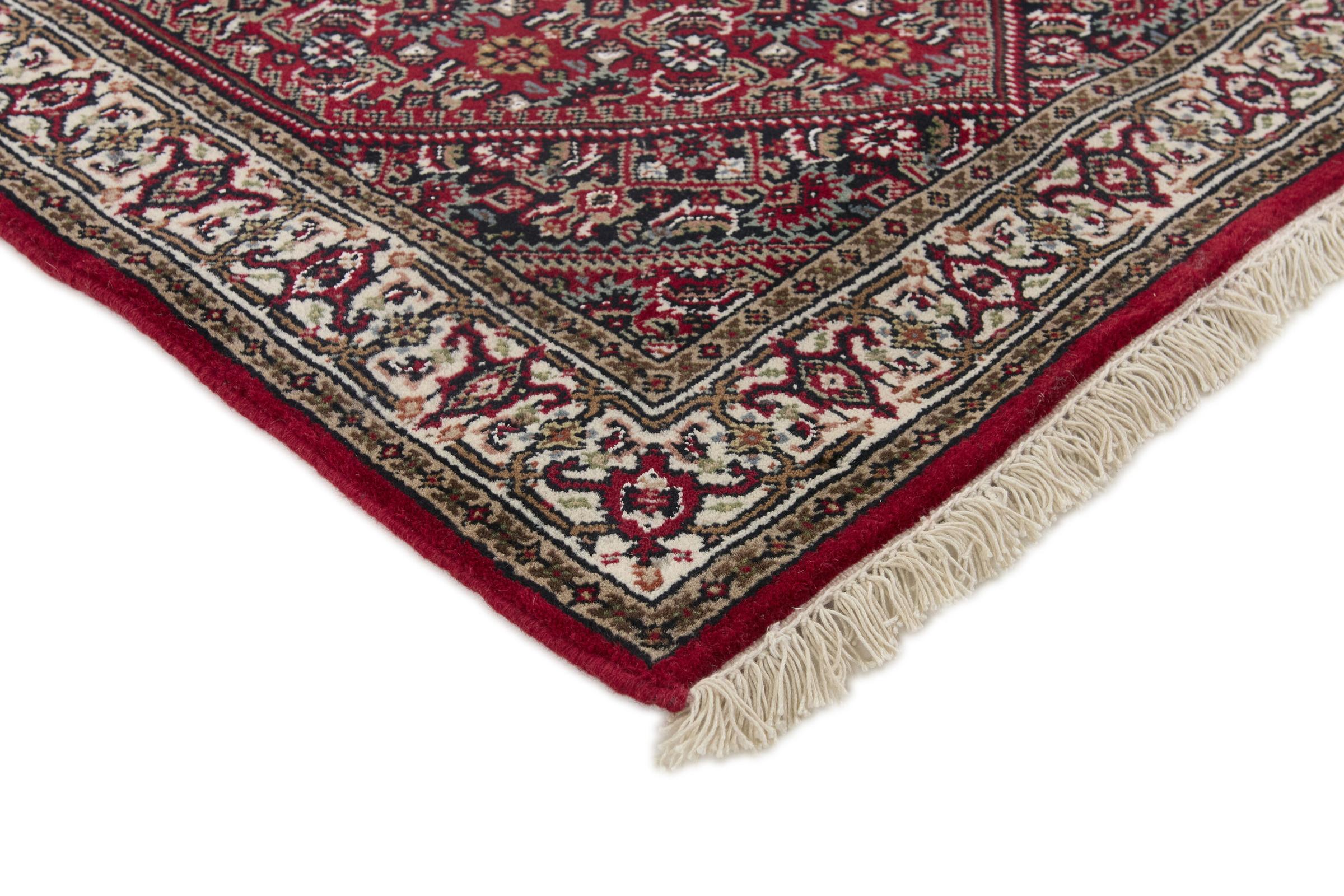
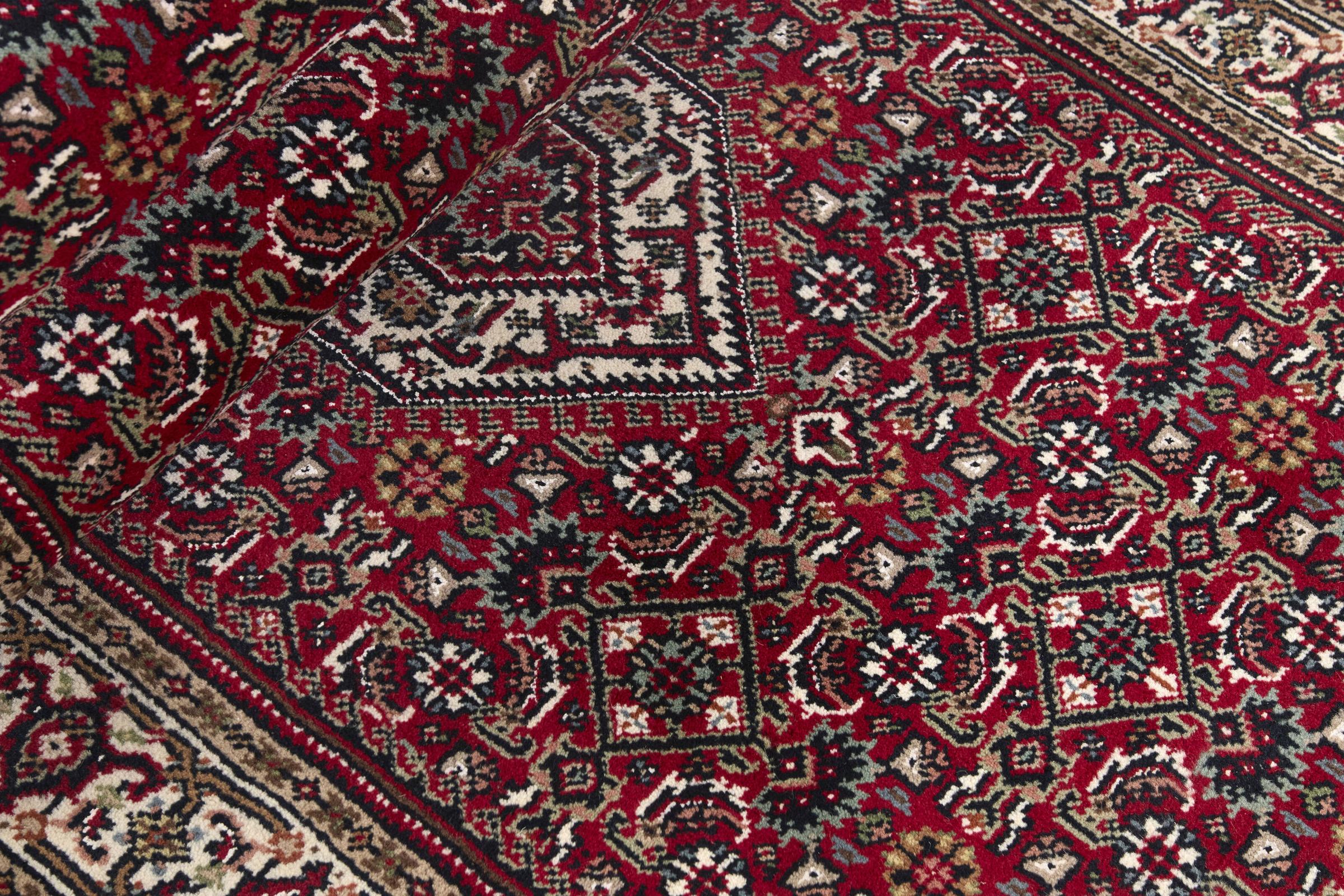
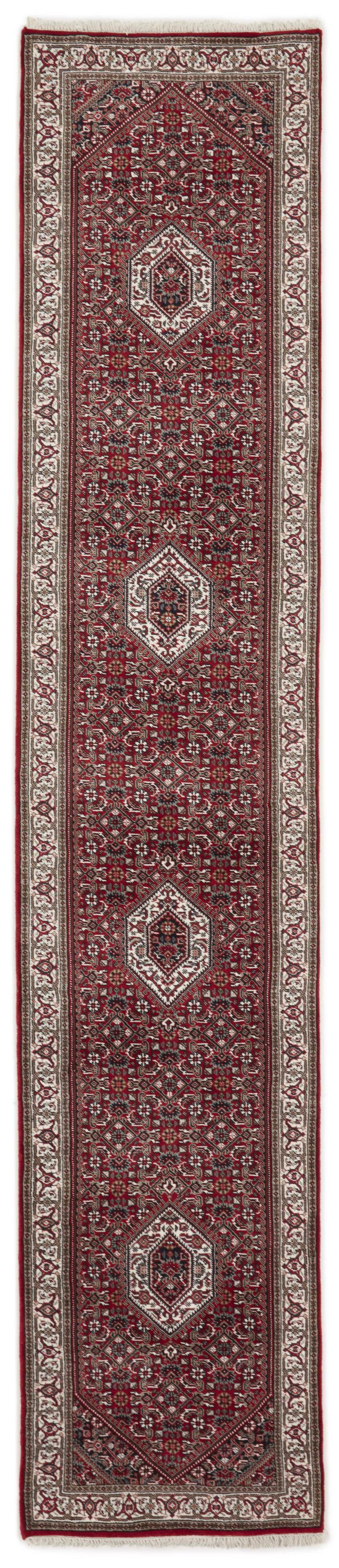
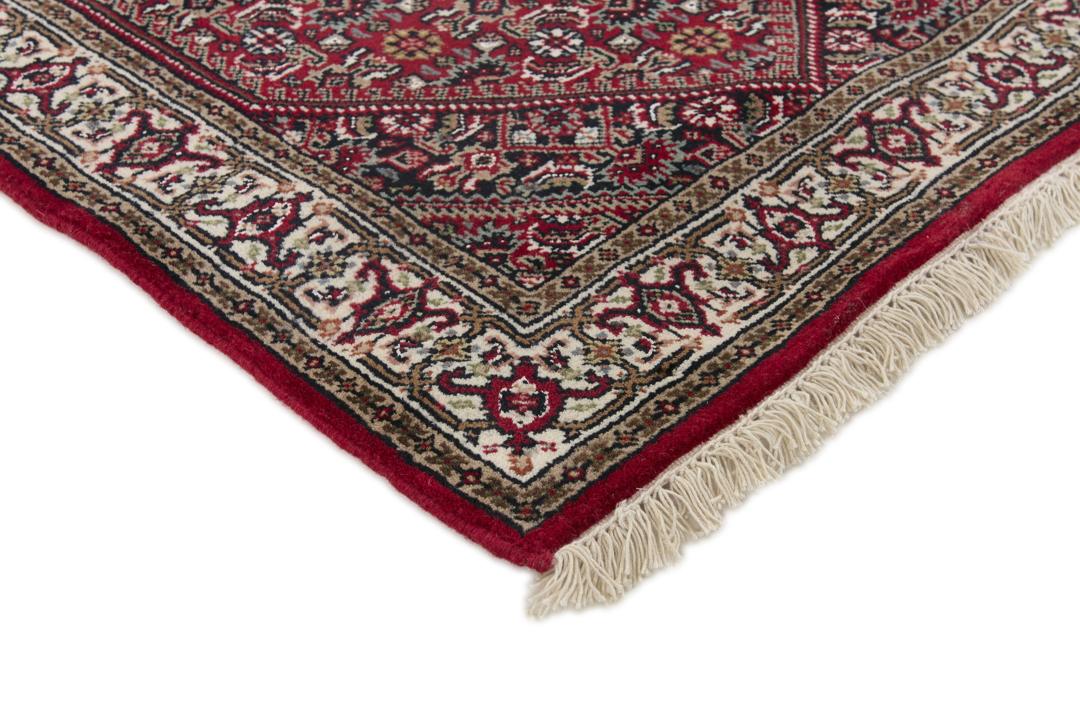
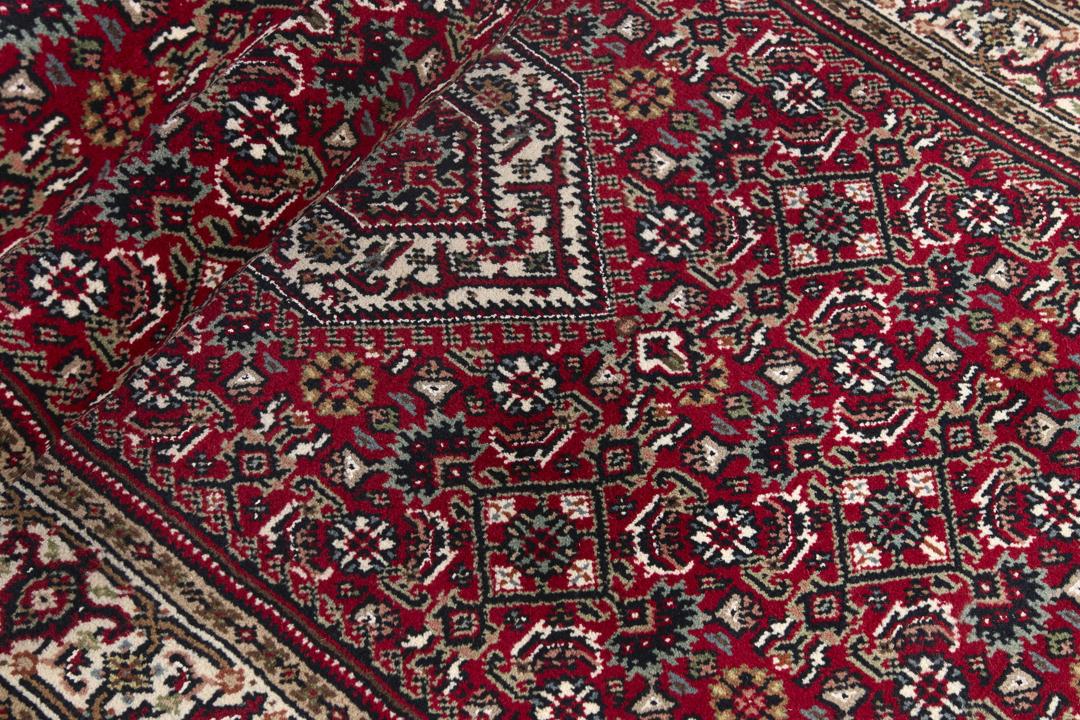
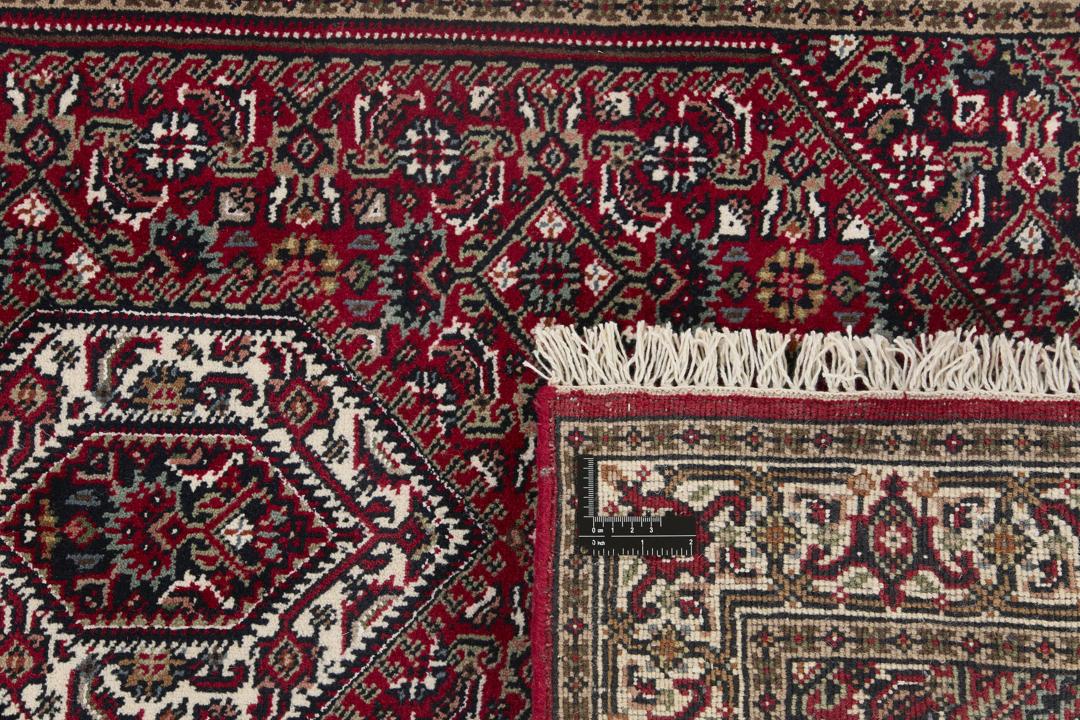
Visually, these rugs are recognised for their elaborate fields and intricate borders, often featuring variations of the Herati pattern or stylised floral medallions. The design language is one of balance and symmetry, drawing the eye toward the centre of the rug. This particular Indian-made piece honours that rich legacy, utilising the classic colour palettes and motifs that have defined the Bidjar name for generations.
Collectors value these rugs not only for their aesthetic appeal but for the deep sense of heritage they carry. Owning a piece inspired by the Bidjar tradition is an opportunity to connect with a history of master-level craftsmanship. It represents a commitment to enduring quality and a respect for the cultural narratives that have shaped the world of traditional textile arts.