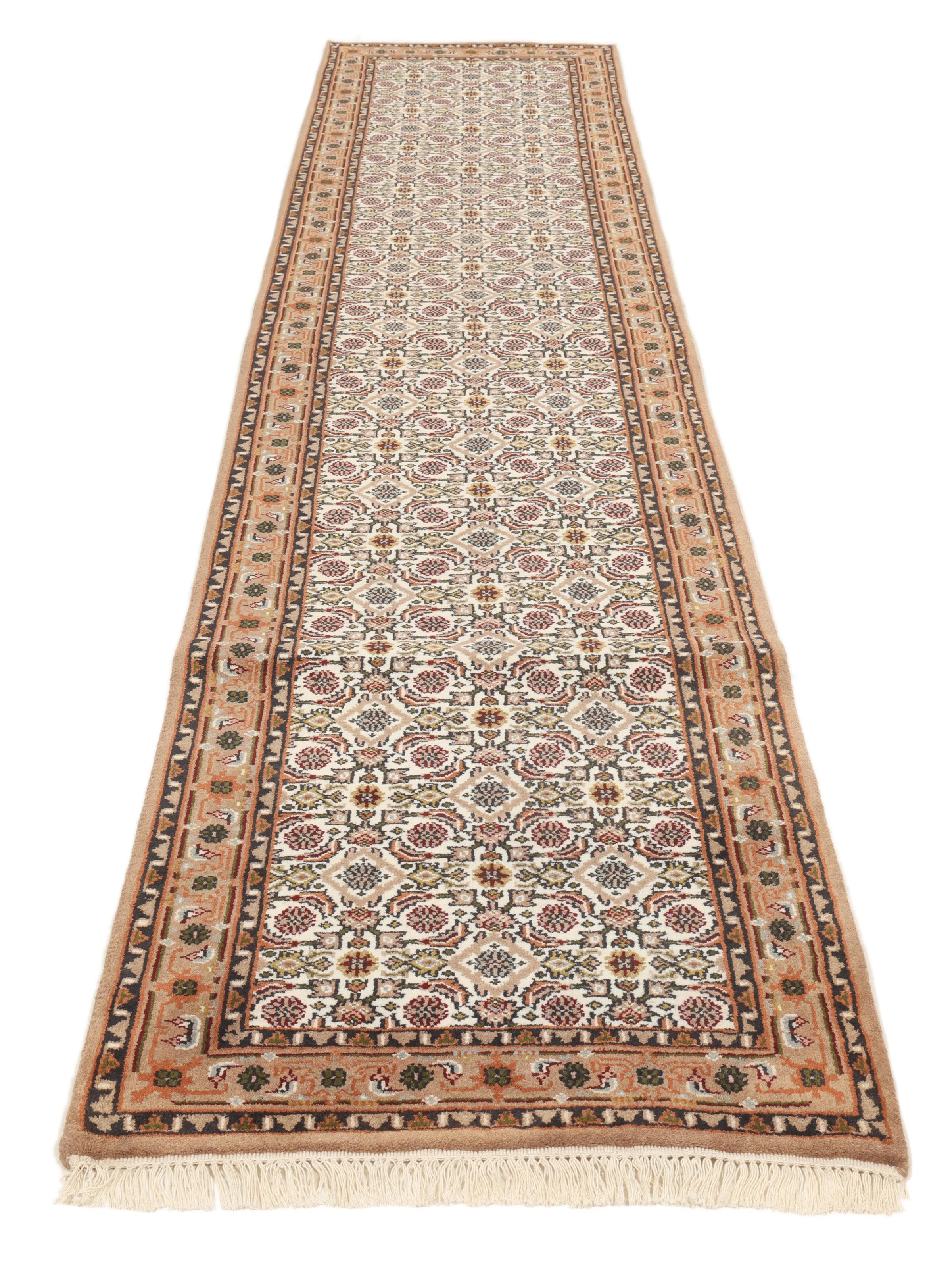
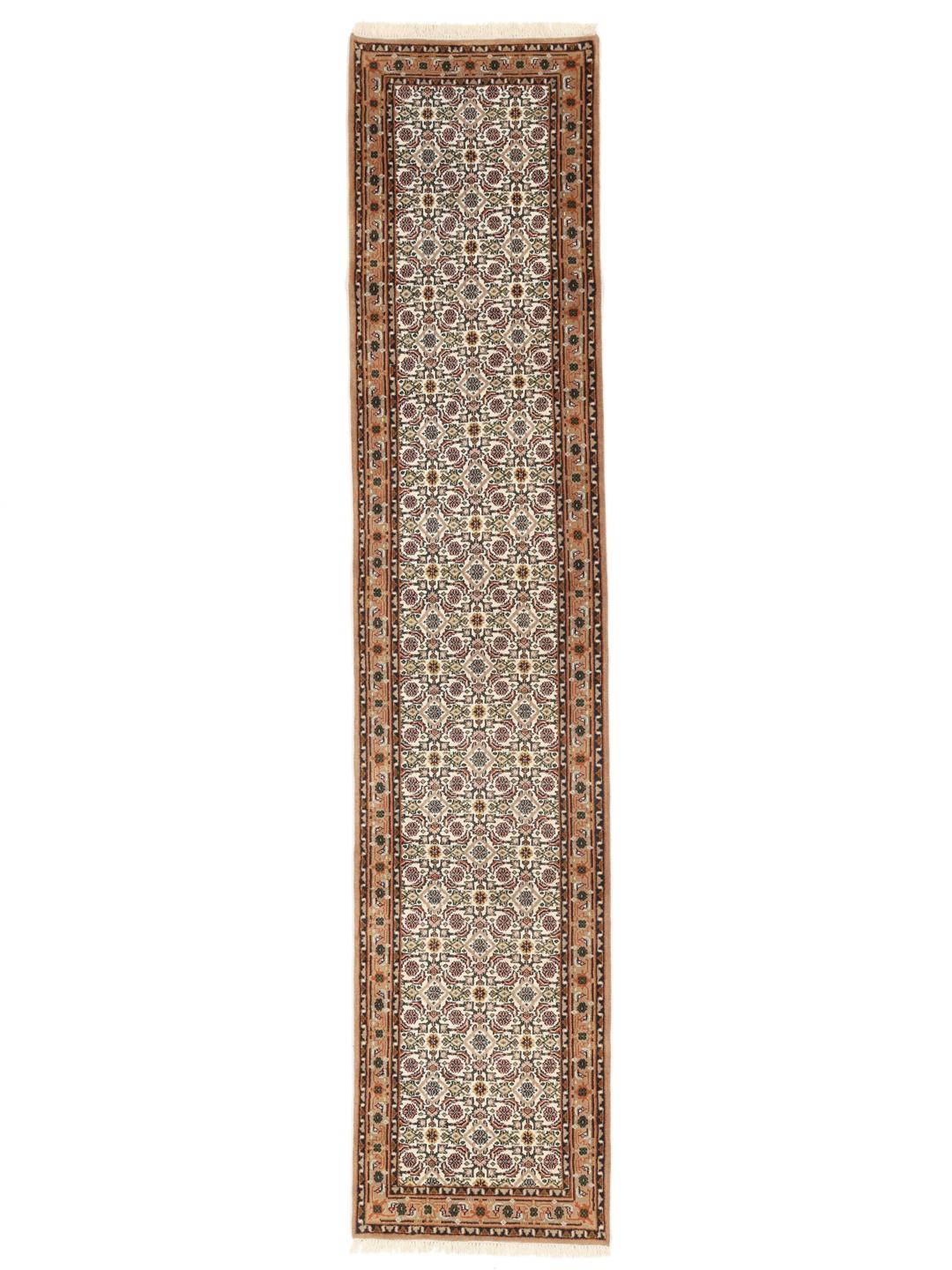
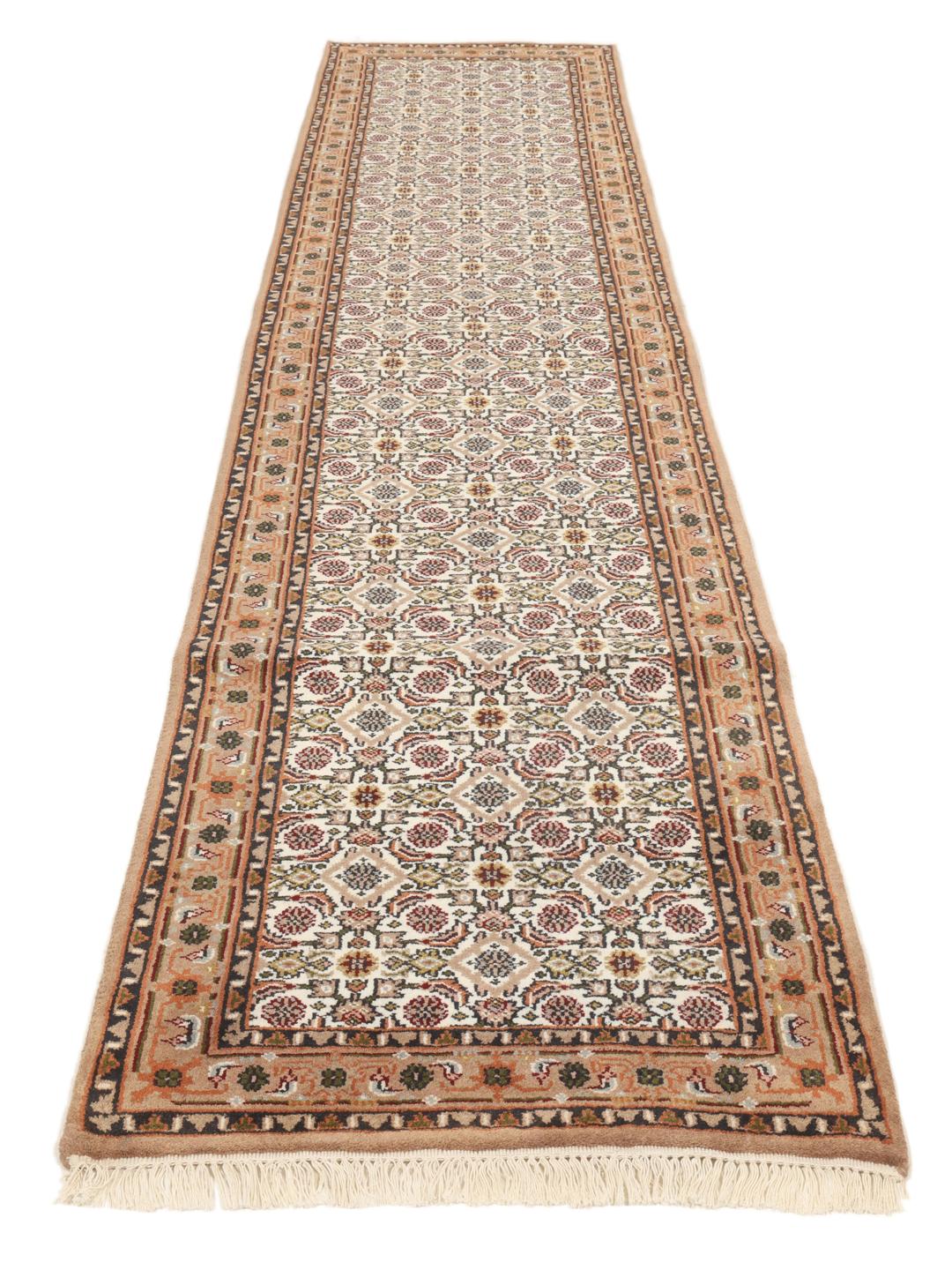
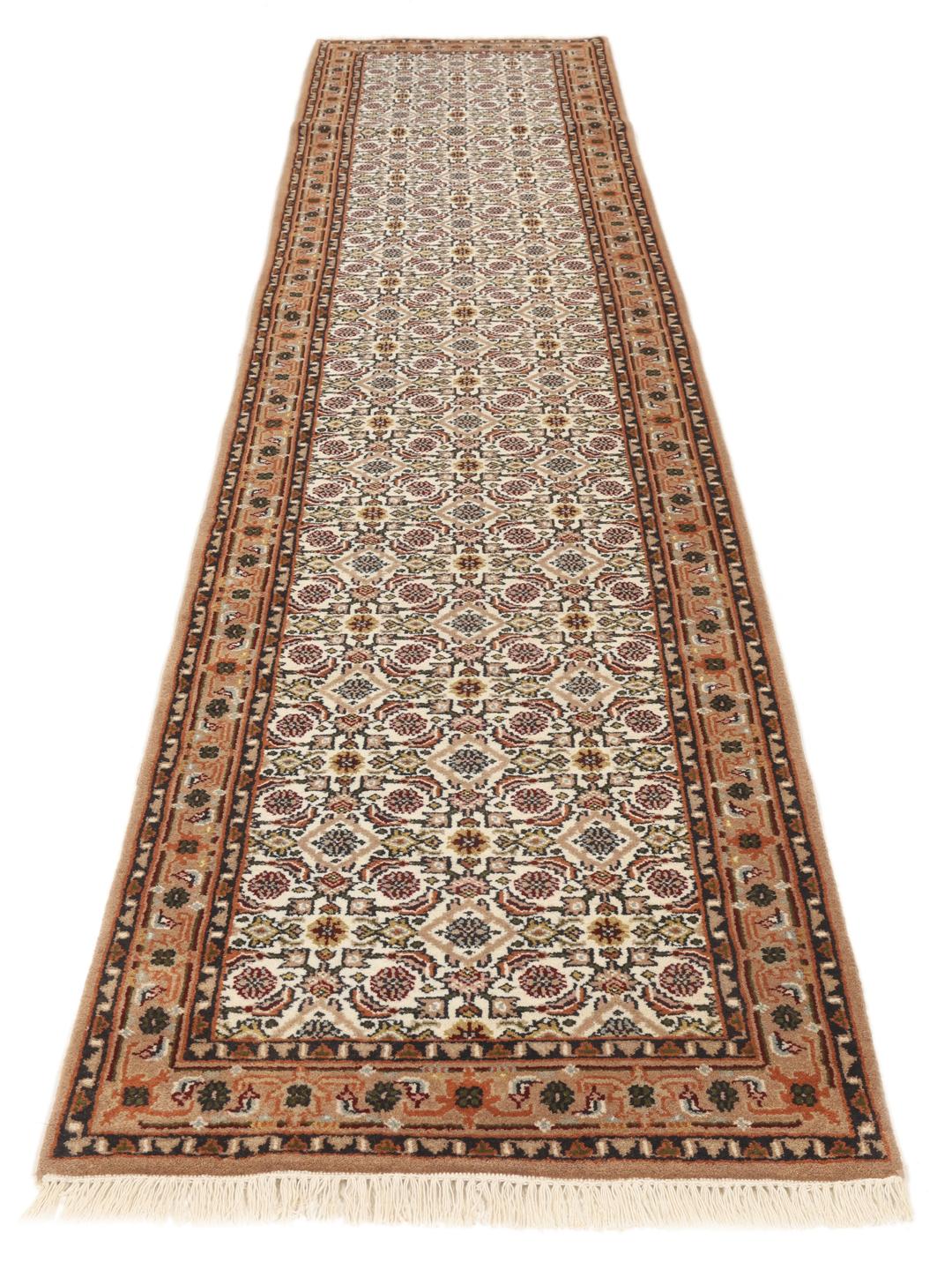
The Bidjar tradition is renowned for its exceptional durability and is often referred to as the iron rug of the Middle East. Originally hailing from the Kurdish regions, these rugs are celebrated for their dense construction and robust nature. Over time, these weaving techniques have been embraced and refined by artisans in India, who continue to produce pieces that honour the legacy of the original, highly structured designs.
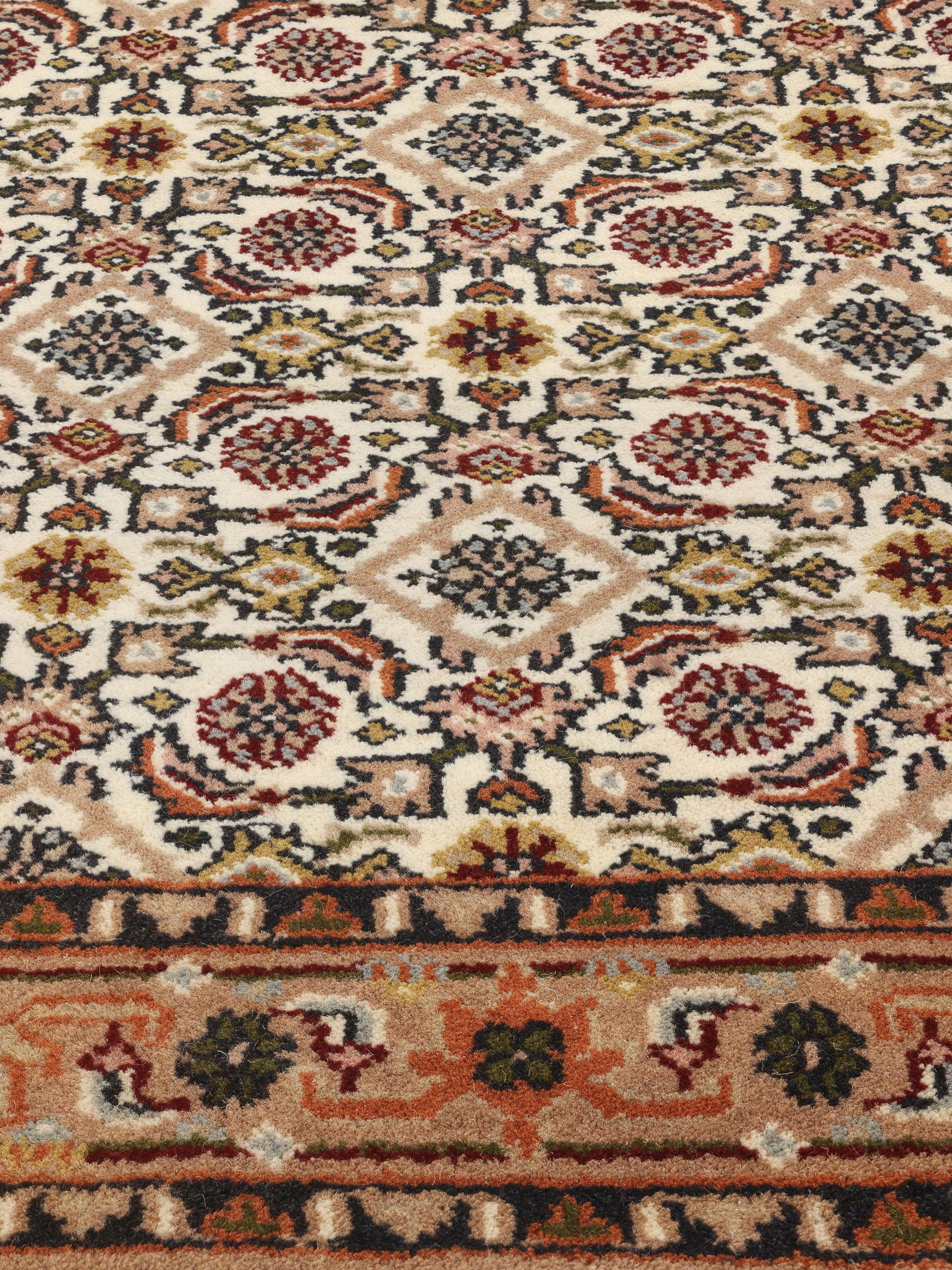
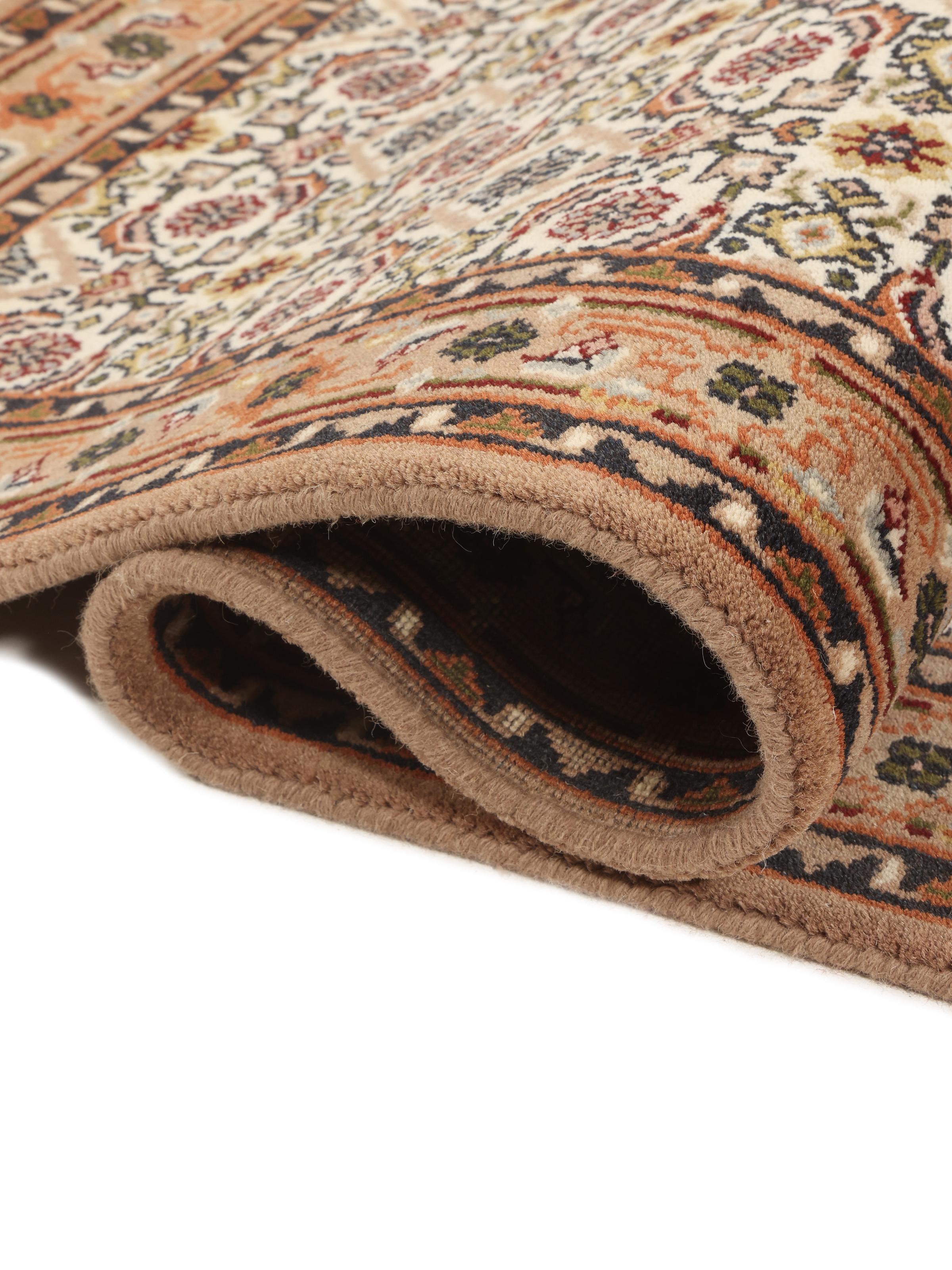
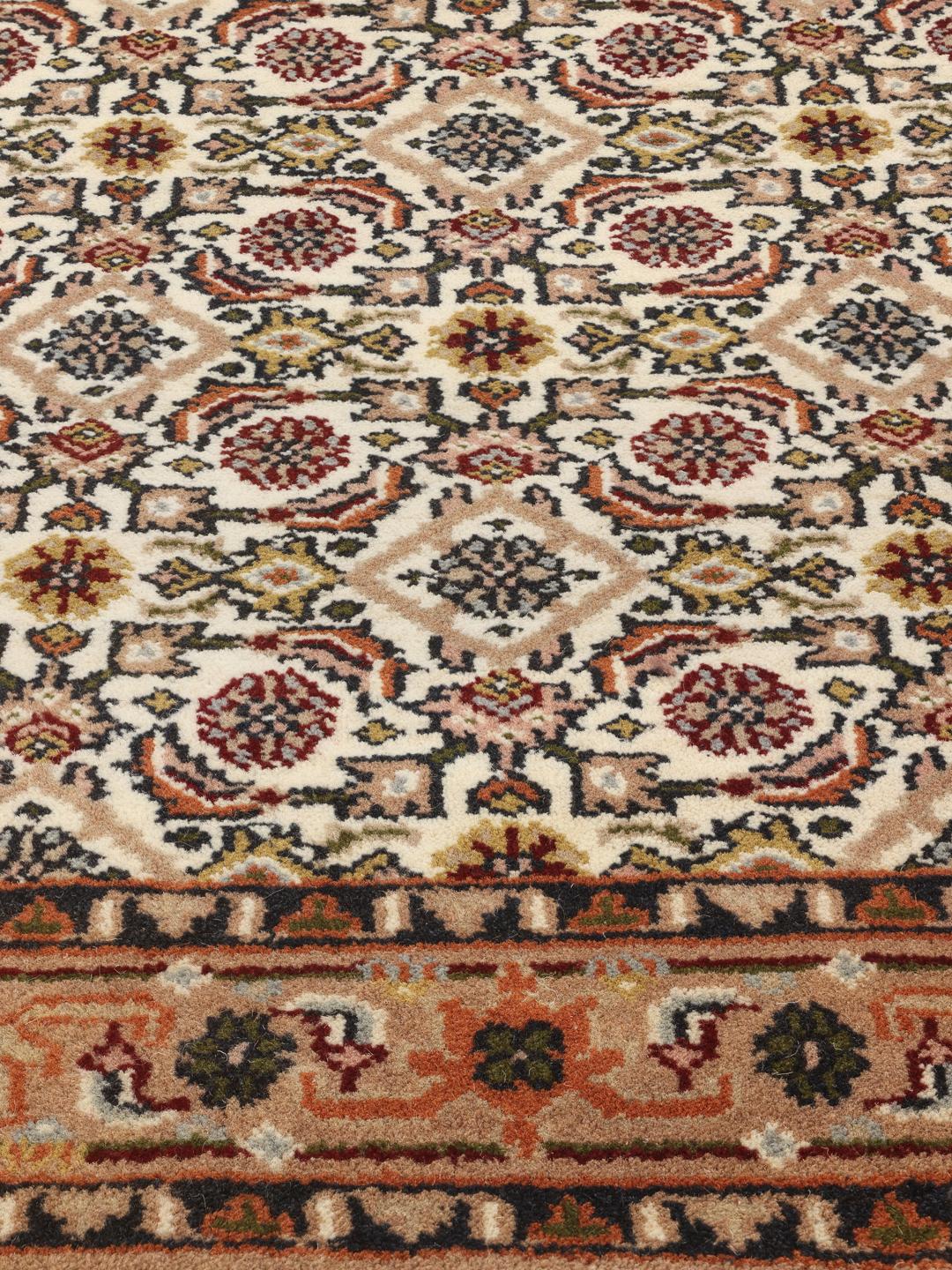
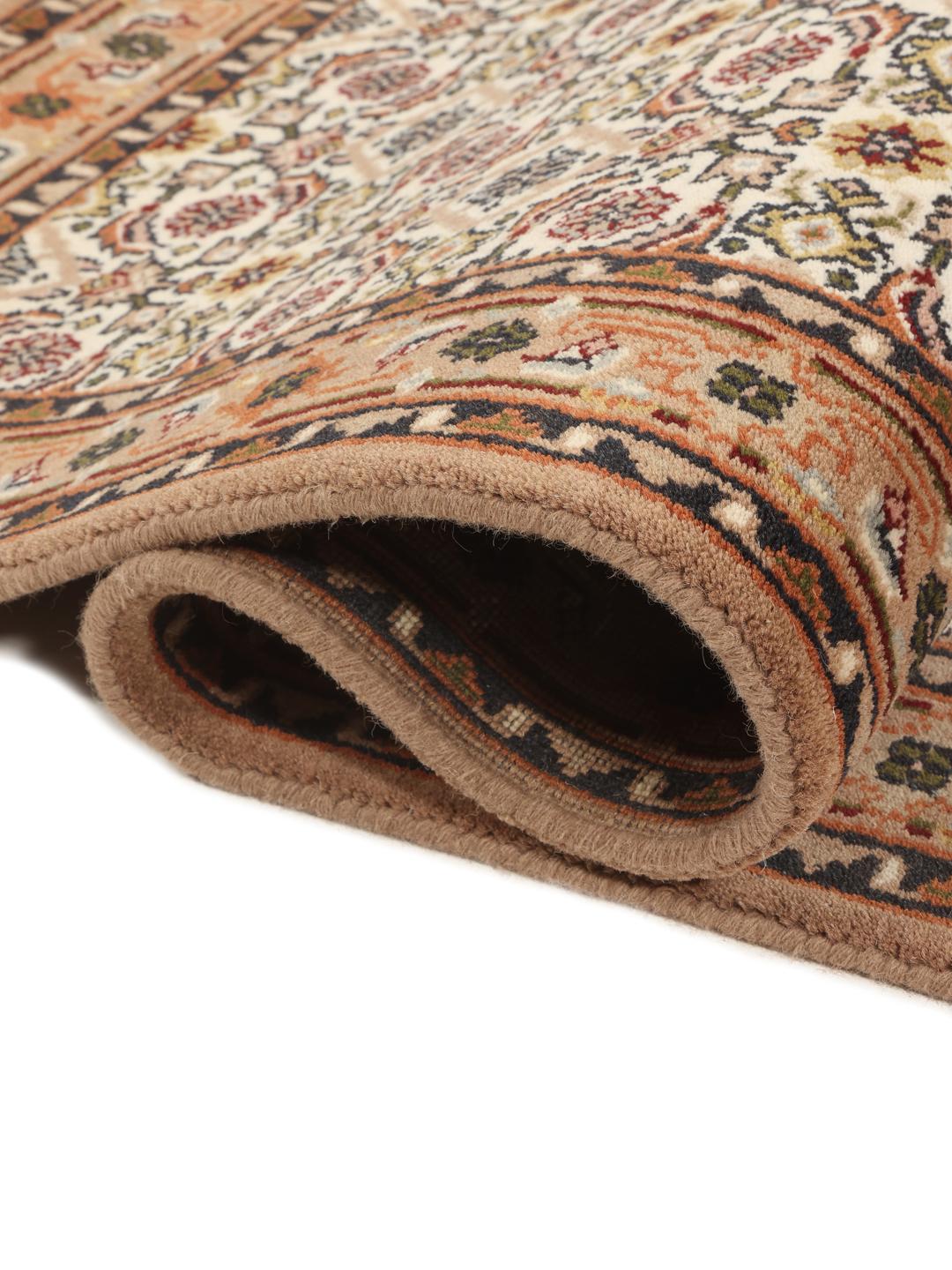
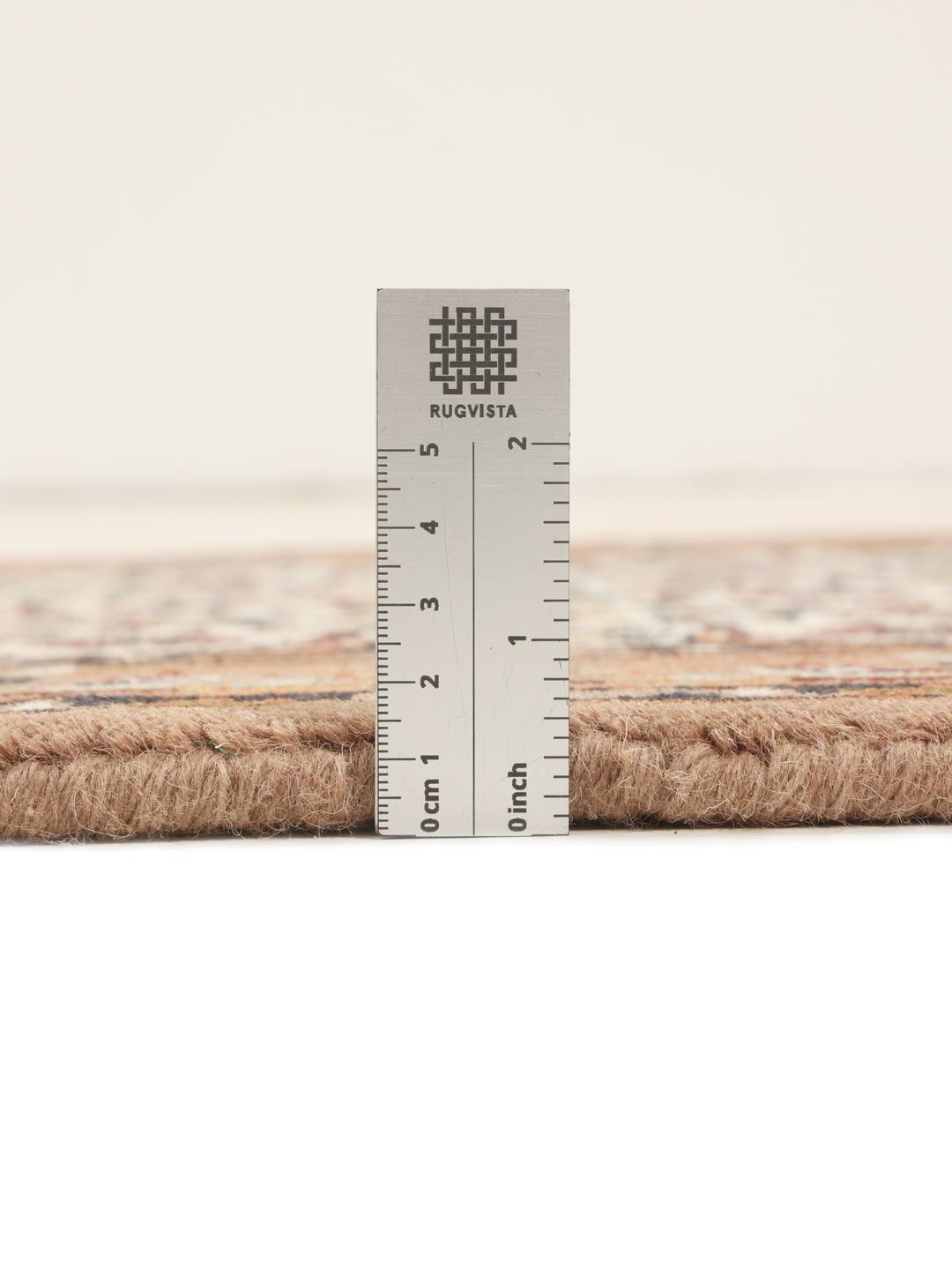
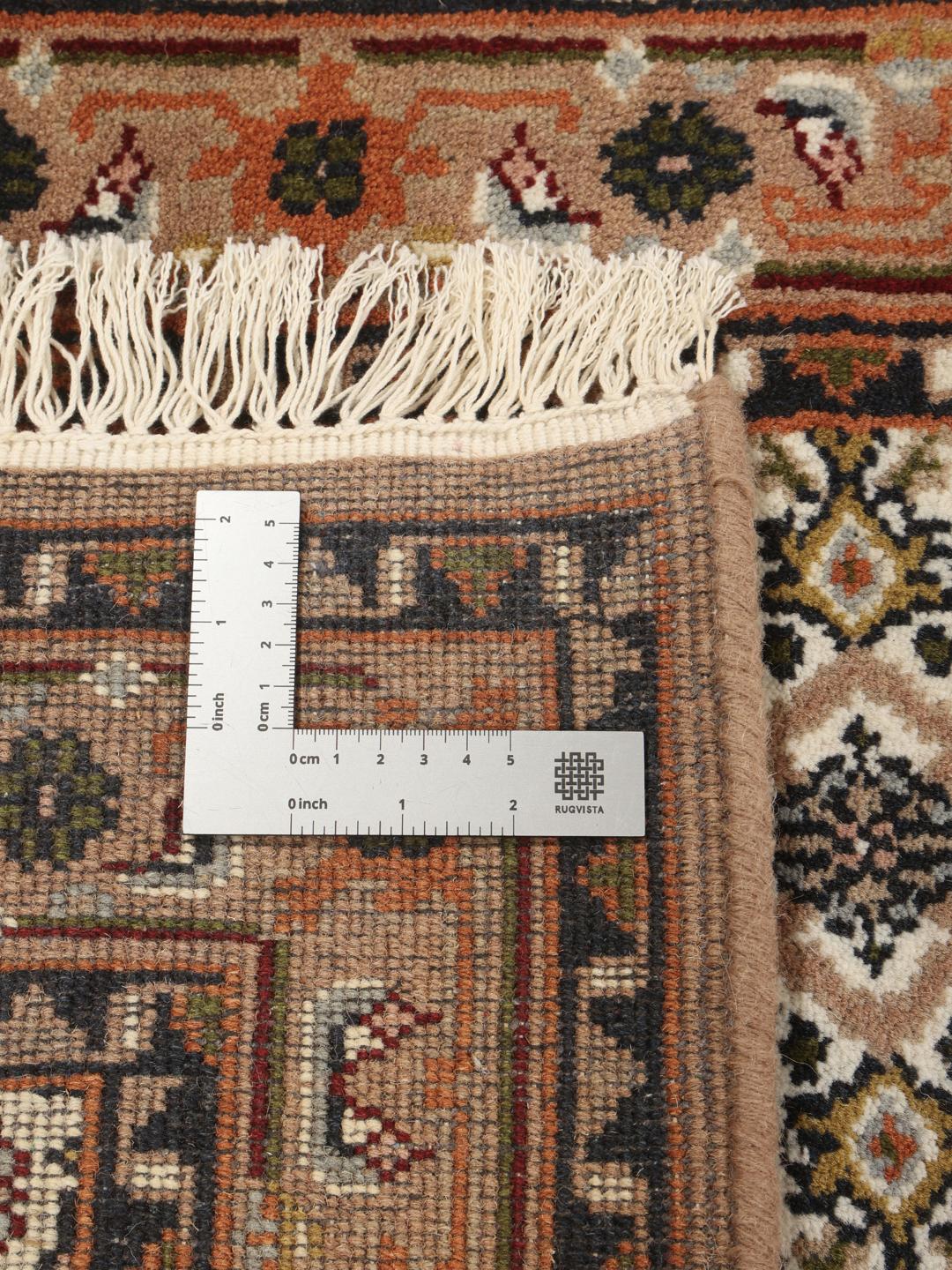
The term Bidjar refers to a specific approach to rug making that prioritises strength and density. In these traditions, the foundation is constructed with such precision that the finished product is exceptionally sturdy. This density is achieved through a rigorous process of beating the weft threads down, which locks the knots into place and creates a rigid, long-lasting structure that is highly resistant to wear.
Visually, the Bidjar style is defined by its ornate, often intricate floral and geometric motifs. These runners typically feature a central field filled with detailed designs, surrounded by a formal, multi-layered border. The colour palette often leans towards rich, earthy tones, with deep reds and soft beiges providing a classic contrast that highlights the complexity of the patterns and the skill of the weaver.
Collectors value these rugs for their combination of aesthetic complexity and legendary longevity. Owning a piece from this tradition is more than just a decor choice; it is an appreciation of a craft that has been passed down through generations. These rugs are built to last, serving as a testament to the enduring appeal of traditional design and the skill required to bring such intricate motifs to life.