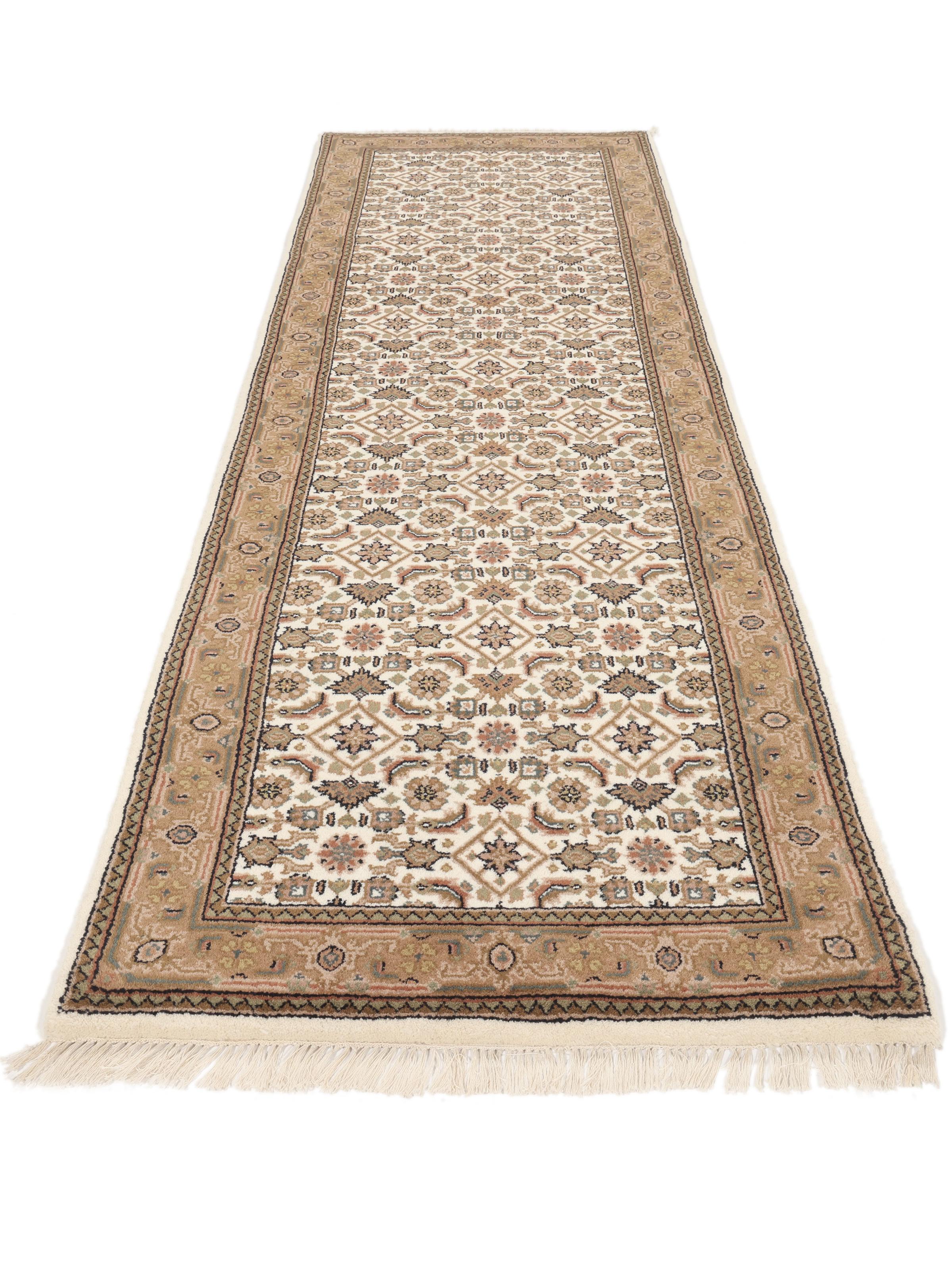
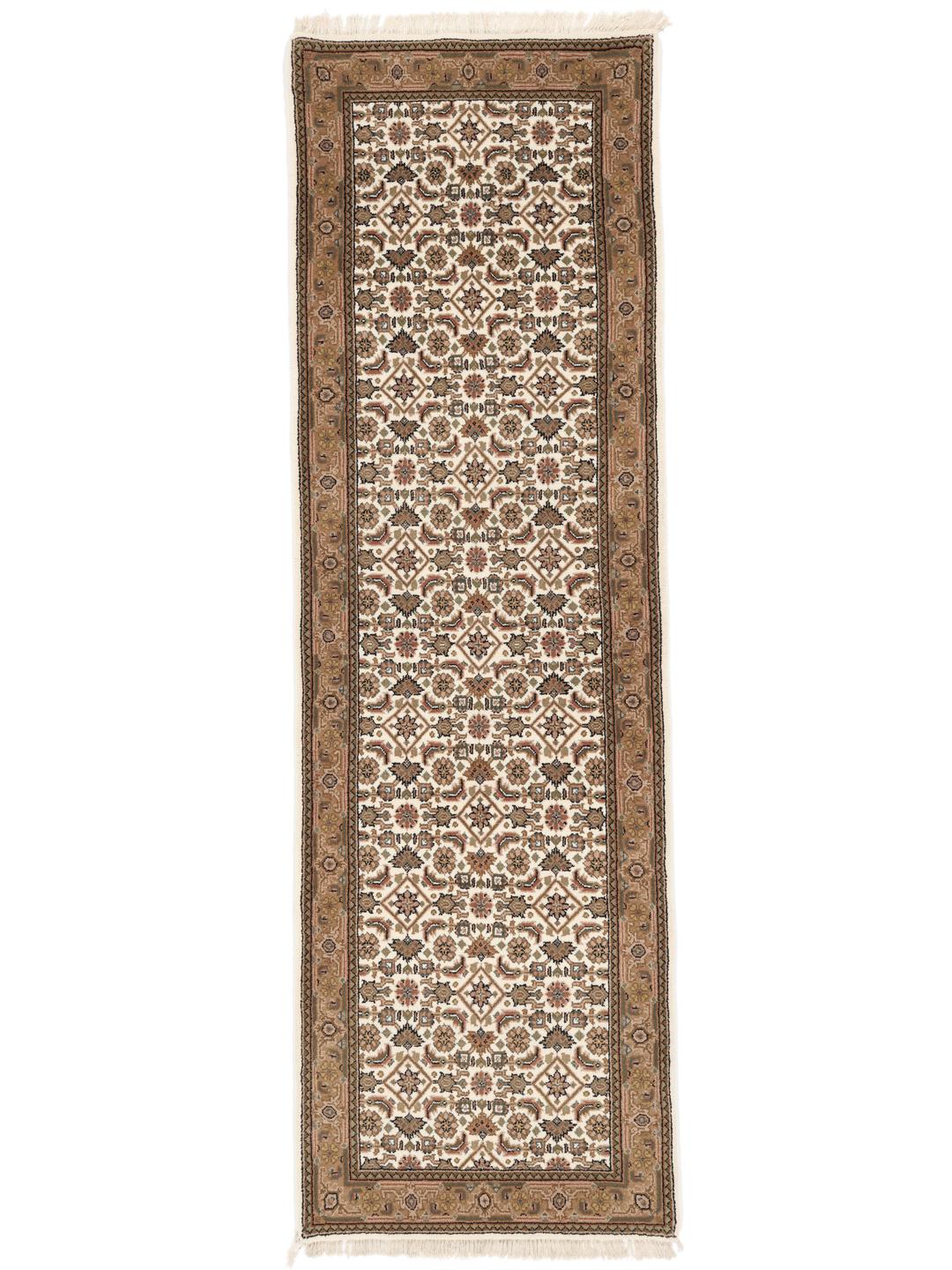
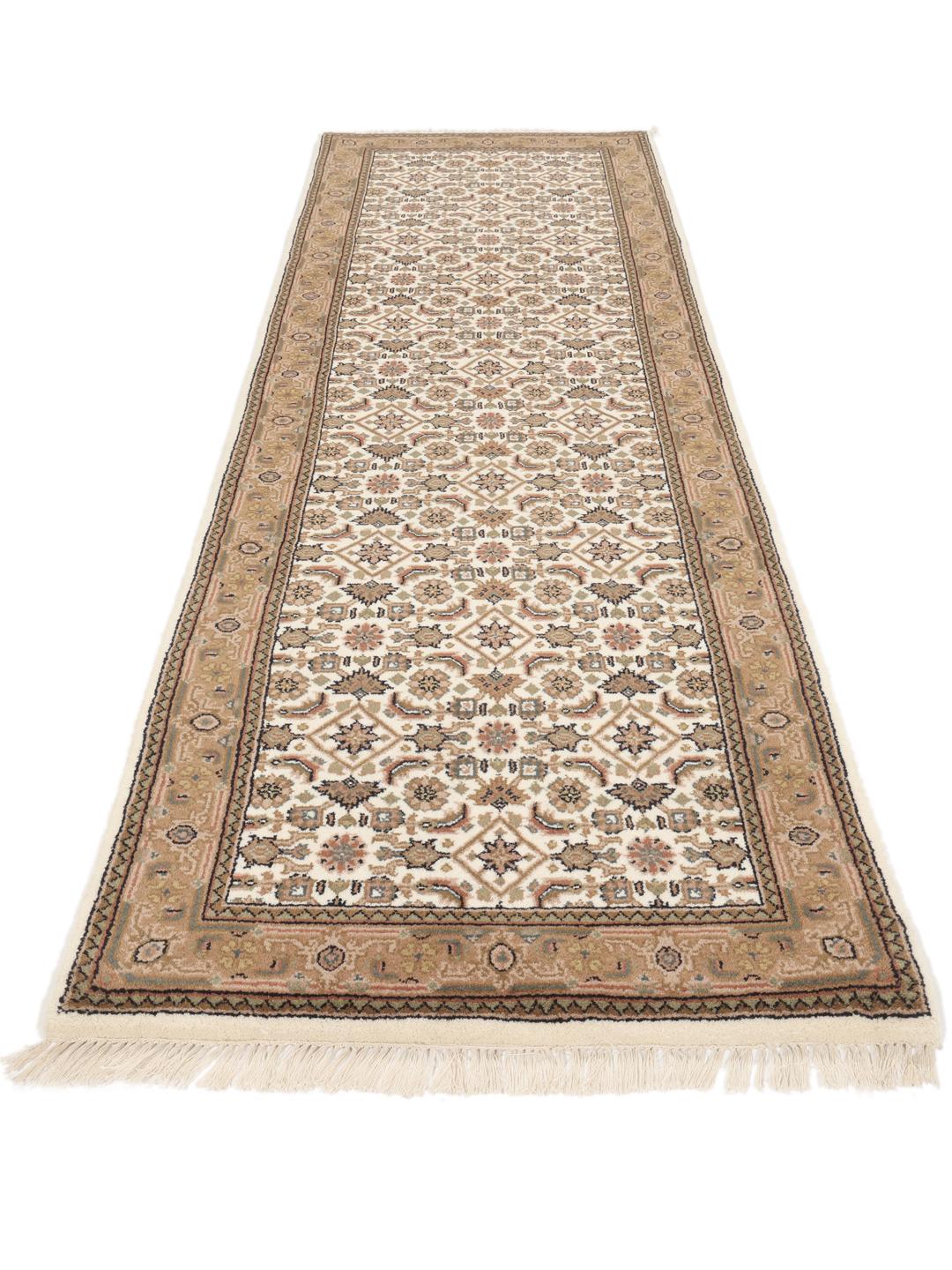
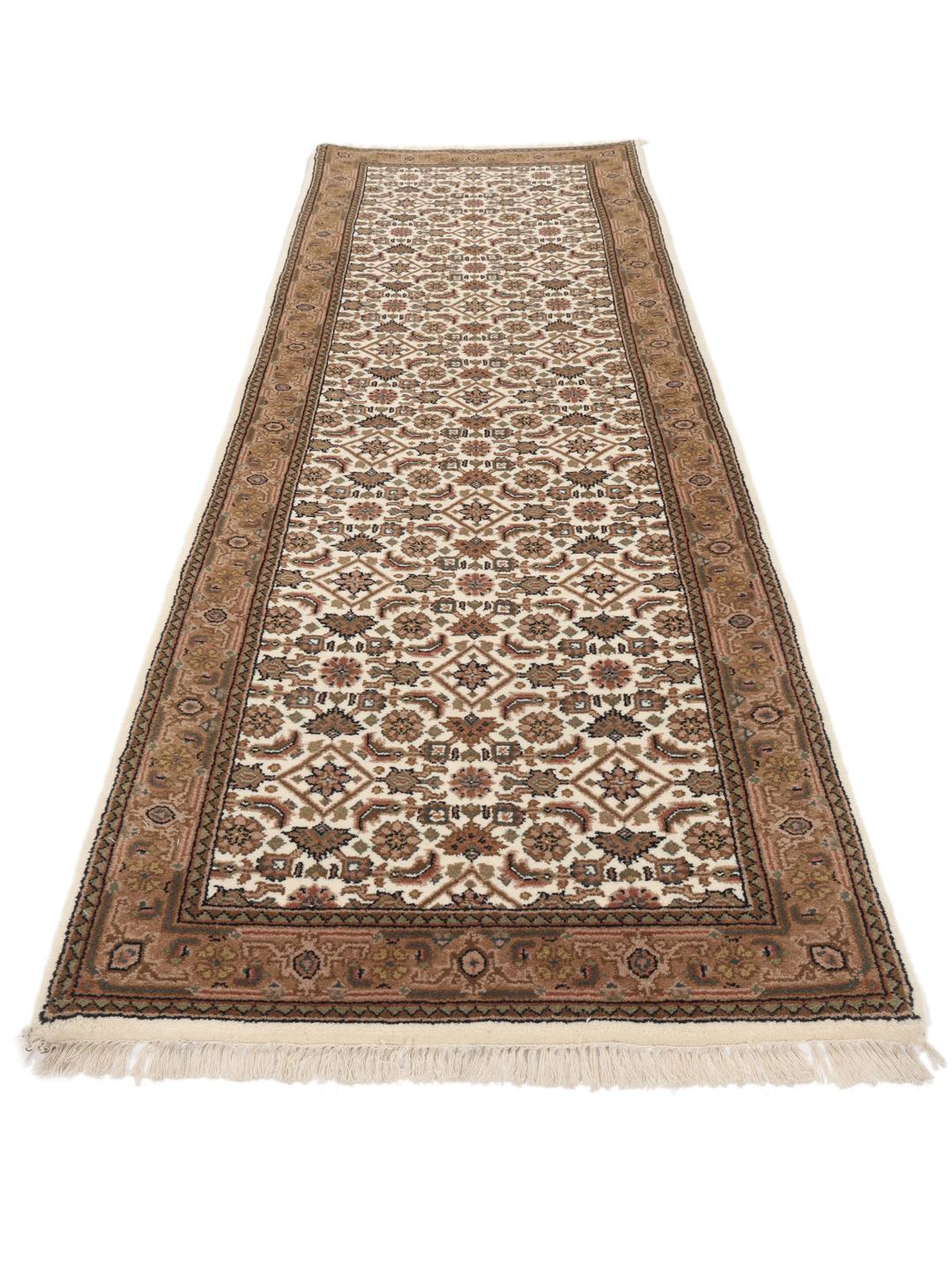
The Bidjar rug tradition originates from the Kurdish town of Bijar in the western Middle East. Known historically as the iron rugs of the region, they earned this reputation due to their incredibly dense construction and durable nature. While the tradition began in the mountainous regions of the Middle East, the techniques have been adapted and celebrated by artisans in India, who continue to honour the complex weaving methods that make these rugs so resilient.
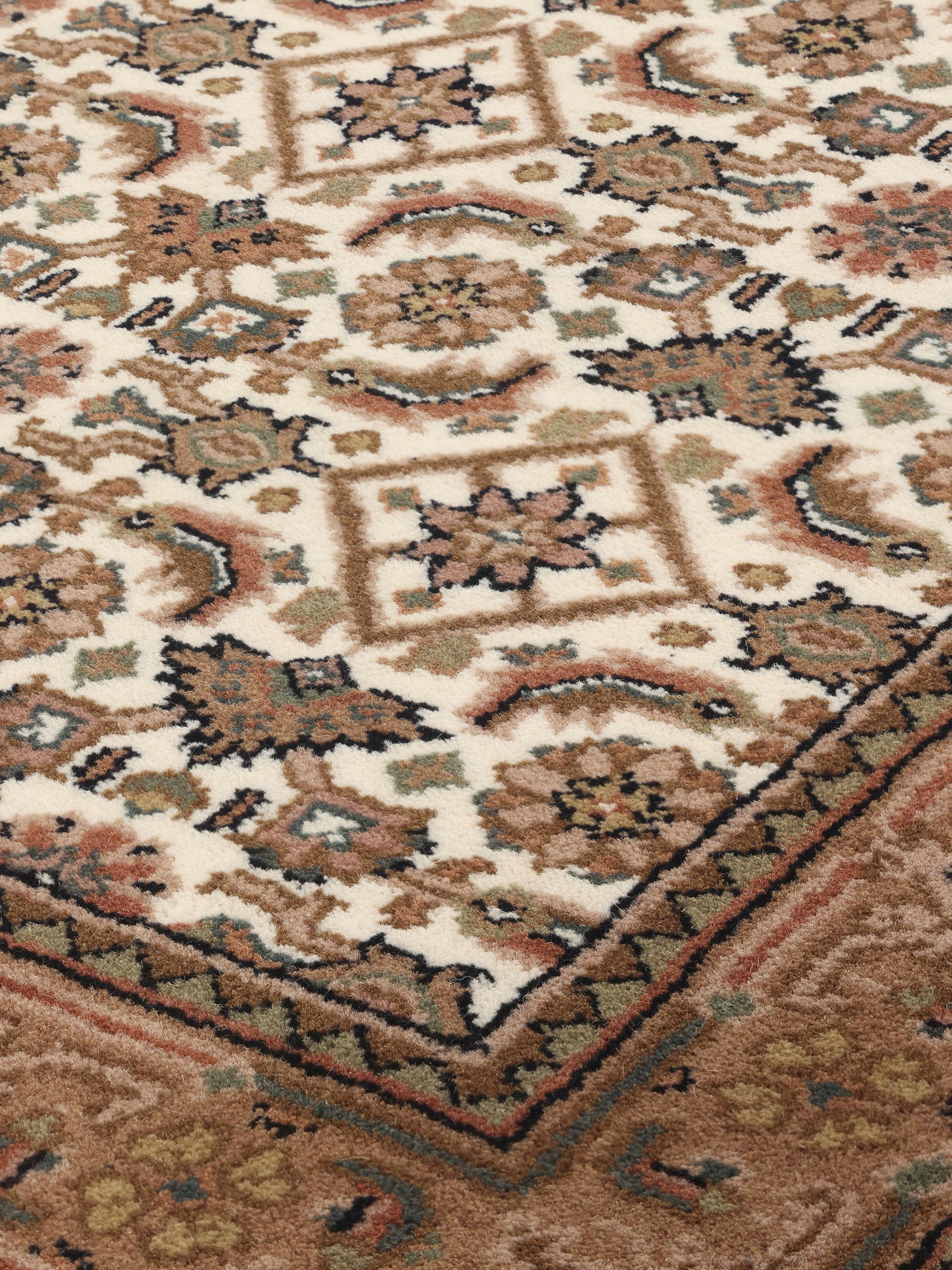
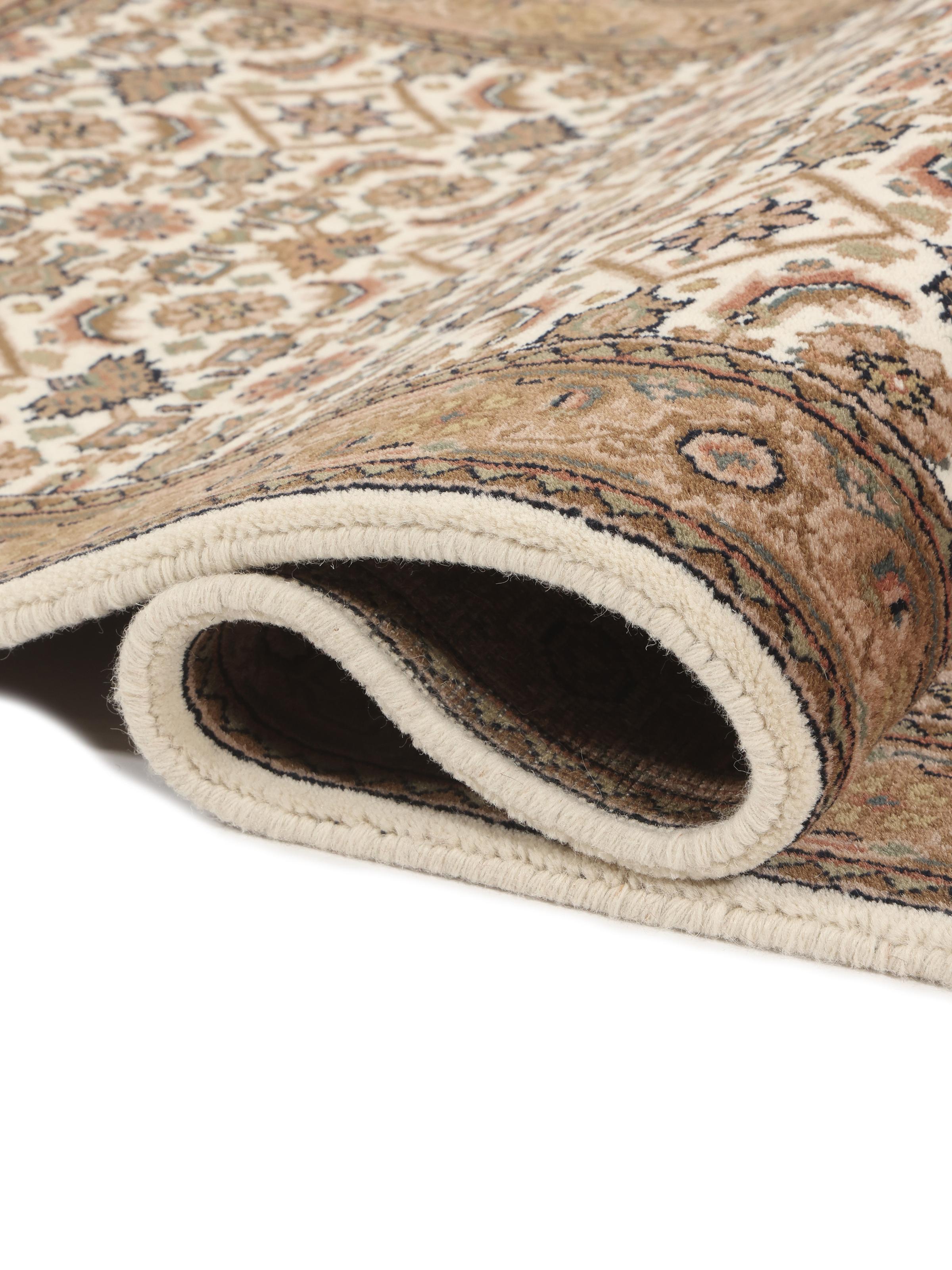
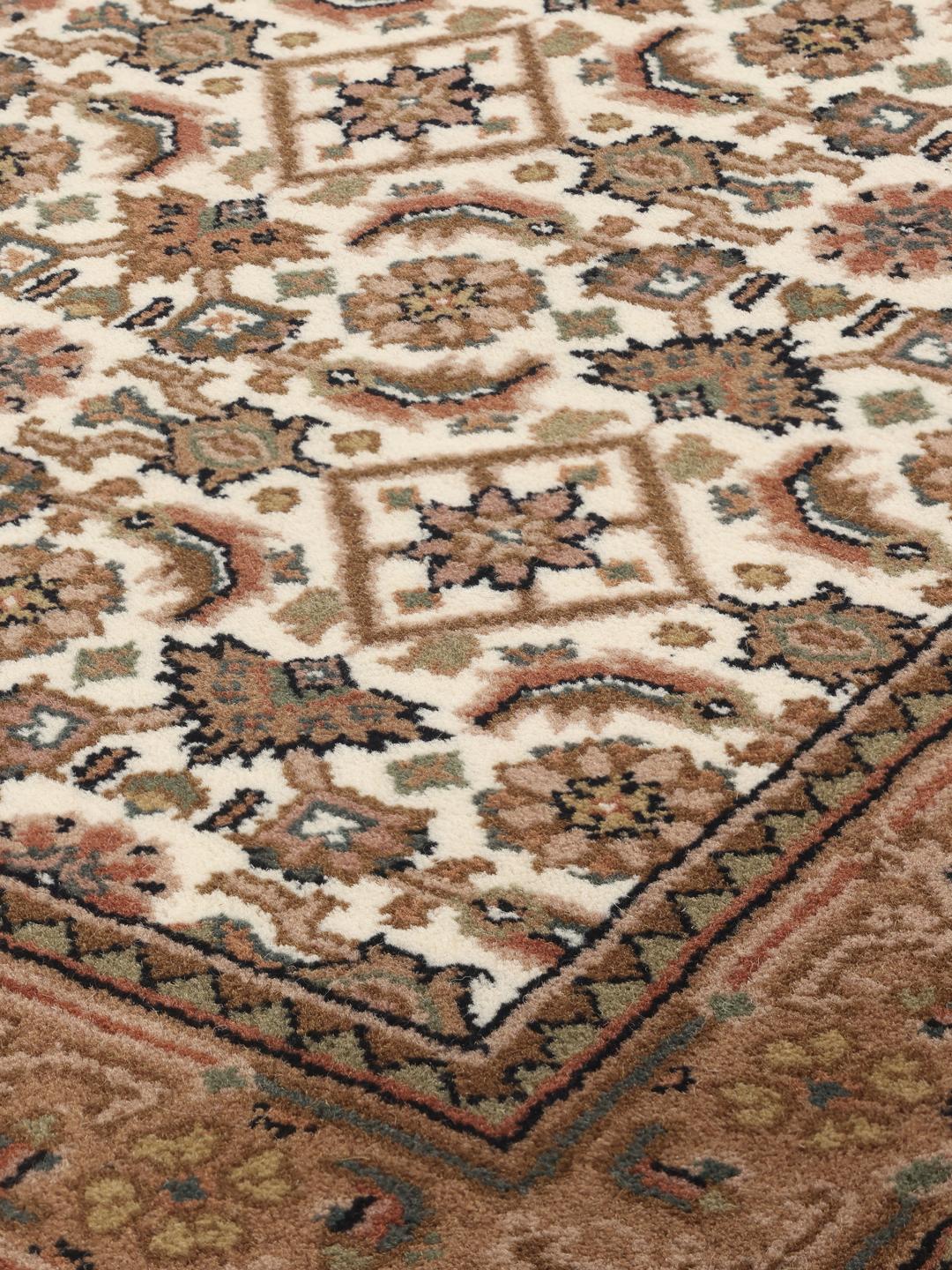
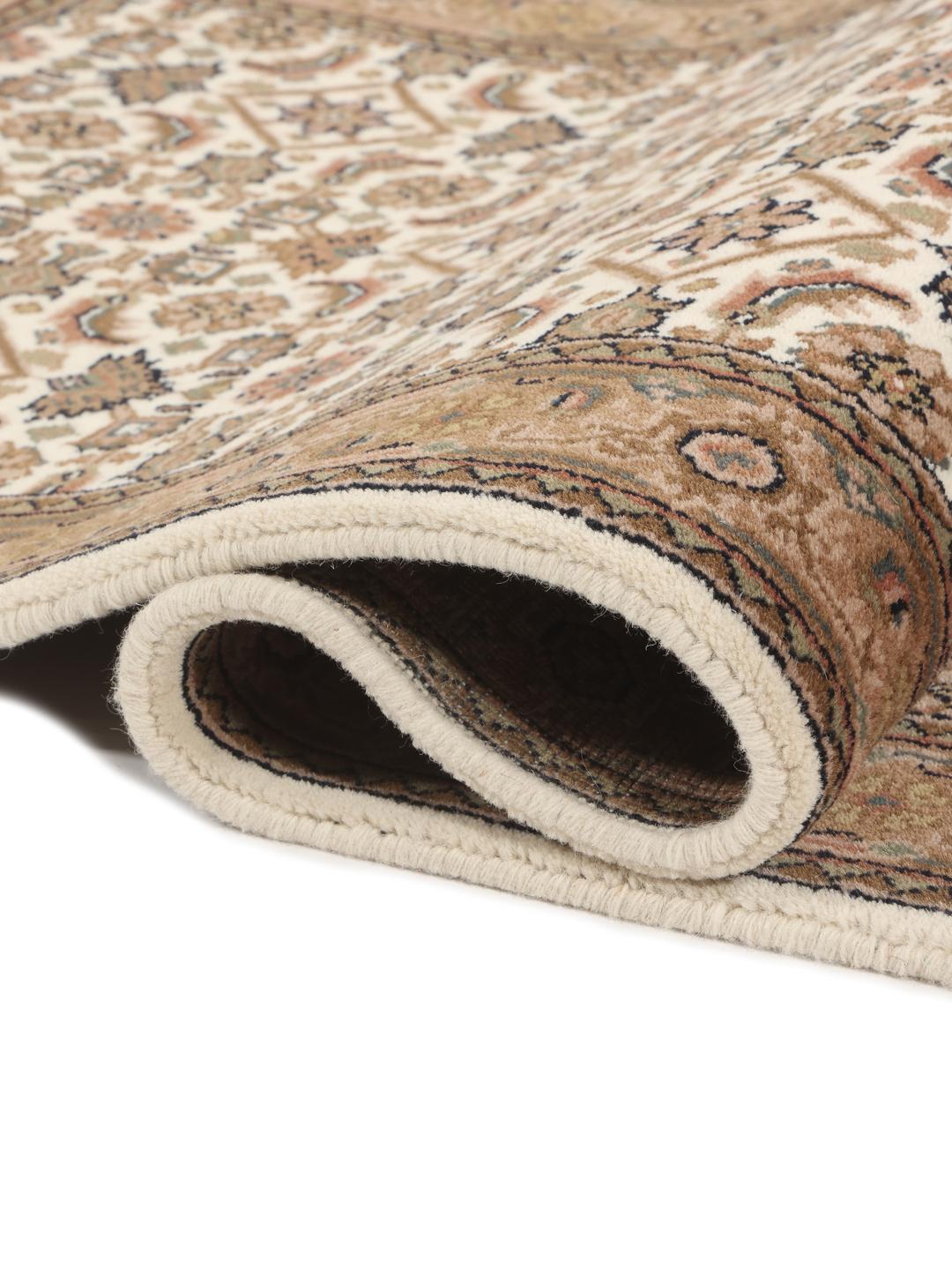
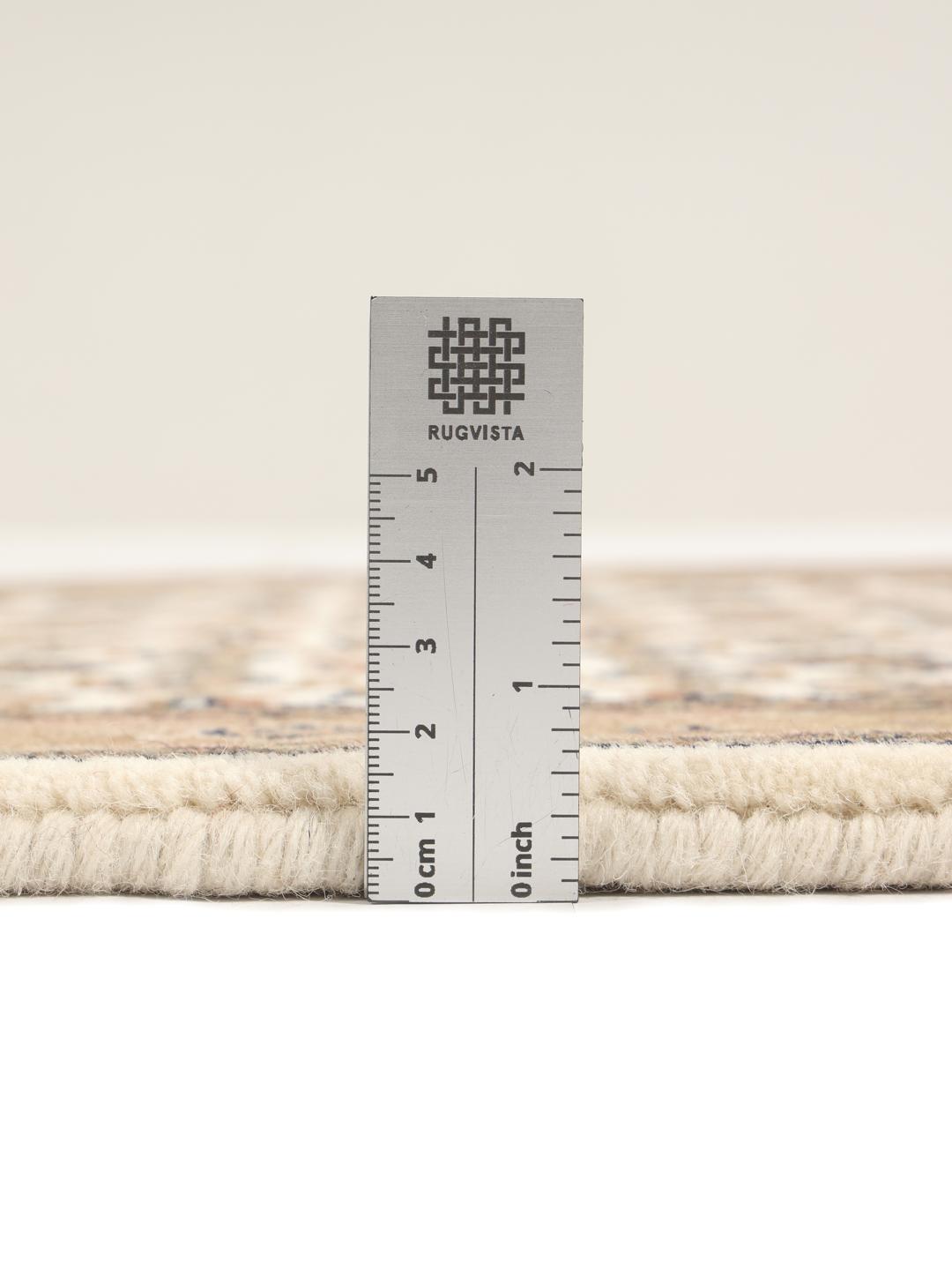
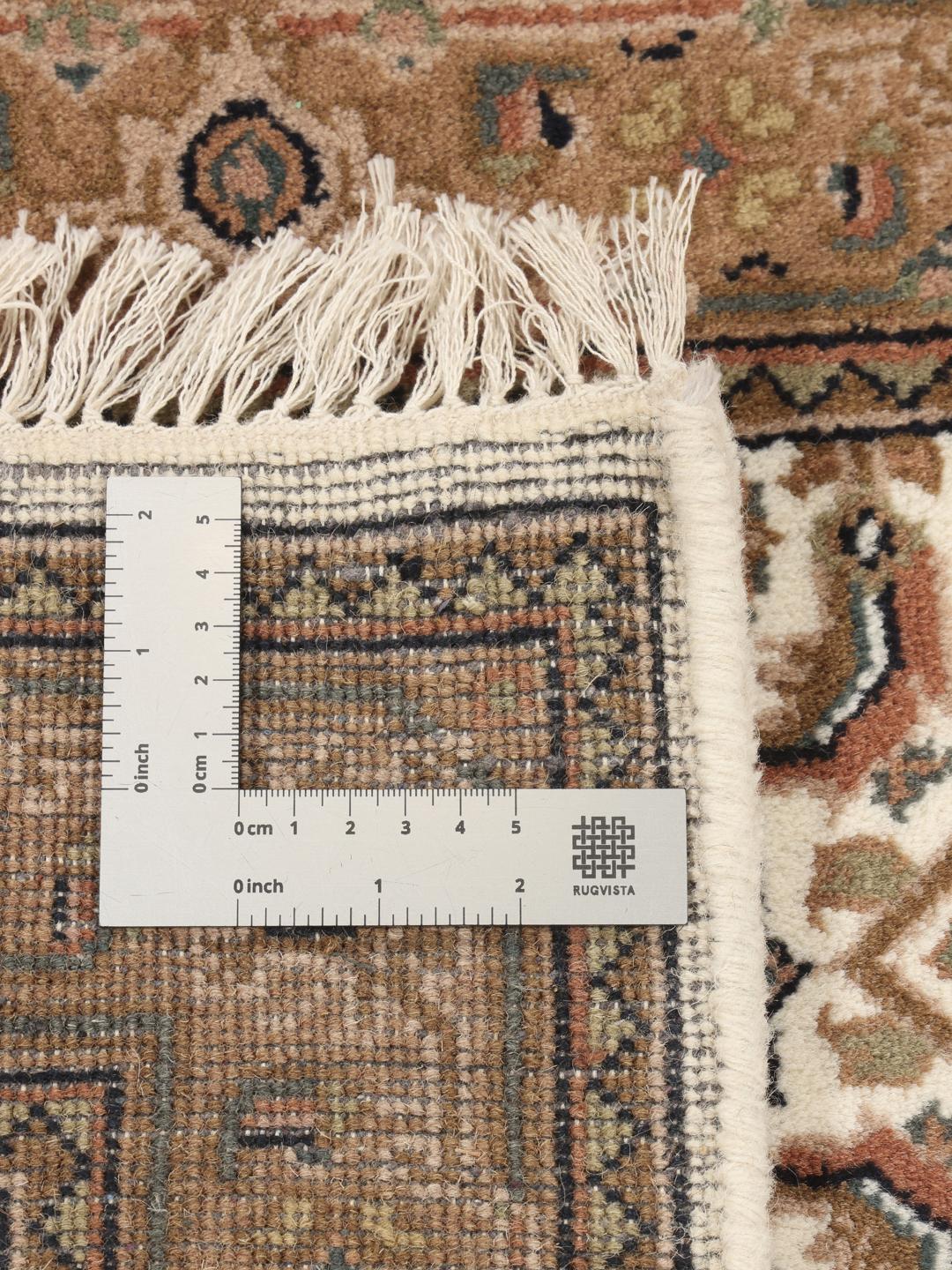
The technical brilliance of a Bidjar-style rug lies in the tension and density of the weave. The artisans use a specific hand-knotting technique that ensures the pile stands upright and remains firm, preventing the rug from flattening over time. This creates a dense, luxurious surface that is not only soft to the touch but also highly resistant to wear, which is why these rugs are often passed down through generations.
Visually, these rugs are defined by their intricate, often geometric or floral-inspired motifs. The patterns frequently feature a central medallion surrounded by a field of densely packed, stylized floral or geometric elements, all framed by a formal, multi-layered border. The colour palettes are typically warm and earthy, reflecting the natural dyes that were traditionally used to create these complex, harmonious designs.
Owning a piece from this tradition is an act of preserving a rich cultural heritage. These rugs are highly valued by collectors and homeowners alike for their combination of artistic beauty and extreme durability. By bringing a Bidjar-style runner into your home, you are investing in a tradition that values skill, longevity, and the timeless appeal of intricate, hand-crafted design.