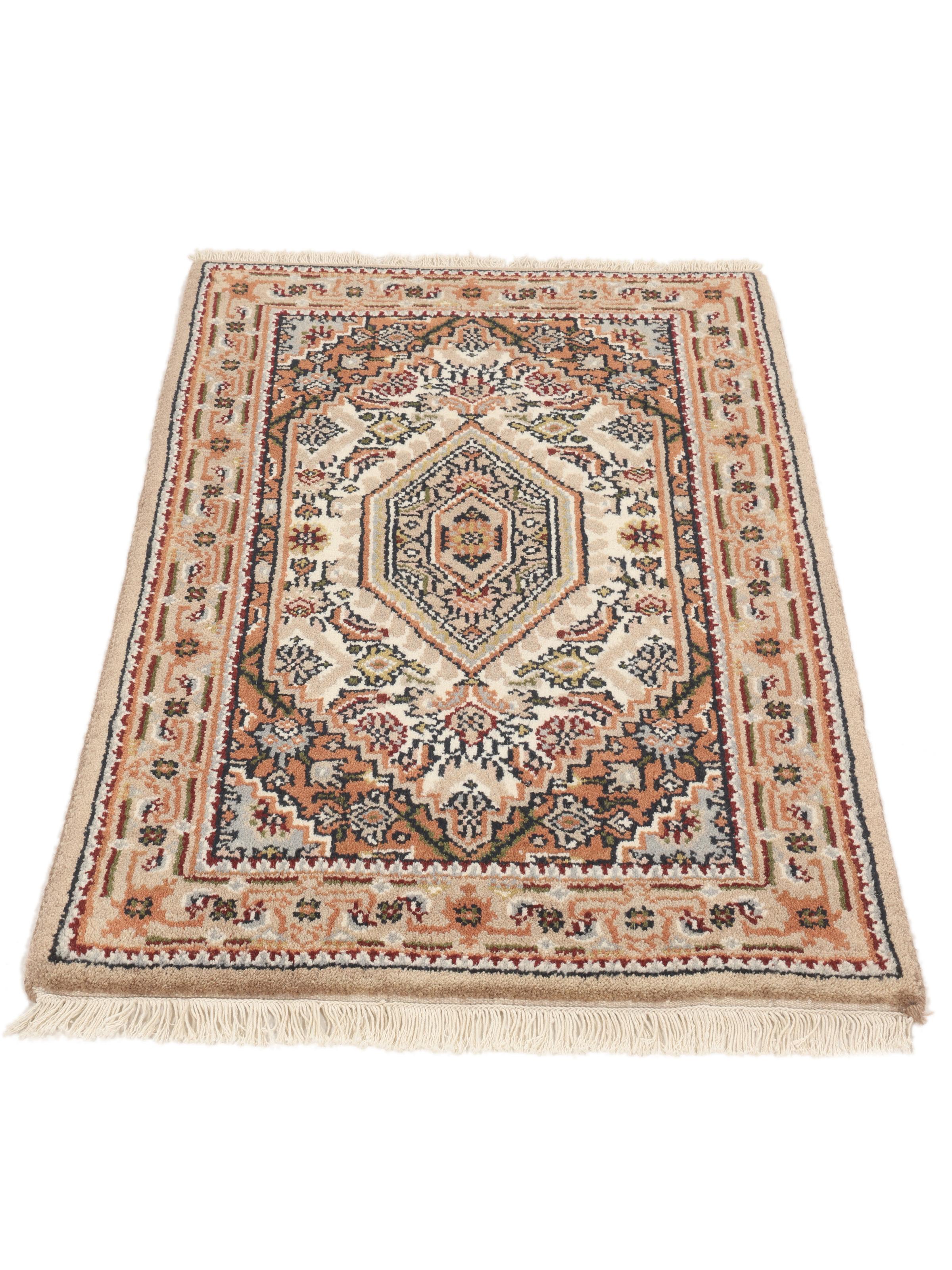
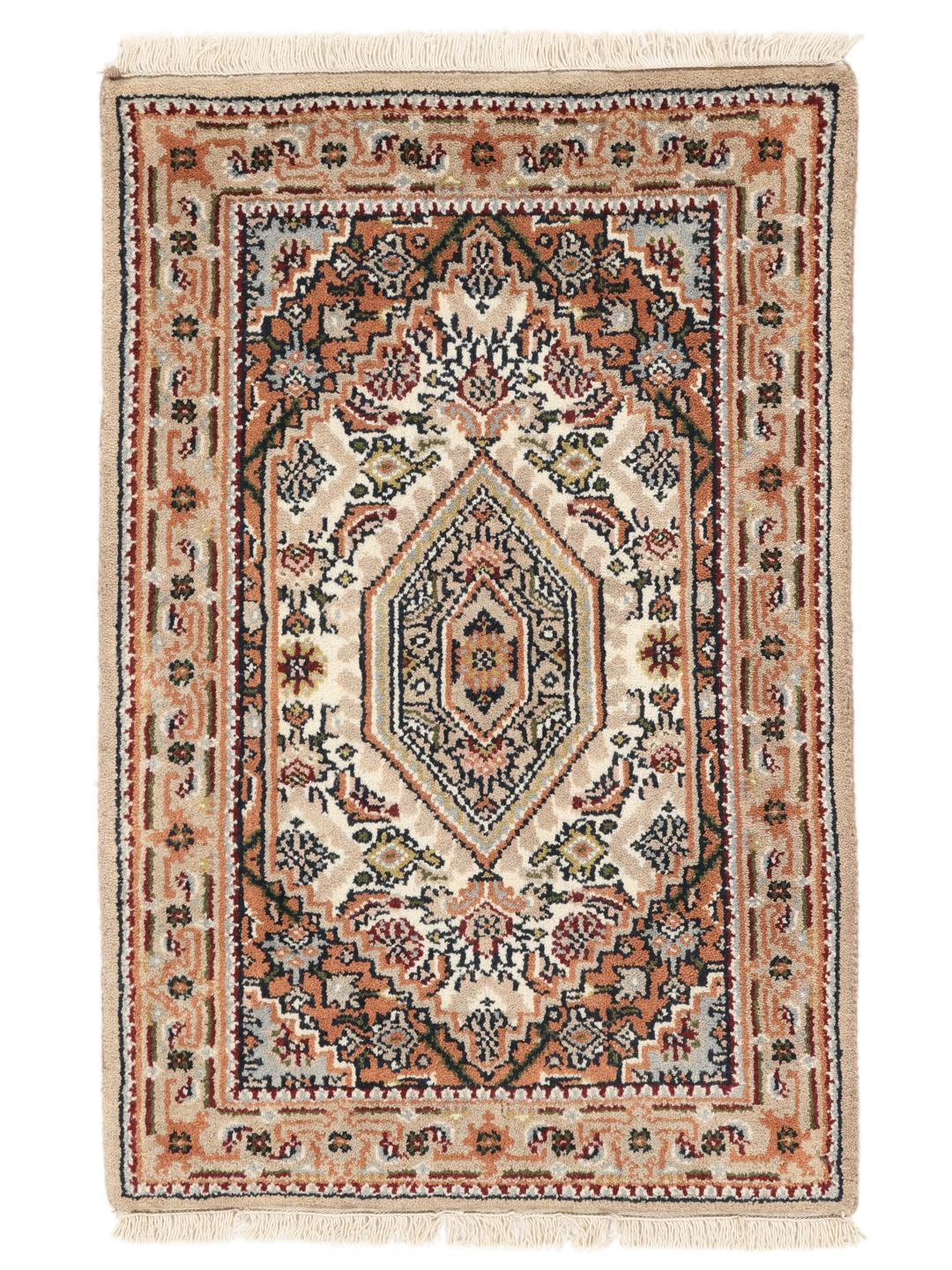
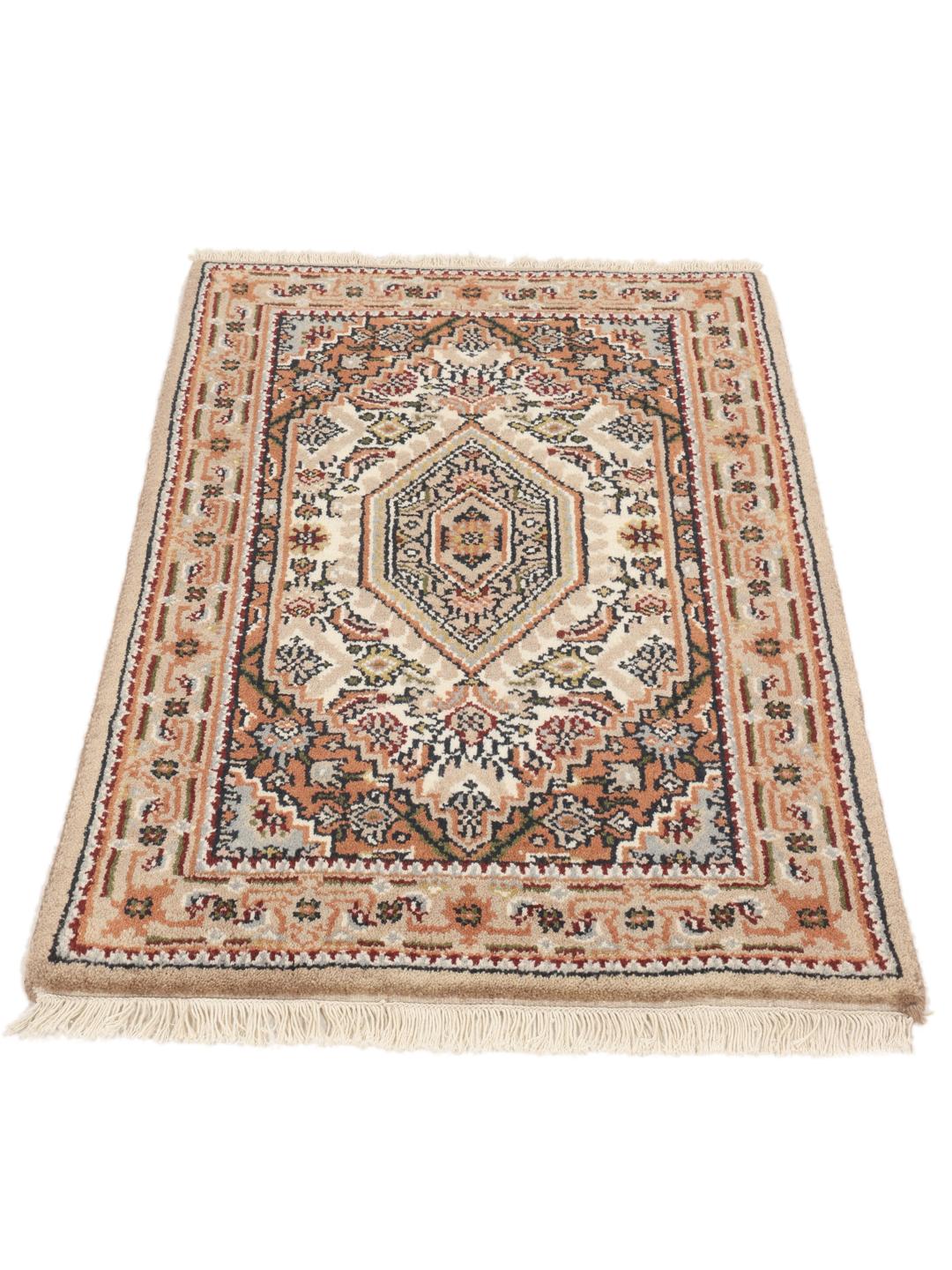
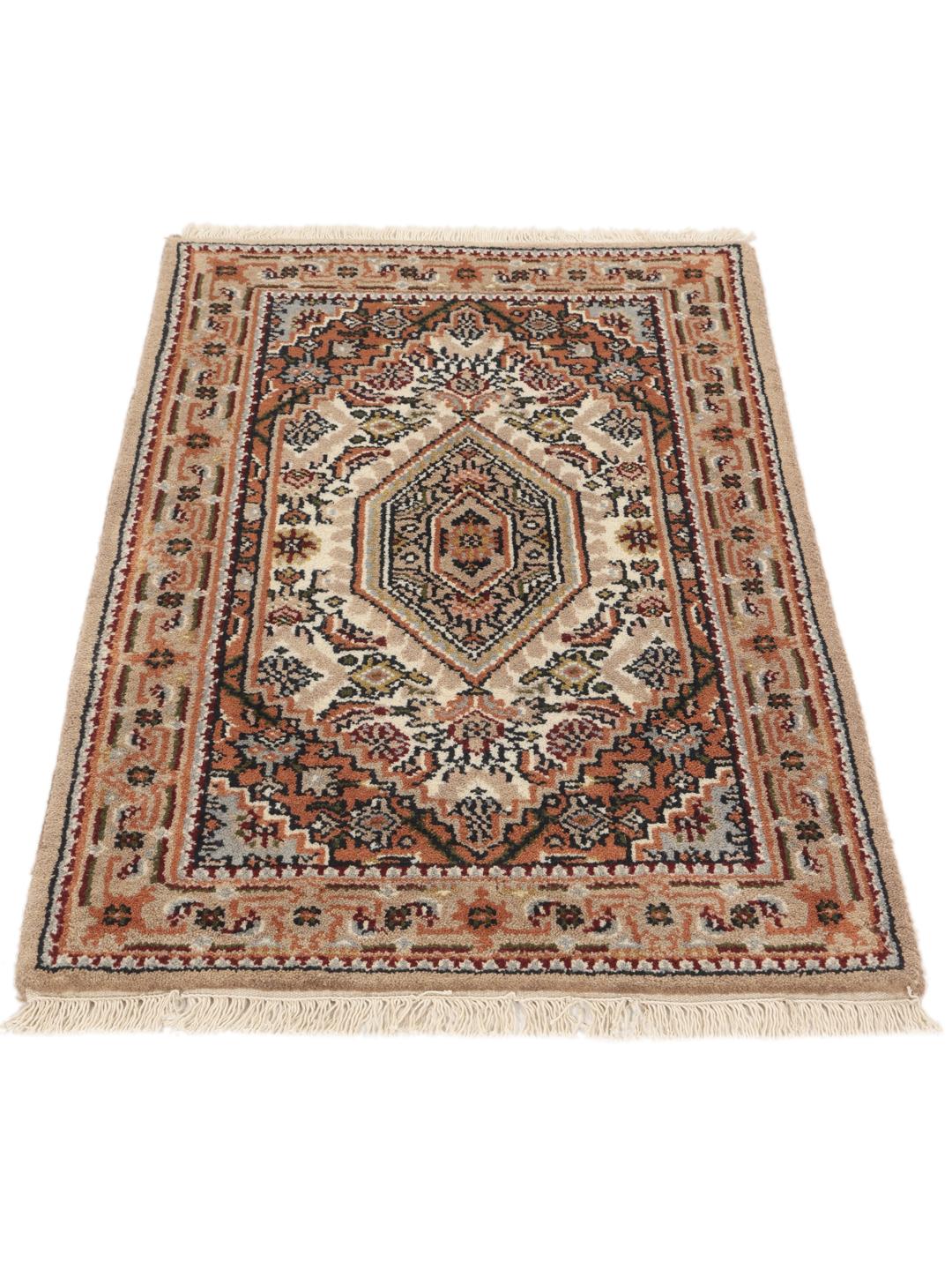
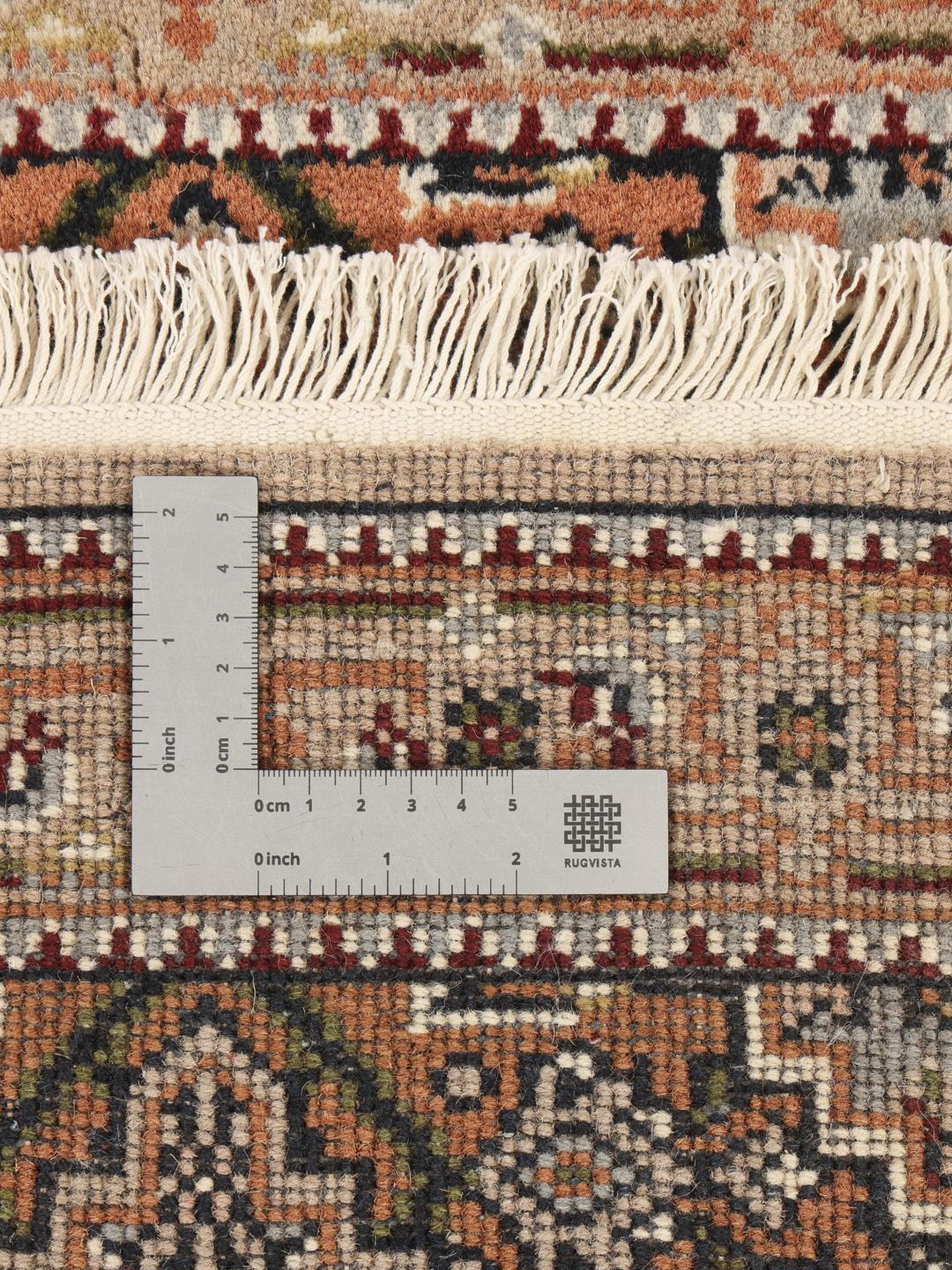
The Bidjar tradition originates from the Kurdish regions of the Middle East, where these rugs earned a legendary reputation for their incredible durability and strength. Often referred to as the iron rugs of the region, they were historically celebrated for their exceptionally tight foundation and dense, heavy pile that could withstand generations of use.
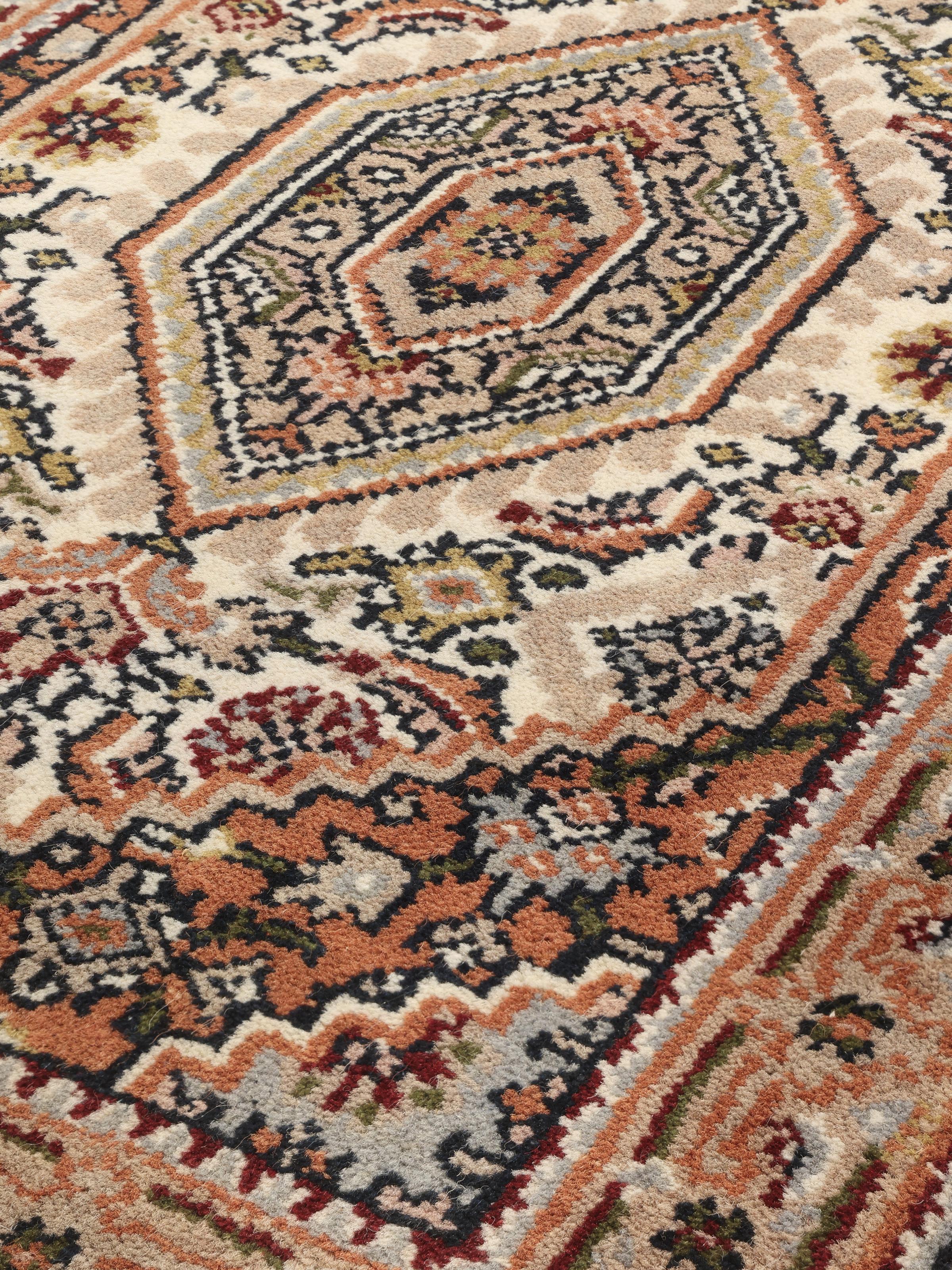
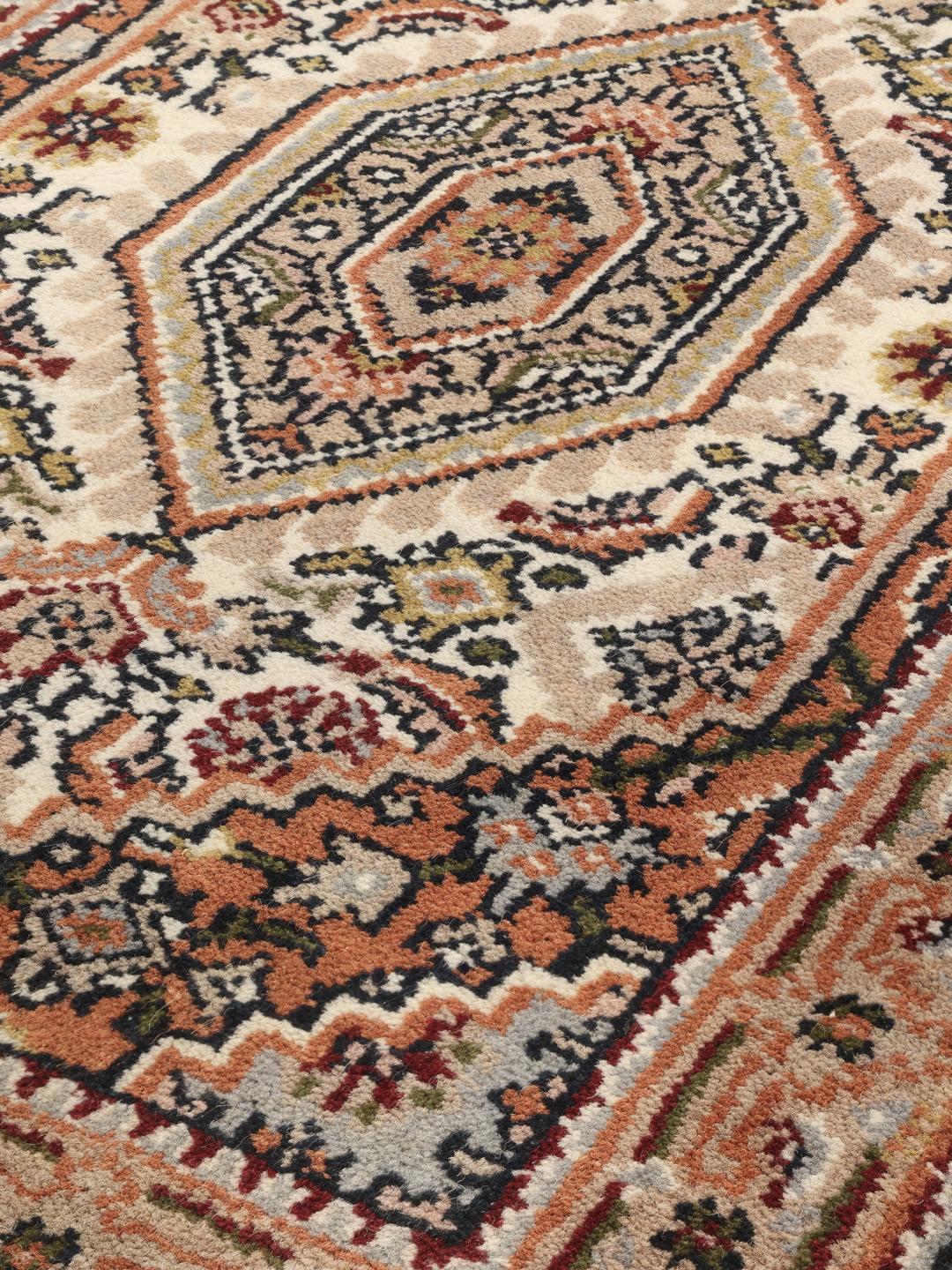
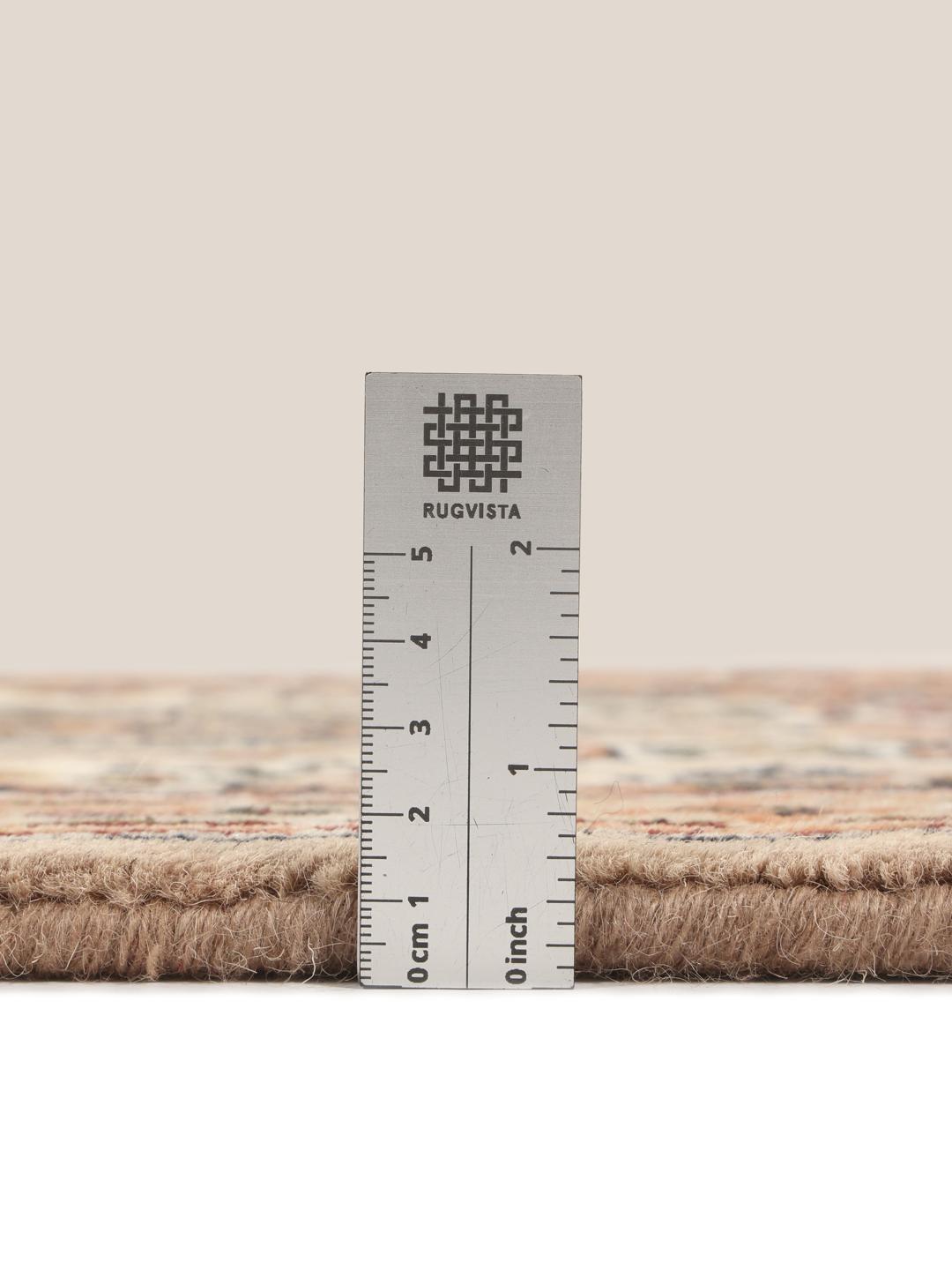
The term Bidjar refers to a specific style of weaving that emphasises a unique technique where the weft is beaten down with a heavy metal comb. This creates a foundation so firm that the pile stands almost vertically, resulting in a surface that is both incredibly resilient and capable of showcasing highly intricate, sharp patterns.
Visually, these rugs are often defined by their classic medallion motifs, which are frequently surrounded by ornate floral or geometric filler patterns. The design language is one of balance and formality, drawing on centuries of tradition to create a look that is both complex and deeply rooted in the cultural heritage of the Middle Eastern weaving communities.
Today, the tradition has found a new home in India, where artisans continue to honour these time-tested methods. Collectors value these rugs for their combination of robust construction and artistic expression, seeing them not just as floor coverings, but as enduring pieces of craft that connect the modern home to a rich history of textile art.