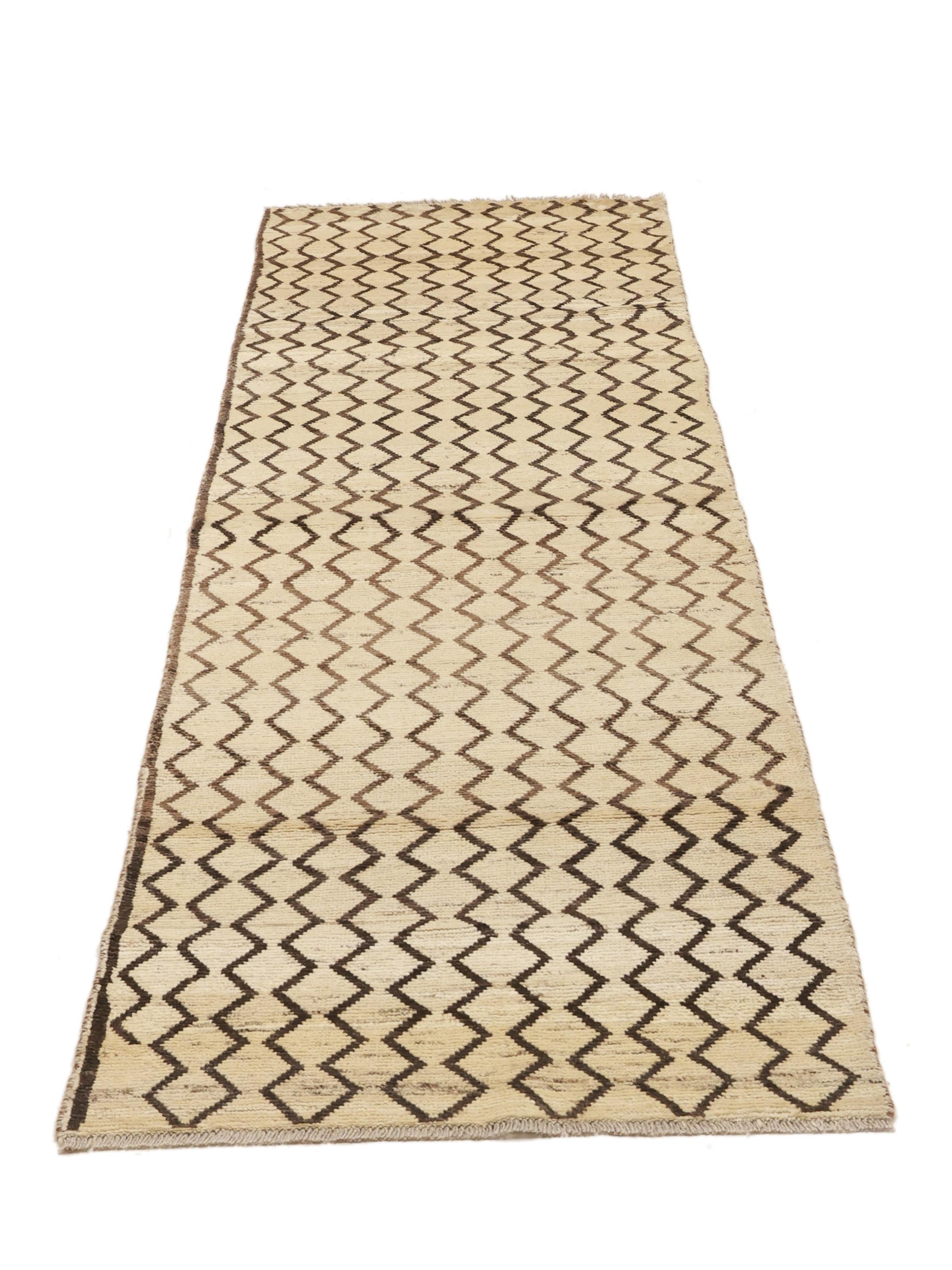
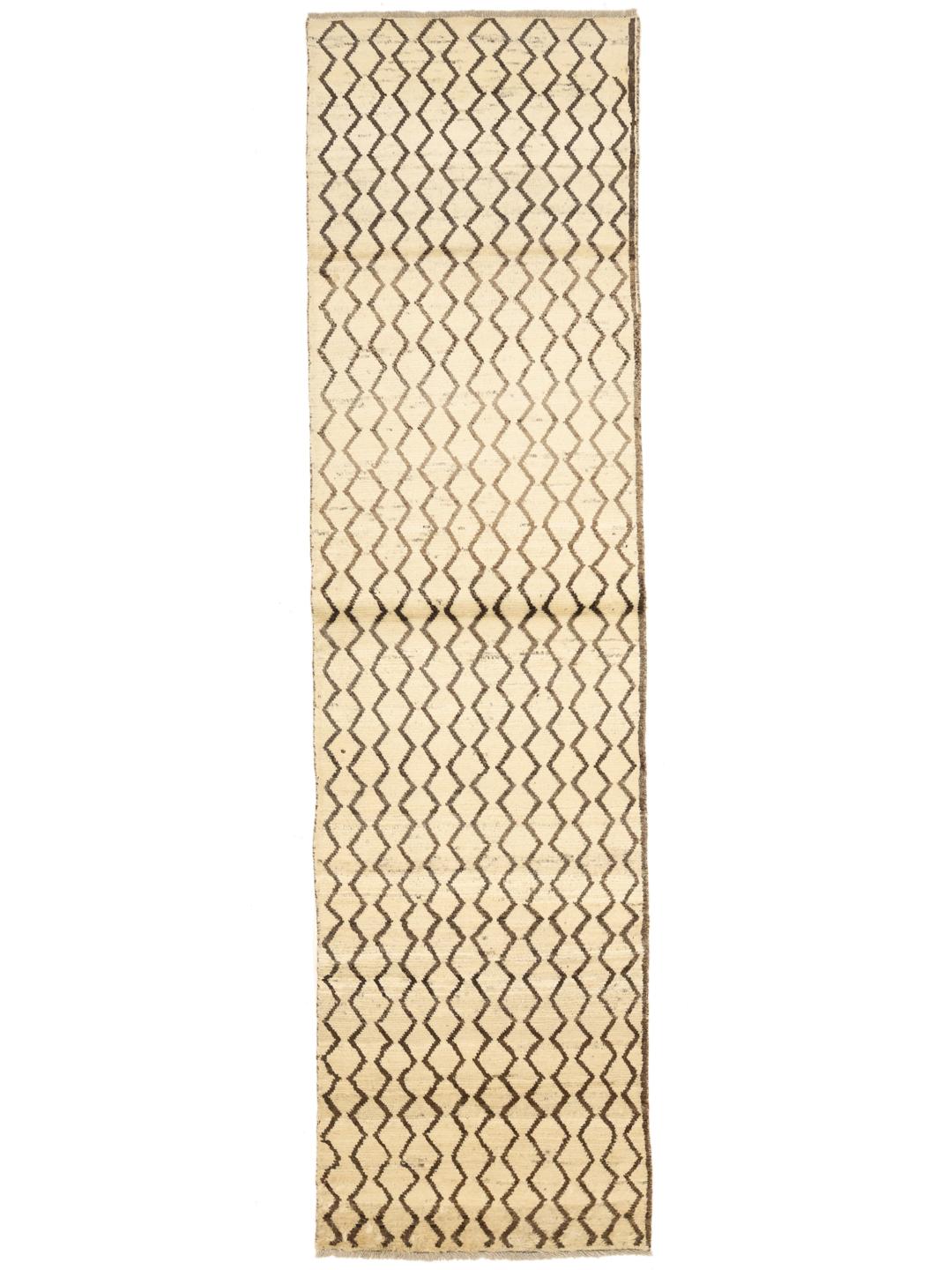
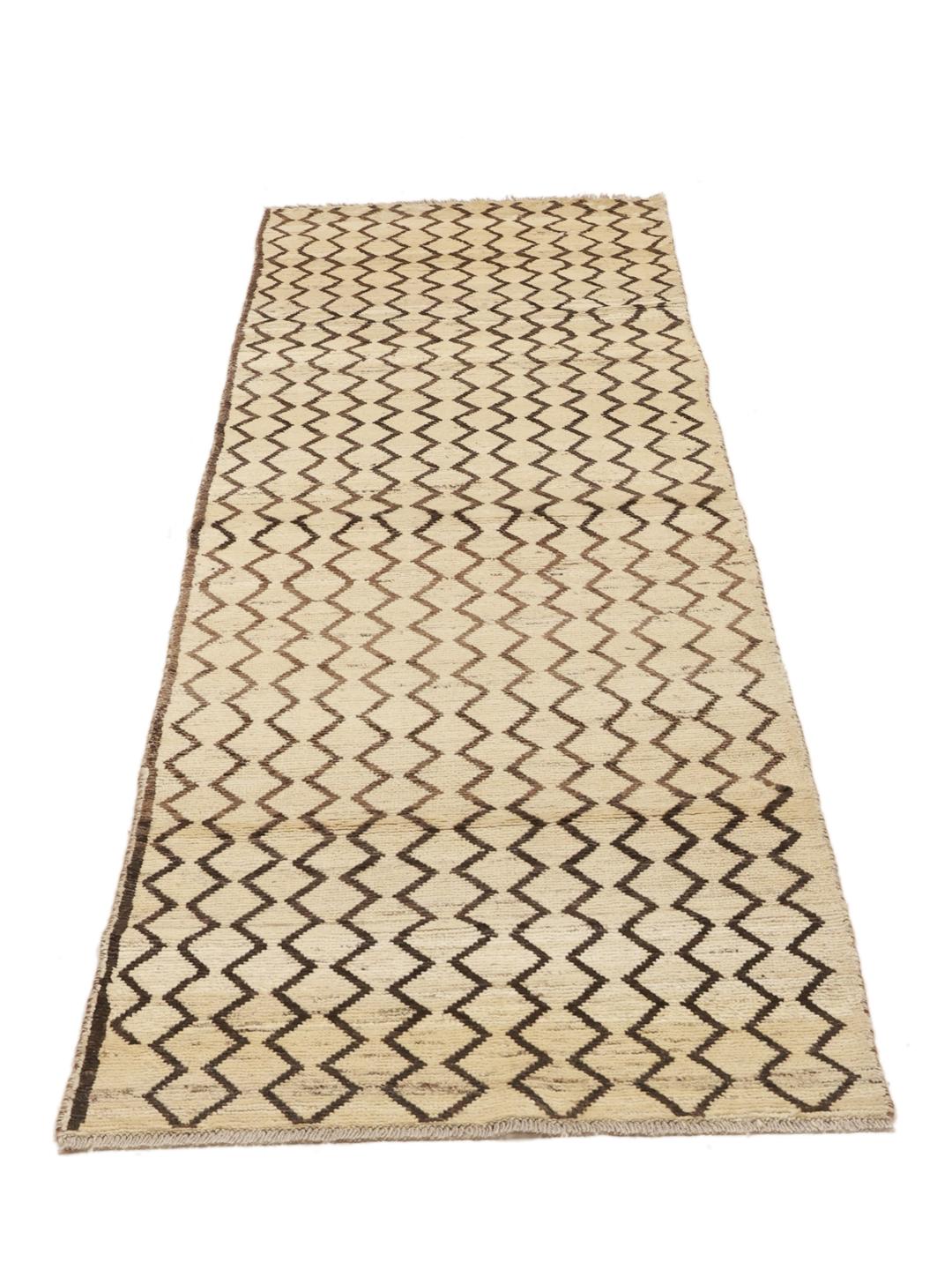
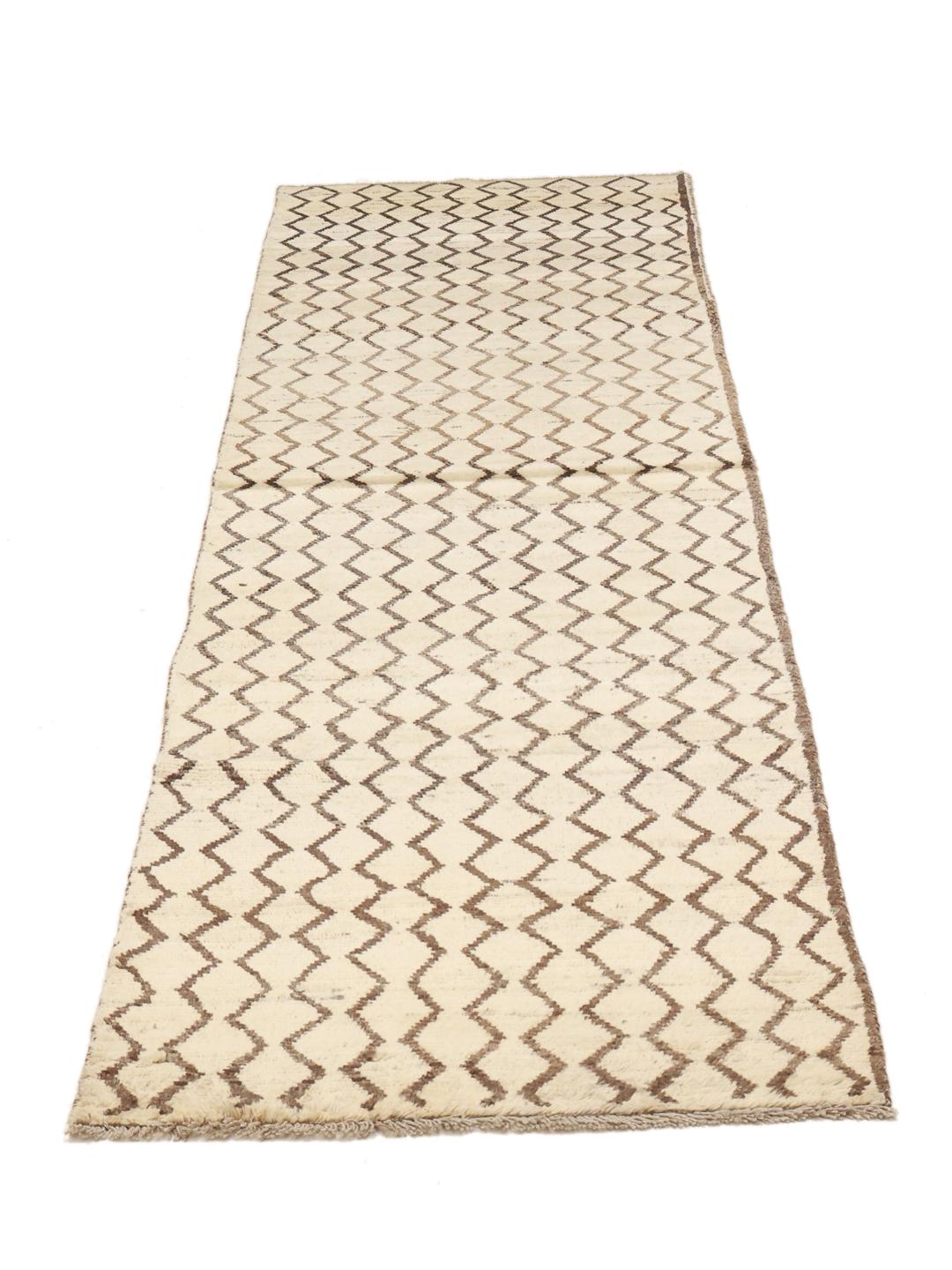
Berber rugs carry a rich history that traces back to the indigenous tribes of North Africa, where they were originally created as functional items for warmth and bedding. Over generations, the distinct aesthetic of these rugs—characterised by their thick, plush pile and often minimalist geometric motifs—has travelled and been reinterpreted by artisans across various regions, including Afghanistan. This migration of style has allowed the Berber tradition to evolve, blending ancient weaving techniques with the unique creative perspectives of local craftspeople.
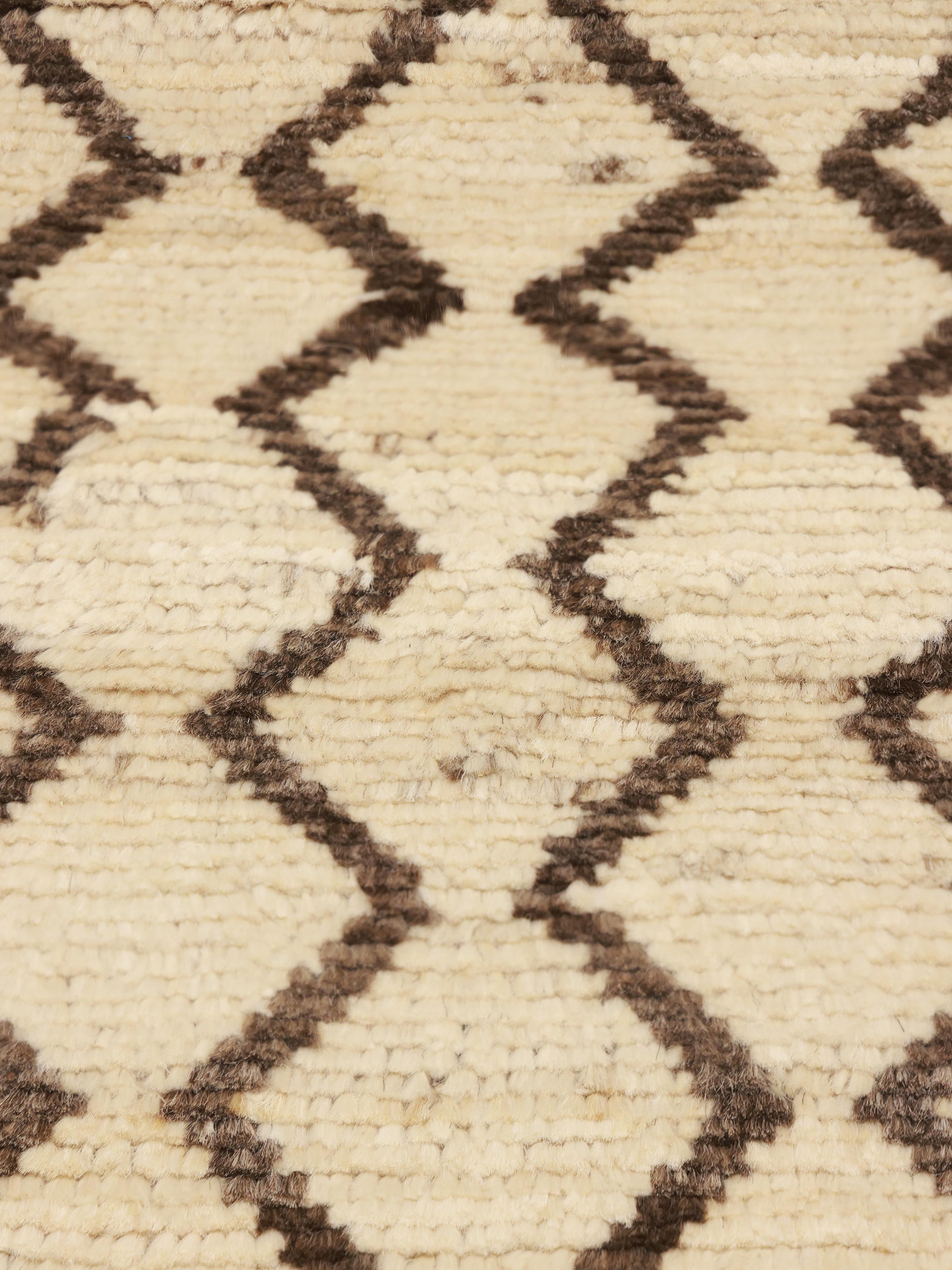
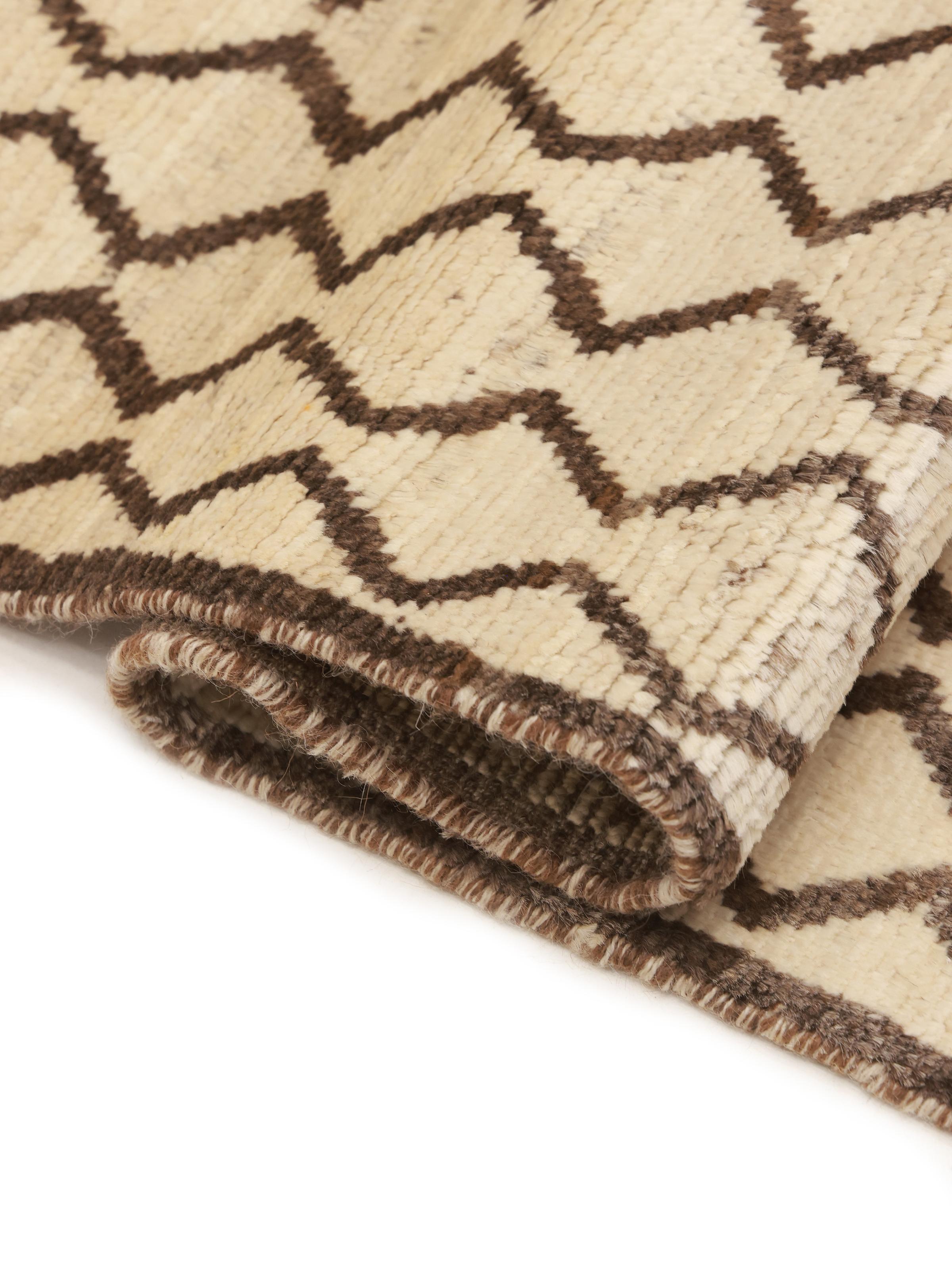
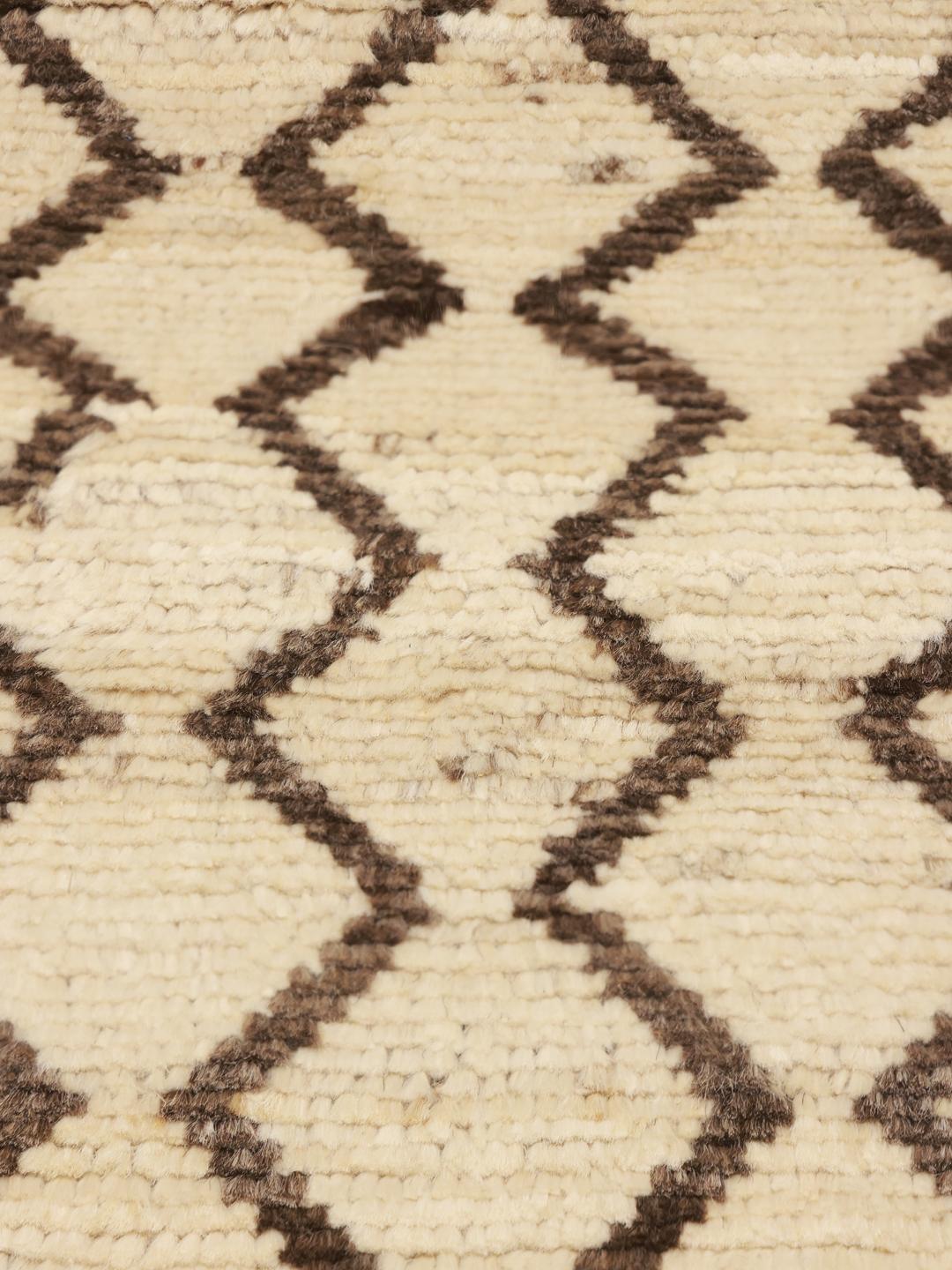
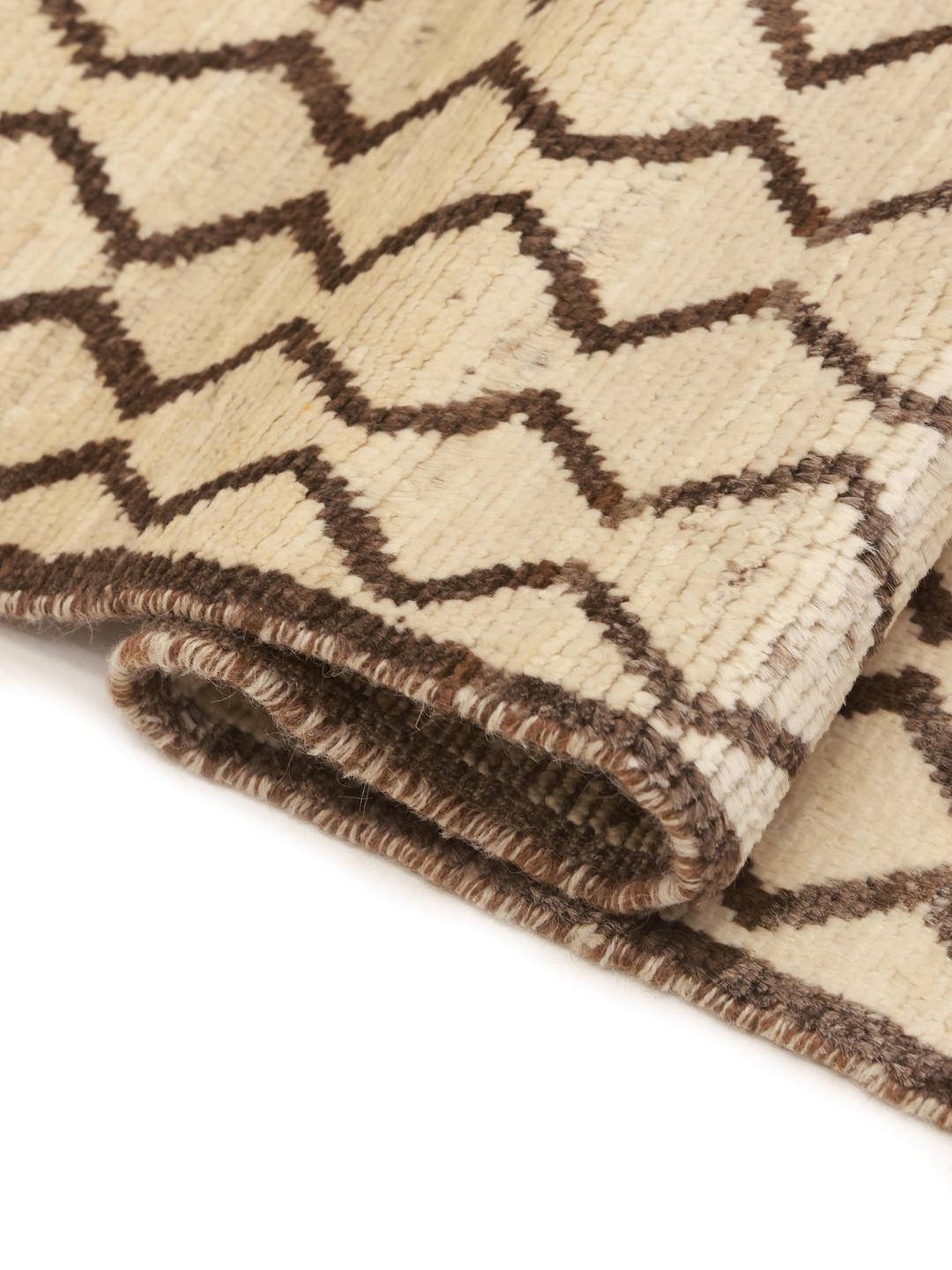
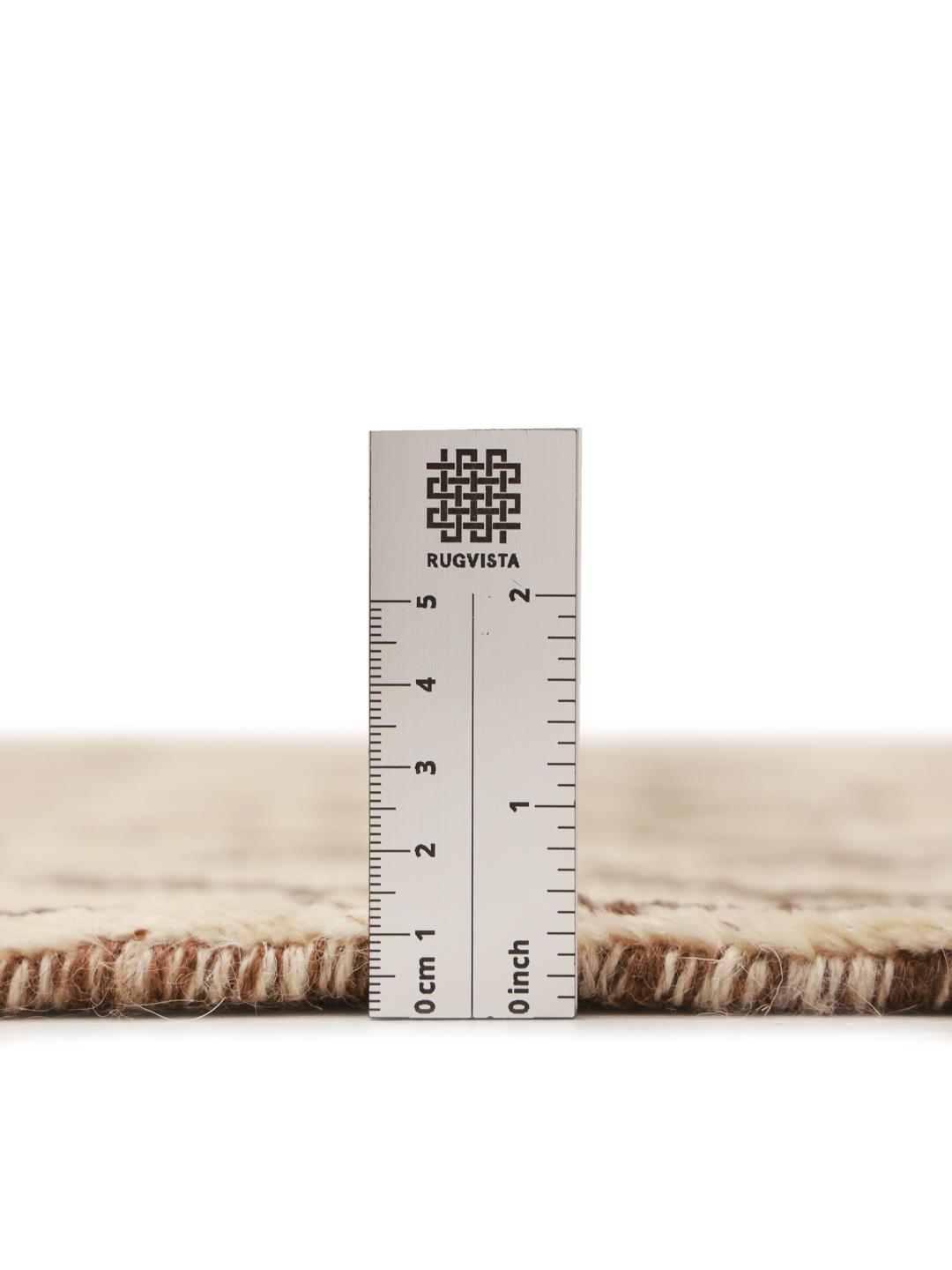
The terminology surrounding these rugs often centres on the tactile quality of the Wool and the density of the weave. When we talk about hand-knotted construction, we are referring to a method where individual knots are tied to the foundation, creating a dense and long-lasting pile that is far superior to machine-made alternatives. This technique is what gives the rug its weight and luxurious feel, ensuring that it can withstand the rigours of daily use while maintaining its structural integrity.
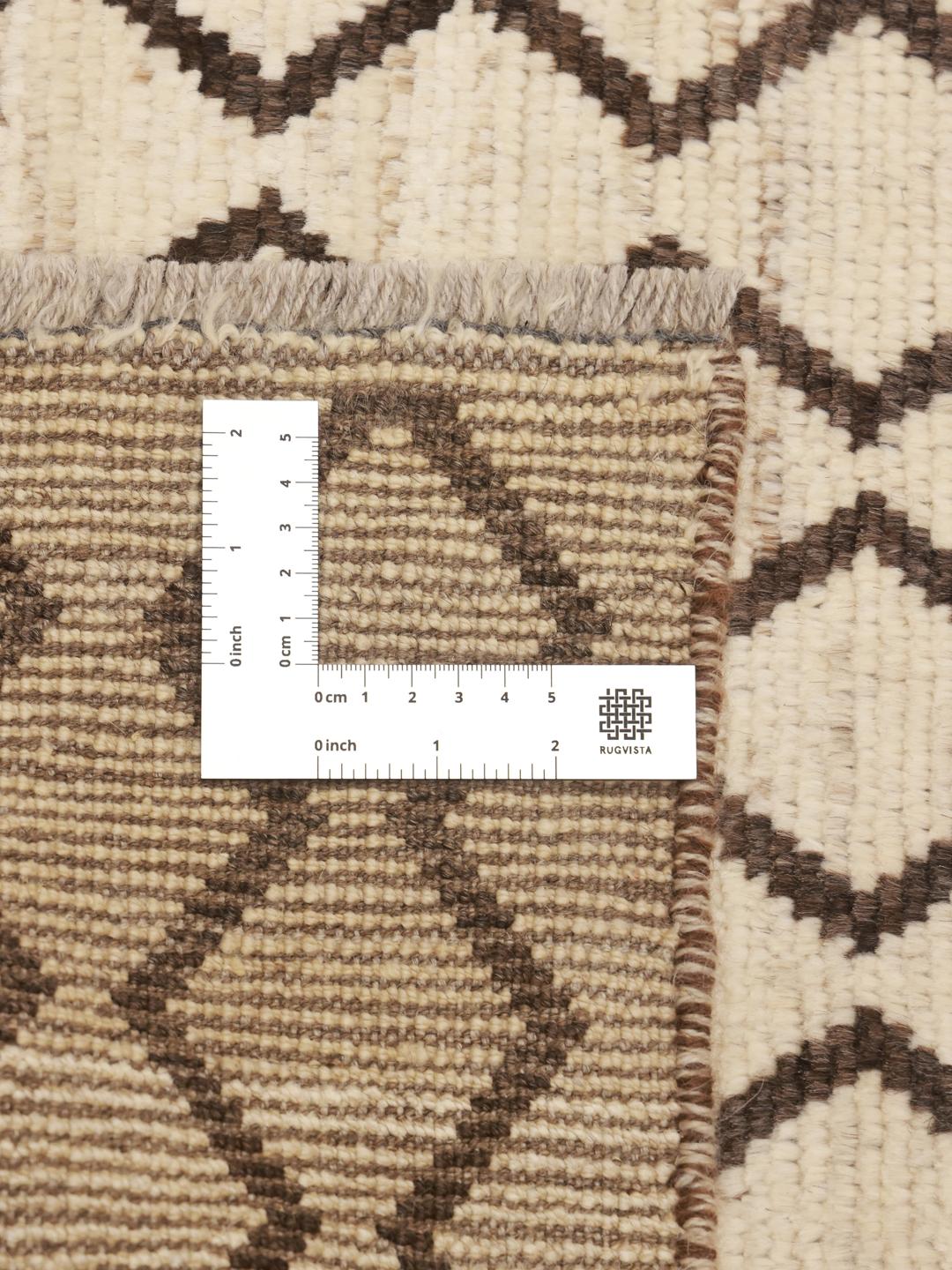
Signature design elements in this tradition often lean toward the organic and the understated. While some styles are known for bold, vibrant colours, the neutral Berber tradition focuses on the natural, undyed tones of the sheep's Wool. The geometric patterns, such as the diamonds or lines seen here, are often symbolic, representing aspects of daily life or protection. These designs are not just decorative; they are a visual language that connects the modern home to ancient storytelling traditions.
Collecting a rug from this tradition is an act of preserving a craft that values the human touch above all else. These rugs are highly prized because they represent a marriage of heritage, skill, and enduring quality that is increasingly rare in the modern world. By bringing a piece like this into your home, you are not just acquiring a floor covering; you are becoming a custodian of a traditional art form that has been refined through centuries of practice.