Berber rugs are deeply rooted in the traditions of North Africa, yet their influence has travelled far beyond their original borders. Today, the term describes a style of weaving that emphasises natural materials, soft textures, and geometric simplicity, often adapted by master artisans in regions like Afghanistan to create pieces that bridge ancient techniques with contemporary design.
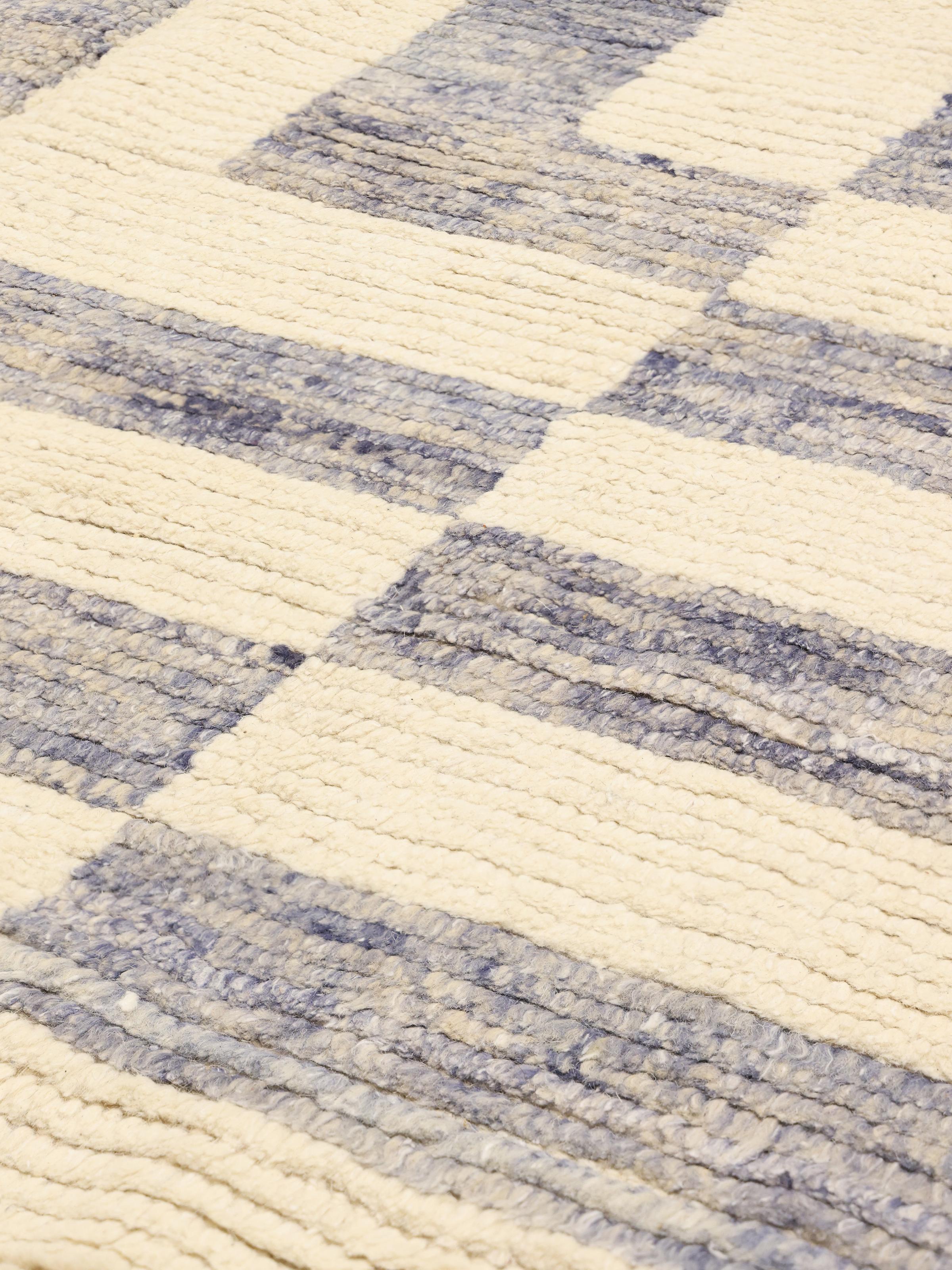
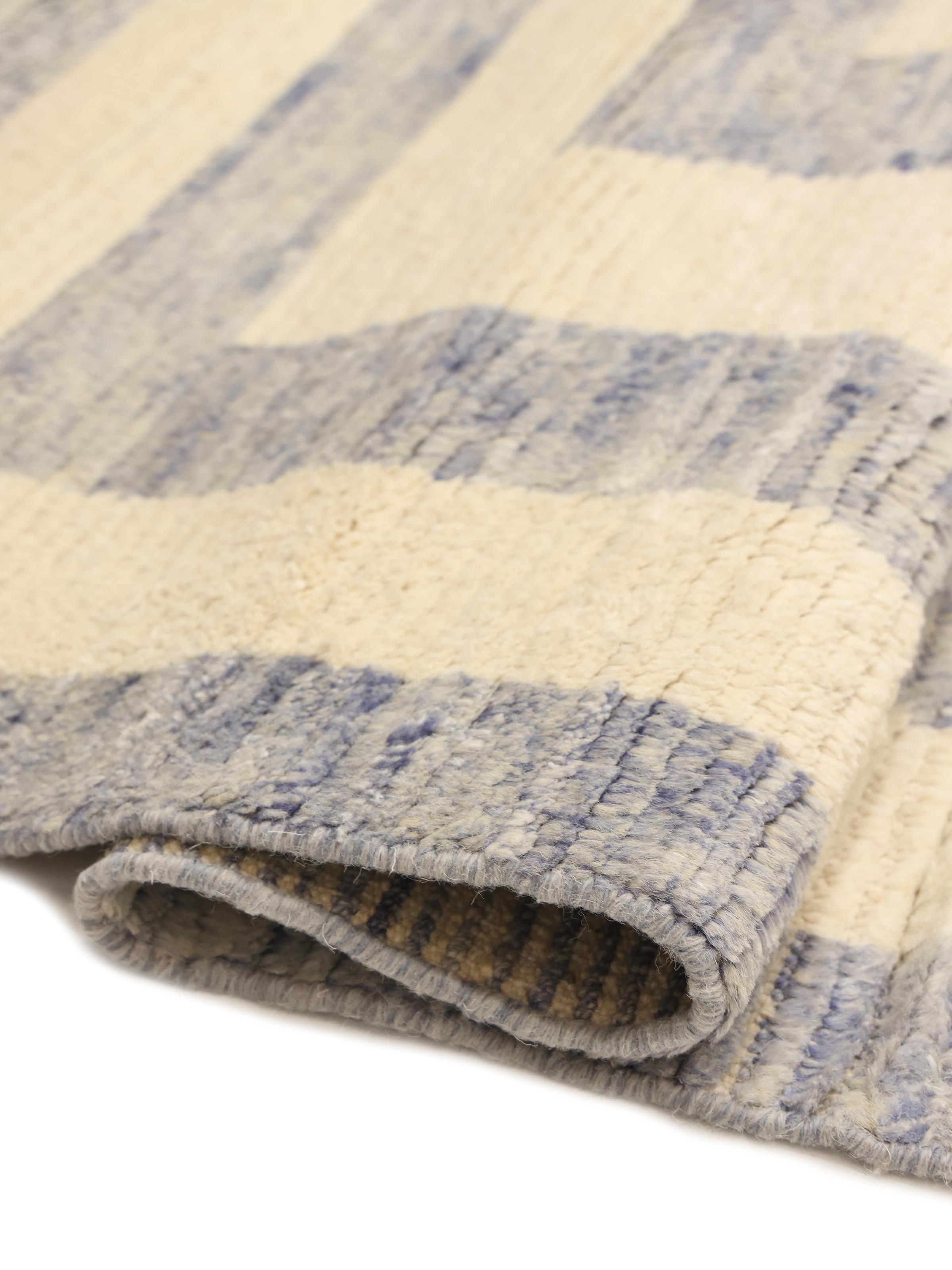
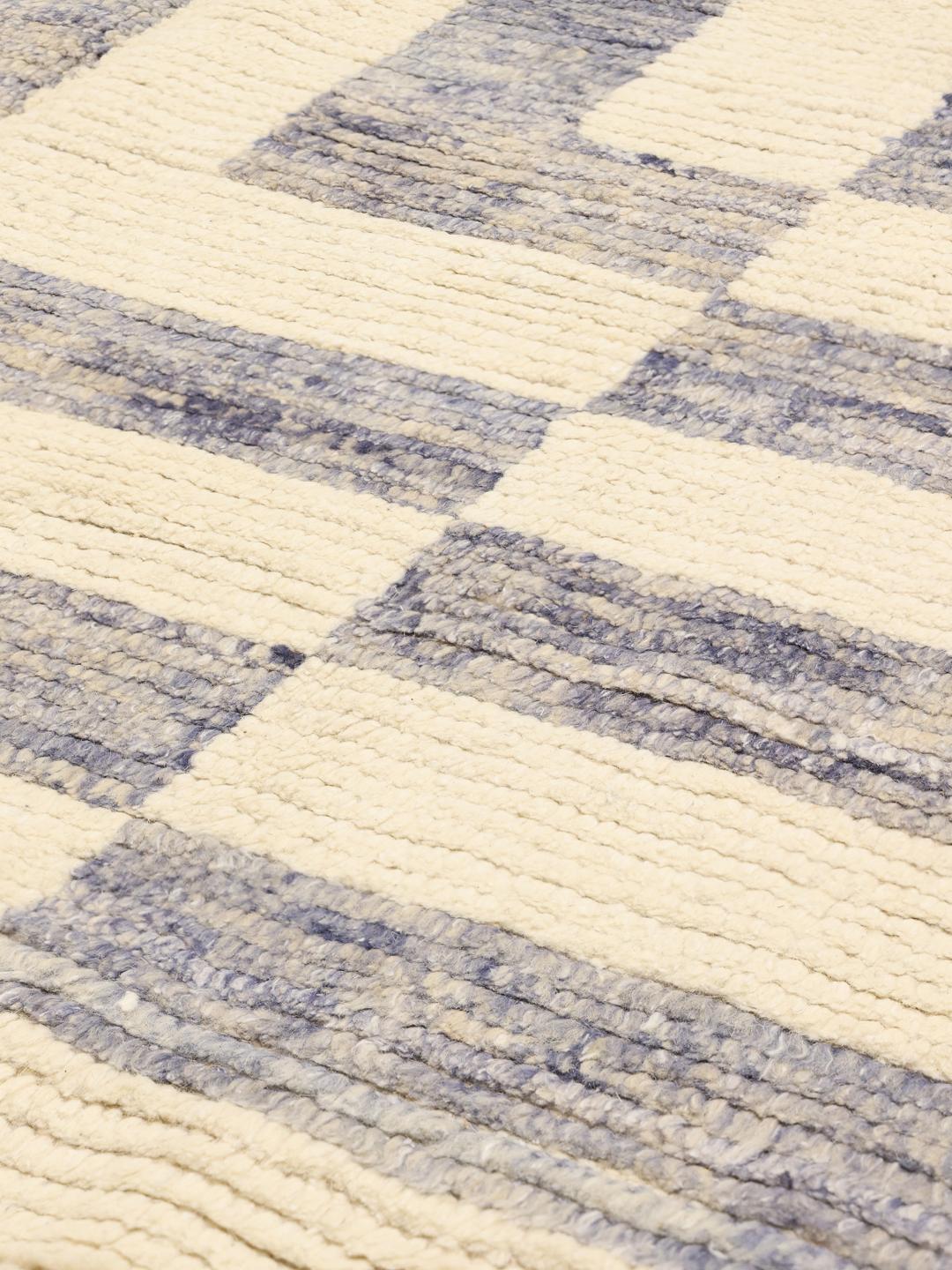
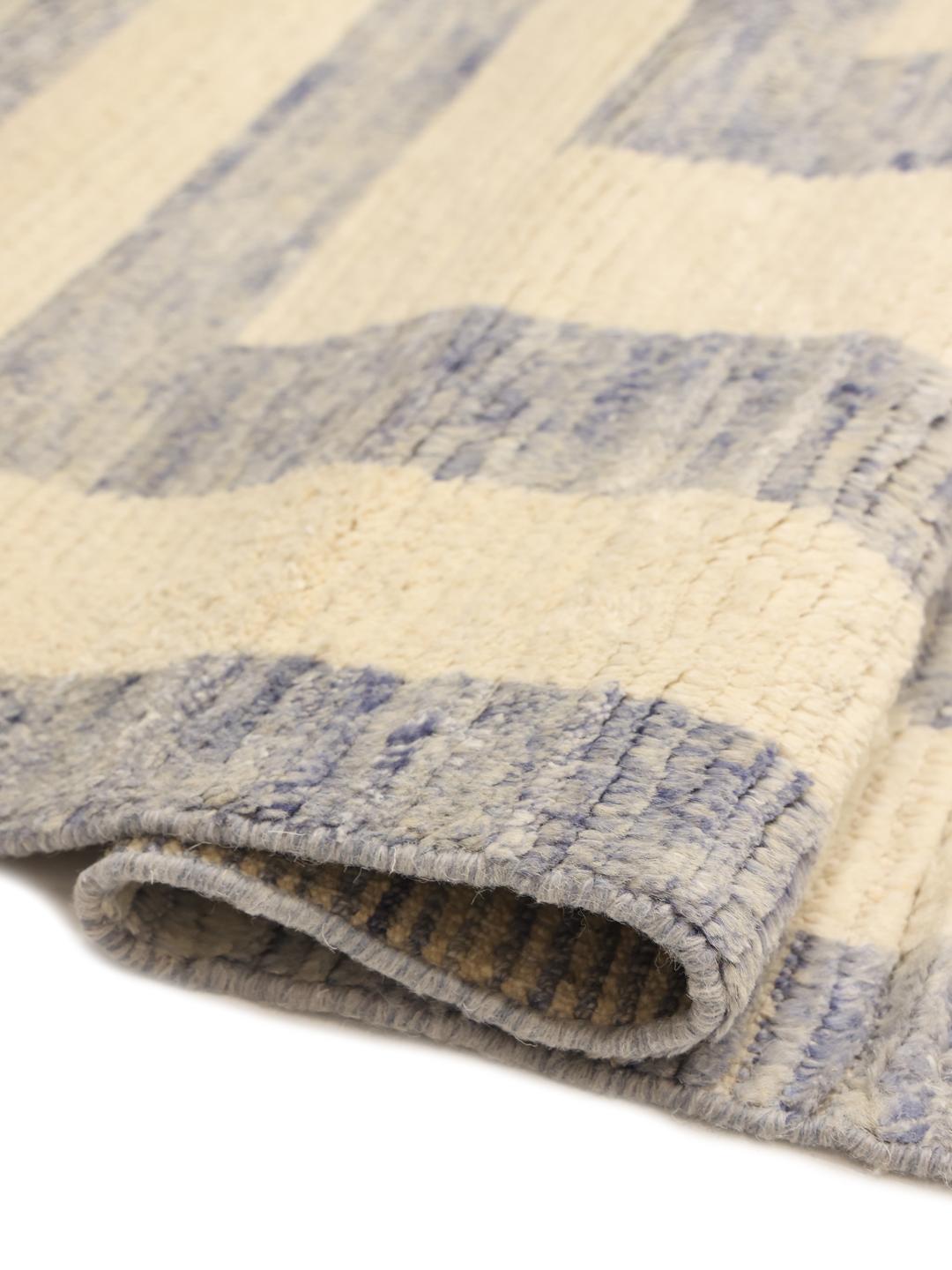
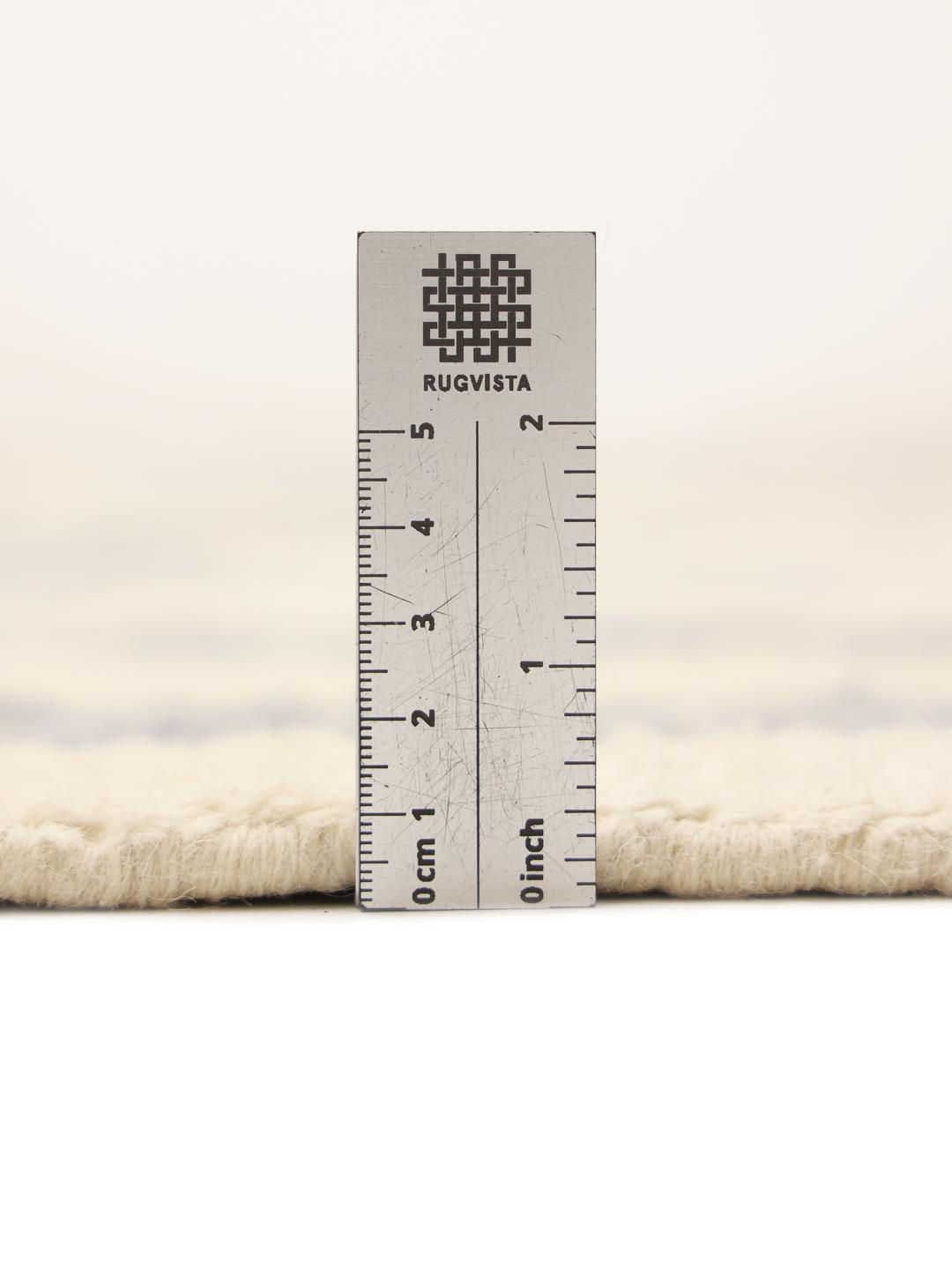
The construction of these rugs relies on a traditional knotting technique that has been passed down through generations. This method is essential for creating a dense, resilient pile that is naturally resistant to wear. By using high-quality Wool, the artisans ensure that the rug not only feels luxurious but also gains character as it ages, becoming a permanent fixture in the home.
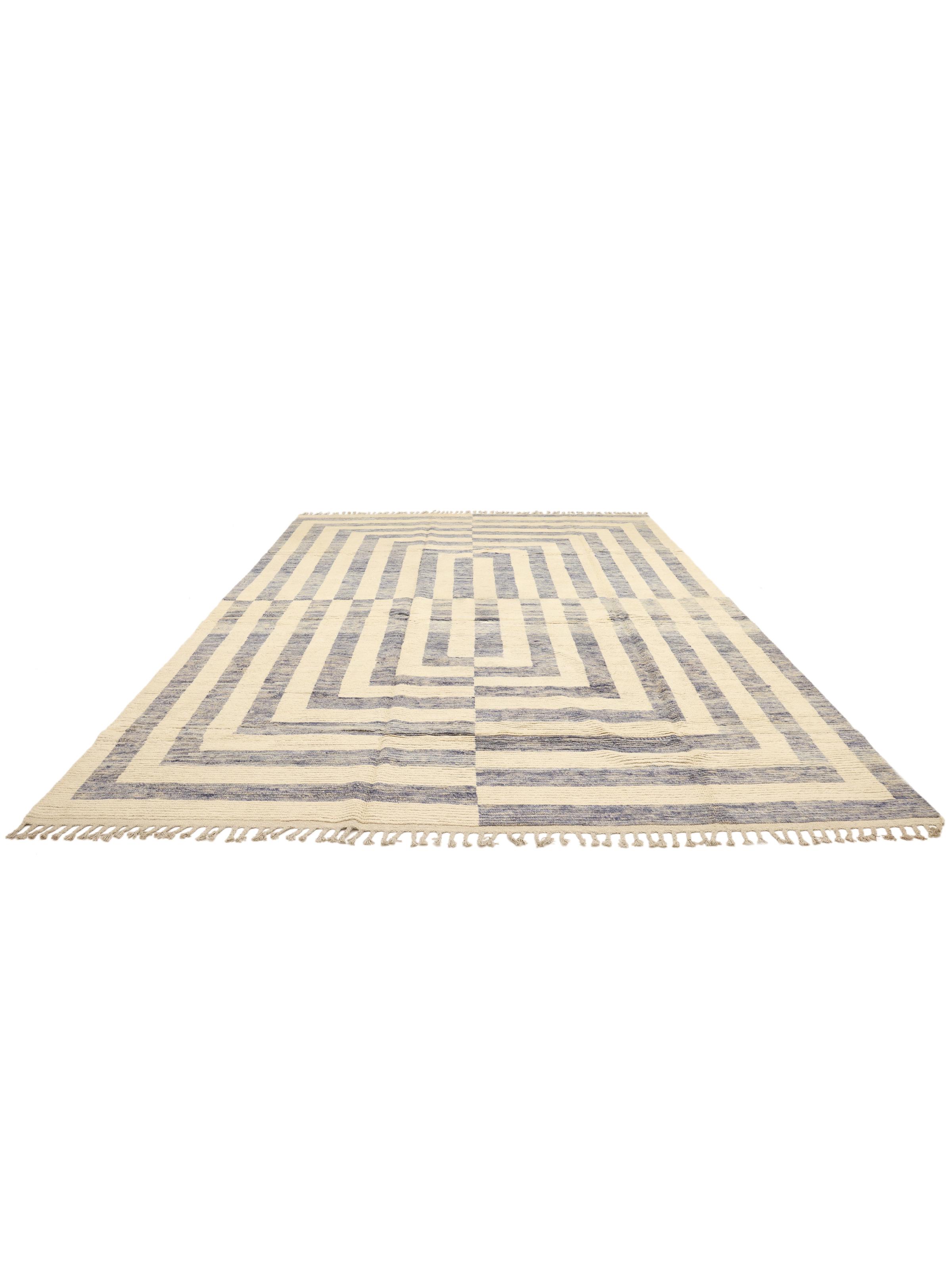
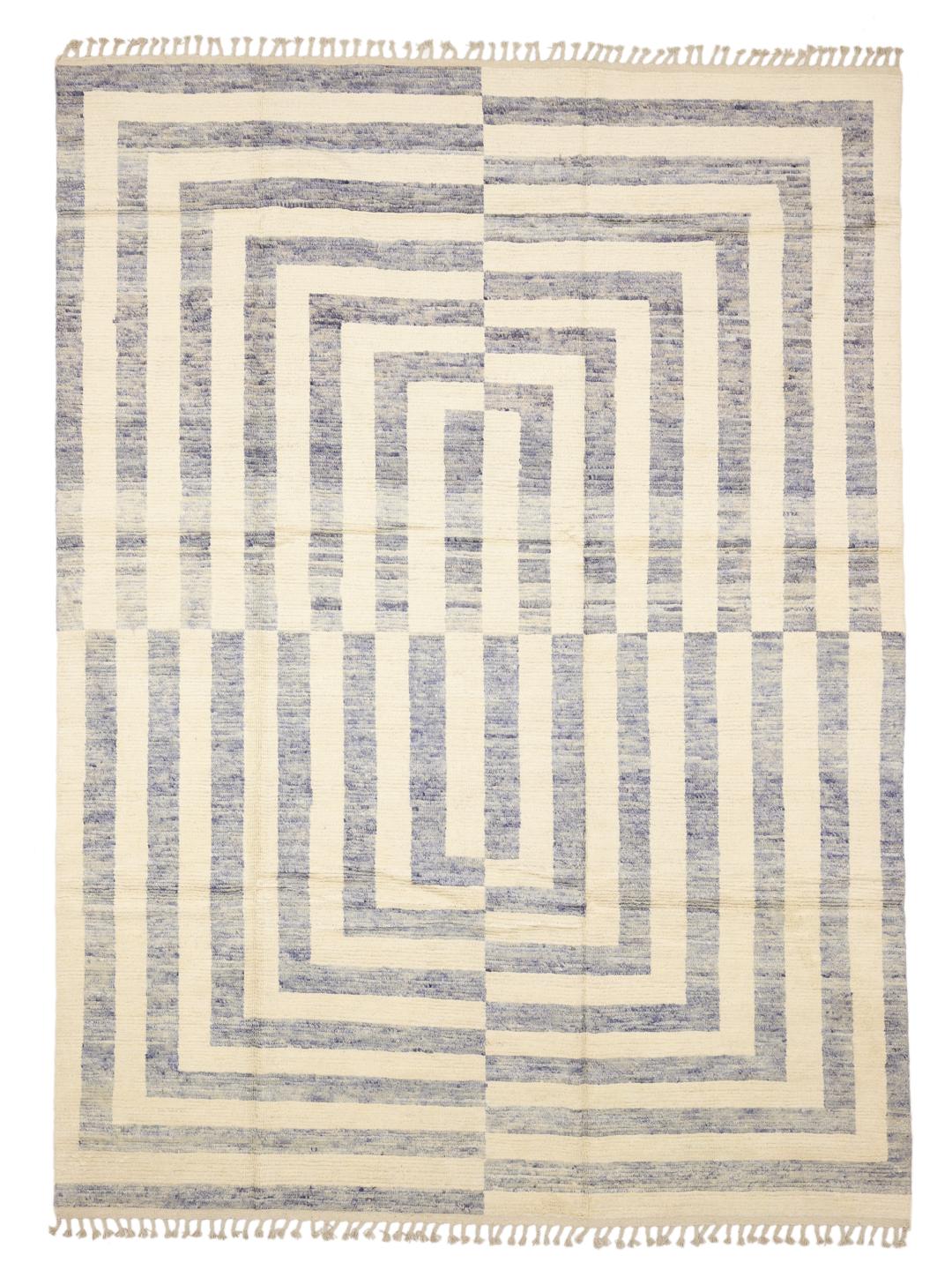
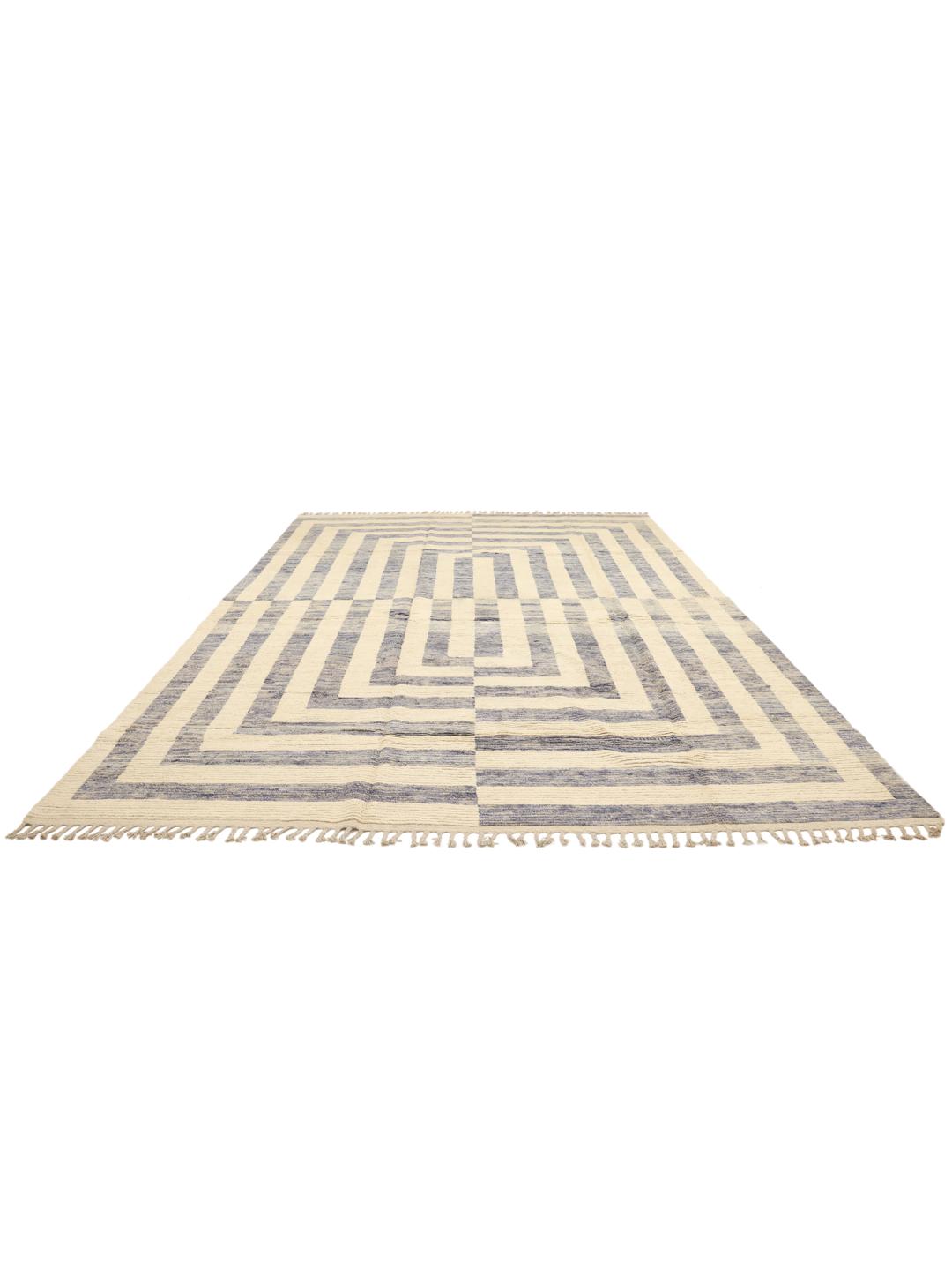
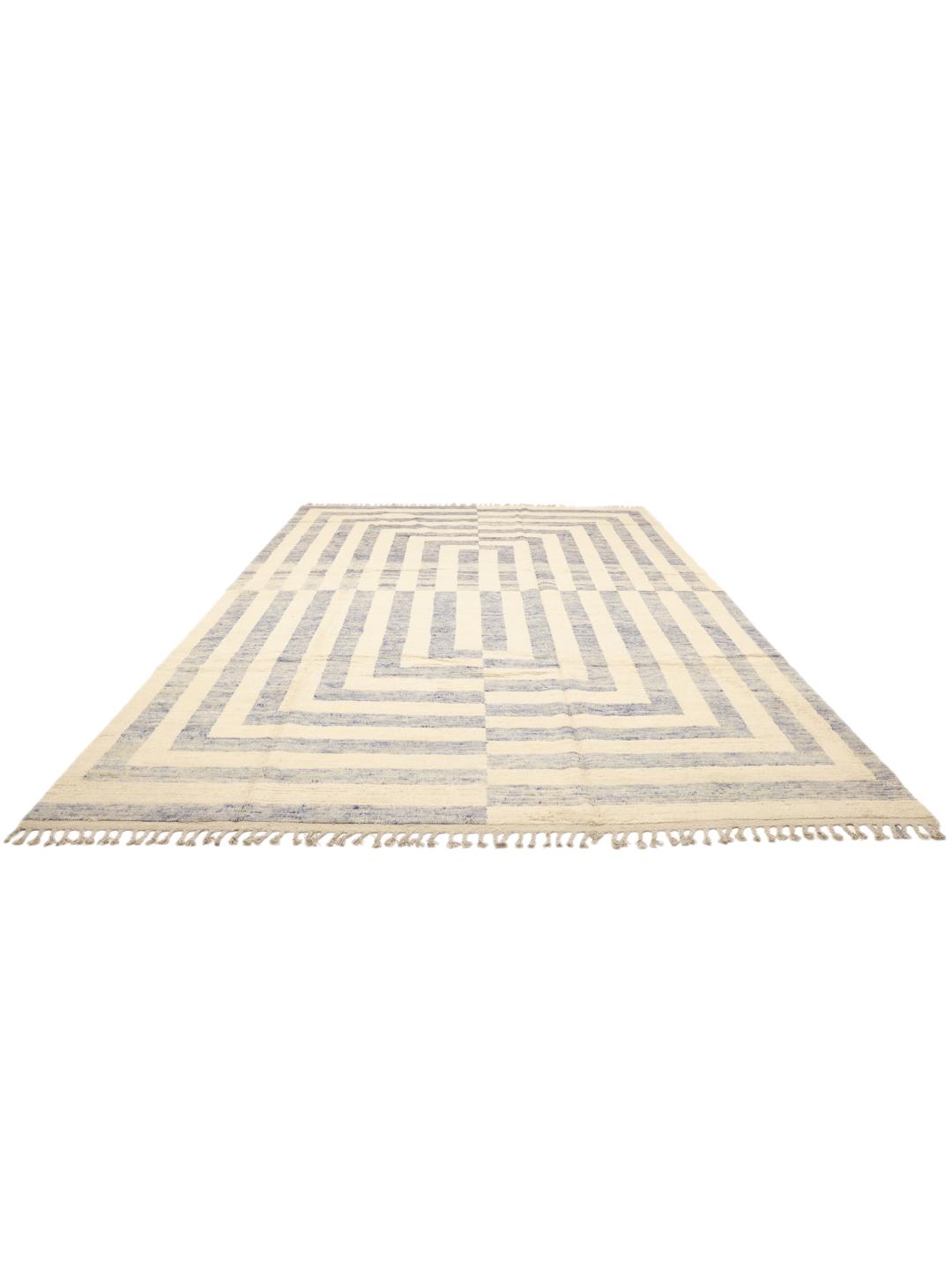
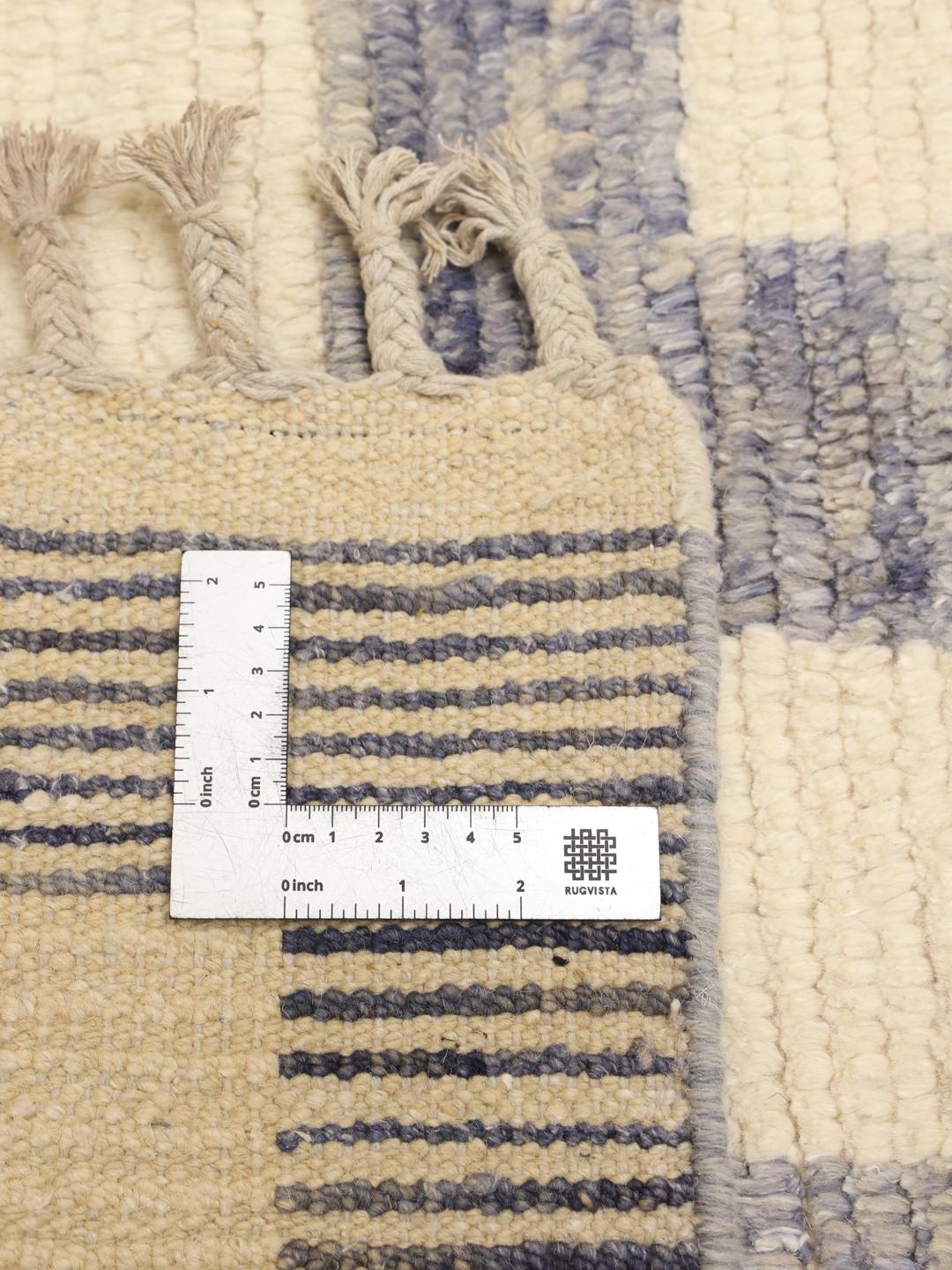
Visually, this rug features a bold geometric pattern that draws on the tribal heritage of the region. The interplay between the clean, structured lines and the softer, hand-spun Wool creates a balanced aesthetic. These designs are rarely accidental; they are part of a long-standing visual language that values symmetry and the rhythmic repetition of forms.
Collecting a rug from this tradition is about more than just decor; it is an appreciation for the skill required to produce such a substantial piece. These rugs are highly valued for their ability to bring a sense of history and human connection into a modern space, serving as a testament to a craft that continues to thrive in an increasingly automated world.