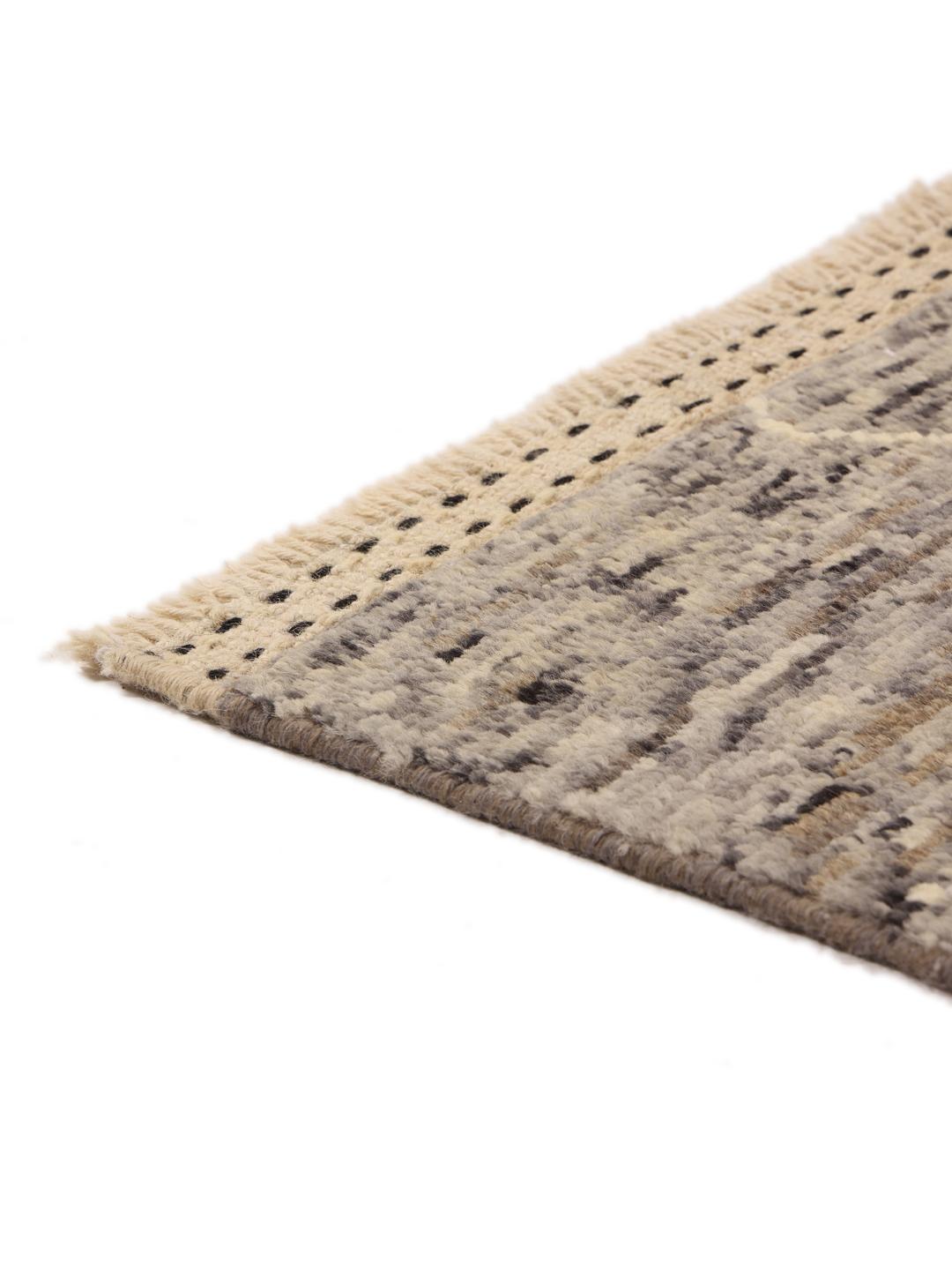
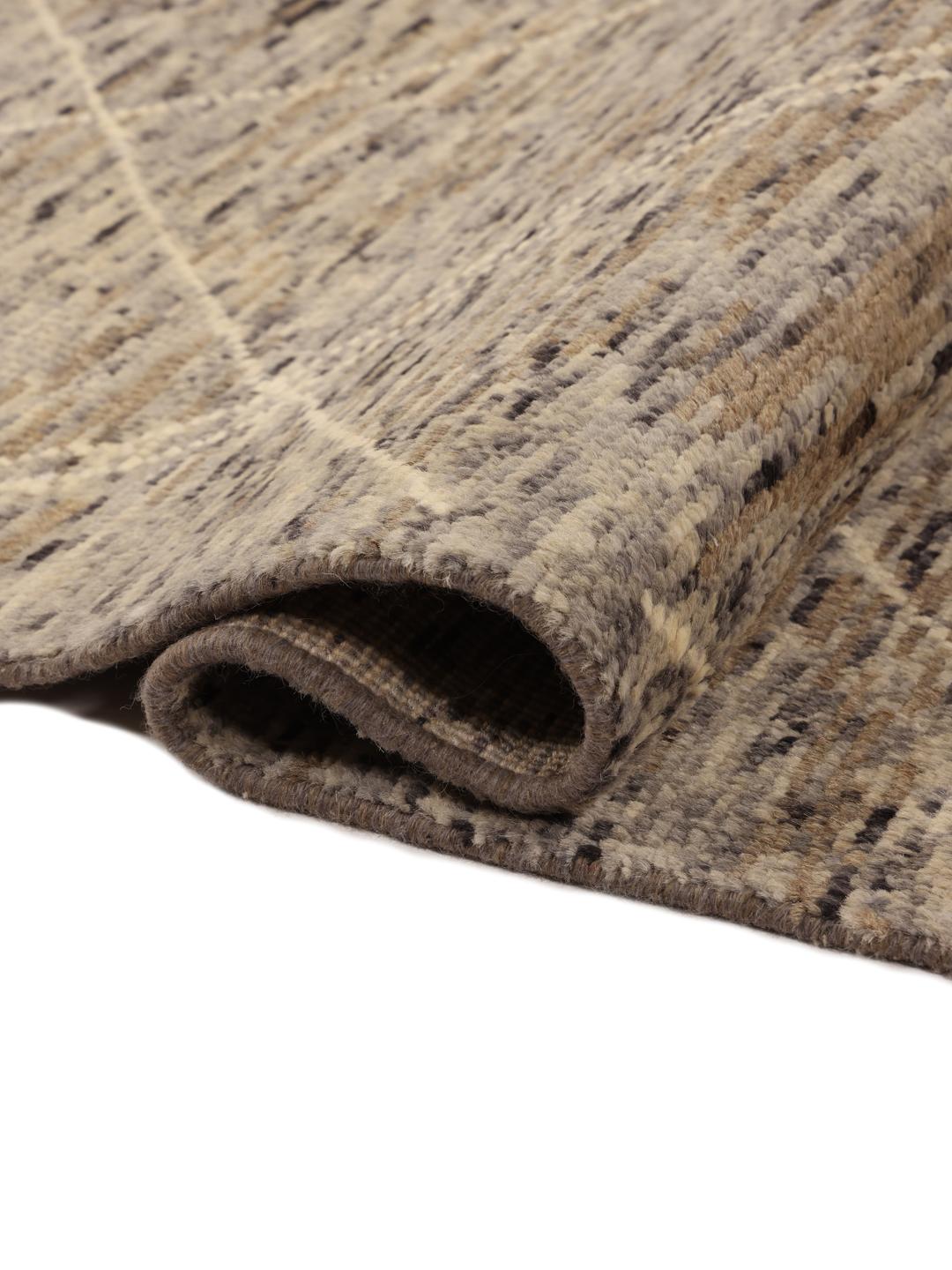
The Berber rug tradition originates from the indigenous peoples of North Africa, who have woven these iconic textiles for centuries to provide warmth and protection against the elements. While the style is rooted in that heritage, the migration of rug-making techniques has seen these designs flourish in new regions, including Afghanistan.
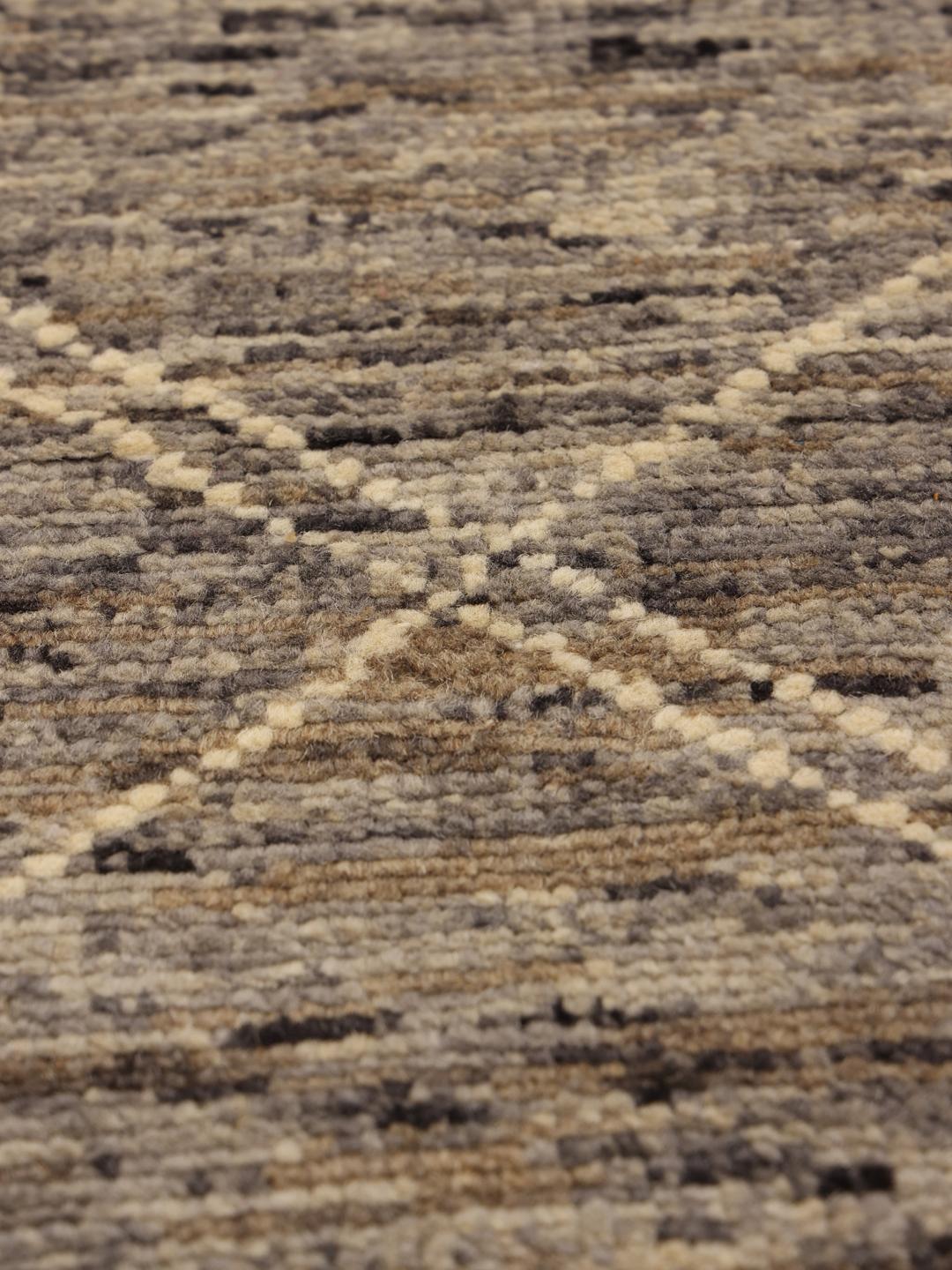
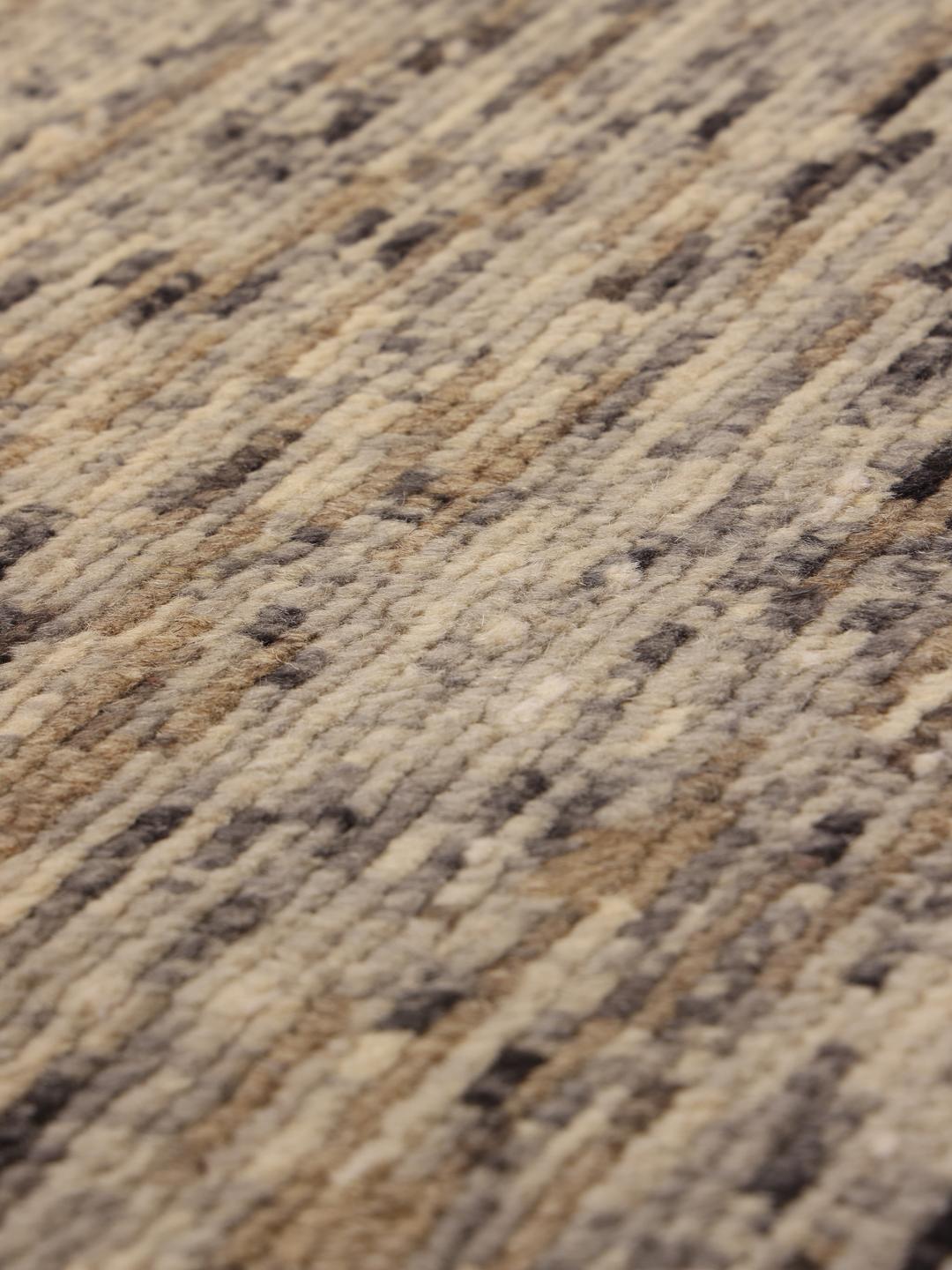
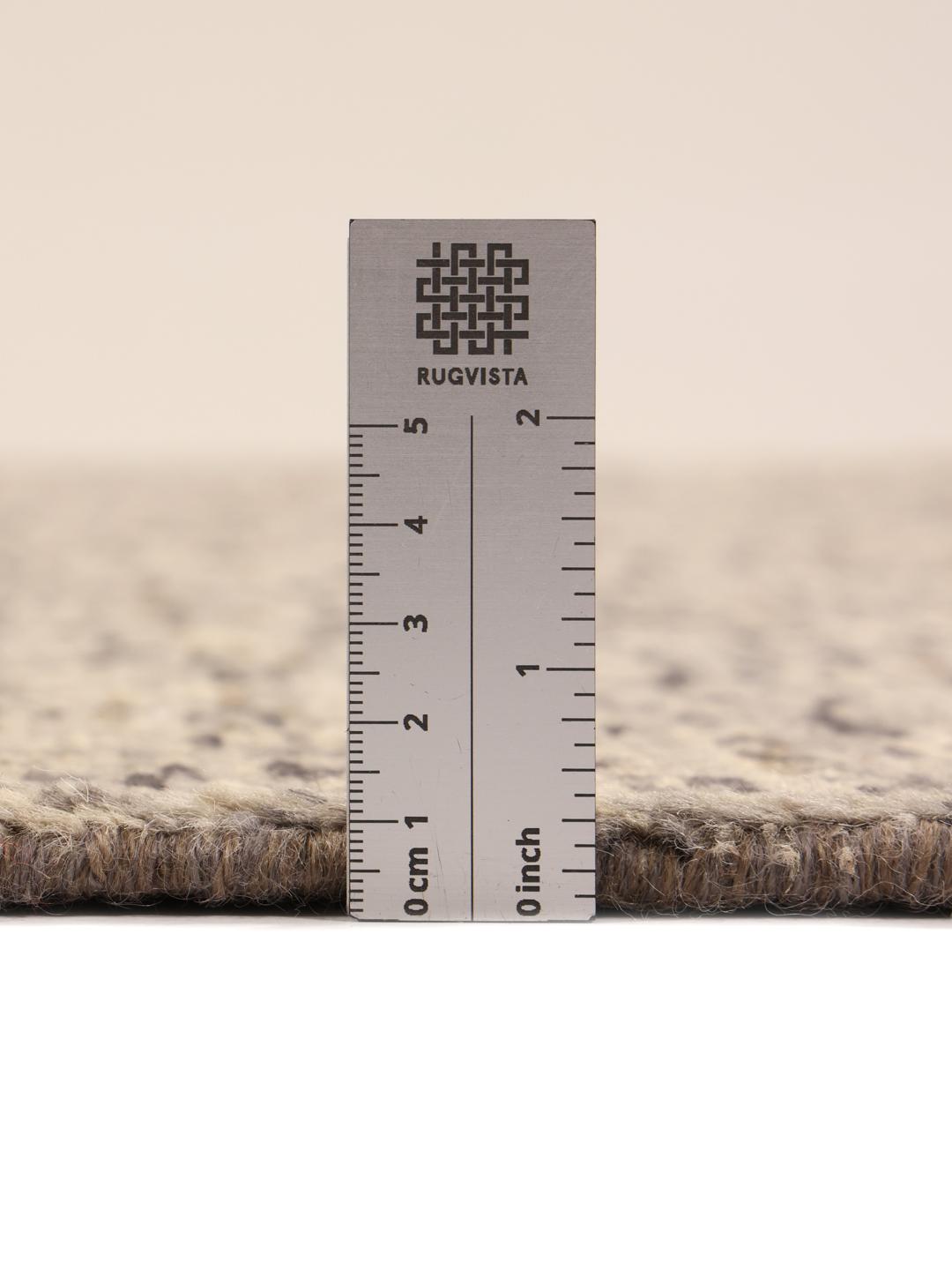
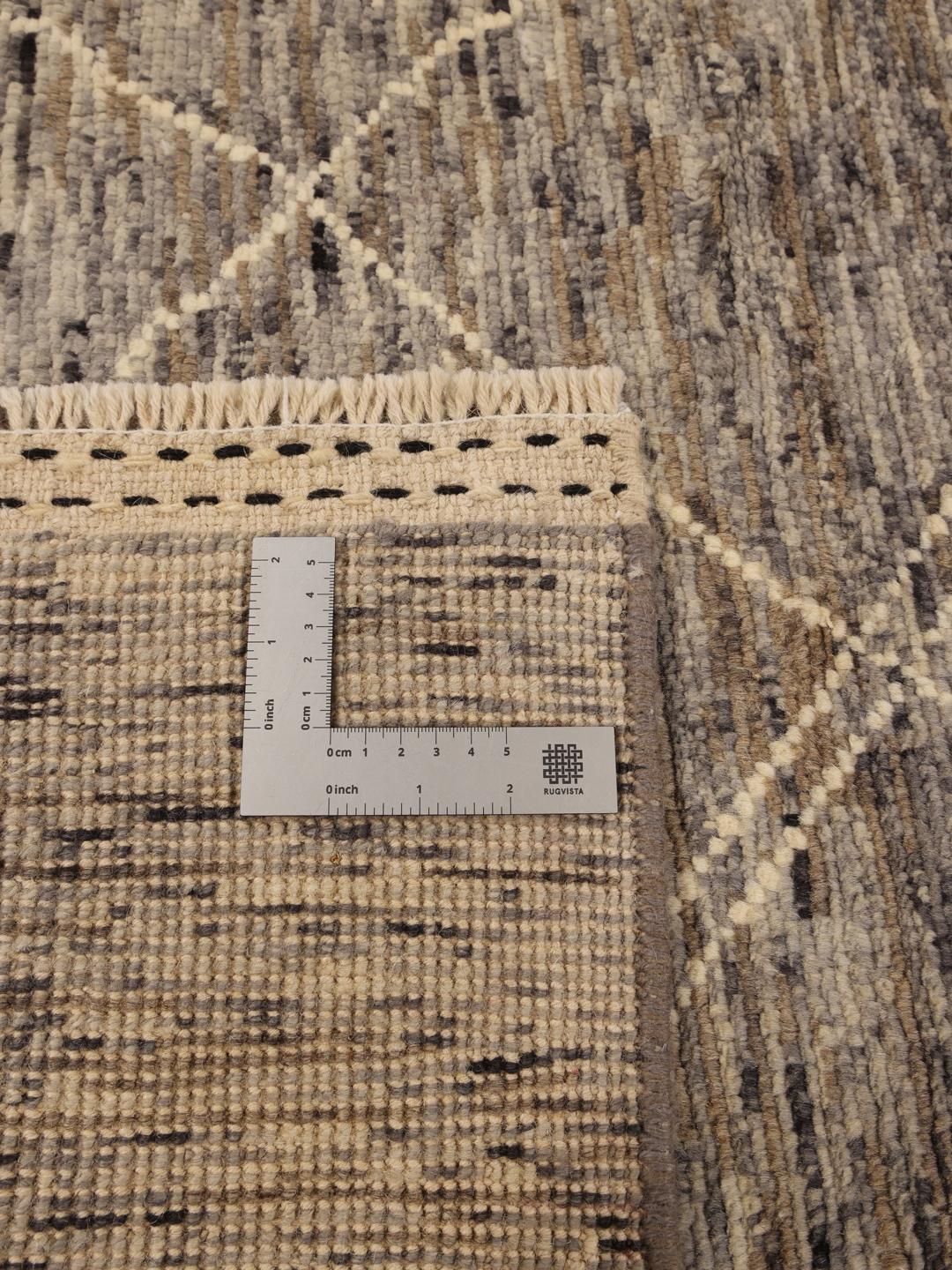
In these regions, the art of hand-knotting has evolved into a sophisticated craft. Each knot is tied with precision, a technical requirement that determines the longevity and density of the rug. This method of construction is what allows the pile to remain resilient and soft, ensuring the rug retains its form and beauty even in high-traffic areas of the home.
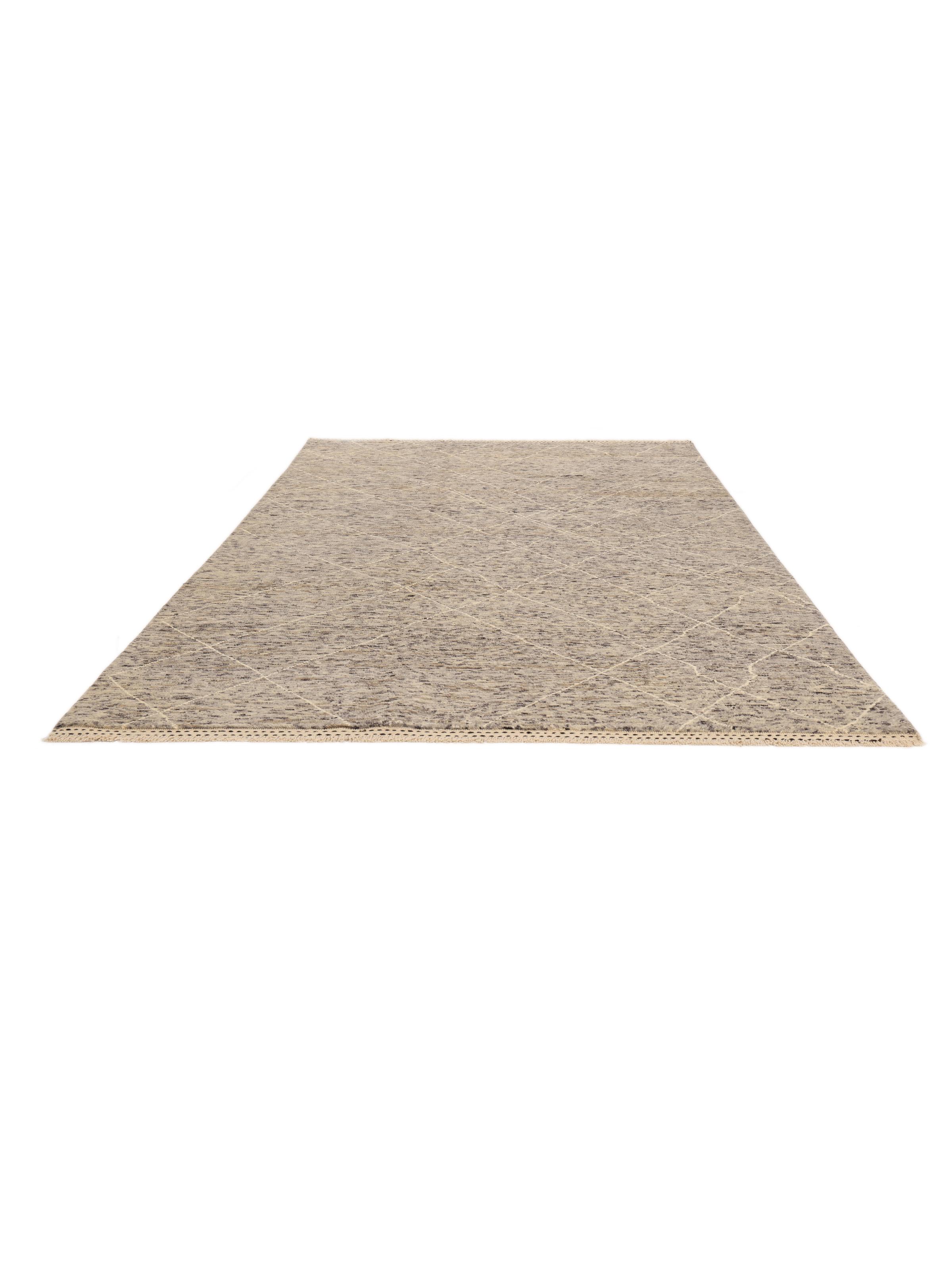
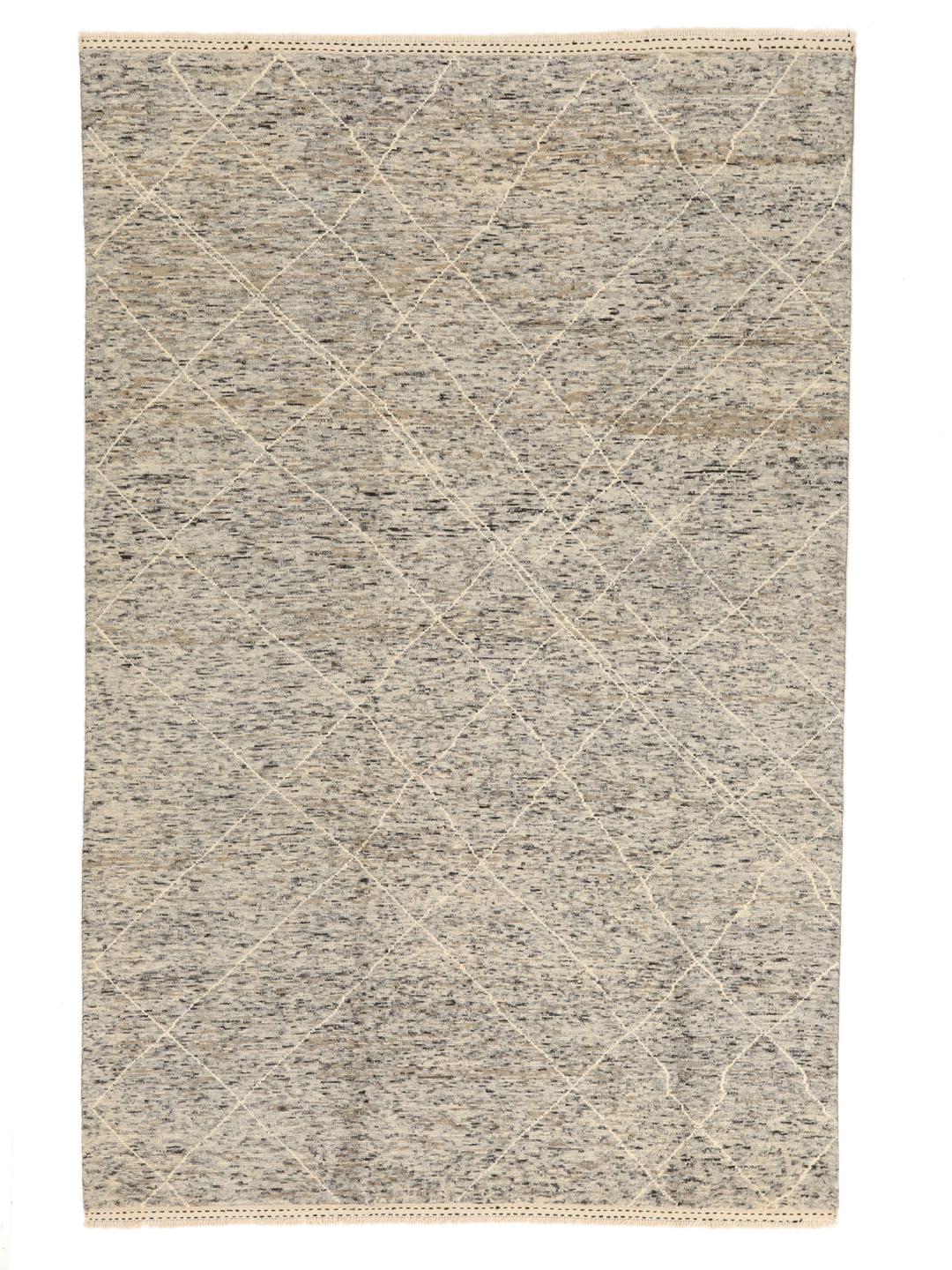
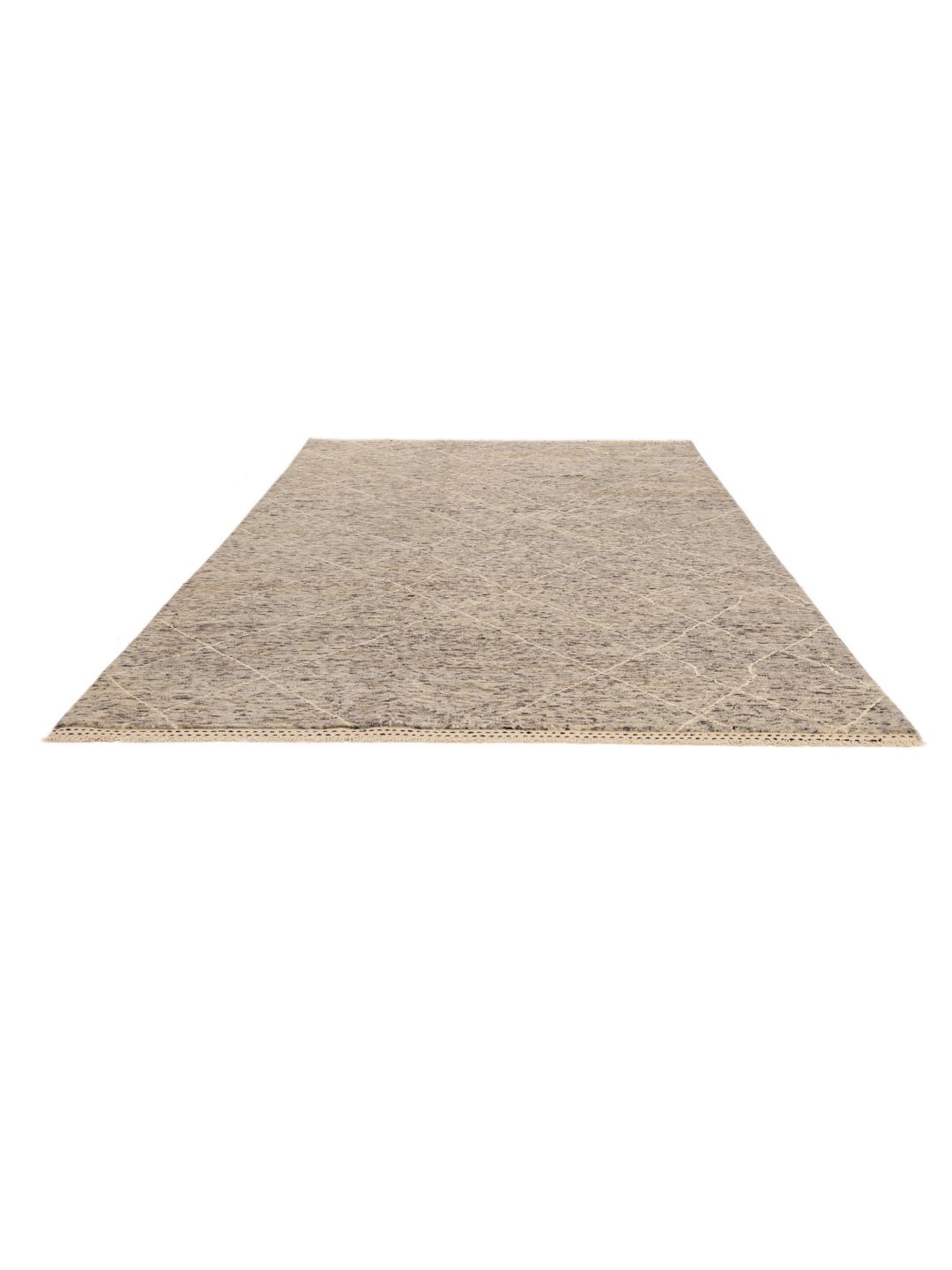
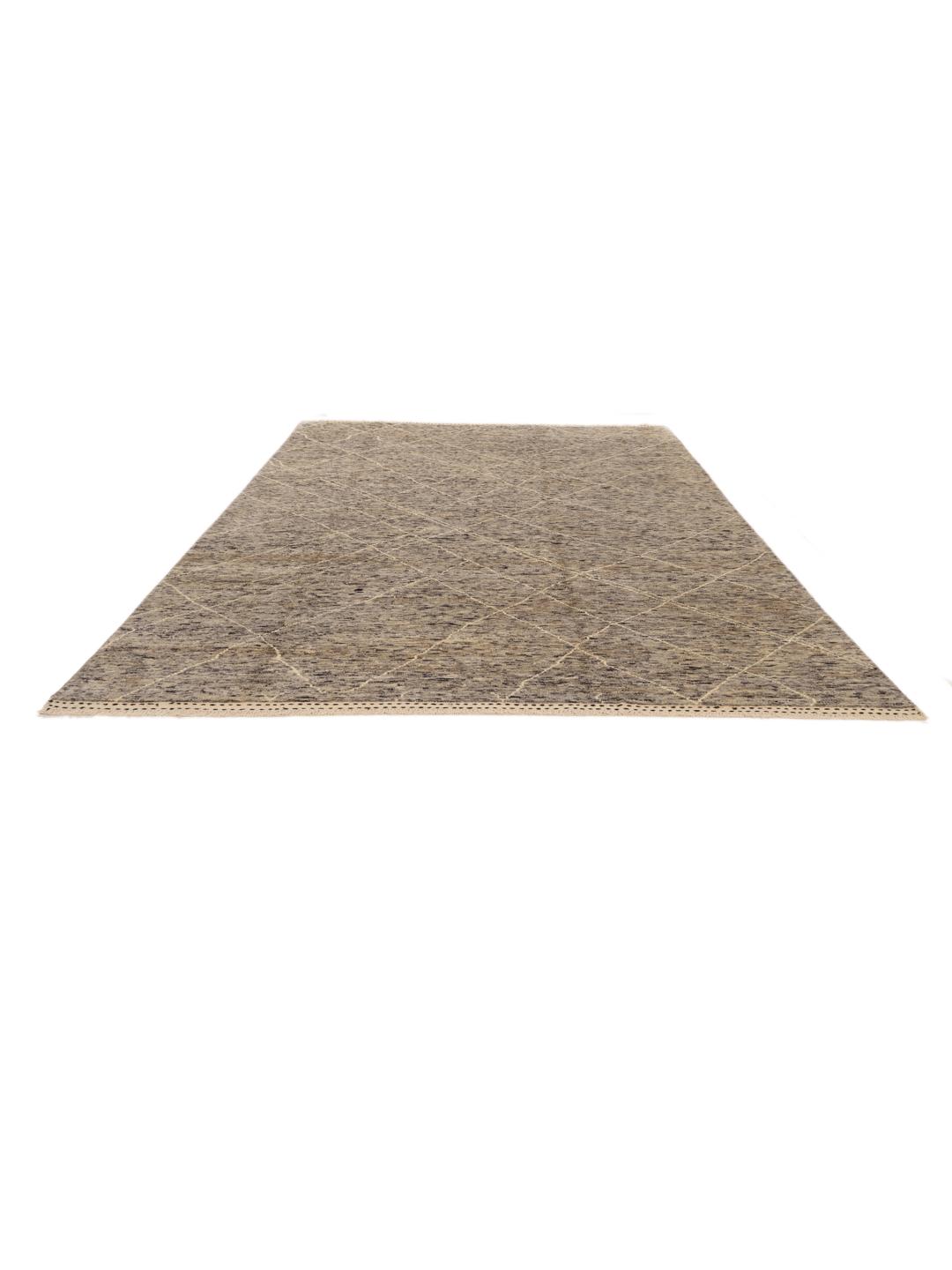
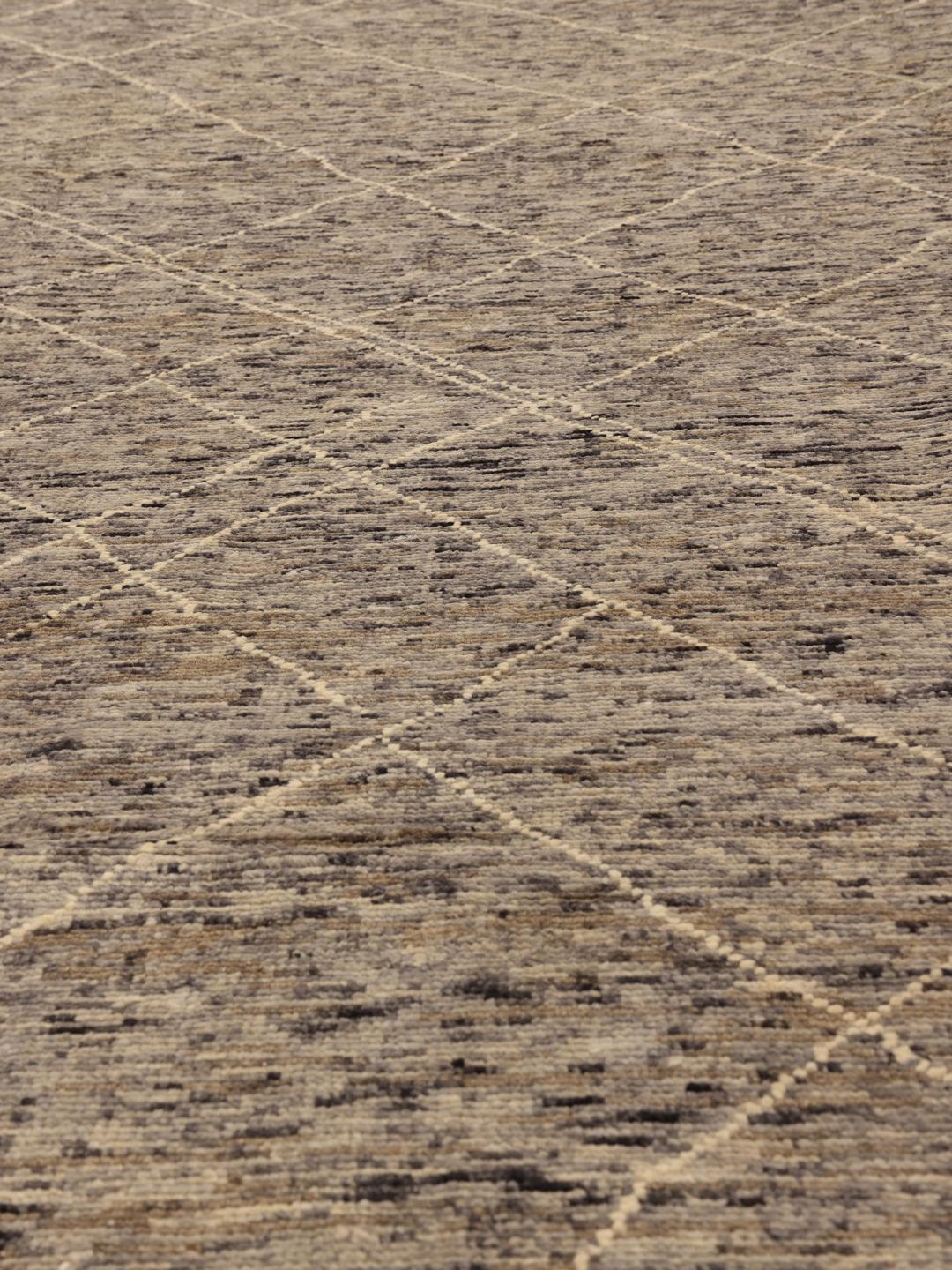
Design-wise, these rugs are celebrated for their minimalist aesthetic, often featuring simple geometric motifs like diamonds or lines on a neutral, undyed Wool background. This design language is a response to the natural environment, where inspiration is drawn from simple, clean forms. The understated nature of this rug makes it a perfect example of how traditional patterns can feel entirely modern.
Collecting a hand-knotted rug is an investment in cultural continuity. These pieces are valued for their authenticity and the skill required to produce them, serving as a bridge between ancient techniques and contemporary living. By owning such a rug, you are supporting a legacy of craft that prioritises patience, quality, and traditional knowledge.