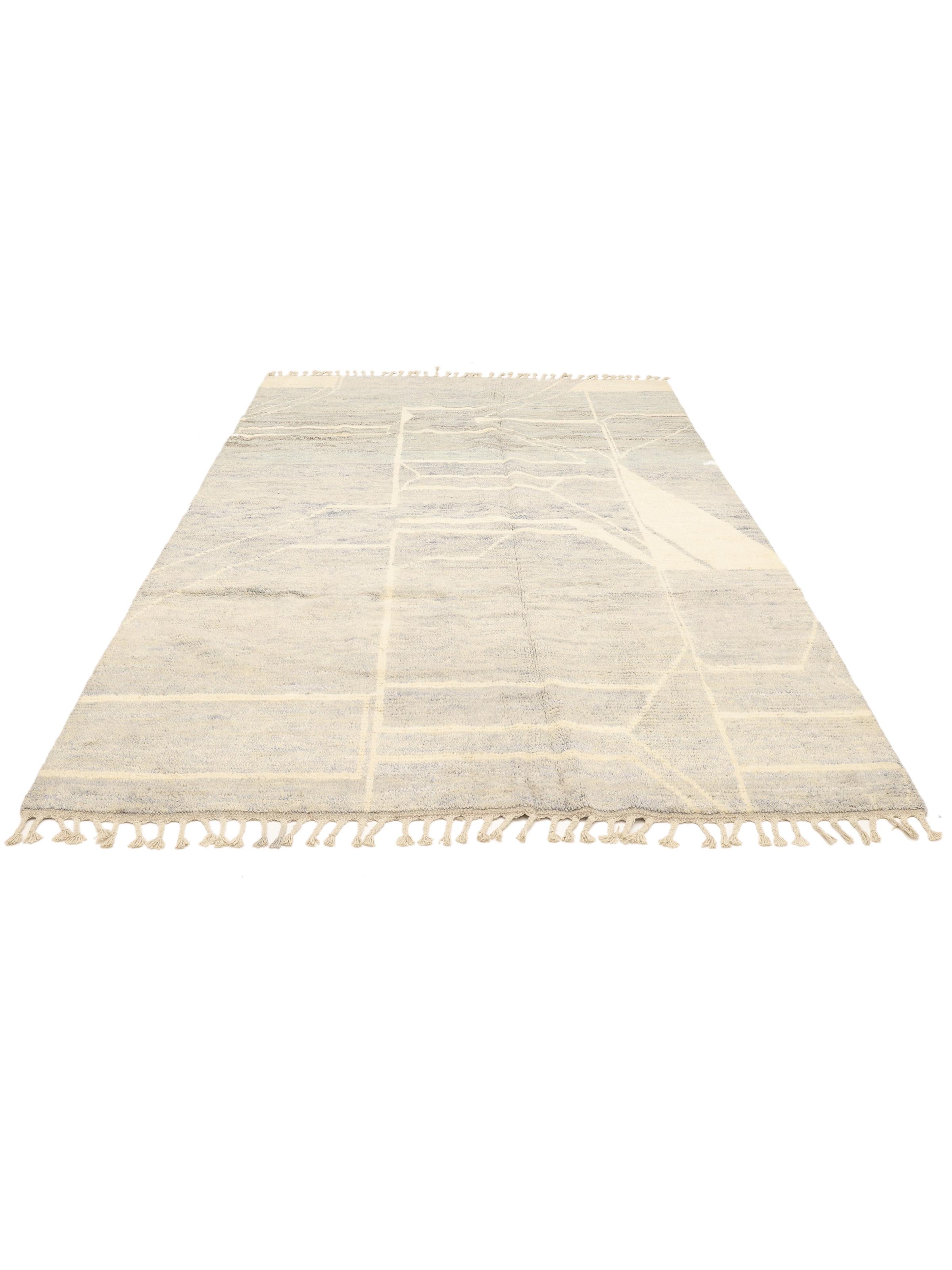
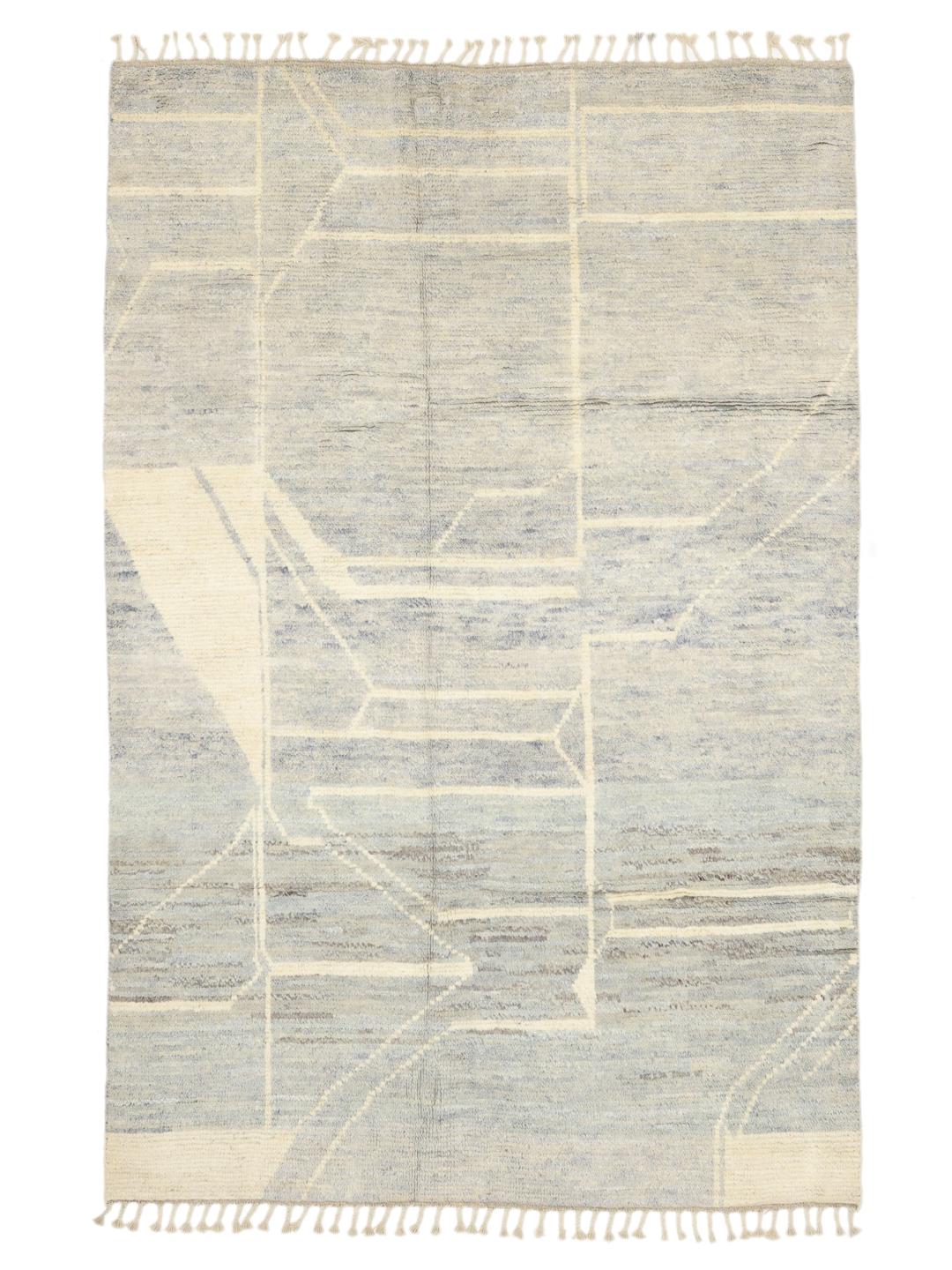
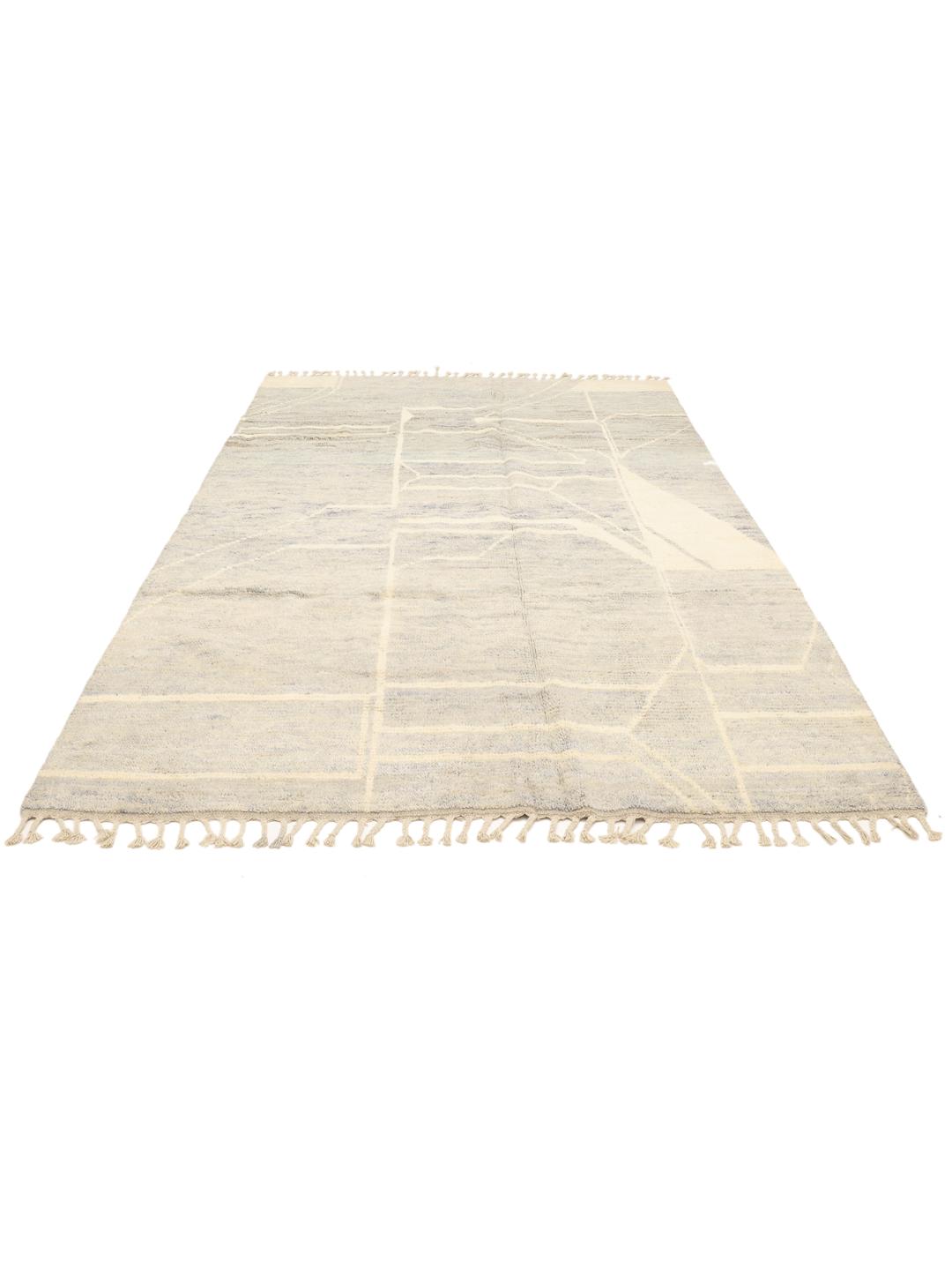
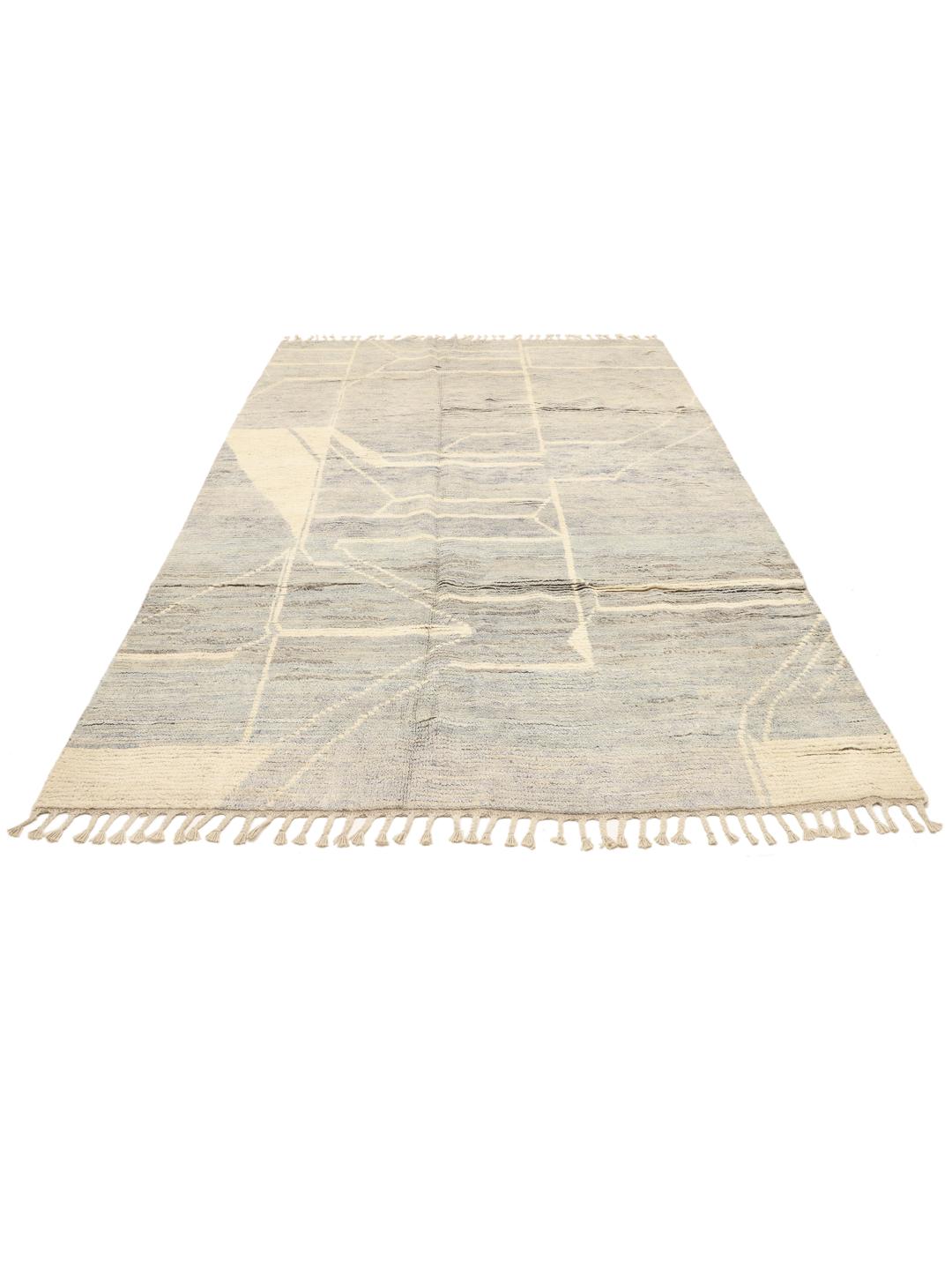
The history of rug weaving in the Middle East is deeply rooted in the nomadic and semi-nomadic traditions of the region. For centuries, these rugs have been crafted using methods passed down through generations, reflecting the diverse cultural influences found along the historic trade routes of Central Asia. Today, these traditions continue to evolve, blending ancient techniques with designs that resonate with contemporary tastes.
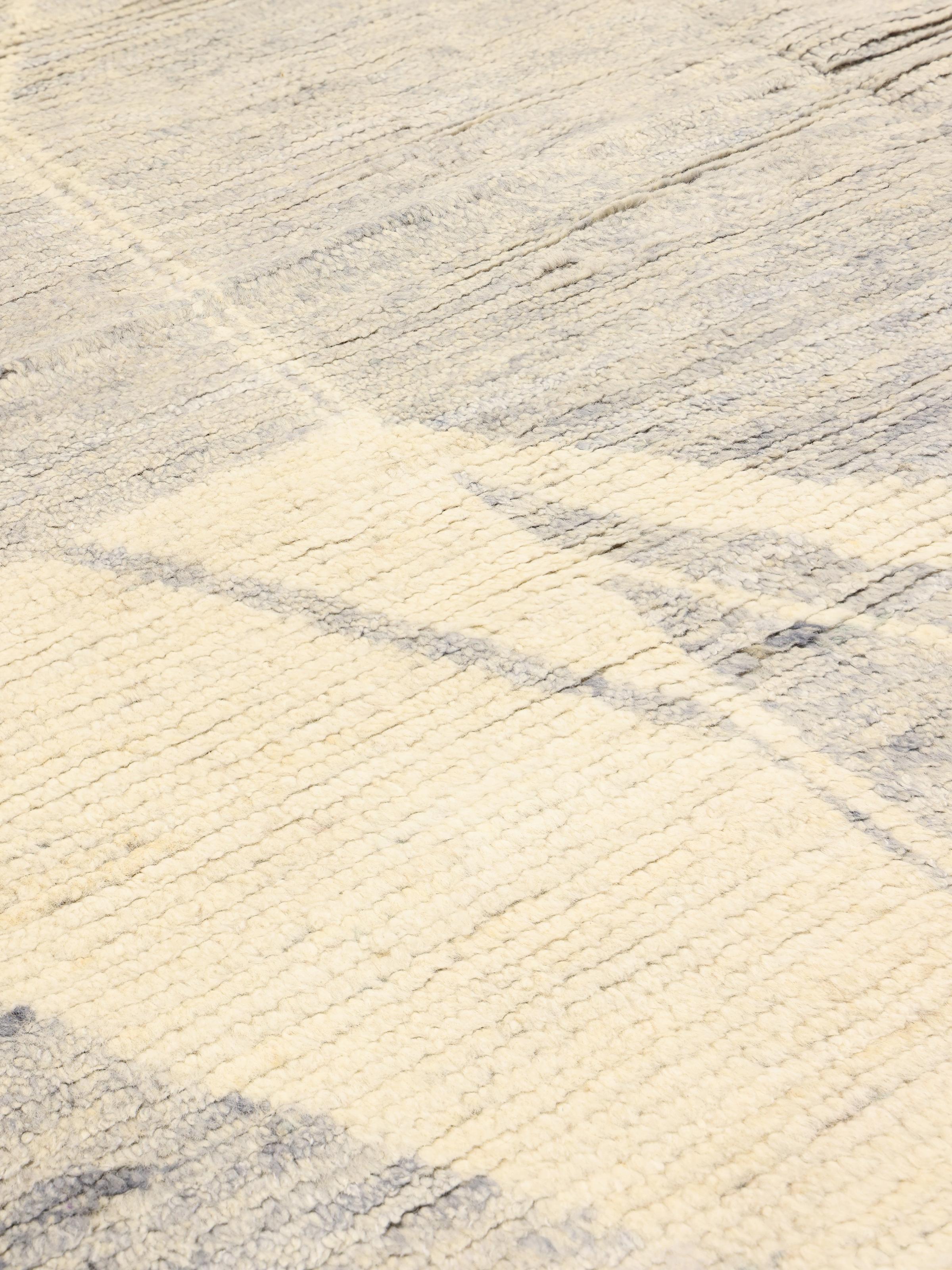
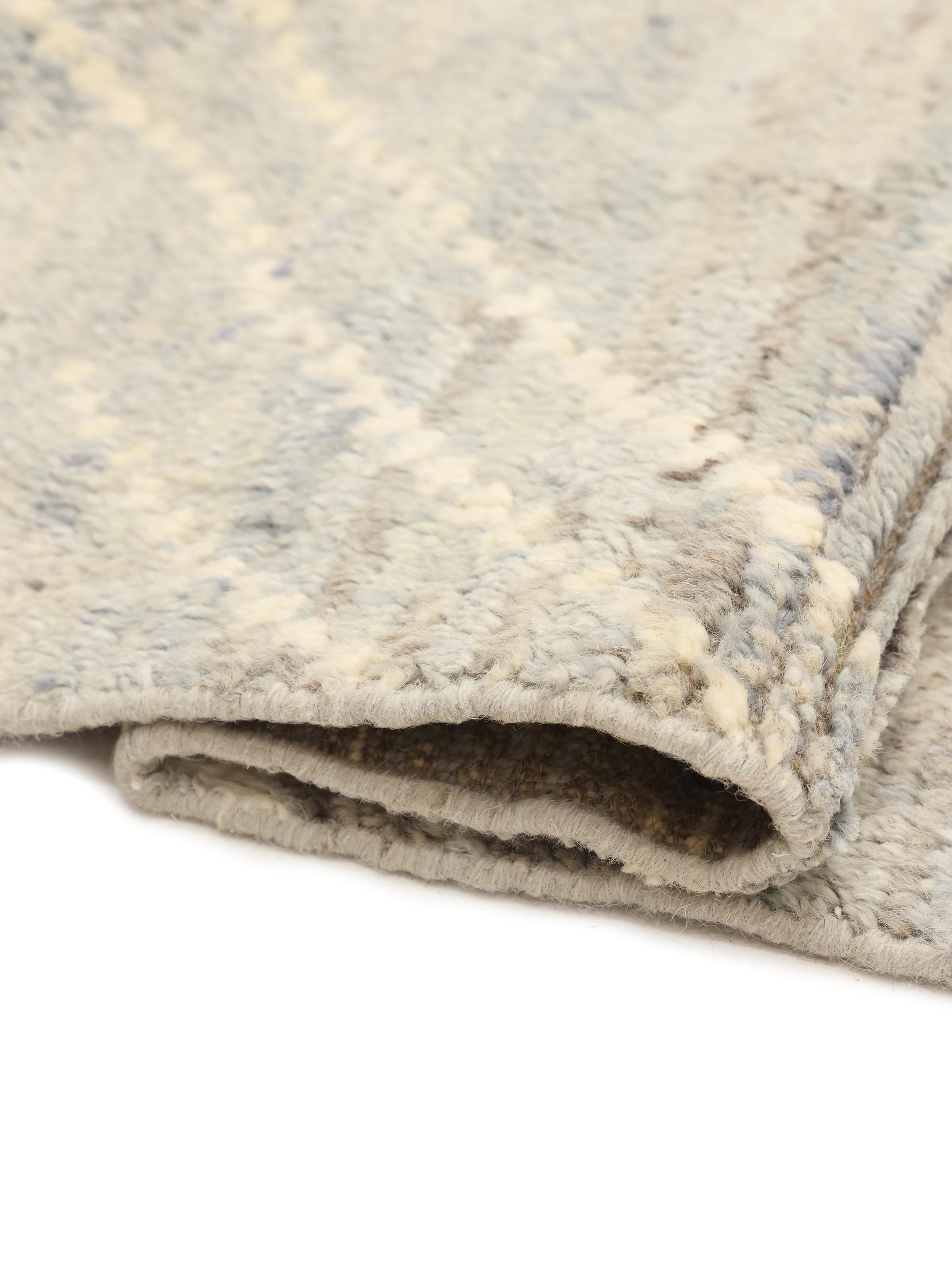
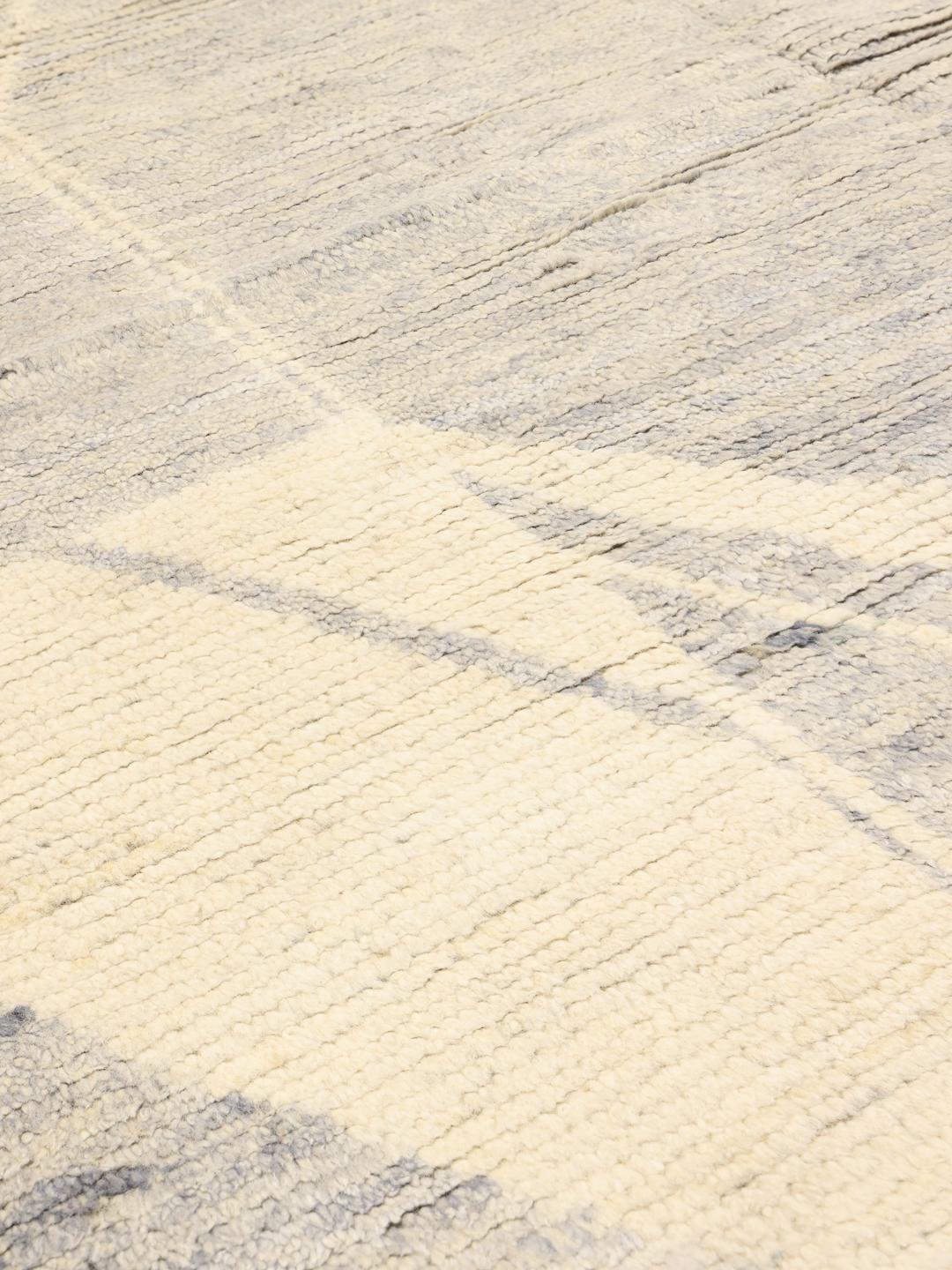
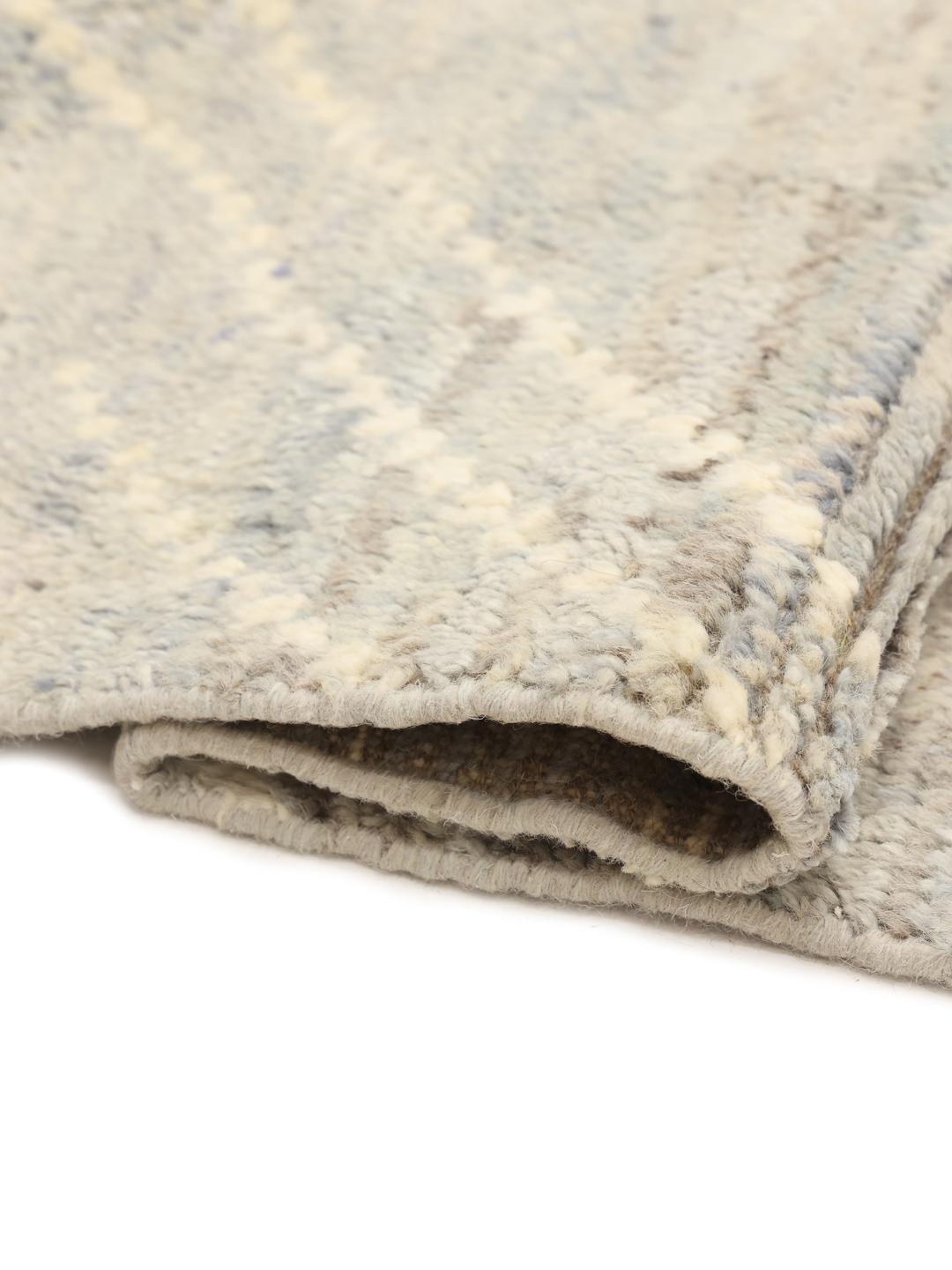
The term Berber Style refers to a tradition of weaving that emphasises natural materials and simple, organic patterns. These rugs are often characterised by their thick, soft pile and a focus on muted, earthy palettes. This style has become widely appreciated for its ability to bring a sense of warmth and authenticity to modern interiors, bridging the gap between historical craft and current design trends.
Signature design elements in these rugs often include geometric motifs, stripes, or minimalist lines that appear almost hand-drawn. These patterns are not merely decorative but often carry symbolic meaning related to the artisan's environment and tribal heritage. The use of undyed or naturally dyed wool is common, which contributes to the soft, varied colour tones that make each rug look slightly different depending on the light in the room.
Owning a hand-knotted rug from this tradition is a way to support a living craft that values patience and skill over speed. Collectors and homeowners alike value these pieces for their lasting quality and the human story woven into every knot. By choosing a rug that reflects this heritage, you are not just adding a decorative item to your home, but a piece of cultural history that is made to be enjoyed for generations.