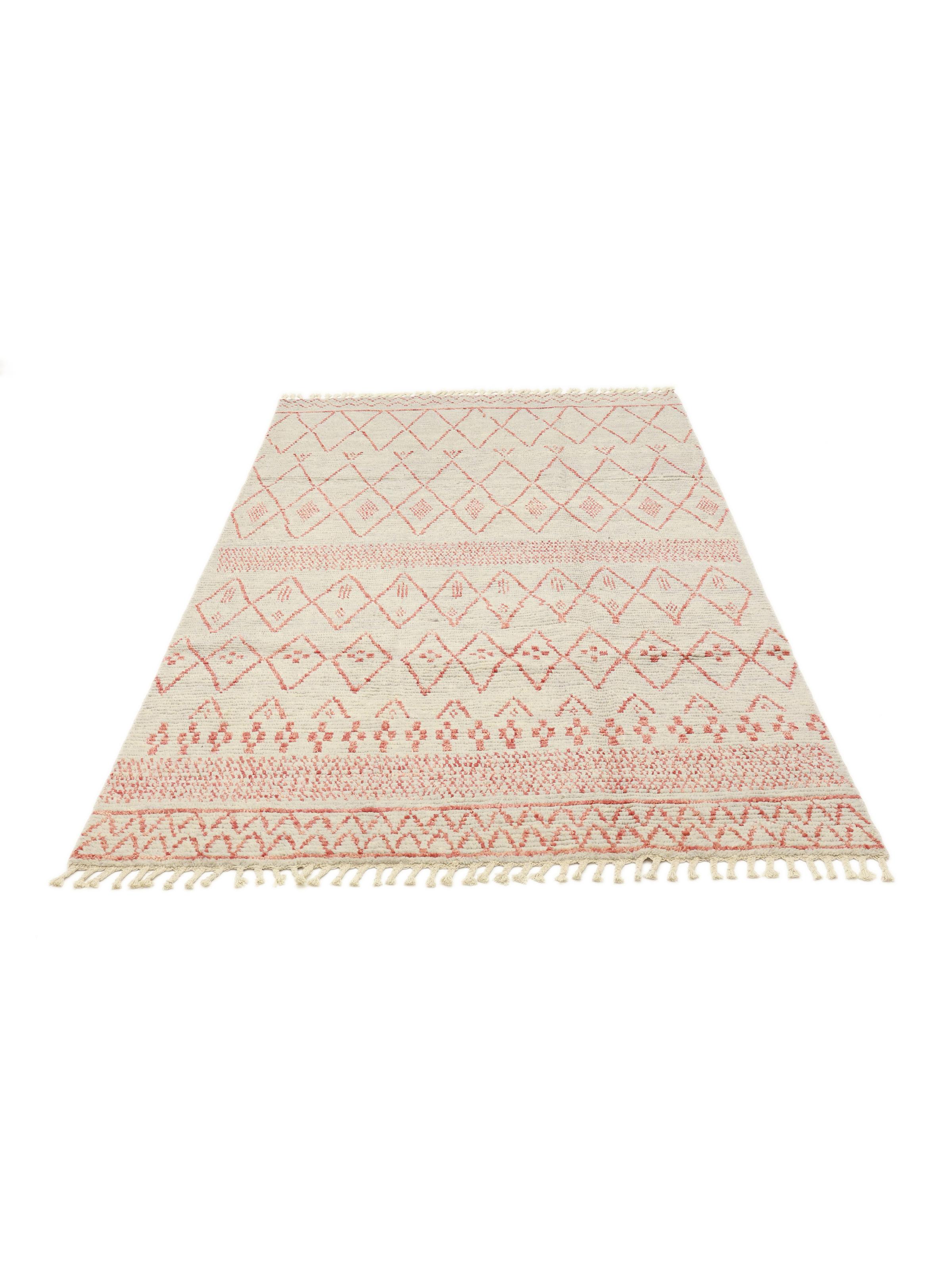
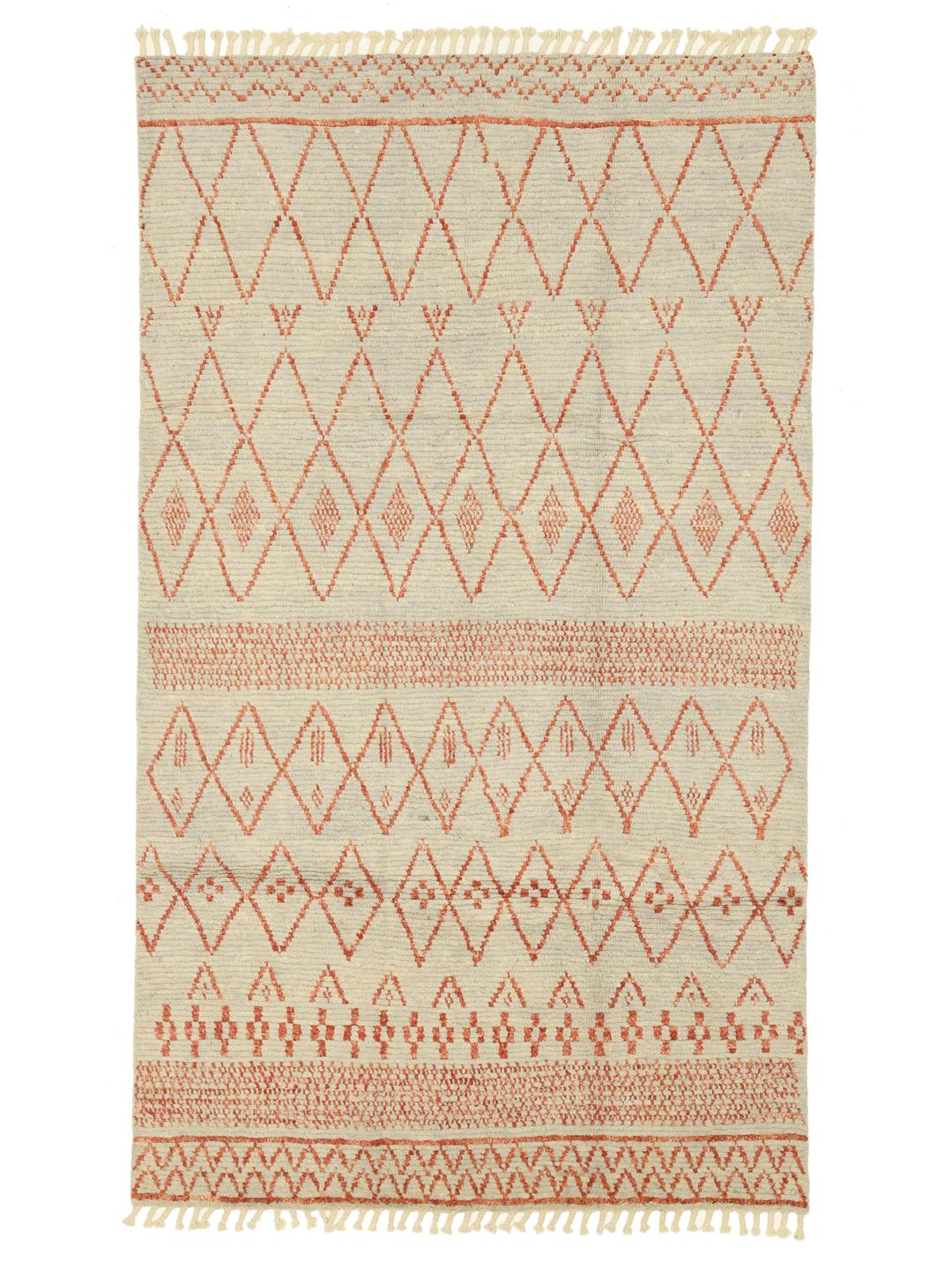
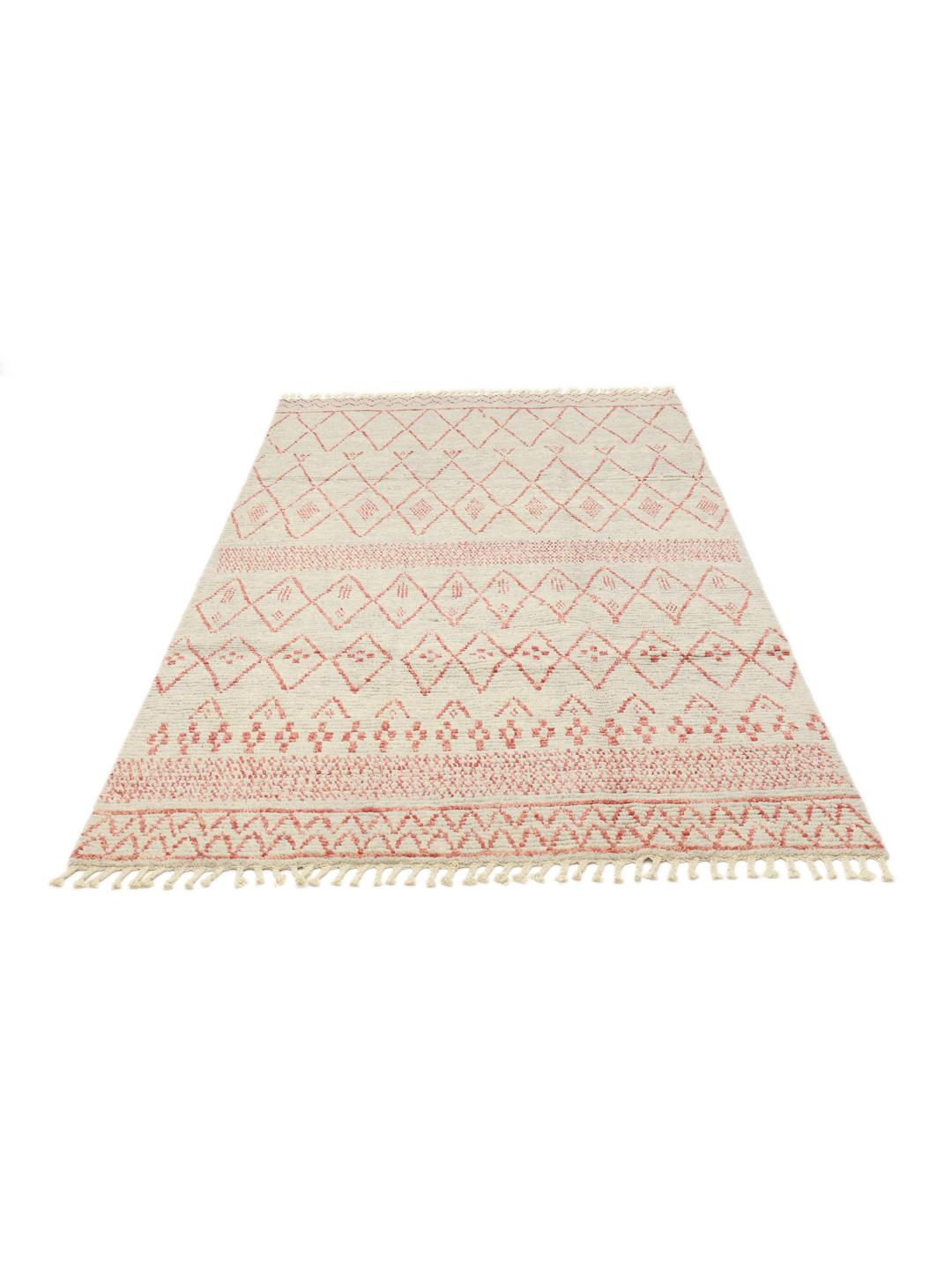
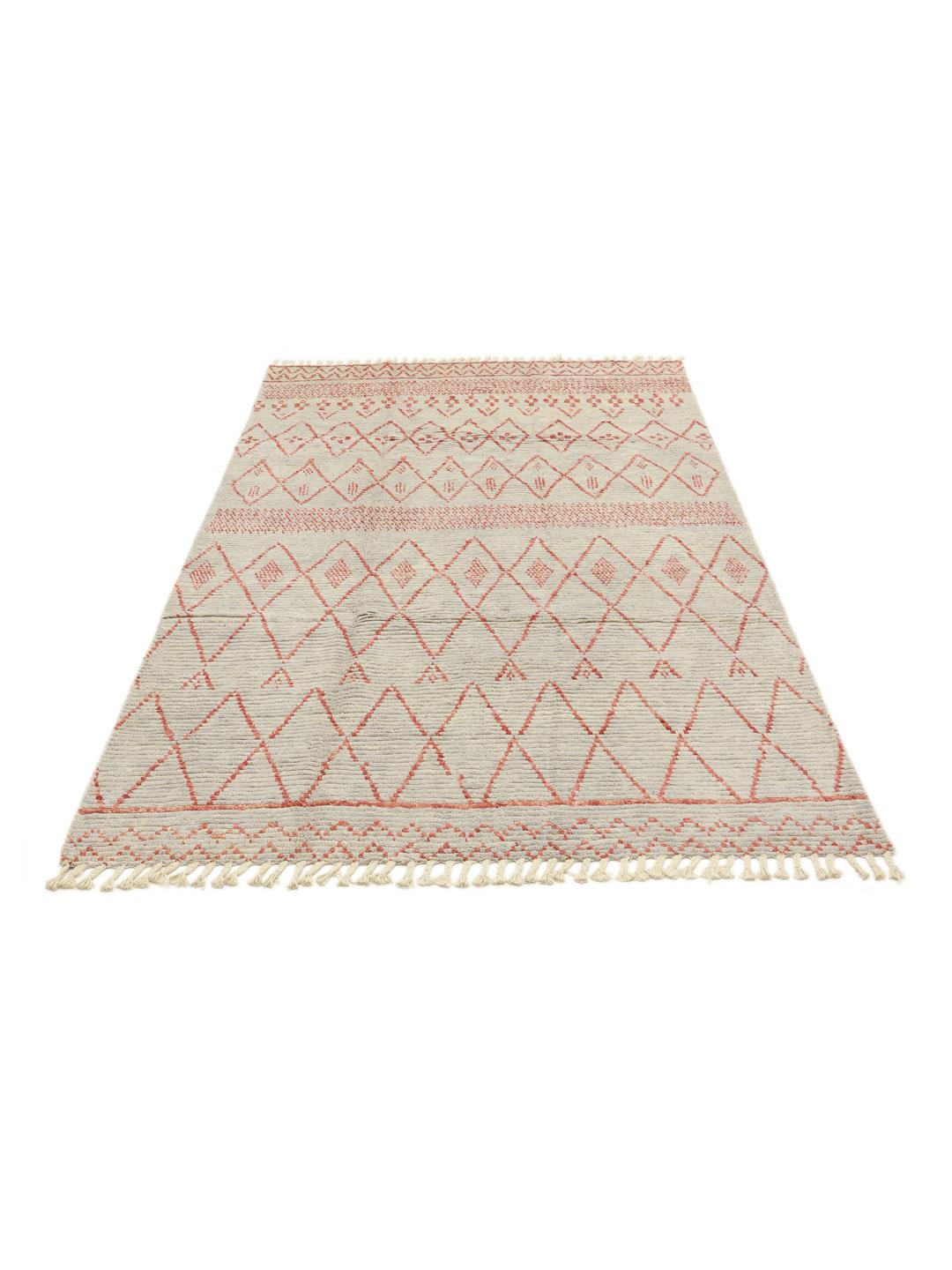
Berber rugs originate from the indigenous tribes of North Africa, where they have been crafted for centuries as both functional bedding and decorative floor coverings. While the style is rooted in these ancient traditions, the design language has evolved and travelled across regions, finding a natural home in the skilled workshops of Afghanistan where artisans blend ancestral techniques with global design influences.
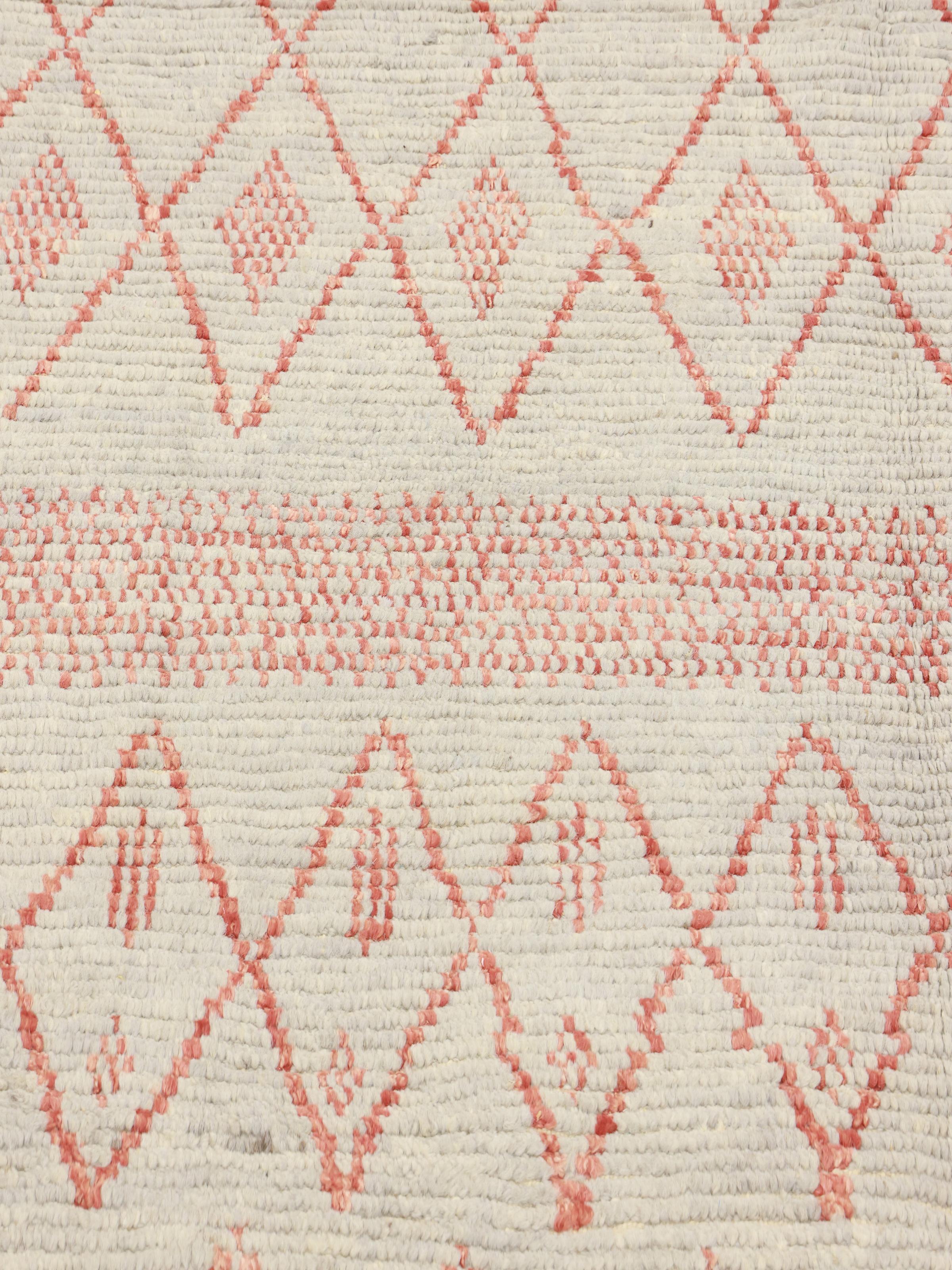
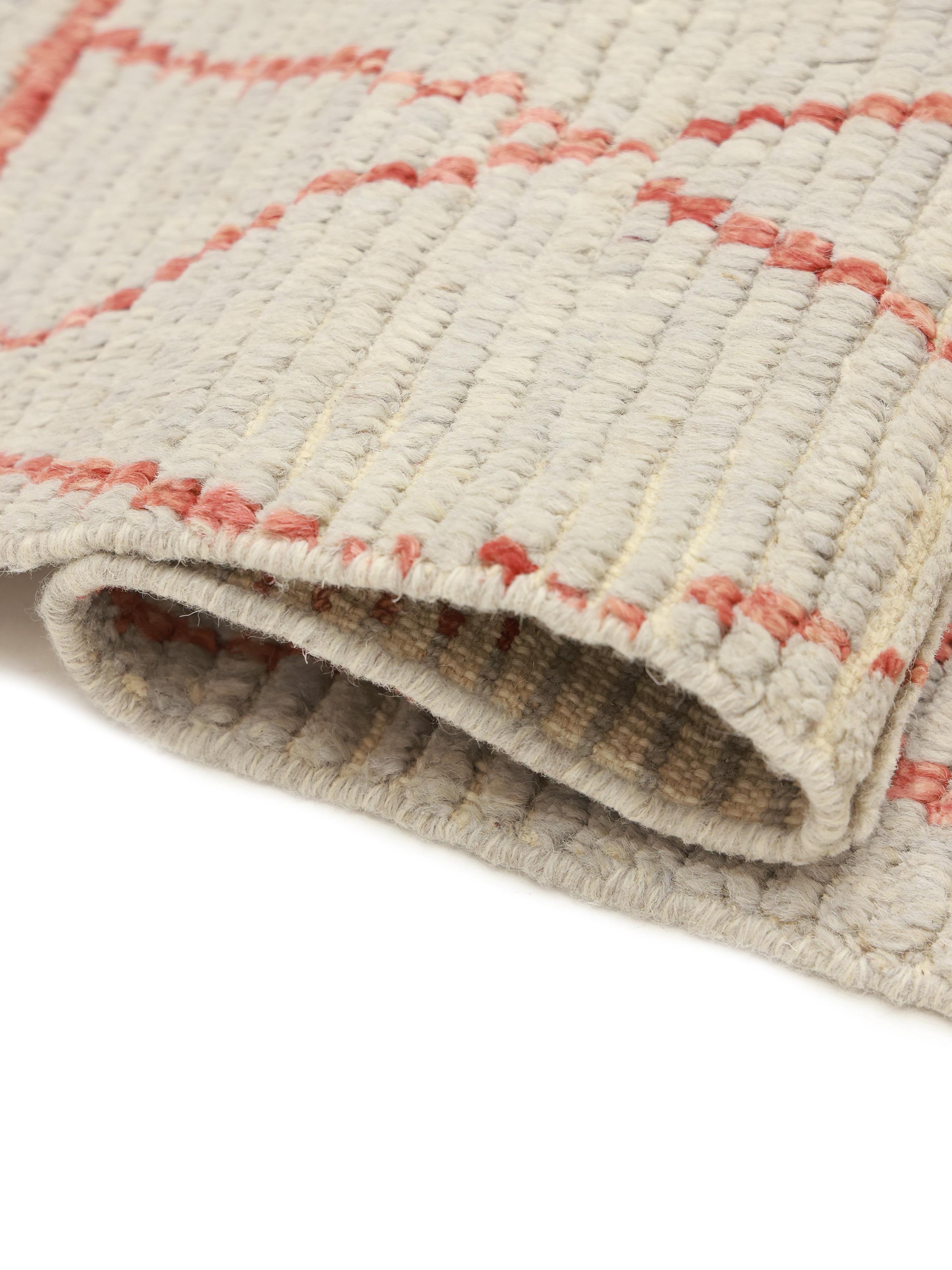
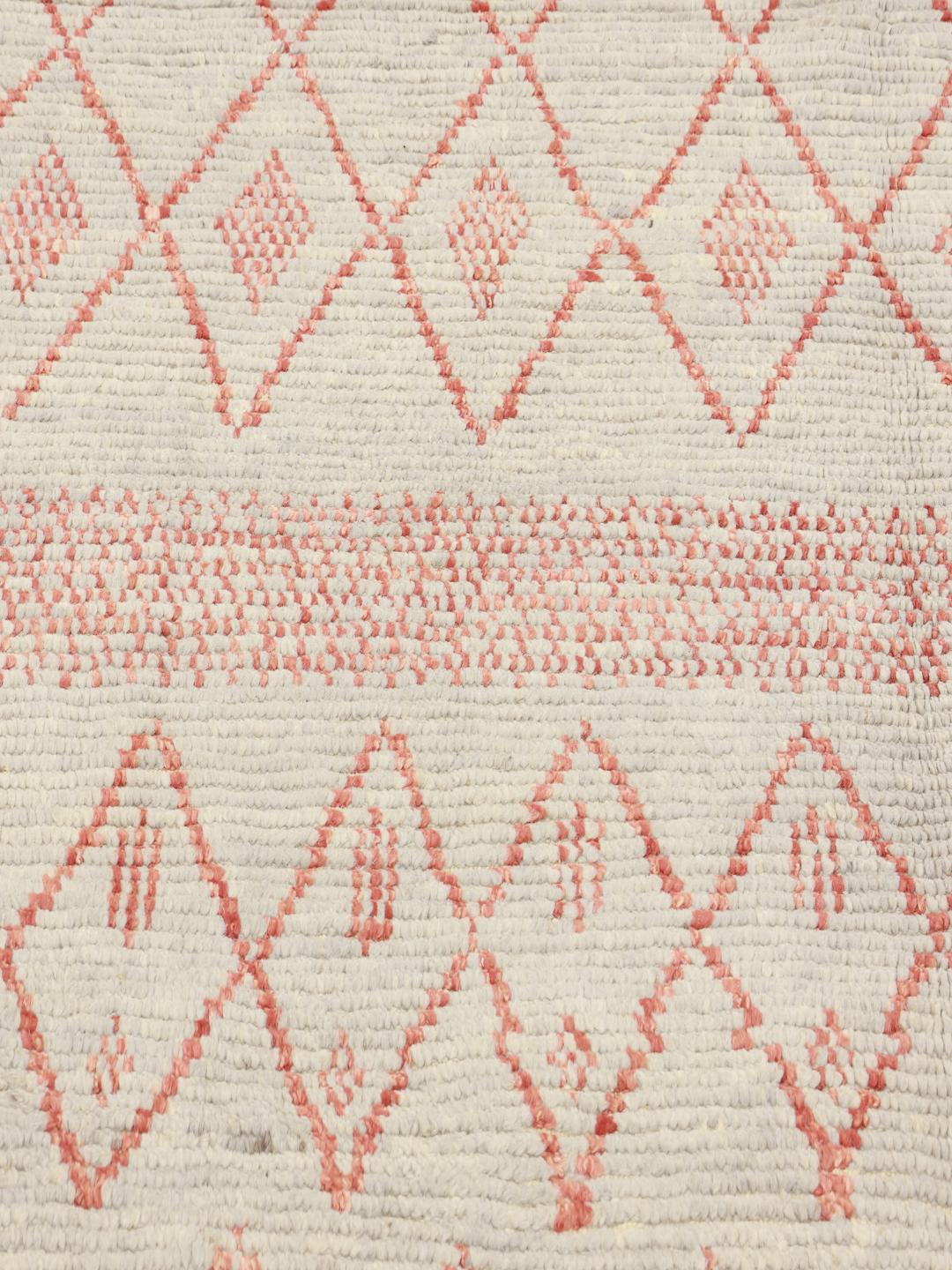
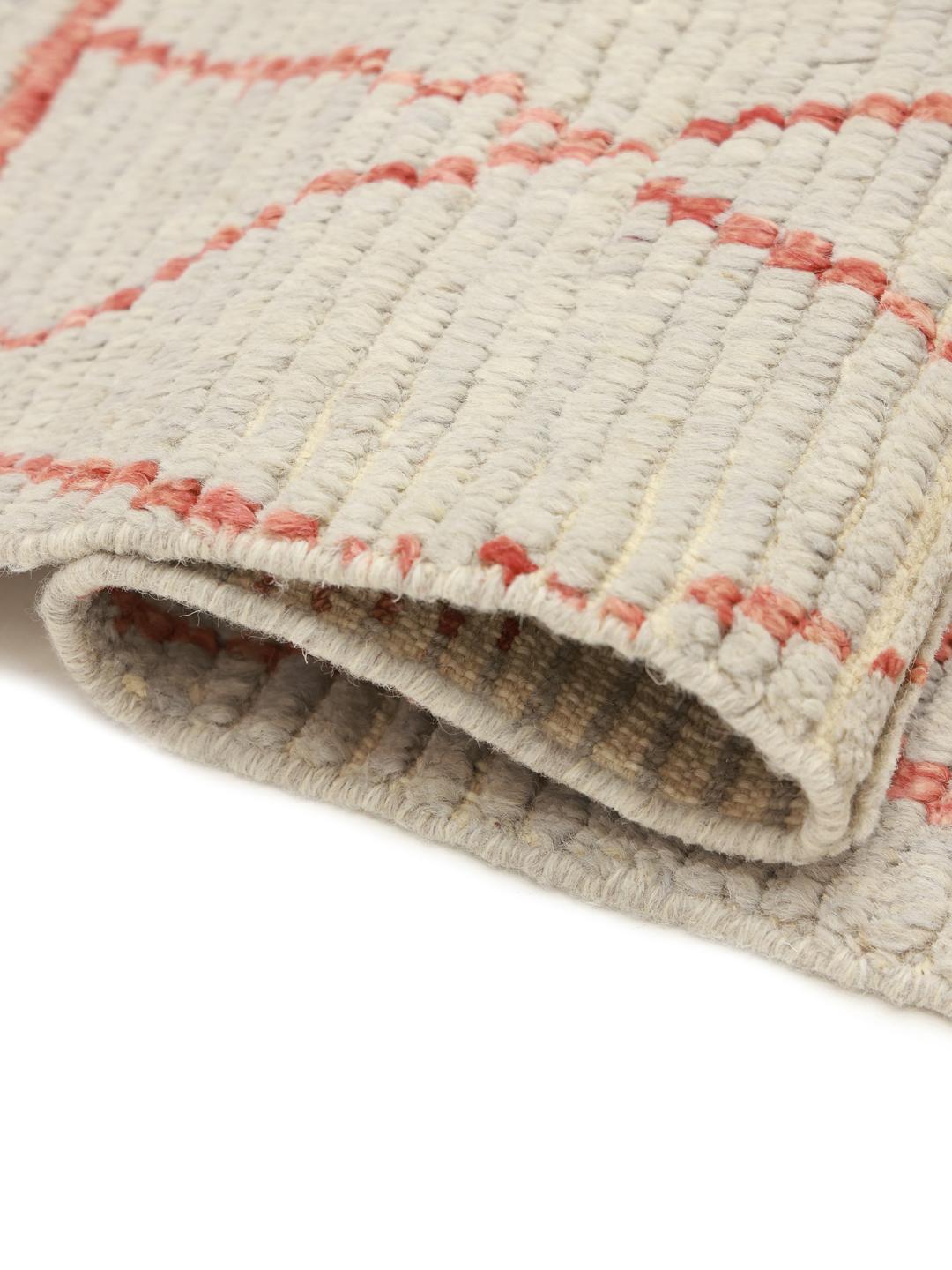
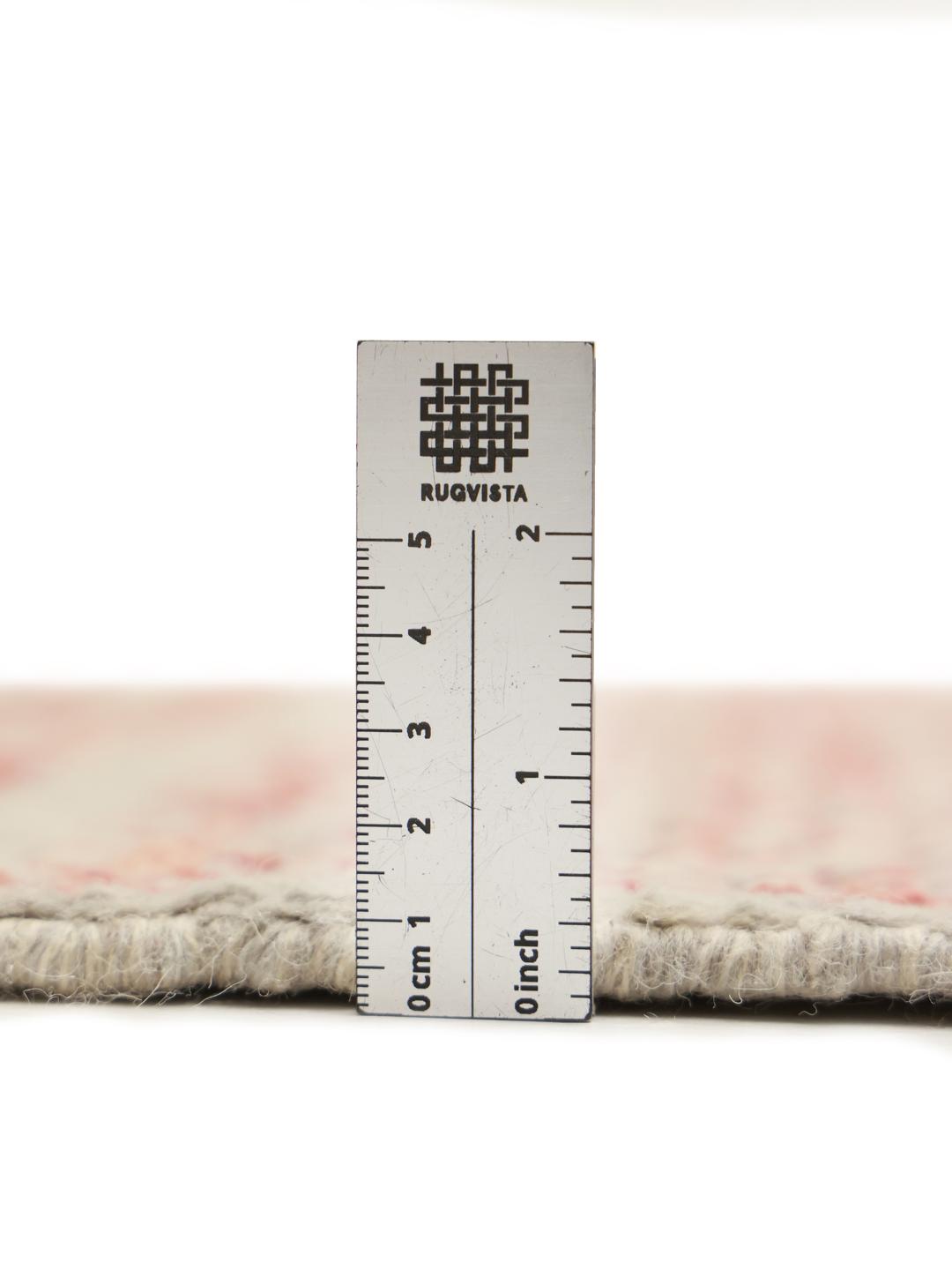
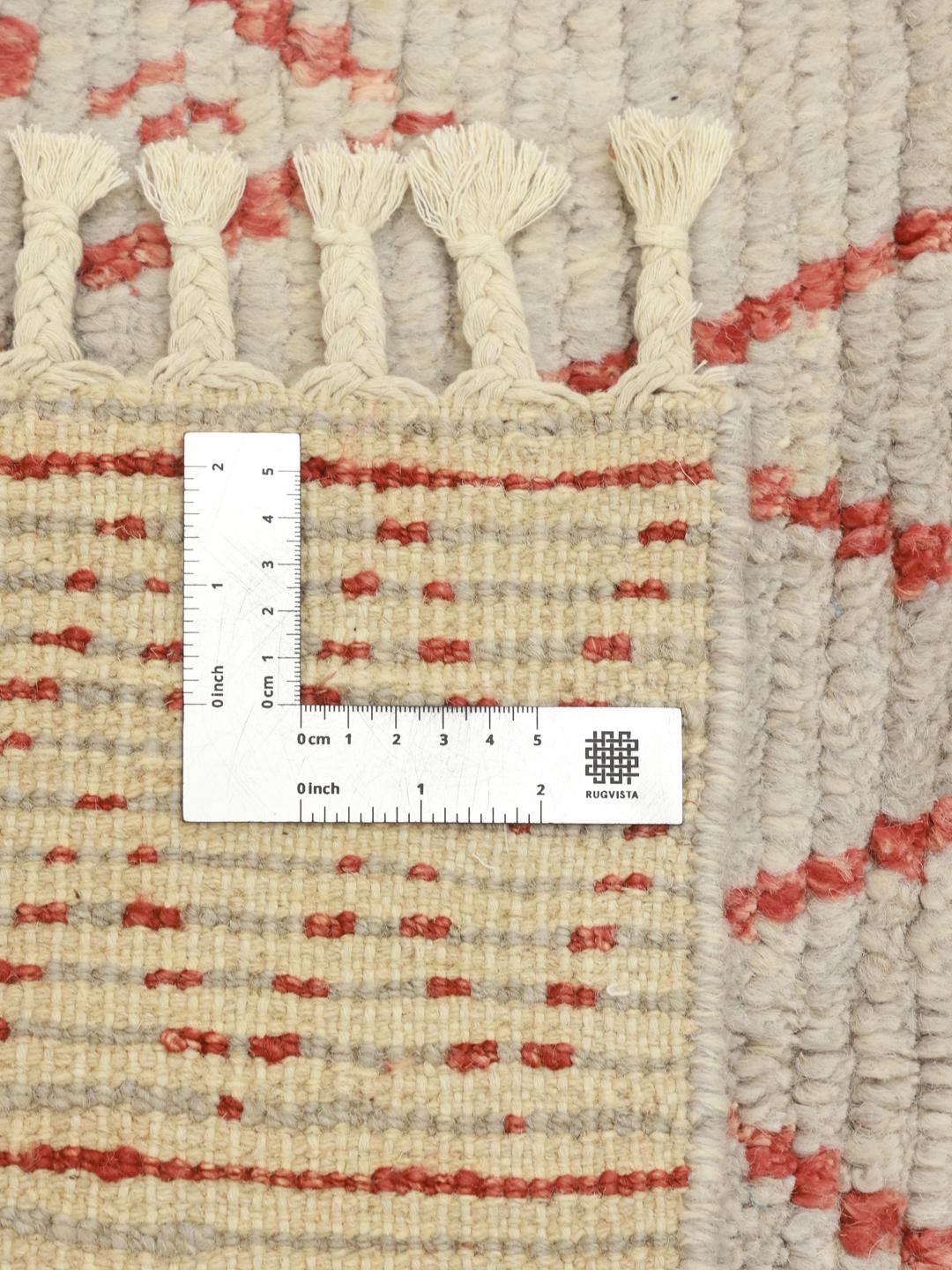
The craftsmanship behind these rugs is defined by a focus on material purity and hand-worked construction. The use of wool is central to the Berber tradition, chosen for its resilience and natural ability to insulate. In these pieces, the foundation is carefully prepared to support a dense pile, ensuring that the rug provides both comfort and a long lifespan for the owner.
Visually, these rugs are celebrated for their expressive use of geometric symbols and motifs. Common elements include diamonds, zig-zags, and linear arrangements that often hold historical significance, serving as a visual language for the weaver. This specific piece uses these traditional motifs to create a rhythmic, balanced pattern that feels both historical and contemporary.
Owning a hand-knotted rug from this tradition is an investment in human skill and cultural heritage. These pieces are valued by collectors and homeowners alike for their authenticity and the way they bring a sense of history into a modern home. Each rug represents a unique chapter in a continuing story of craft, skill, and creative expression.