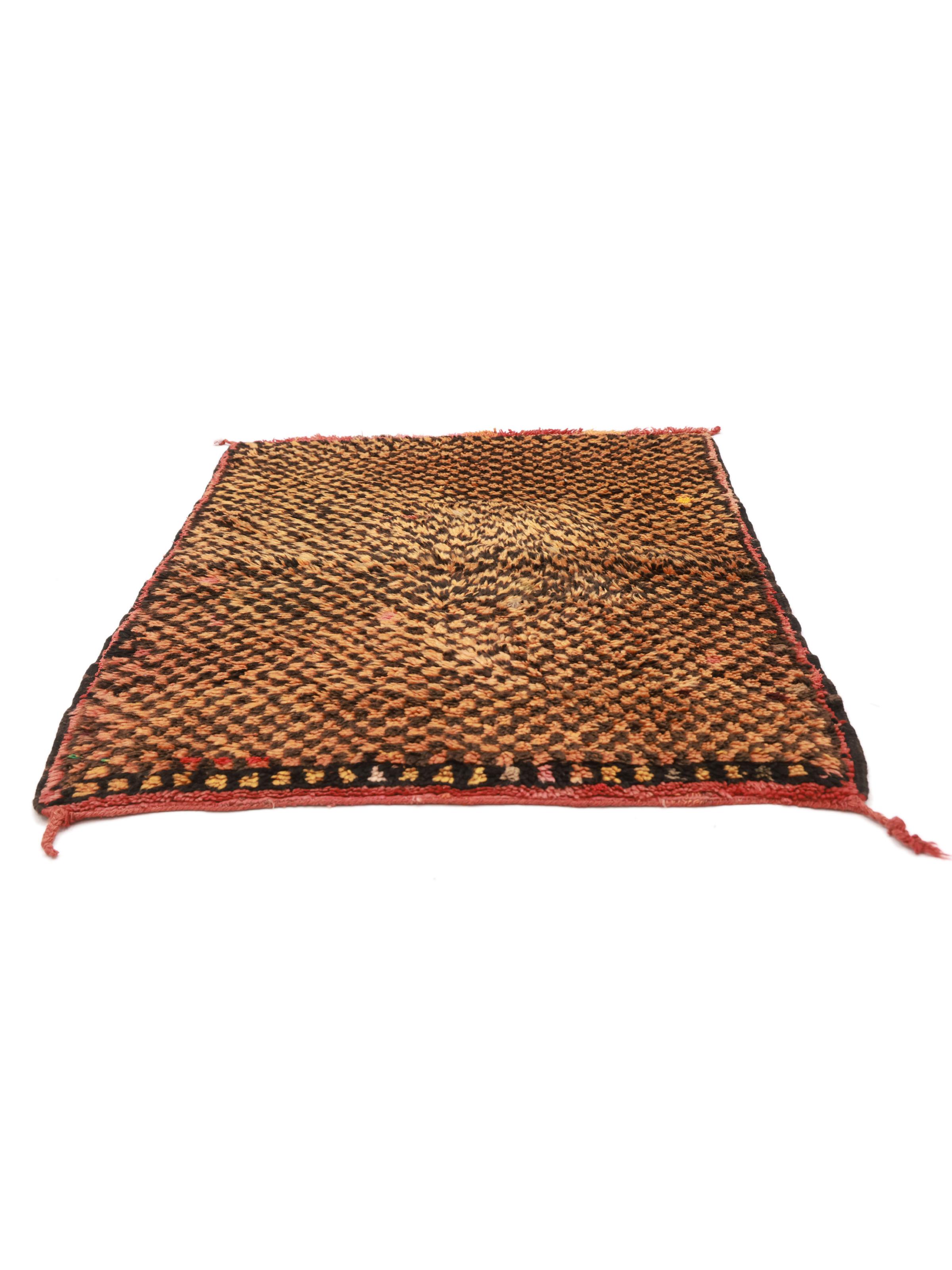
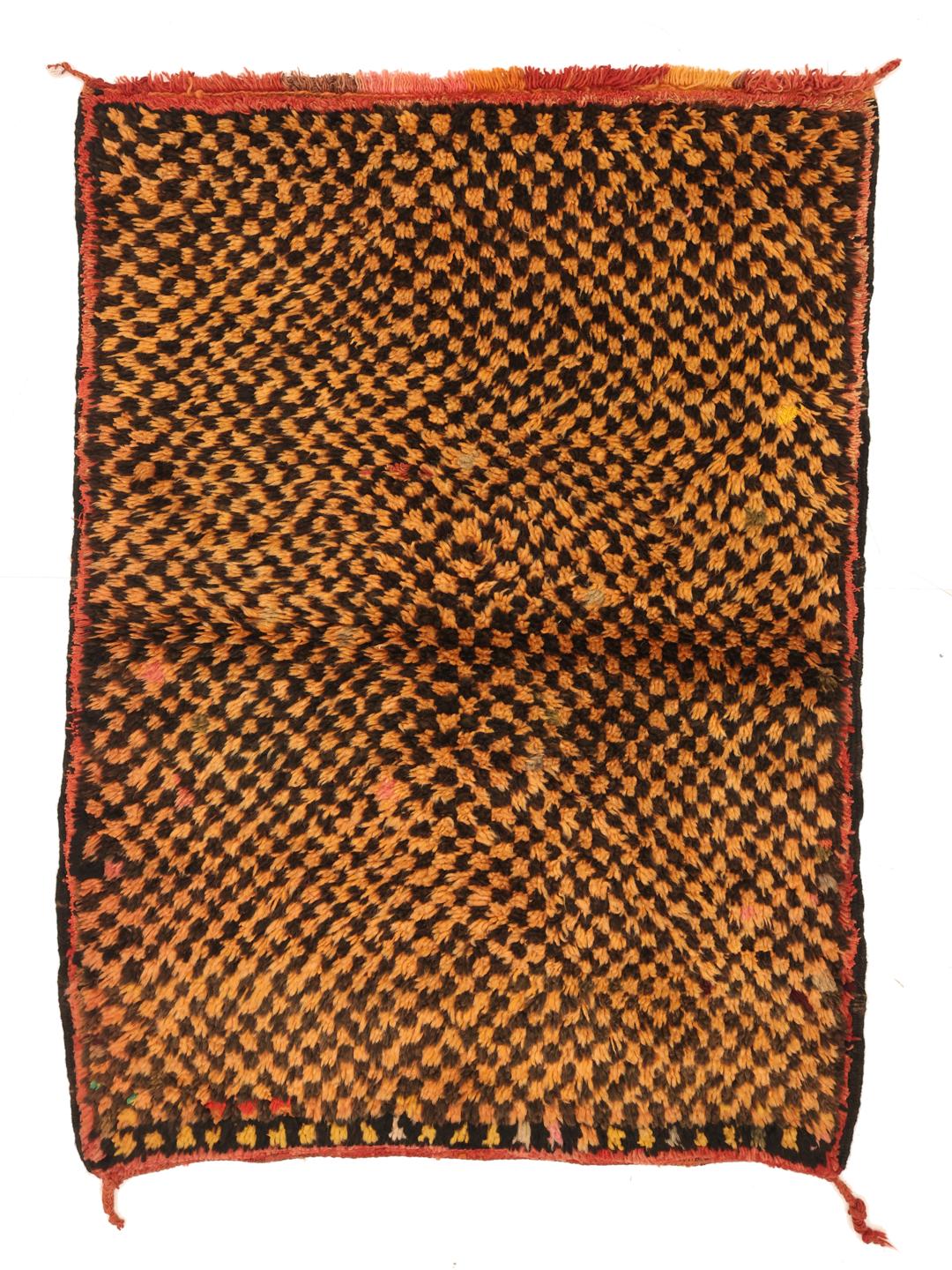
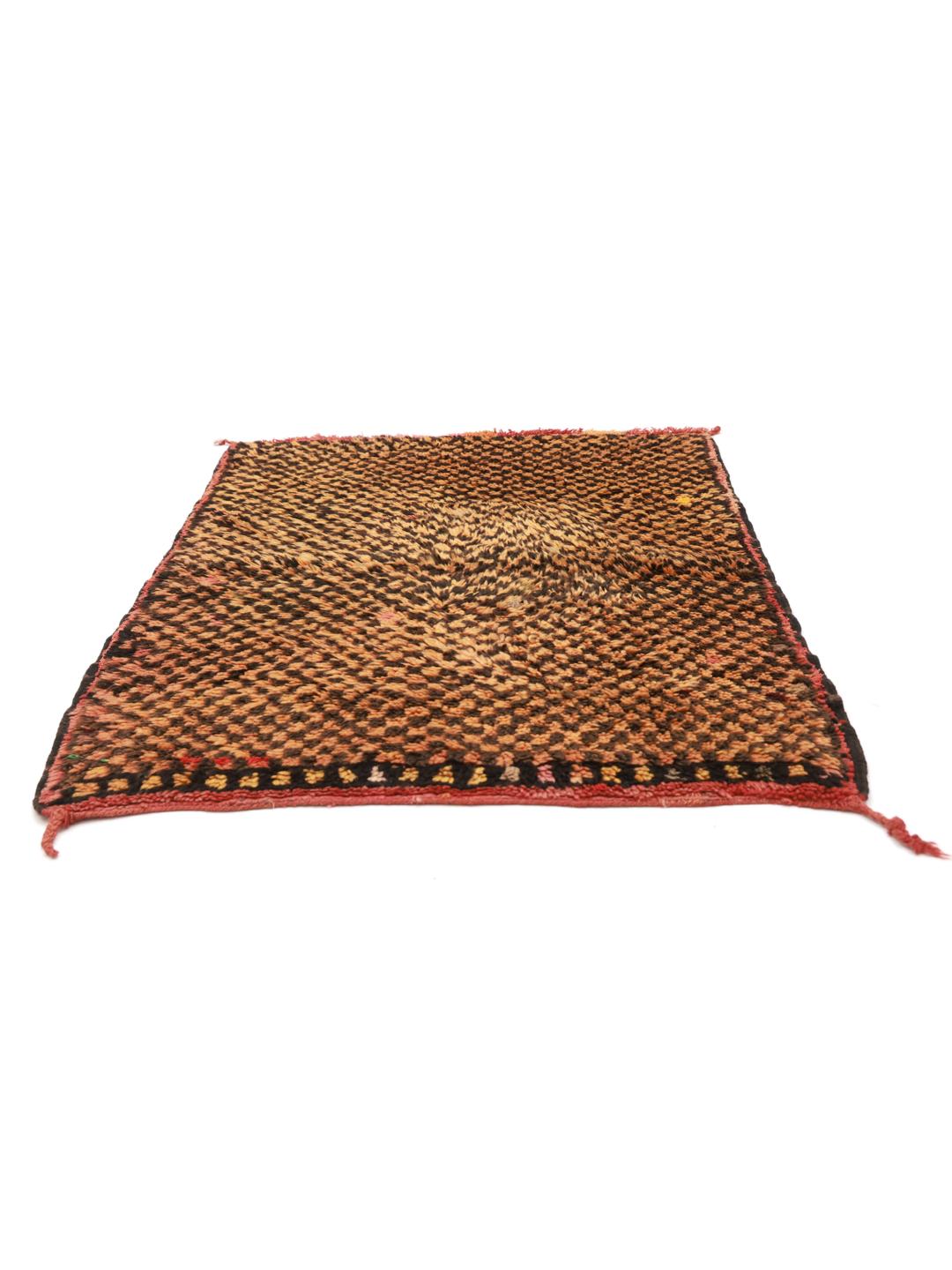
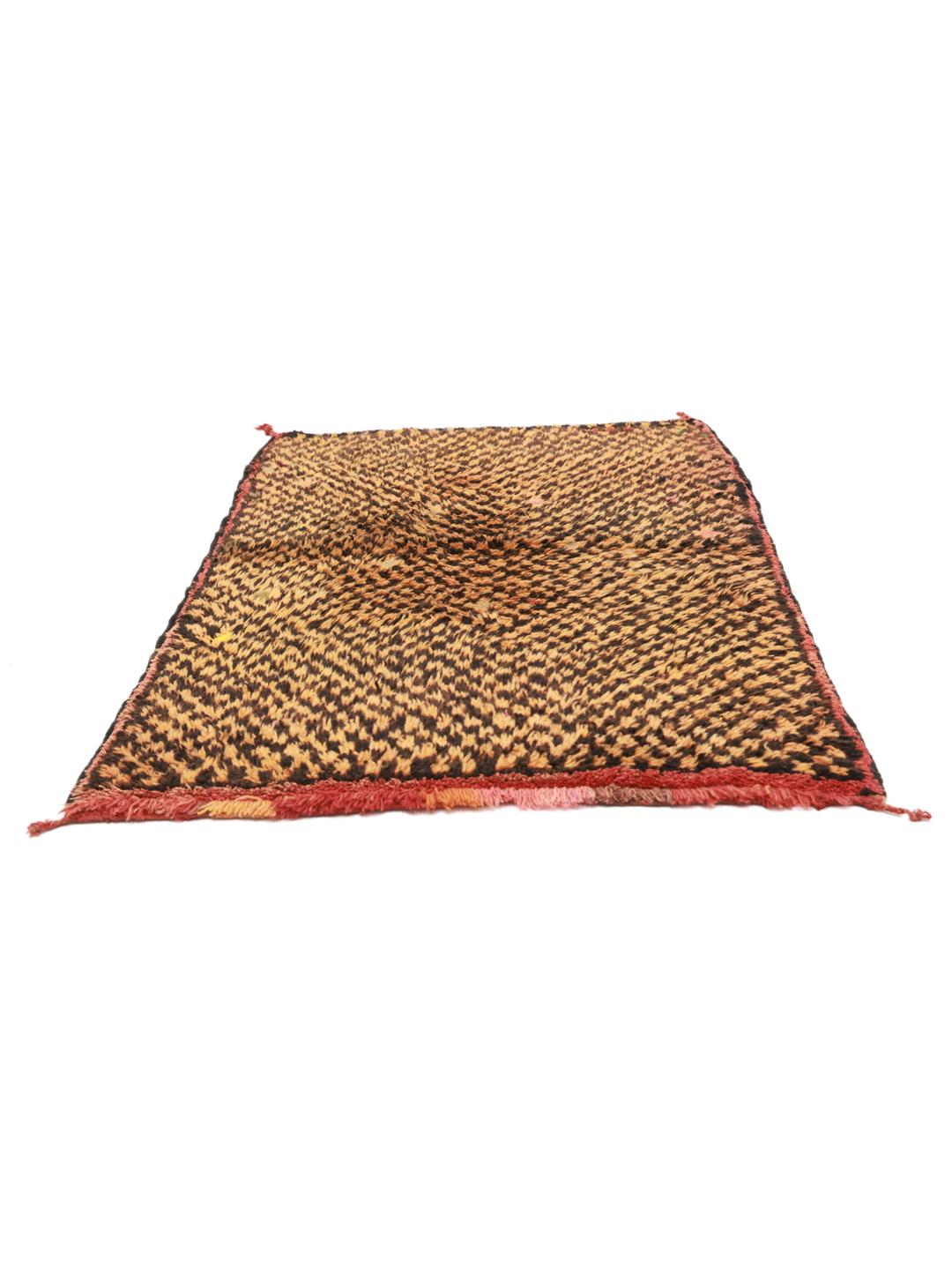
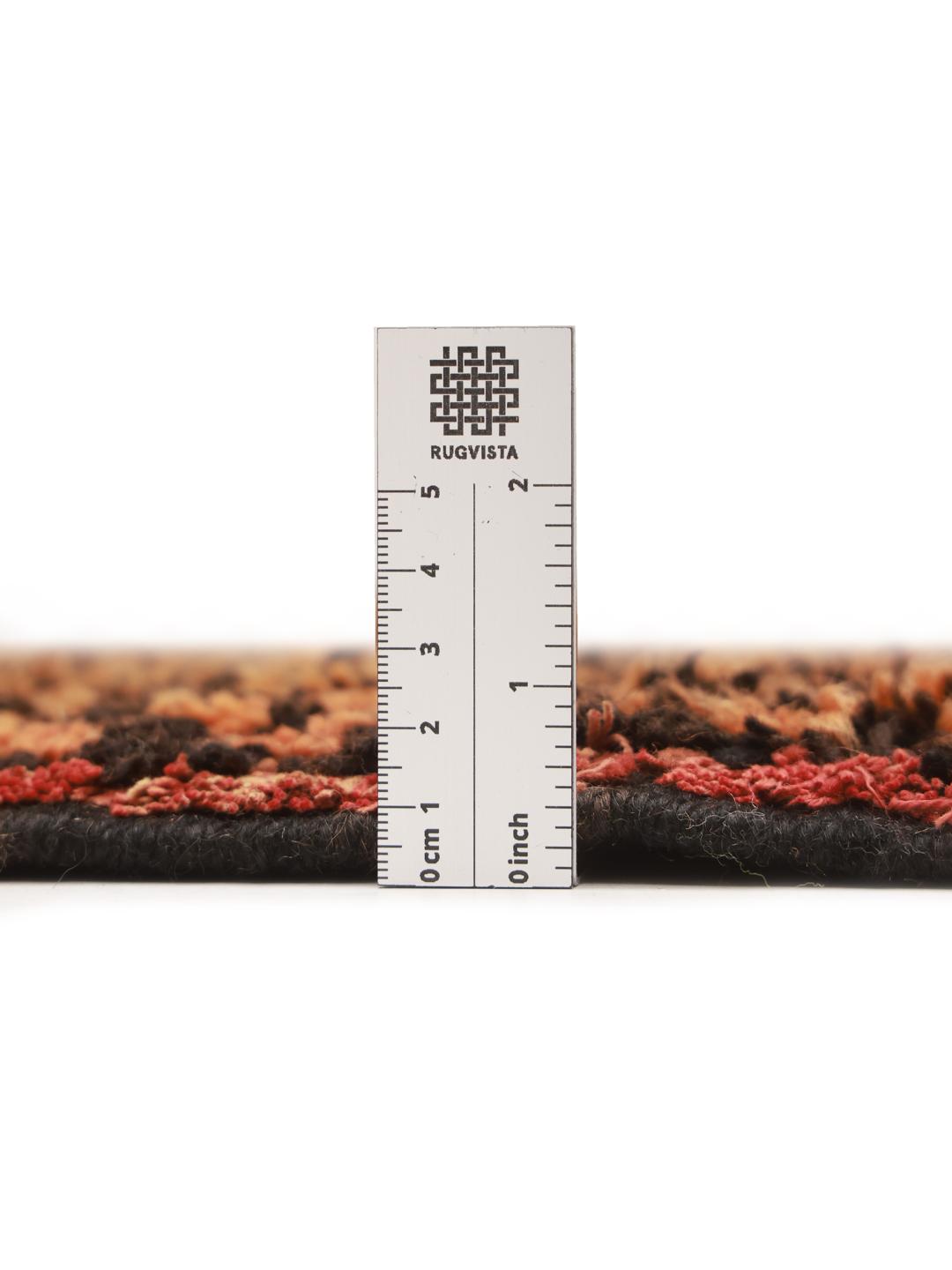
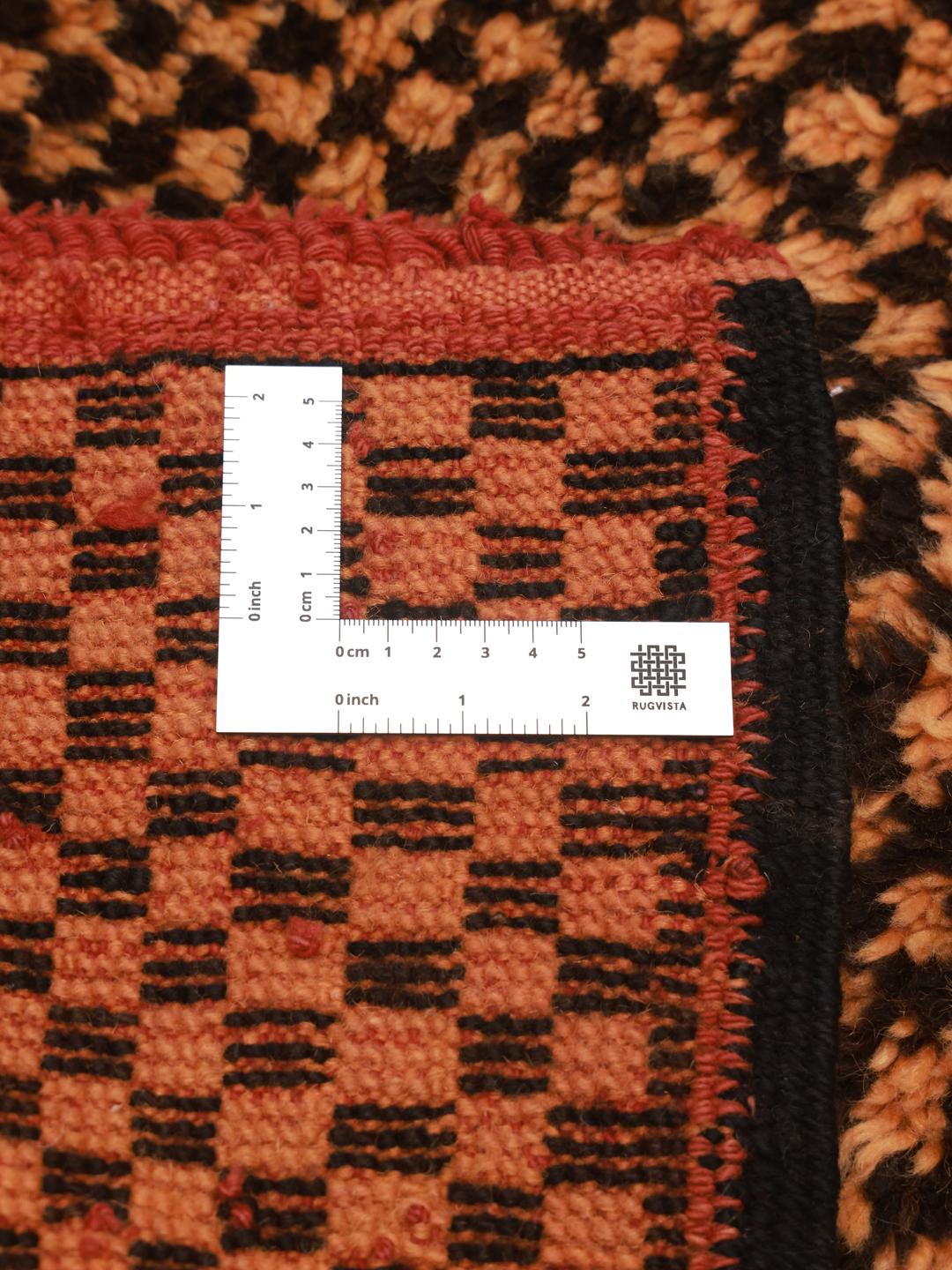
Berber rugs originate from the indigenous tribes of the Atlas Mountains in Morocco, where they have been woven for centuries. These rugs were traditionally created not just for domestic use but as functional, protective items for mountain life, serving as blankets, mattresses, and floor coverings in harsh climates. The designs are deeply rooted in tribal history, often representing the weaver's life, family, and spiritual connection to the land.
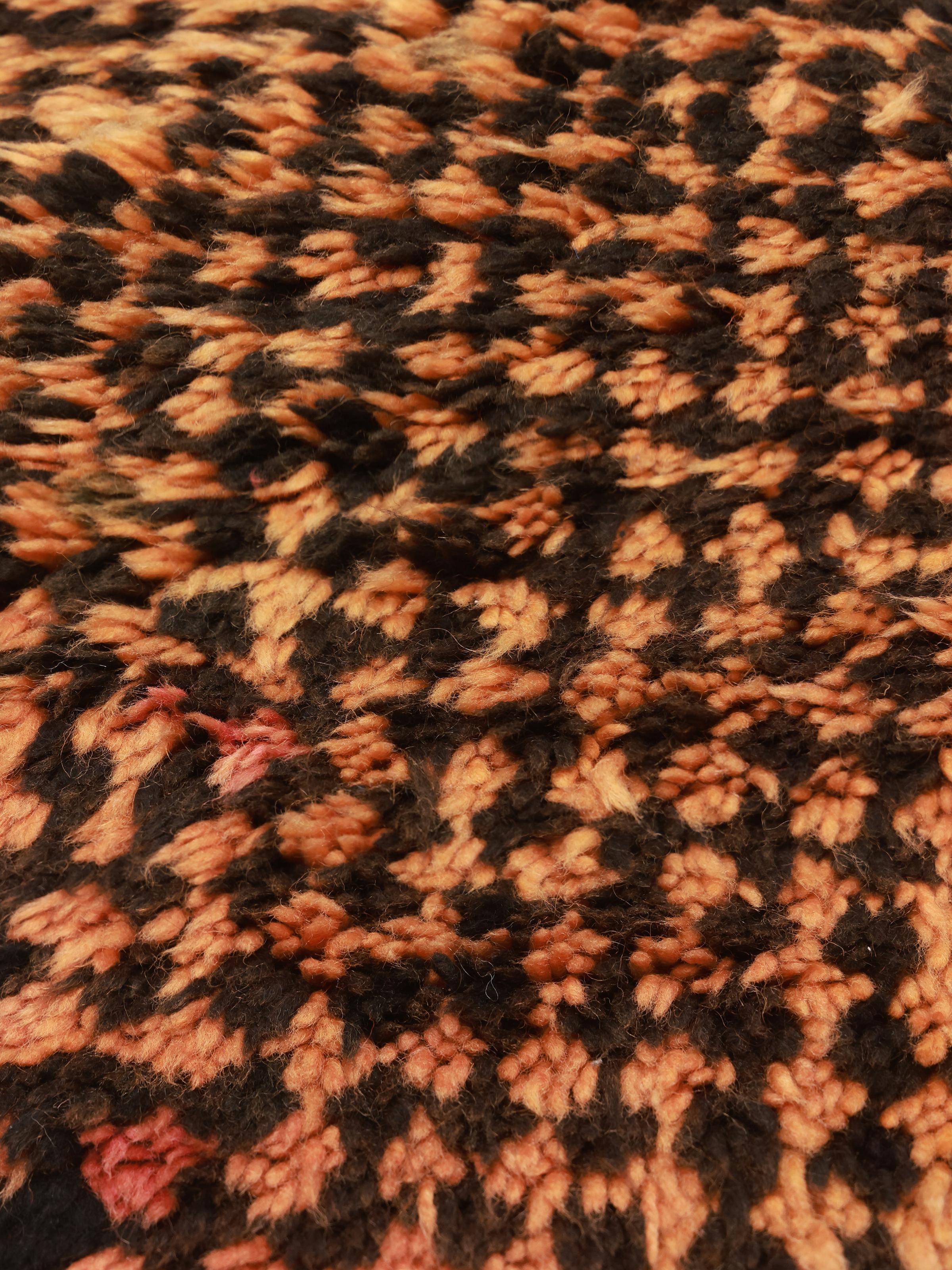
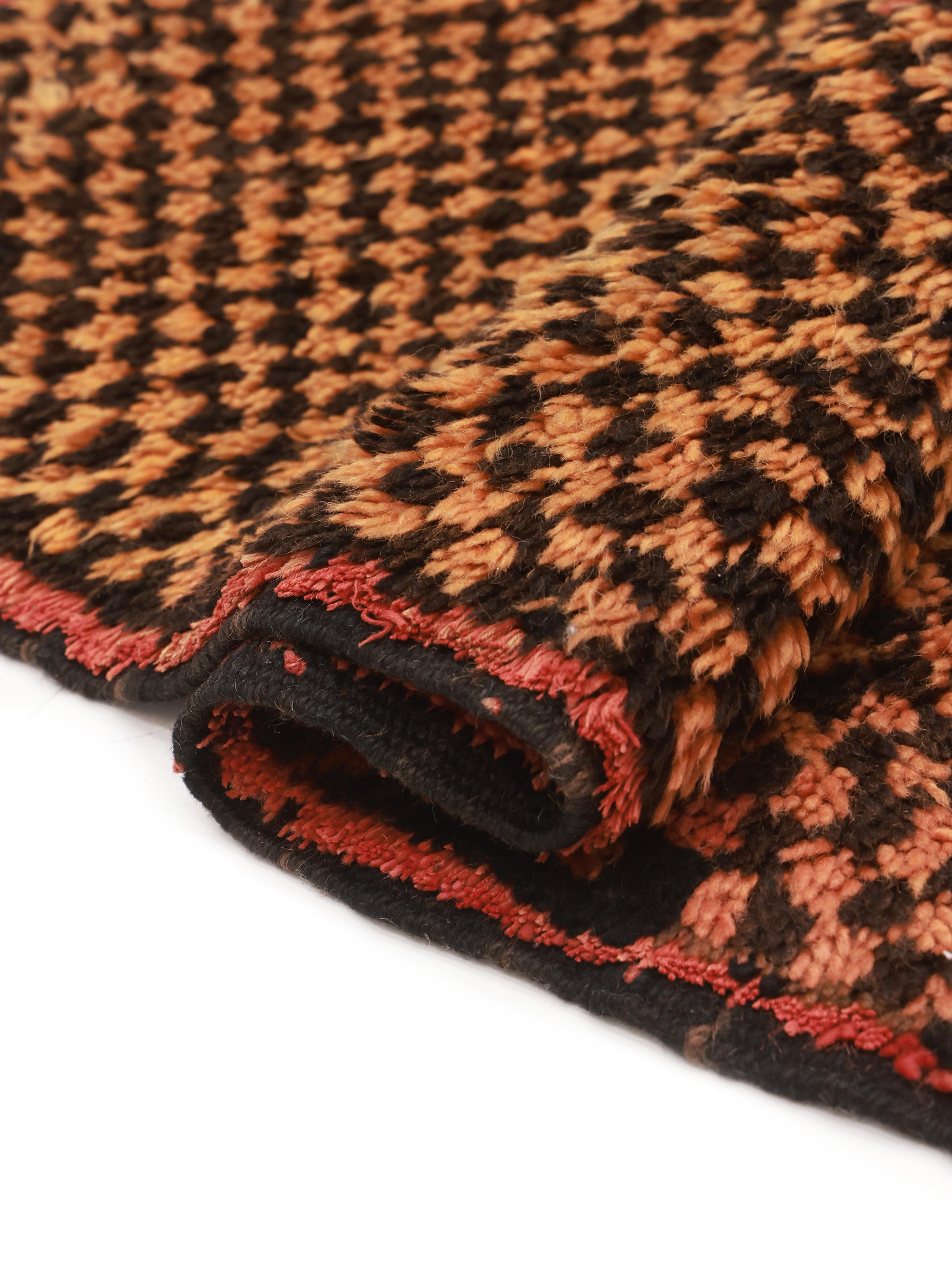
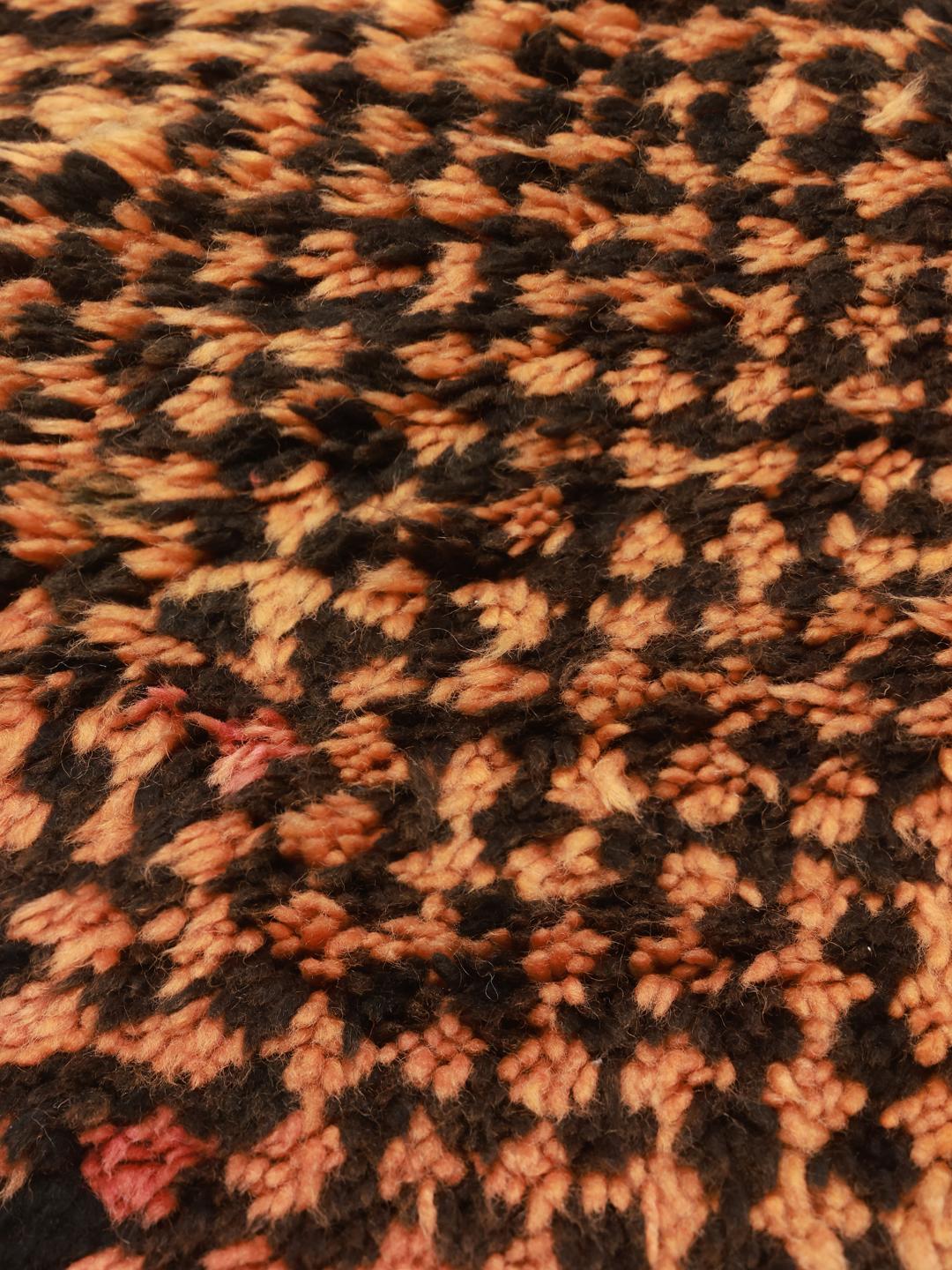
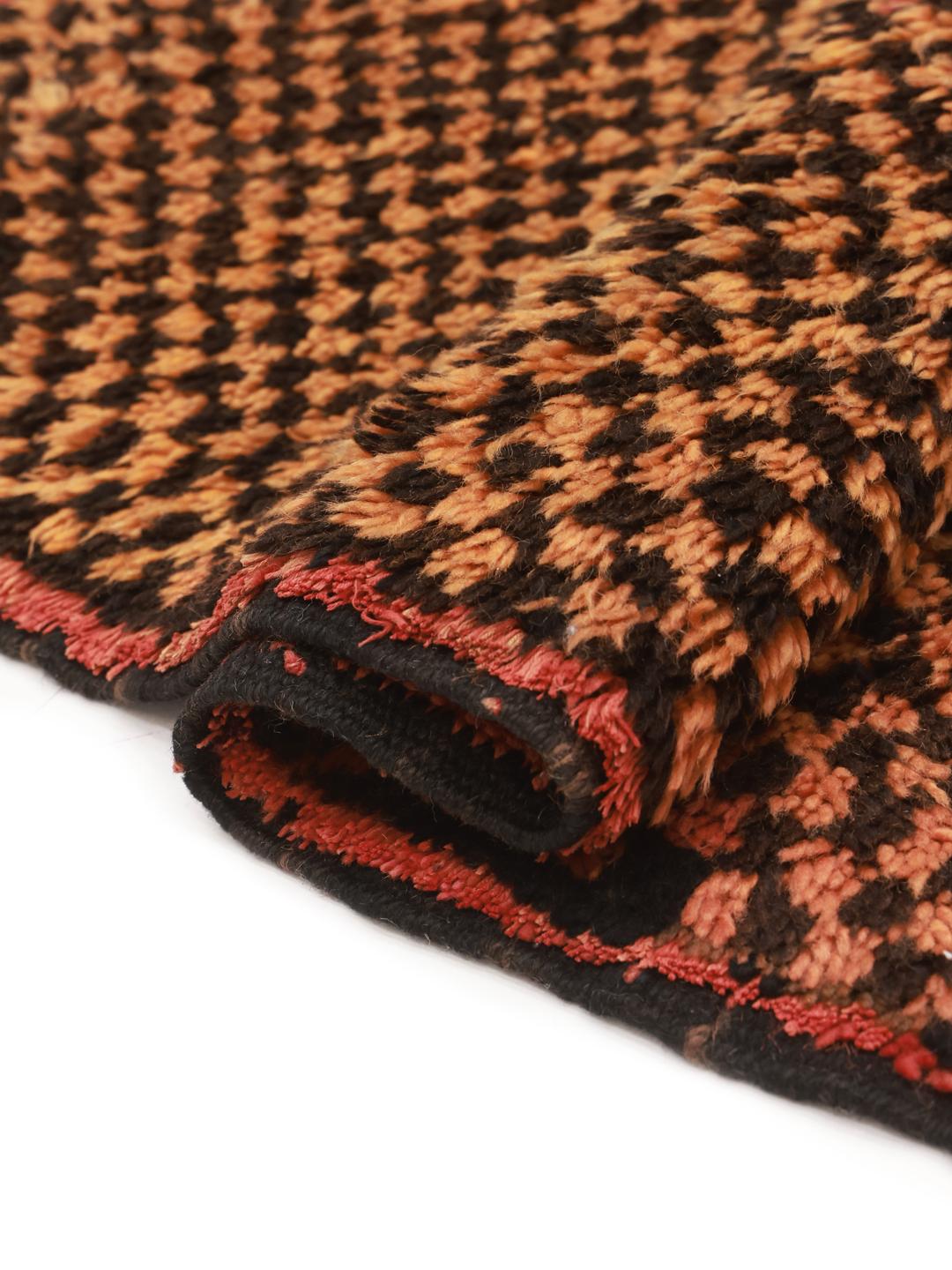
The term Beni Ourain refers to a specific confederation of tribes known for their high-quality, thick-pile wool rugs. These pieces are highly regarded for their use of un-dyed, natural wool and their bold, often minimalist geometric patterns. The techniques passed down through generations focus on a specific type of knotting that creates a dense and durable foundation, making these rugs some of the most sought-after examples of tribal textile art.
The patterns found on these rugs are a form of visual language. You will often see diamonds, zig-zags, and lines that serve as symbols for protection, fertility, or the natural world. While many traditional Beni Ourain rugs are known for their cream and brown palette, vintage examples often feature unexpected colour combinations or variations in pattern density that reflect the individual creativity of the artisan at the time of weaving.
Collectors value these rugs for their authenticity and the tangible link they provide to a nomadic heritage. Owning a vintage Berber rug means preserving a traditional craft that relies on hand-spun materials and ancestral knowledge. These pieces are not merely floor coverings; they are considered heirlooms that carry the warmth and cultural weight of the Berber people into contemporary settings.