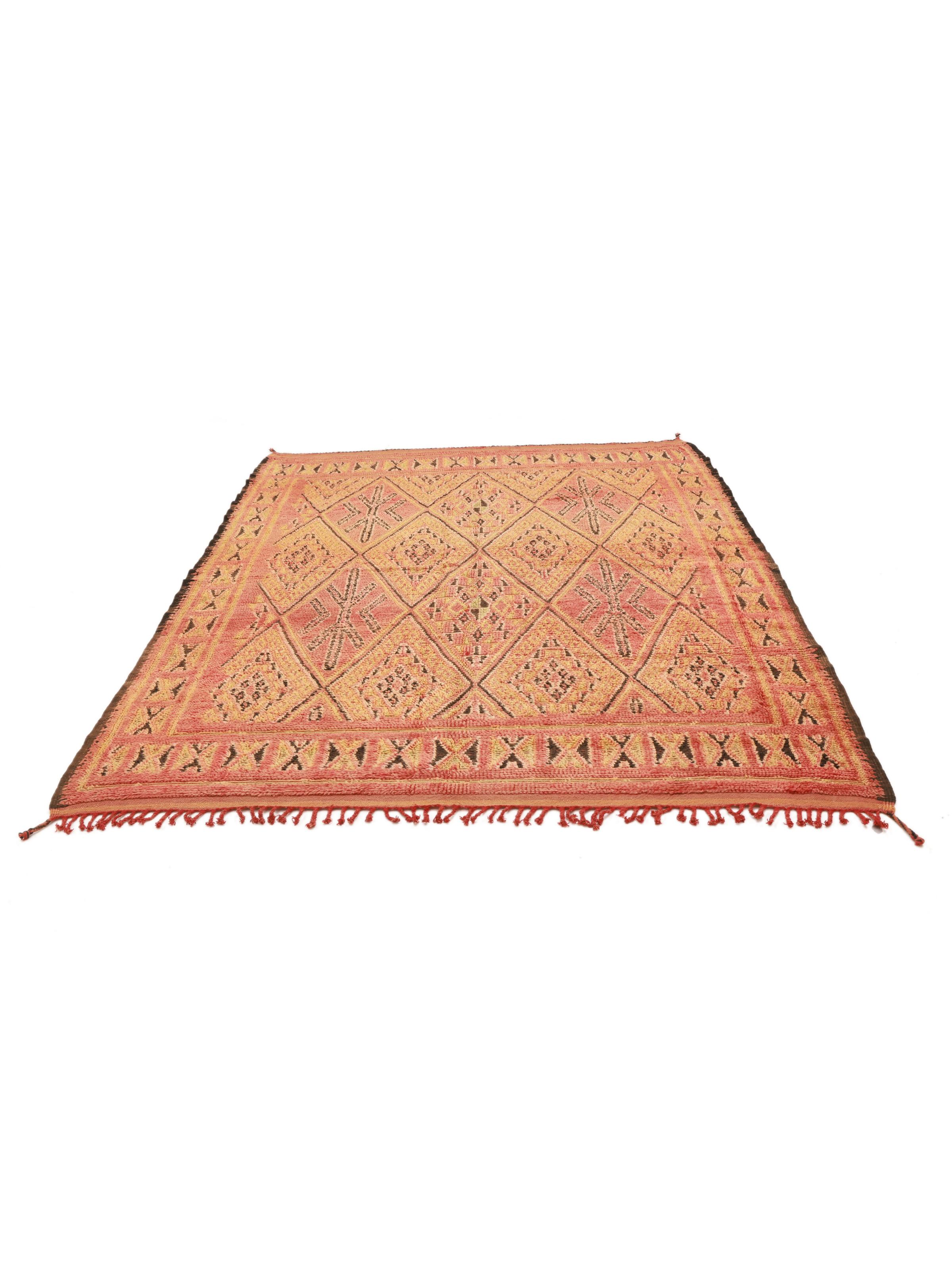
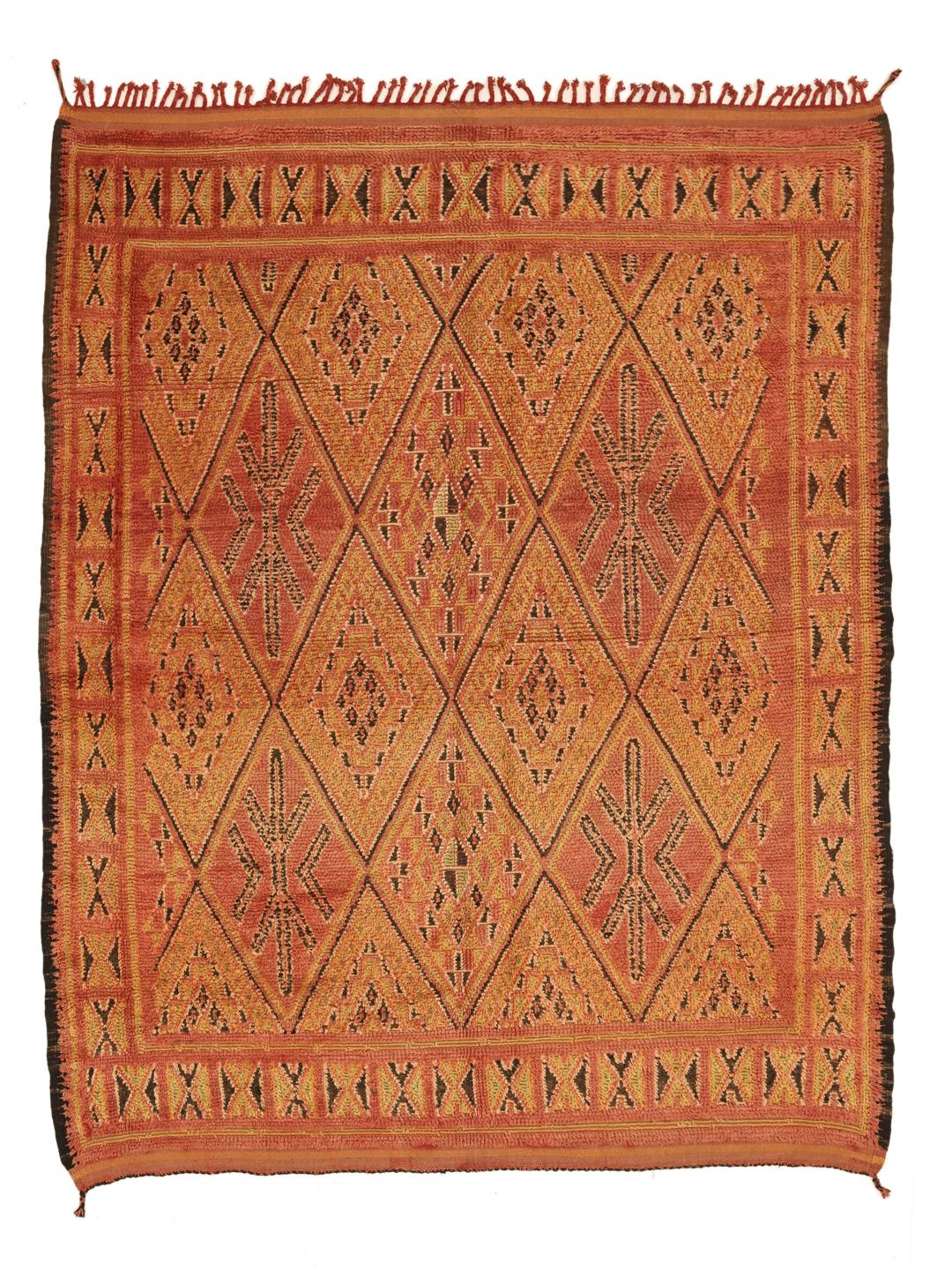
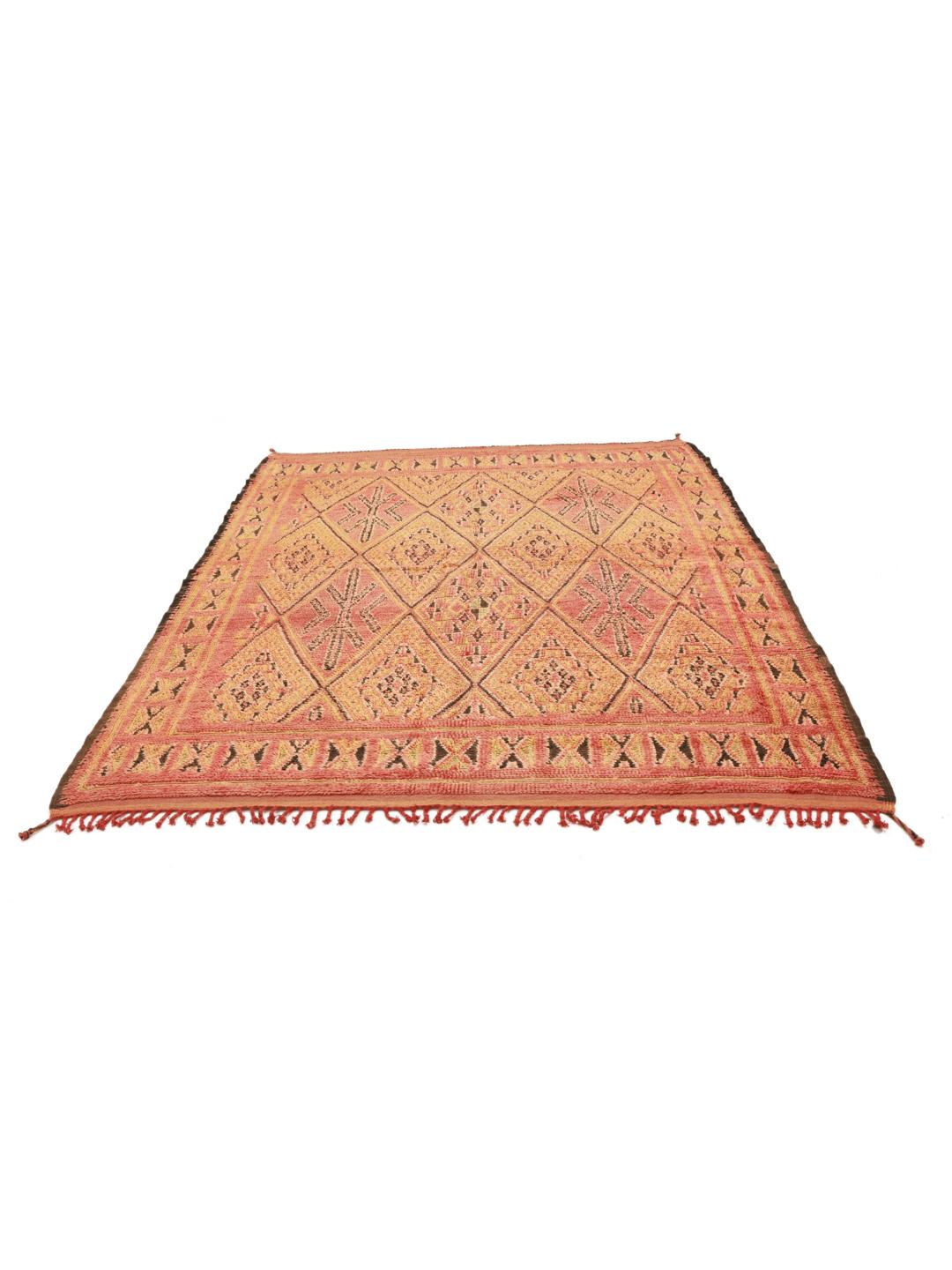
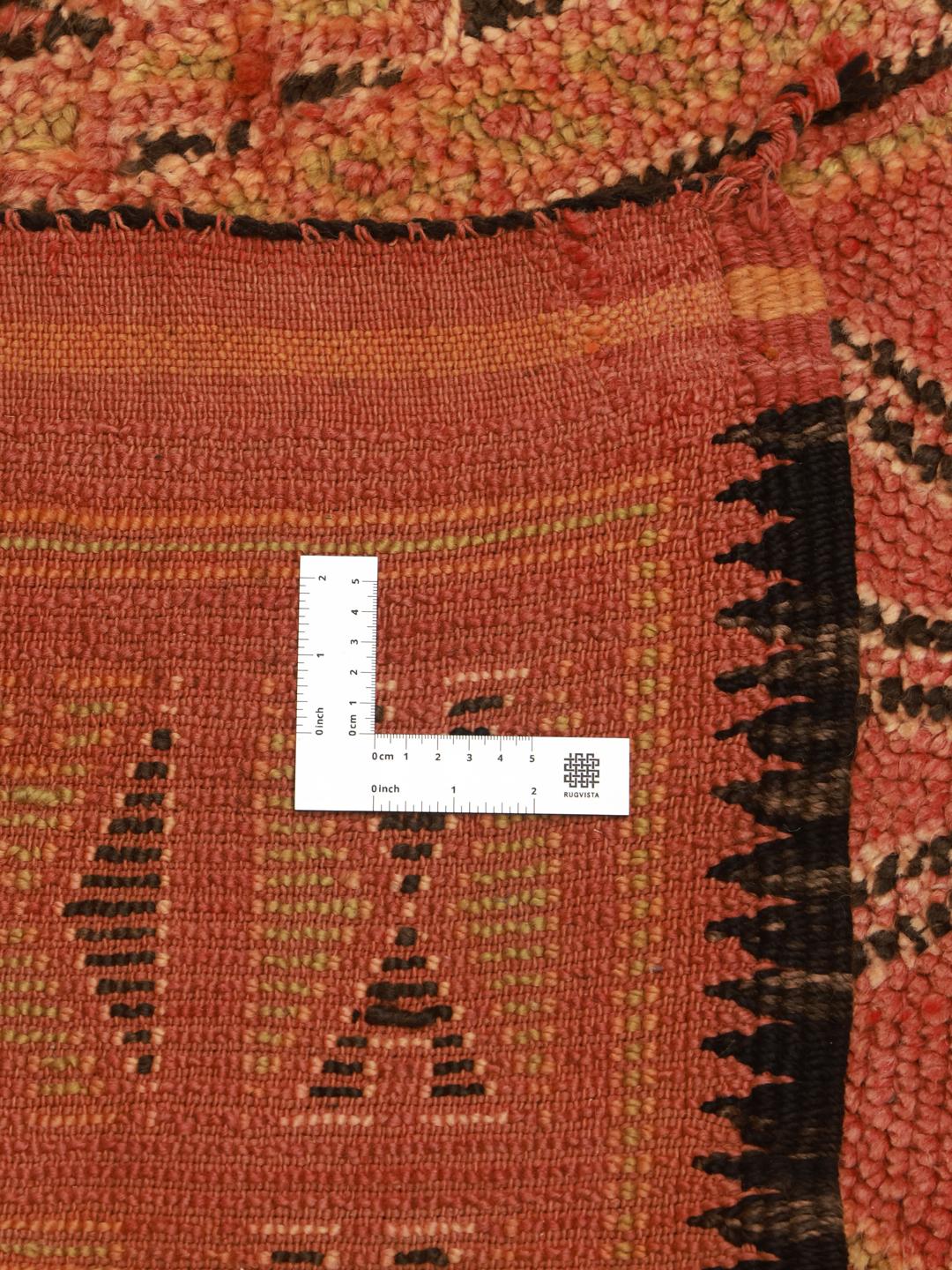
Berber rugs originate from the indigenous tribes of the Atlas Mountains in Morocco. For centuries, these rugs have served as essential household items, providing insulation against the harsh mountain climate and acting as blankets, bed covers, and floor coverings for nomadic and semi-nomadic families.
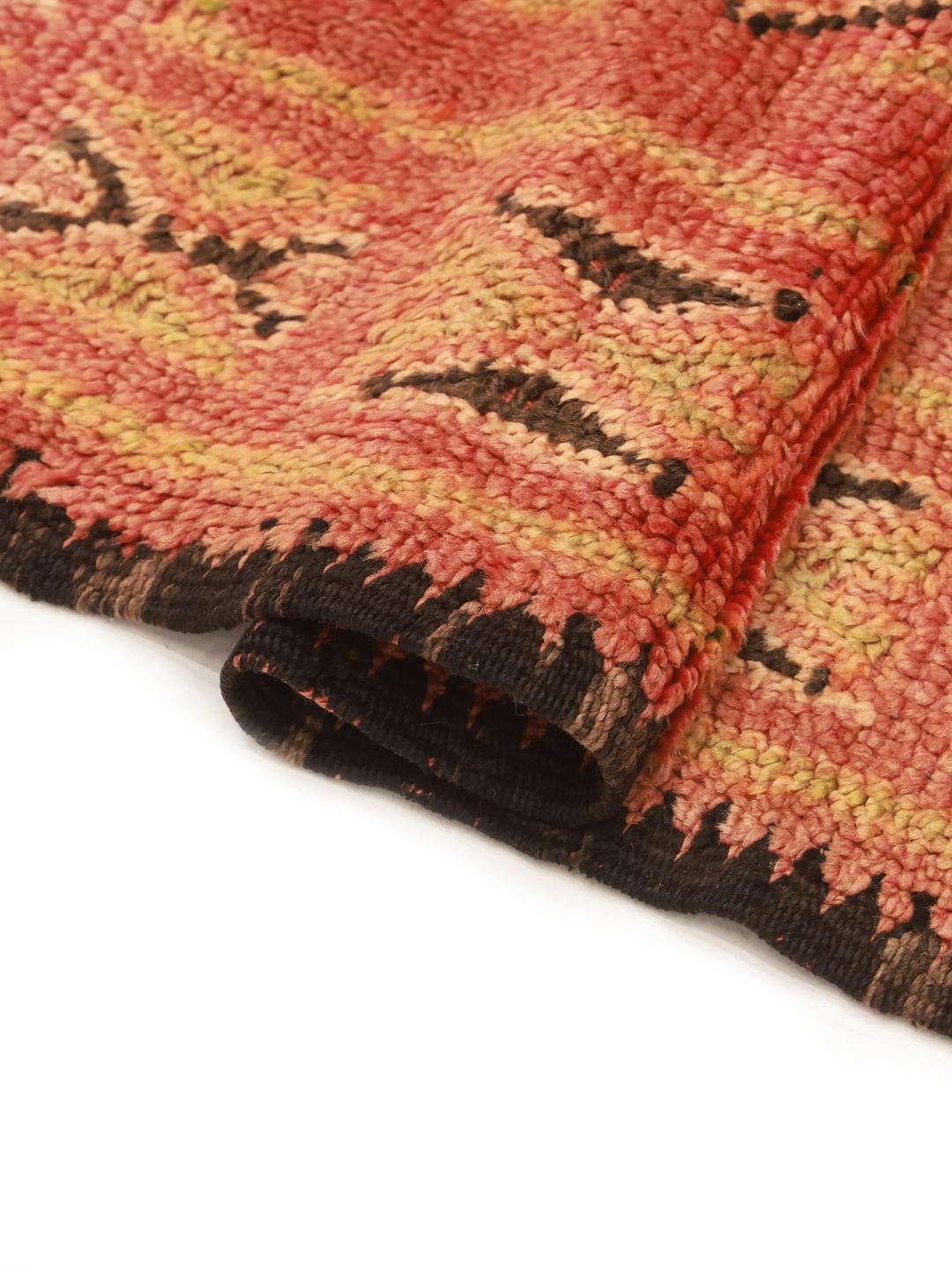
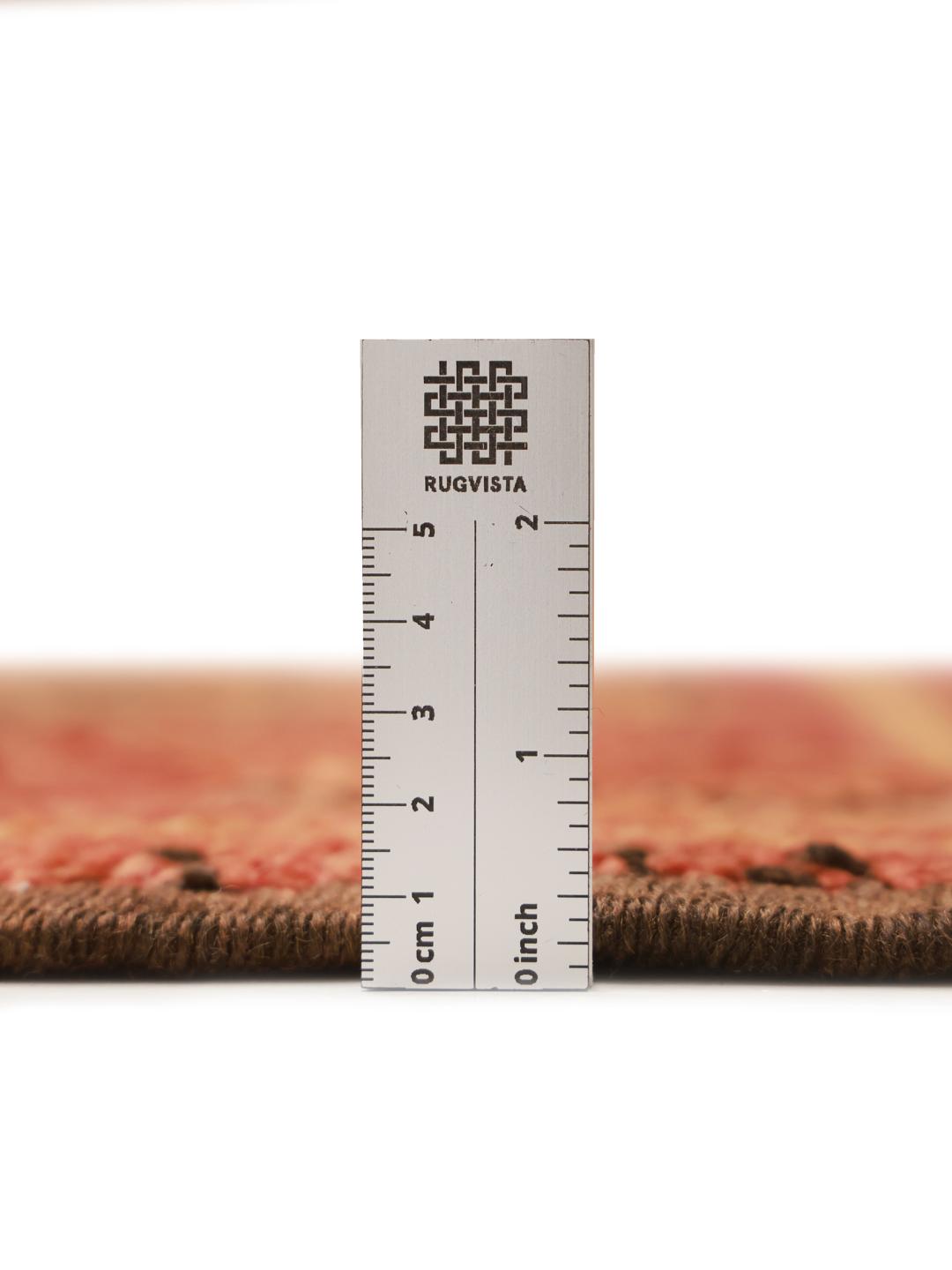
The terminology surrounding these rugs often refers to the specific tribes and weaving traditions of the region. Beni Ourain rugs, in particular, are celebrated for their thick, luxurious wool and their relatively simple, bold geometric designs. The tradition is deeply rooted in the cultural identity of the weavers, who pass down patterns and techniques through generations, often incorporating personal symbolism into the rug's design.
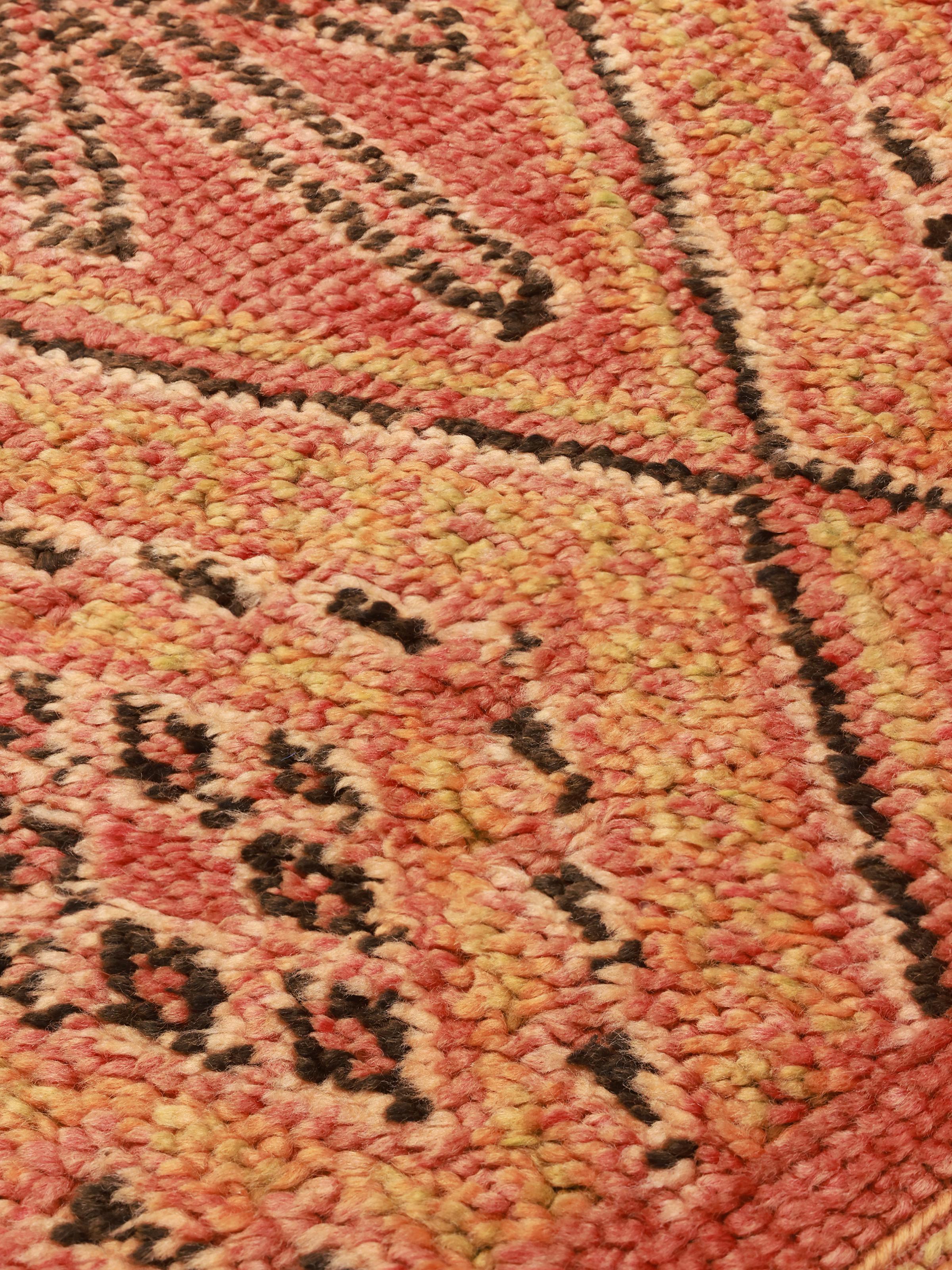
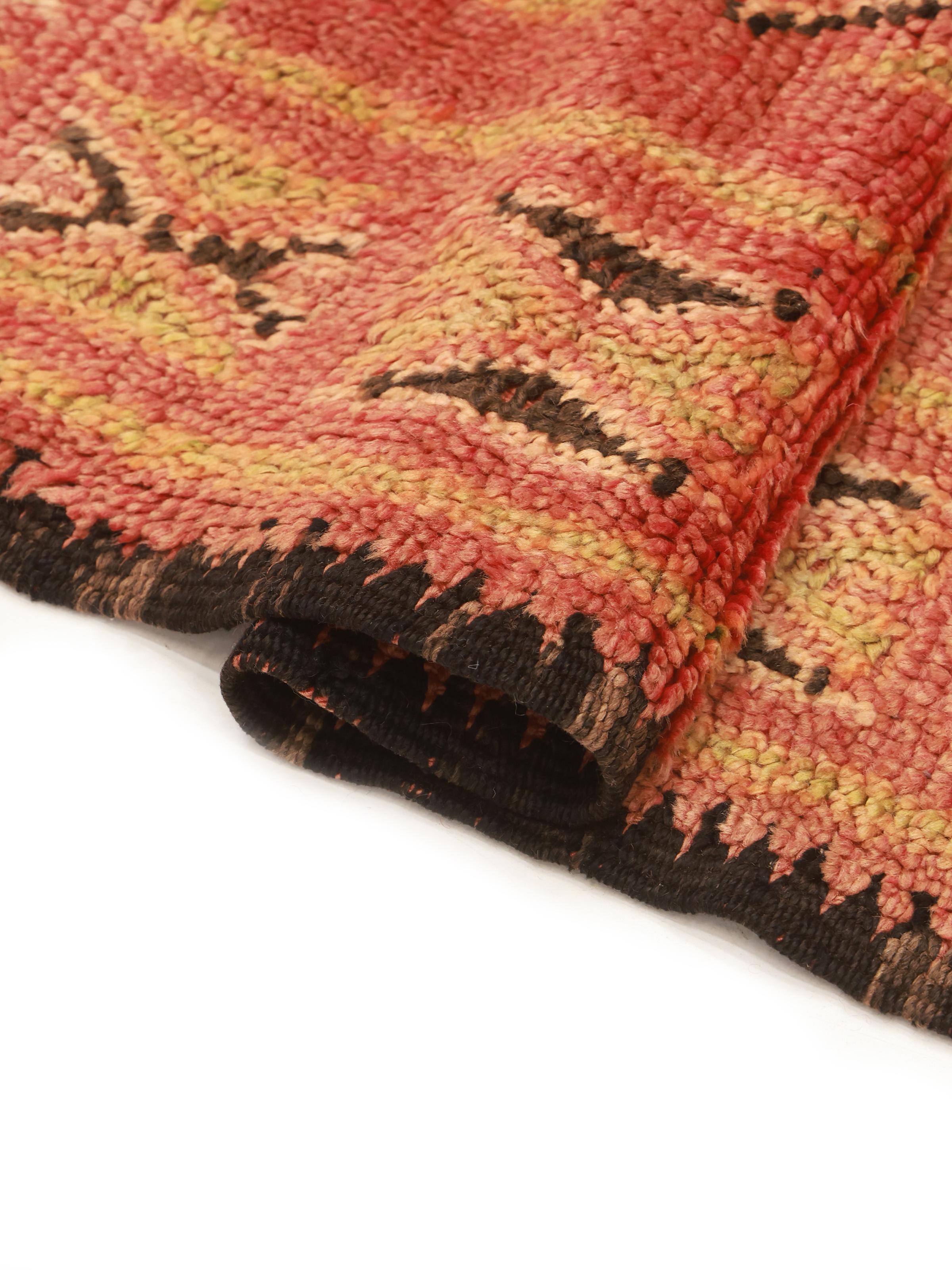
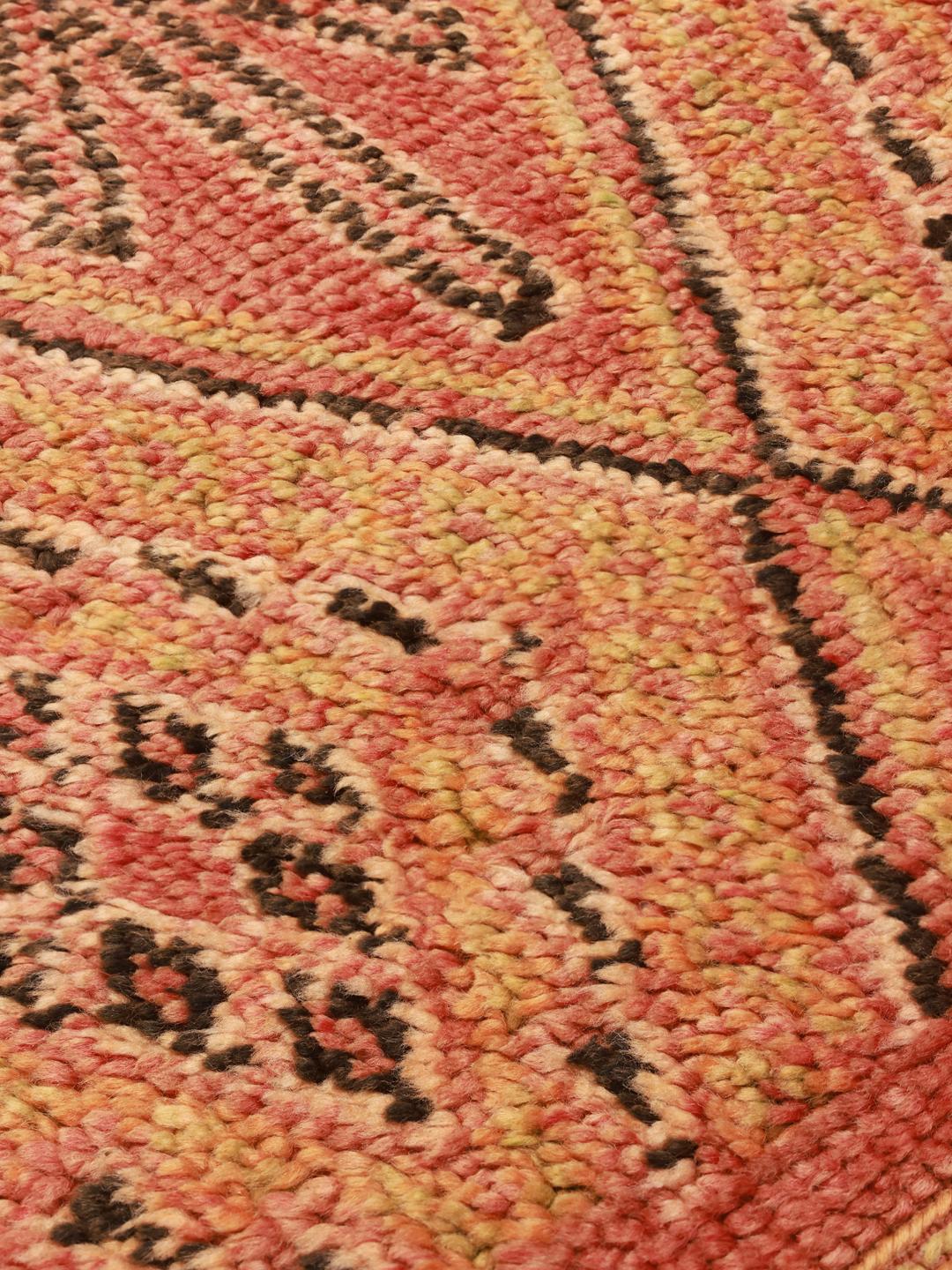
Signature design elements frequently include diamond-shaped lattices, lines, and abstract symbols that reflect the weaver's environment and experiences. While many traditional examples favour a natural, undyed wool aesthetic, vintage pieces often exhibit a rich spectrum of colours derived from local natural dyes, making each rug a unique historical record of the materials and techniques available at the time of its creation.
Collecting these rugs has become a way to preserve a rich cultural heritage. Beyond their aesthetic appeal, they are valued for their durability and the human narrative woven into every knot. Owning one is an opportunity to connect with a timeless tradition of artistry, bringing a piece of Moroccan history into a modern living environment.