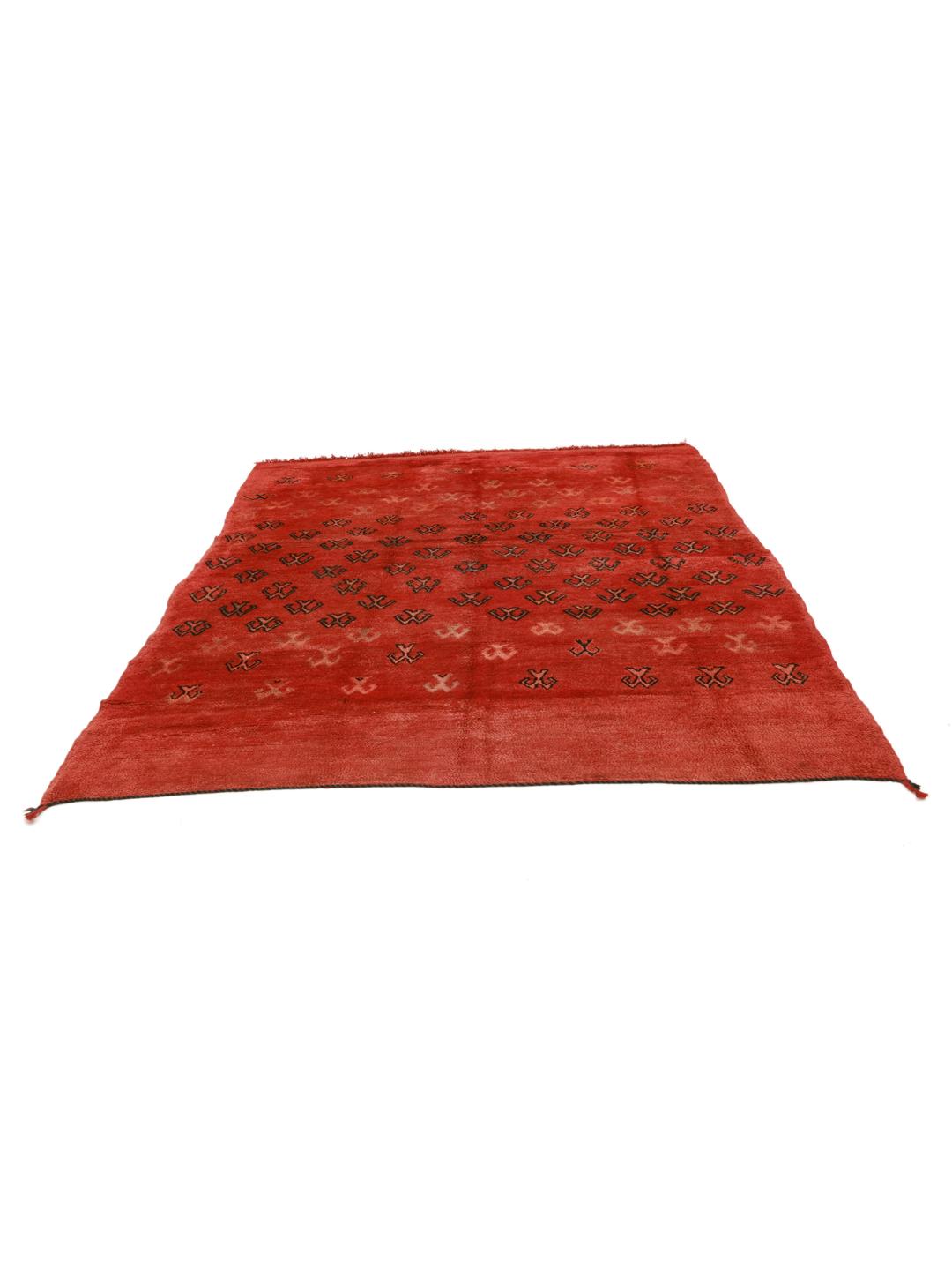
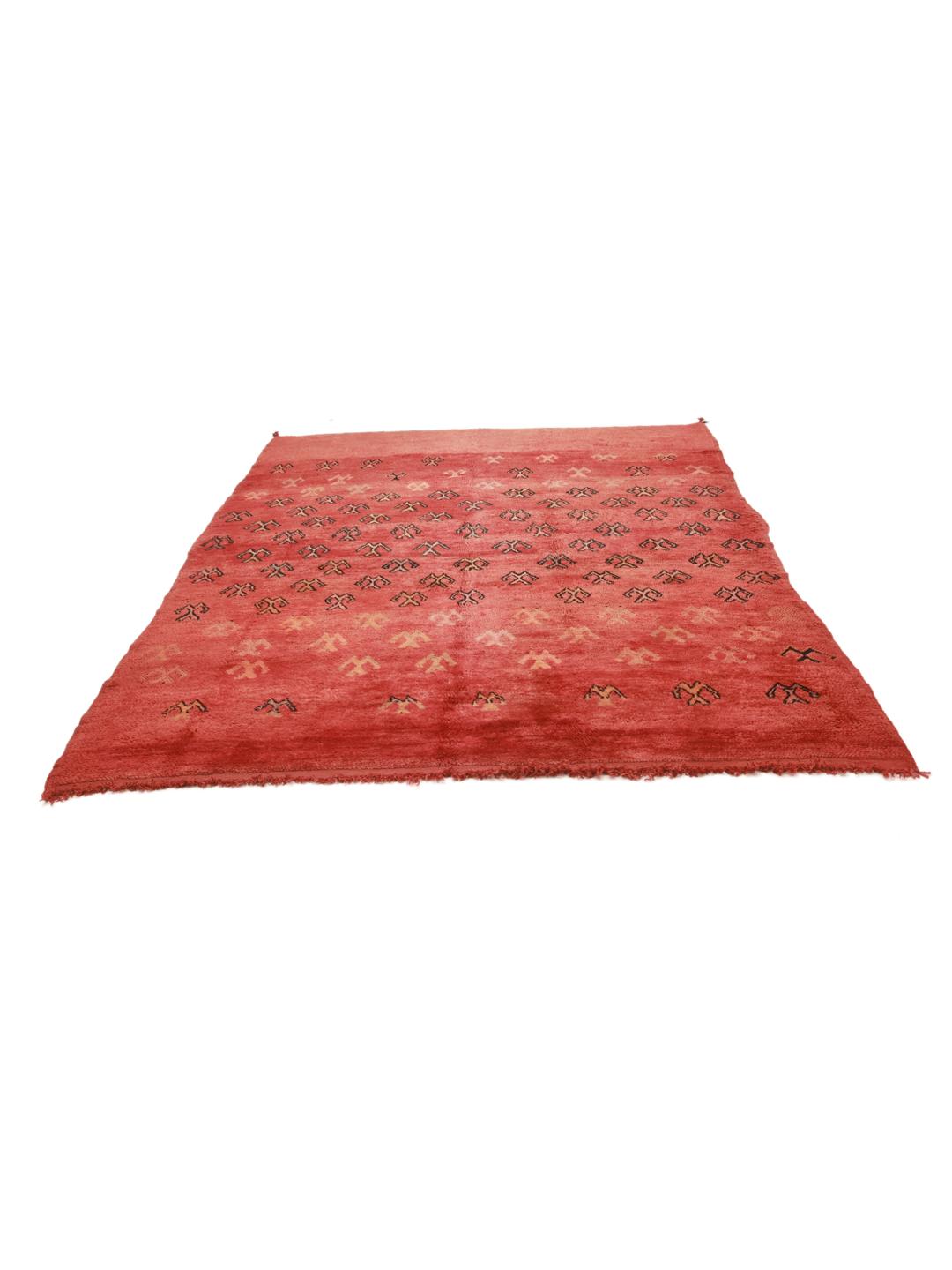
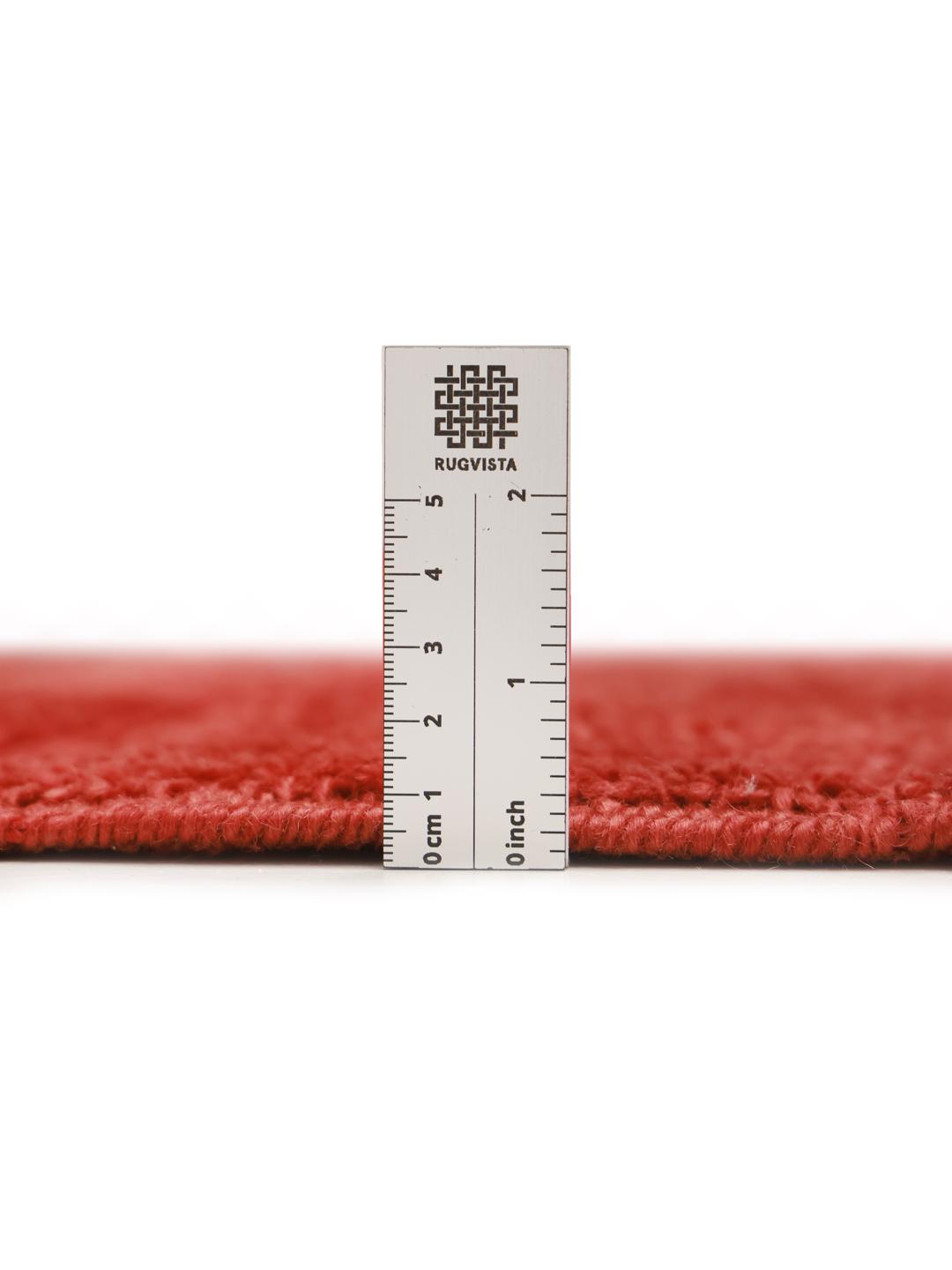
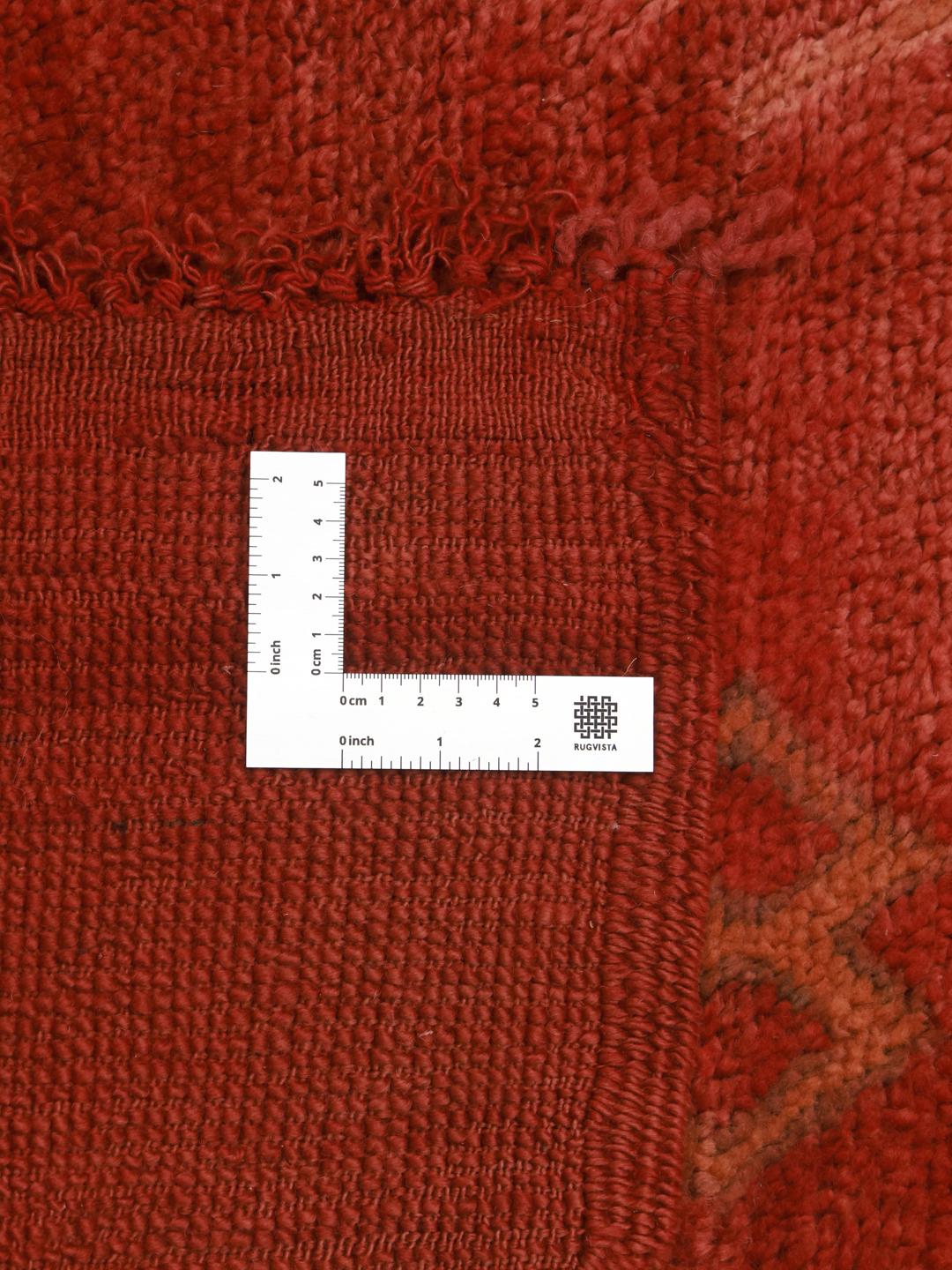
Berber rugs originate from the indigenous tribes of the Atlas Mountains in Morocco, where they have been crafted for centuries. These rugs were historically woven by women as functional items for their own families, intended for use as floor coverings, beddings, or blankets. The traditions and techniques have been passed down through generations, making each rug a reflection of the weaver's personal history and the cultural narrative of their specific tribe.
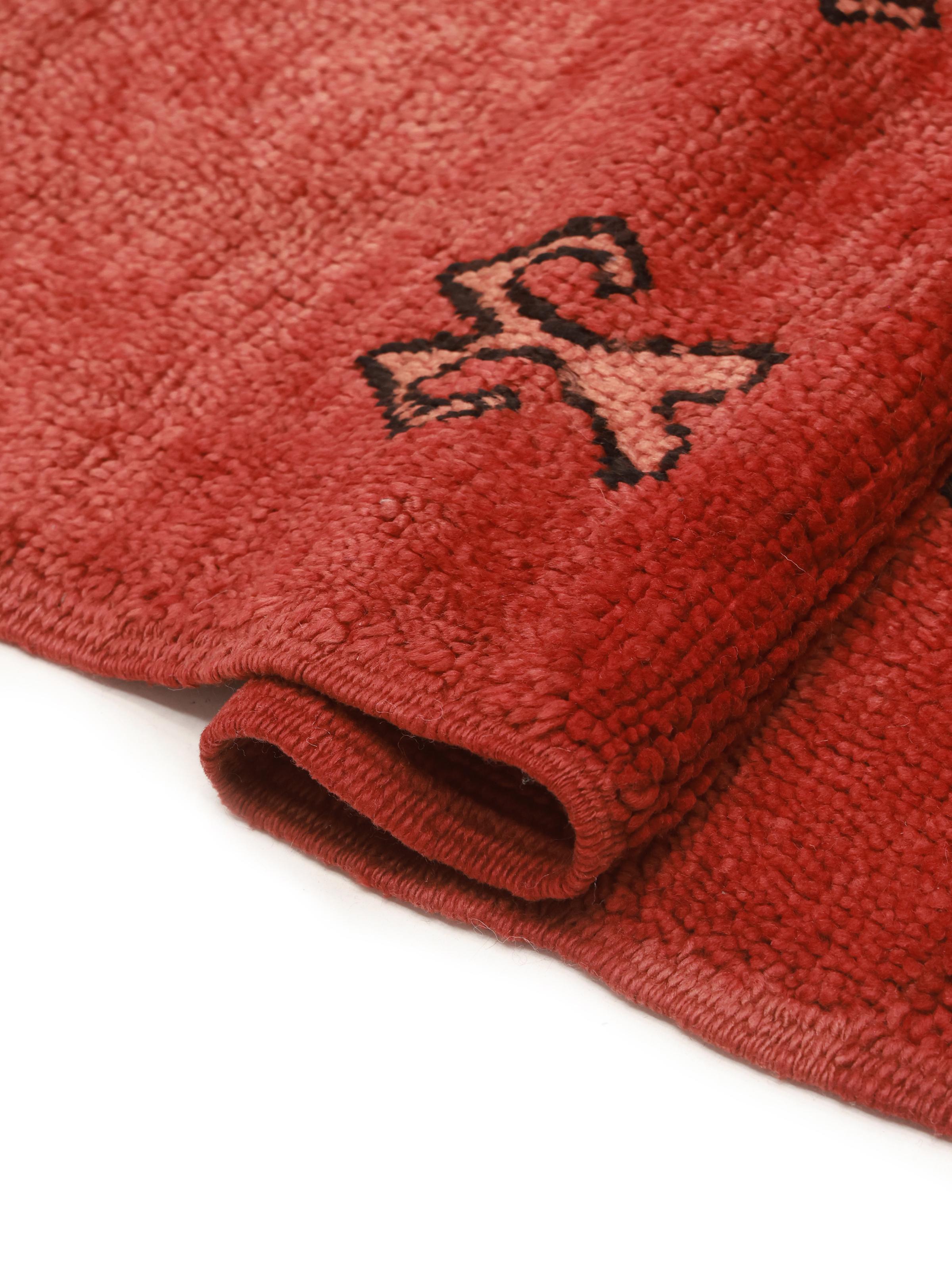
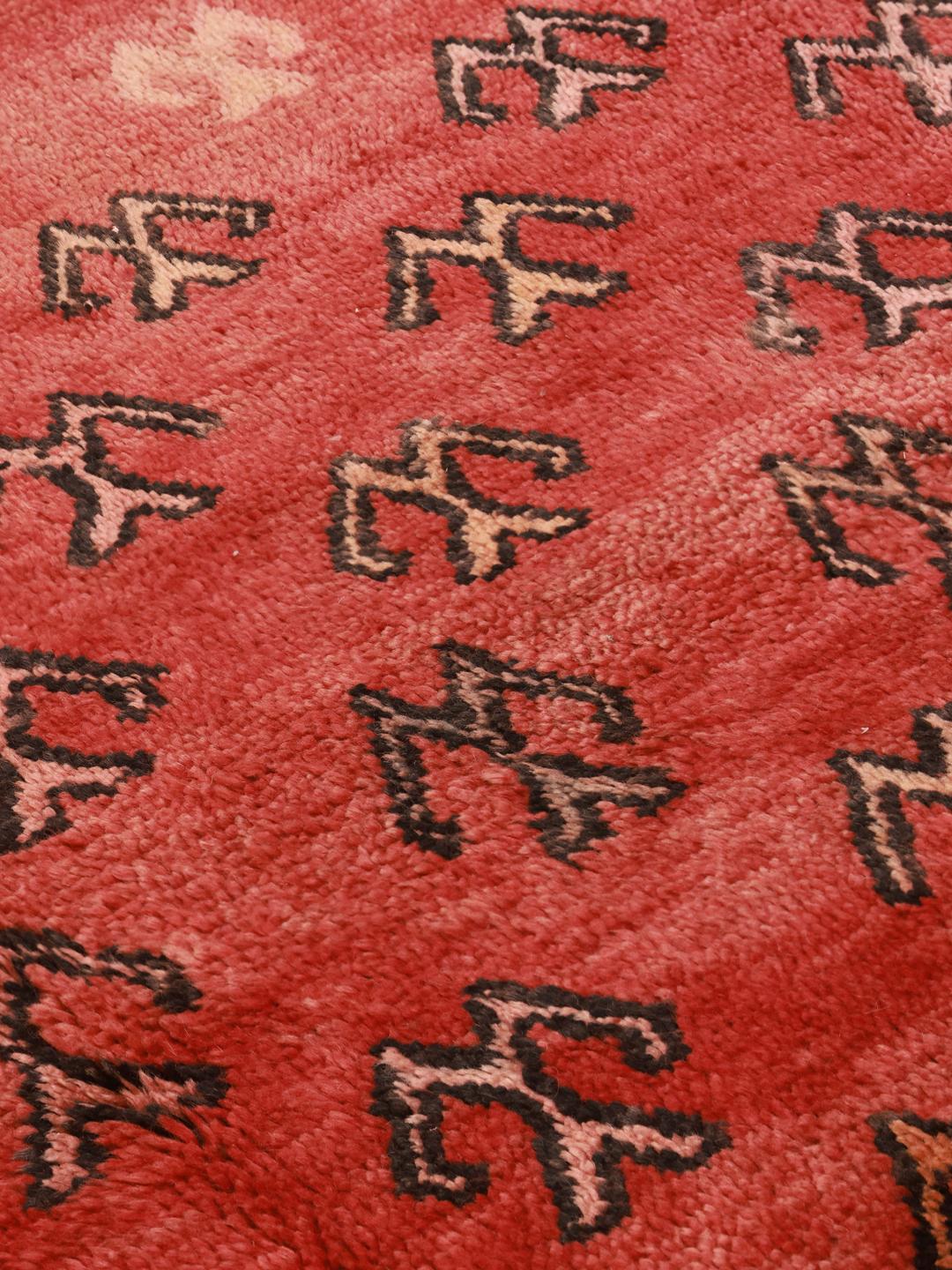
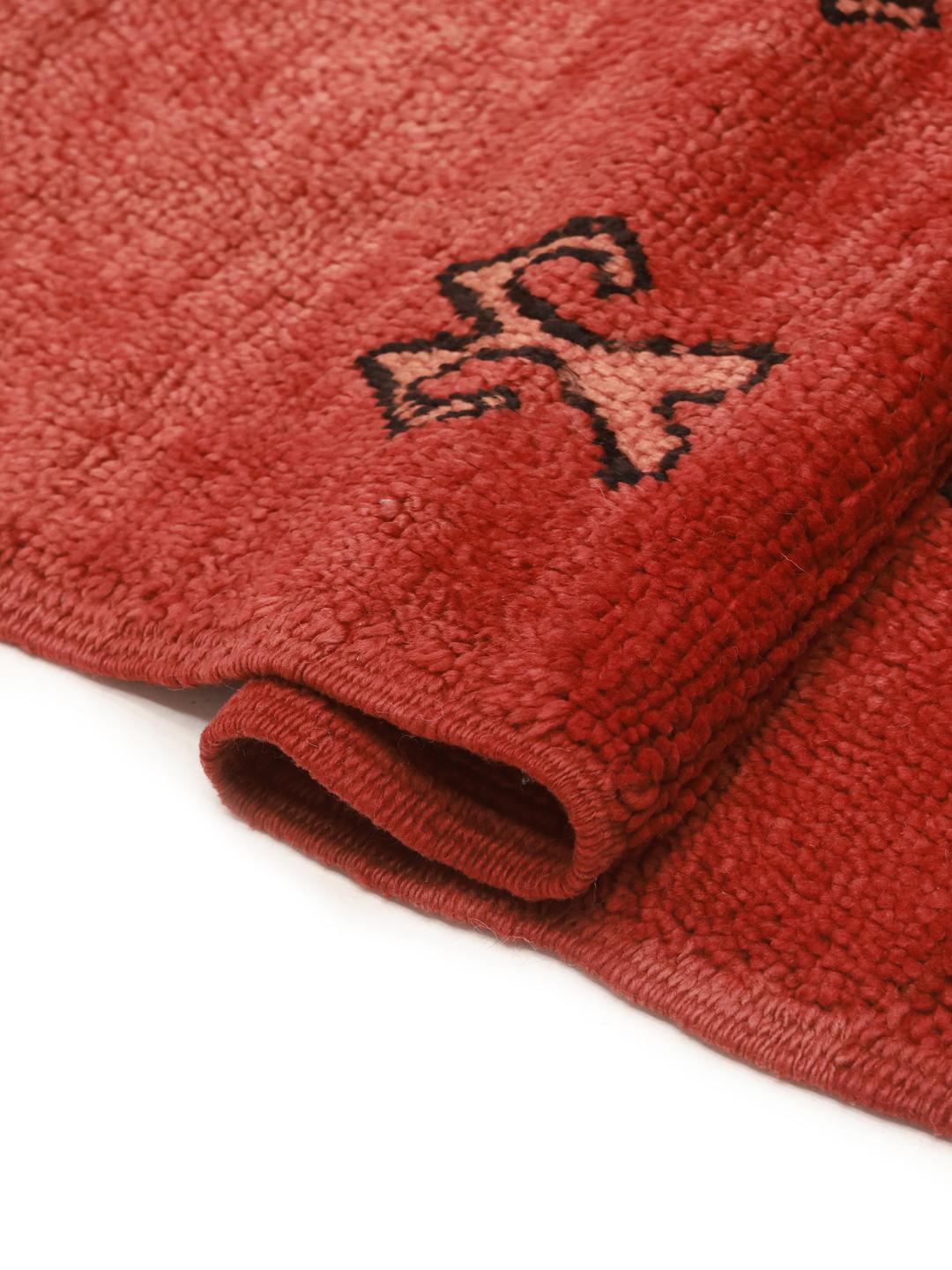
The terminology surrounding these rugs often refers to the specific Wool quality and the tribal roots of the design. Beni Ourain rugs, in particular, are celebrated for their thick, plush Wool and relatively minimalistic aesthetic compared to other regional styles. The use of natural, undyed Wool alongside vibrant, locally sourced dyes is a hallmark of the craft, ensuring that each piece remains grounded in the natural environment of the Atlas region.
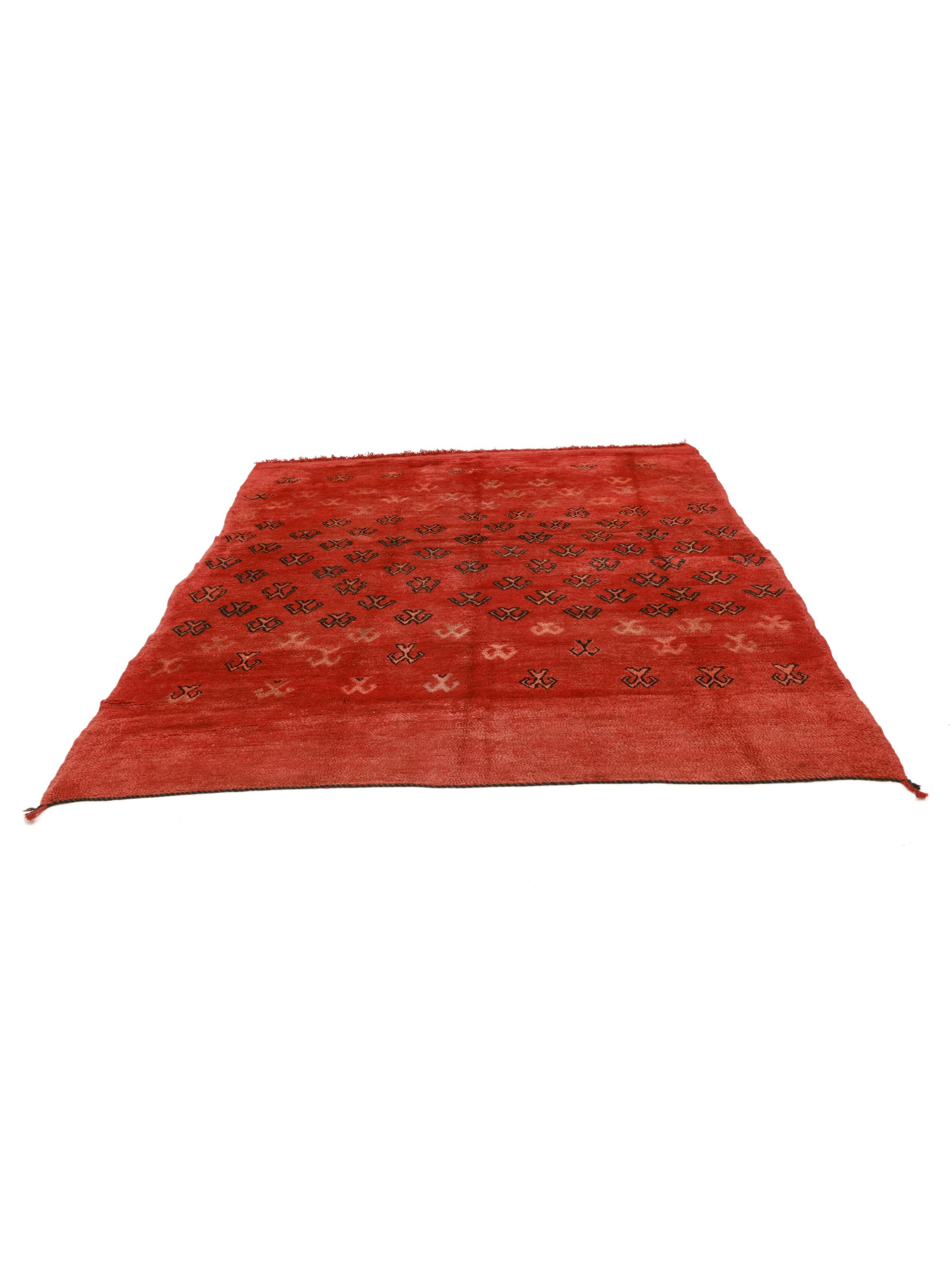
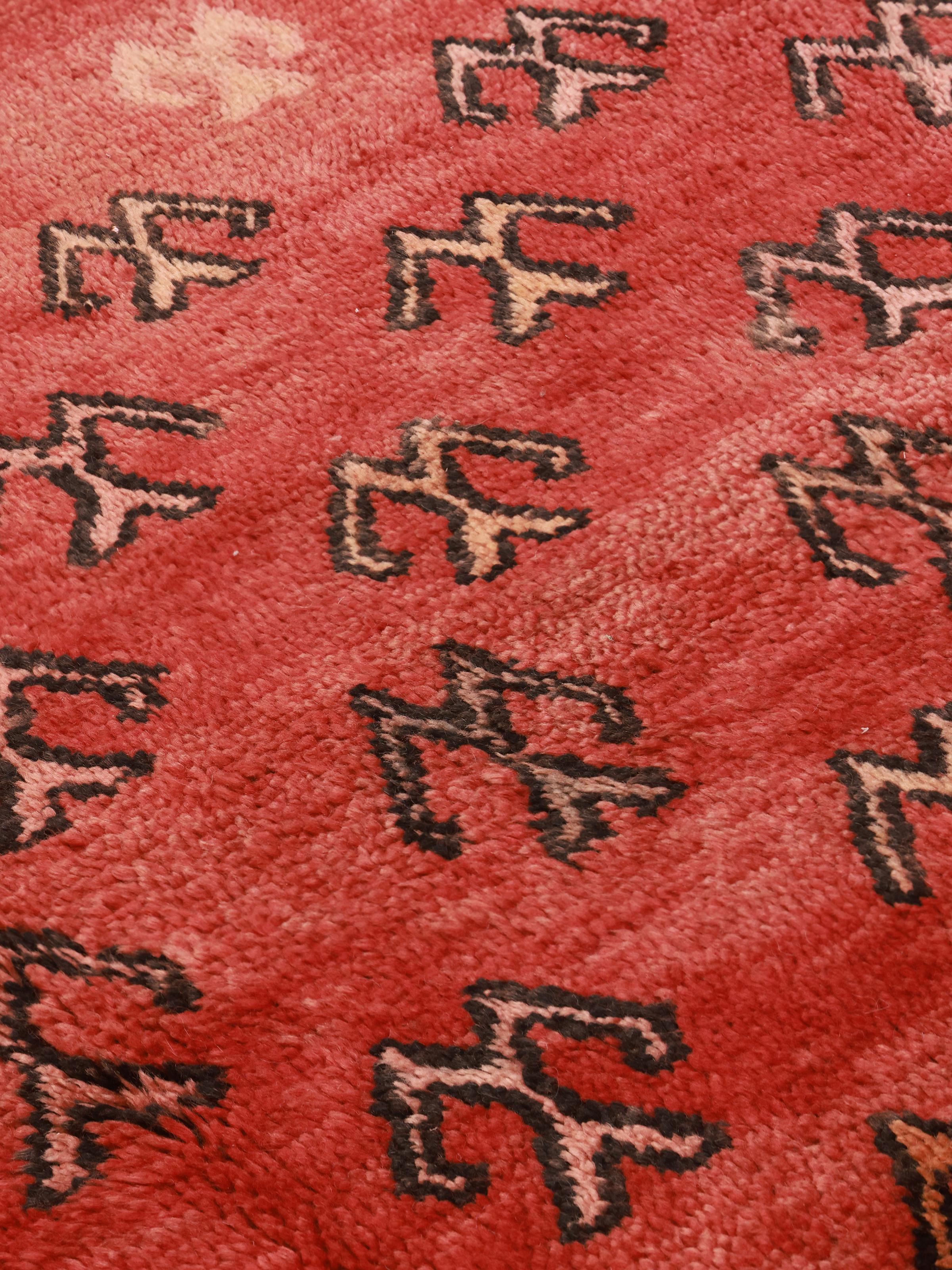
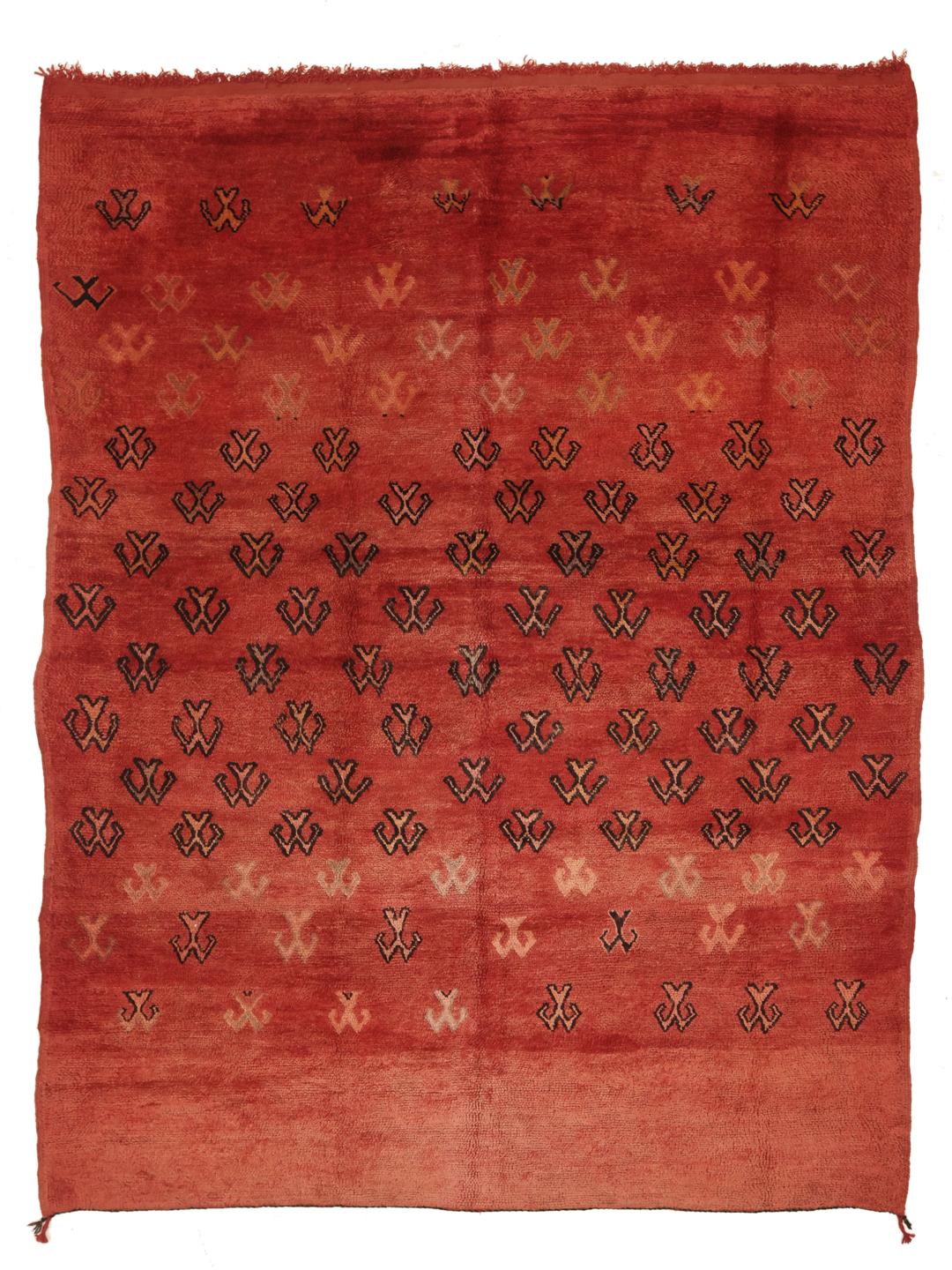
Signature design elements in Moroccan rugs often include geometric patterns such as diamonds, zig-zags, and abstract motifs that hold symbolic meaning for the weaver, often representing protection, fertility, or family history. While many associate the style with neutral tones, the use of bold, earthy reds is a traditional and highly sought-after variation that showcases the artistic confidence of the weaver.
Collectors value these rugs for their raw, authentic beauty and the story they tell of a nomadic or semi-nomadic lifestyle. Owning one is an investment in cultural heritage, as these pieces represent a bridge between ancient techniques and modern interiors. They are cherished not only for their aesthetic appeal but for the genuine skill and human connection embedded in every strand of Wool.