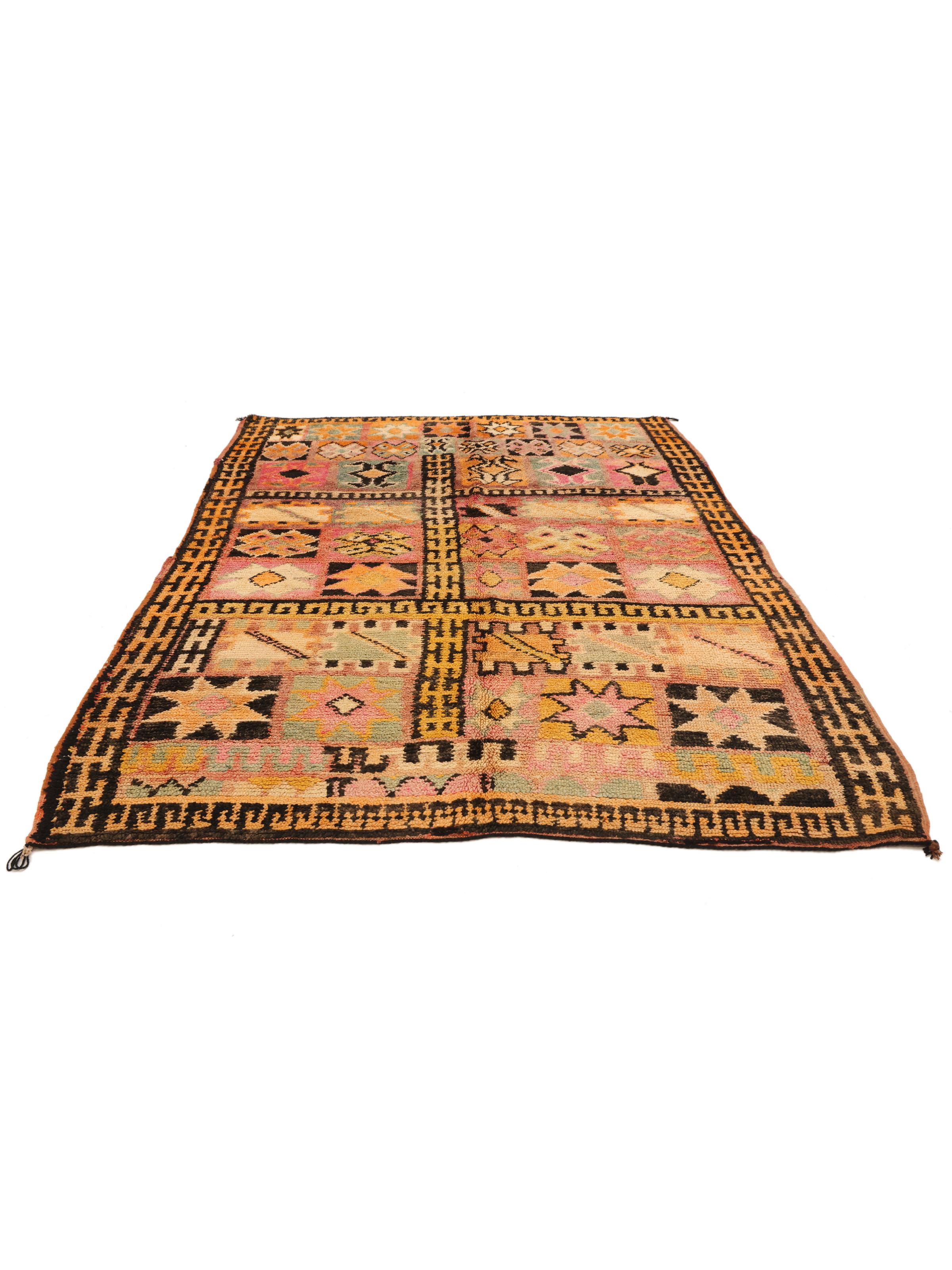
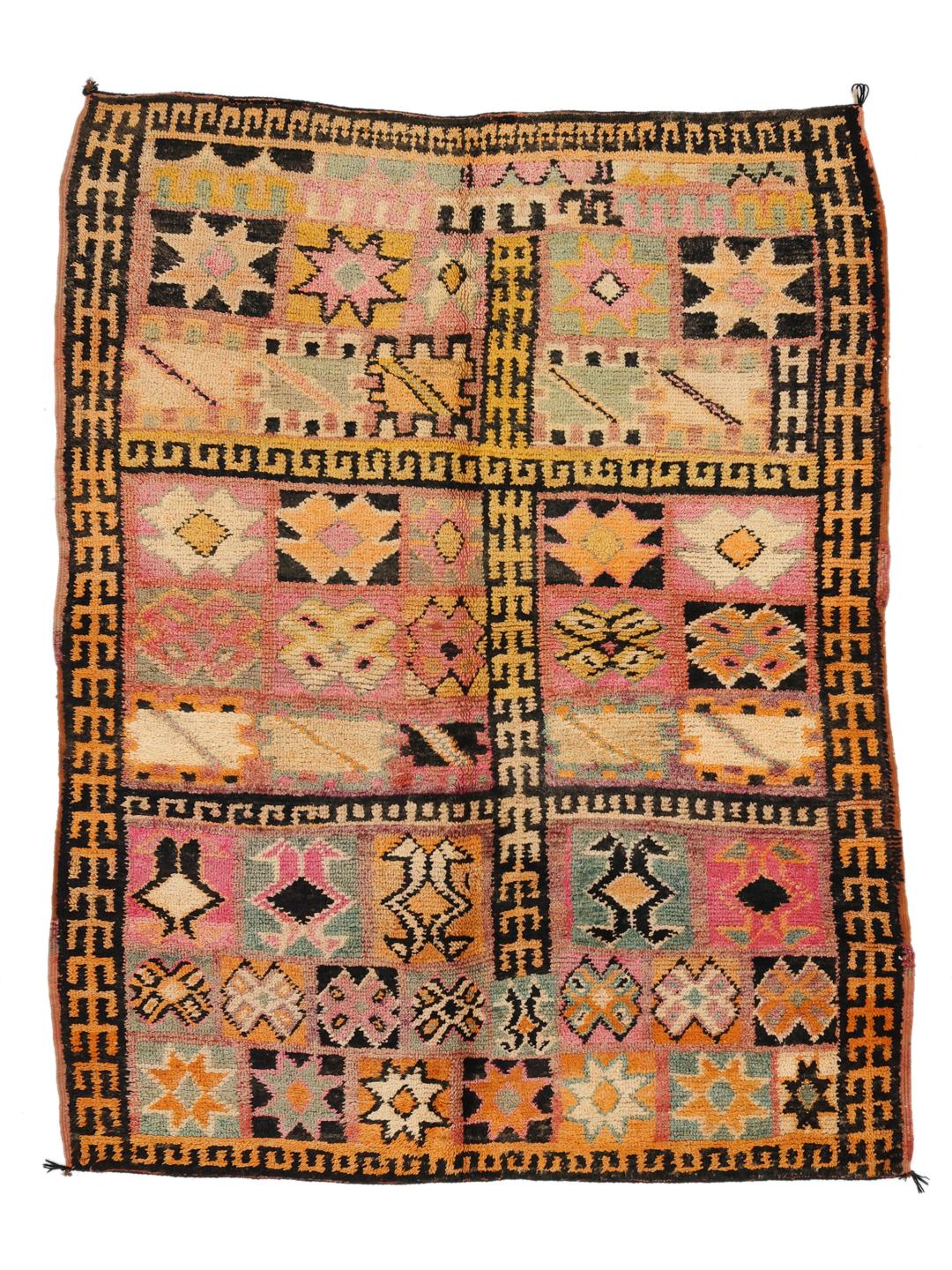
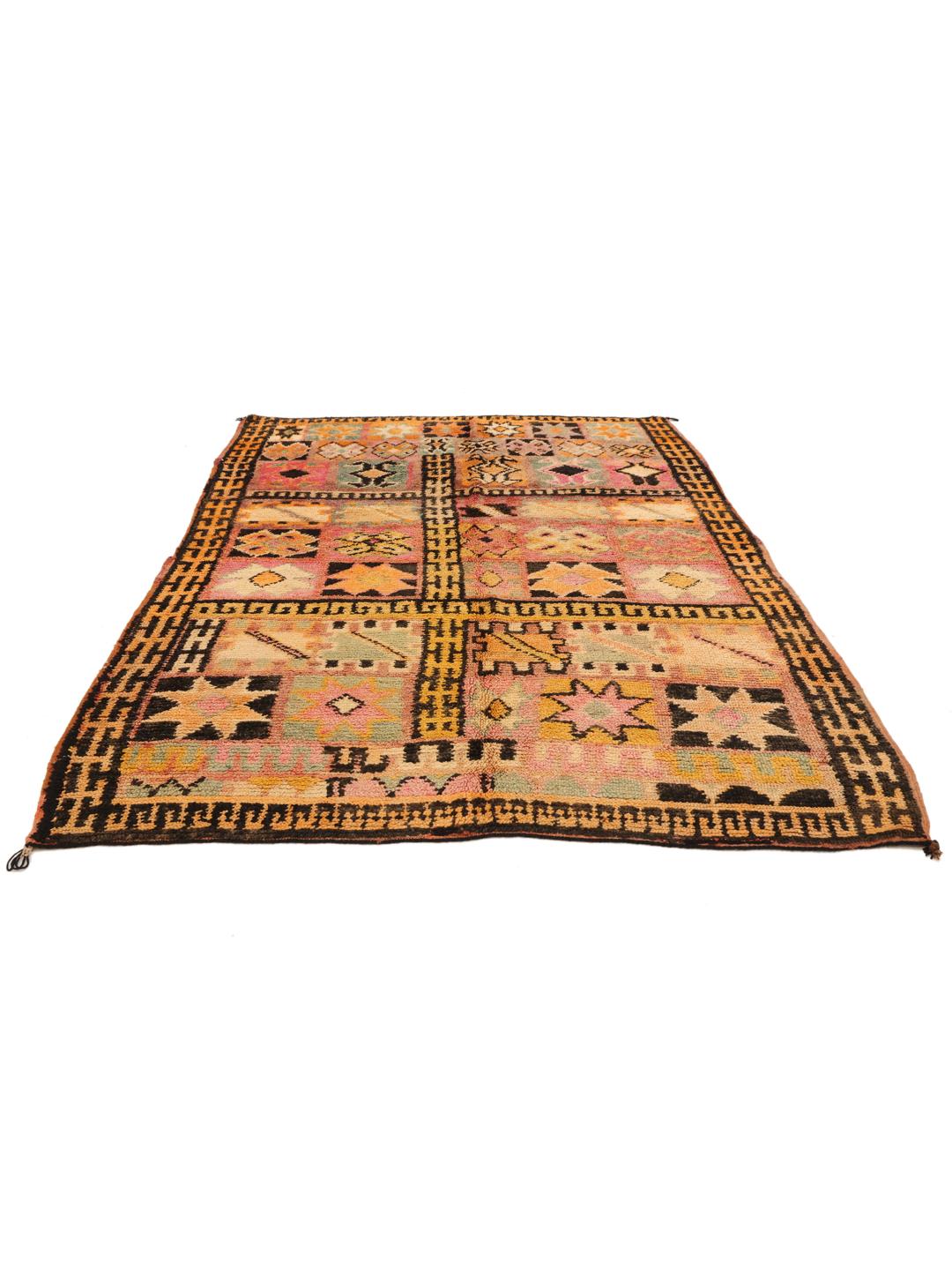
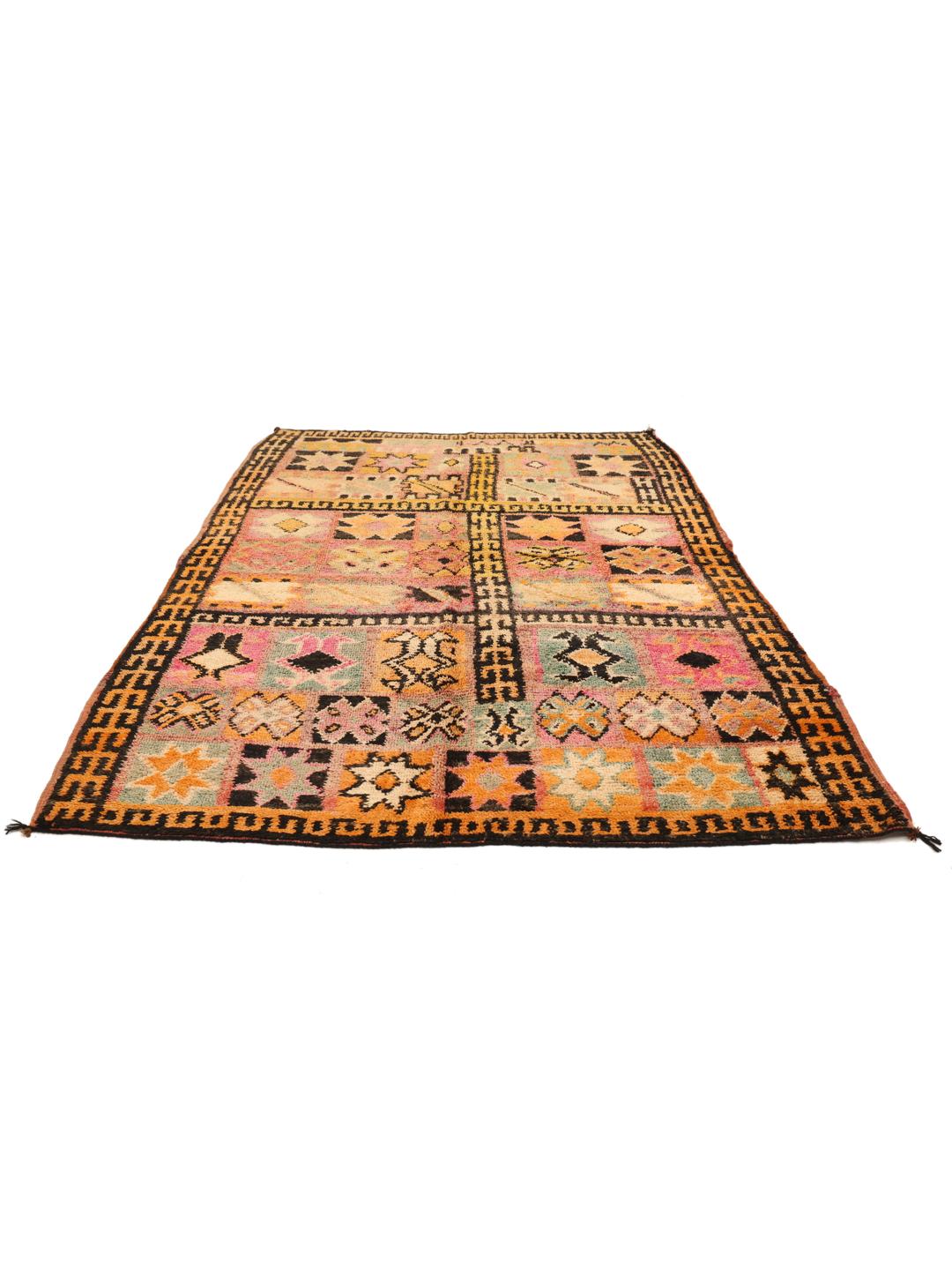
The Berber rugs of the Middle Atlas mountains are among the most celebrated textiles in the world, rooted in the nomadic and semi-nomadic traditions of the indigenous peoples of Morocco. For centuries, these rugs were not merely decorative items but essential components of domestic life, used for warmth and as comfortable bedding during cold mountain winters.
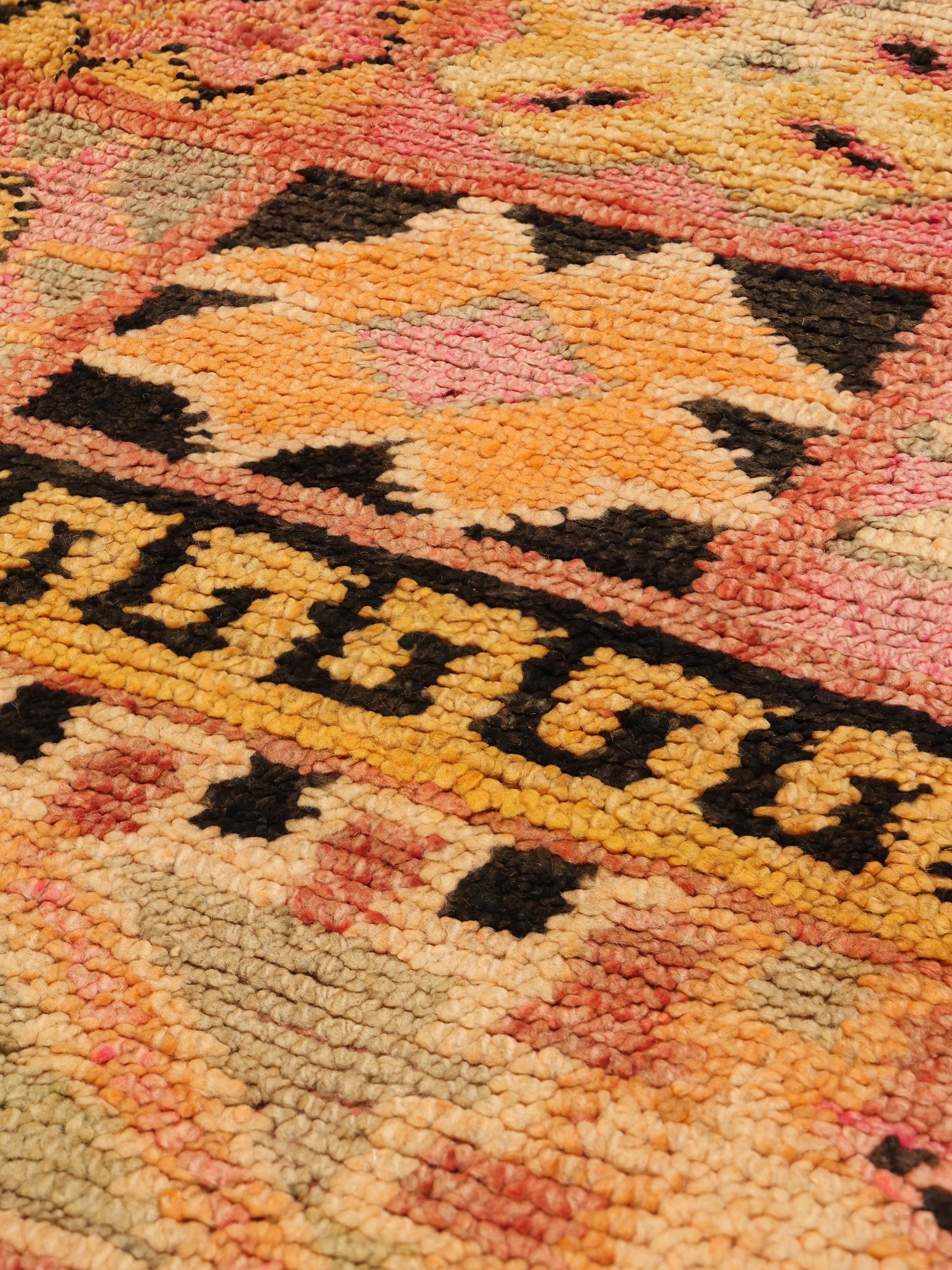
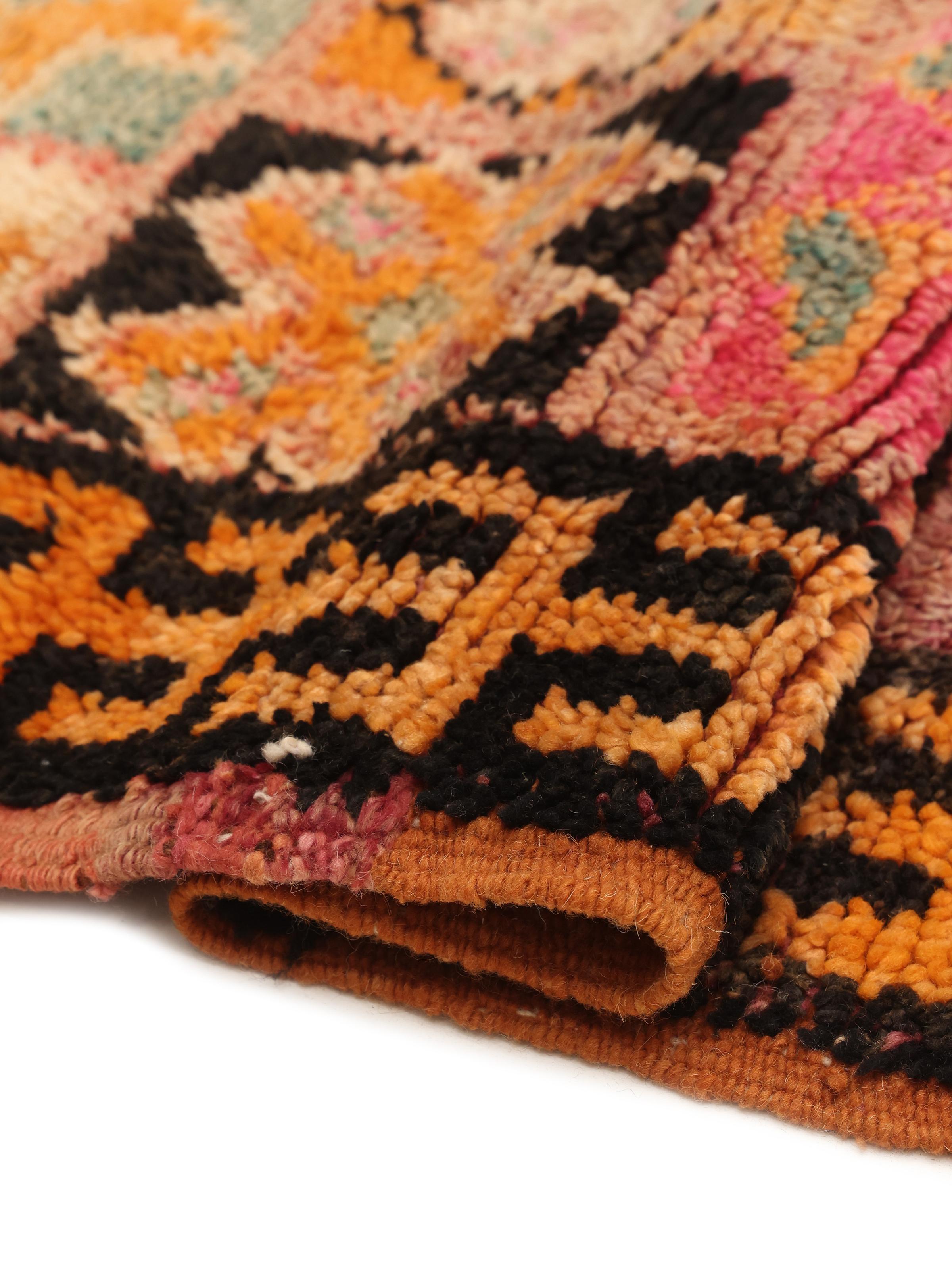
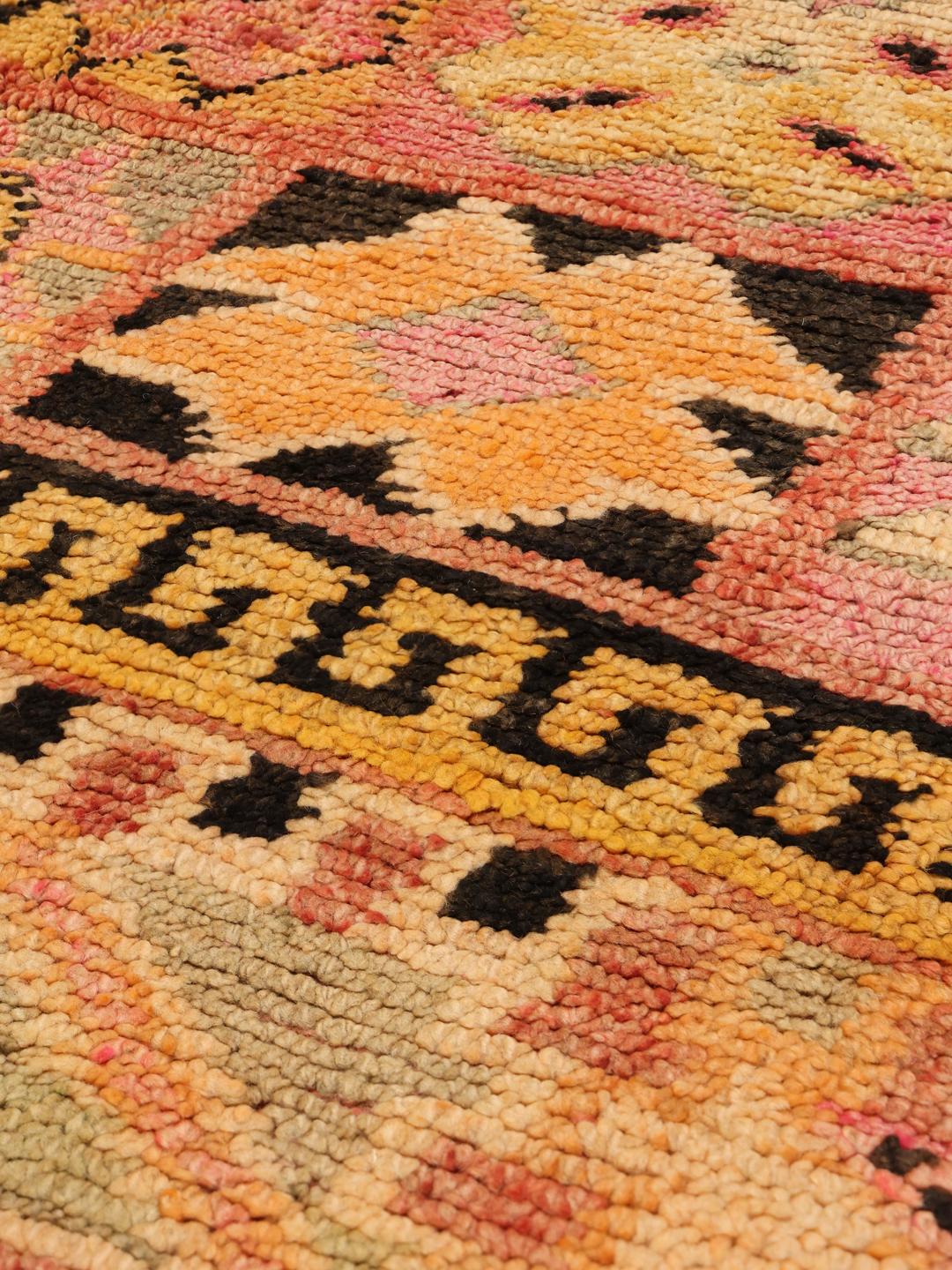
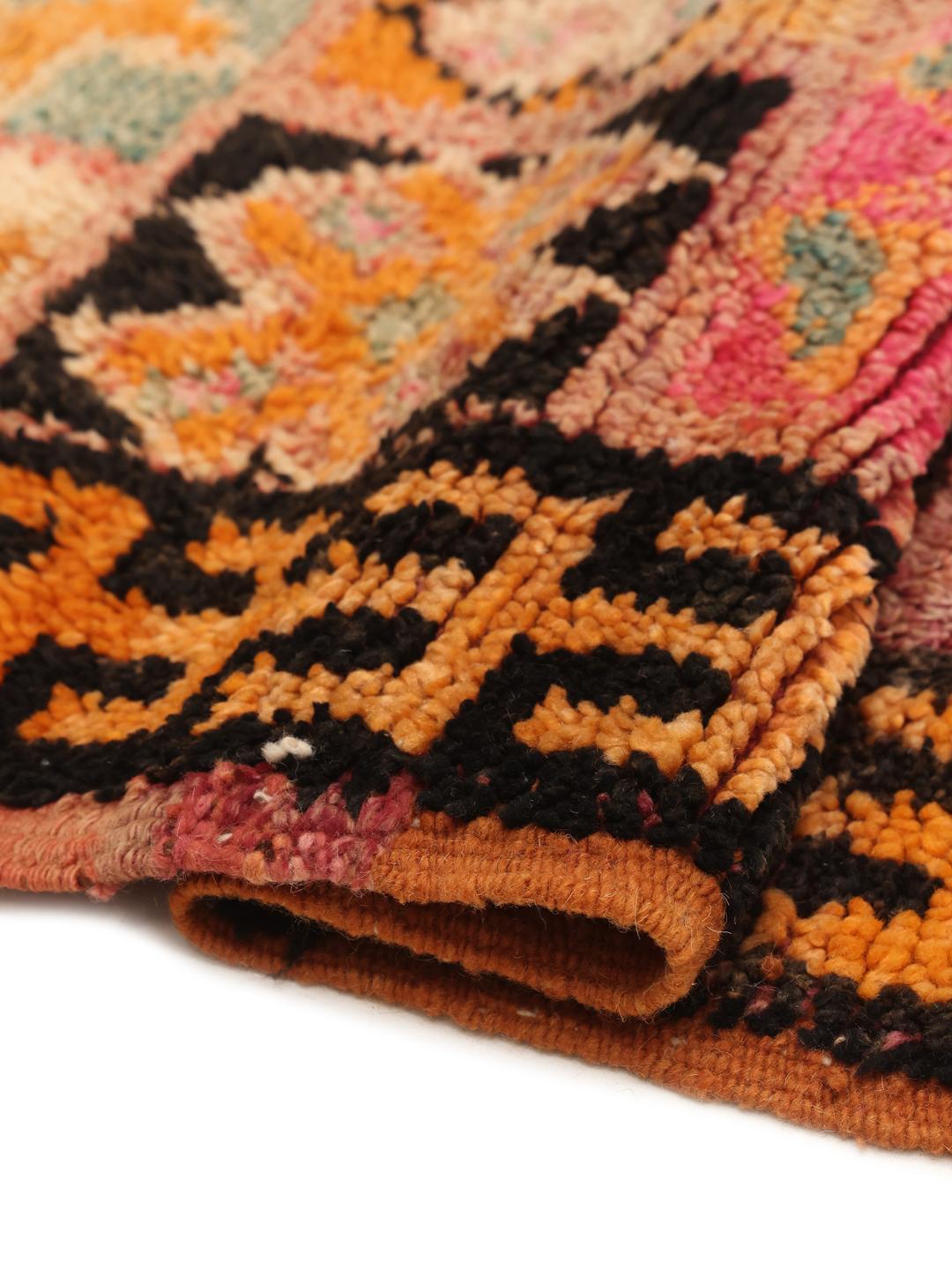
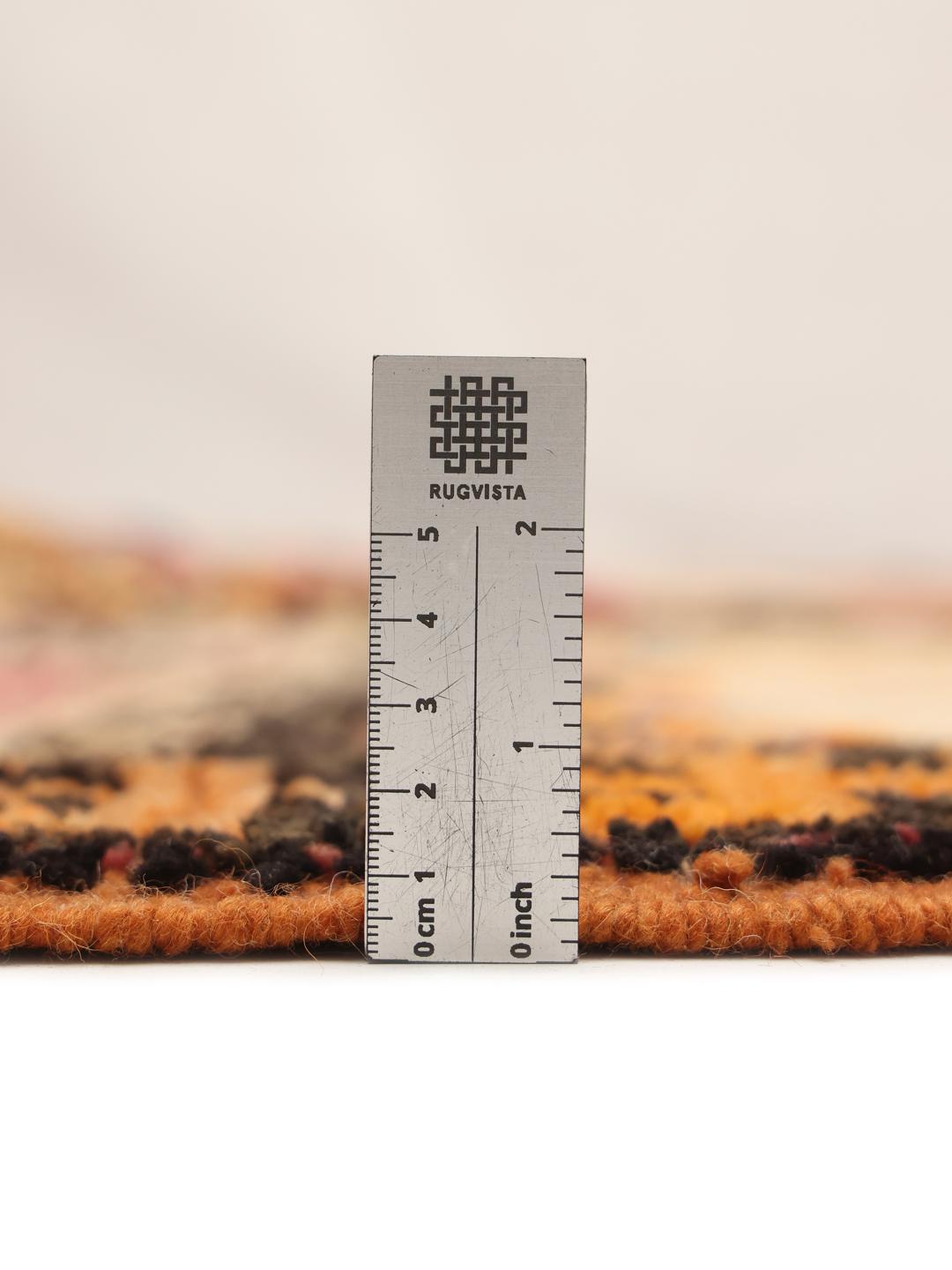
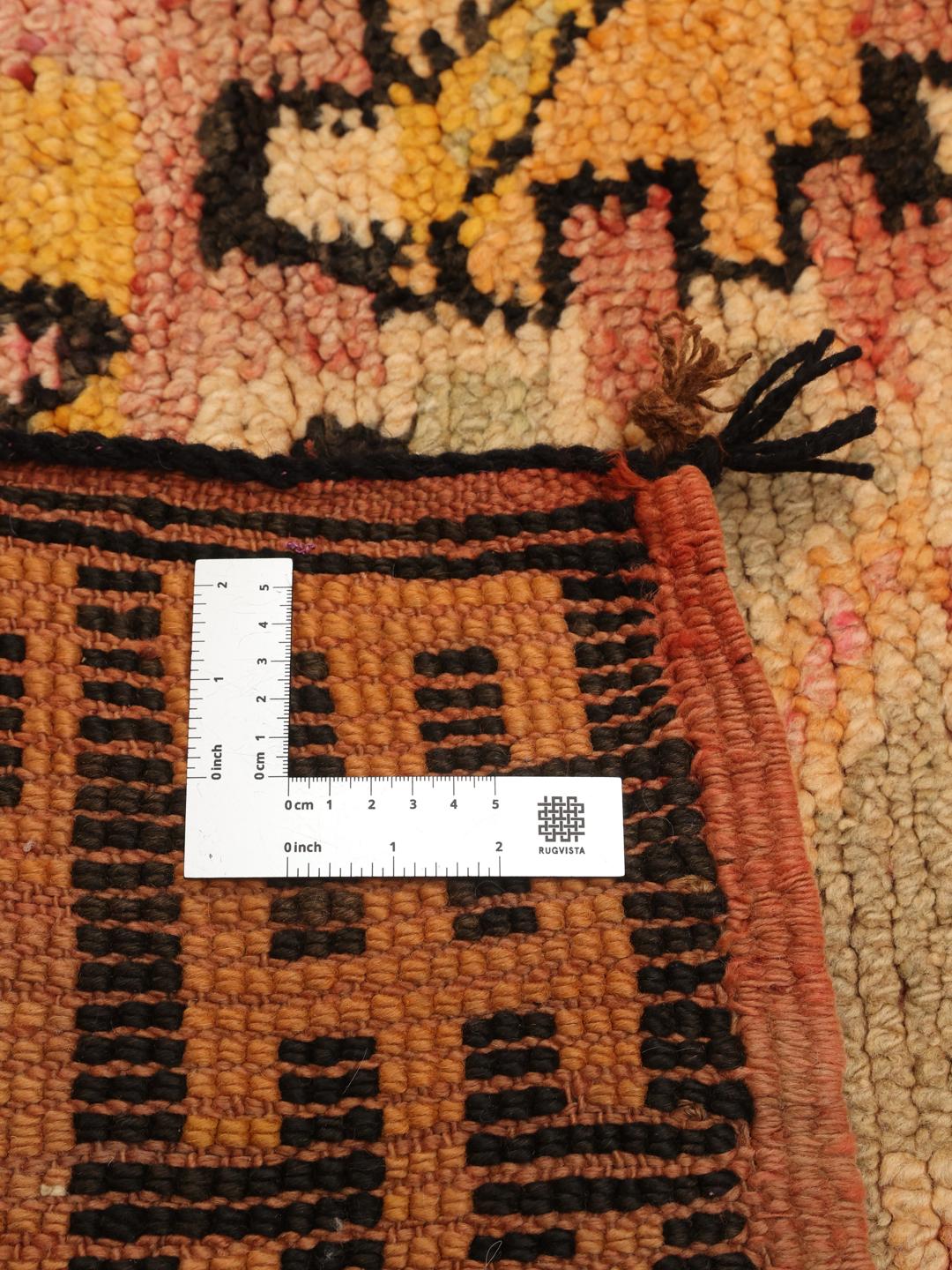
The craftsmanship behind these pieces is often defined by the use of high-quality Wool, which is carefully cleaned and spun by hand. This natural material is prized for its longevity and its ability to age gracefully. When we speak of the quality of these rugs, we are referring to the intentionality of the weave, which creates a durable, thick pile that is synonymous with the heritage of the region.
Visually, these rugs are defined by their bold geometric language. While many associate the region with ivory and black designs, the artistic tradition also embraces vibrant, expressive palettes. The motifs—often diamonds, zig-zags, and stylized tribal symbols—are not just patterns but often carry personal or protective meanings for the weaver, telling stories of the land and the household.
Collectors value these pieces for their authenticity and the cultural weight they carry. To own a vintage Berber rug is to hold a piece of Moroccan history that has been lived with and cherished. It represents a bridge between the ancient traditions of the Atlas Mountains and the modern home, offering an enduring sense of place and artistry.