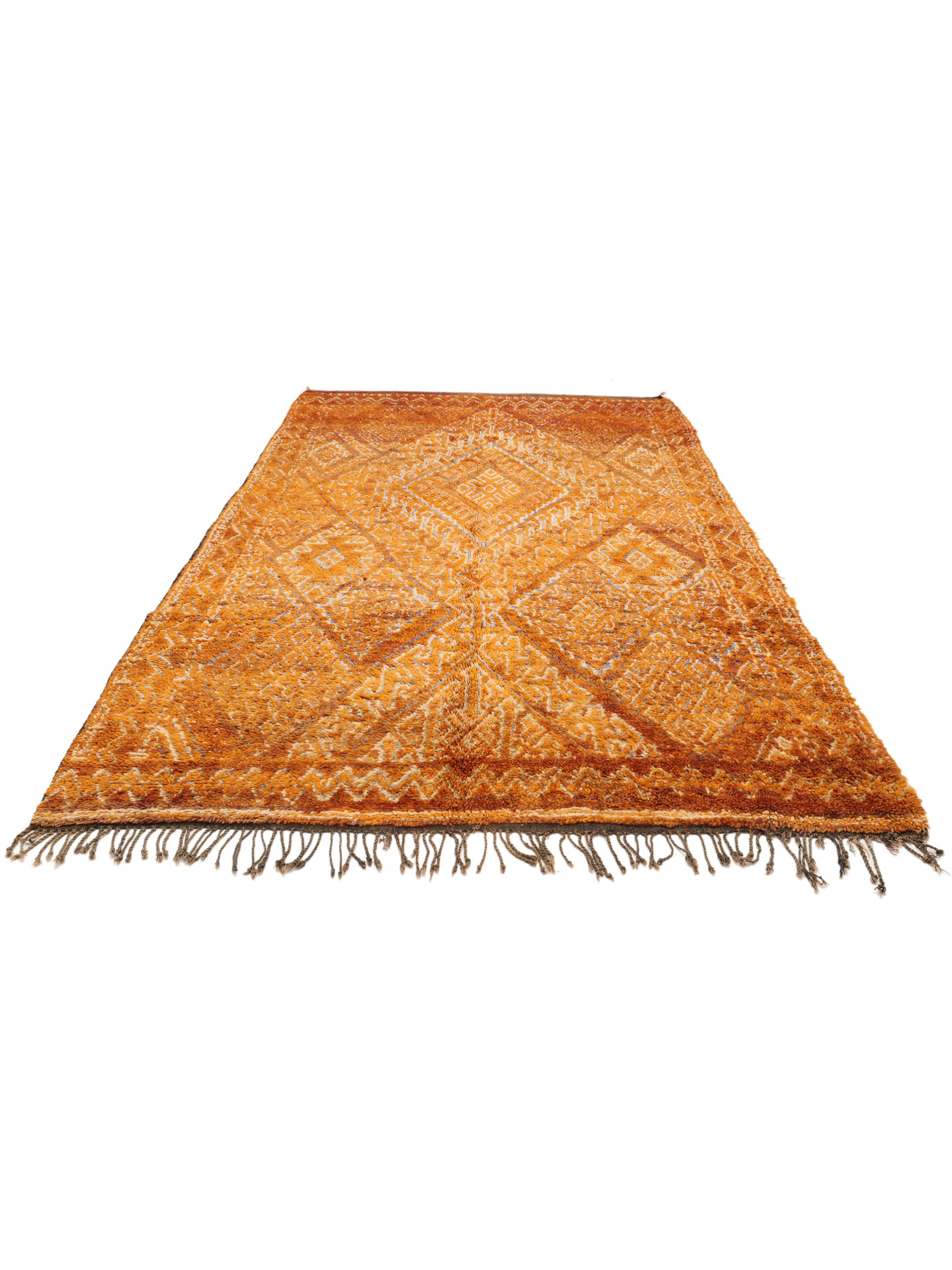
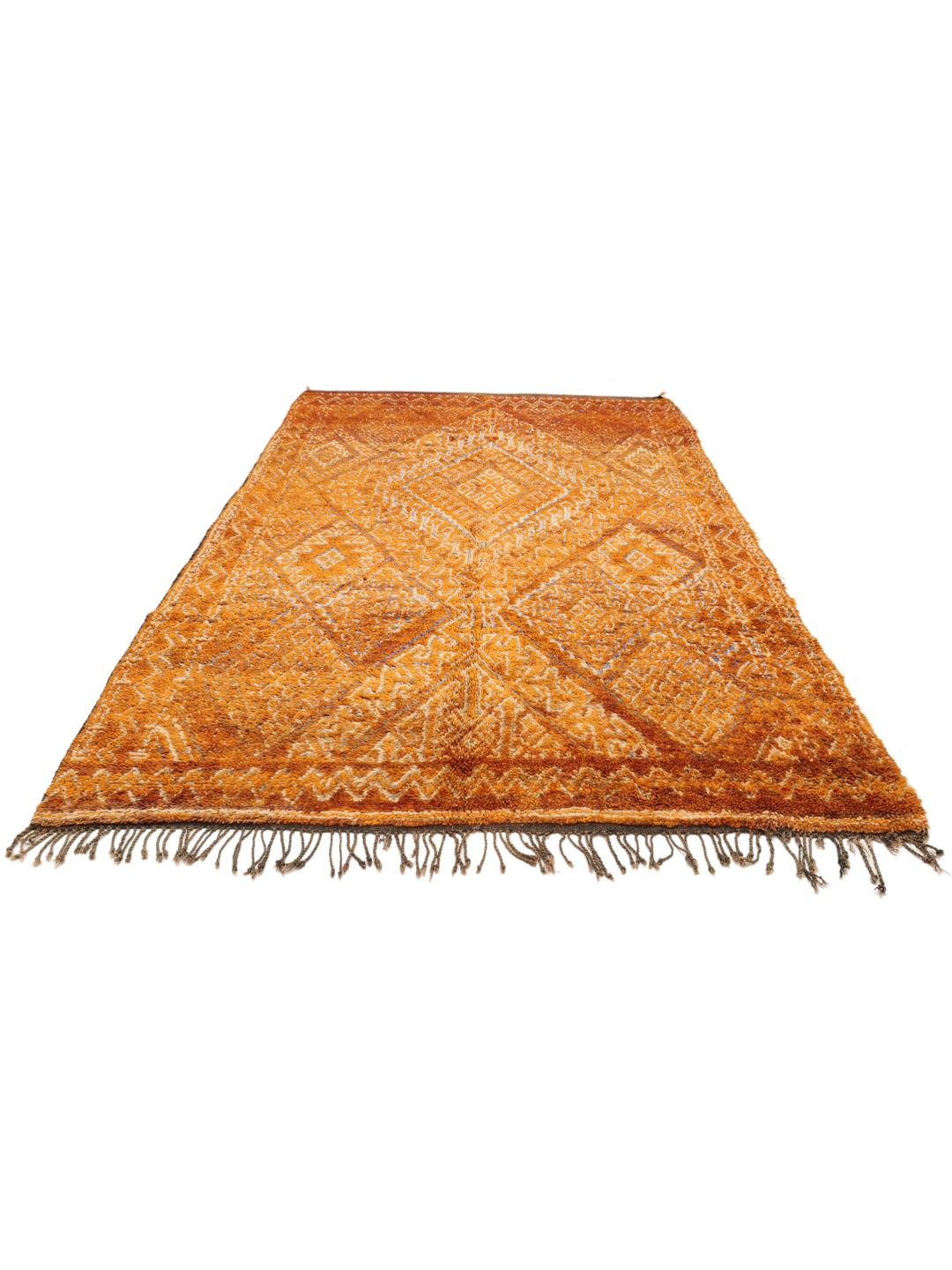
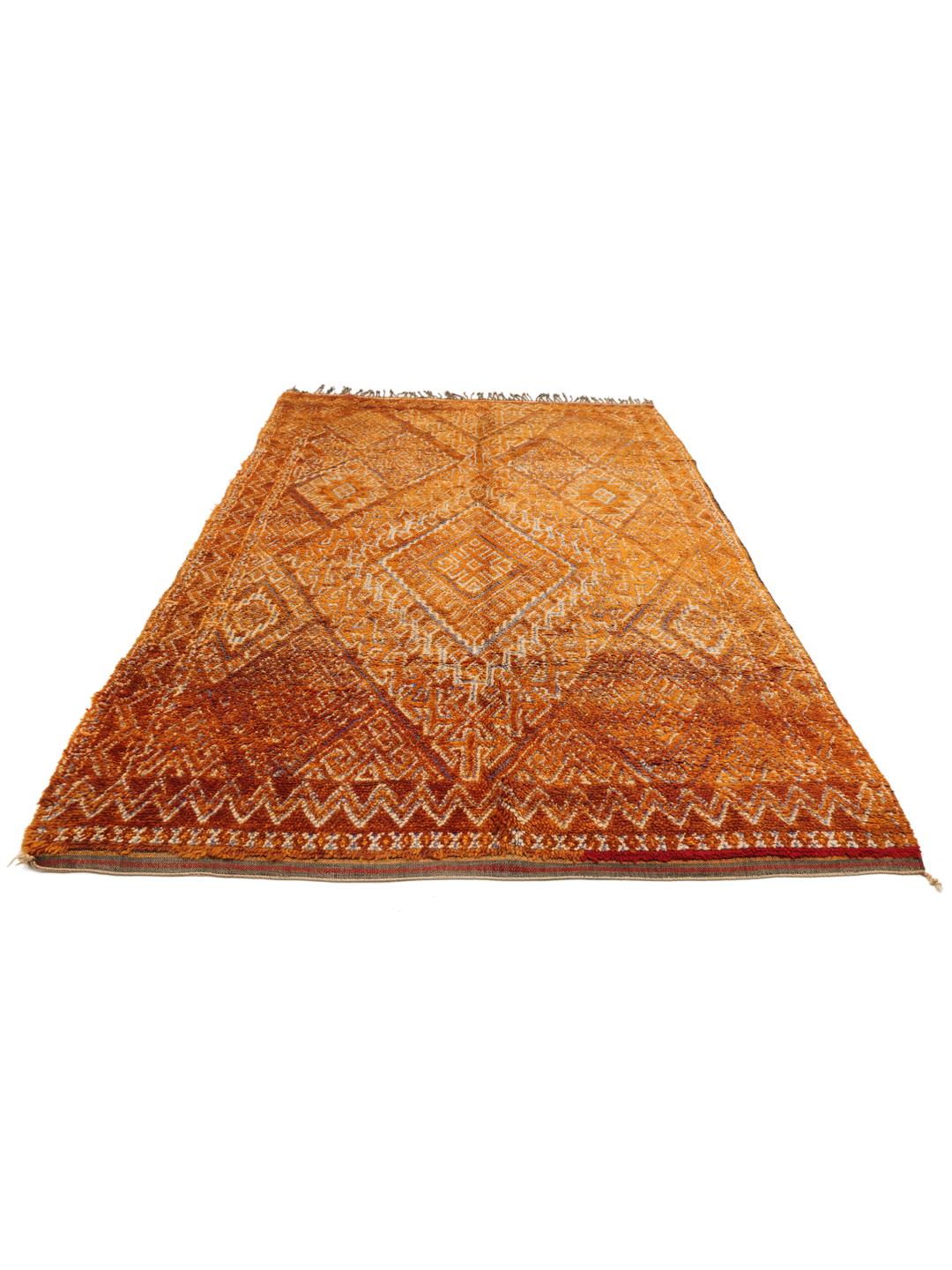
Berber rugs originate from the indigenous tribes of the Atlas Mountains in Morocco, where they have been woven for centuries for both practical and ceremonial use. Traditionally, these textiles were created by women in the household, who incorporated symbolic motifs that reflected their personal stories, local legends, and the surrounding natural environment. This rich cultural heritage has evolved over time, yet the essential spirit of the craft remains deeply connected to the mountain landscape.
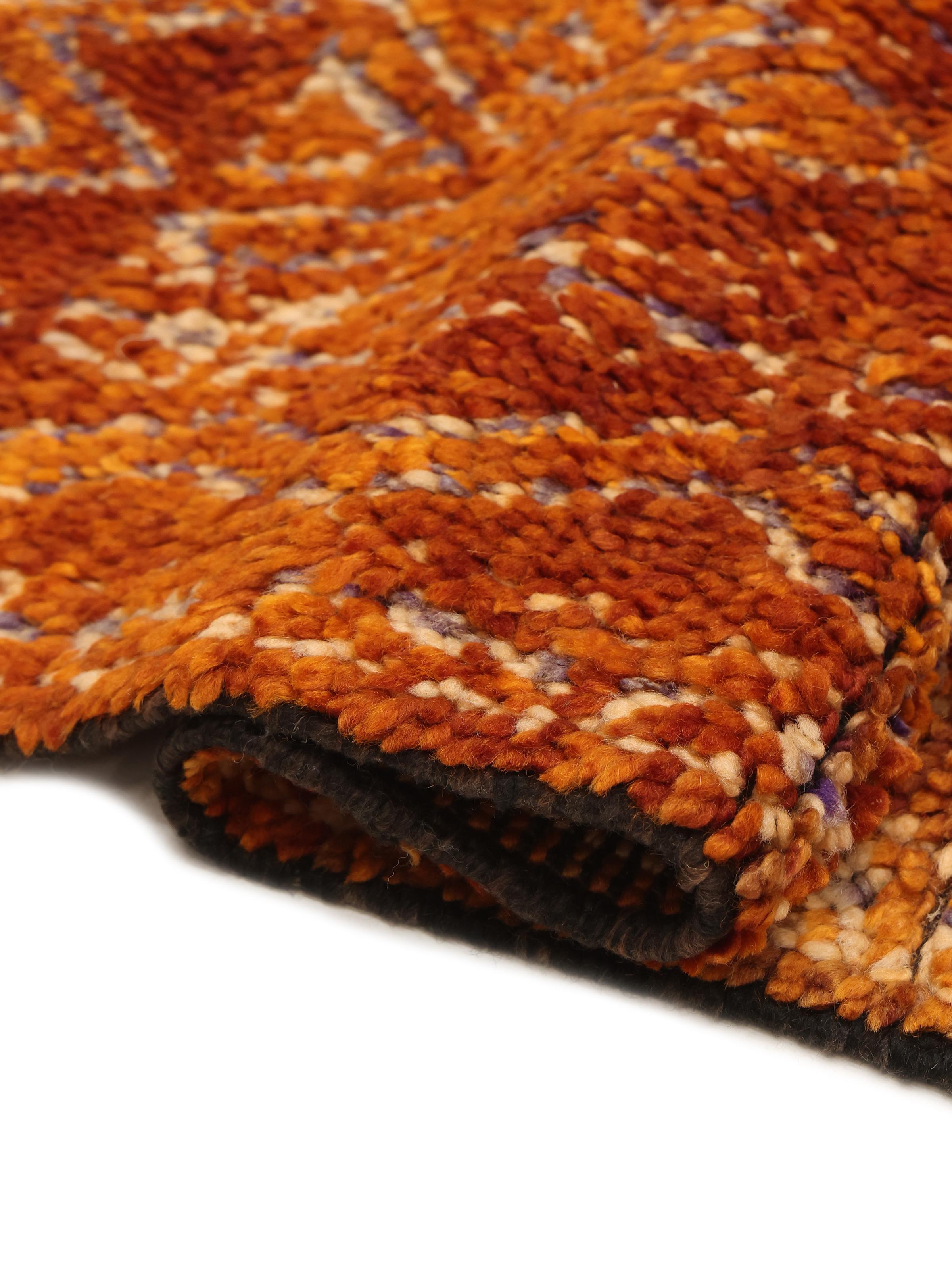
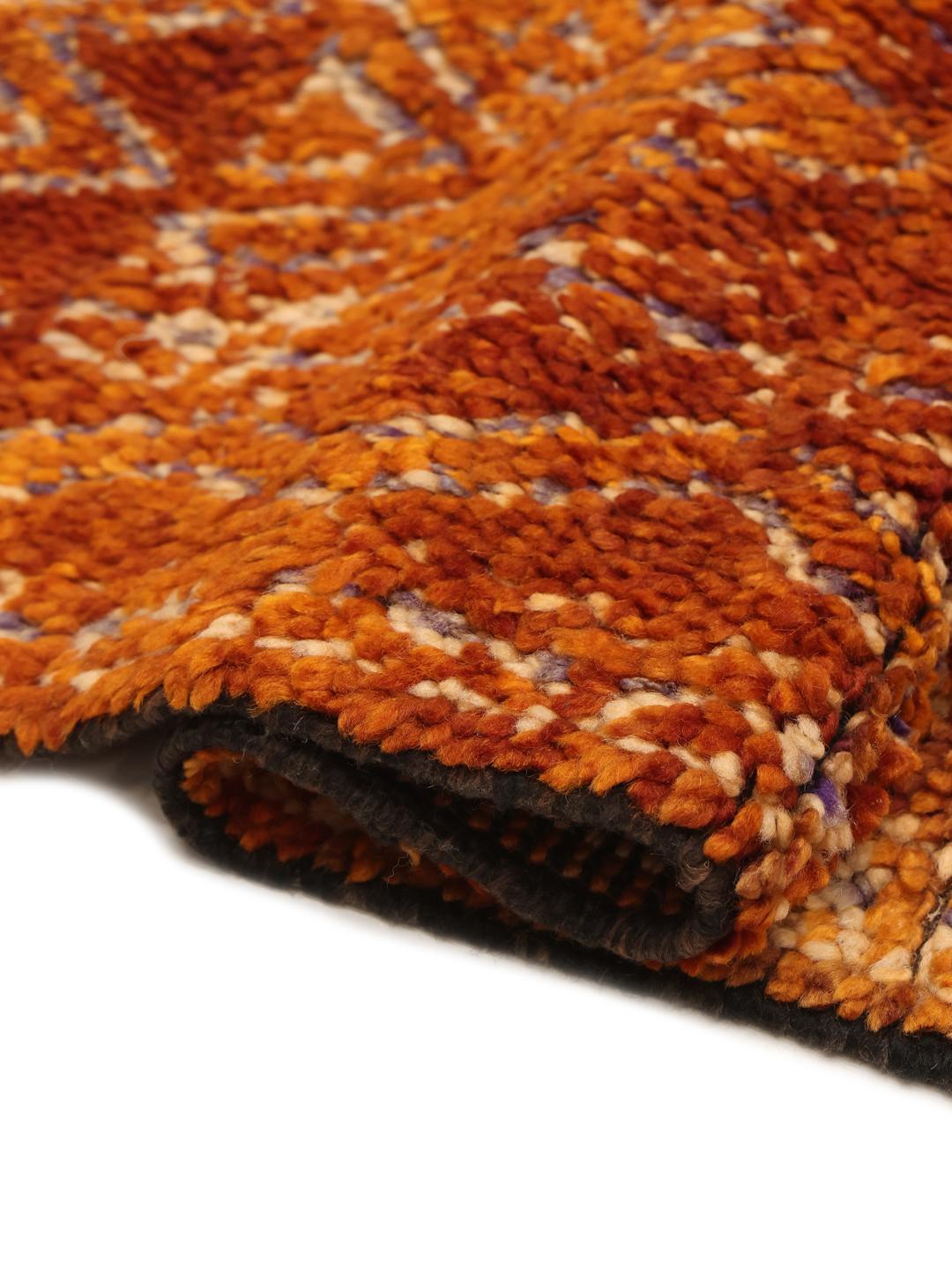
The terminology surrounding these rugs often centres on the specific tribal groups, such as the Beni Ourain, who are renowned for their high-quality wool and distinctive aesthetic. The term 'vintage' indicates a piece that has been part of a home for decades, allowing the natural wool to mature and soften. This aging process is highly valued by collectors, as it adds a unique patina and a sense of history that cannot be artificially recreated.
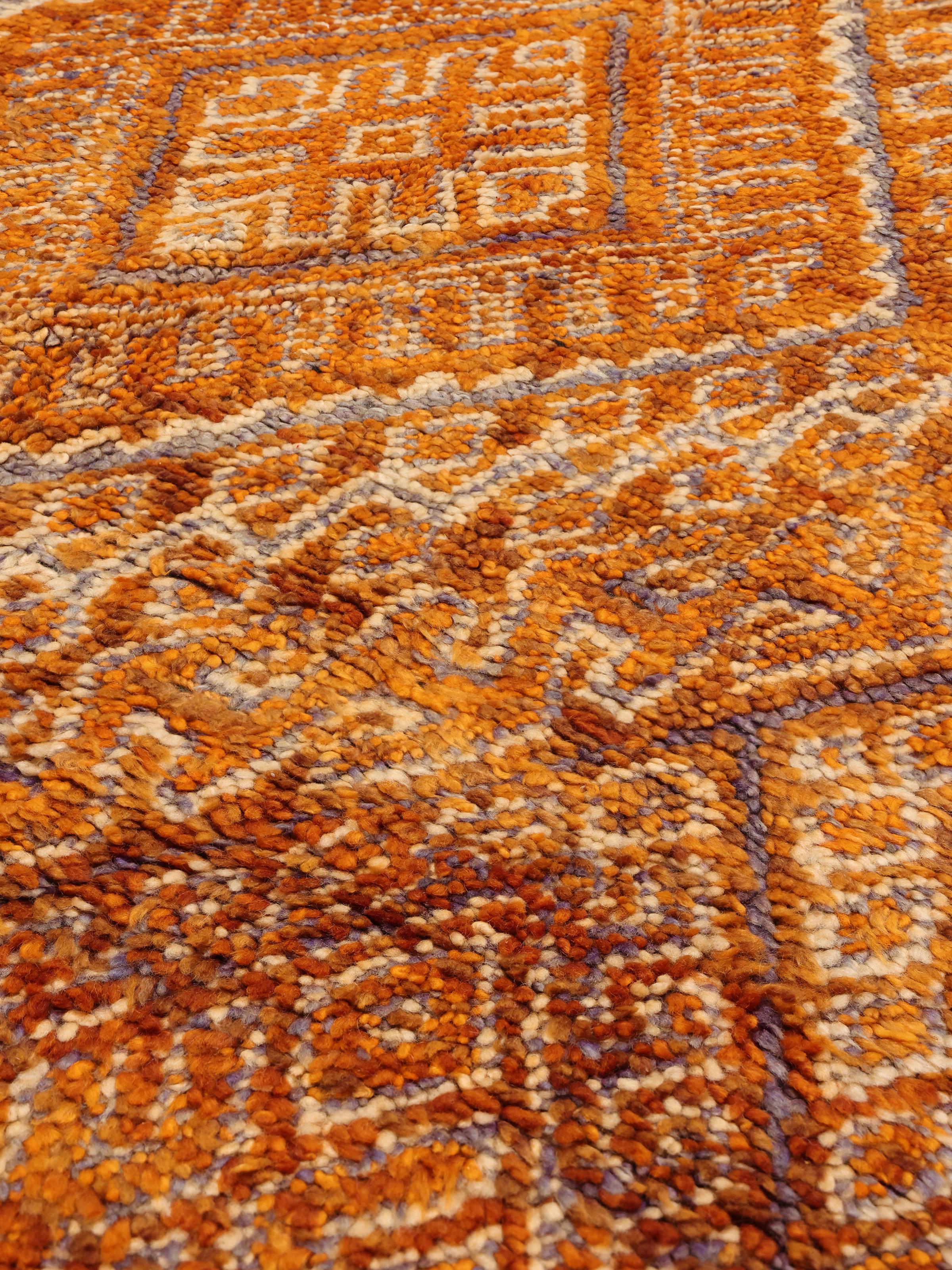
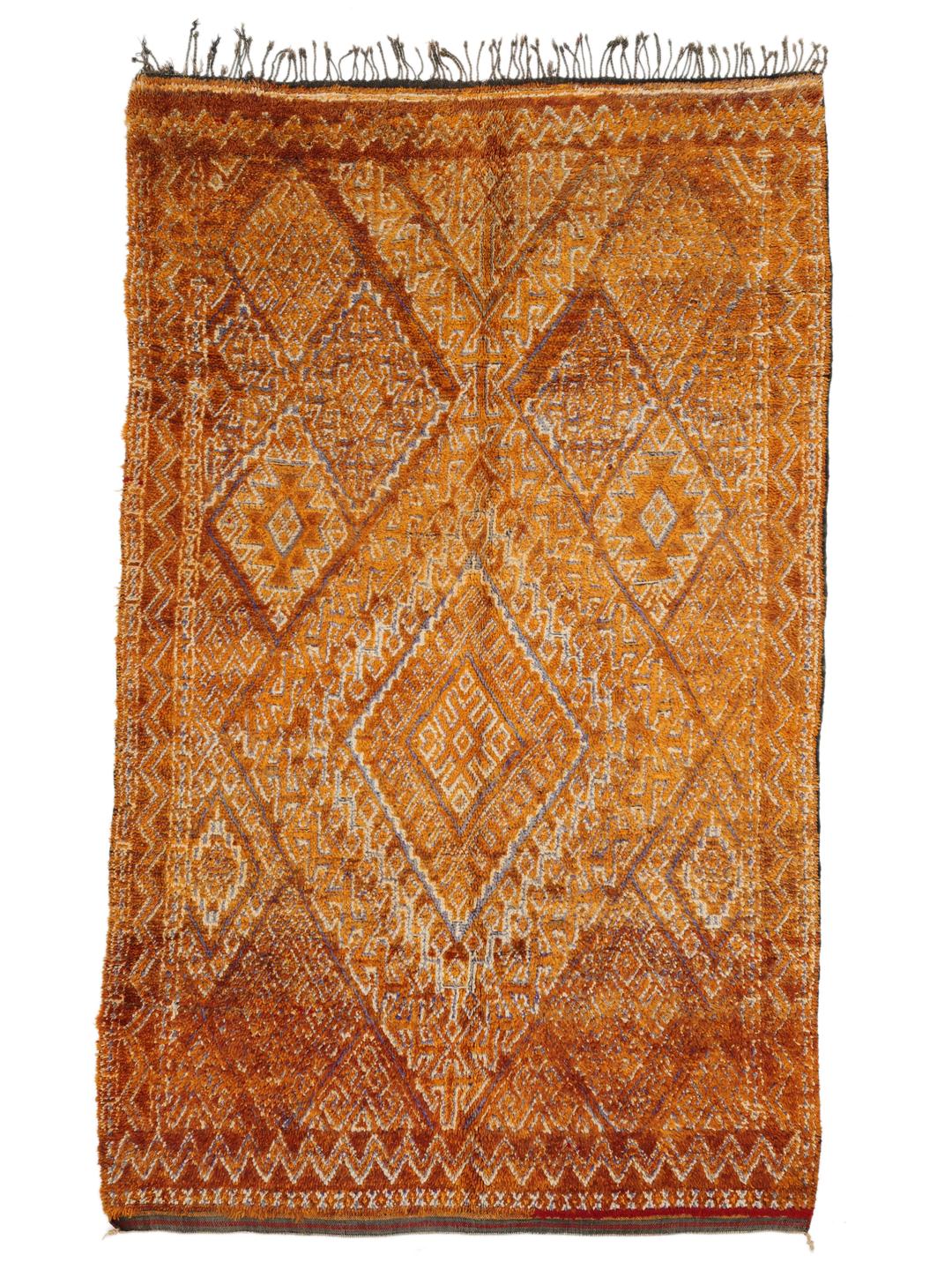
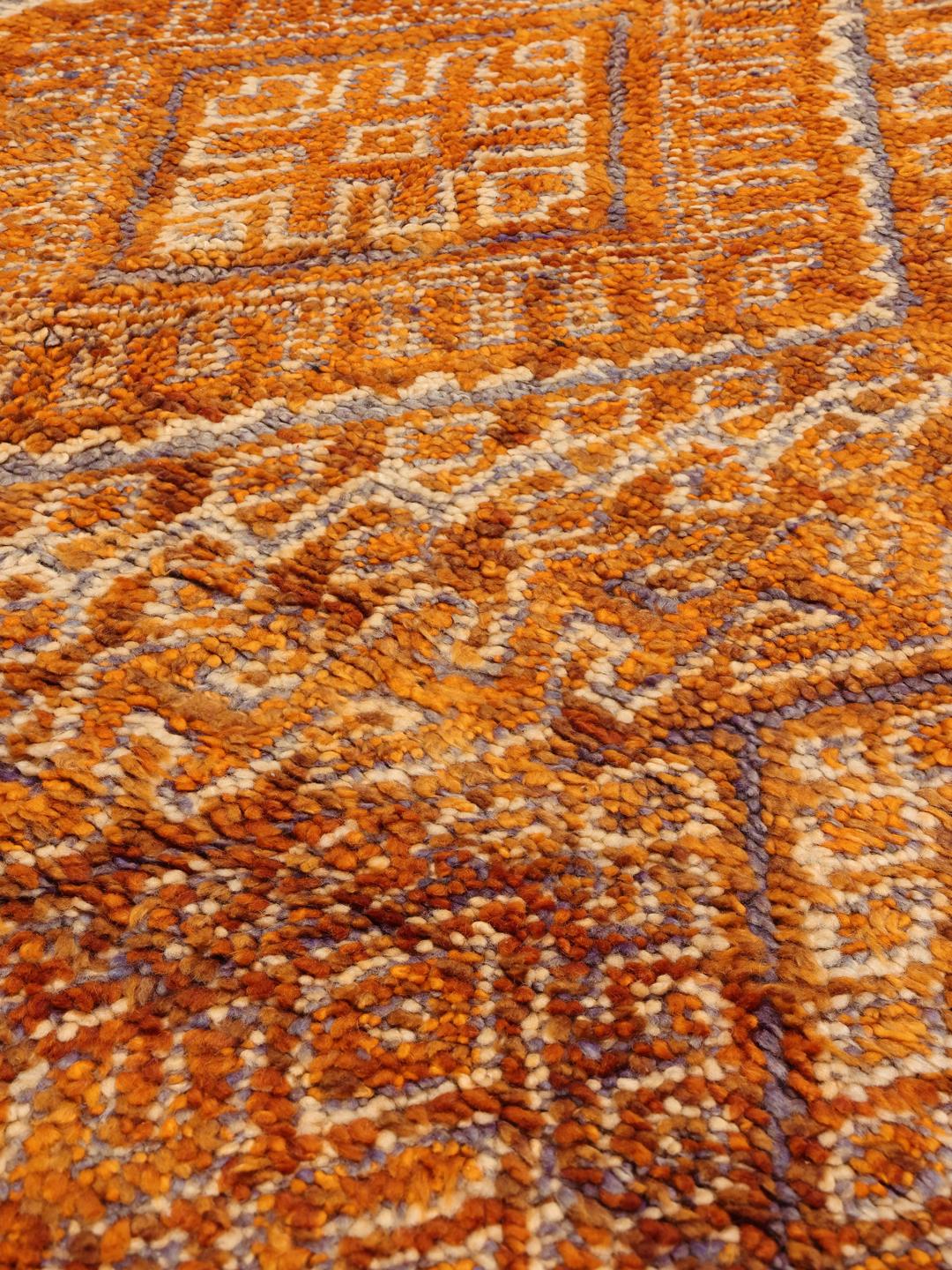
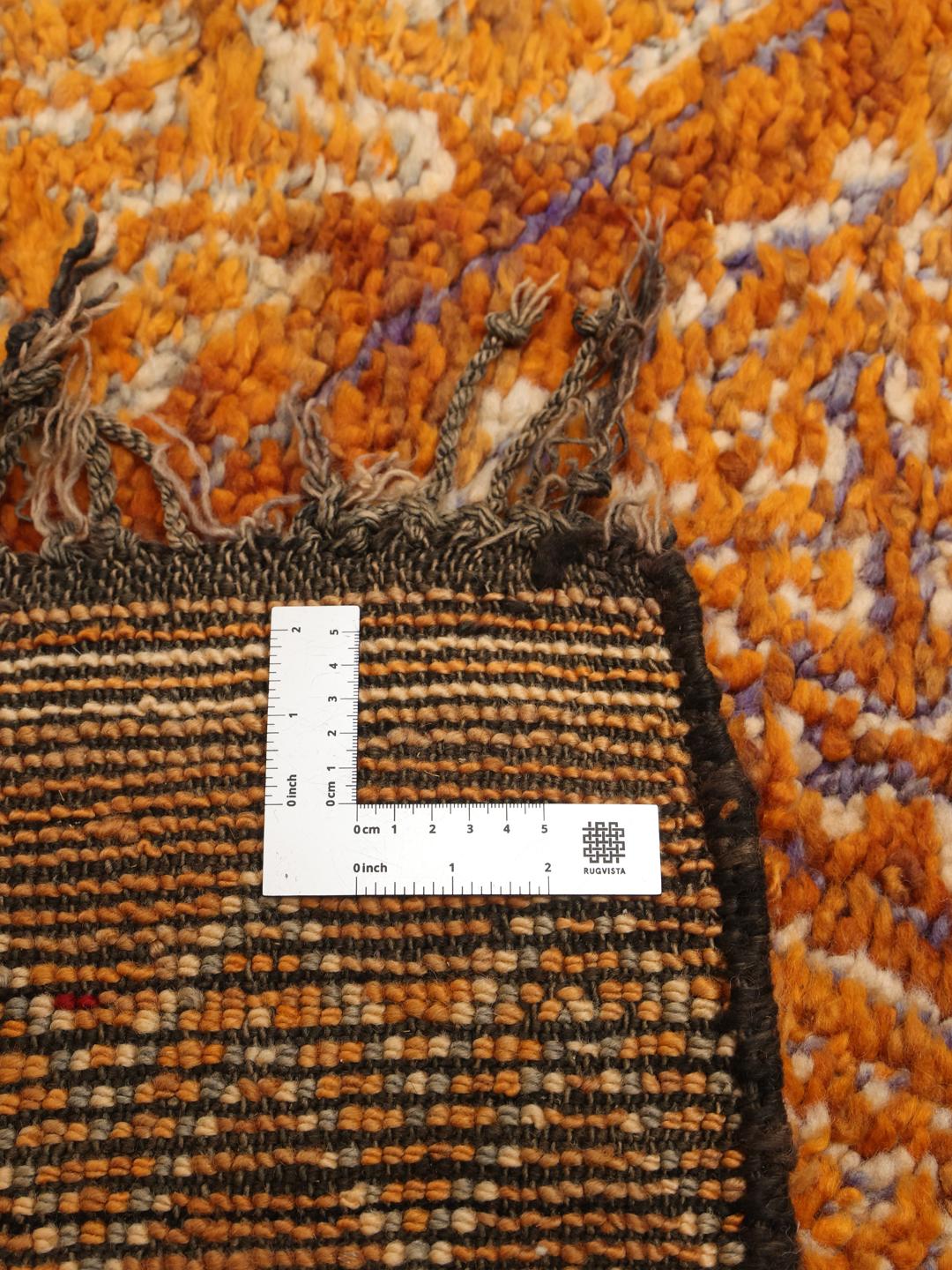
Visually, these rugs are defined by a language of geometric abstraction. The diamond motif, often seen in various scales, is believed to offer protection and fertility, serving as a signature element of the tradition. While many classic examples feature a neutral palette, the use of rich, earth-toned dyes reflects the vibrant landscape of the region. The interplay between the bold, structured lines and the softer, organic wool creates a dynamic visual tension that is instantly recognisable.
Owning a Berber rug is an invitation to engage with a living tradition. These pieces are not merely floor coverings but are artifacts of a nomadic and semi-nomadic culture that valued utility, beauty, and storytelling. Collectors prize these rugs for their authenticity and the sheer skill required to create them, making them a meaningful addition to any home that values craftsmanship and history.