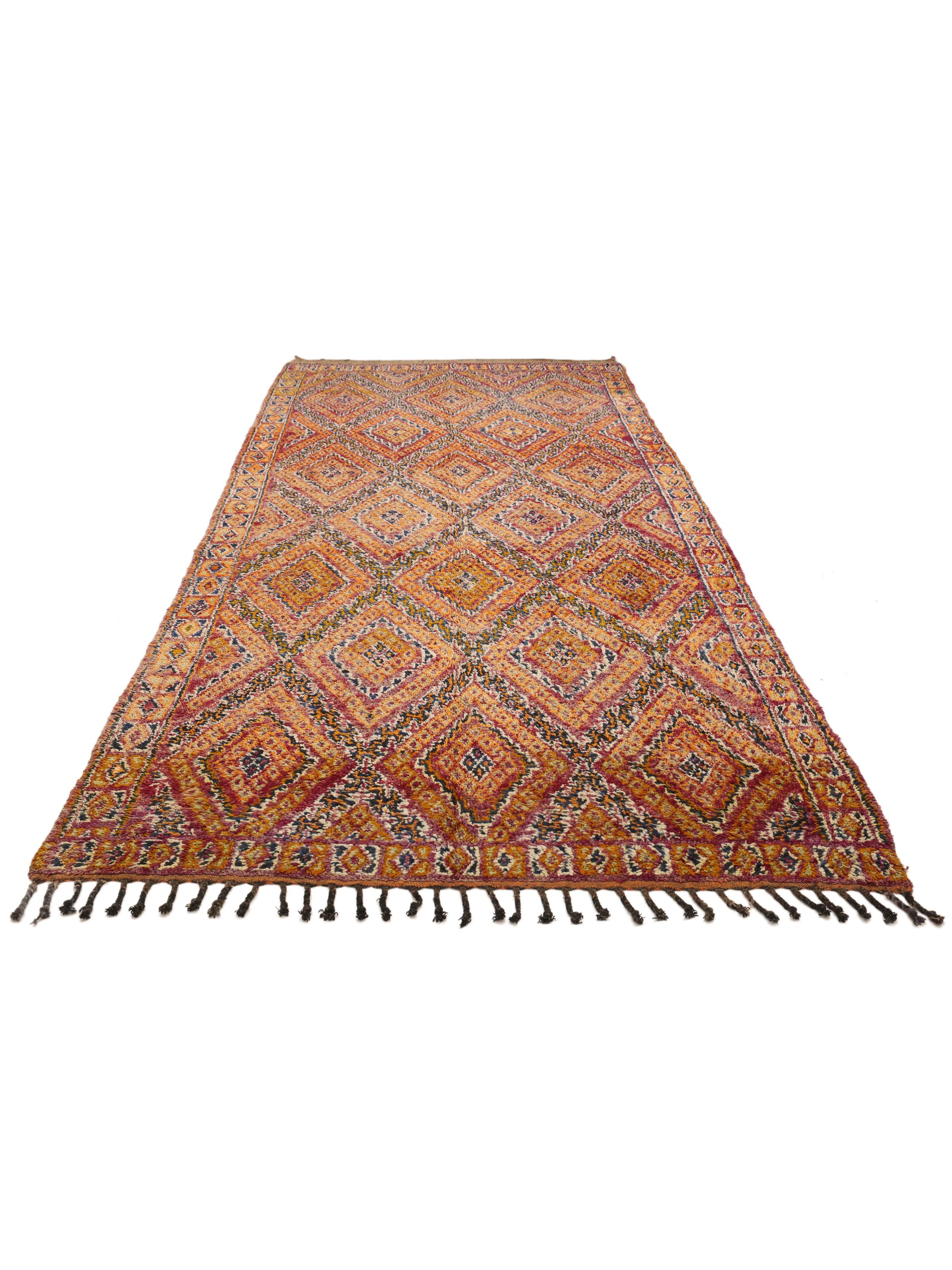
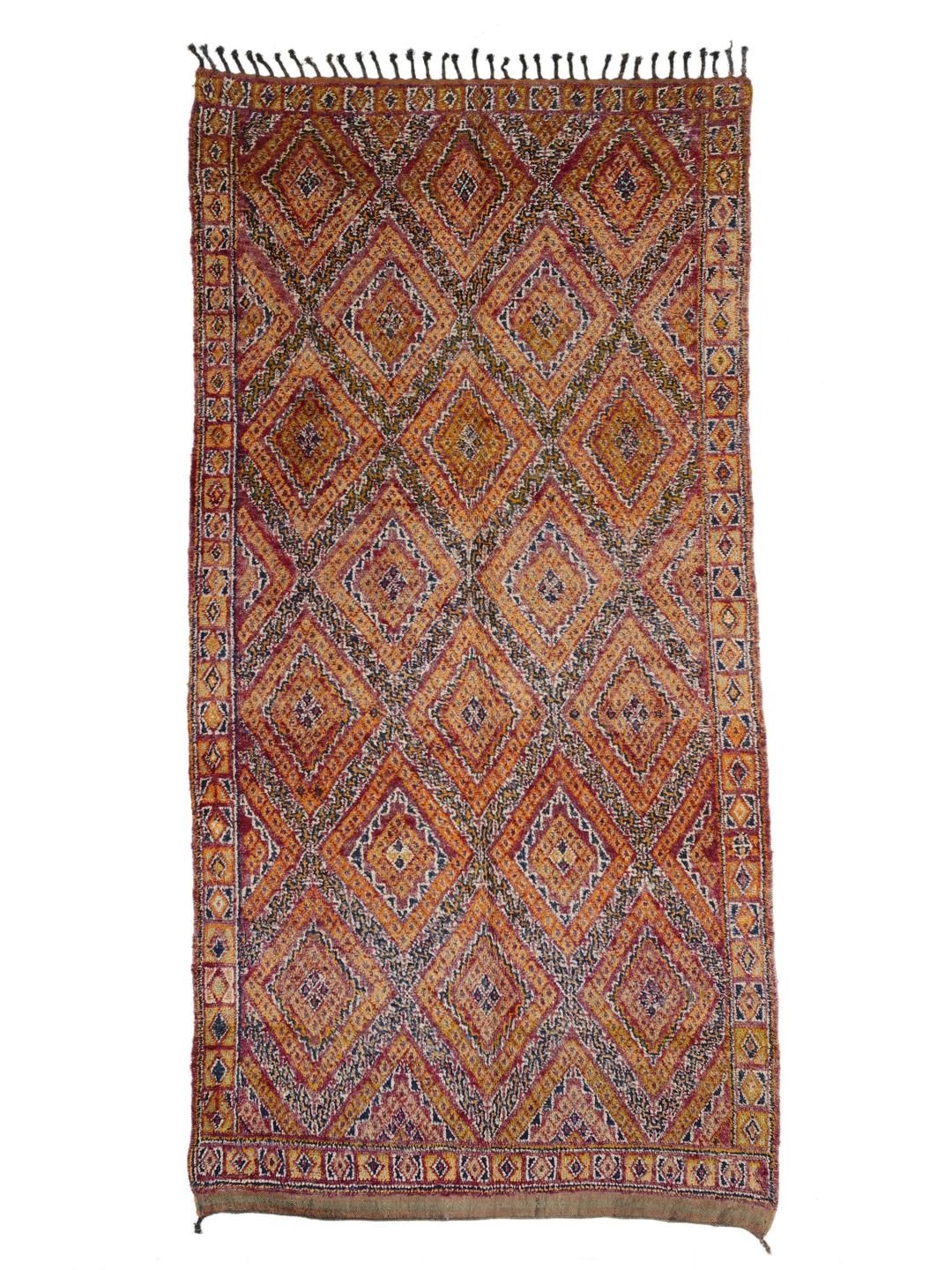
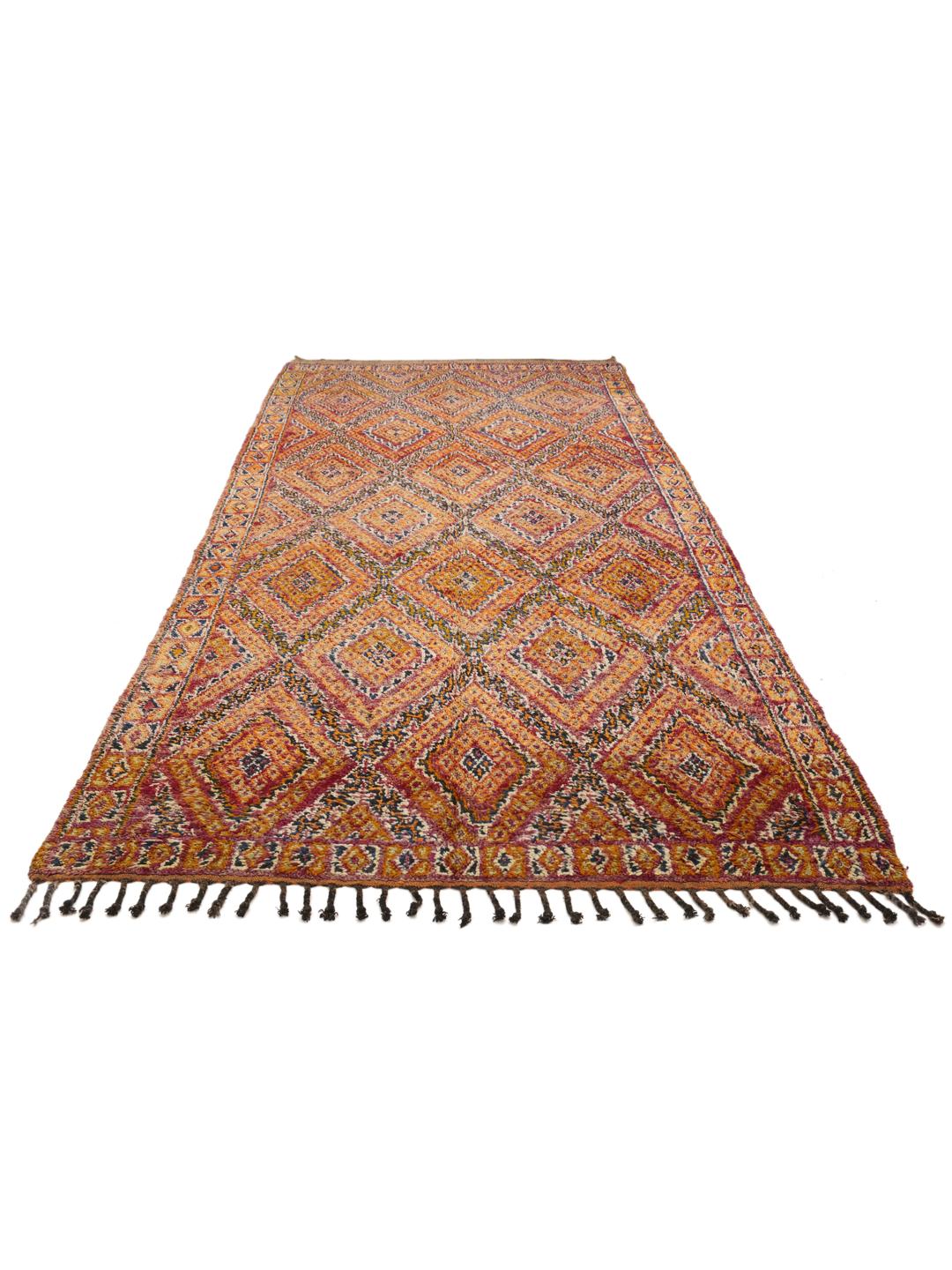
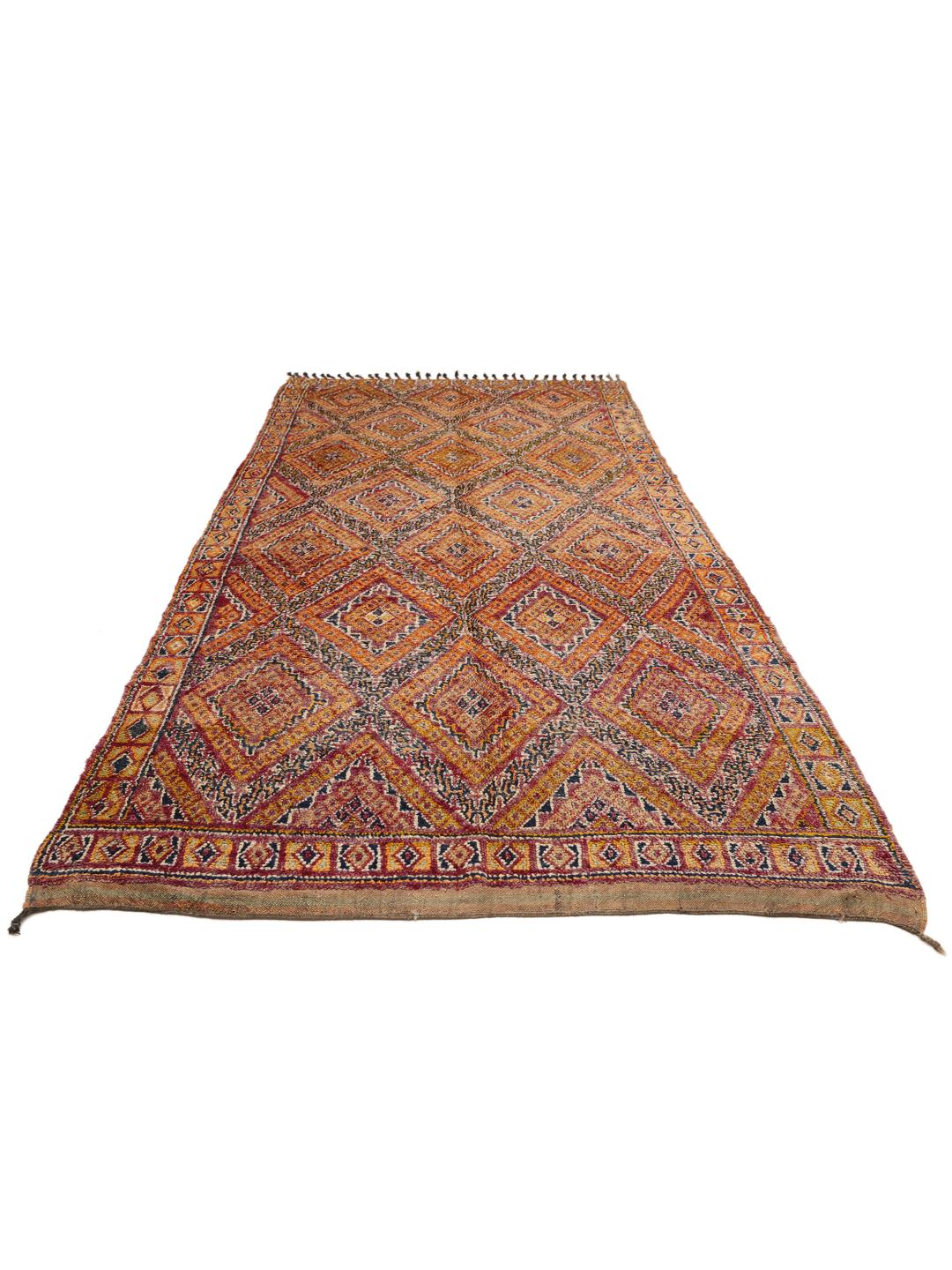
Berber rugs hail from the rugged landscapes of the Atlas Mountains in Morocco, where the indigenous Berber tribes have woven textiles for centuries. These rugs were traditionally created for domestic utility, serving as warm bedding, blankets, or floor coverings to protect against the harsh mountain climate. The designs are deeply rooted in the cultural identity of the tribes, often acting as a visual language to record personal stories, tribal affiliations, and natural symbolism.
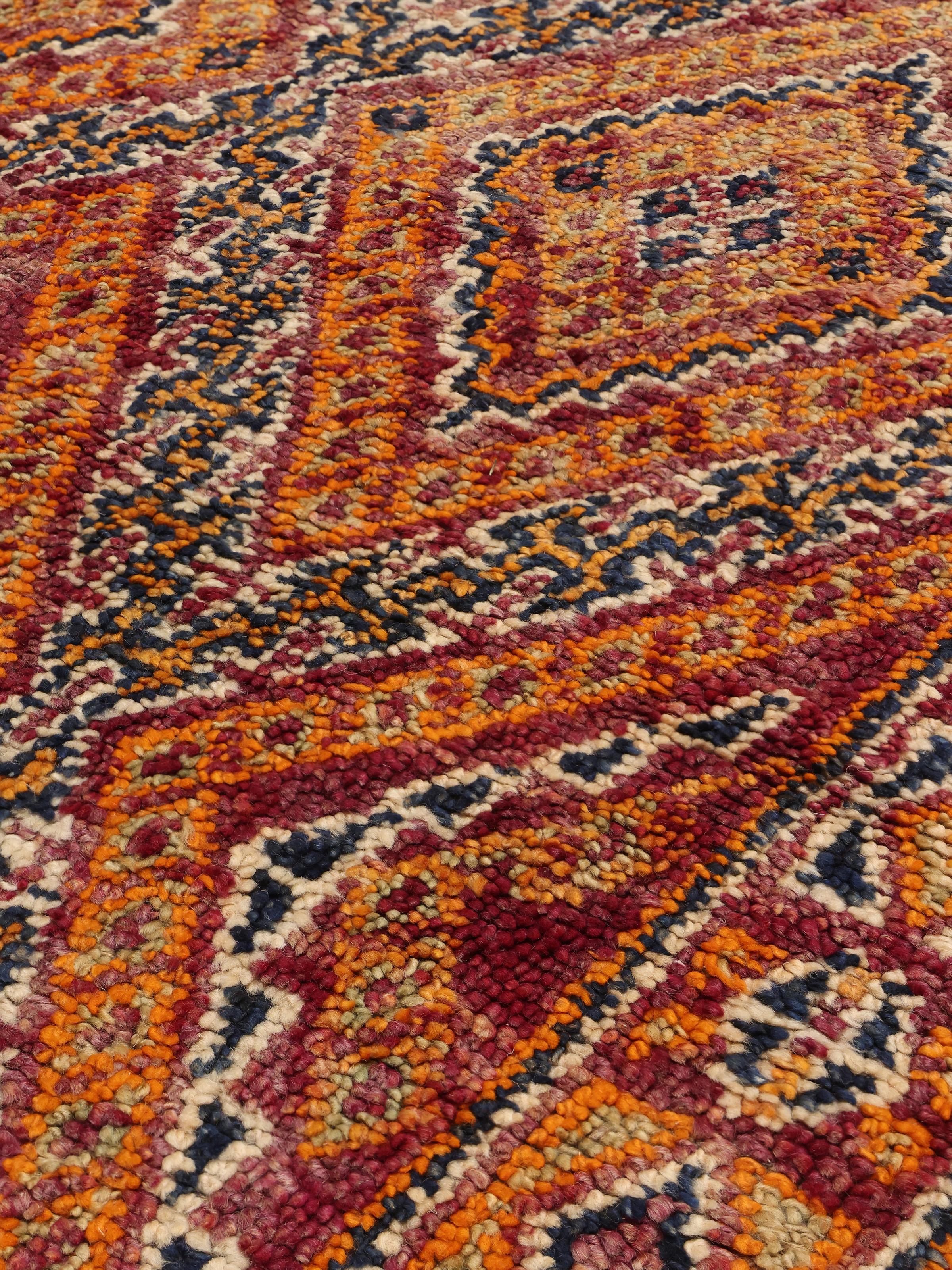
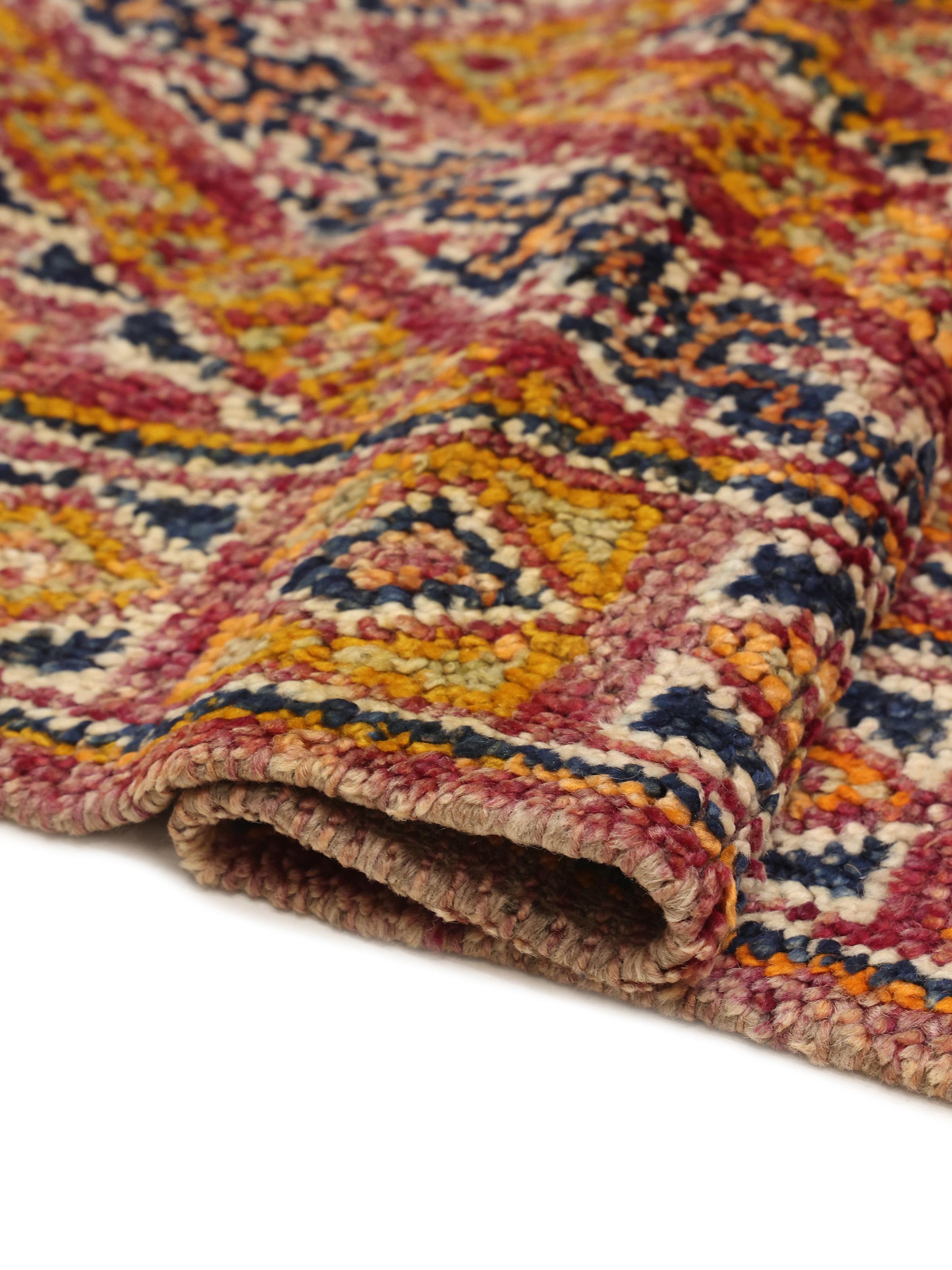
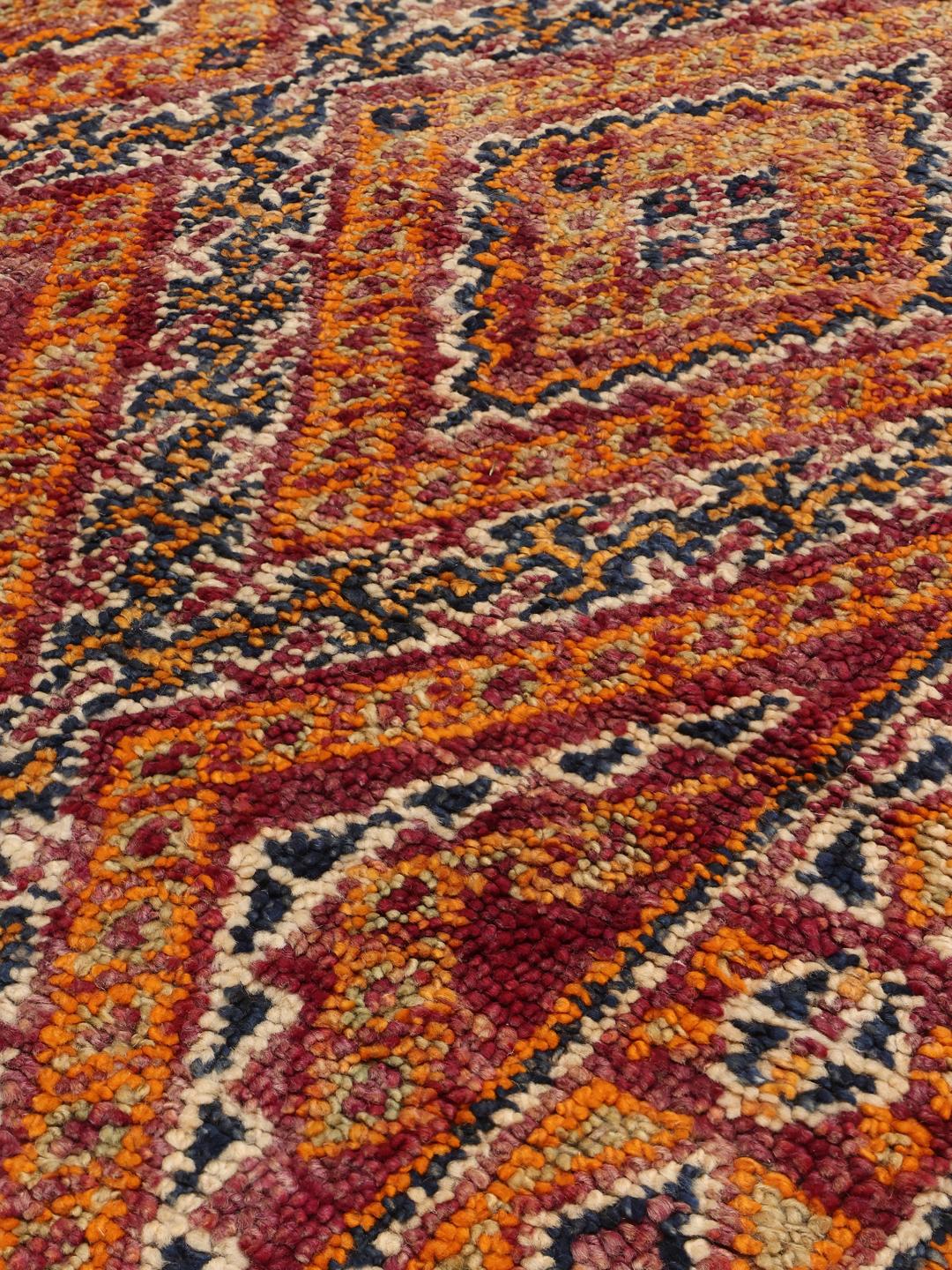
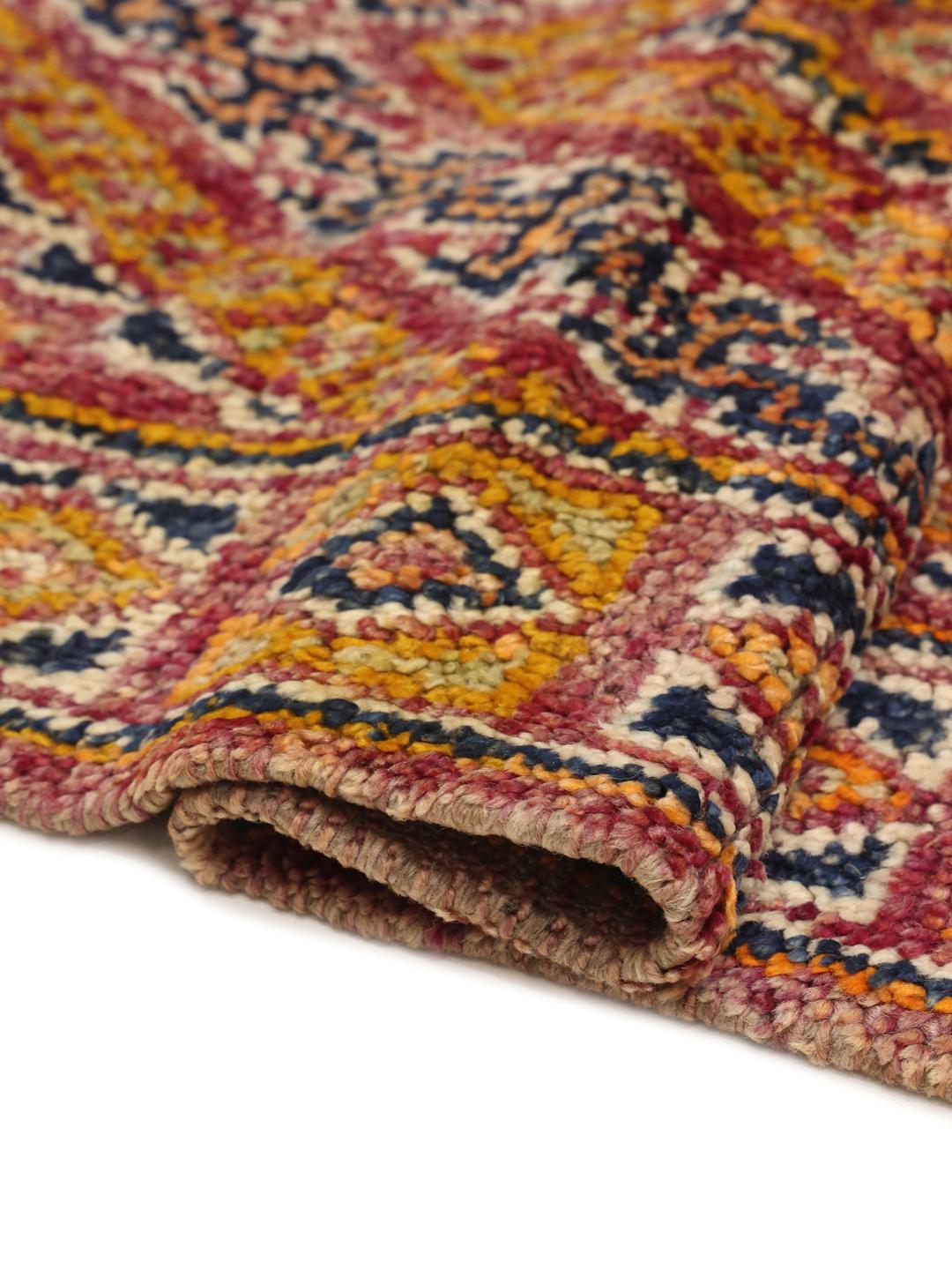
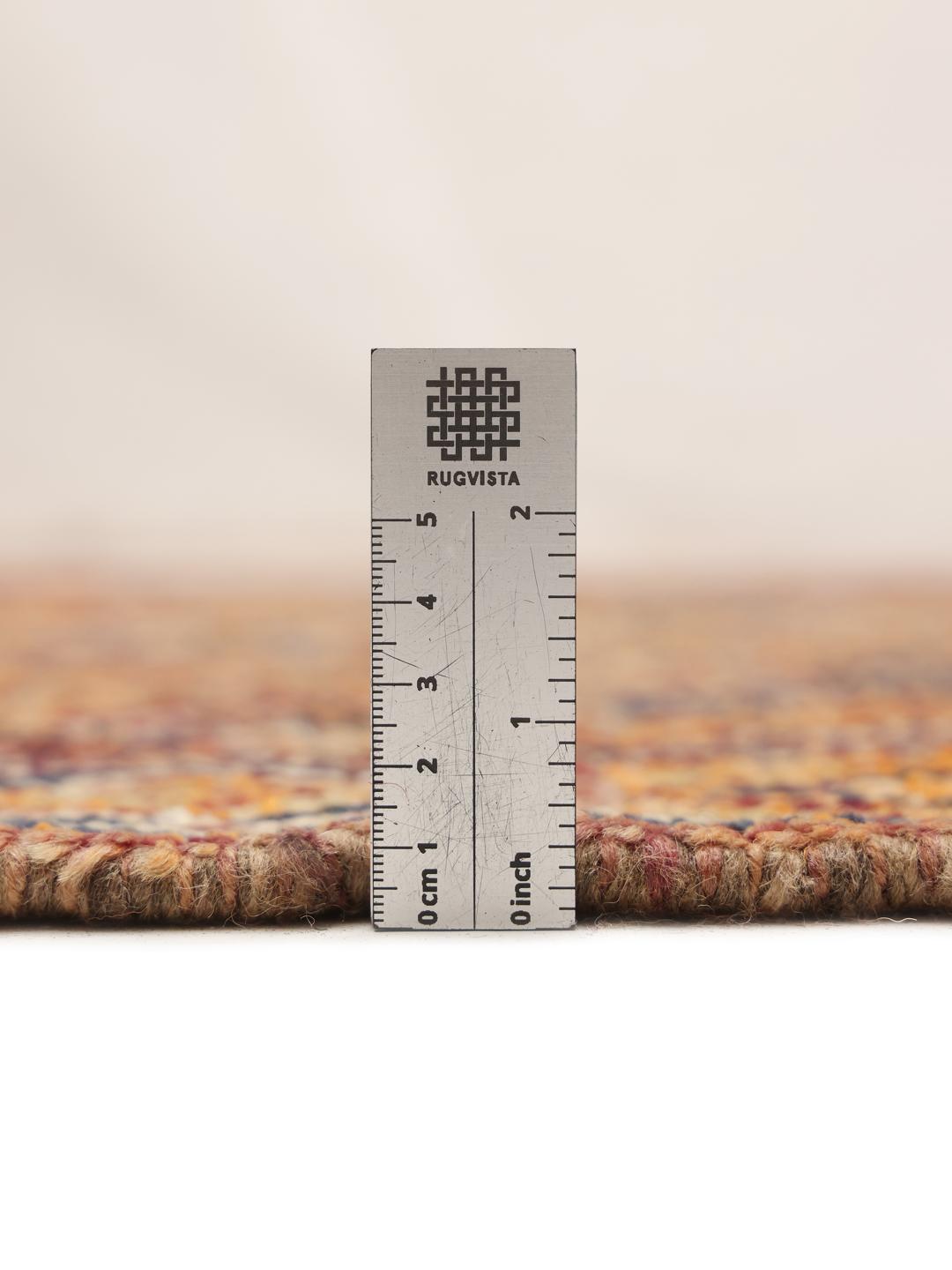
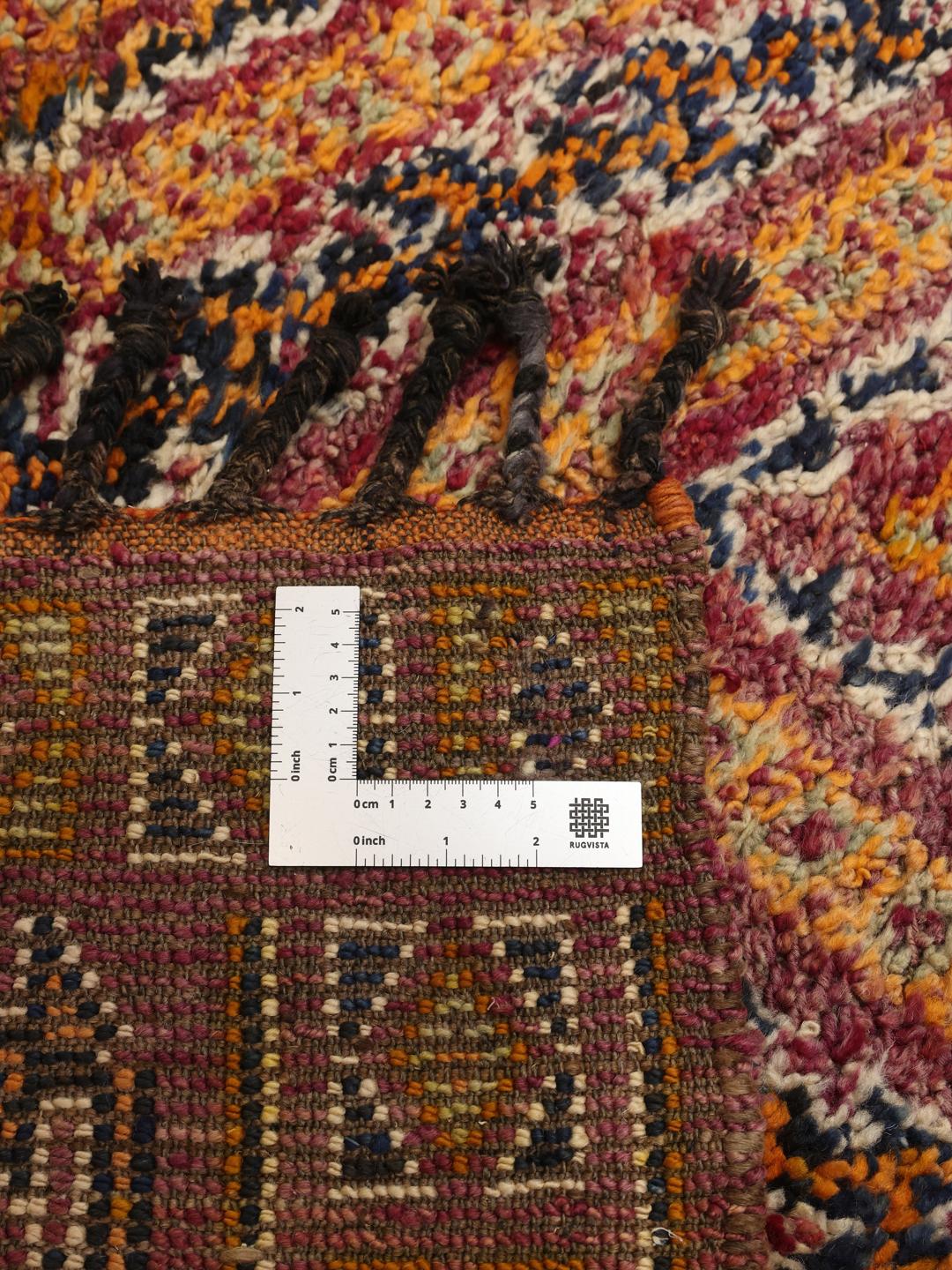
The term 'Berber' refers to the Amazigh people, and their weaving techniques are characterised by a profound connection to the raw materials available in their environment. Using Wool sourced from local sheep, the weavers create a foundation that is both resilient and soft. The traditional hand-knotted process involves a rhythmic, meditative approach where every knot is a deliberate decision, resulting in a final product that is far more durable and texturally rich than any mass-produced alternative.
Design-wise, these rugs are famous for their geometric motifs, with the diamond being a primary and highly symbolic element. While the patterns may appear simple to the untrained eye, they often represent complex themes such as fertility, protection, and the cycle of life. The use of vibrant, earthy dyes—often derived from plants, roots, and minerals—gives these rugs their characteristic warm palette, which has remained largely consistent across generations of weaving.
Owning a vintage Berber rug is an invitation to house a piece of living heritage. These items are highly sought after by collectors and interior enthusiasts alike because they embody a level of human effort and artistic freedom that is increasingly rare in the modern world. Beyond their functional role, they are celebrated for their ability to bring a grounded, human-centric aesthetic to any home, connecting the modern interior to the ancient traditions of the Moroccan highlands.