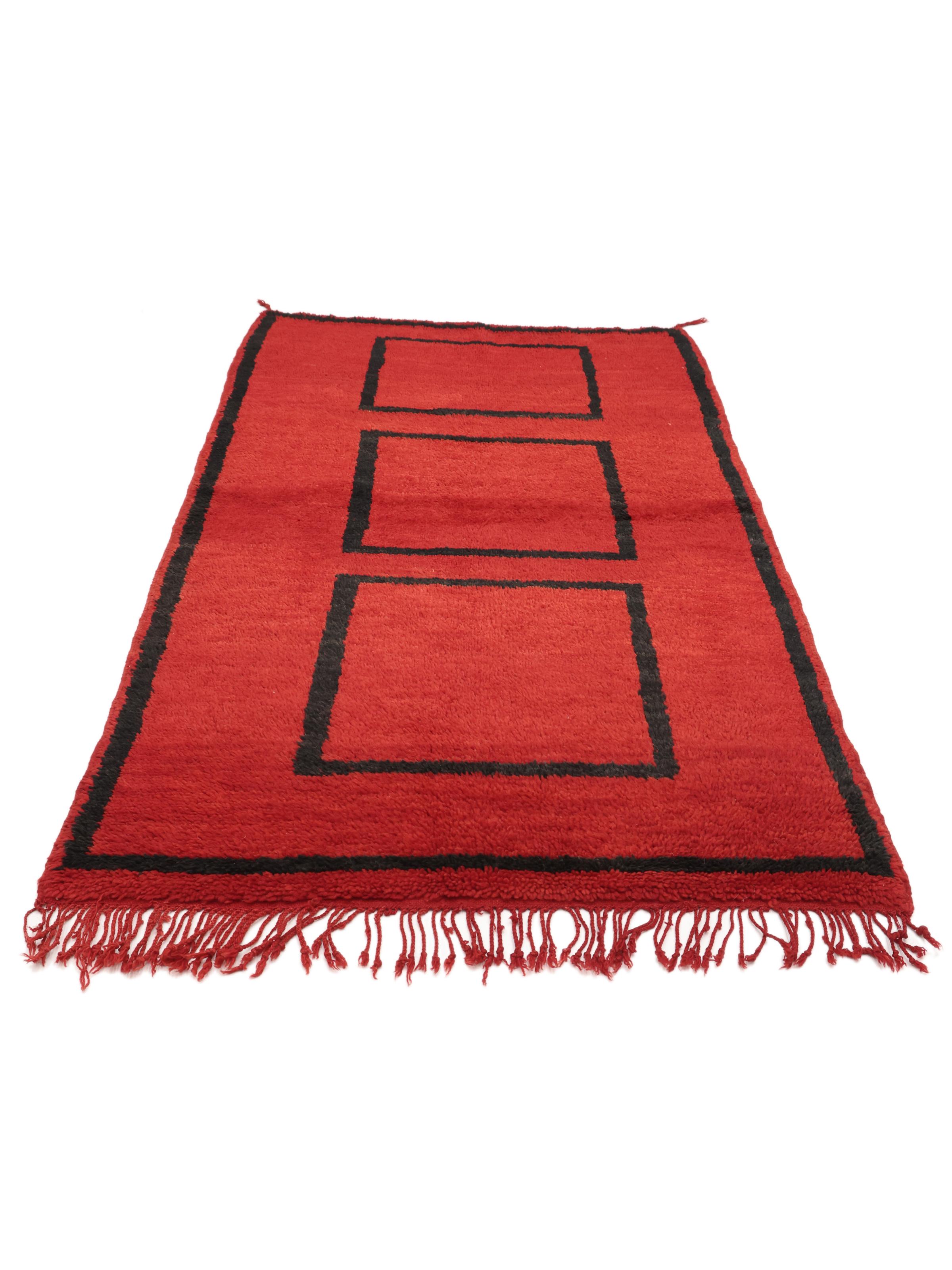
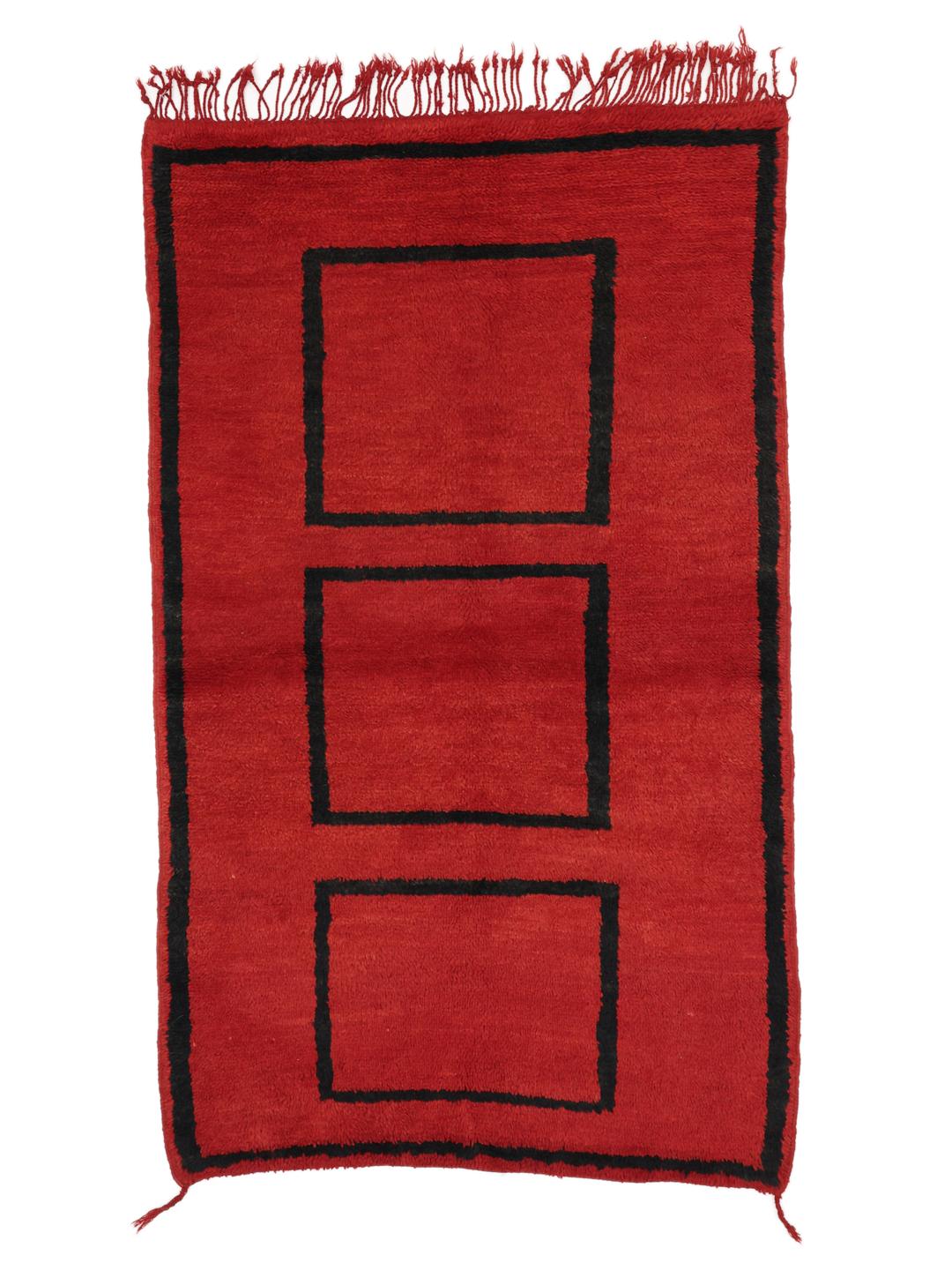
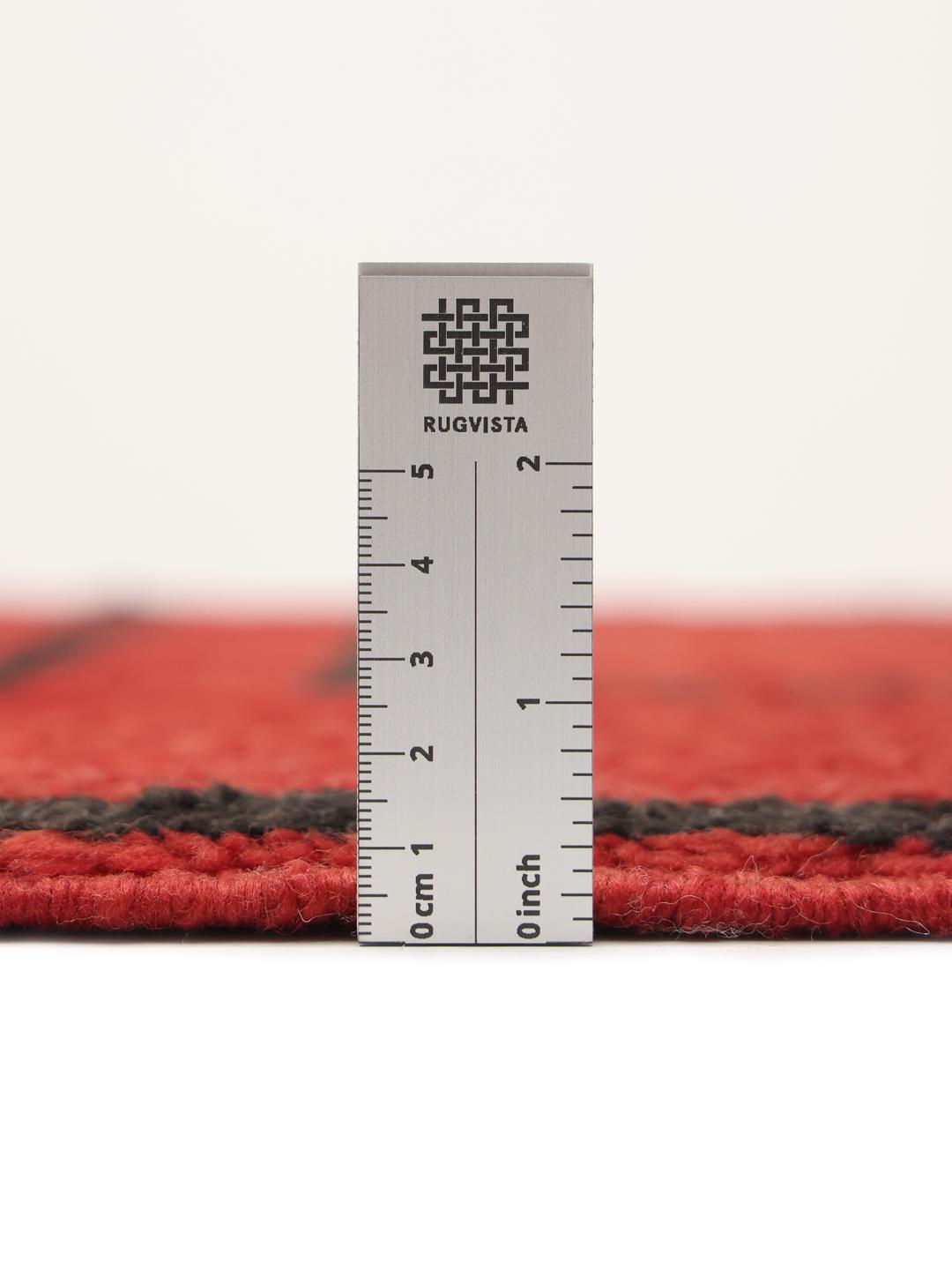
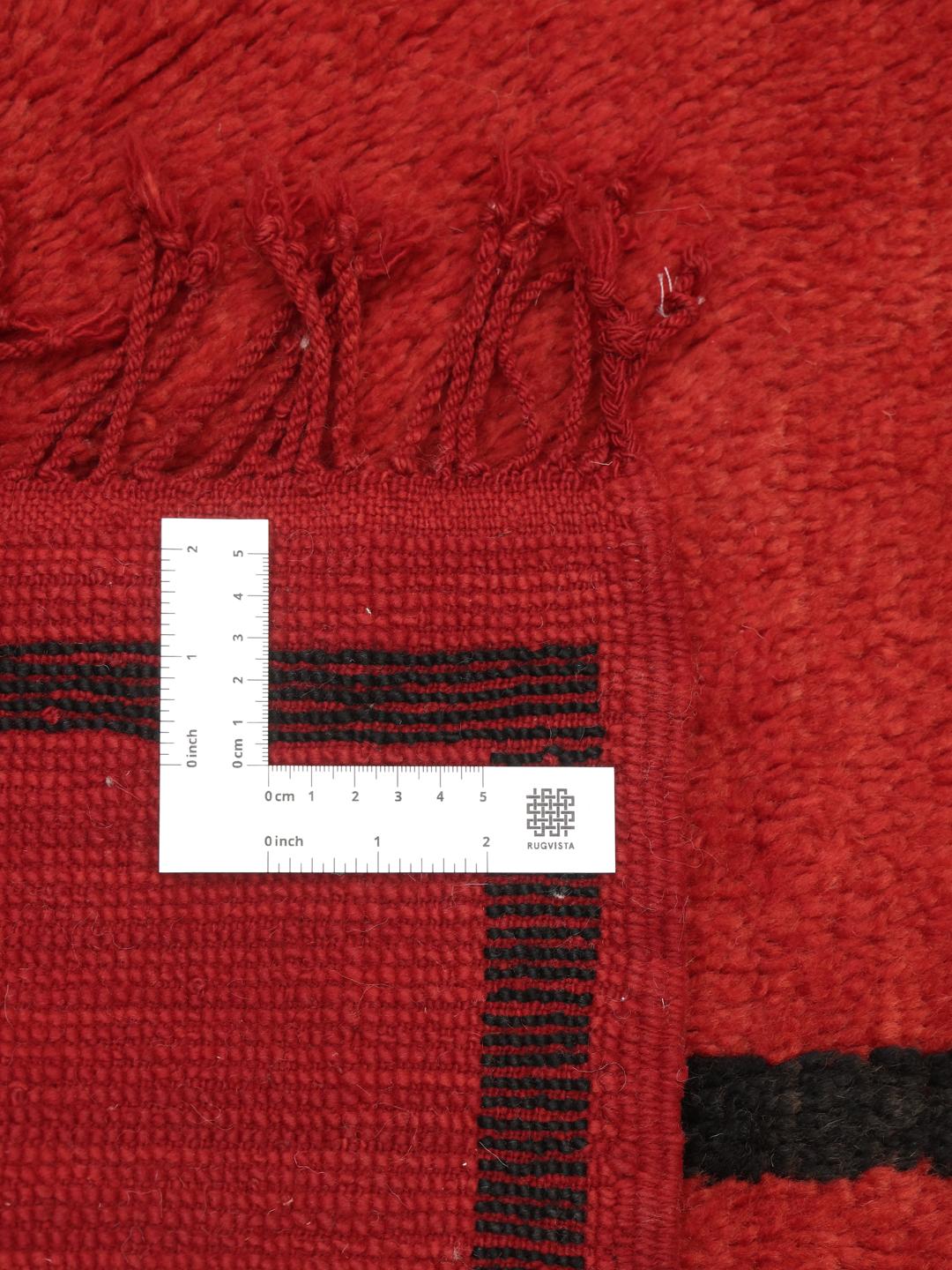
Berber rugs originate from the indigenous tribes of the Middle Atlas mountains in Morocco. These rugs were historically woven not just as floor coverings, but as essential household items designed to provide warmth and protection against the harsh, cold mountain winters.
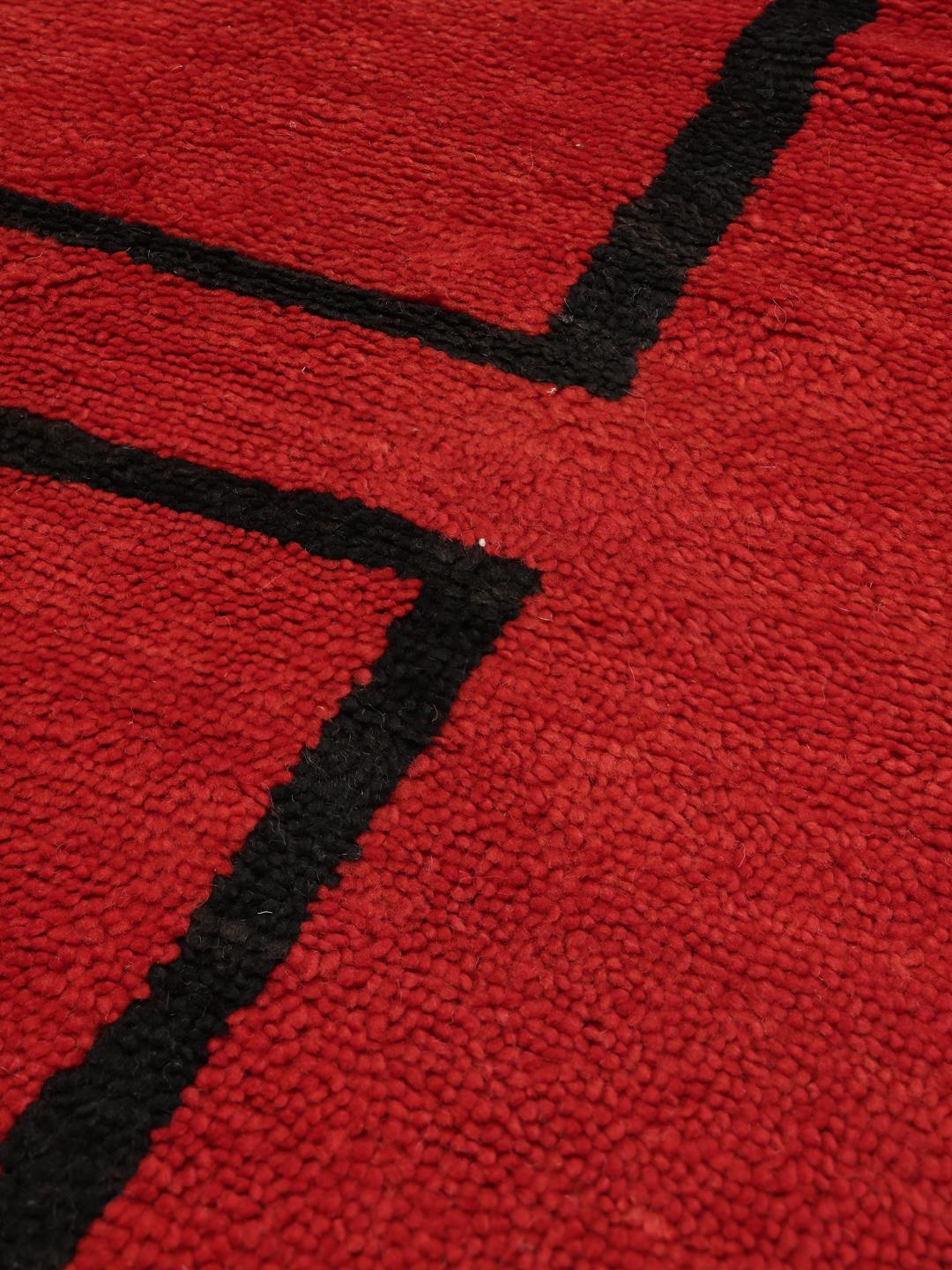
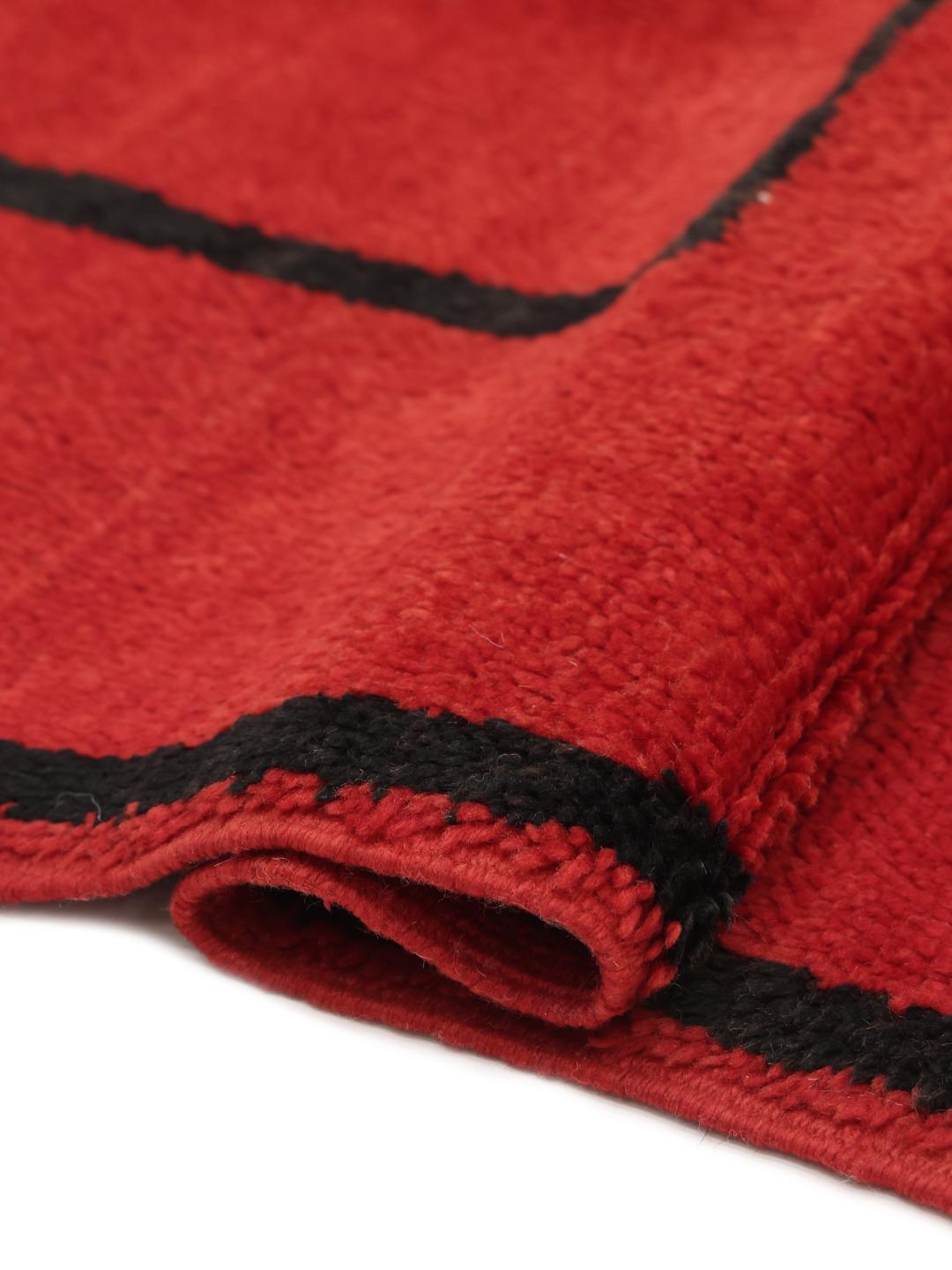
The term 'Berber' refers to the Amazigh people, whose weaving traditions have been passed down through generations of women. These techniques have remained largely unchanged for centuries, relying on traditional looms and a deep understanding of natural fibres to create rugs that are functional works of art.
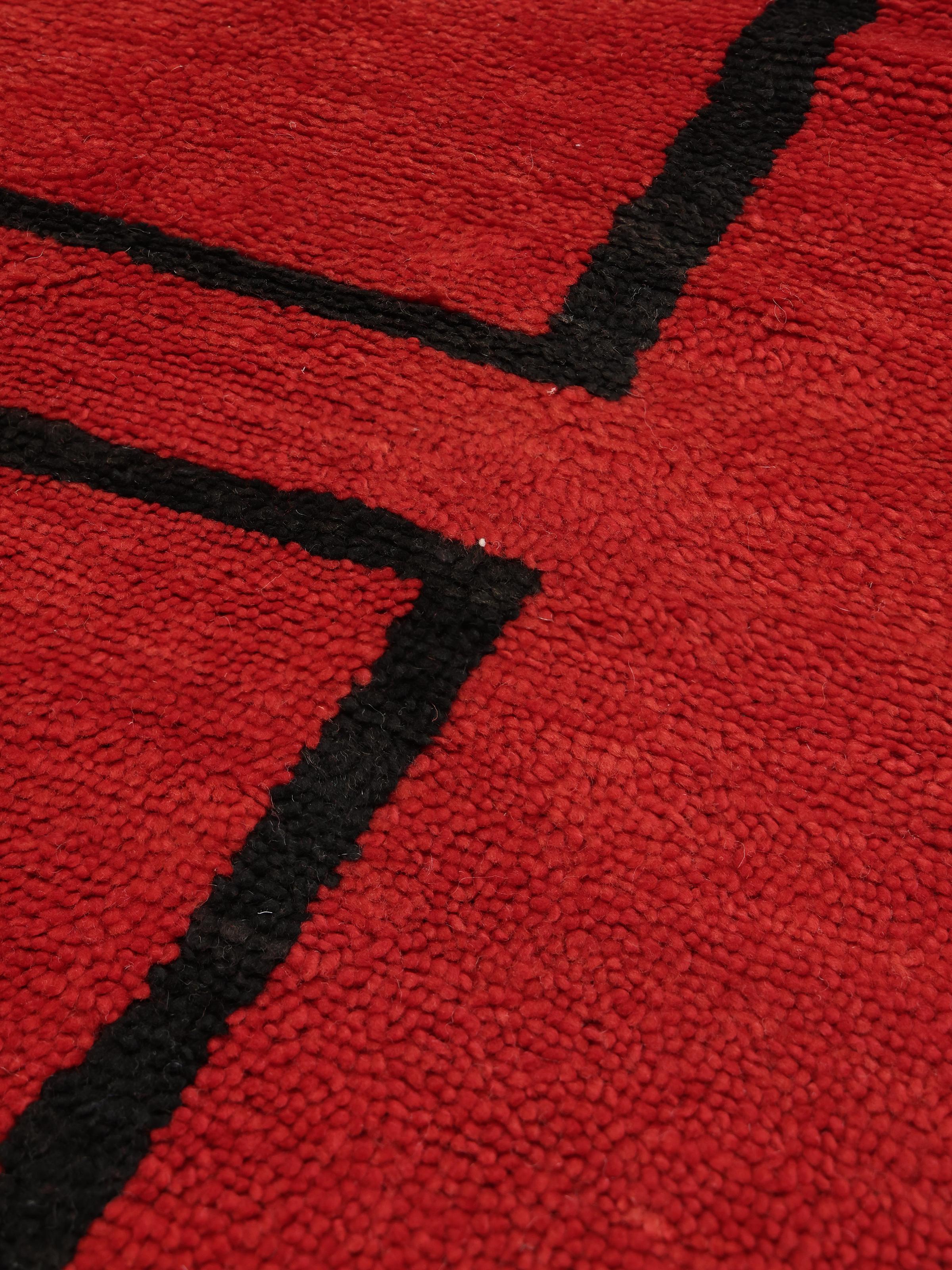
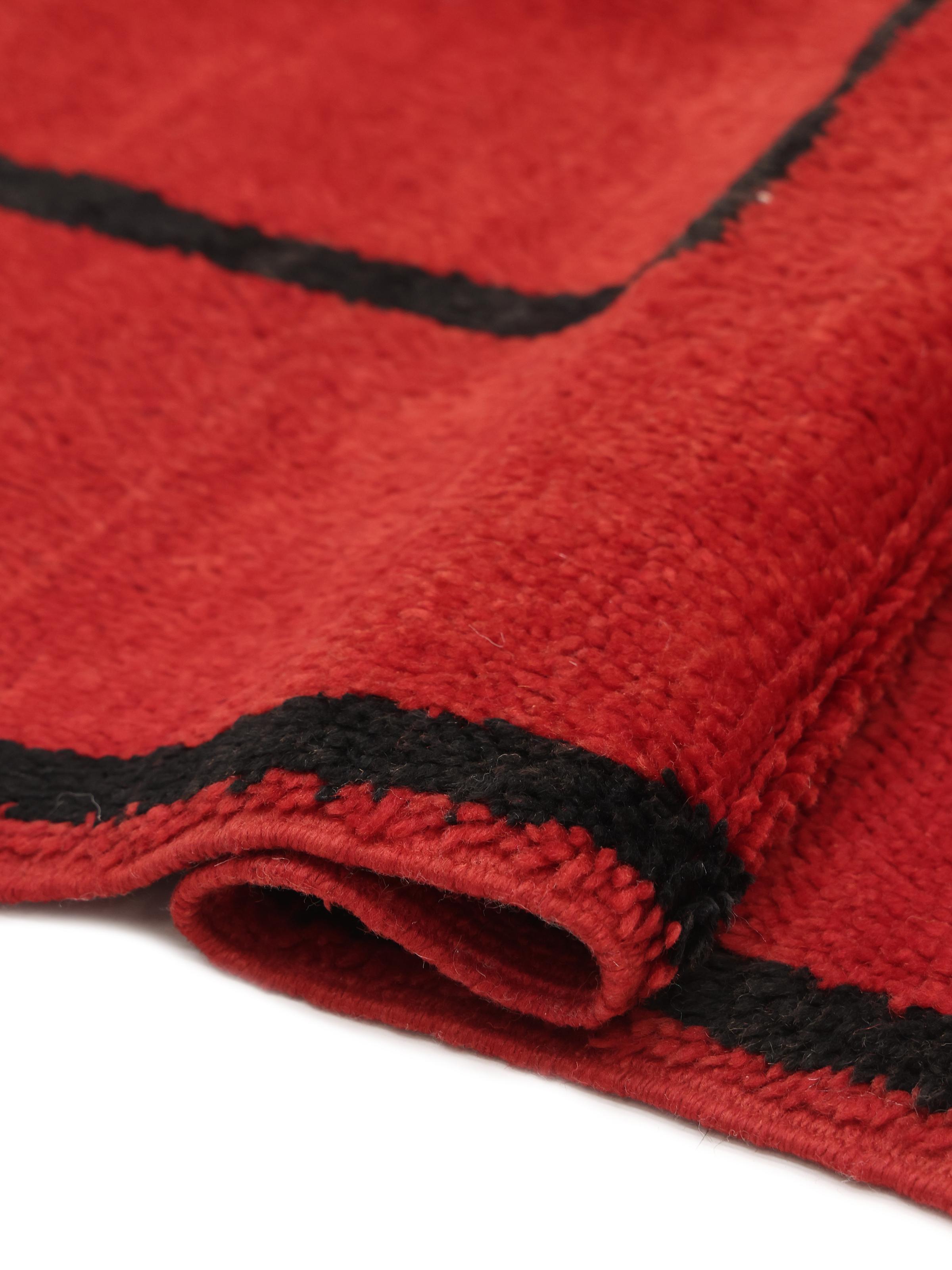
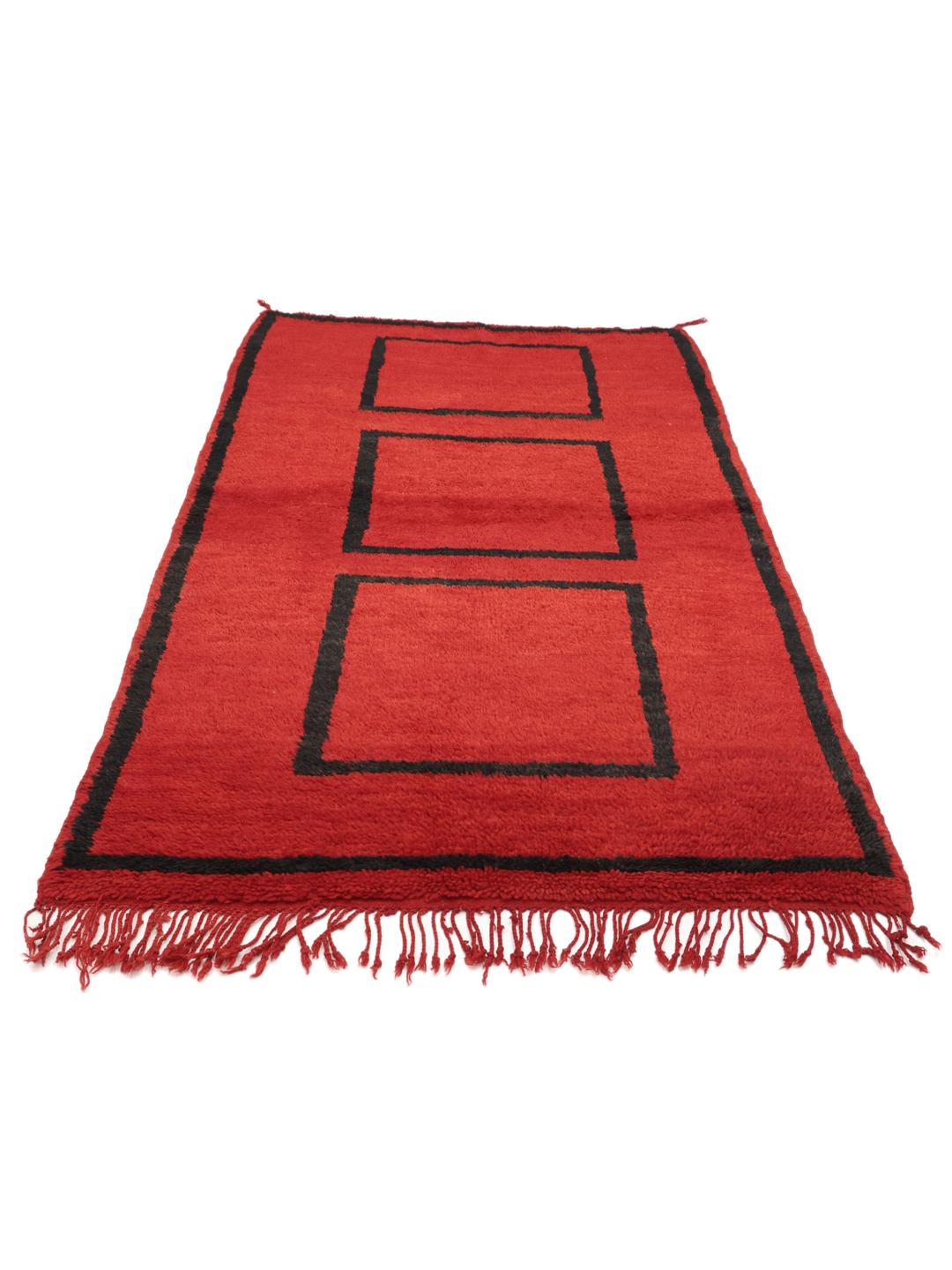
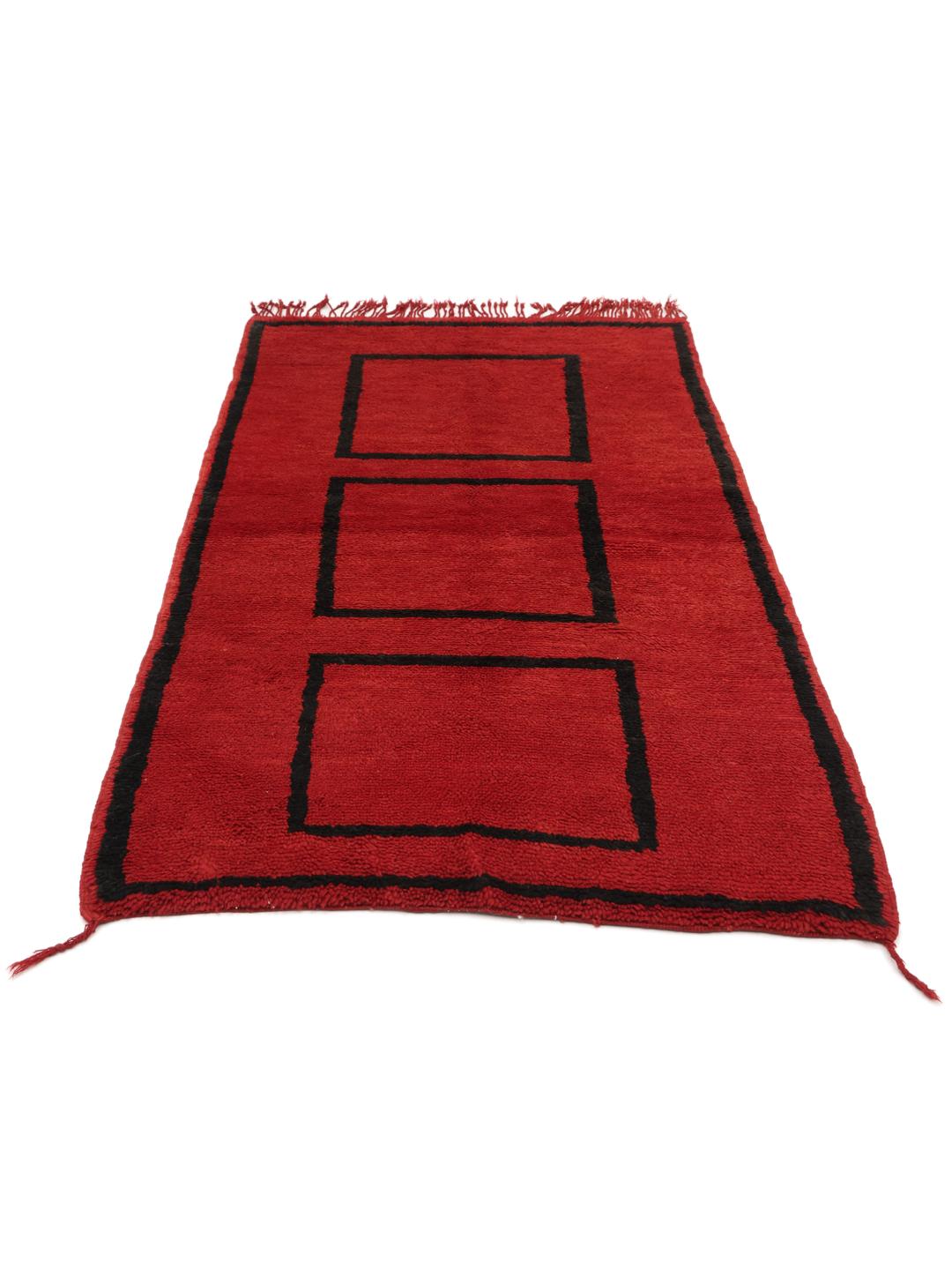
Visually, these rugs are defined by their honest, often minimalist aesthetic. While some traditions favour elaborate patterns, many Berber styles focus on bold, geometric motifs and stark colour contrasts, such as the striking red and black found here. These designs are often symbolic, representing the weaver's personal history, their environment, or tribal identity.
Today, these rugs are highly sought after by collectors worldwide for their authenticity and connection to a rich cultural lineage. Owning a piece from this tradition means acquiring a connection to a slow, deliberate craft that prioritises human skill and natural materials over modern industrial shortcuts.