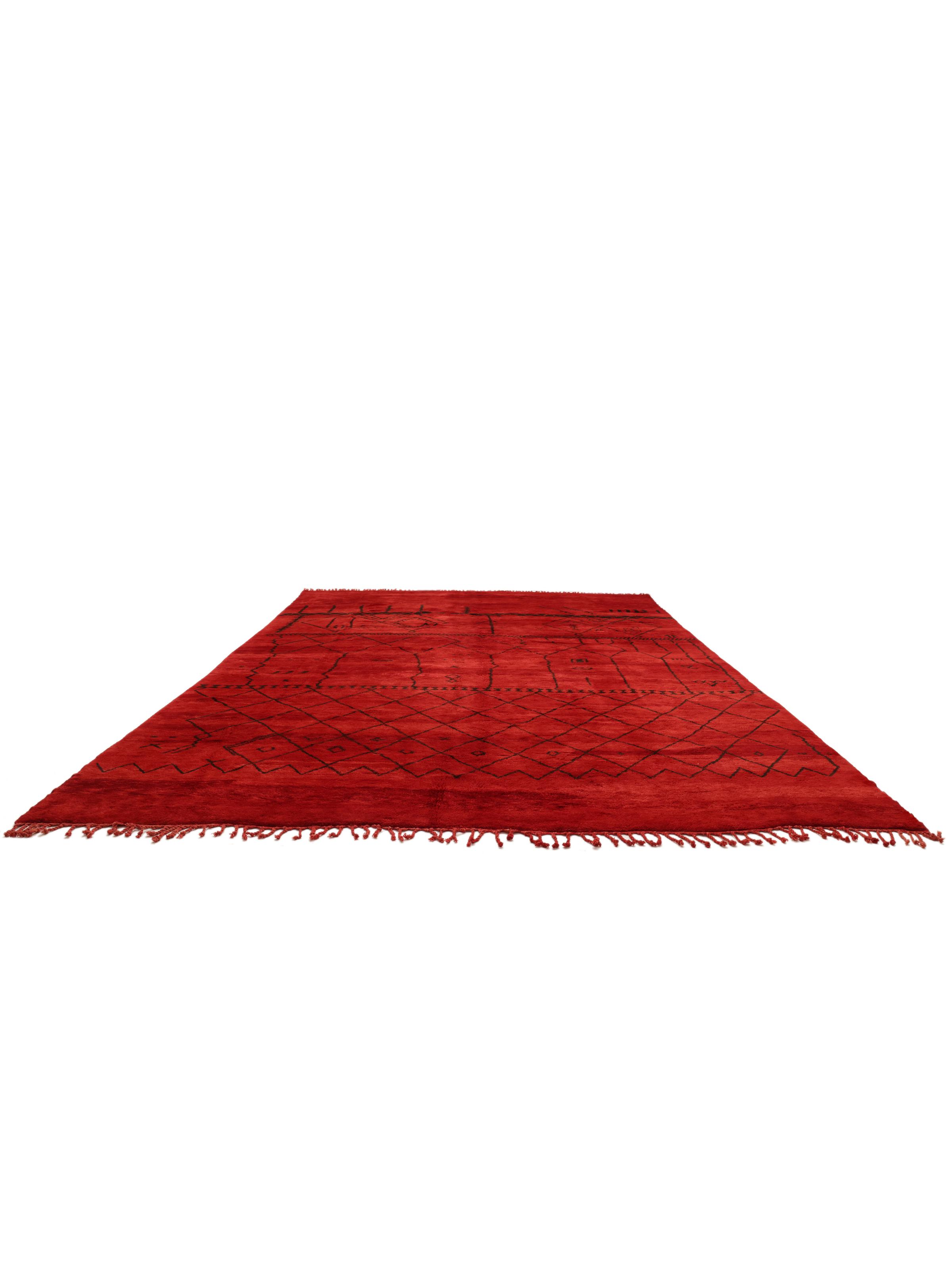
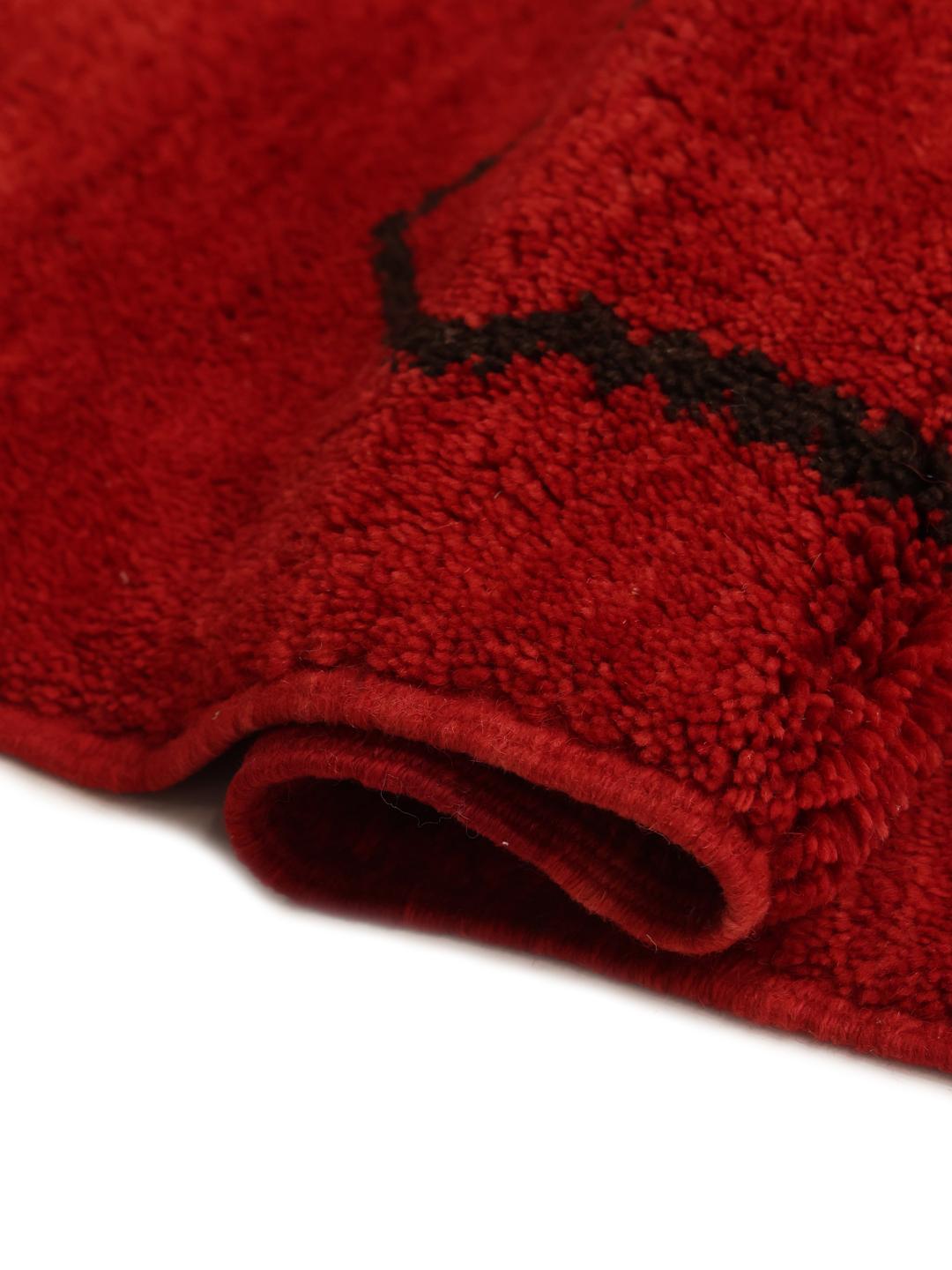
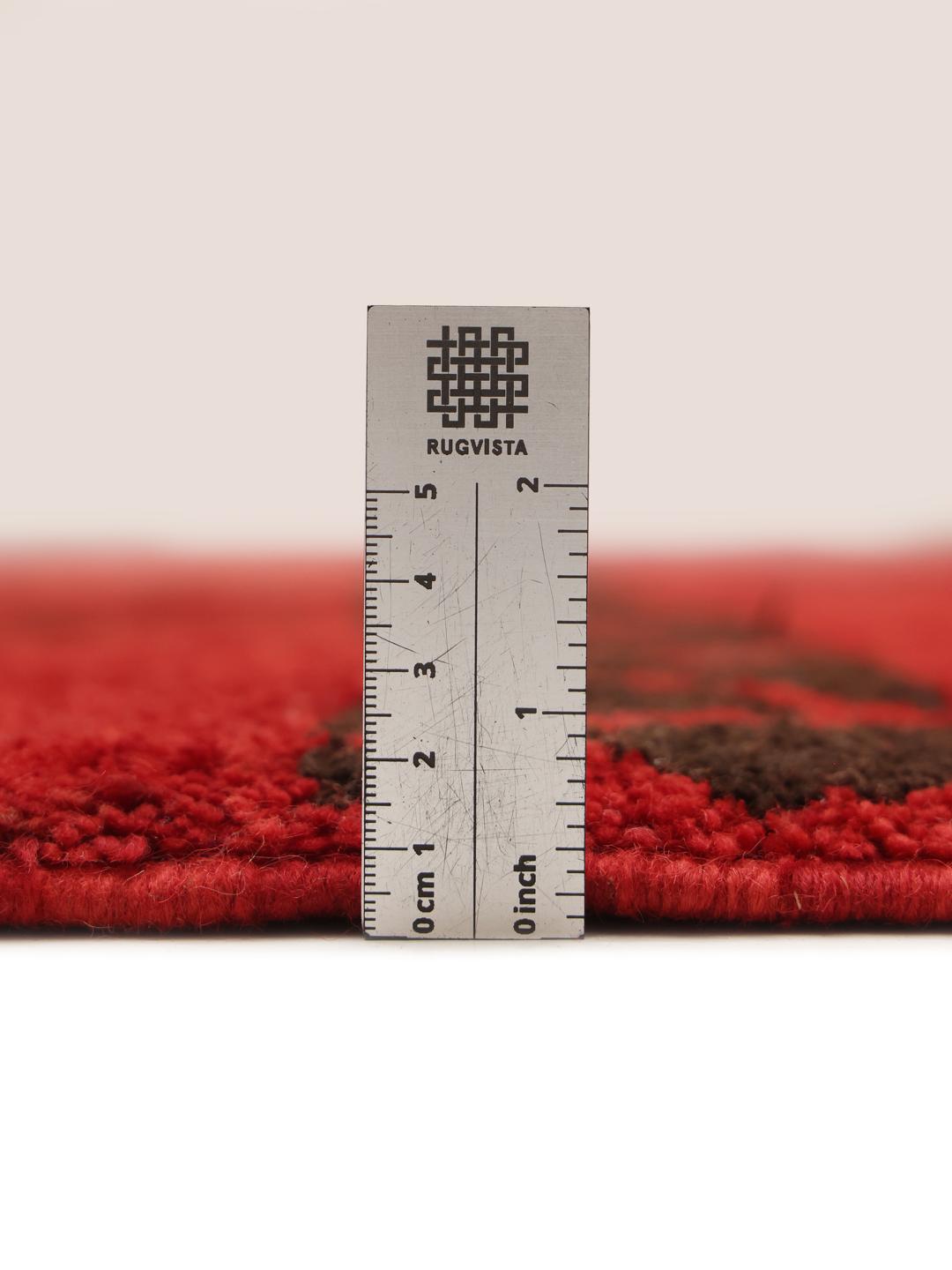
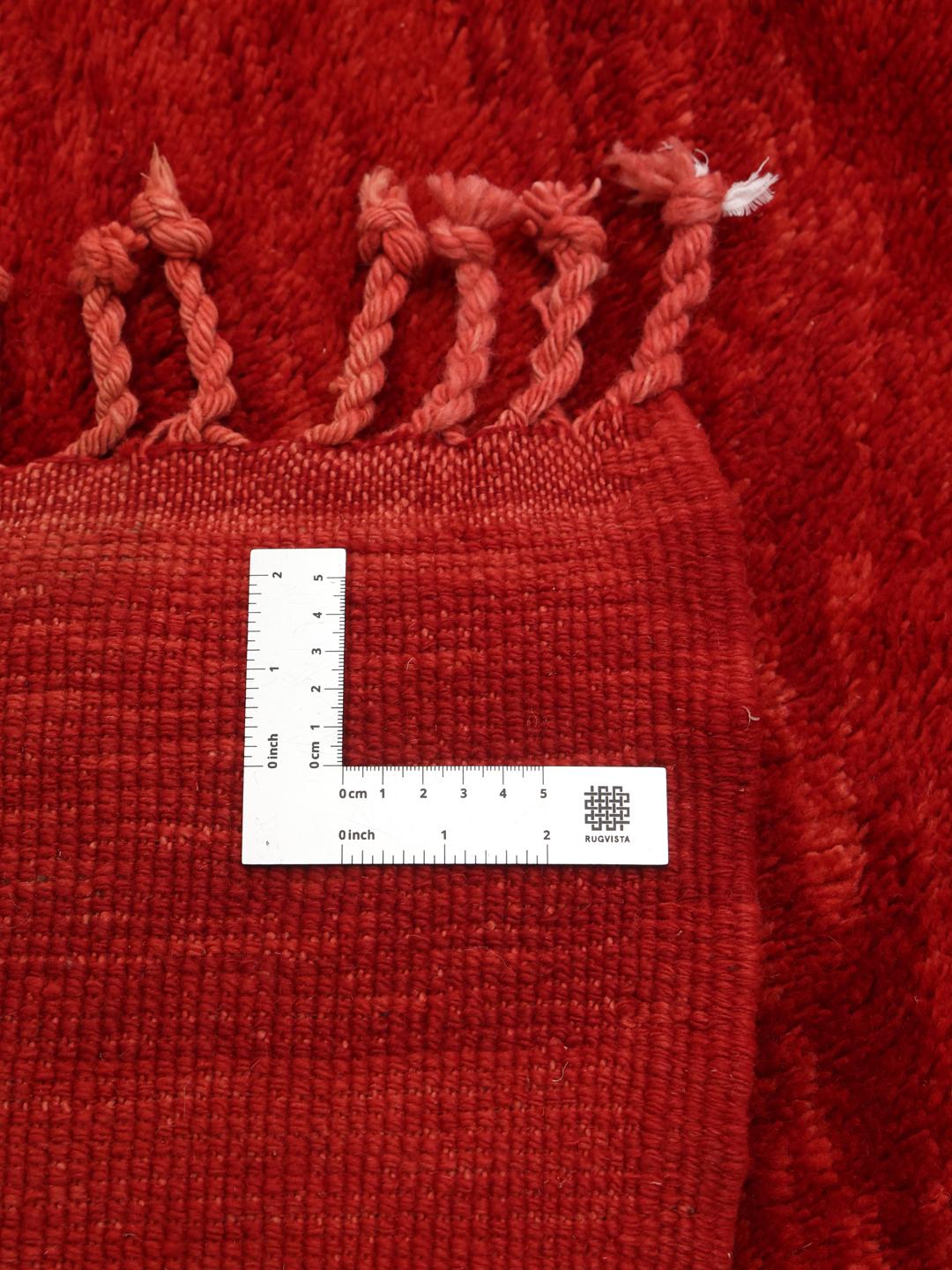
Berber rugs originate from the indigenous tribes of the Atlas Mountains in Morocco, where weaving has served as a vital cultural tradition for centuries. These rugs were traditionally created for domestic use, serving as bedding, blankets, or floor coverings to provide warmth in the harsh mountain climate, rather than as items intended for trade.
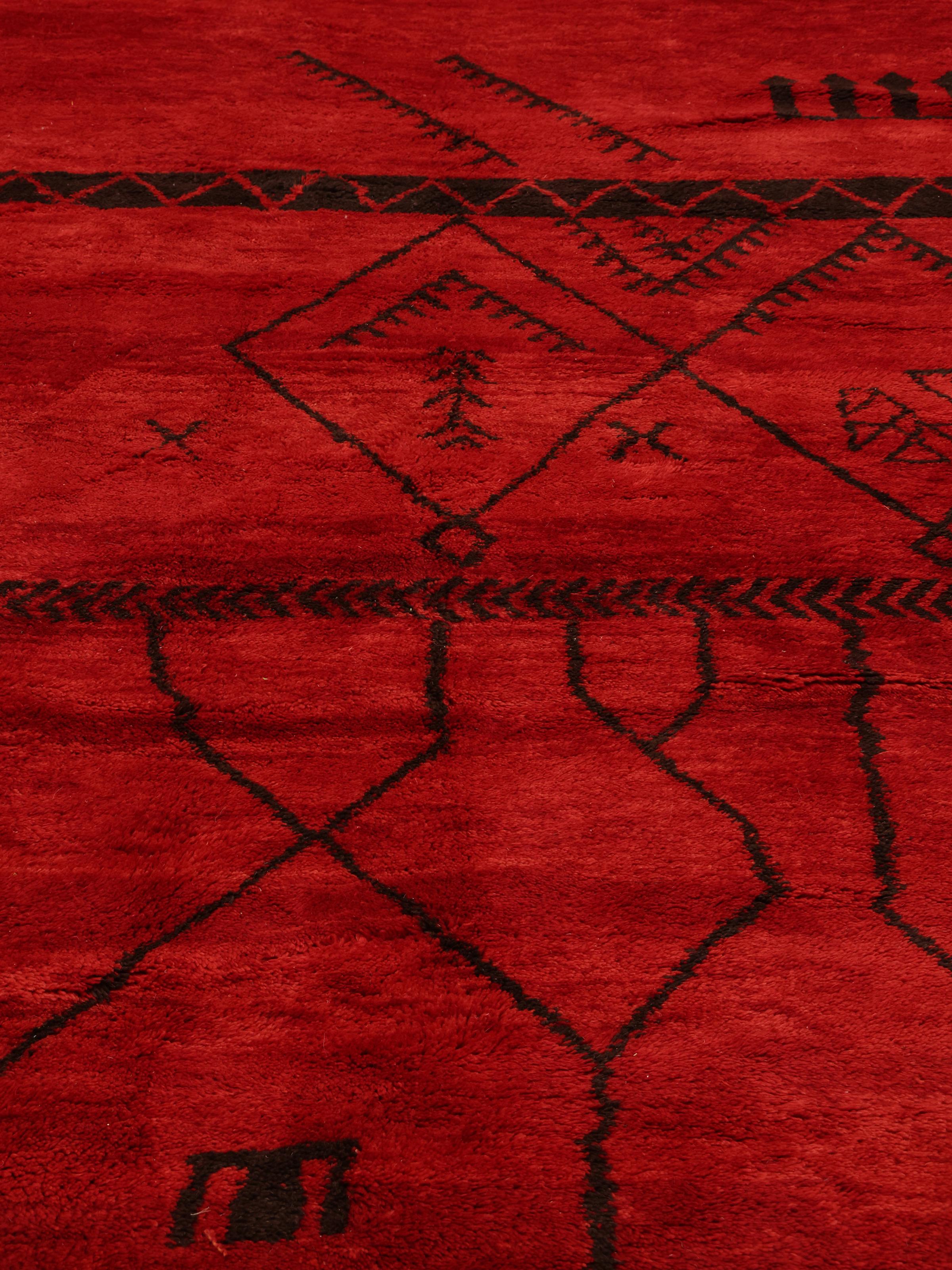
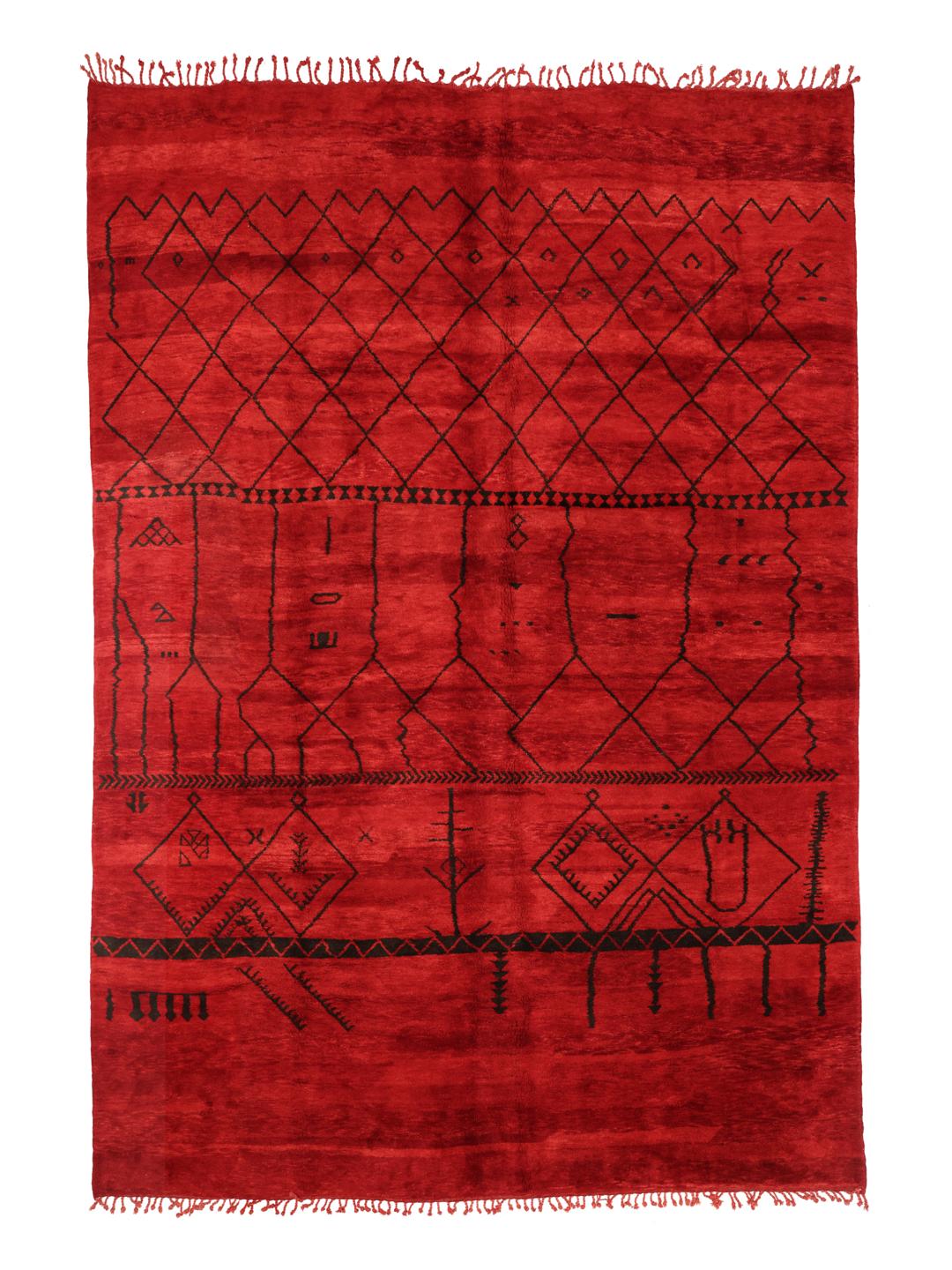
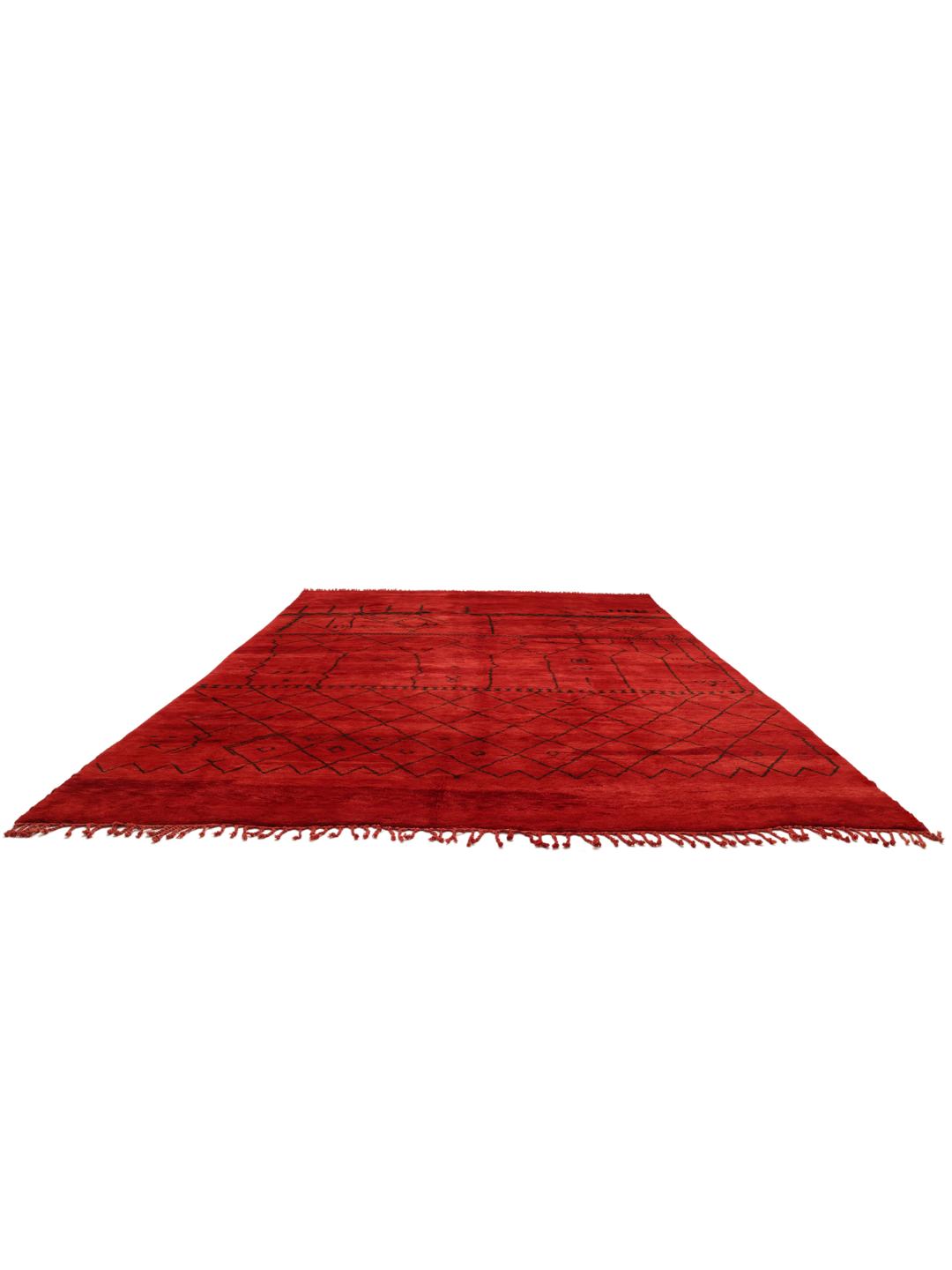
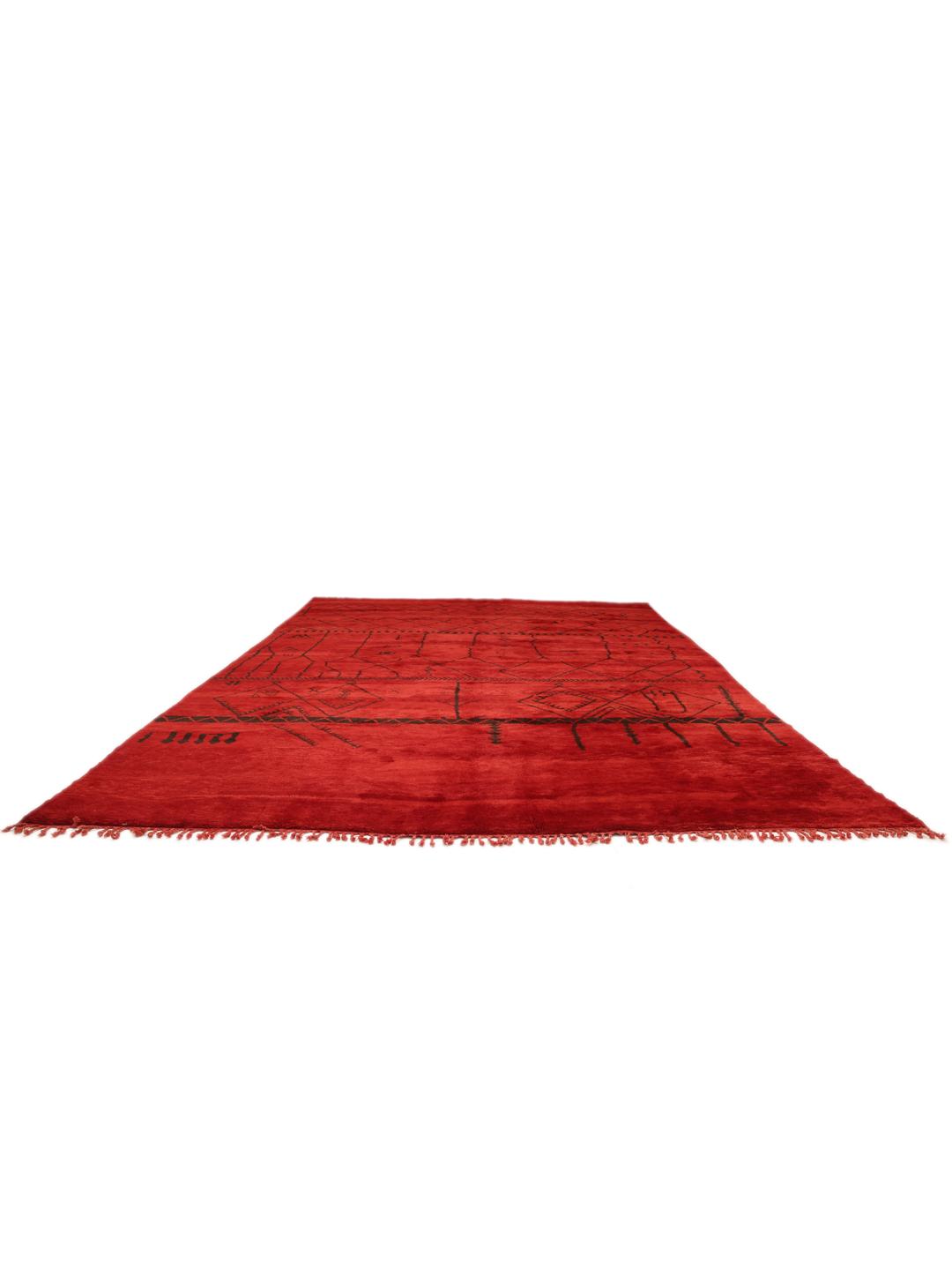
The term Beni Ourain refers to the specific confederation of tribes renowned for their distinctive, minimalist aesthetic. While historically these rugs were known for their natural, undyed Wool palettes, contemporary iterations like this one often incorporate bold, expressive colours and complex symbolic motifs, showcasing the evolution of the craft while maintaining its traditional roots.
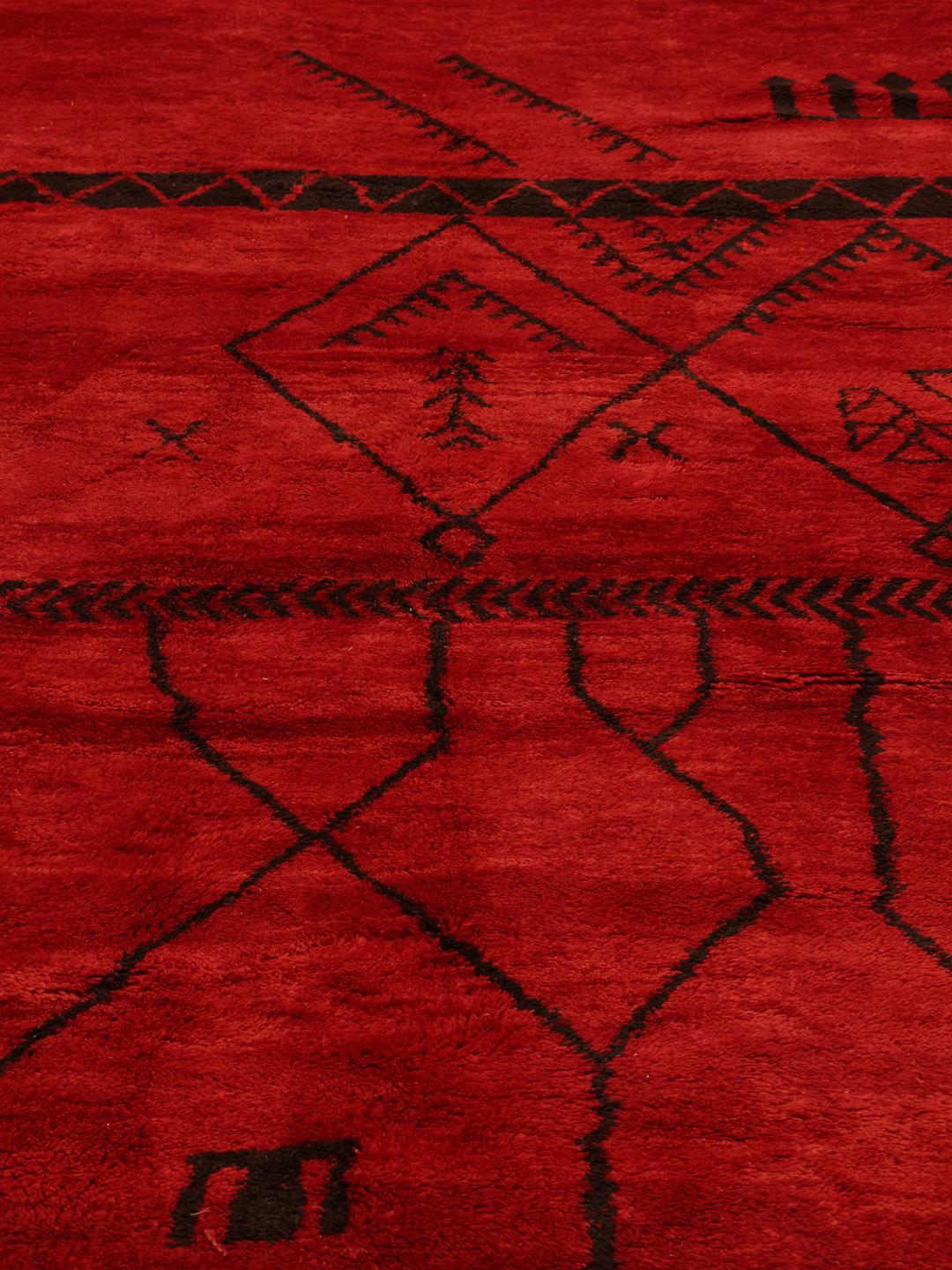
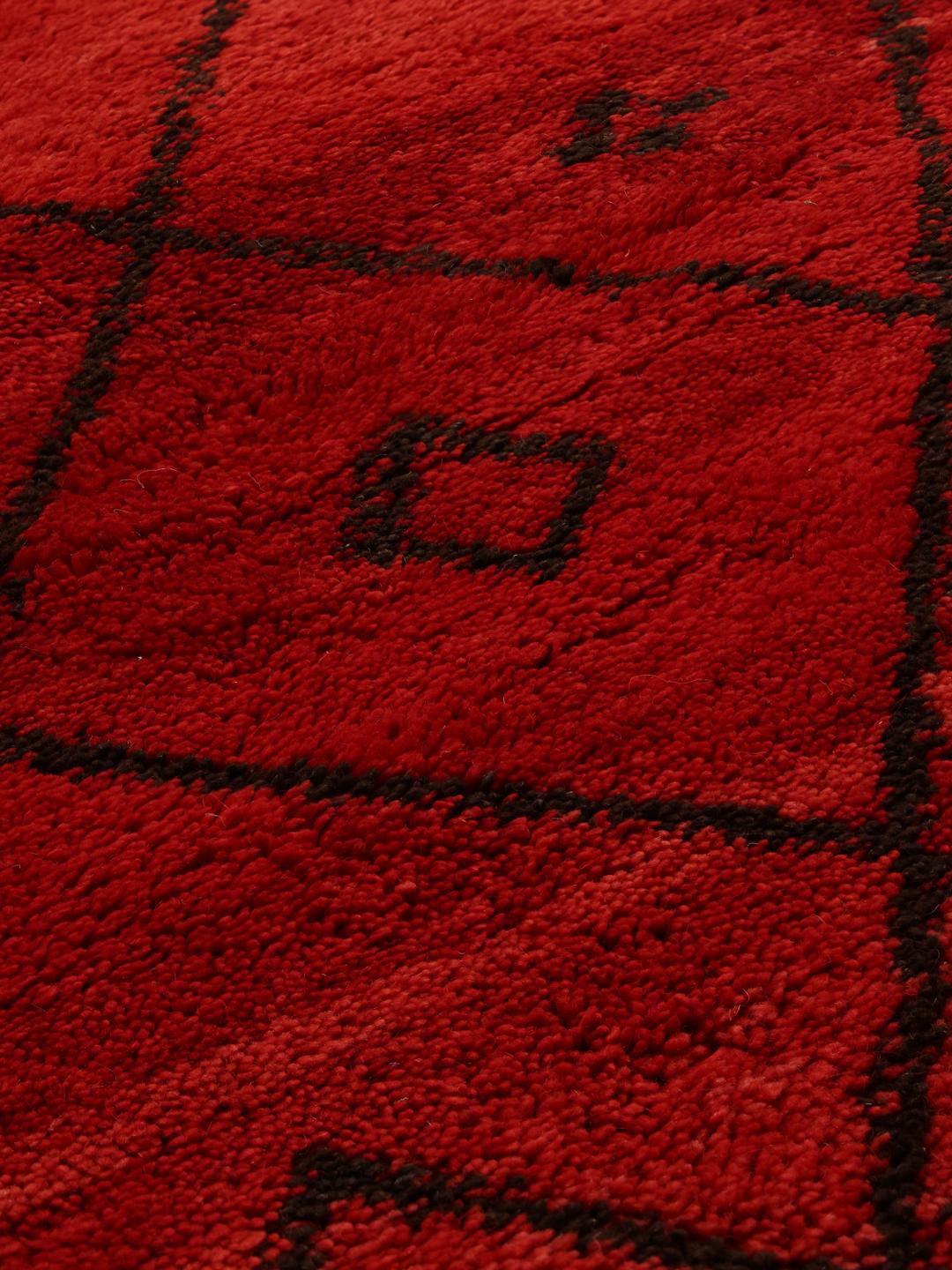
The geometric language found in these rugs is deeply symbolic, often acting as a visual diary for the weaver. The diamonds, zig-zags, and abstract motifs represent various aspects of daily life, including nature, fertility, and protection. These patterns are not merely decorative but reflect a rich heritage of storytelling passed down through generations of weavers.
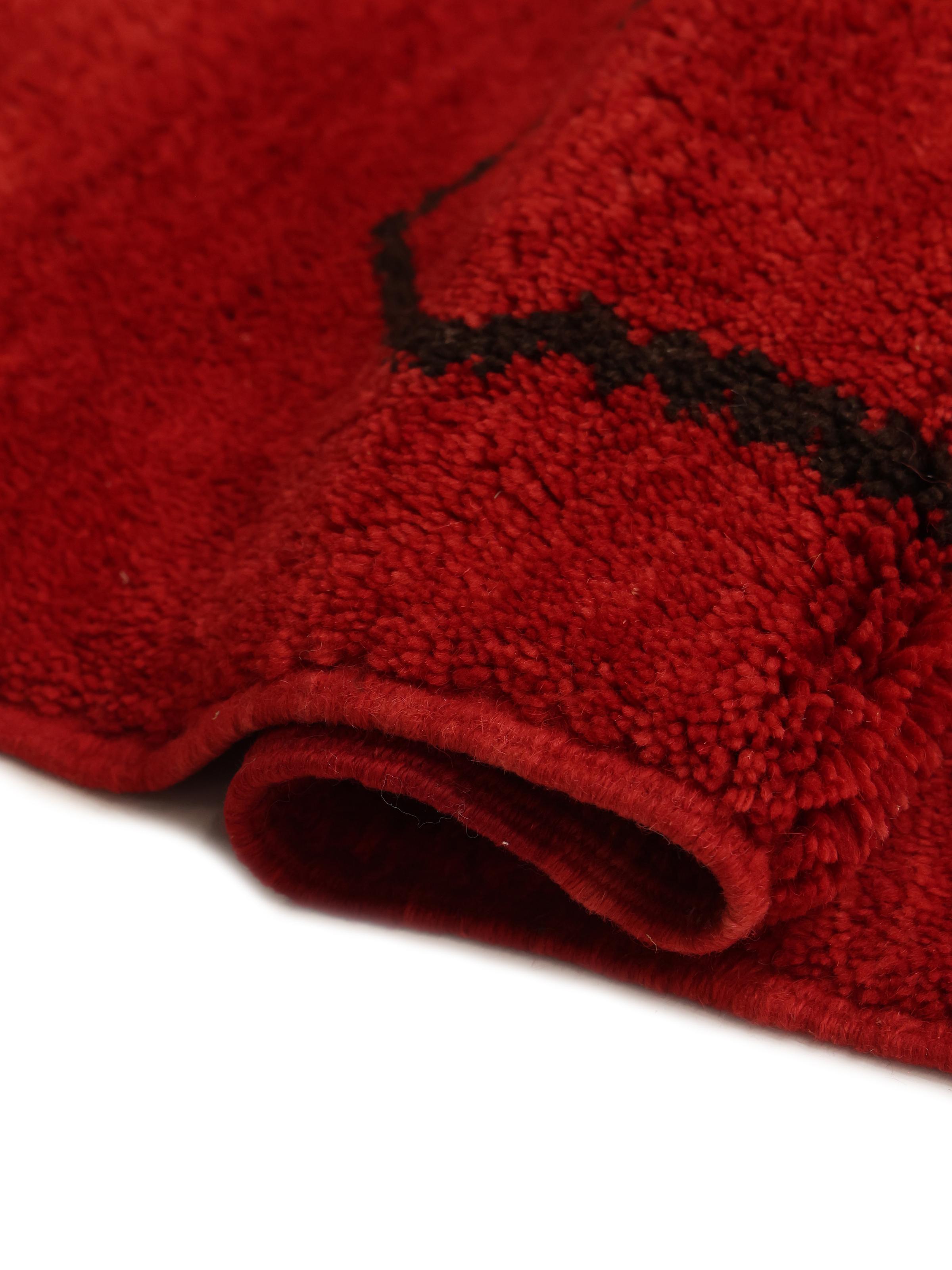
Collectors and design enthusiasts value these pieces for their authenticity and the immense skill required to produce them. Owning a hand-knotted Moroccan rug is an investment in a living tradition, offering a connection to the nomadic spirit and the enduring artistry of the Berber people, whose work remains a testament to human creativity.