Berber rugs originate from the indigenous tribes of Morocco, particularly the Beni Ourain groups living in the Atlas Mountains. These rugs were historically created not just as floor coverings, but as essential functional items for nomadic life, designed to provide warmth and protection against the harsh mountain climate. The traditions surrounding these pieces are deeply intertwined with the daily lives, beliefs, and artistic expressions of the tribal weavers.
The craftsmanship involved in these rugs is a testament to cultural preservation. The term Berber refers to the North African ethnic groups who have maintained their weaving techniques over centuries. Unlike other rug traditions that focus on intricate, symmetrical floral patterns, the Berber style often leans into a more minimalist and abstract aesthetic, prioritising the natural qualities of the wool and the creative intuition of the weaver.
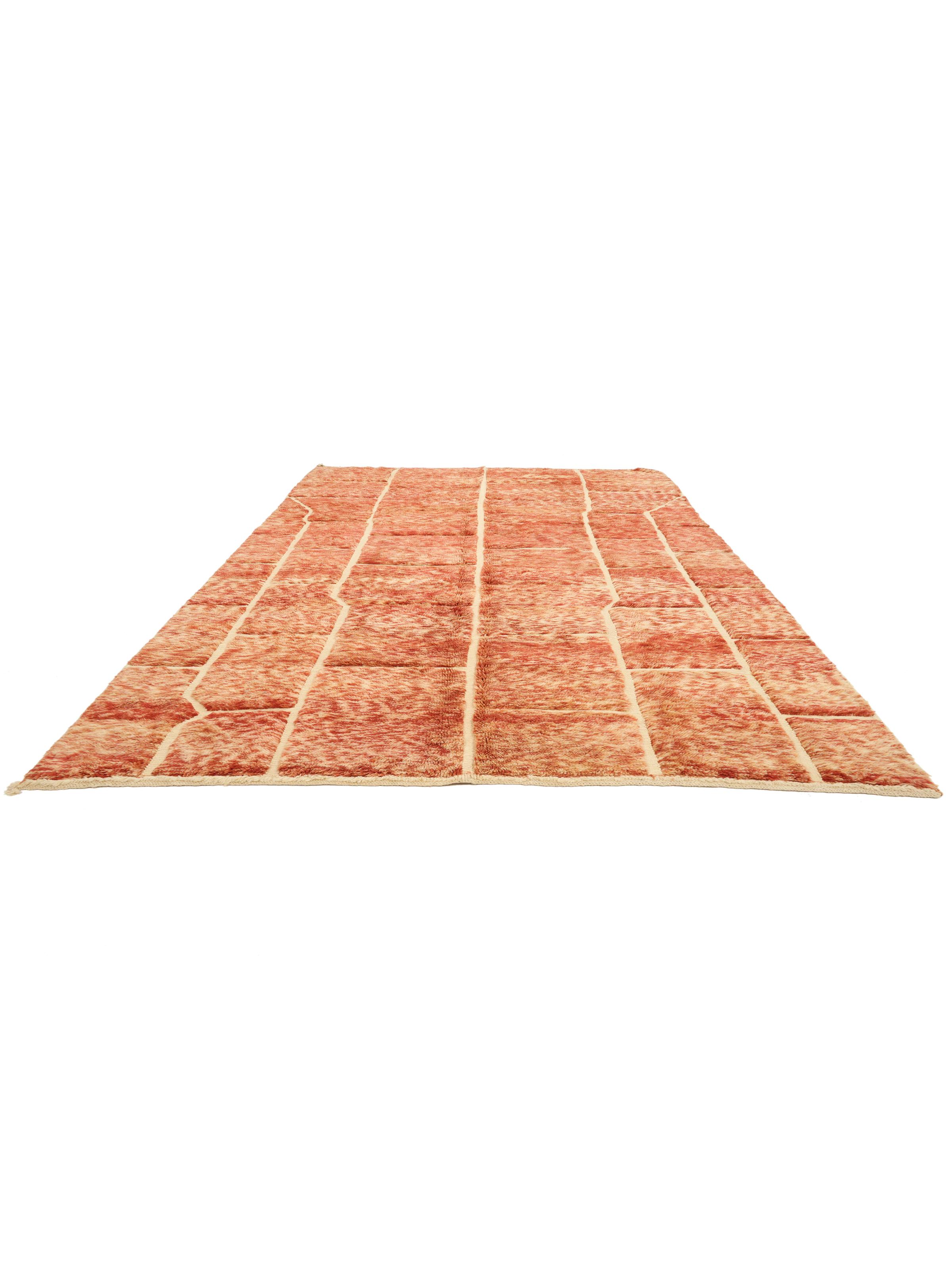
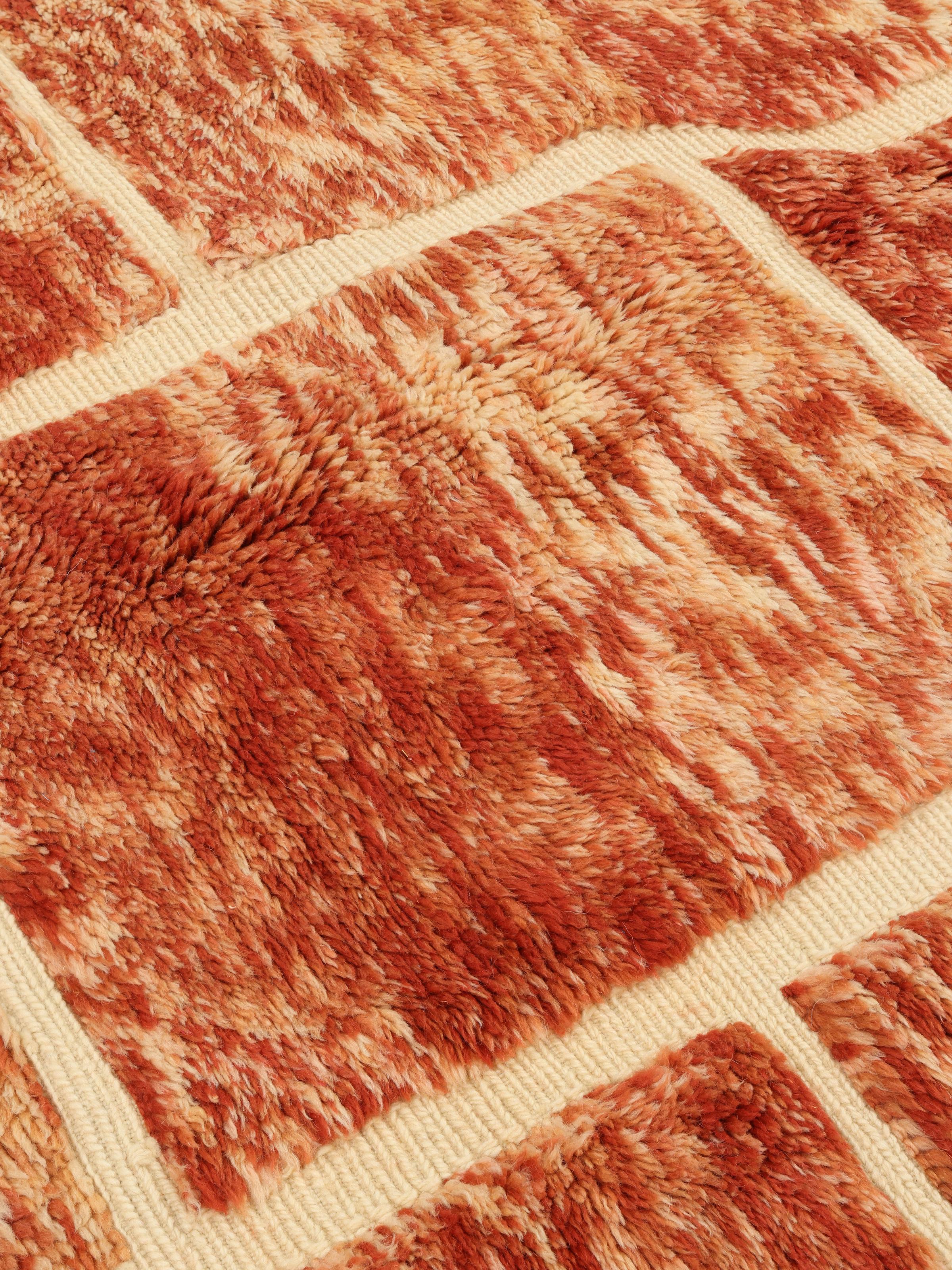
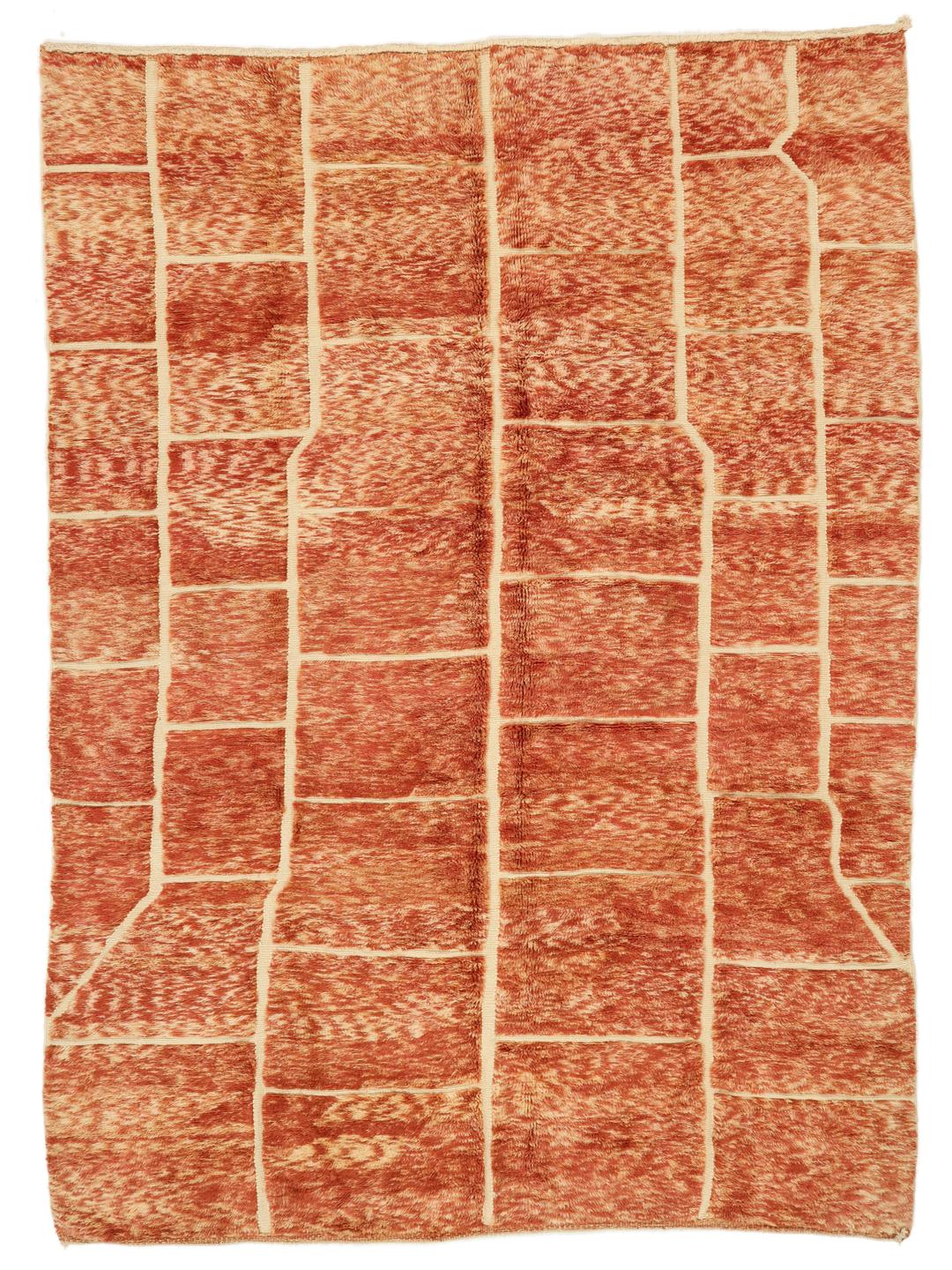
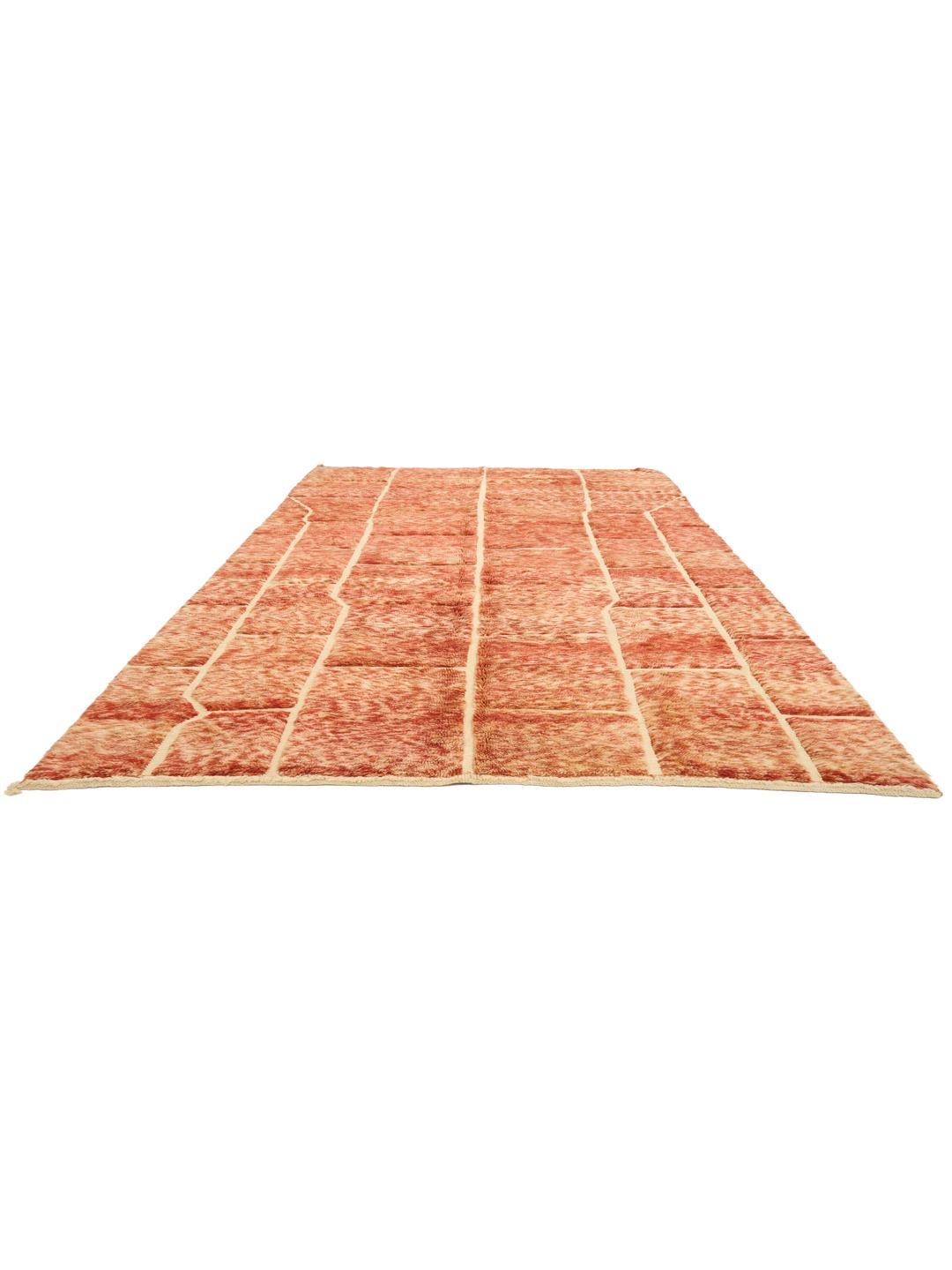
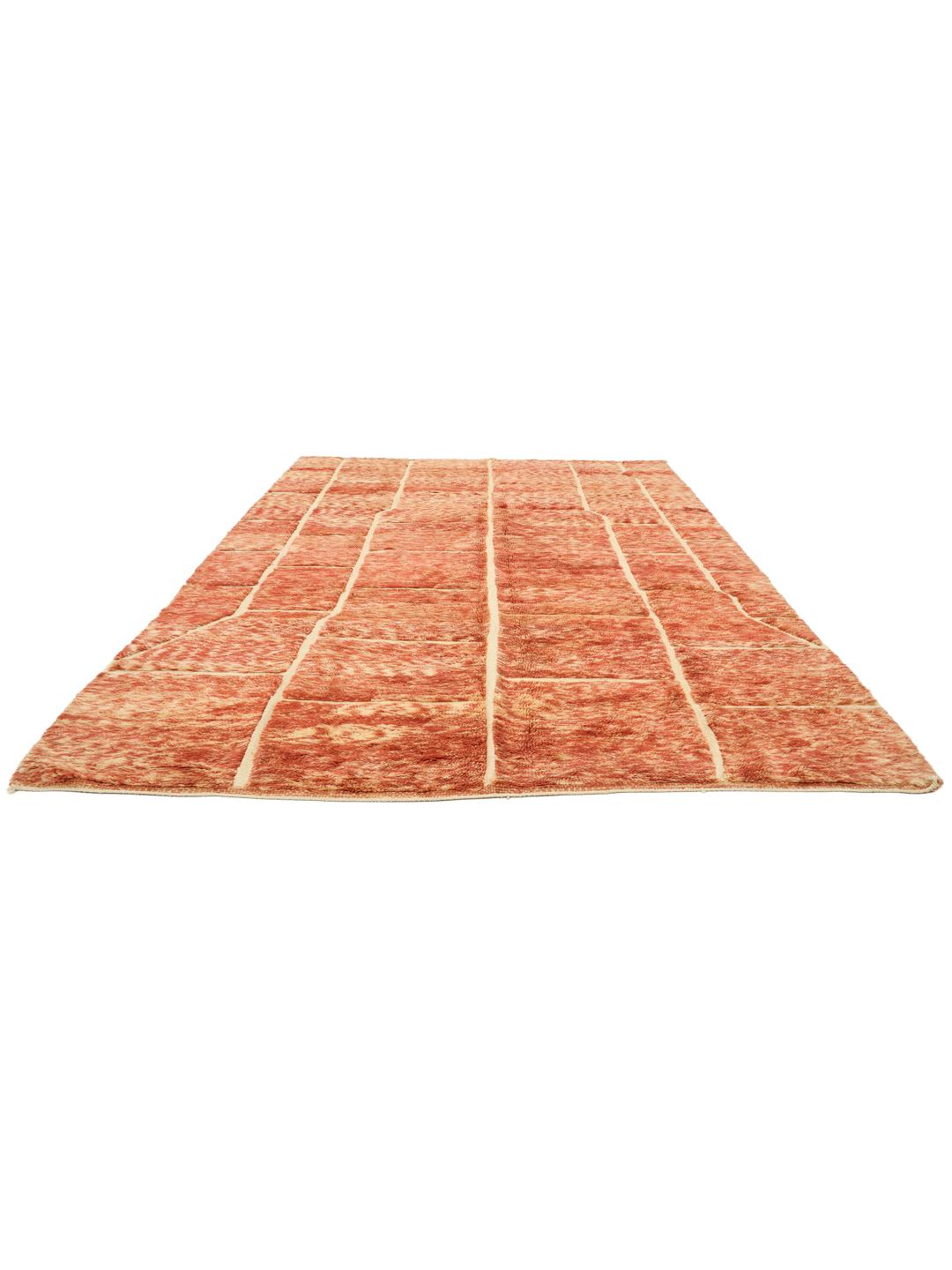
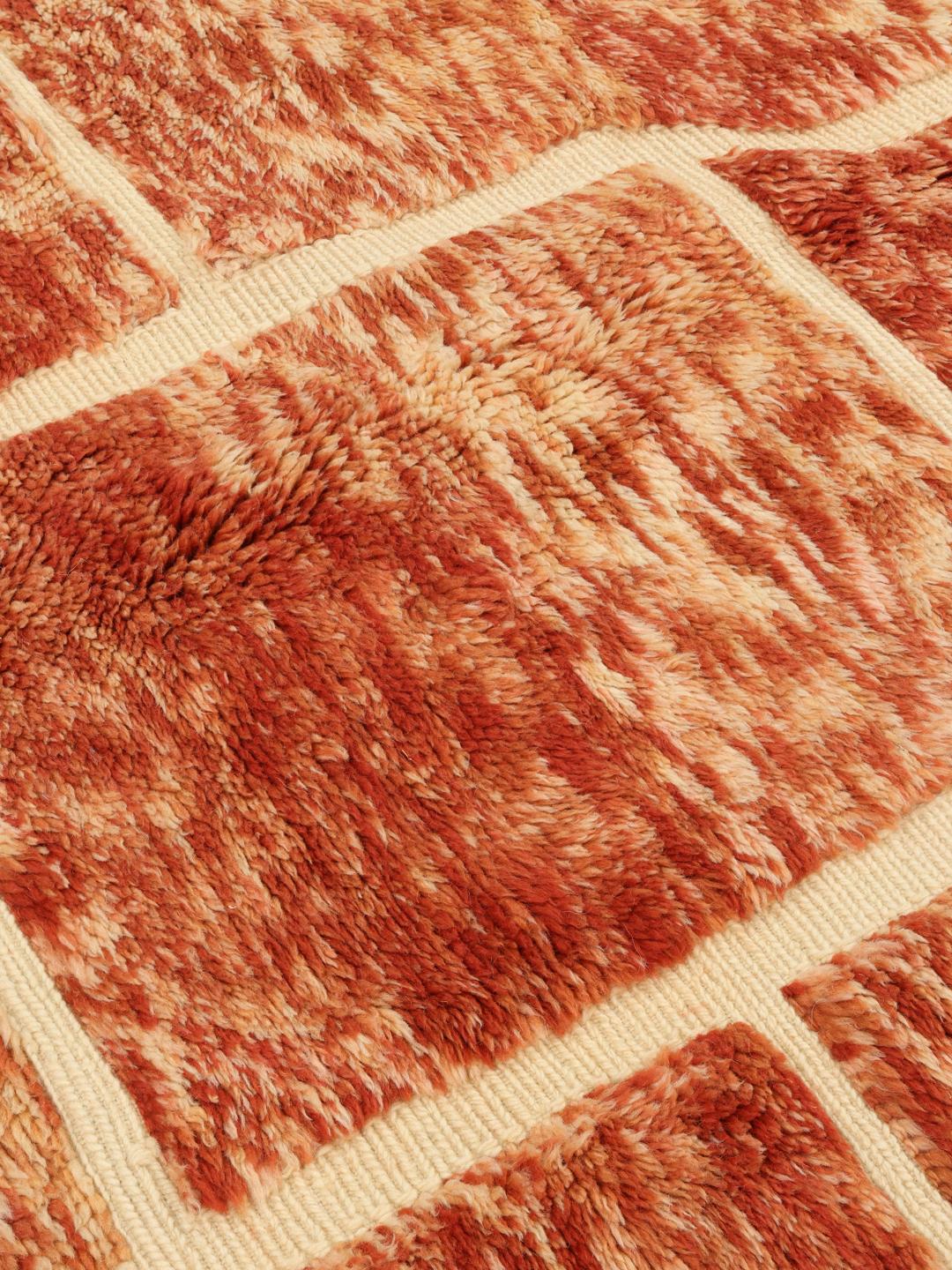
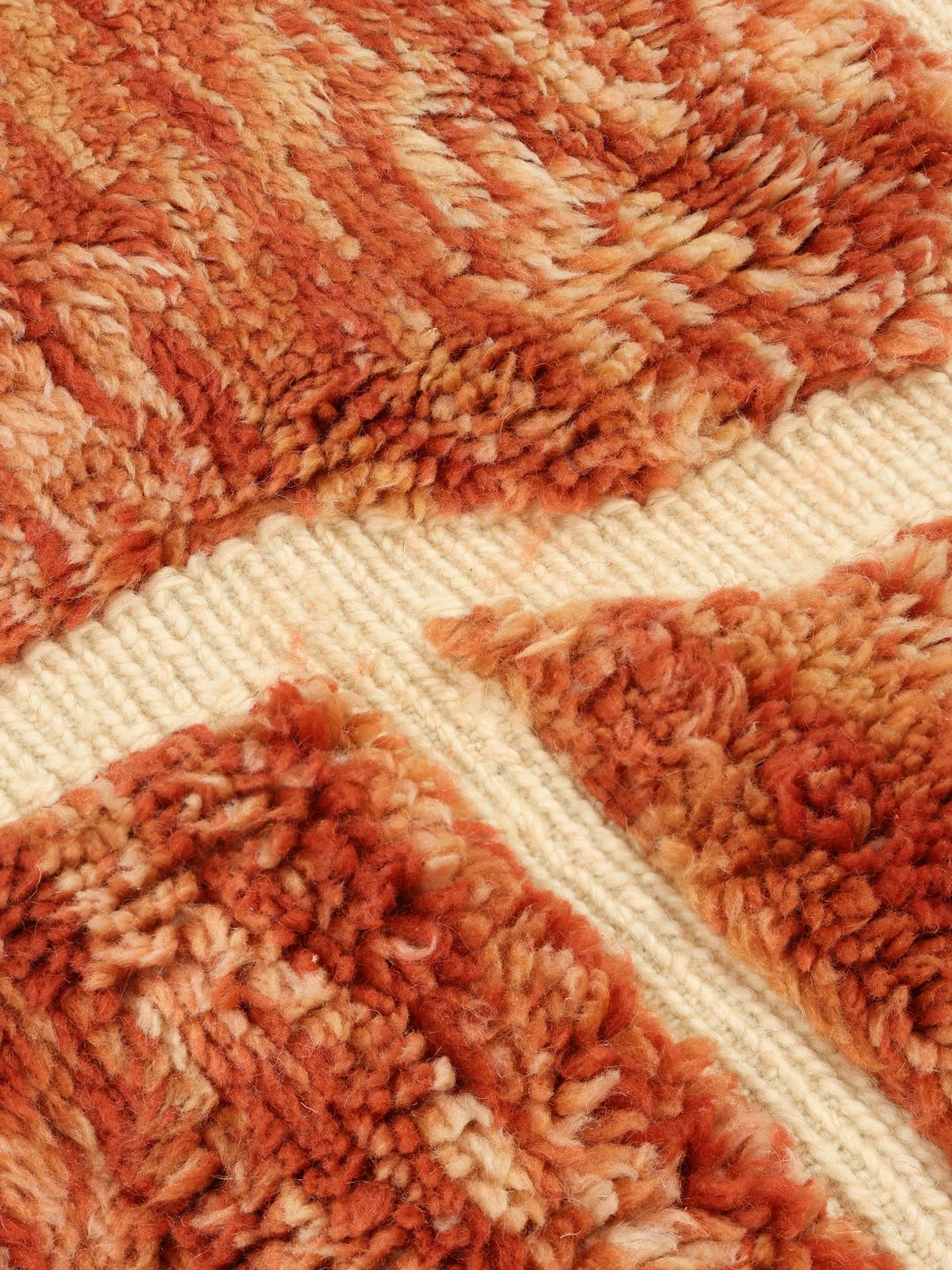
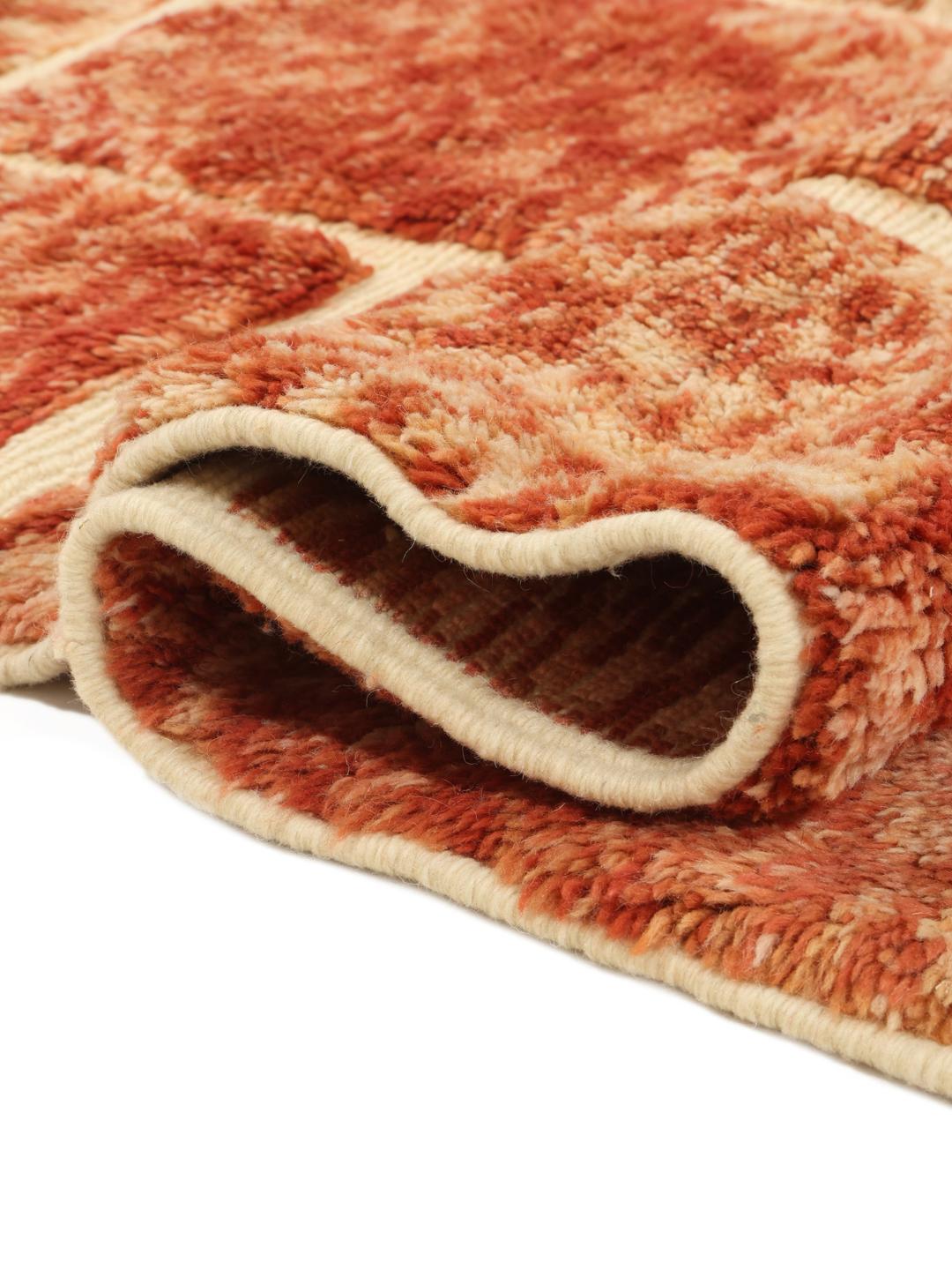
Signature design elements often include geometric motifs, lines, and diamond shapes, though this specific piece features a striking block pattern that showcases a more modern, structured influence. These patterns often served as personal signatures or symbolic narratives for the weavers, representing stories of mountain life, fertility, or protection. The use of natural, undyed wool alongside warm, earth-toned hues is a hallmark of the tradition.
Today, these rugs are highly sought after by collectors and interior enthusiasts worldwide for their authenticity and connection to a rich, enduring heritage. Owning a Berber rug is an investment in a living tradition, representing a bridge between ancient nomadic skills and contemporary home design. It is a piece that carries the weight of history and the undeniable skill of the artisan who brought it to life.