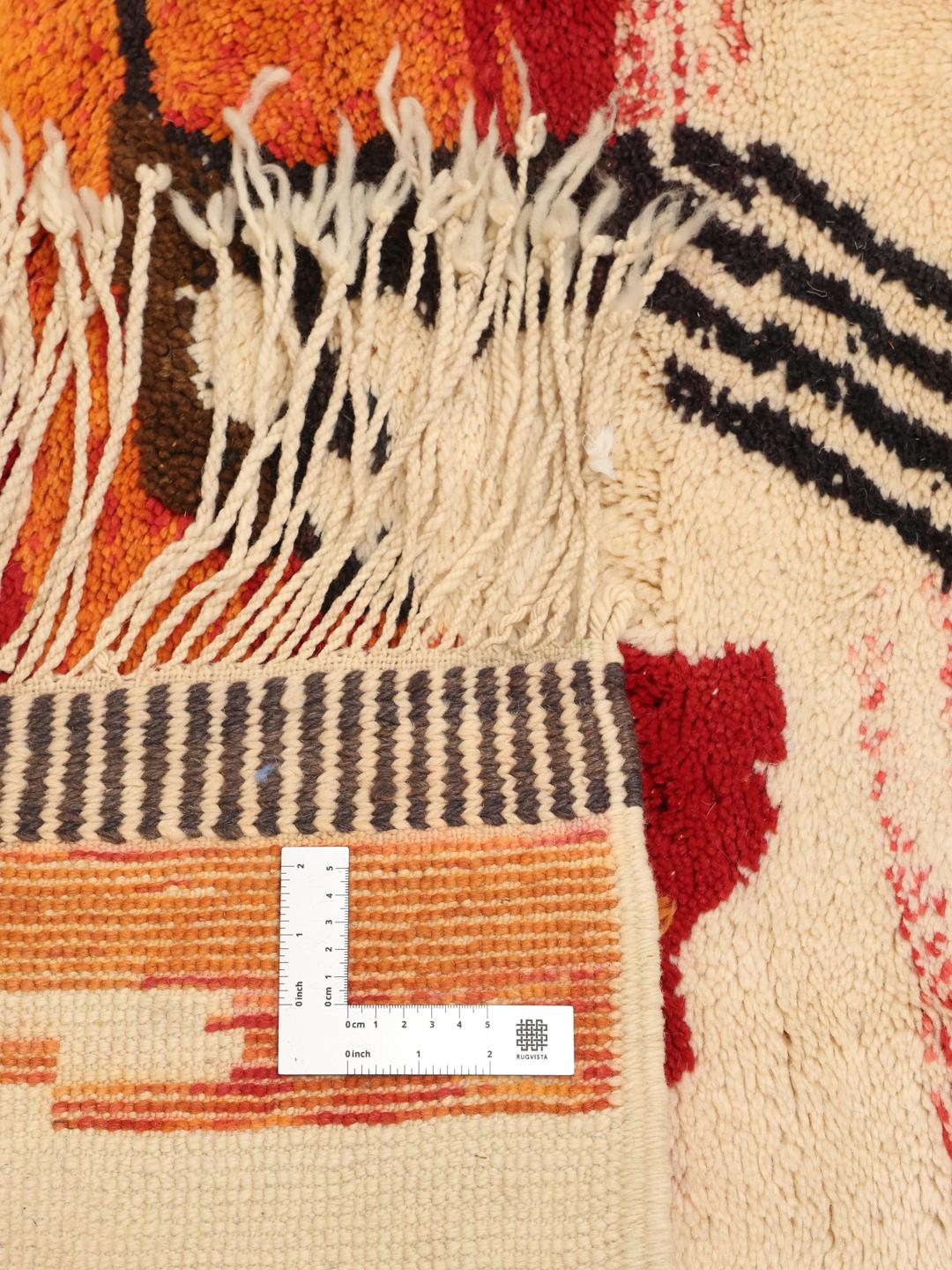
Berber rugs hail from the rugged landscapes of the Middle Atlas Mountains in Morocco, where they have been woven for centuries by indigenous tribes. These pieces were originally created as functional items for nomadic life, serving as warm bedding, floor coverings, and blankets to protect against the harsh mountain climate.
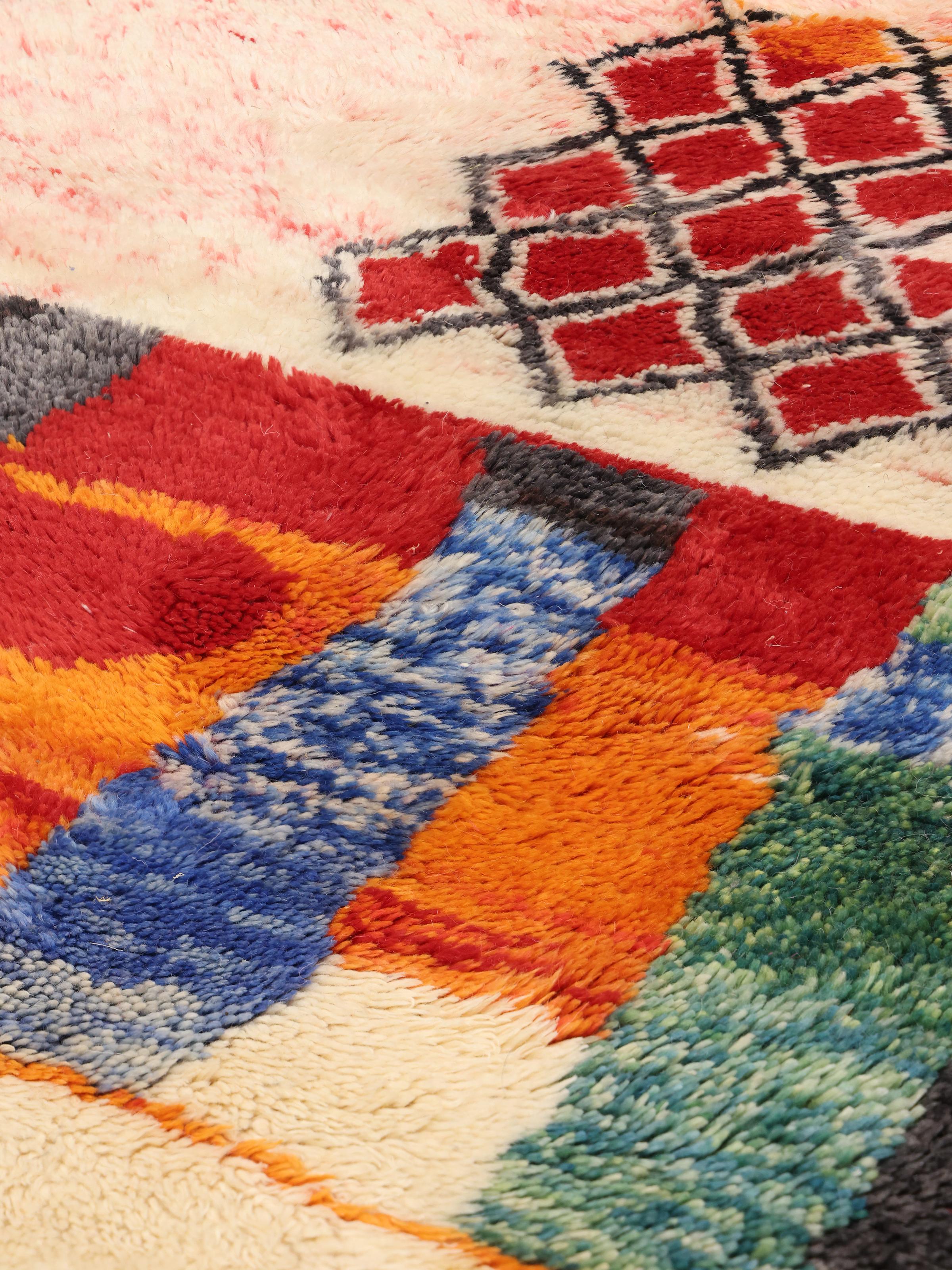
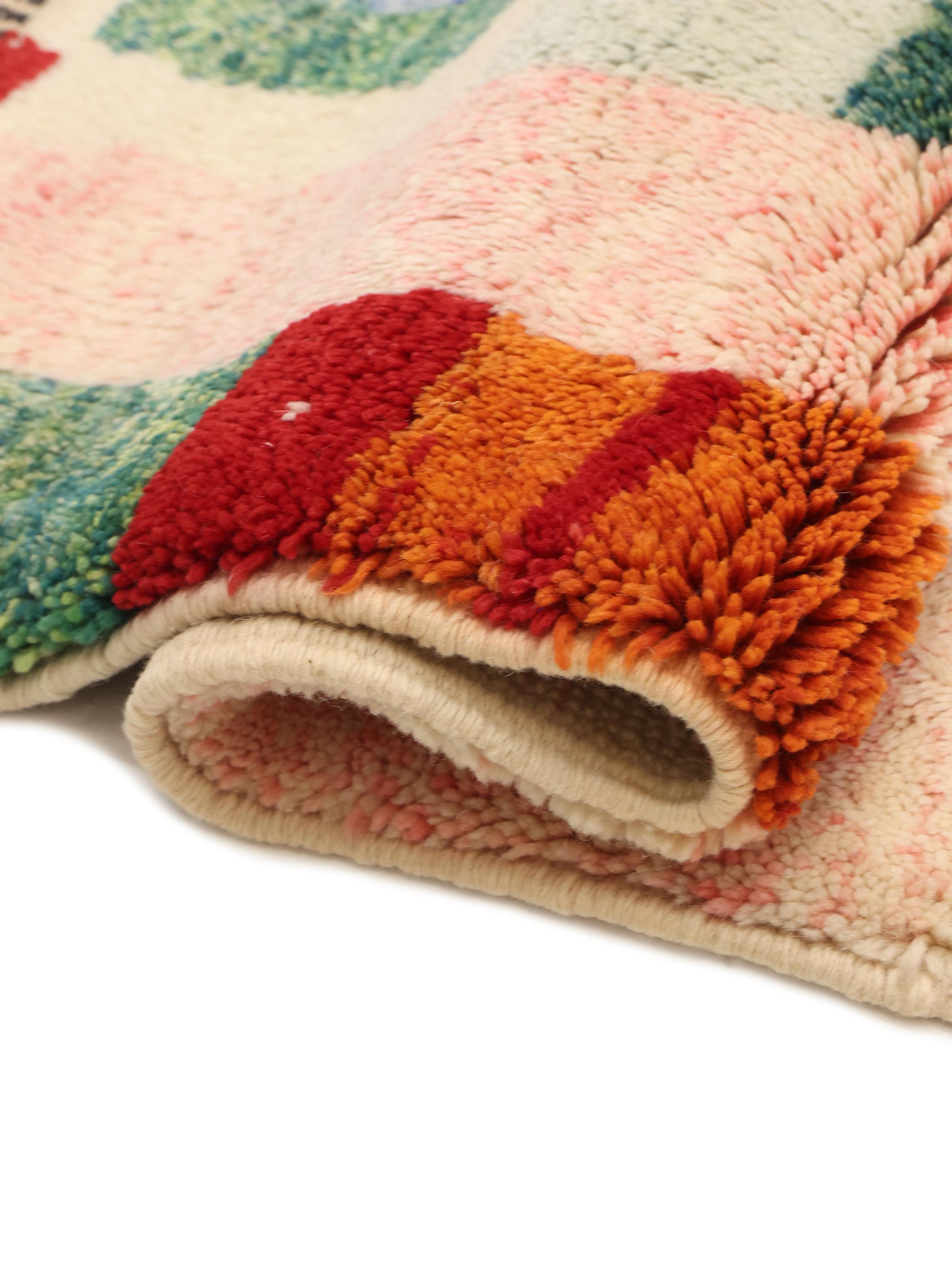
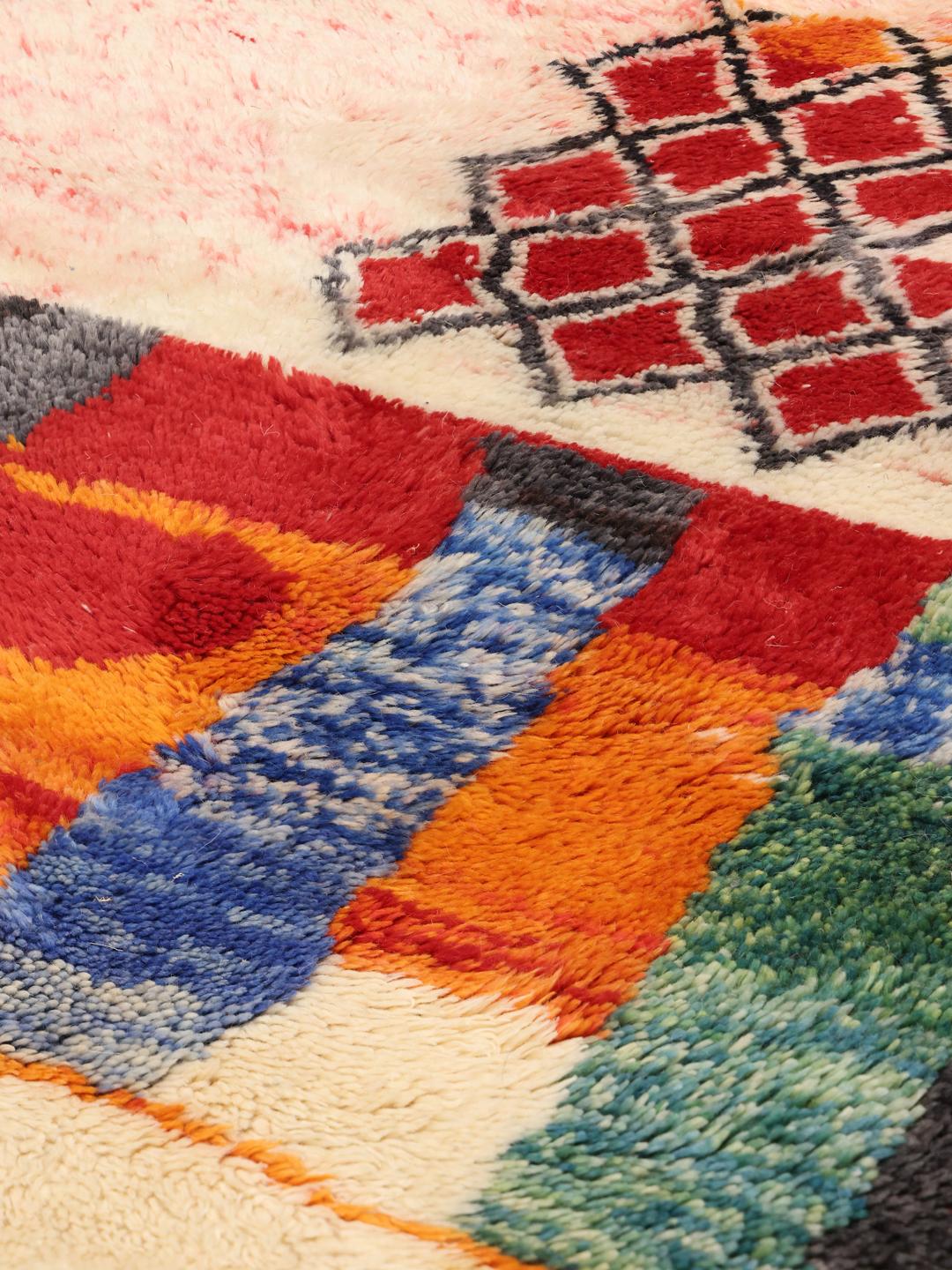
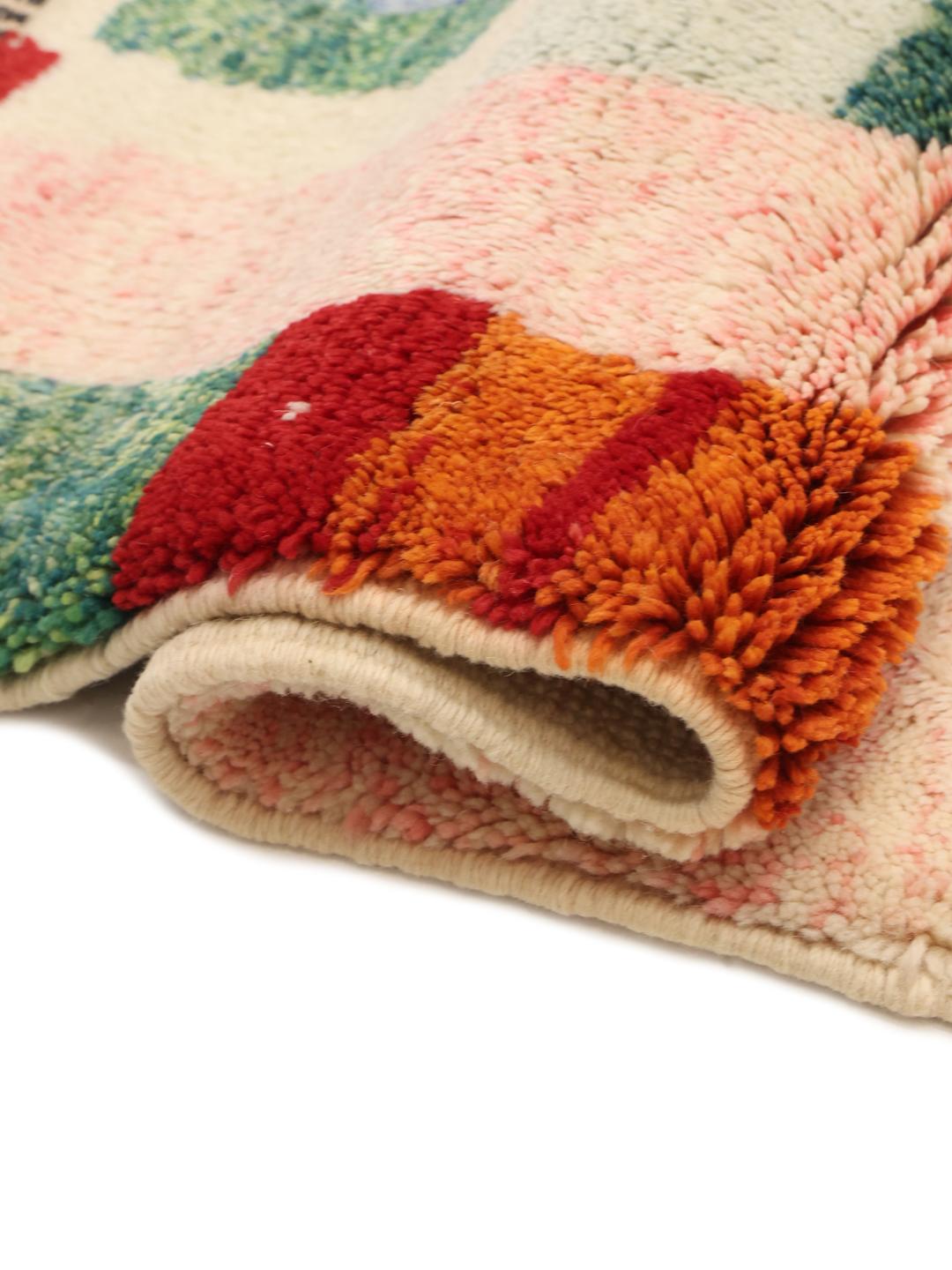
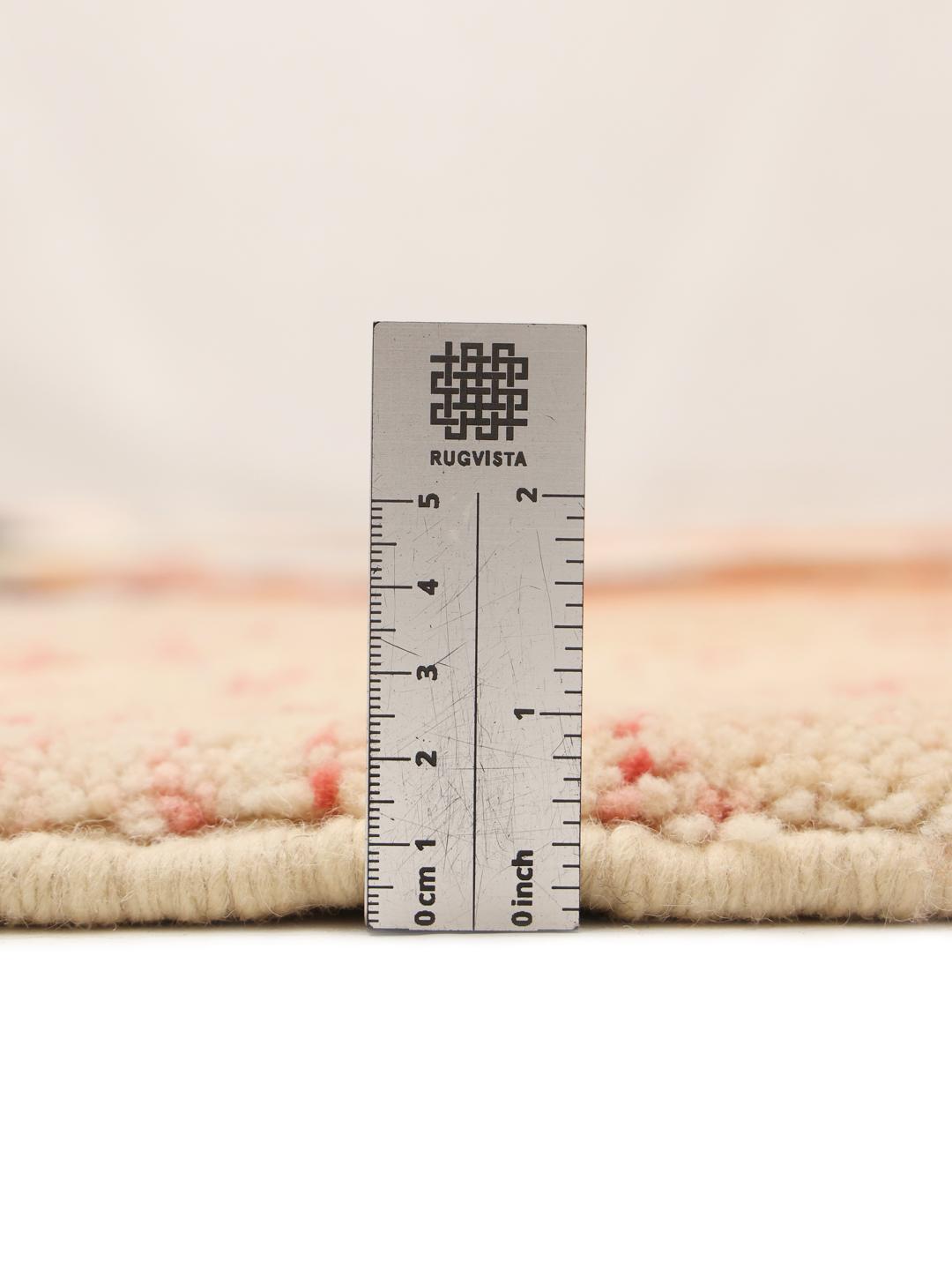
The term Beni Ourain refers to the specific tribal tradition of these rugs, which are traditionally made from the high-quality wool of sheep grazing in the high altitudes. The wool is known for its remarkable strength and softness, qualities that have made these rugs highly sought after by designers and collectors worldwide for their ability to balance raw, rustic charm with refined comfort.
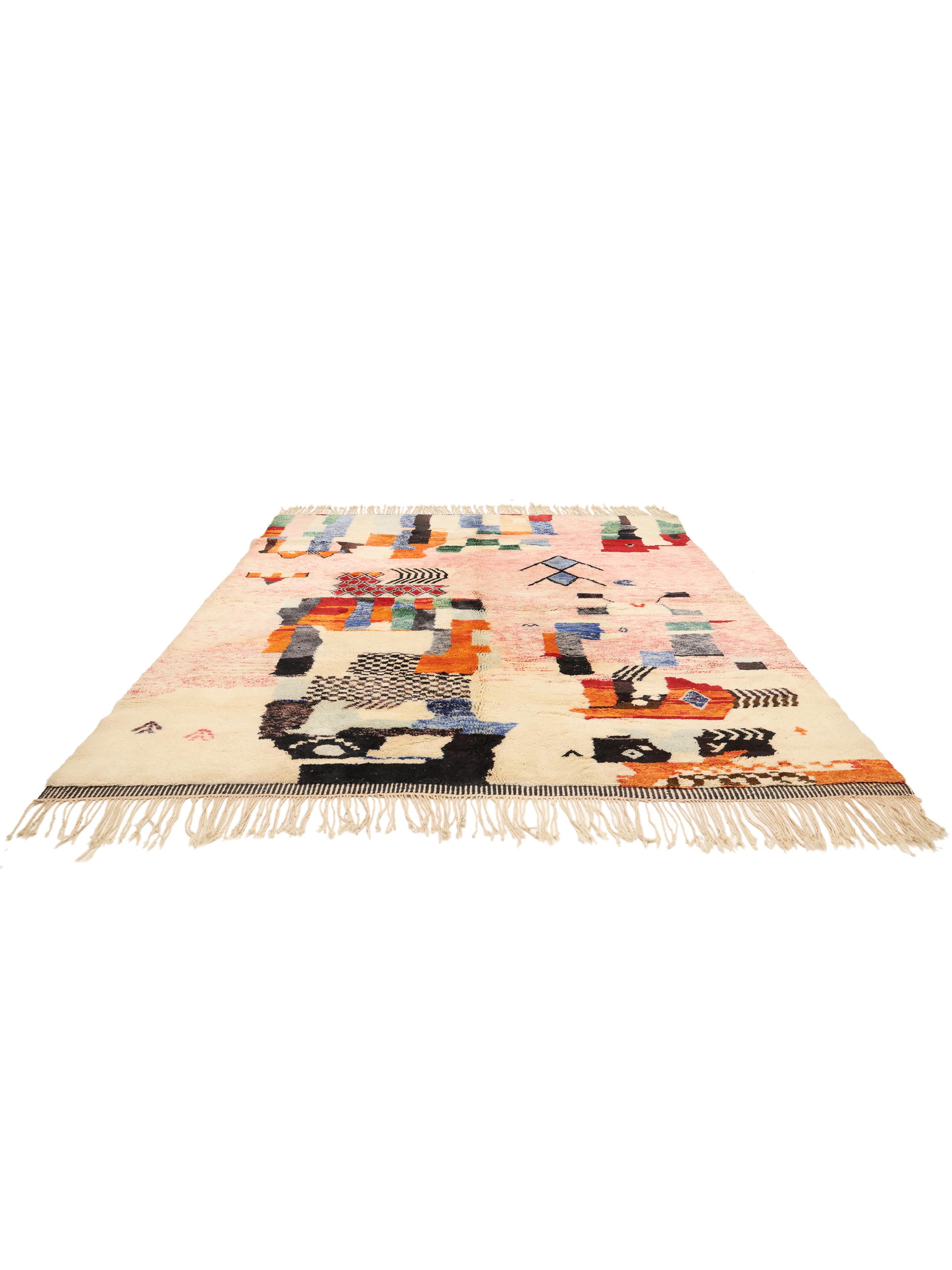
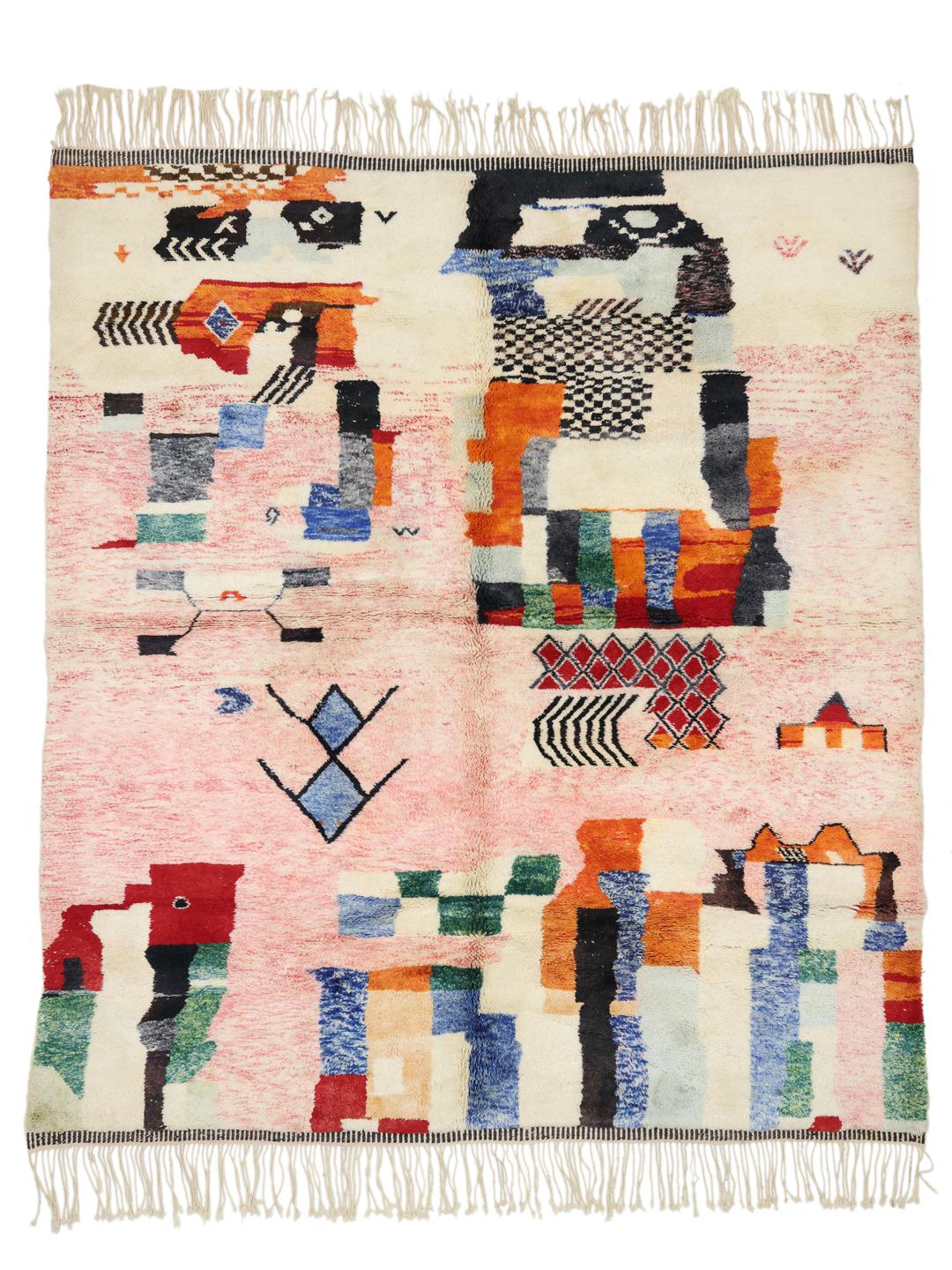
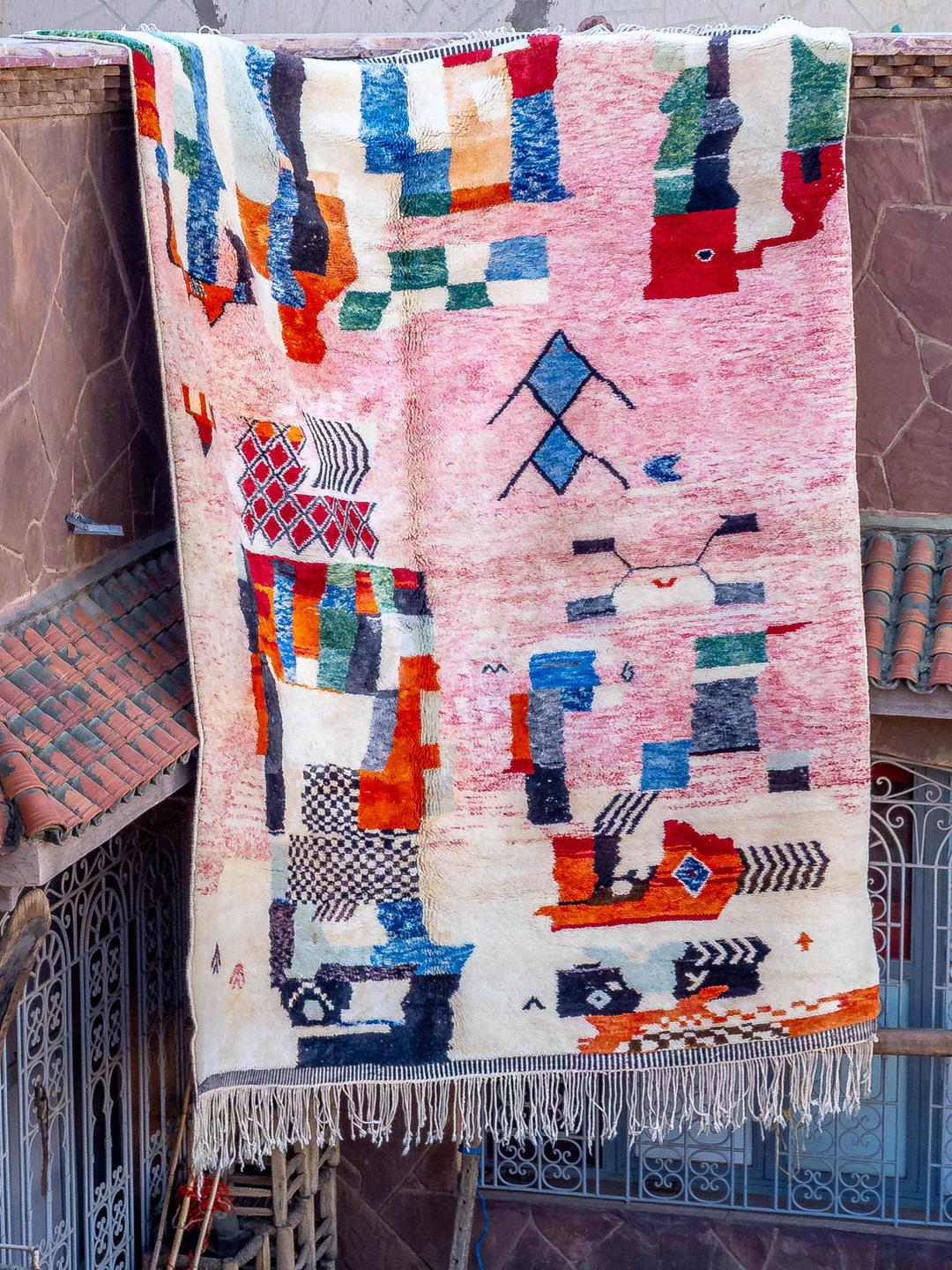
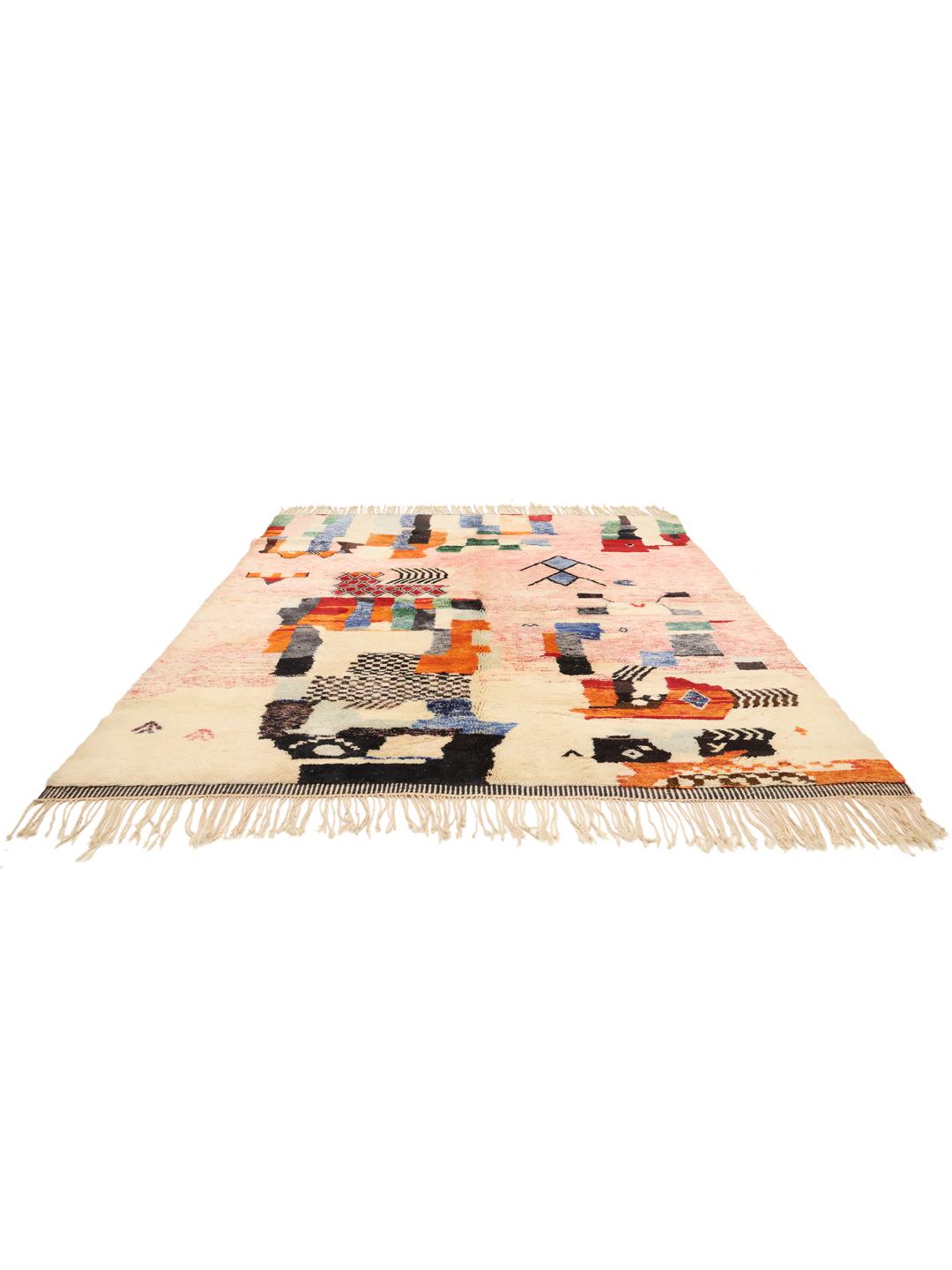
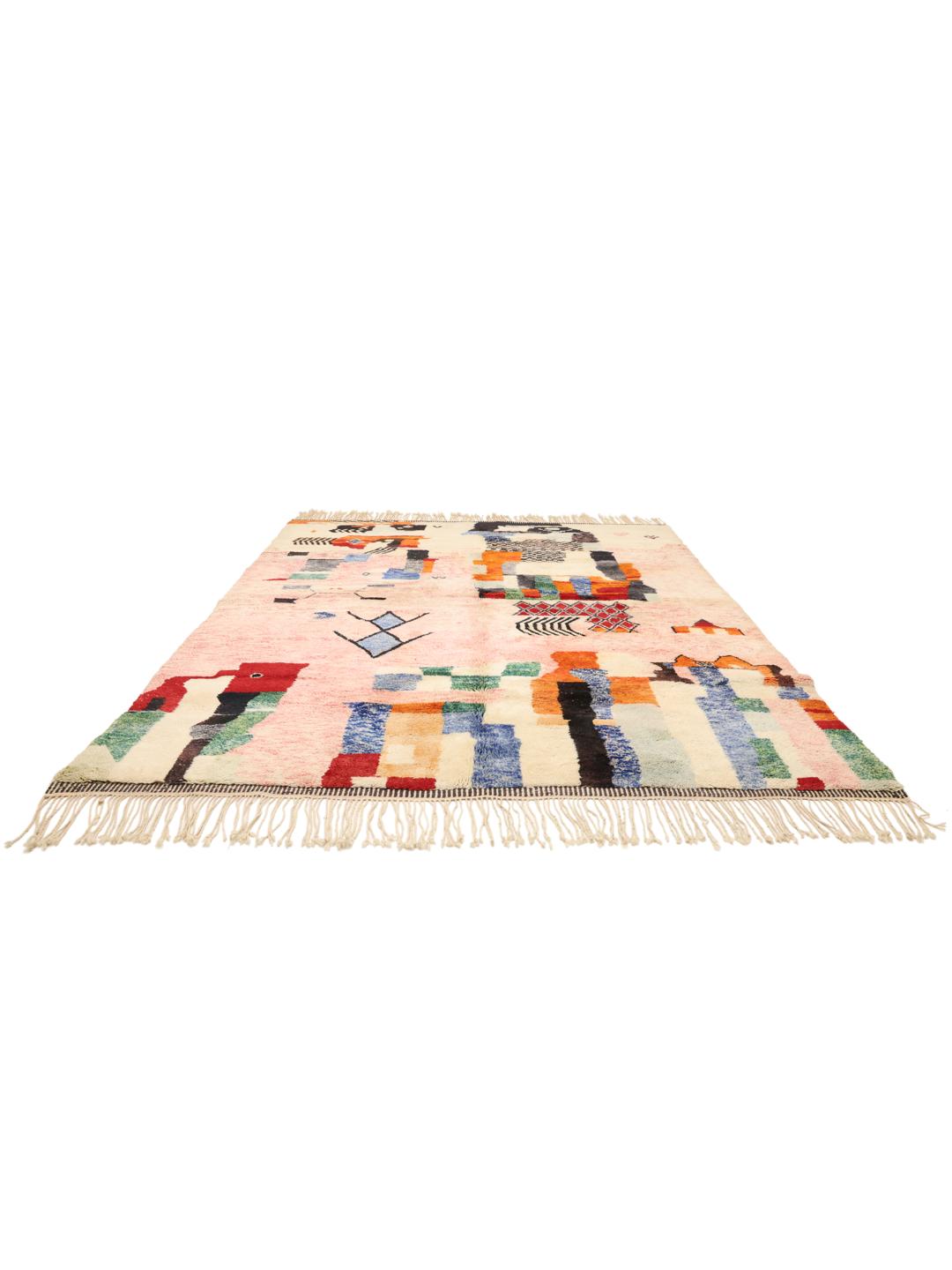
The visual language of these rugs is deeply rooted in personal and cultural storytelling. Rather than following strict, symmetrical patterns, the weavers often incorporate abstract symbols that represent aspects of daily life, including fertility, protection, and nature. The spontaneous, playful arrangement of motifs in this rug reflects that tradition of expressive, intuitive design.
Today, these rugs are celebrated as authentic artefacts of cultural heritage. Owning a piece from this tradition means acquiring a document of a weaver's skill and imagination. They are valued not just for their aesthetic appeal, but for the human connection and the enduring spirit of the craft that they bring into a modern home.