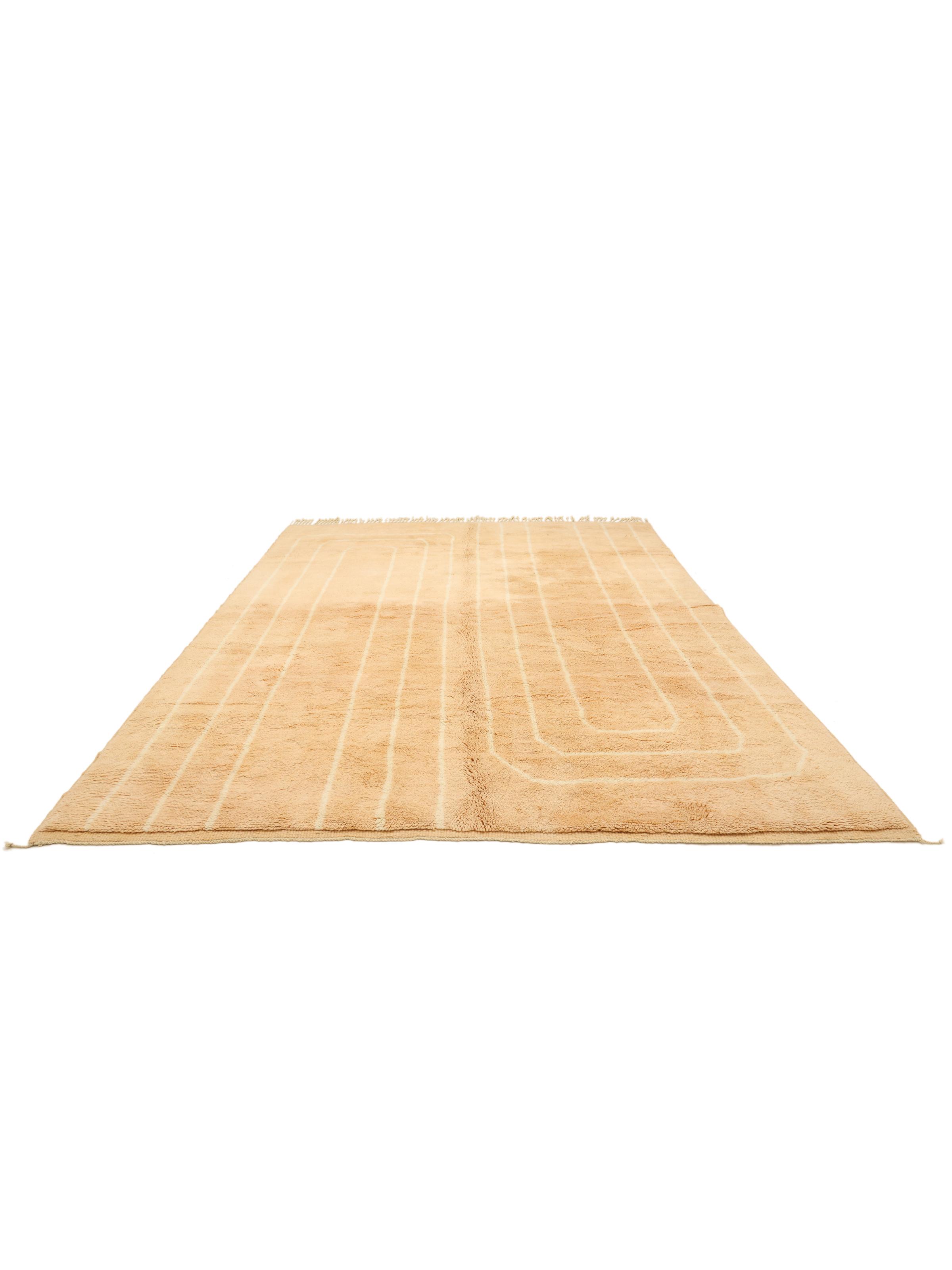
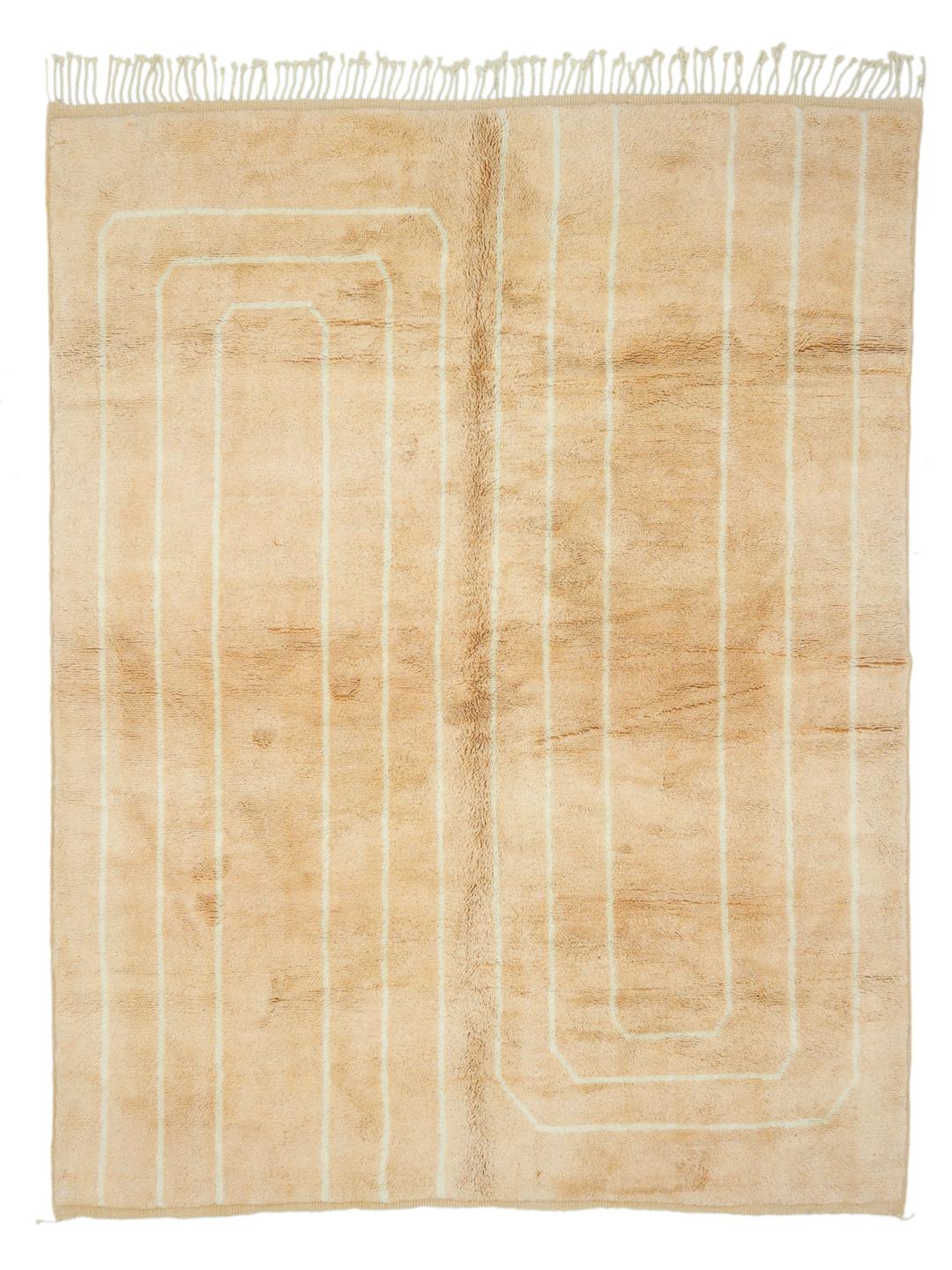
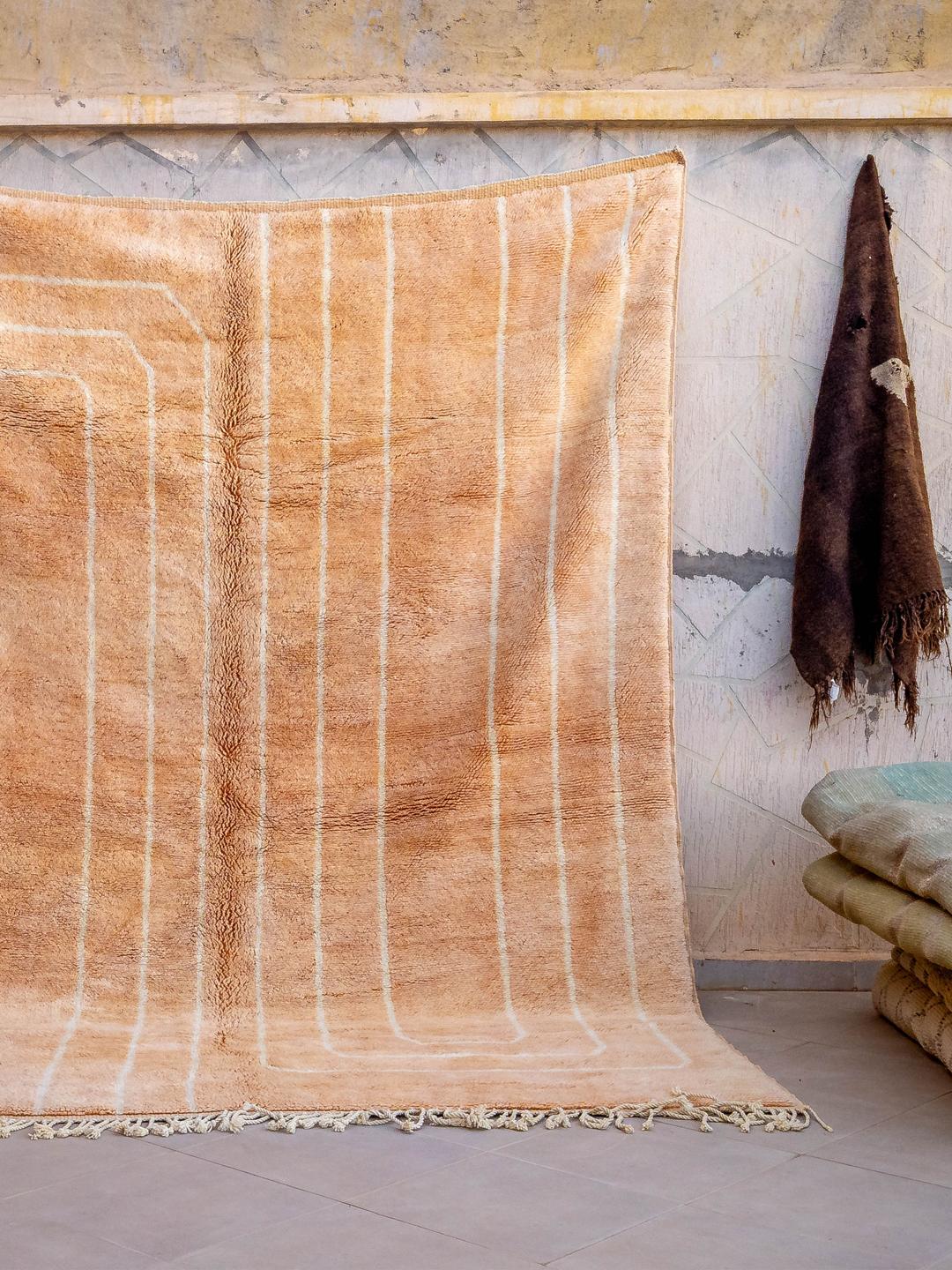
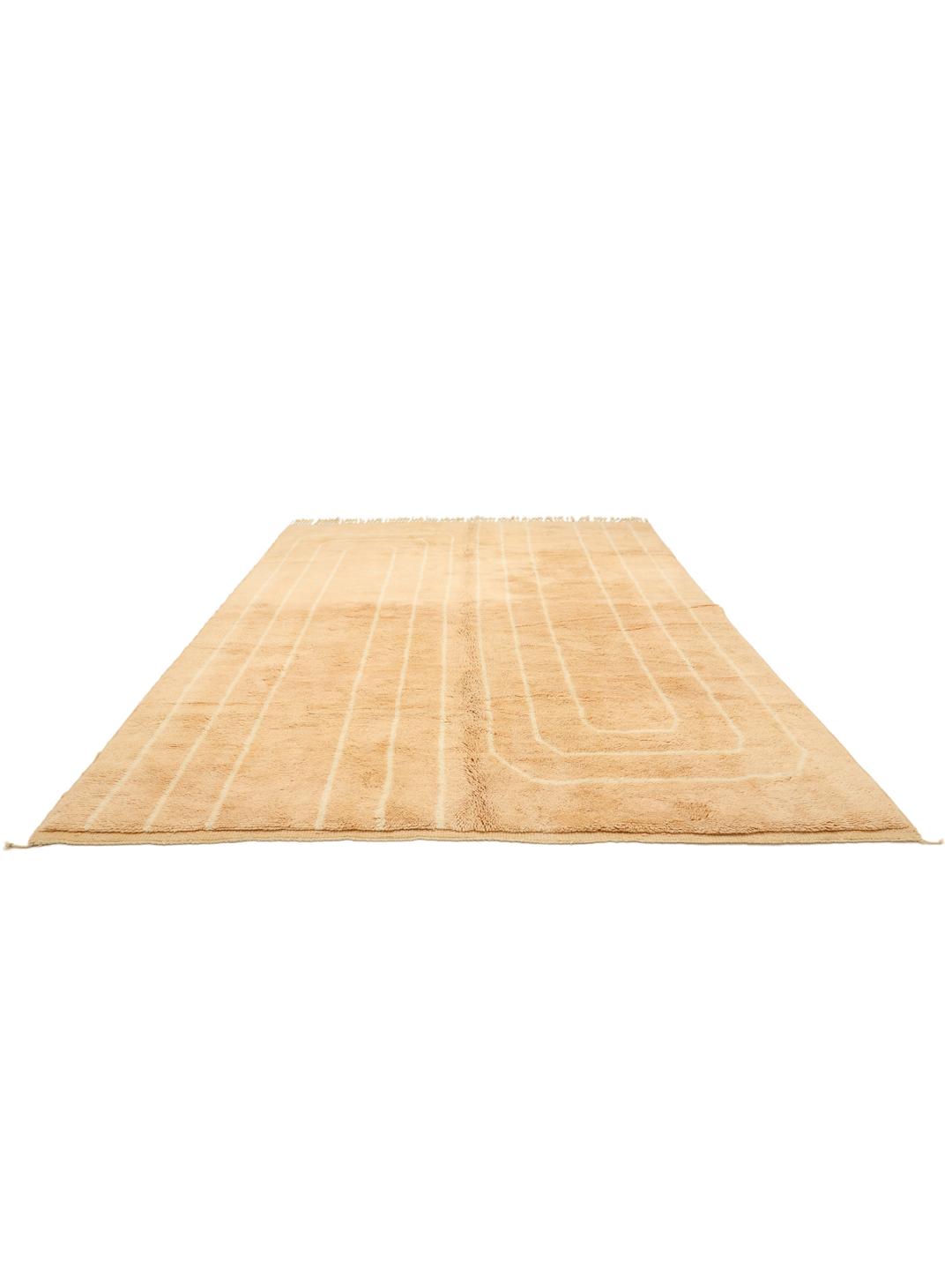
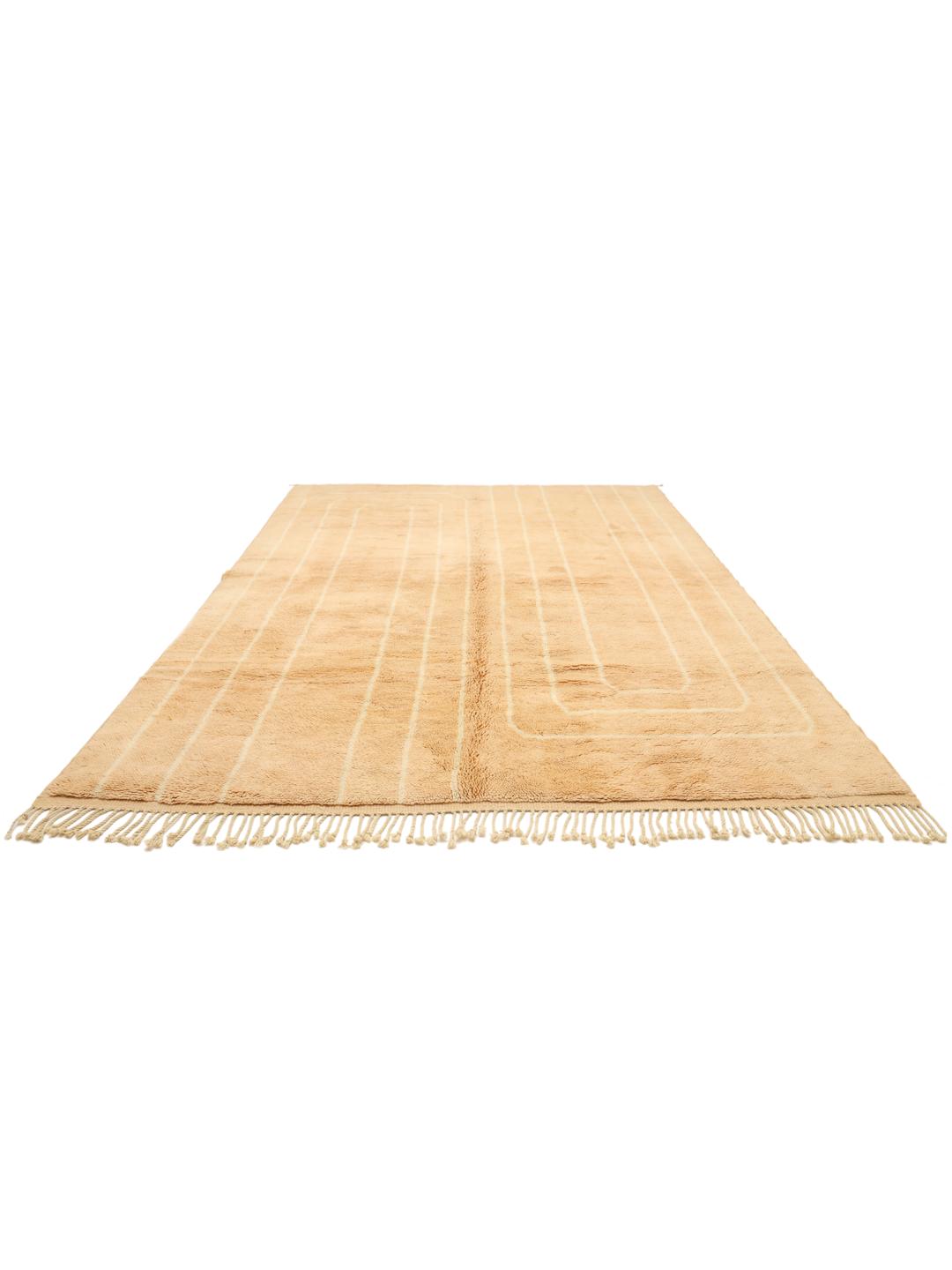
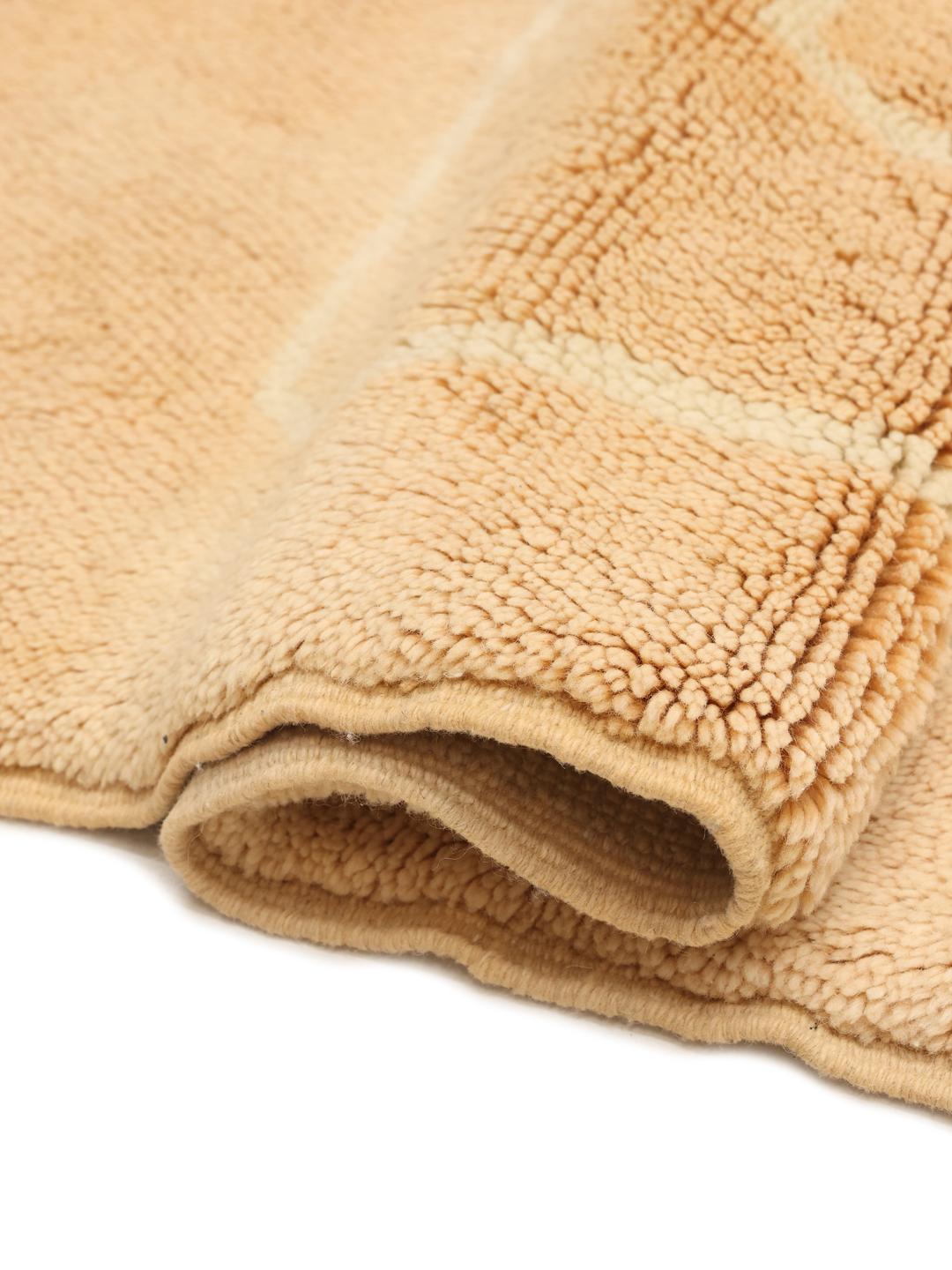
Berber rugs, particularly those from the Beni Ourain tradition, hail from the Middle Atlas mountains of Morocco. These rugs have been woven for centuries by the indigenous Berber tribes, who lived a nomadic or semi-nomadic lifestyle in the rugged, high-altitude terrain. The traditions behind these pieces are deeply rooted in the need for warmth and protection against the harsh mountain winters, leading to the development of the thick, heavy pile that defines the style today.
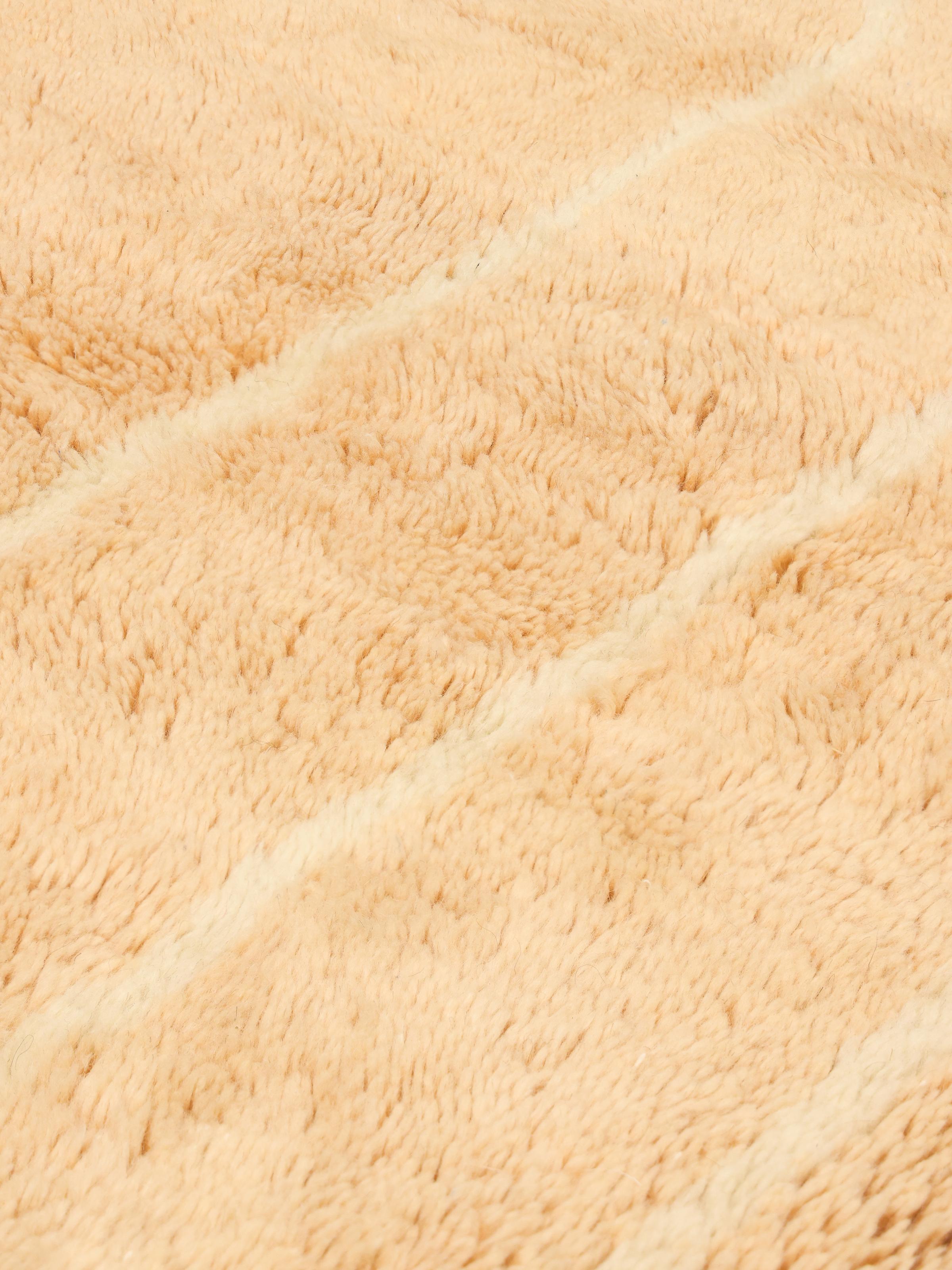
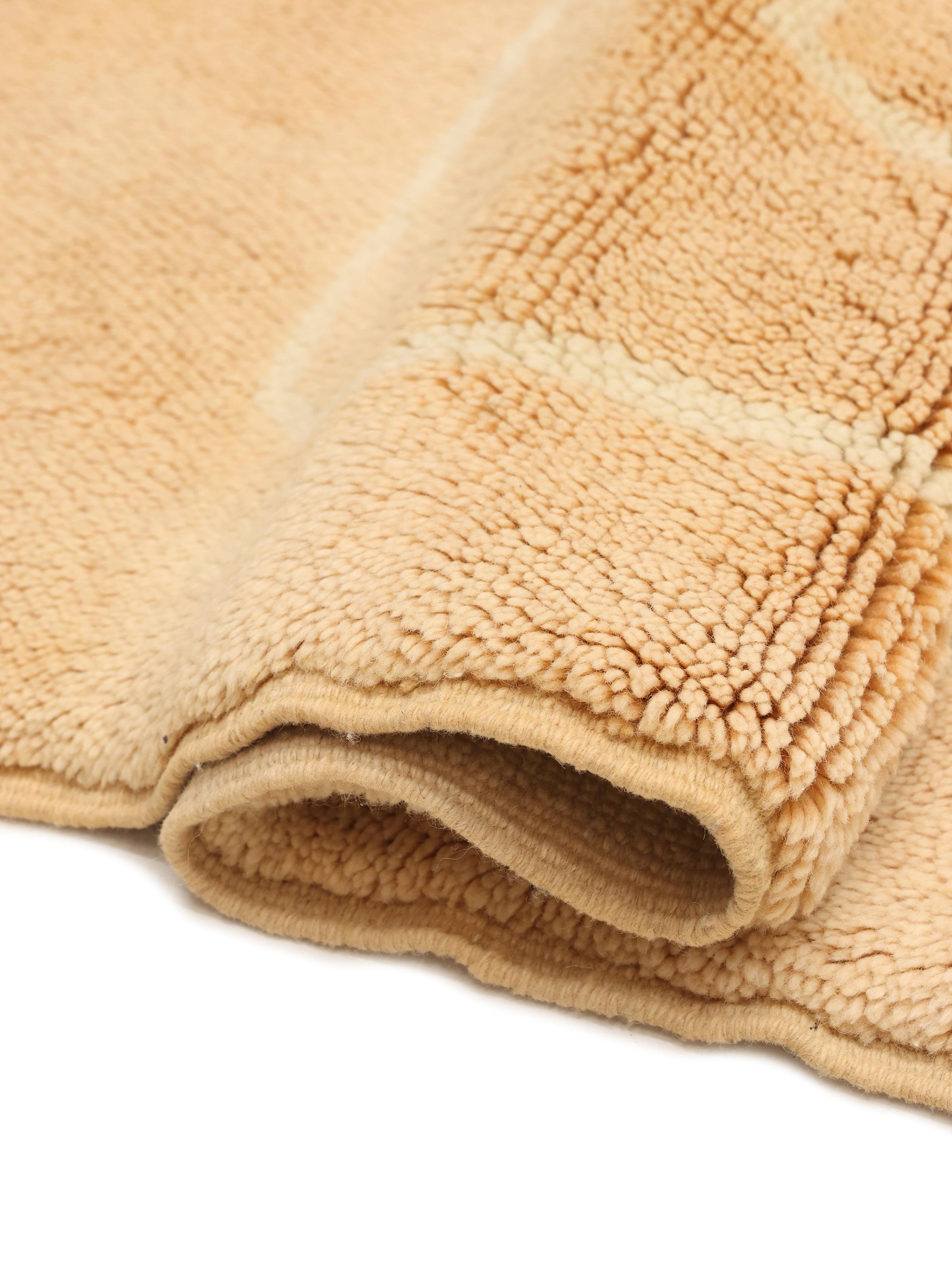
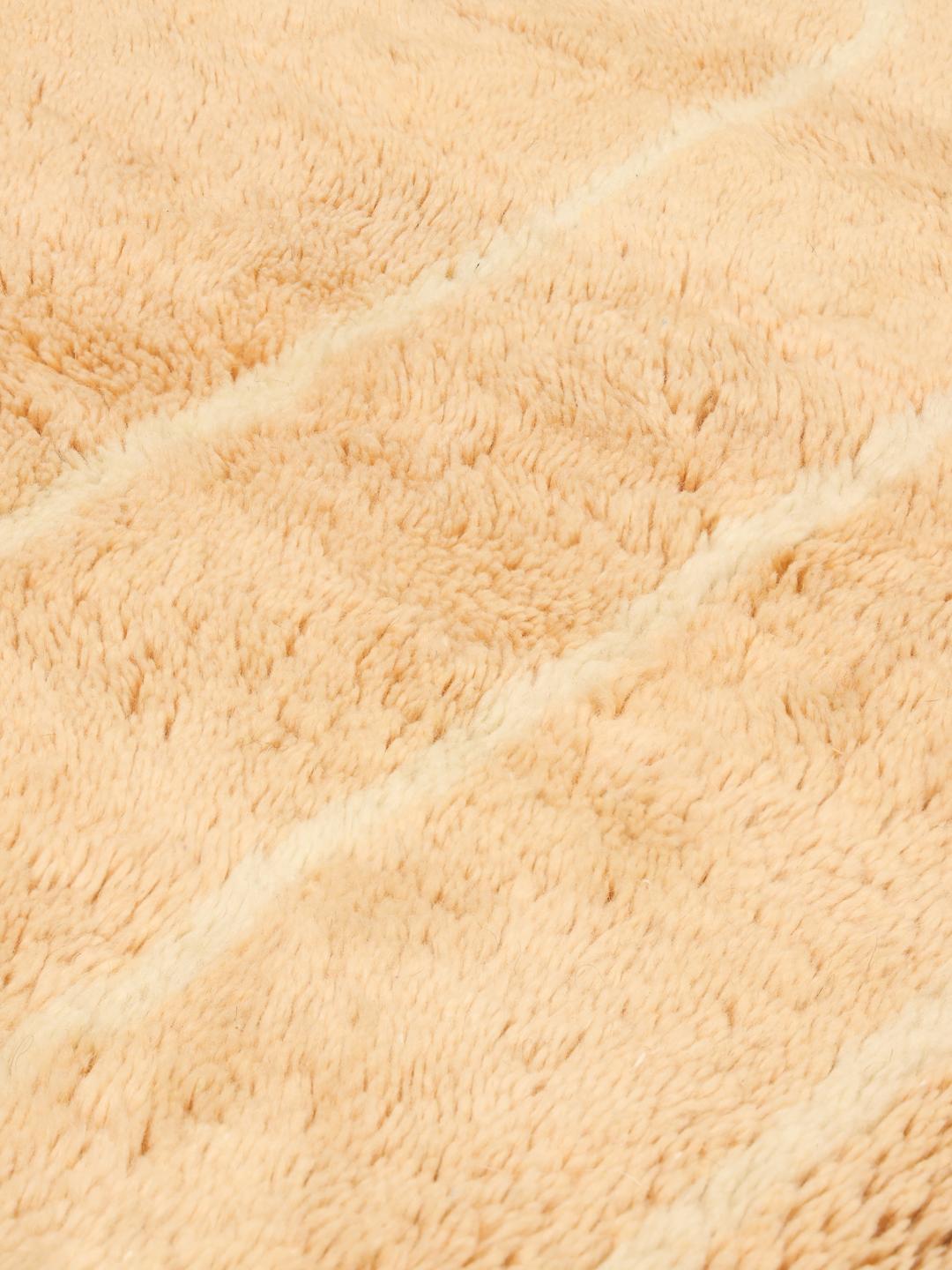
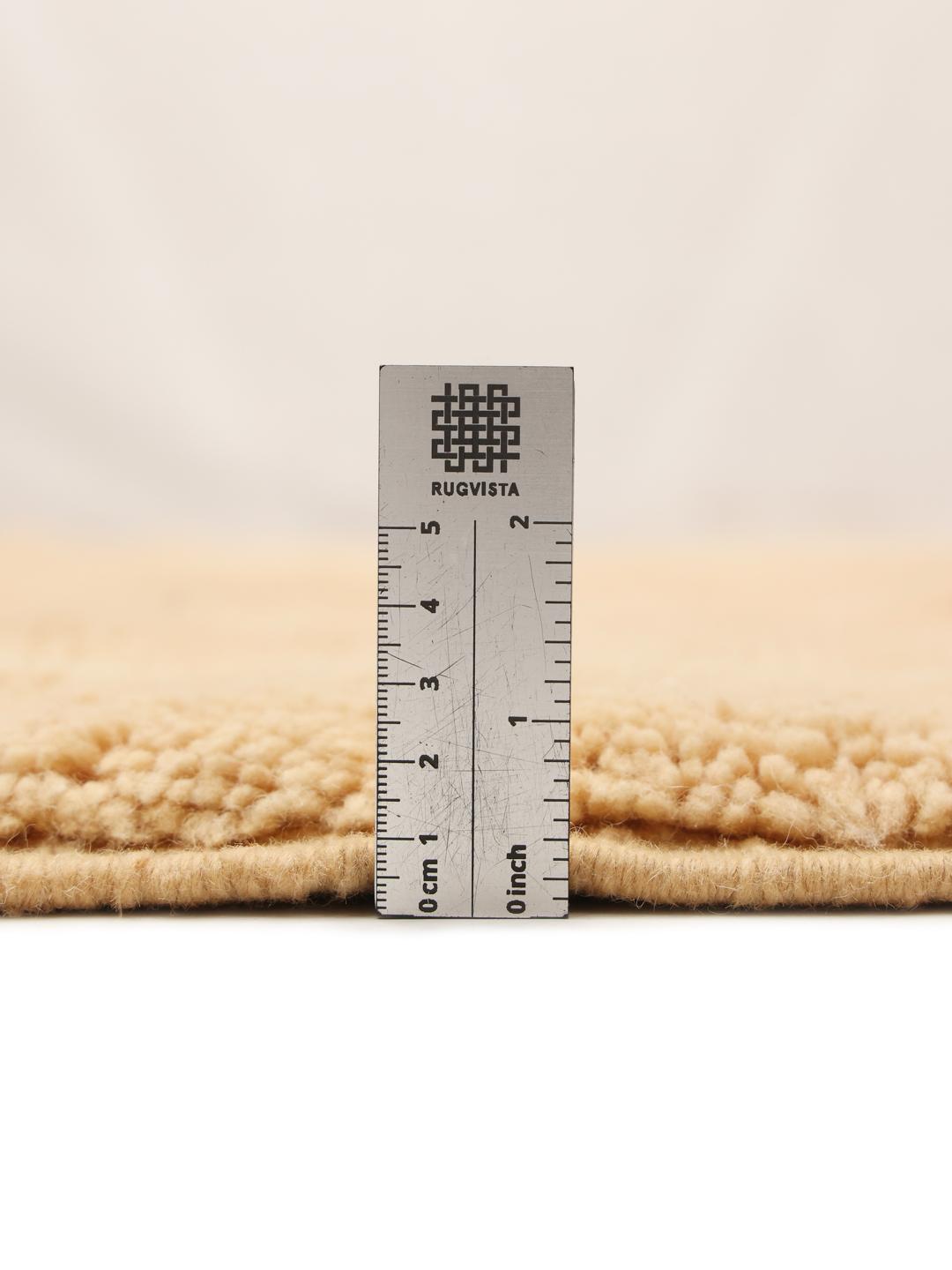
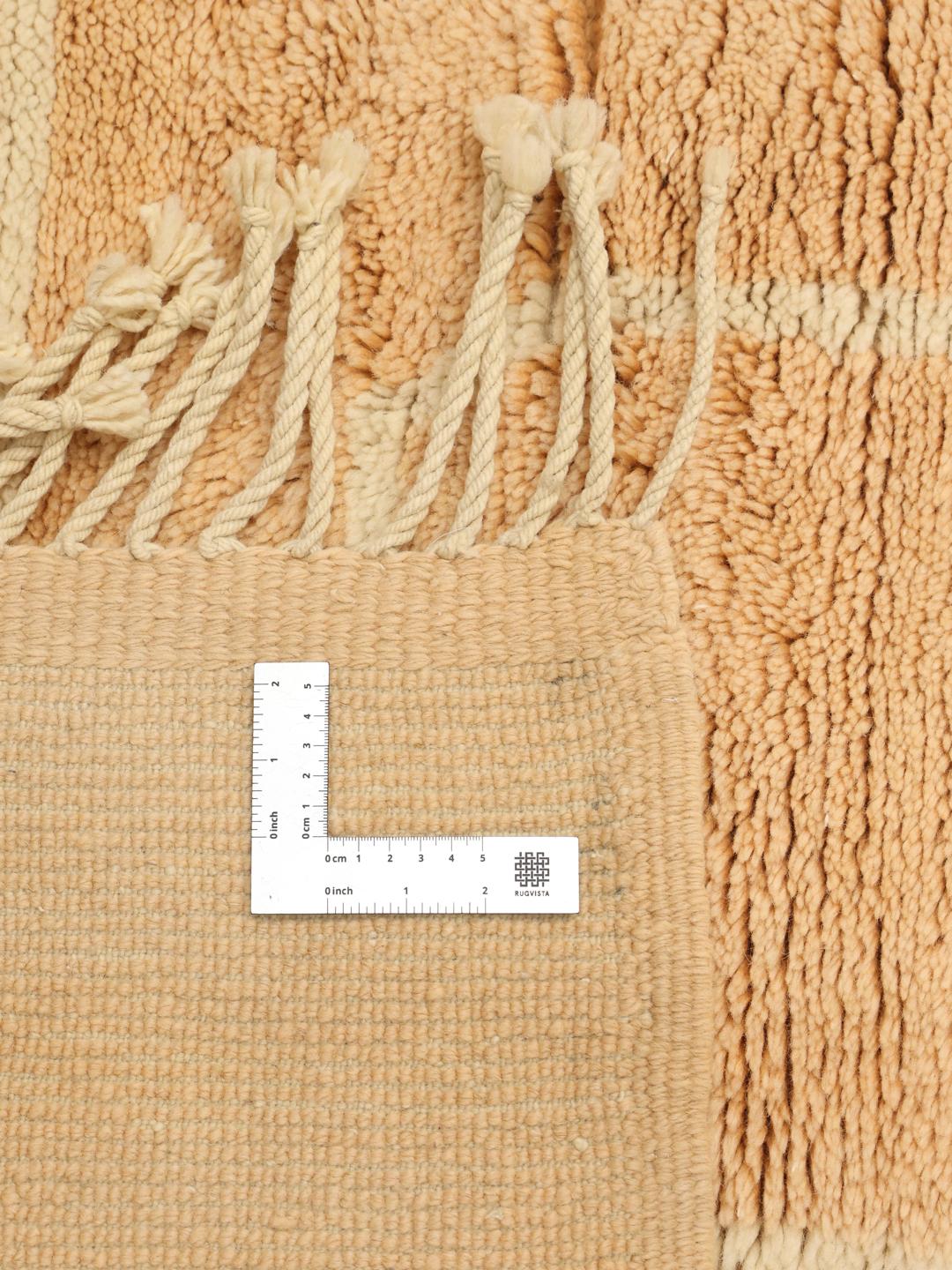
The construction of these rugs is a testament to the artisan's skill, relying on hand-knotted techniques that have been passed down through generations. By using local wool, the weavers are able to create a rug that is both functional and beautiful, with a natural lustre that improves over time. The wool is typically left in its natural, undyed state, which is why these rugs are famous for their warm, creamy, and earthy tones.
Visually, these rugs are known for their minimalist yet powerful designs. While they often feature geometric shapes, lines, or abstract symbols, the focus is always on the raw, organic beauty of the wool. These motifs are not just decorative; they are often deeply symbolic, reflecting the weaver's environment, their family history, or their personal experiences, making each rug a personal narrative woven into fabric.
Owning a Berber rug is an investment in cultural heritage and long-lasting quality. These pieces are highly sought after by collectors and interior designers alike for their ability to bring a grounded, authentic feeling to any modern home. When you acquire one, you are not just buying a floor covering; you are becoming a steward of an ancient craft that prioritises human connection and sustainable, natural materials over factory-made uniformity.