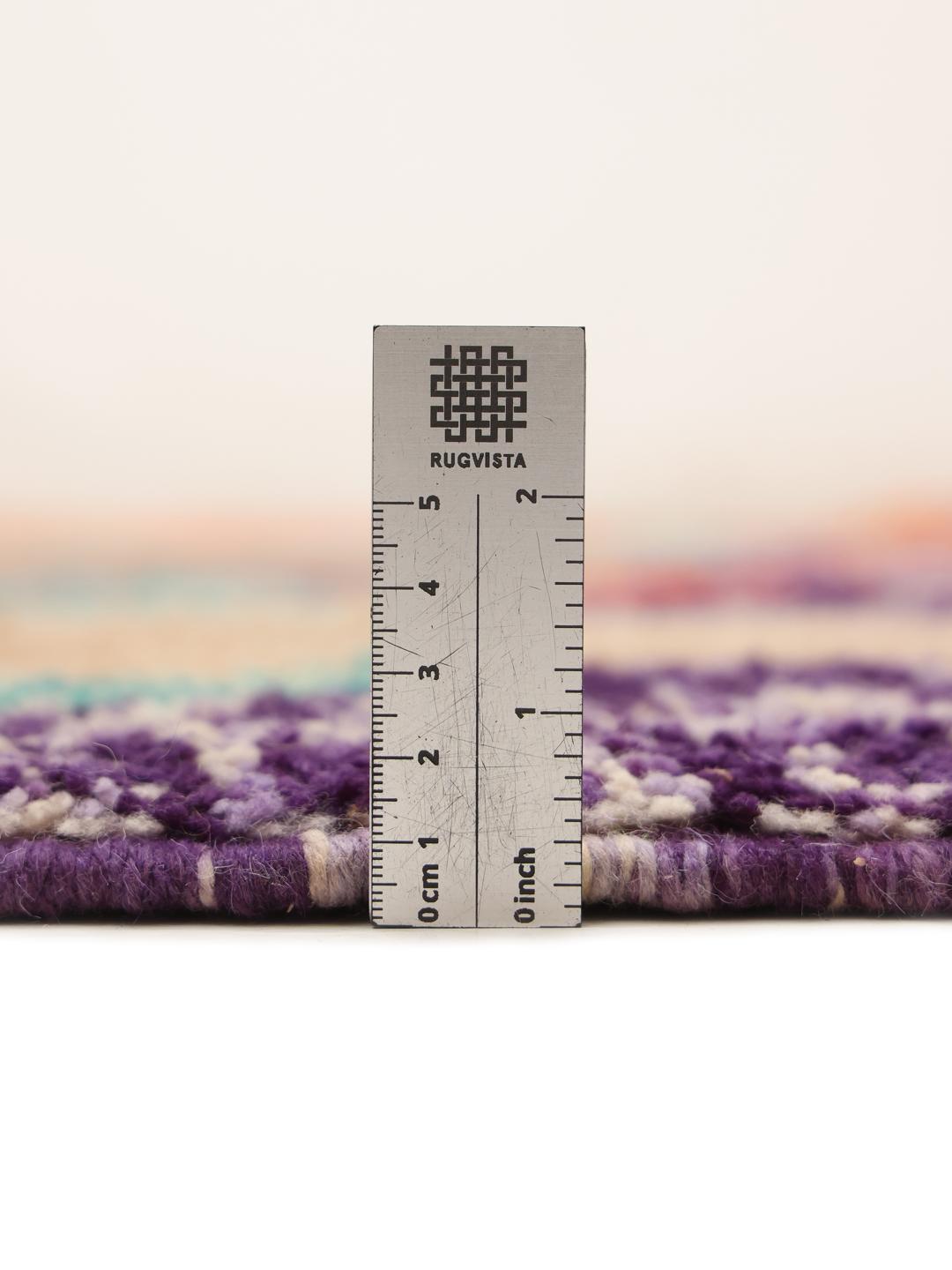
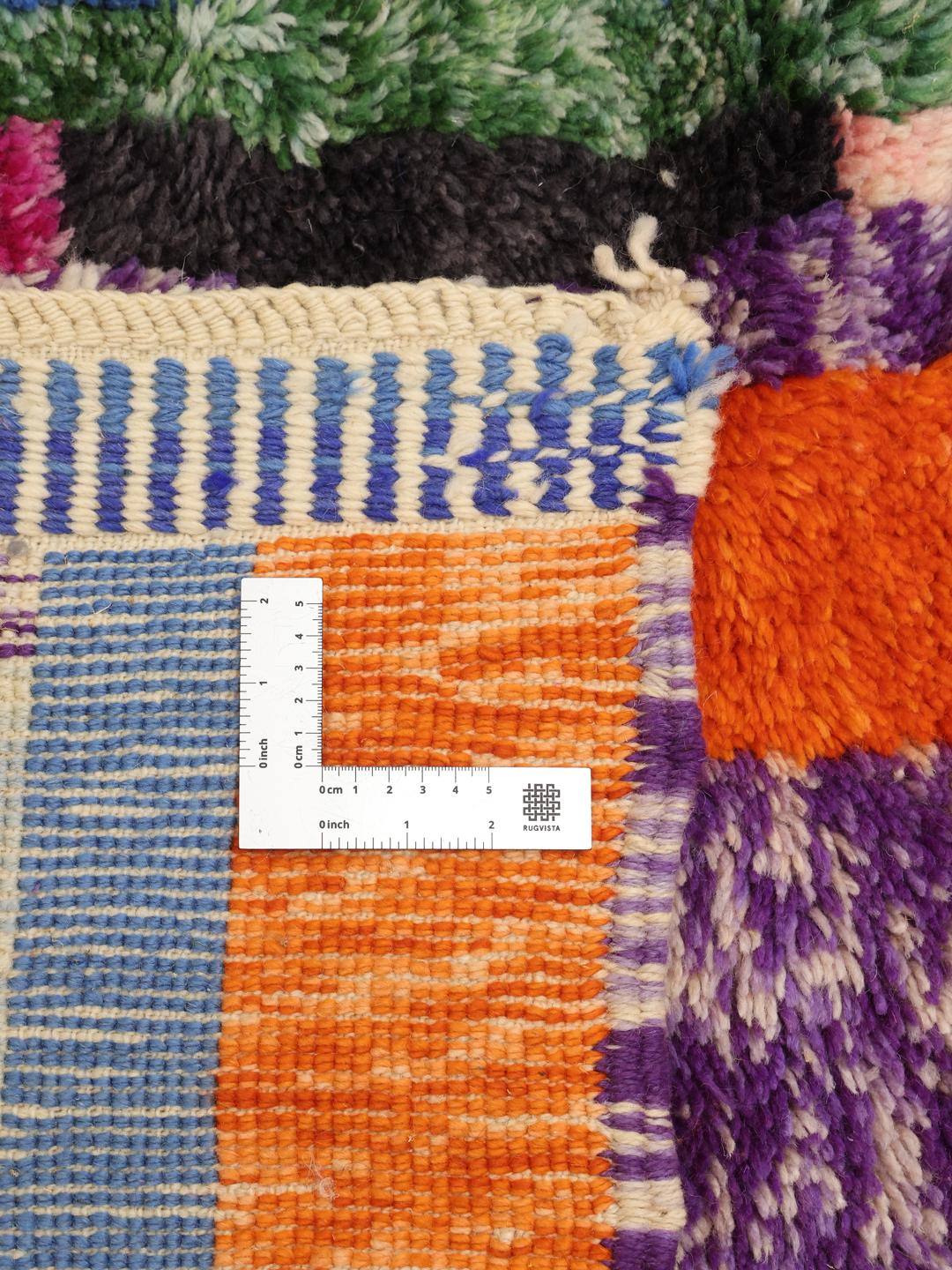
The Berber Moroccan rug tradition finds its roots in the rugged Atlas Mountains, where indigenous communities have produced textiles for centuries. These rugs were originally crafted for warmth and utility, serving as sleeping mats or blankets in the high-altitude climate, and have evolved into some of the most sought-after pieces in the world of interior design.
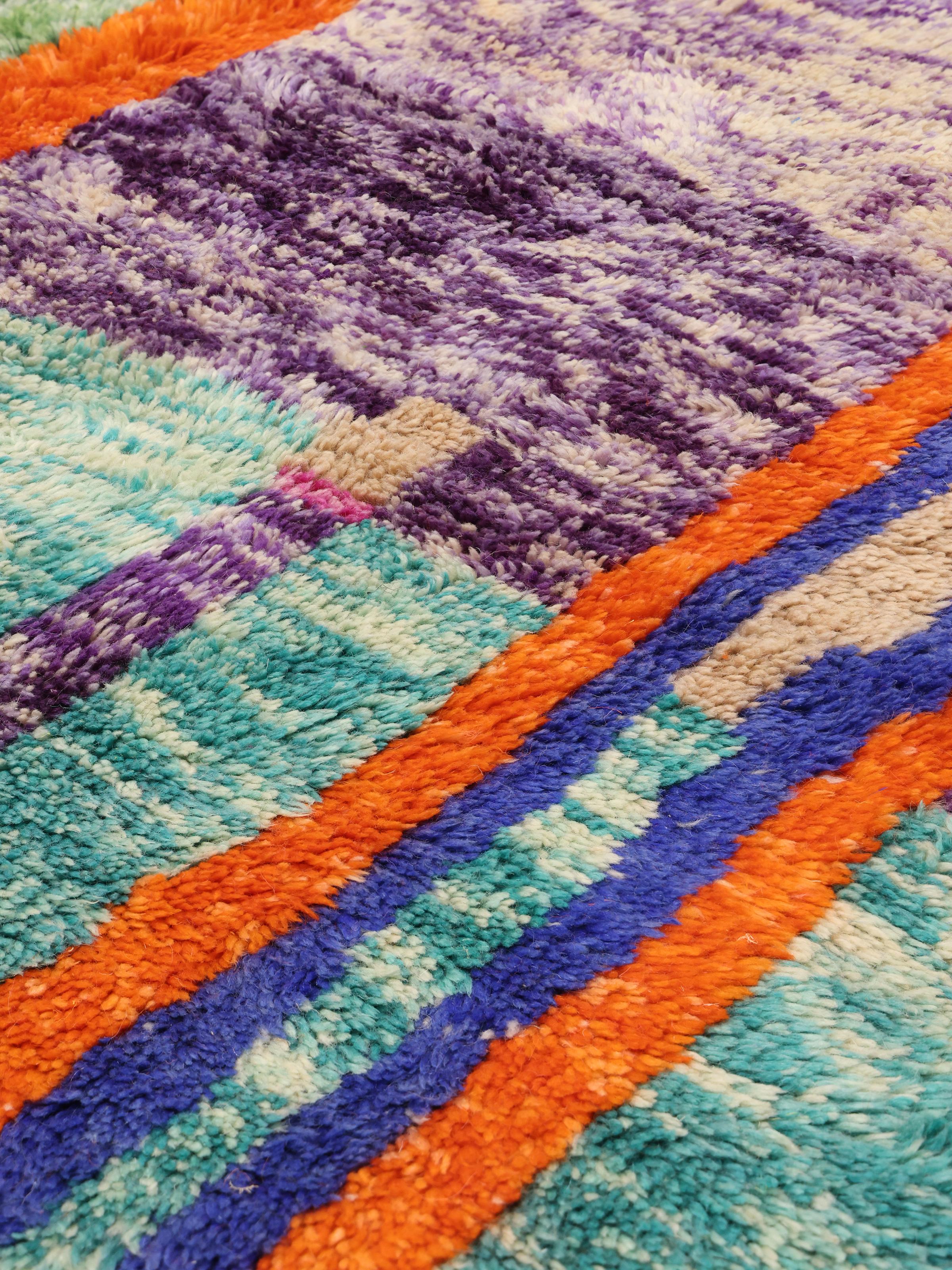
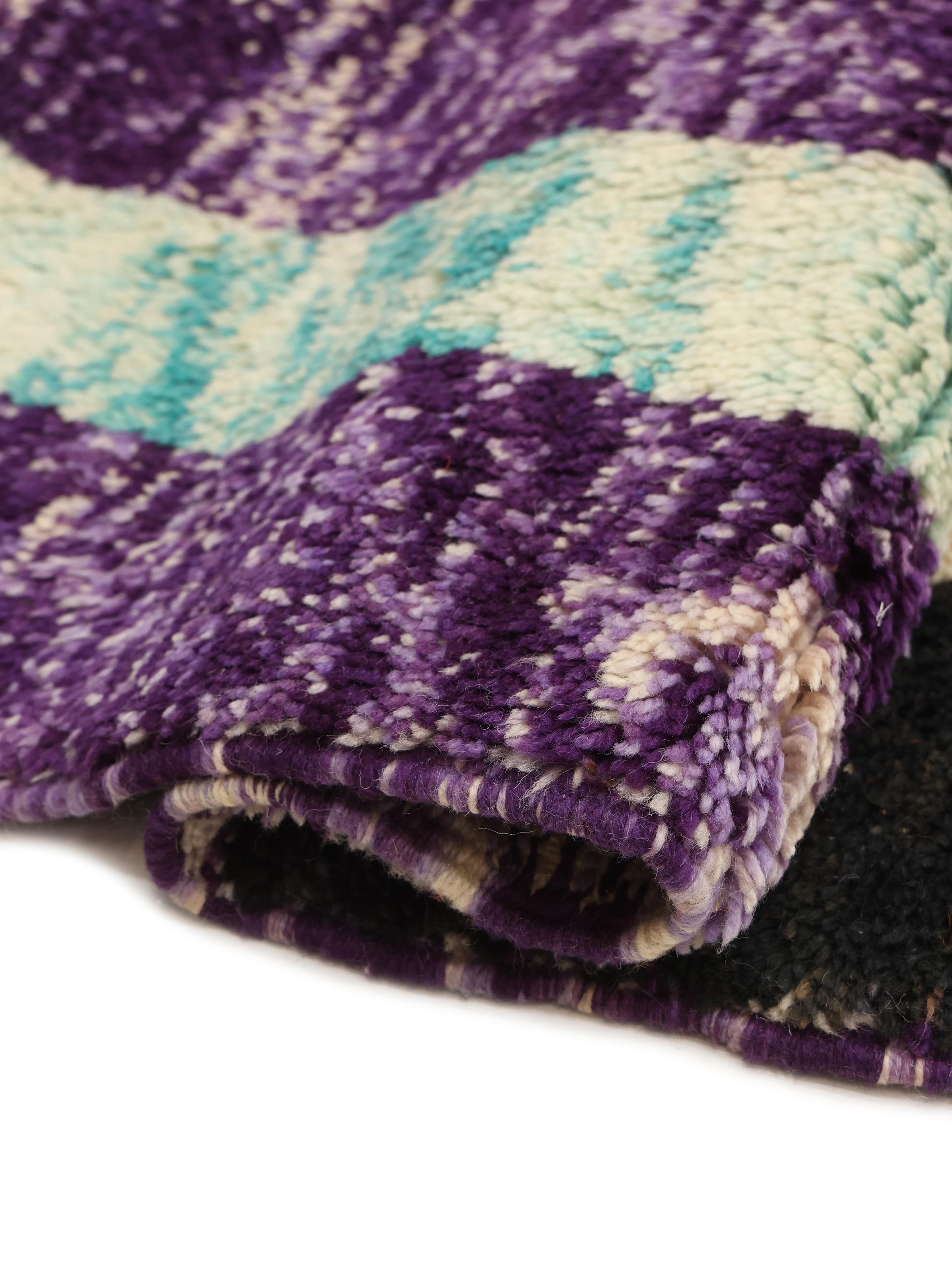
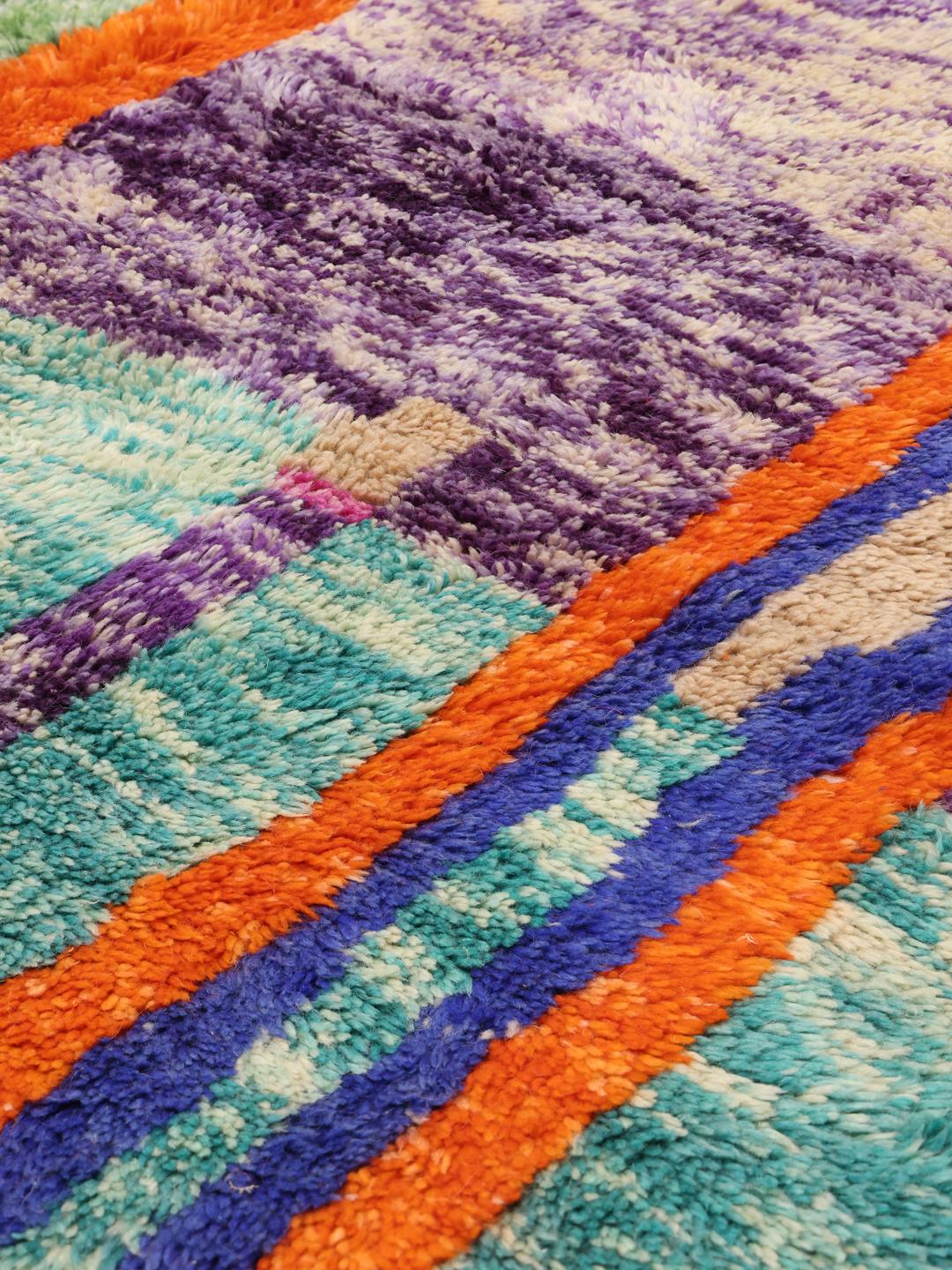
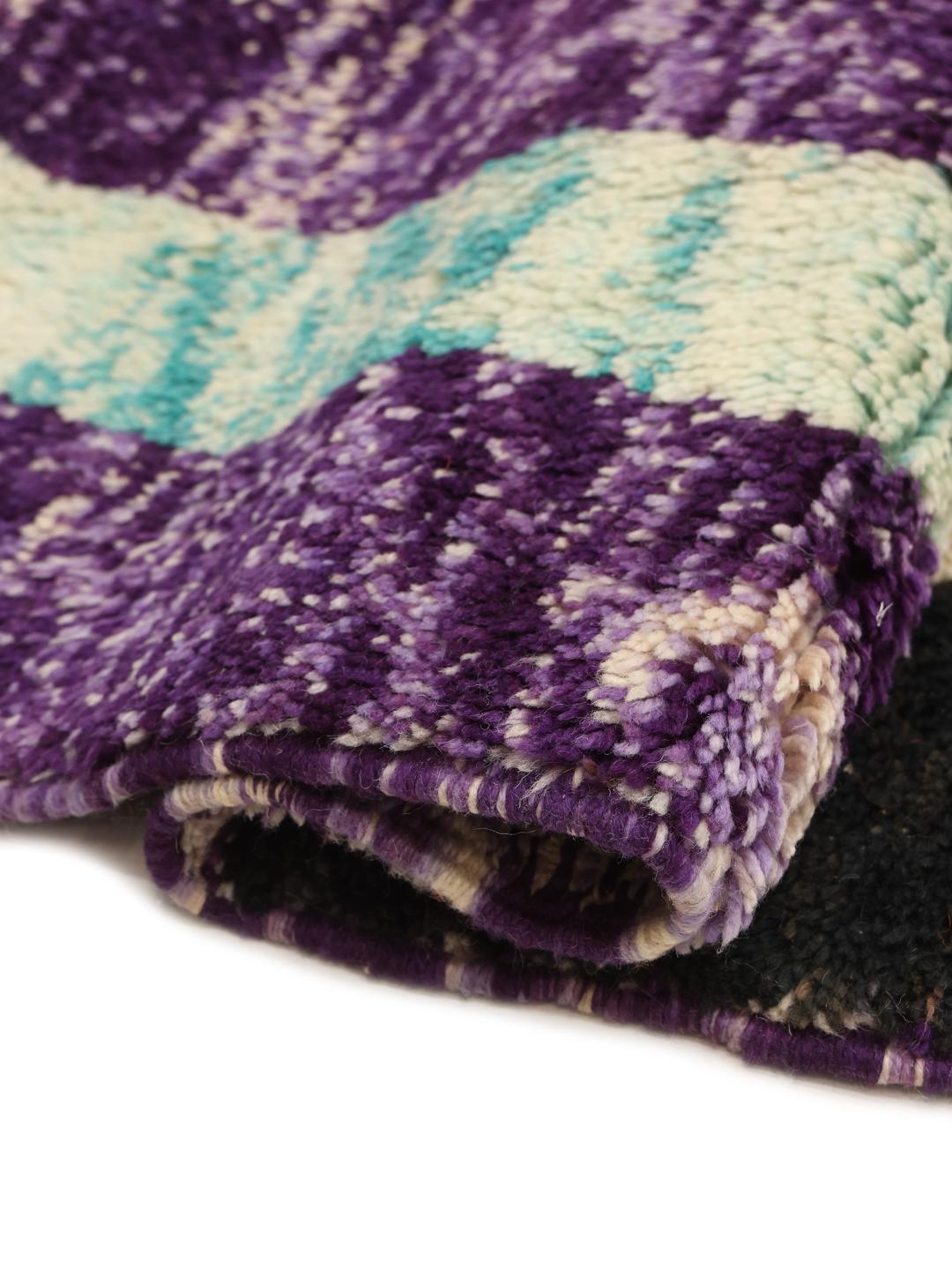
The construction of these rugs typically involves a long-standing tradition of hand-knotting, which allows for a high degree of artistic freedom. Unlike more rigid, symmetrical styles, the Berber approach often embraces imperfection and spontaneous creativity, reflecting the weaver's personal expression and the cultural heritage of their specific tribe.
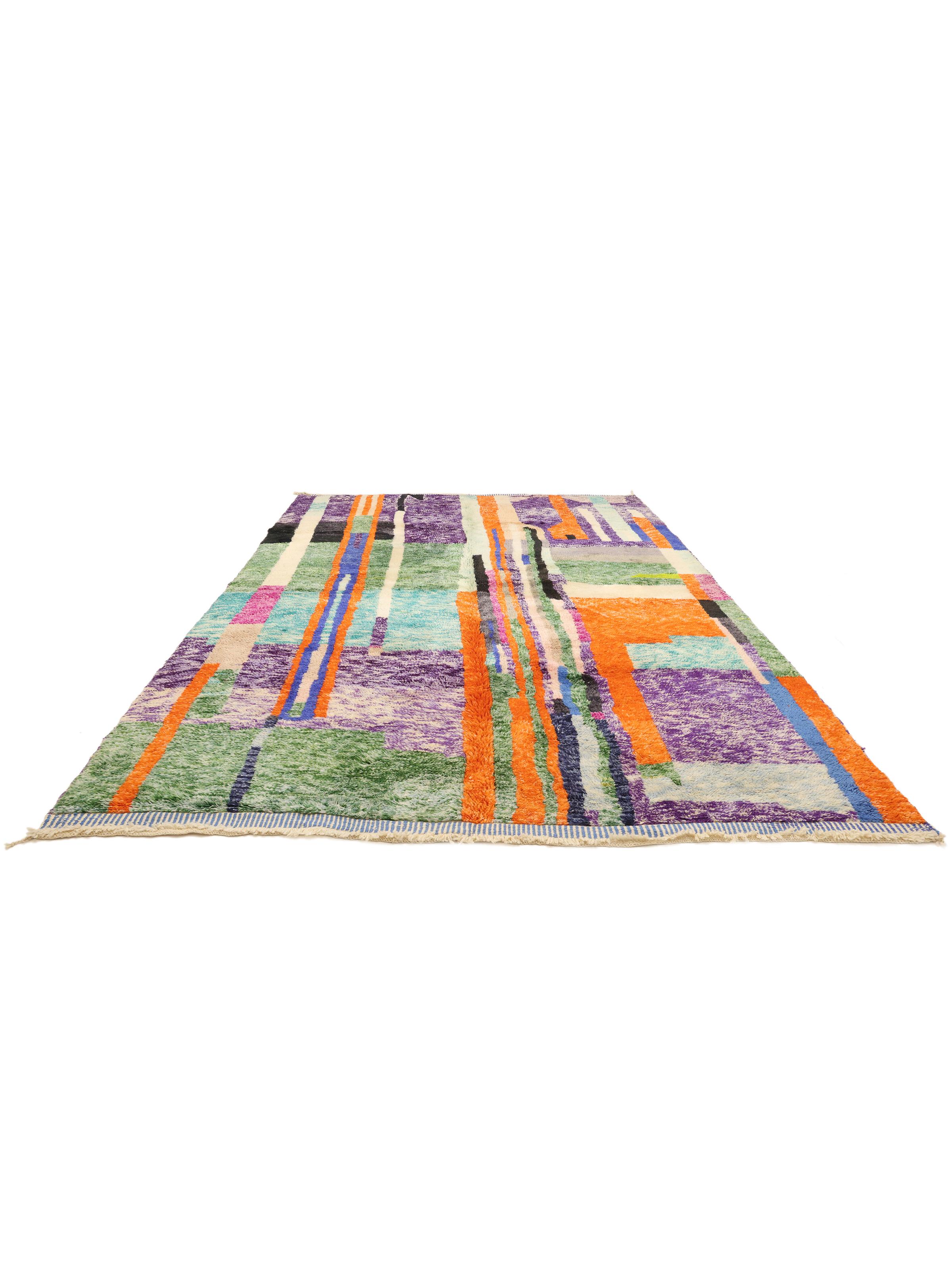
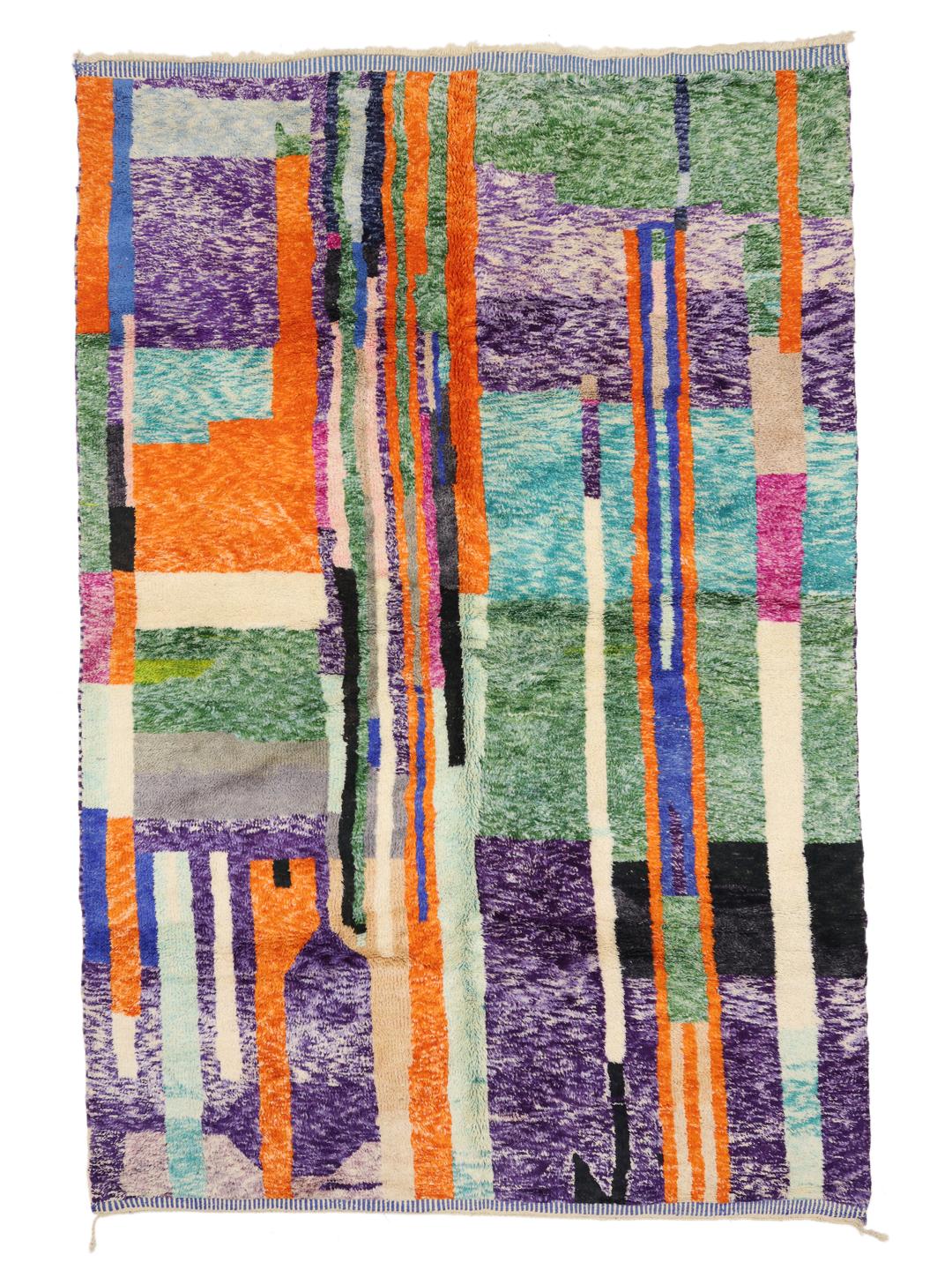
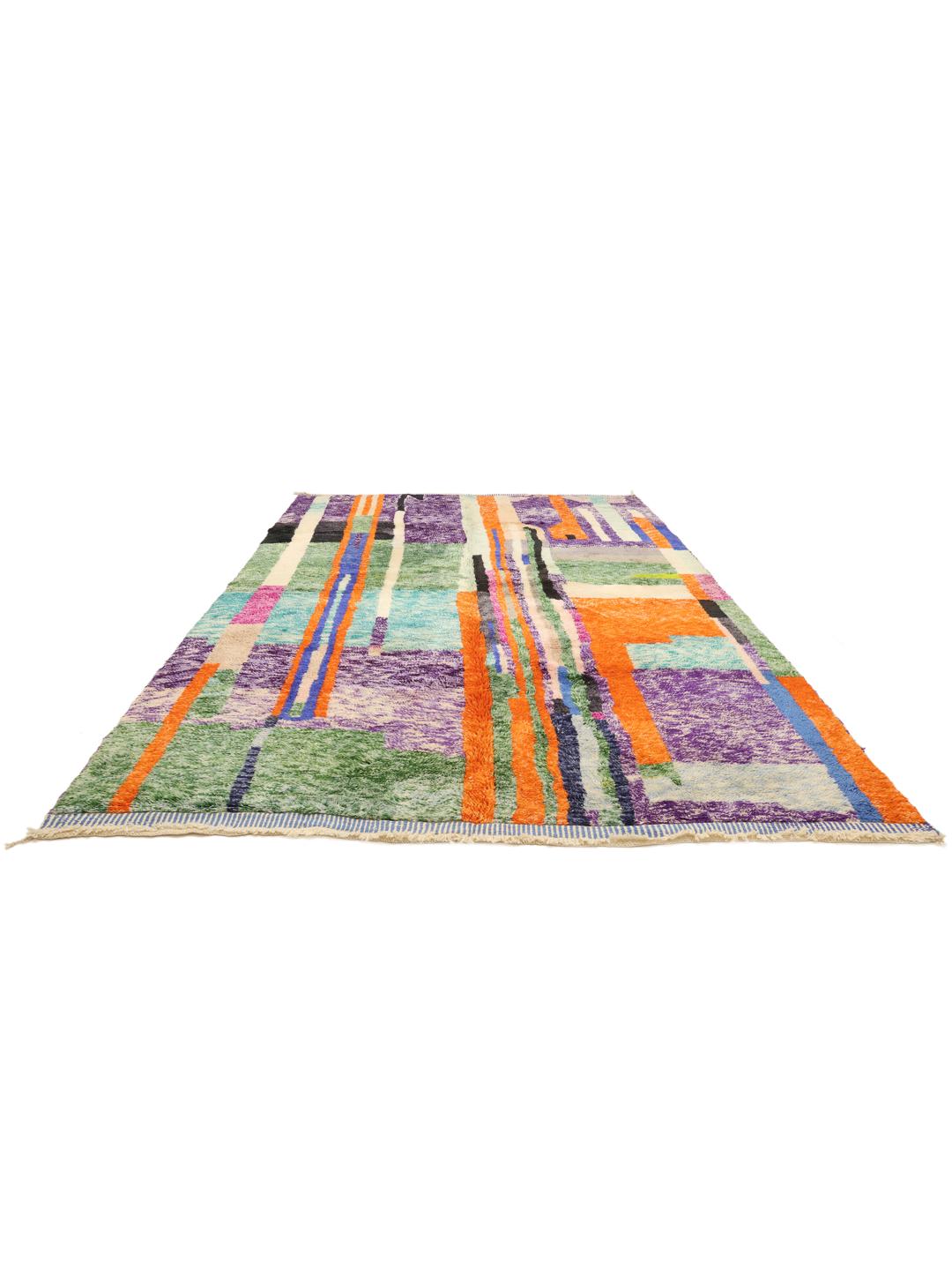
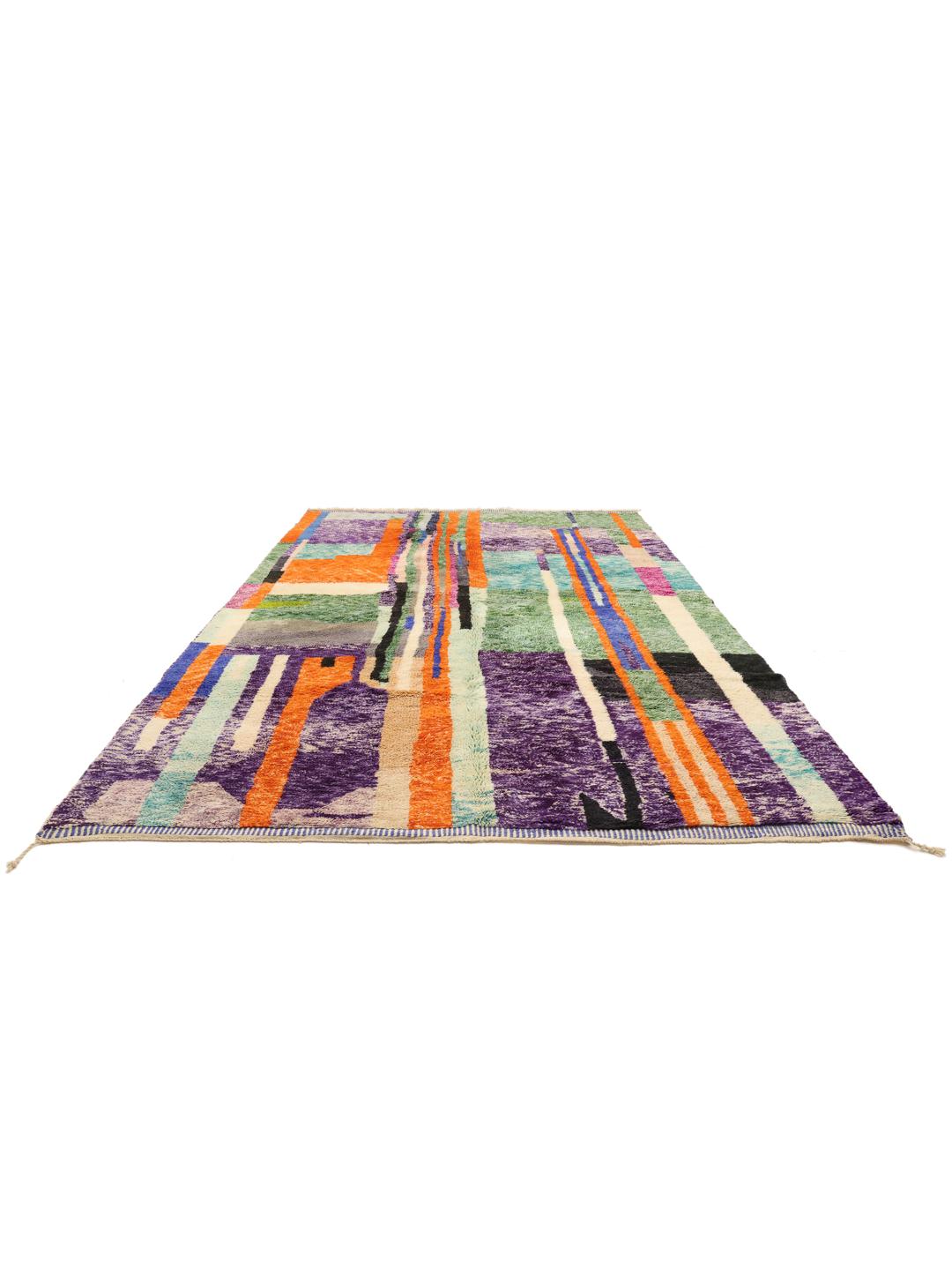
Visually, these rugs are celebrated for their distinctive use of geometric motifs and, in the case of contemporary interpretations, vibrant, abstract compositions. While traditional Beni Ourain rugs often feature minimal, earthy palettes, the inclusion of vivid, bold colours represents a modern evolution of the craft, showcasing the ability of Moroccan artisans to adapt their ancient skills to new, expressive design languages.
Owning a piece from this tradition is an act of supporting a living history. These rugs are highly valued by collectors not just for their aesthetic appeal, but for the human story embedded in every fibre. To possess one is to connect with a lineage of craft that values slow, meaningful creation over mass production.