Berber rugs originate from the Atlas Mountains of Morocco, where they have been crafted for centuries by indigenous tribes. These rugs are deeply rooted in the cultural life of the region, serving not only as floor coverings but also as essential bedding and protective layers against the harsh mountain climate.
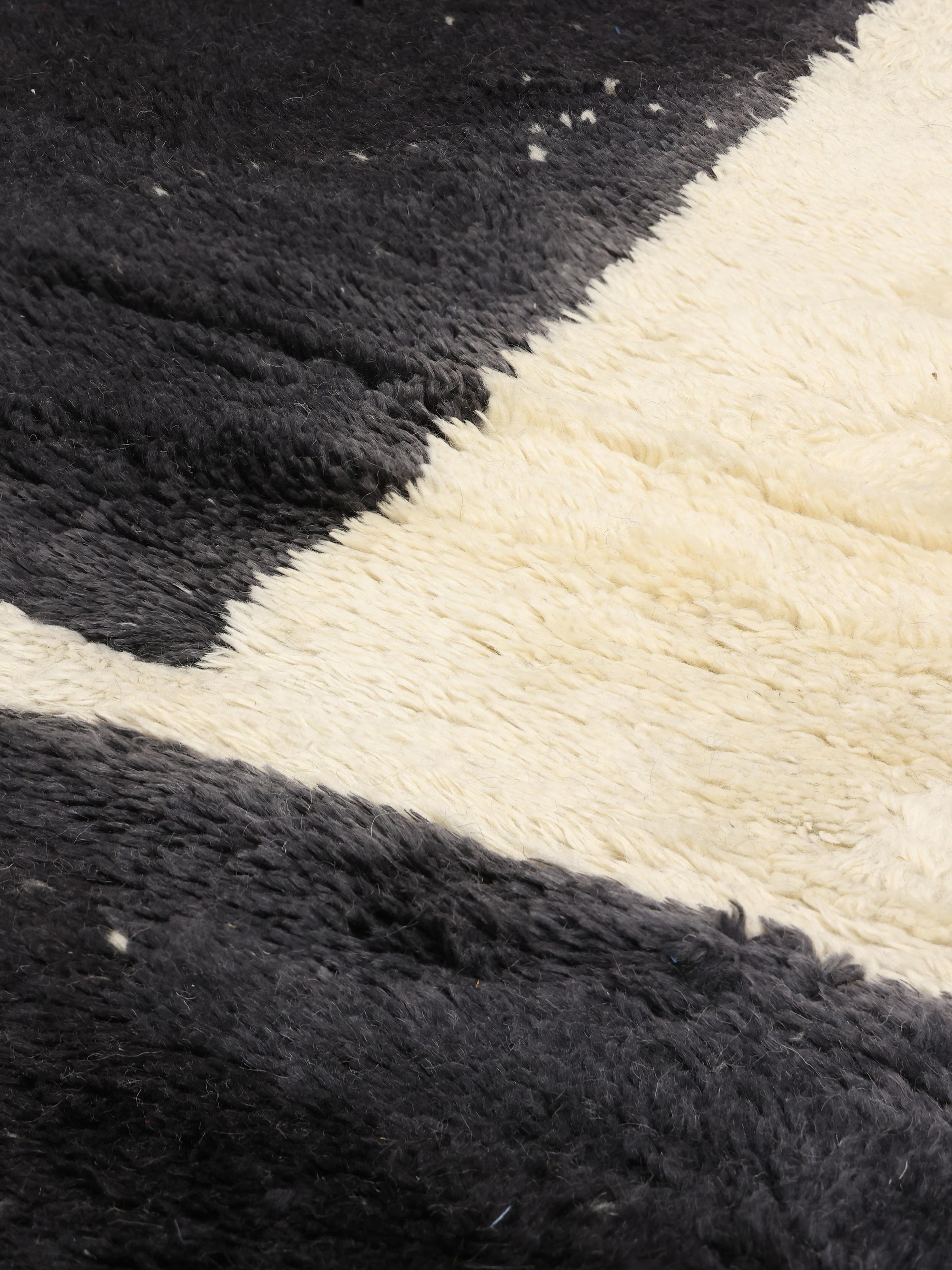
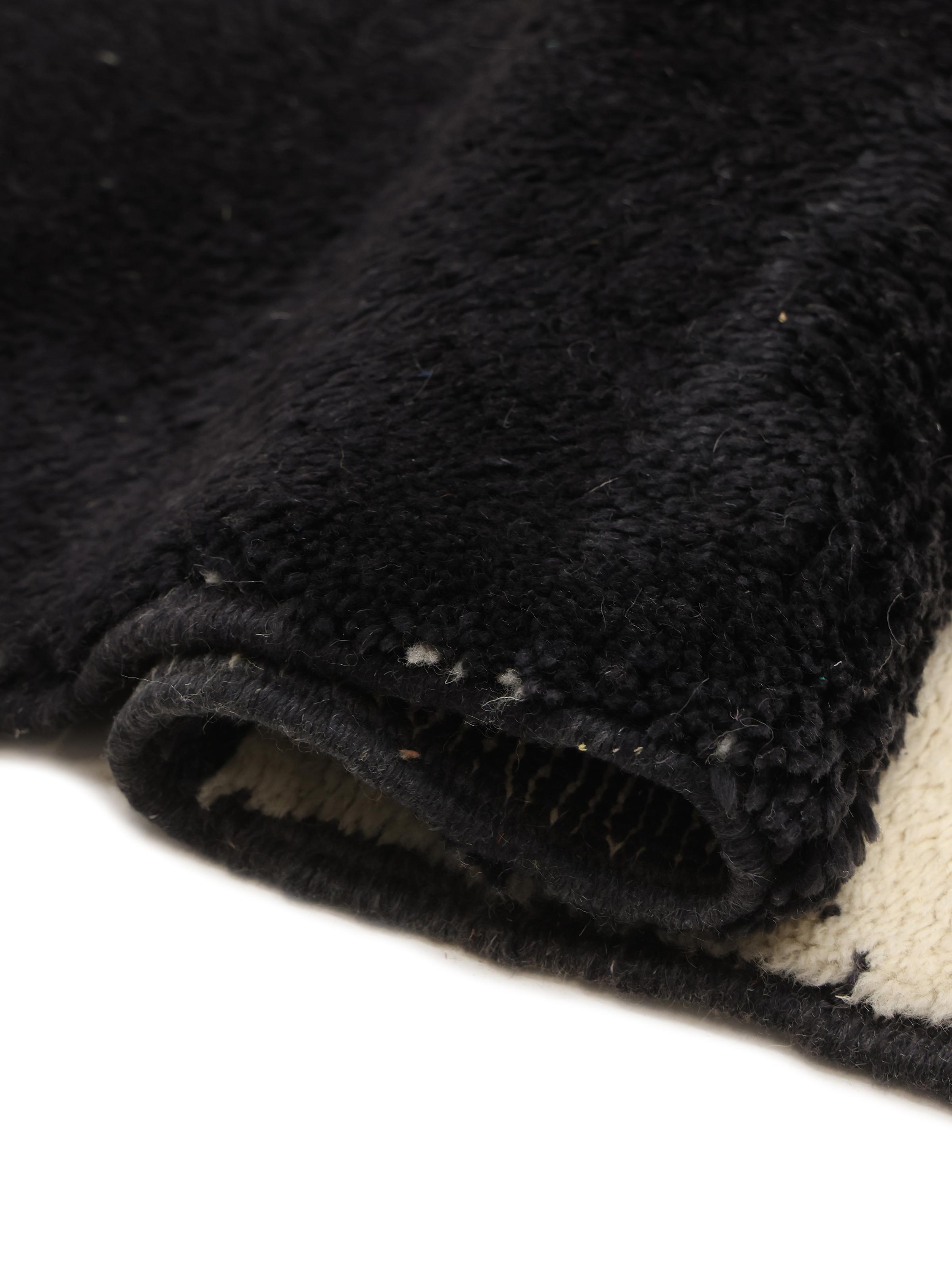
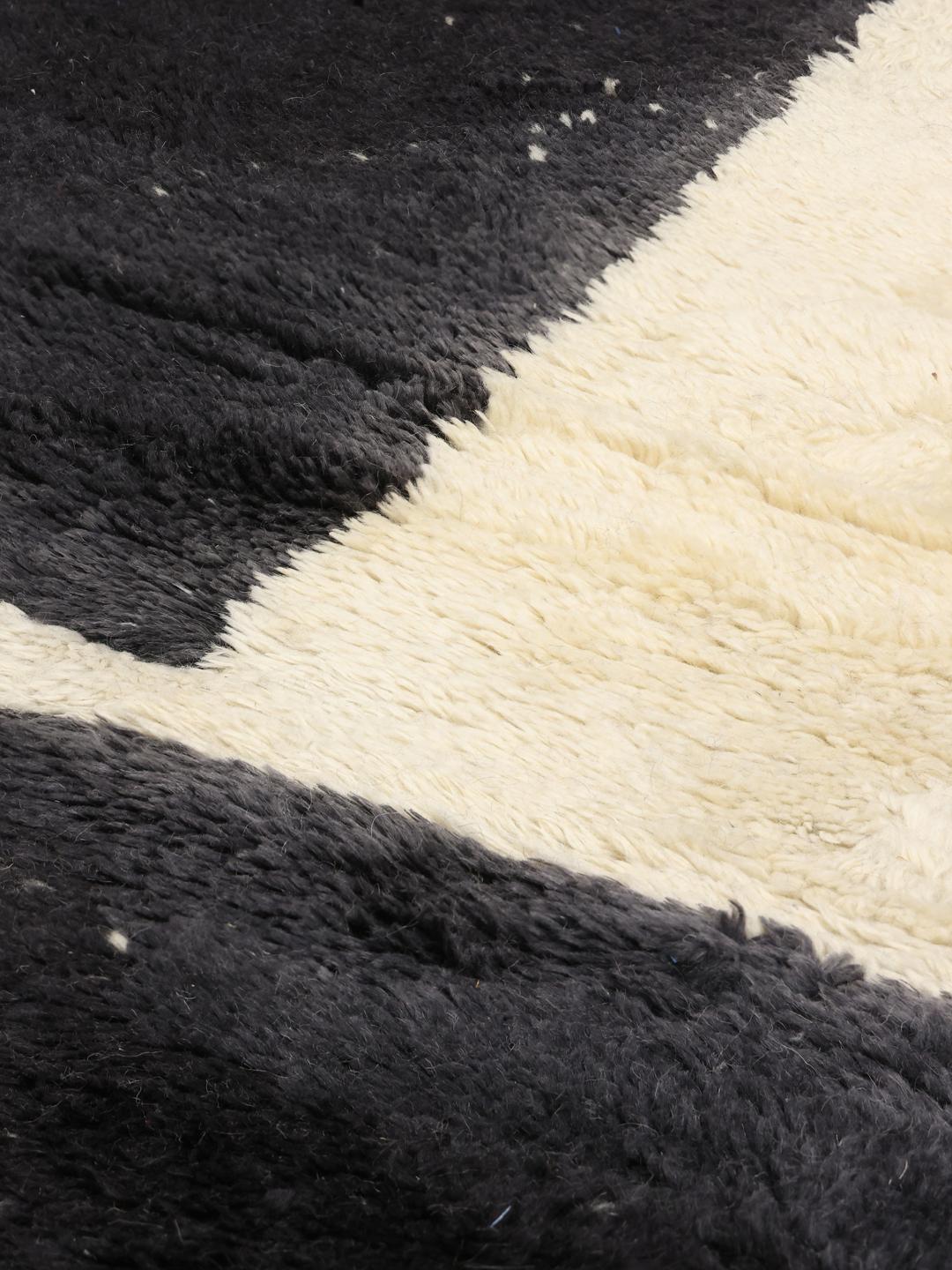
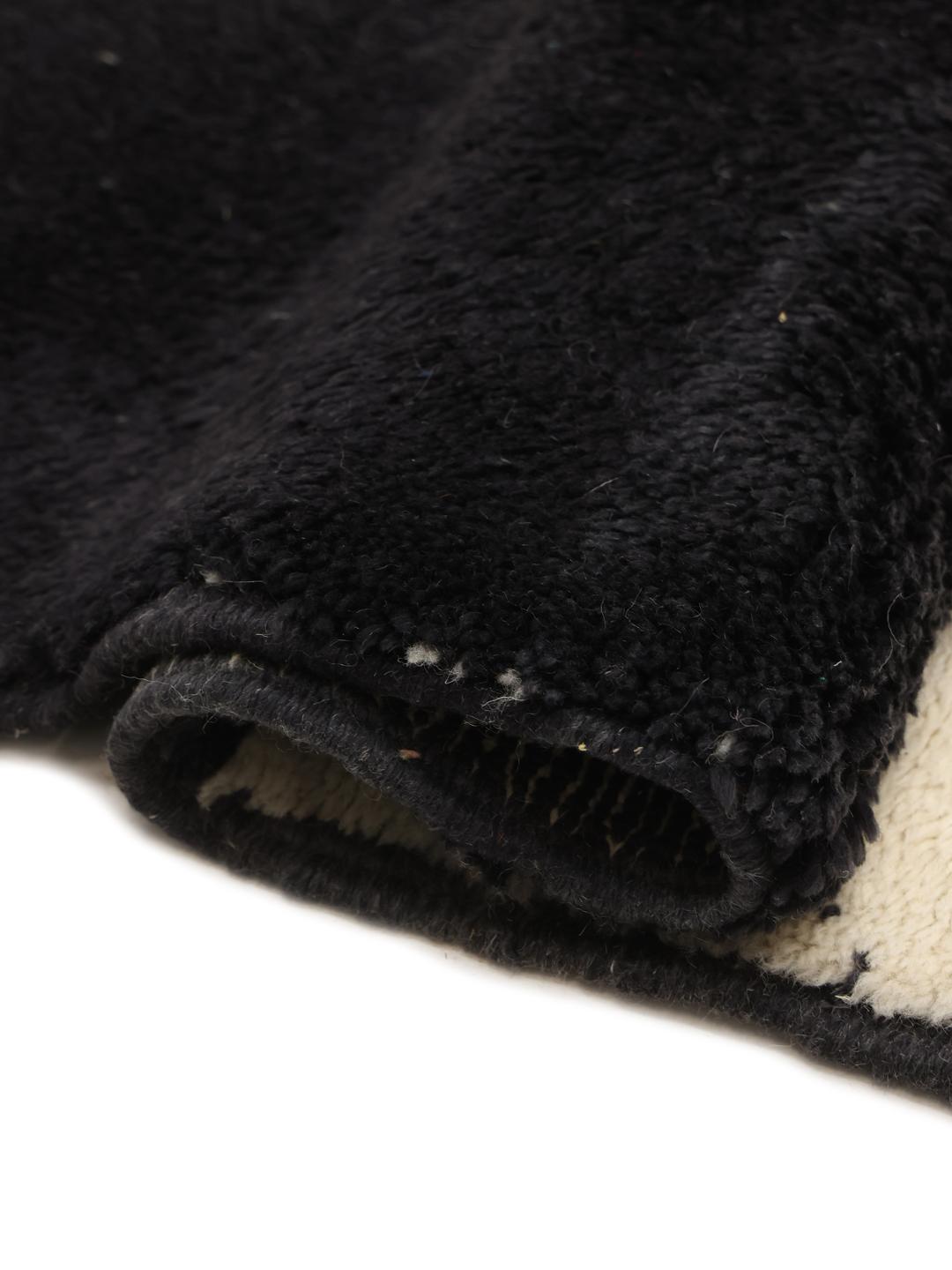
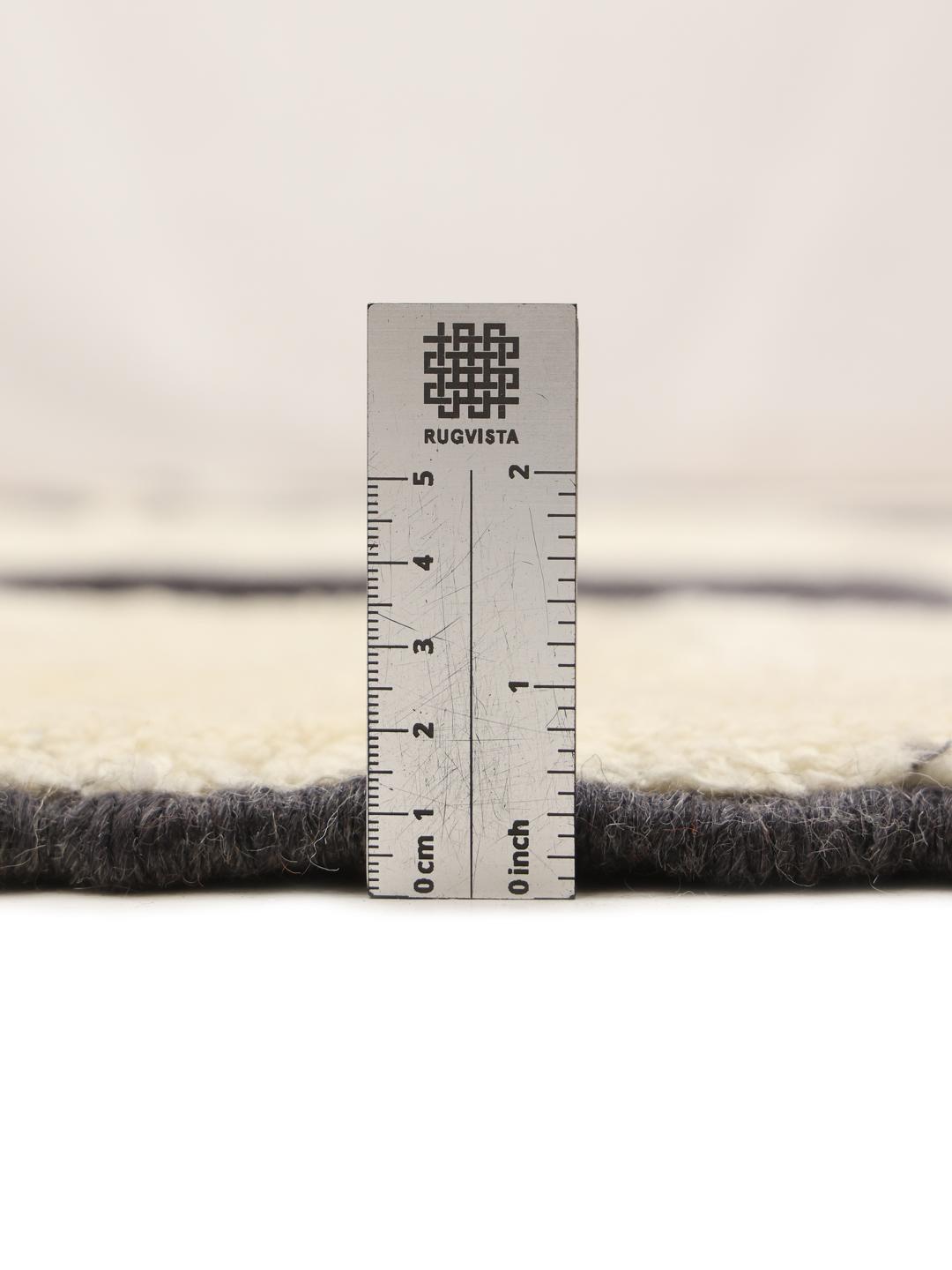
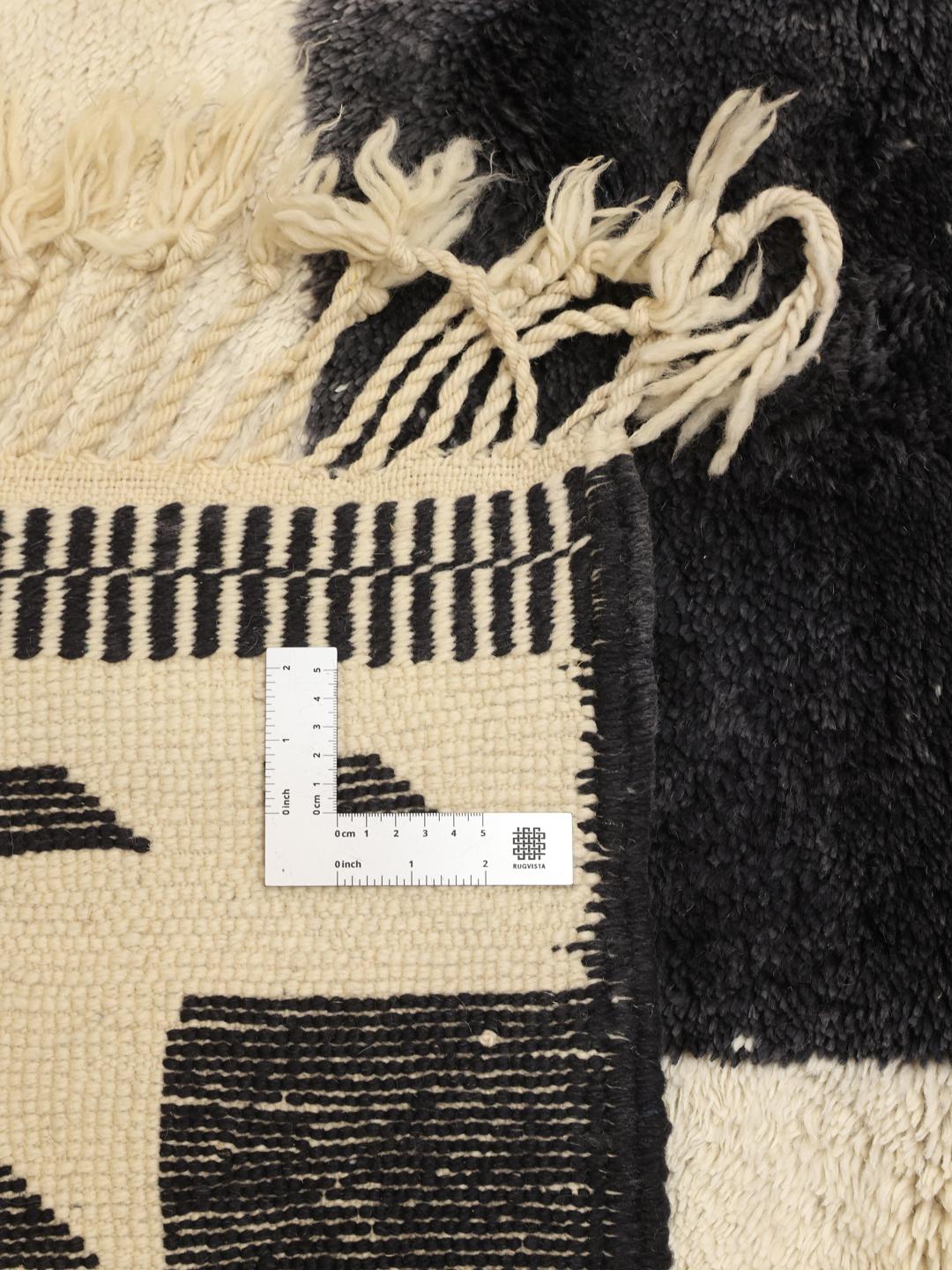
The construction of these rugs is defined by a deep respect for natural materials. Traditionally, the Wool is sourced from local sheep, cleaned, and hand-spun to retain its natural oils, which gives the pile its characteristic lustre and soft, inviting feel. This commitment to raw, authentic materials is why these rugs remain highly prized by collectors worldwide.
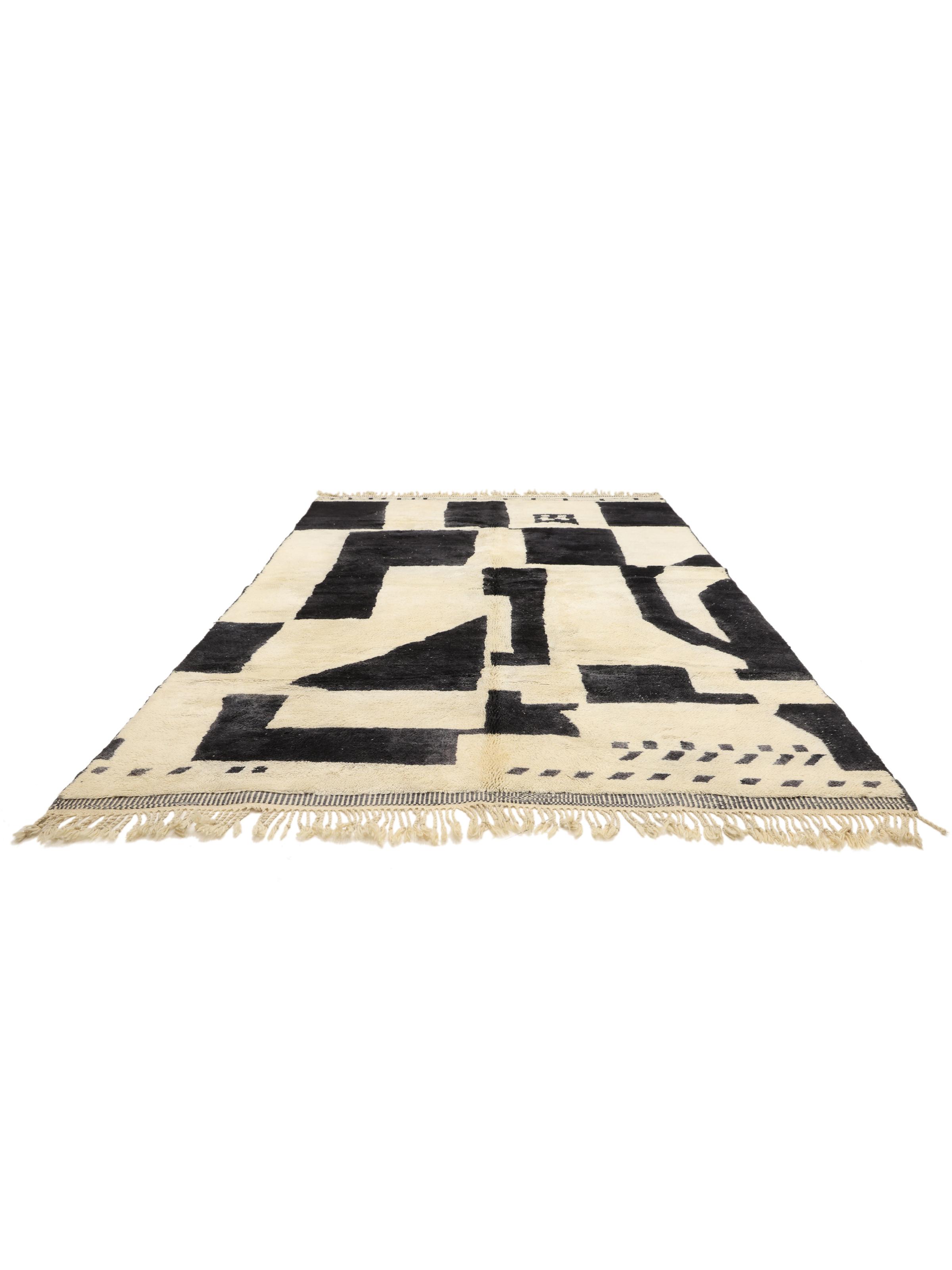
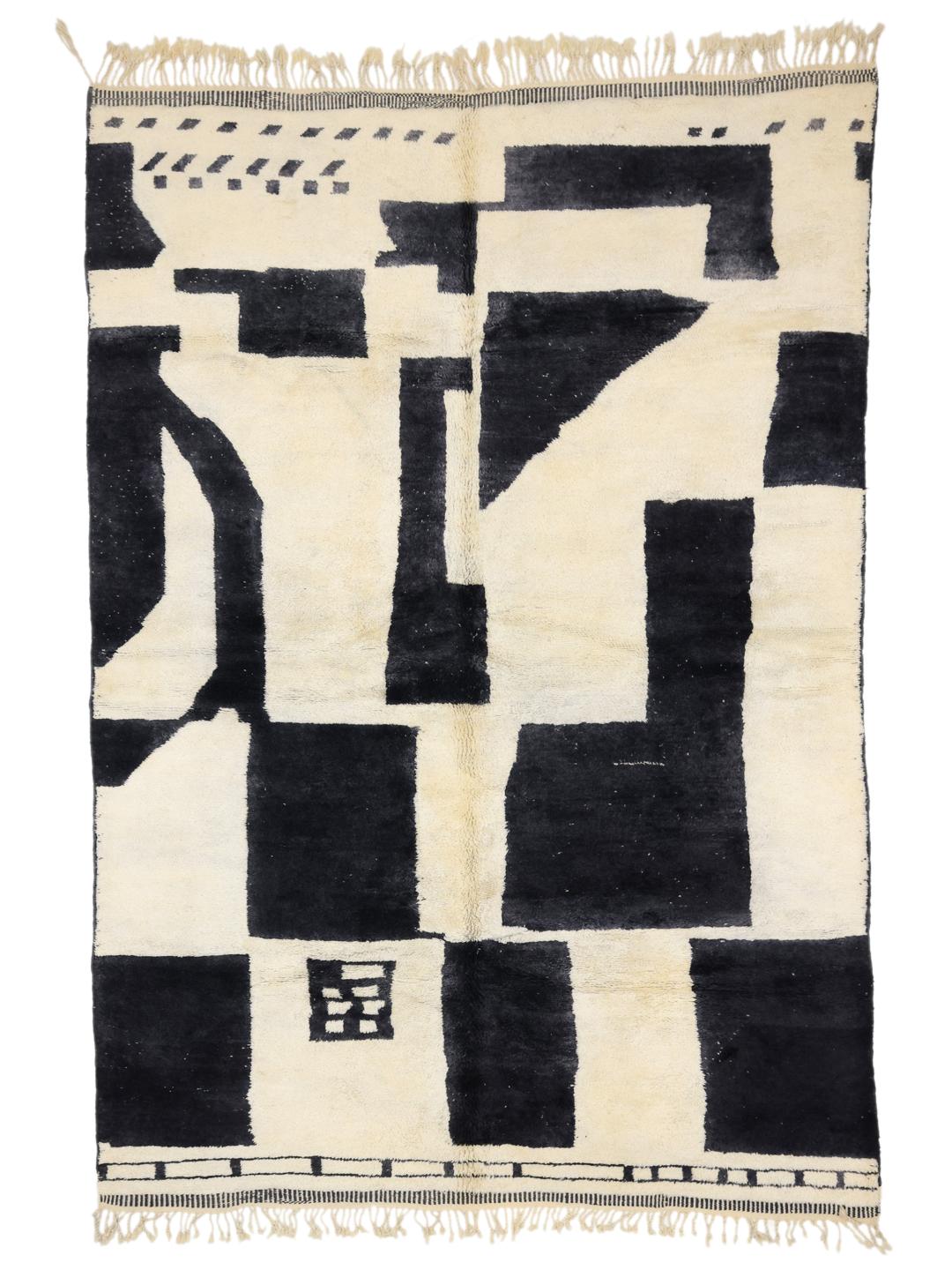
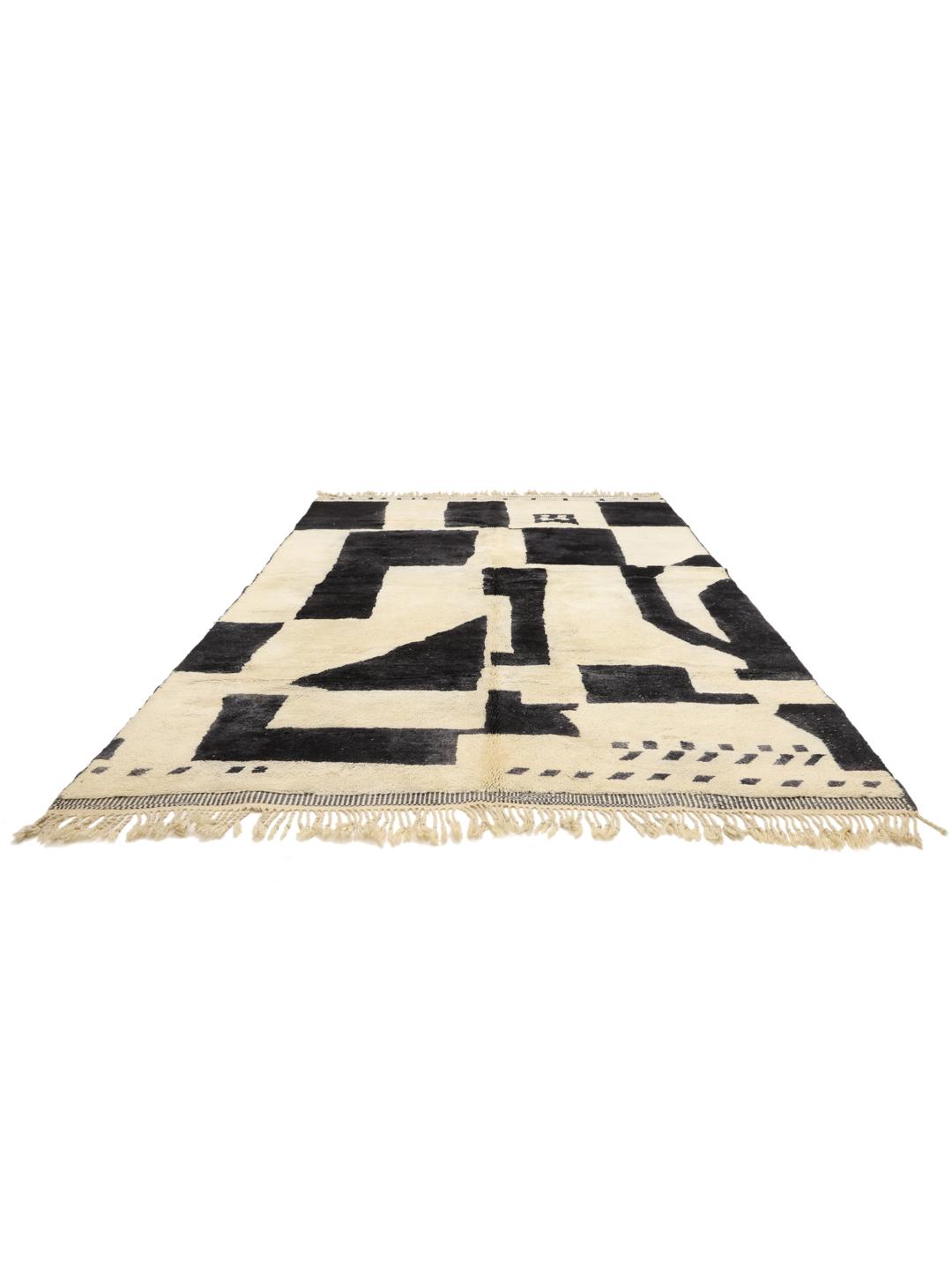
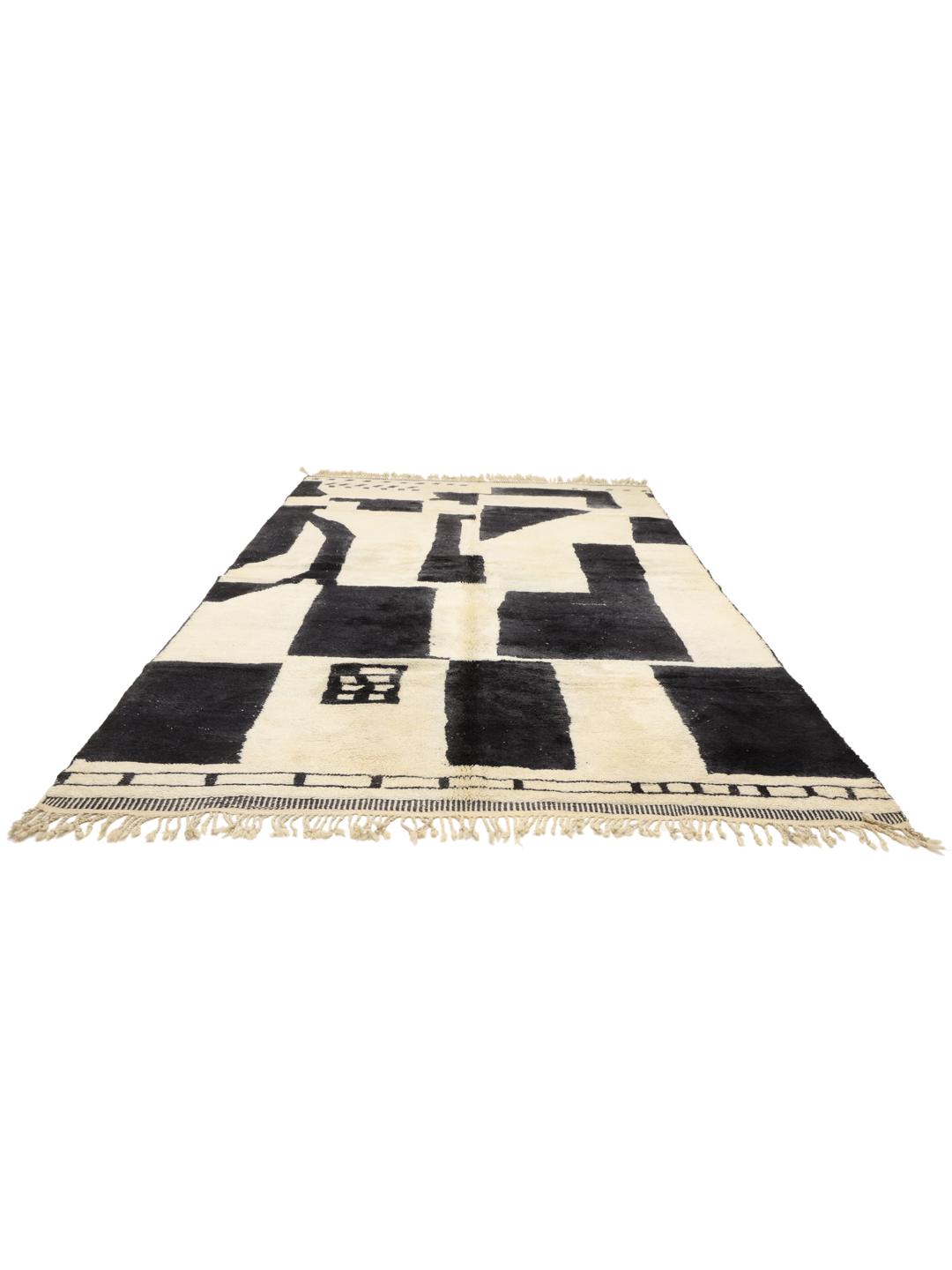
Visually, these pieces are known for their minimalist yet powerful geometric language. While many traditional examples feature simple diamond grids, others like this one embrace a bolder, more abstract aesthetic, using high-contrast palettes to create striking focal points in modern interiors. This evolution in design reflects the ongoing dialogue between ancient tribal traditions and contemporary artistic expression.
Owning a piece from this tradition is an investment in cultural heritage. Each rug tells the story of the artisan who made it, capturing a specific moment in time and a unique set of design choices. Because they are hand-made without a pre-set pattern, they represent a level of individual artistry that makes them timeless additions to any home.