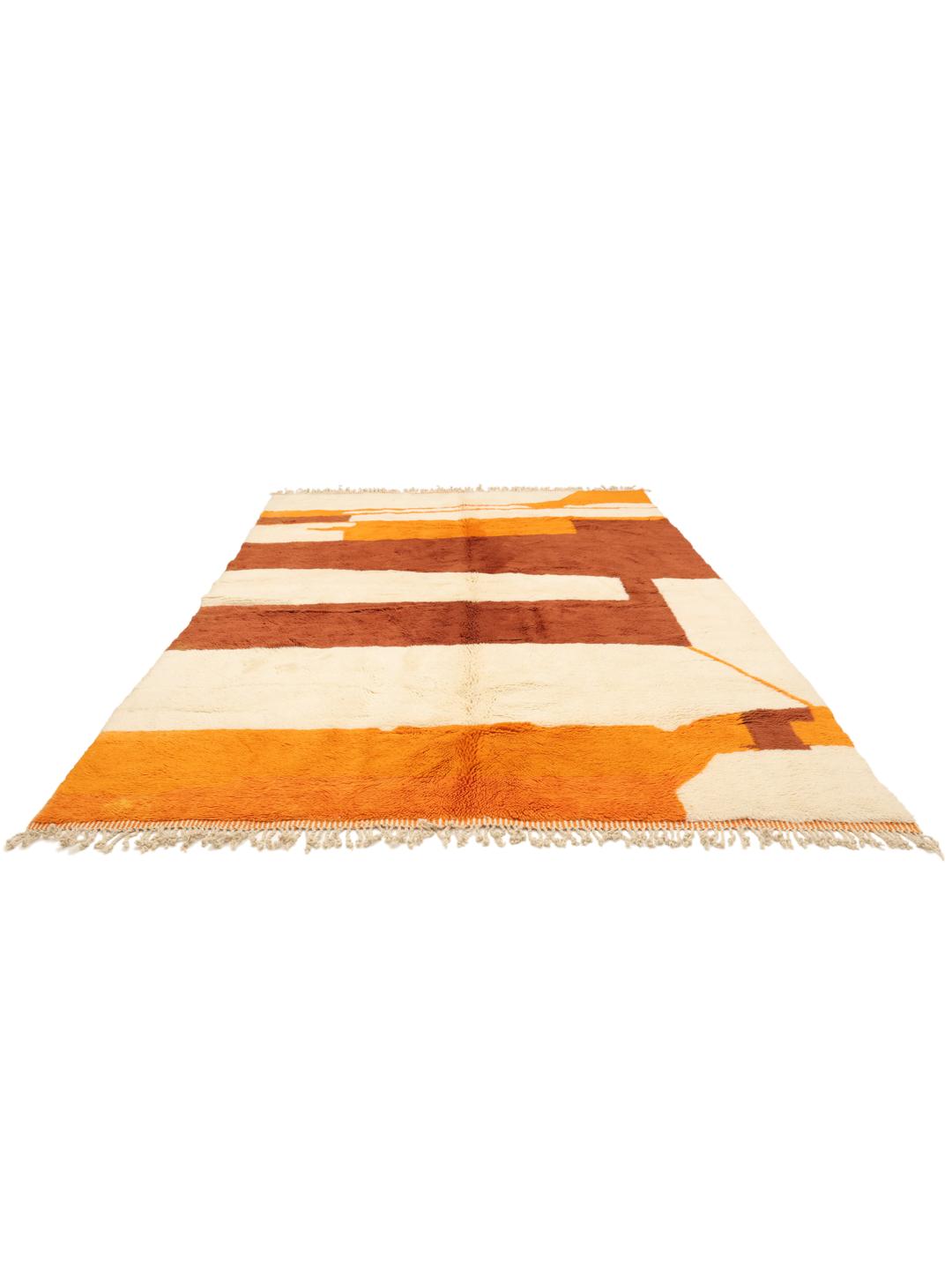
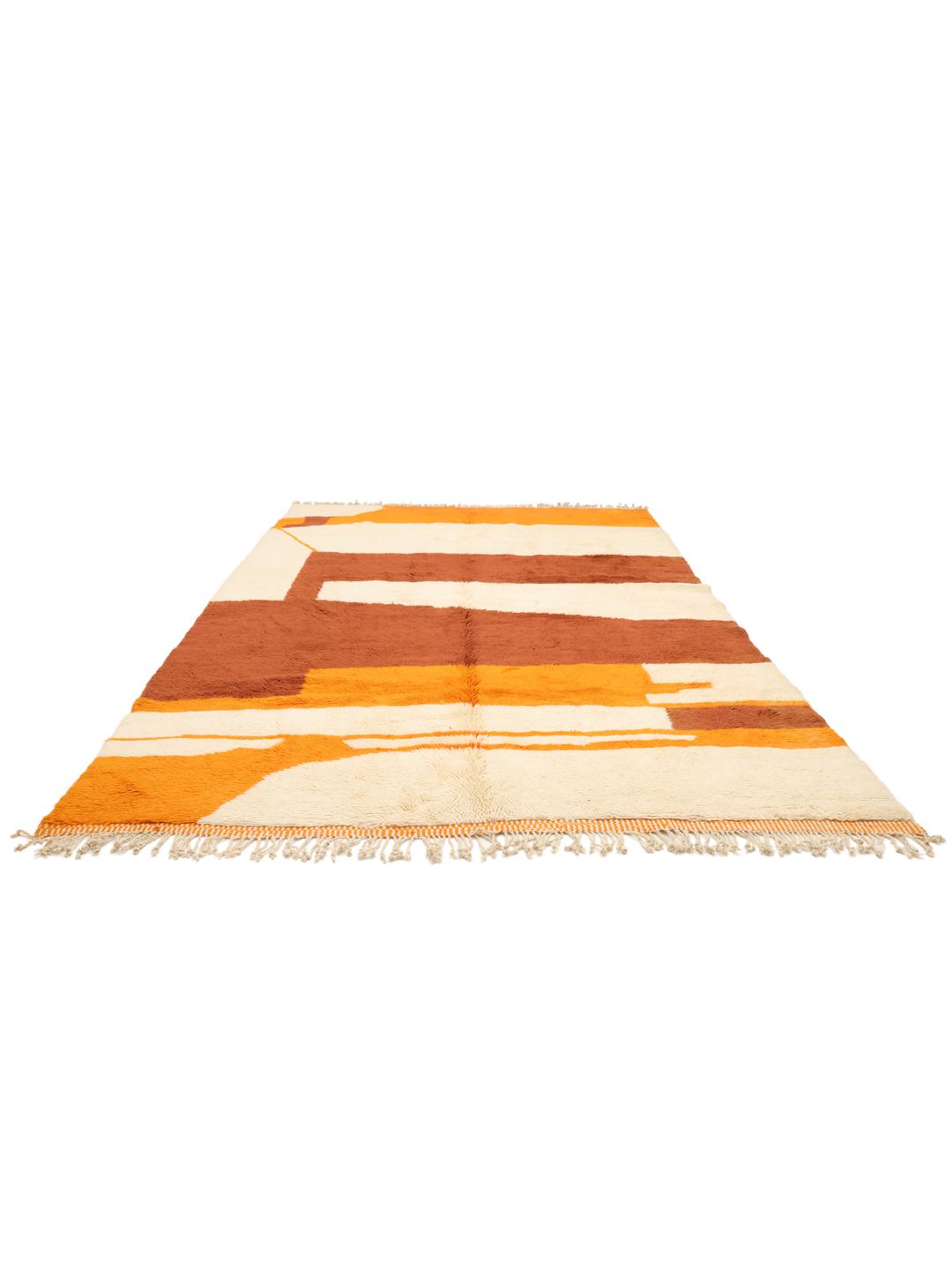
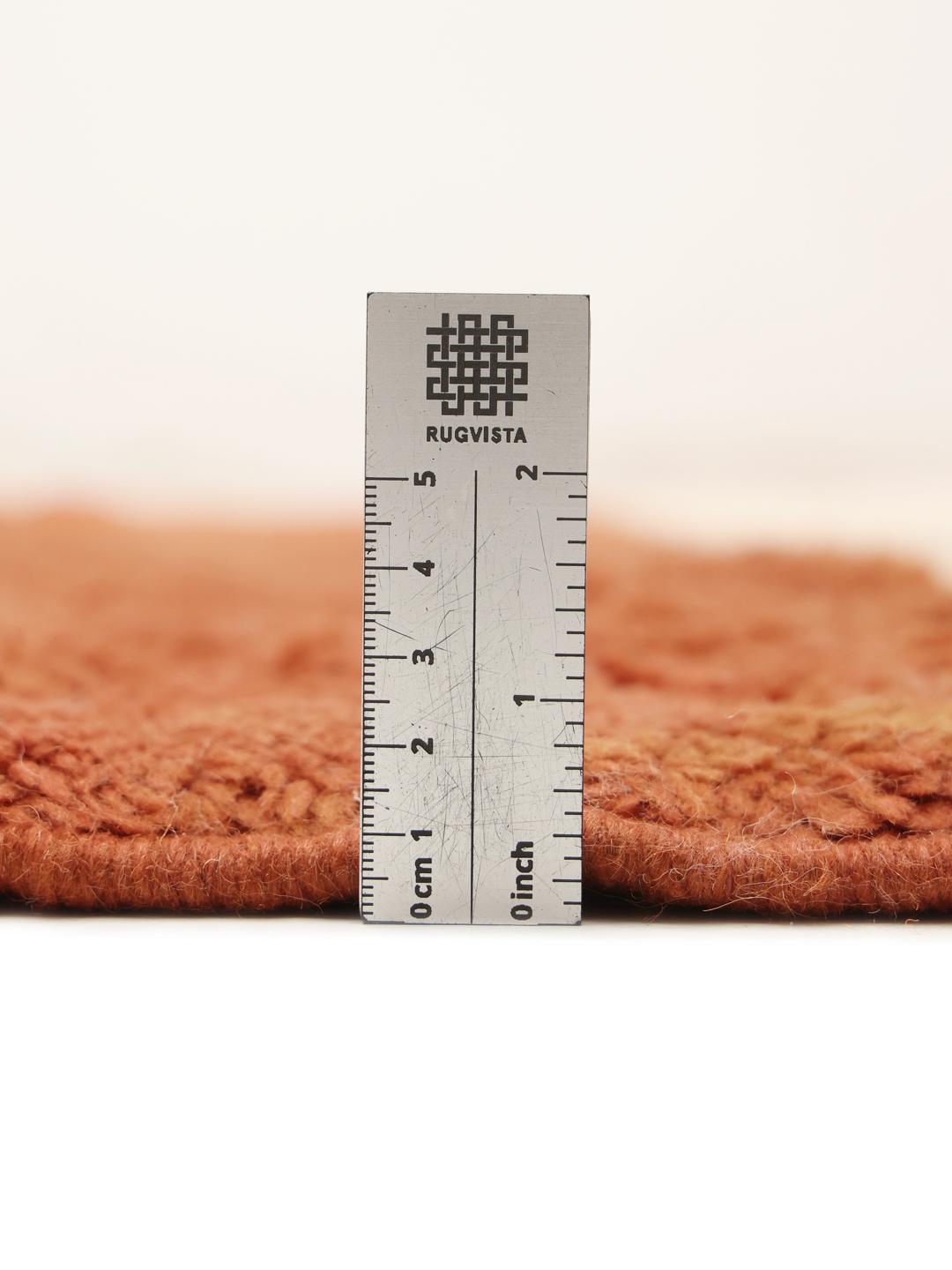
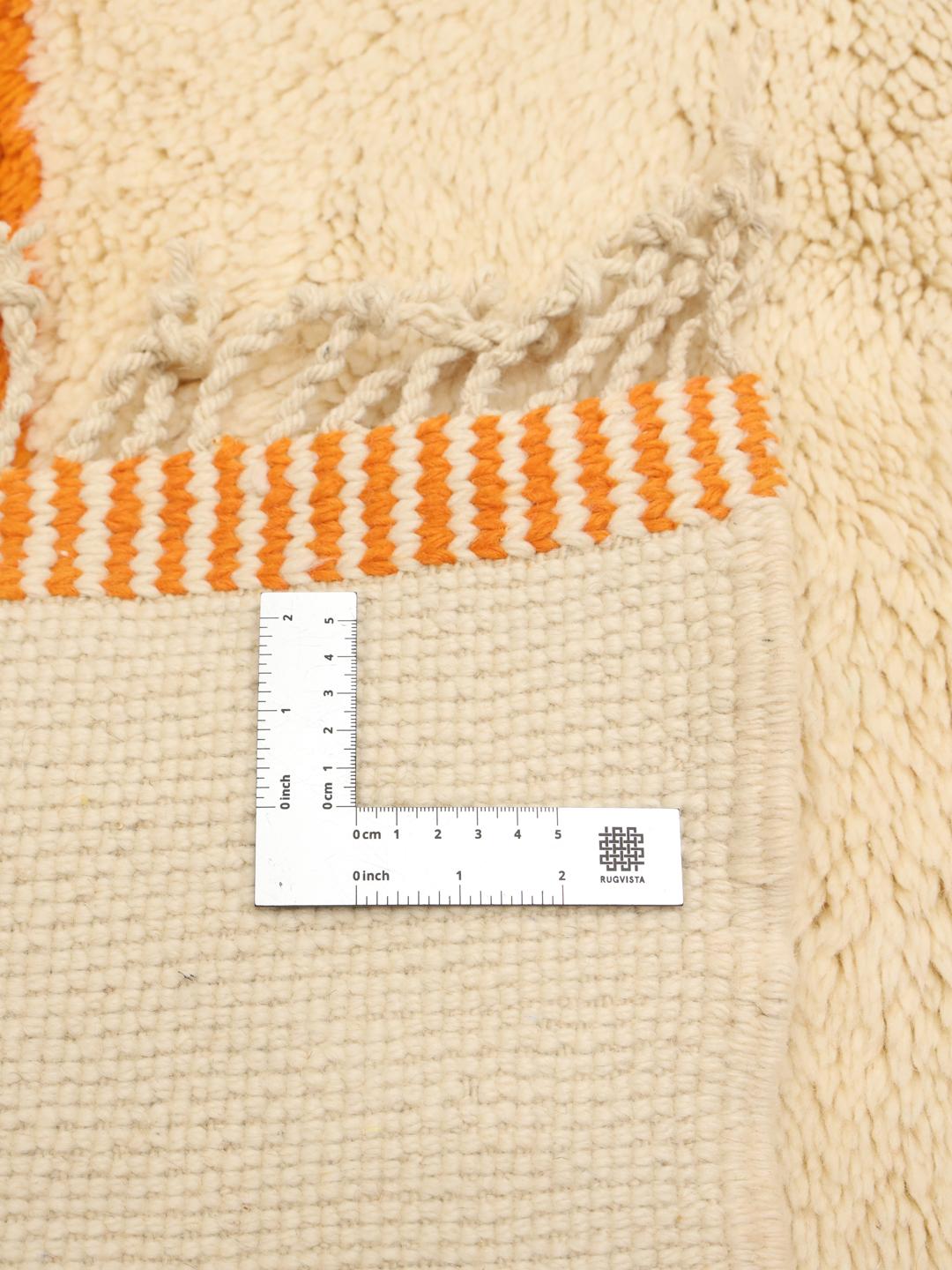
Berber rugs originate from the indigenous tribes of the Atlas Mountains in Morocco, where they have been woven for centuries as essential household items rather than decorative accessories. These rugs were traditionally crafted to provide insulation against the harsh mountain winters, serving as blankets, sleeping mats, and floor coverings within the nomadic and semi-nomadic communities.
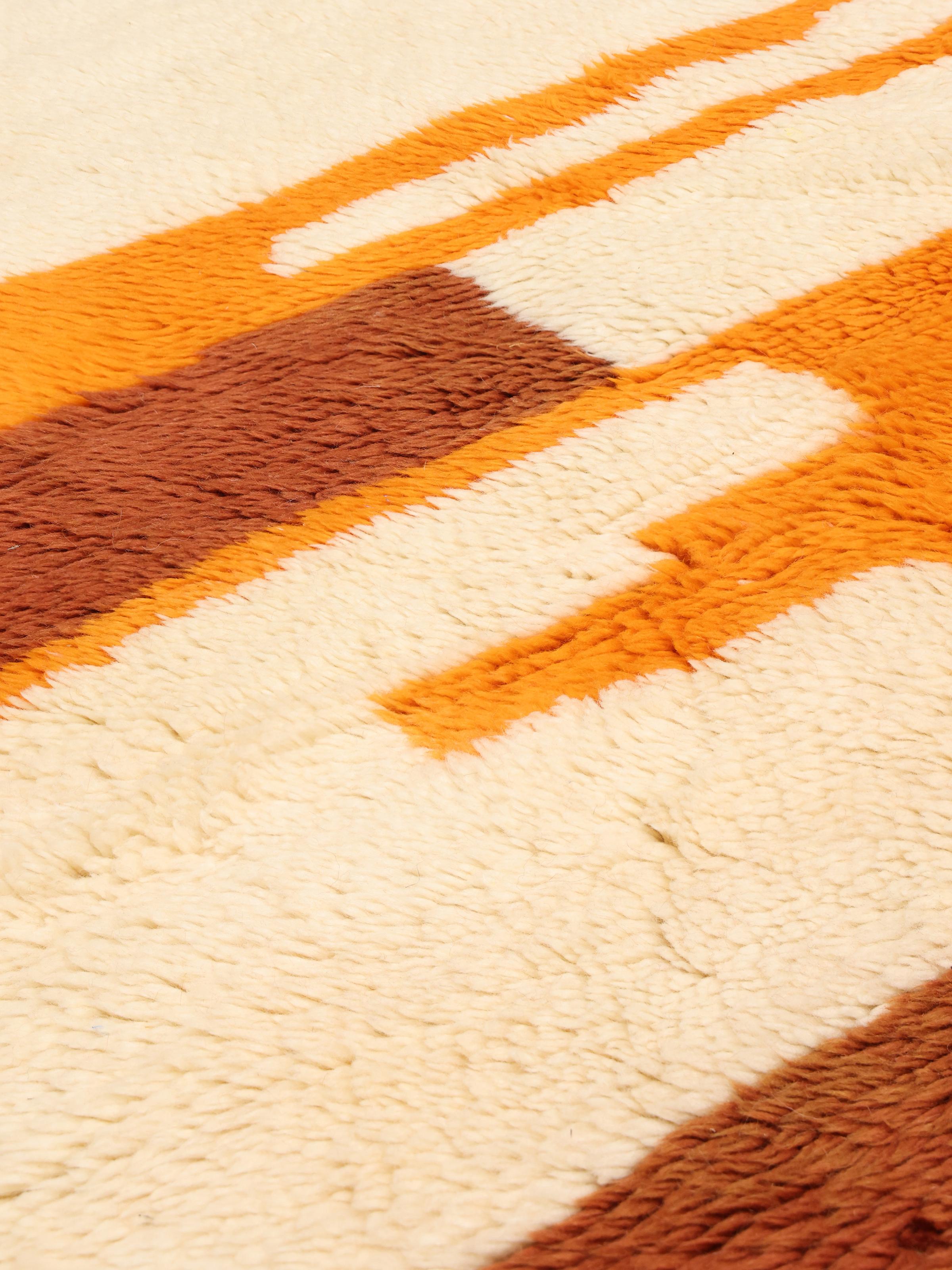
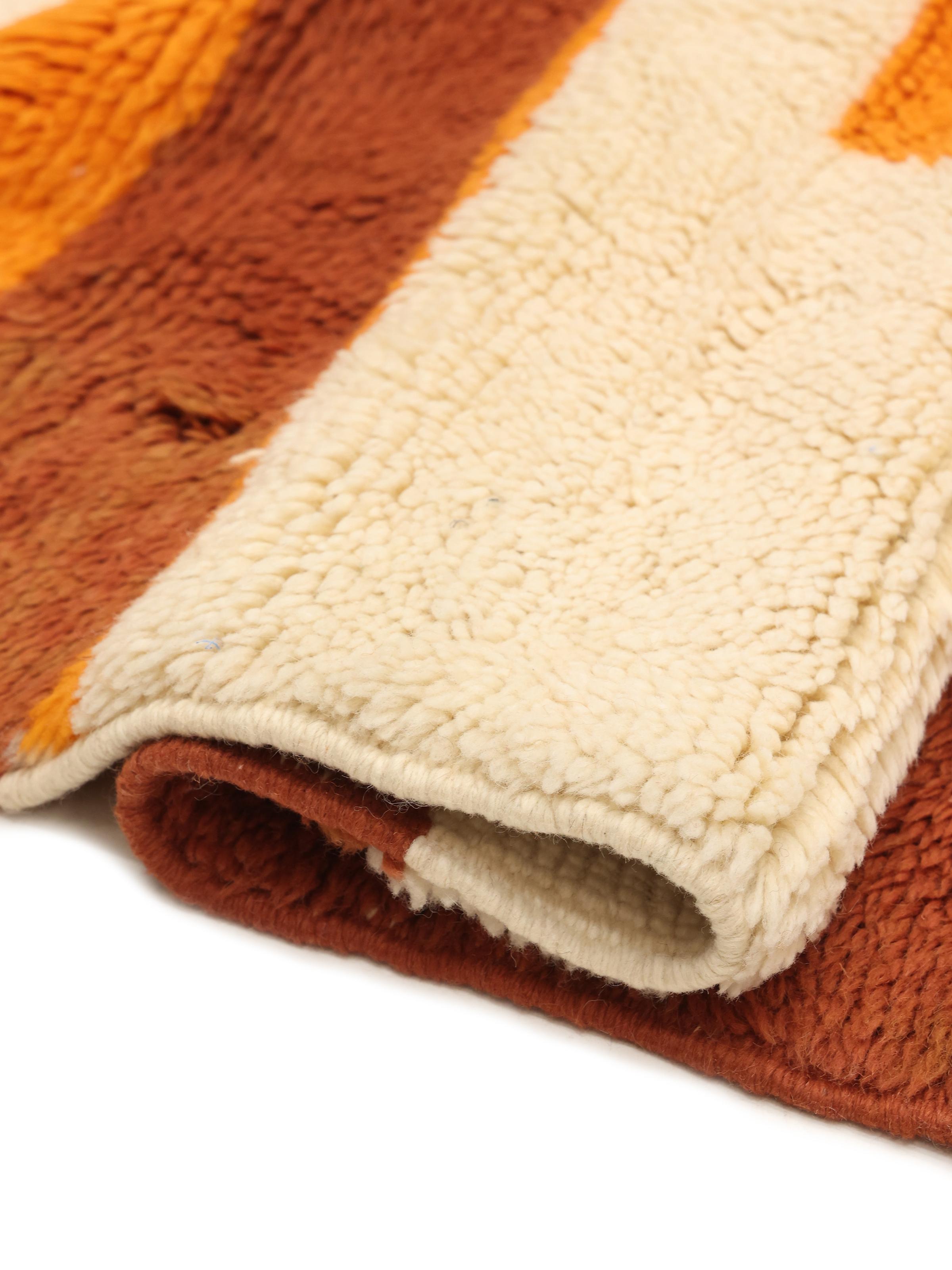
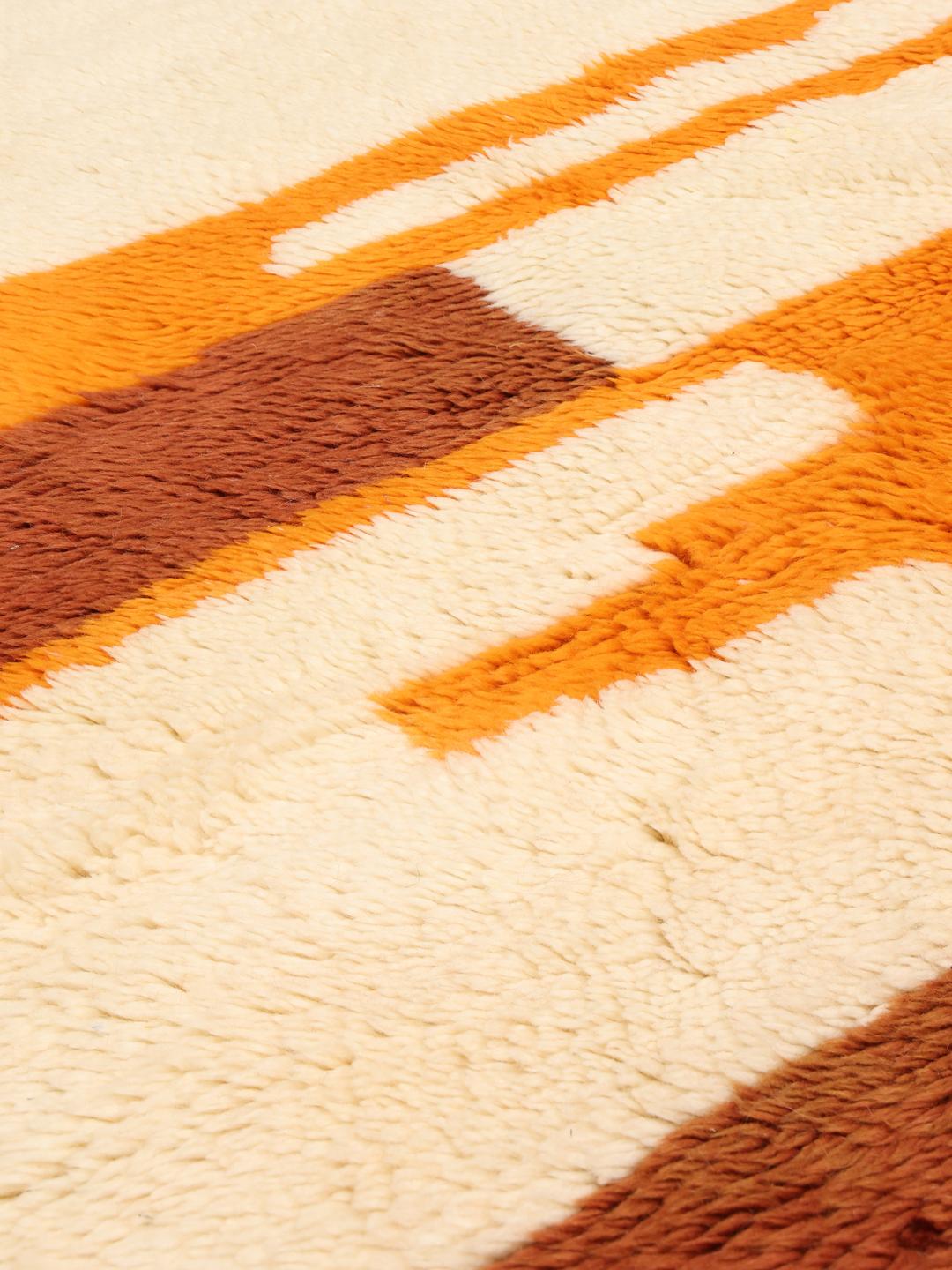
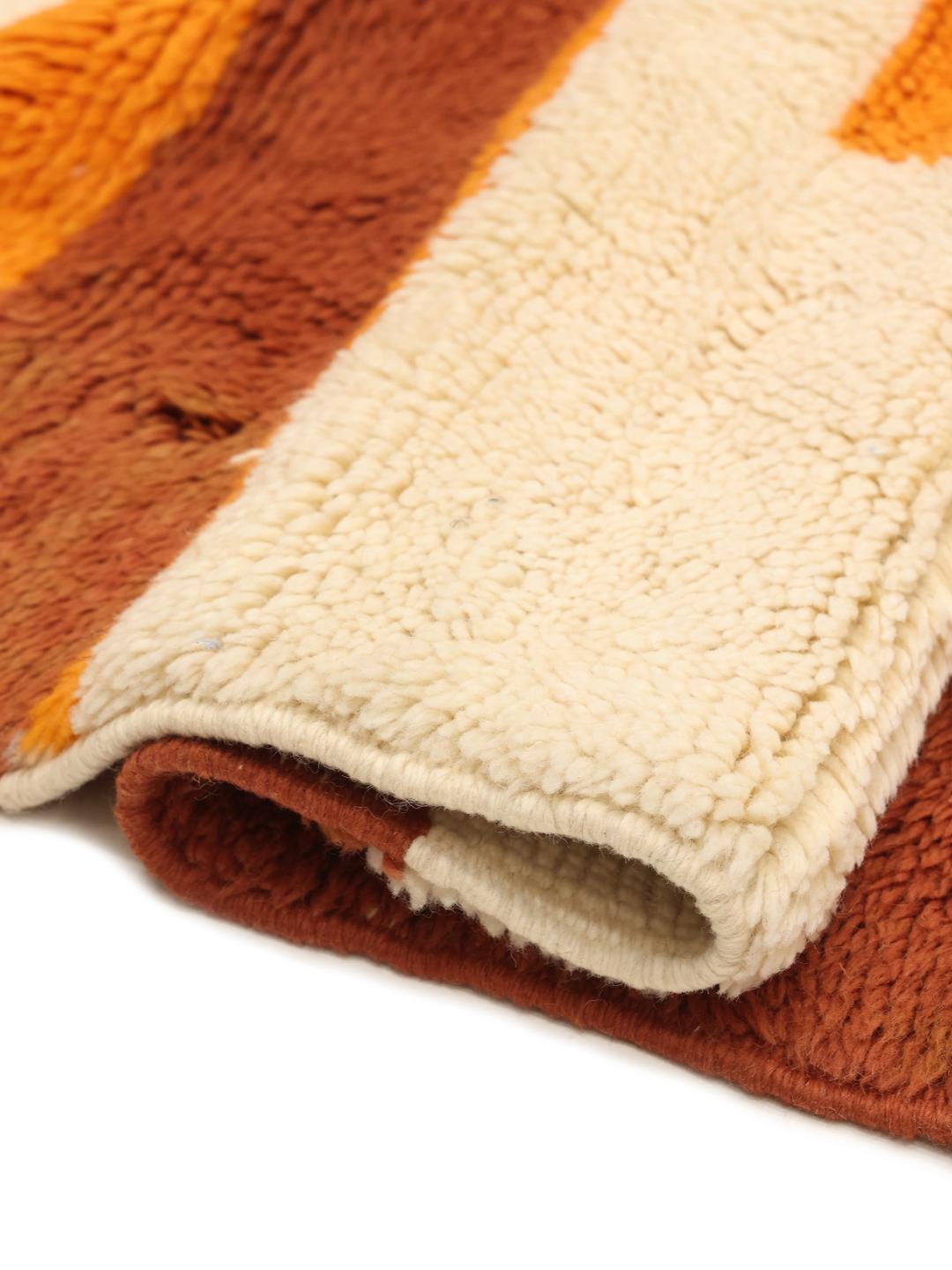
The term Beni Ourain refers to a confederation of tribes in the Middle Atlas region, known for their specific style of weaving. These rugs are characterised by their thick, high-pile wool construction and a design language that often leans into minimalist, geometric, or abstract symbolism, reflecting the weaver's personal narrative or the natural environment of the mountains.
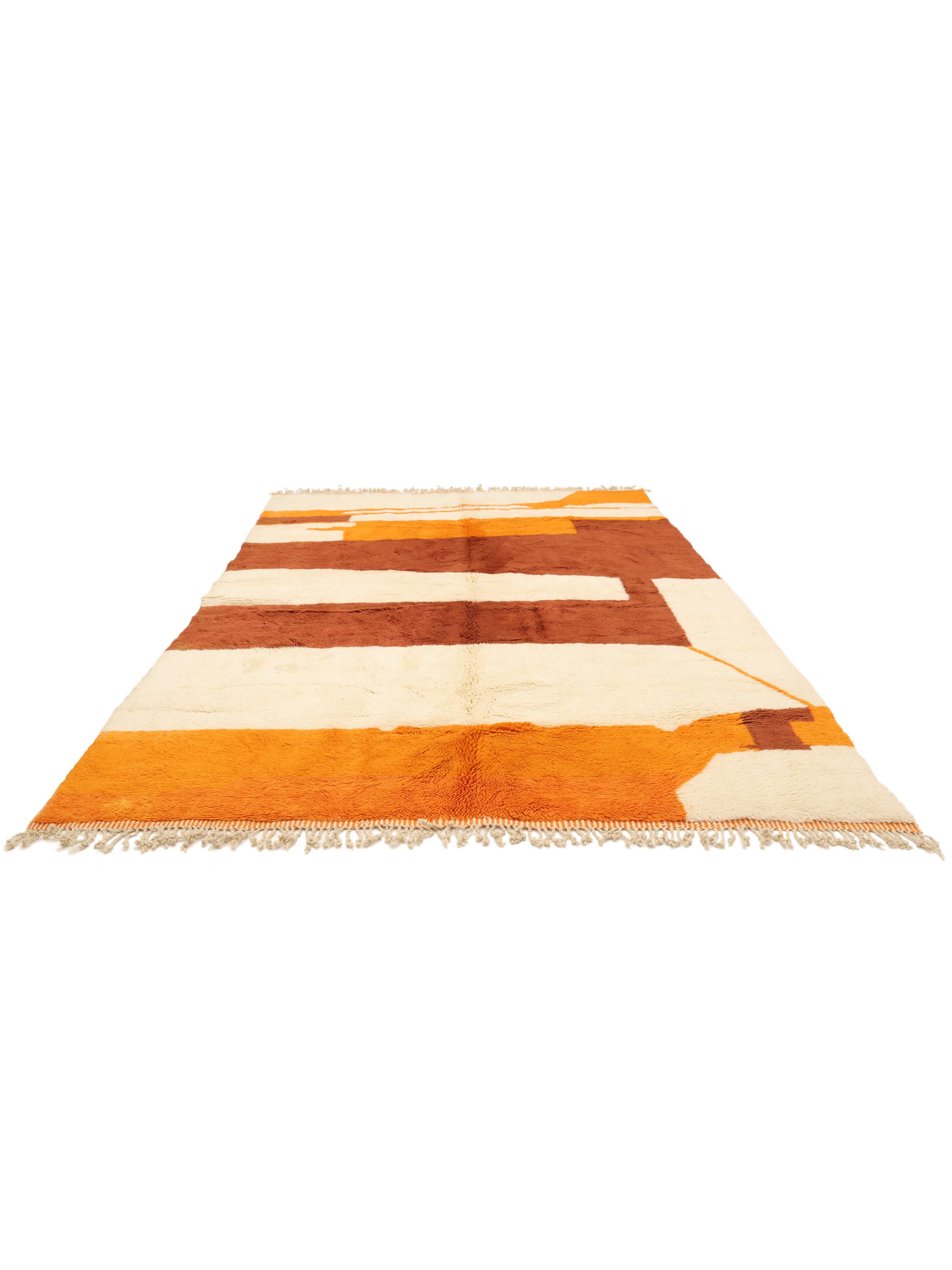
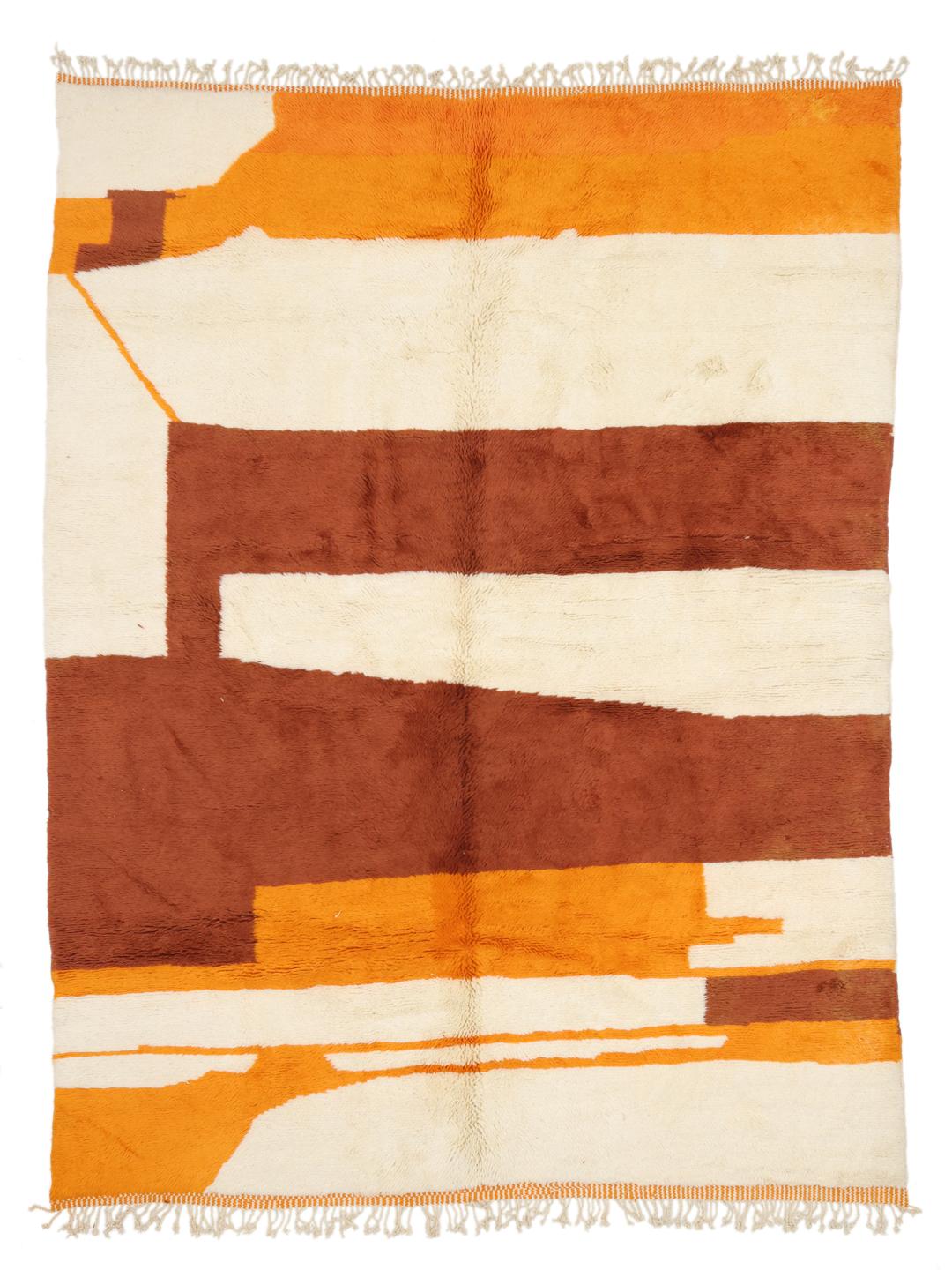
The visual language of these pieces is intentionally expressive. While some feature structured diamond grids, others embrace an artistic, abstract approach, using natural, undyed wool alongside rich, earthy pigments. This rug showcases a bold, modern interpretation of these traditions, where the interplay of colour and shape takes centre stage, creating a look that is both rooted in history and perfectly suited for contemporary homes.
Owning a piece from this tradition is an invitation to connect with a long-standing cultural heritage. Each rug represents a dialogue between the weaver and their craft, imbued with a sense of place and purpose that mass-produced items cannot replicate. They are collected not just for their beauty, but for their role as lasting, functional artefacts of human skill.