Berber rugs originate from the indigenous tribes of the Atlas Mountains in Morocco, where they have been produced for centuries. These rugs were traditionally woven for personal, functional use rather than for trade, serving as blankets or floor coverings to protect against the harsh mountain climate. The designs are deeply rooted in the cultural identity of the weavers, often serving as a visual language that communicates their surroundings and experiences.
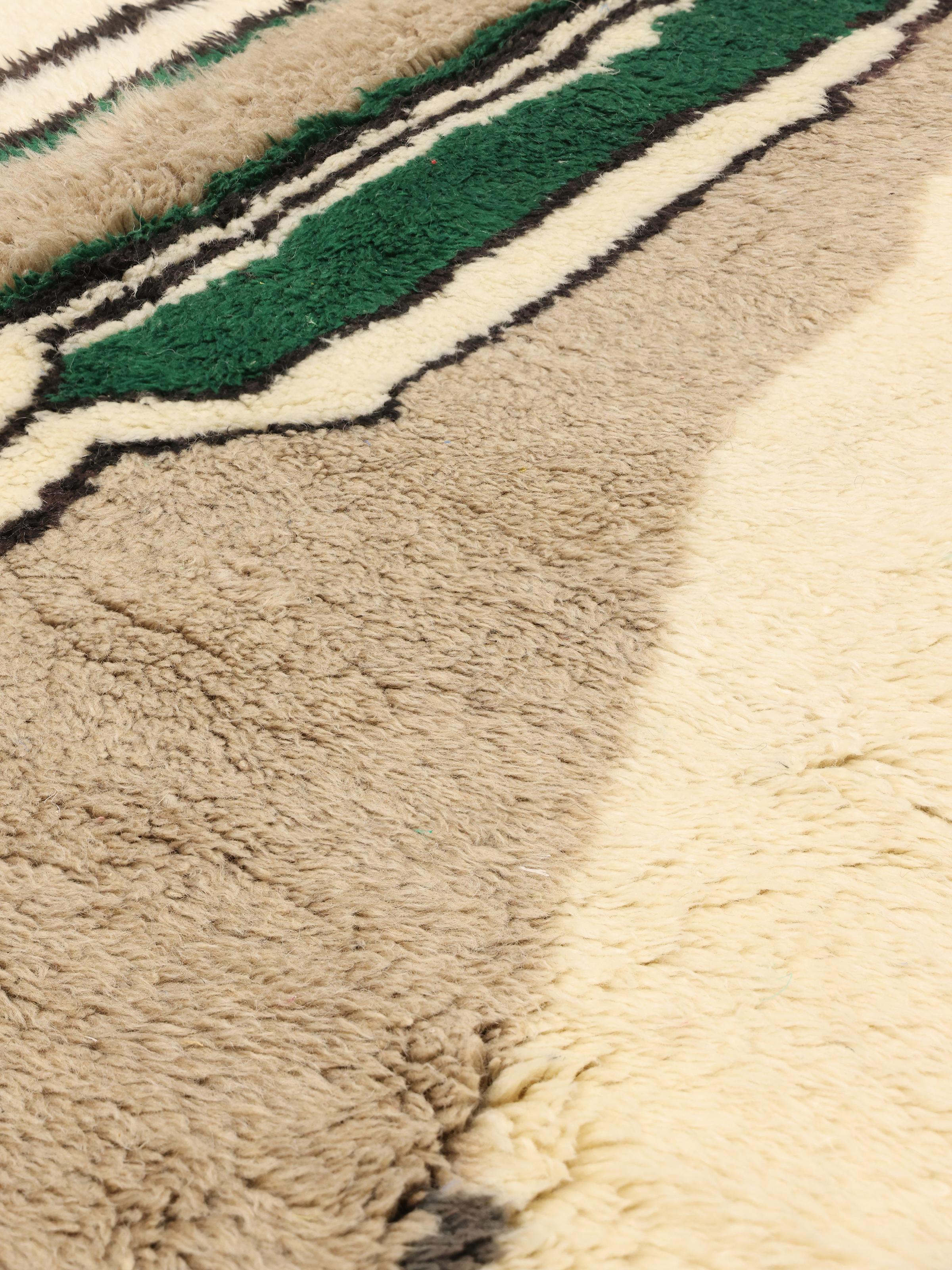
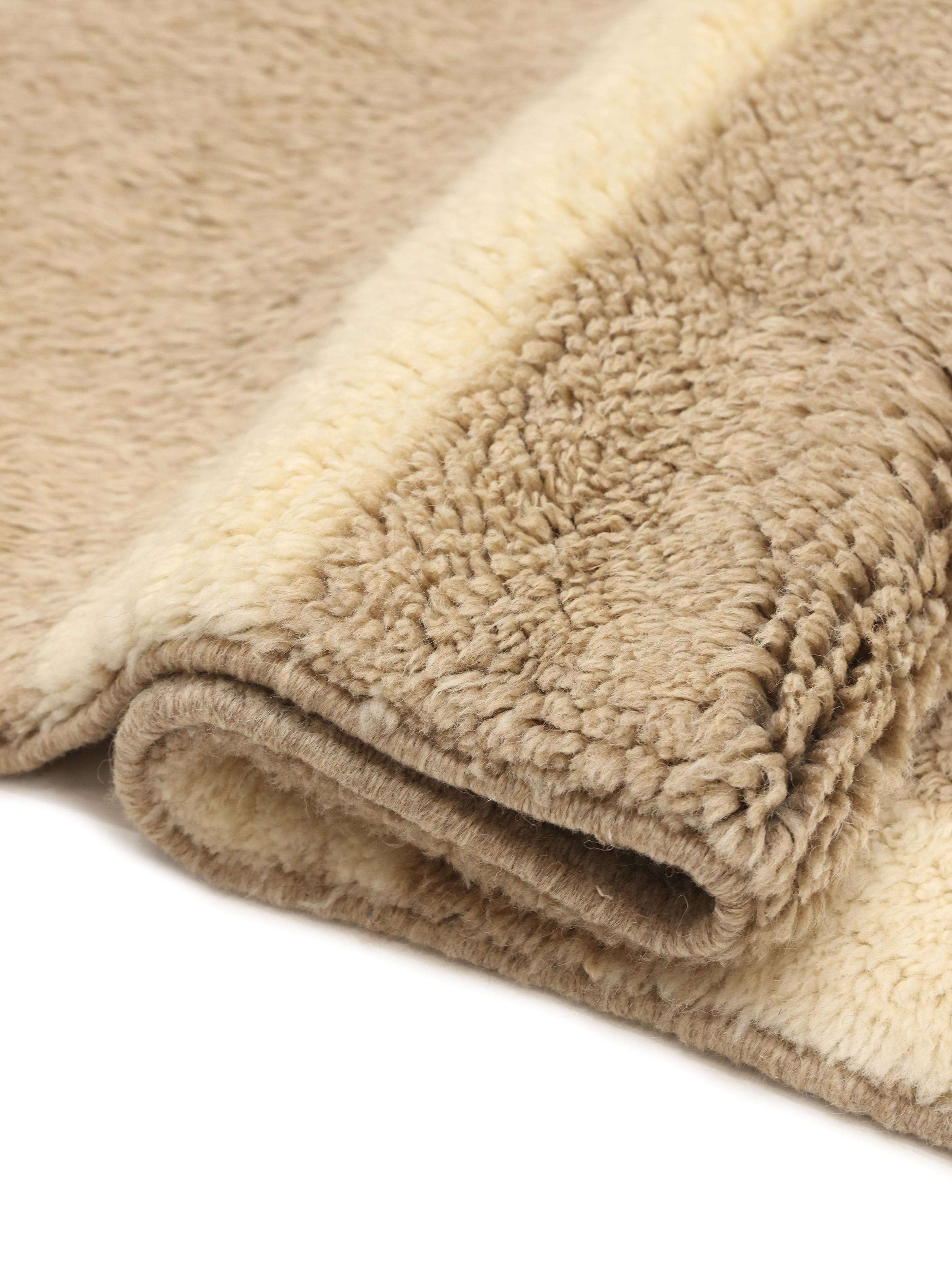
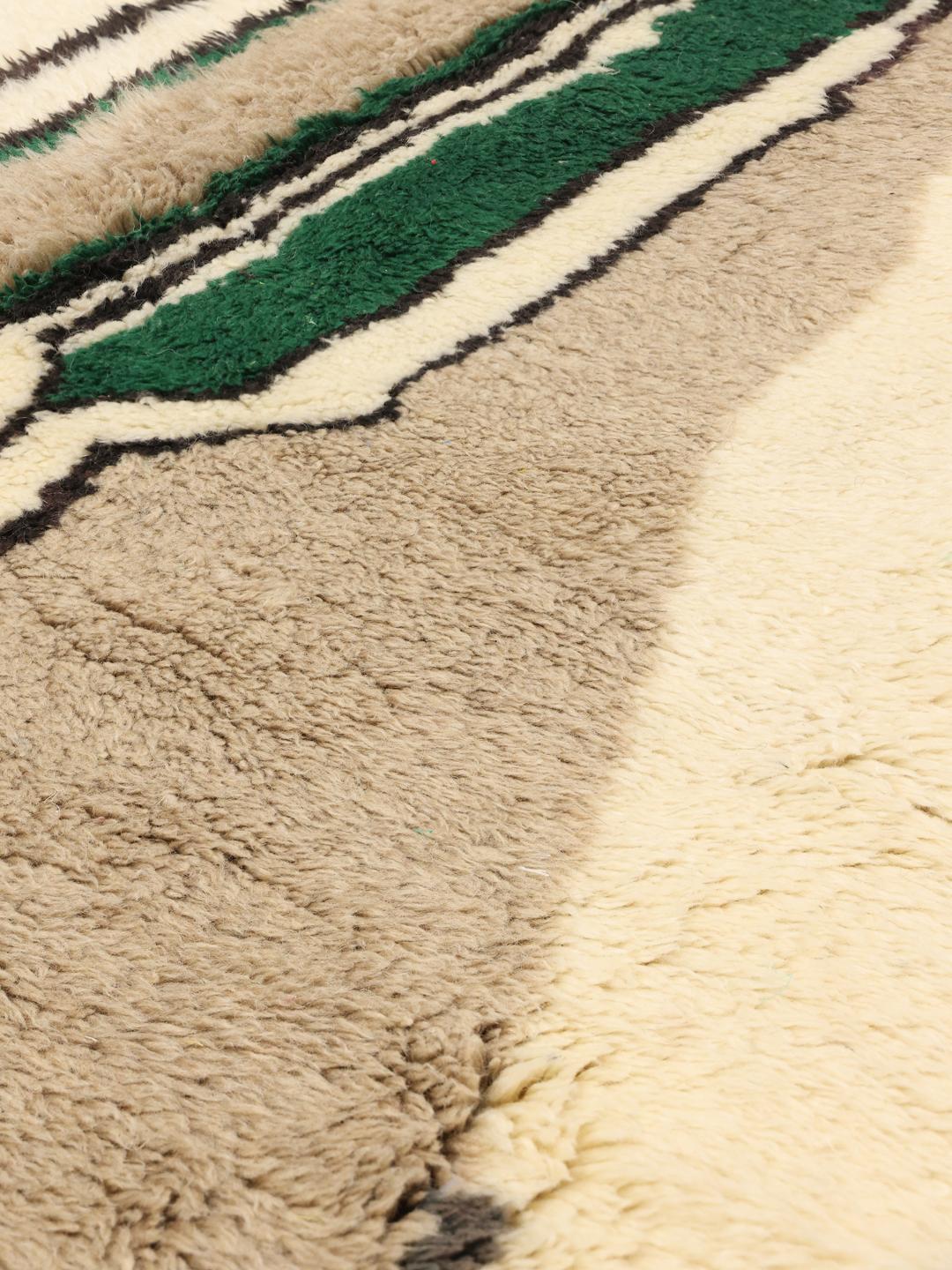
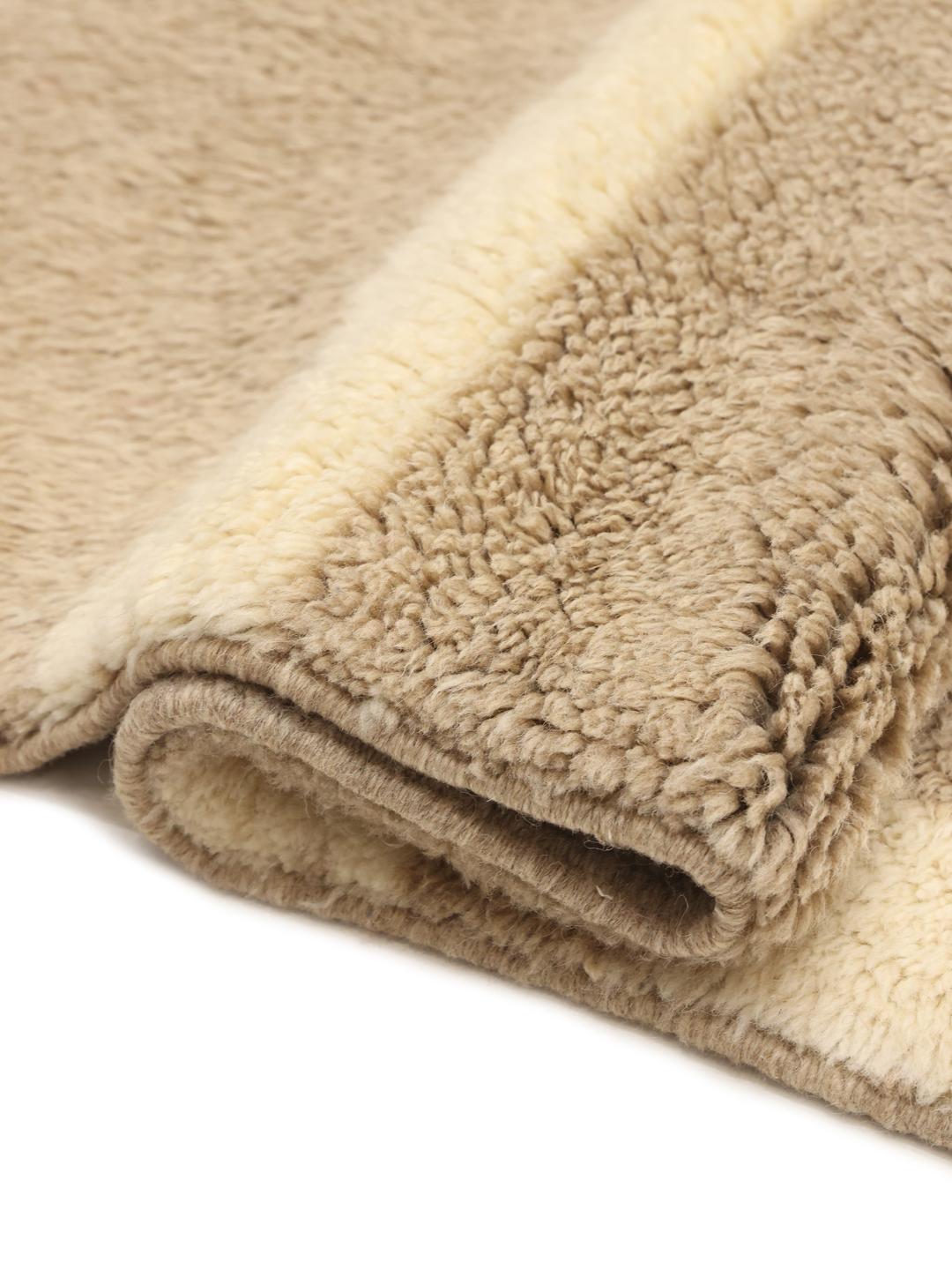
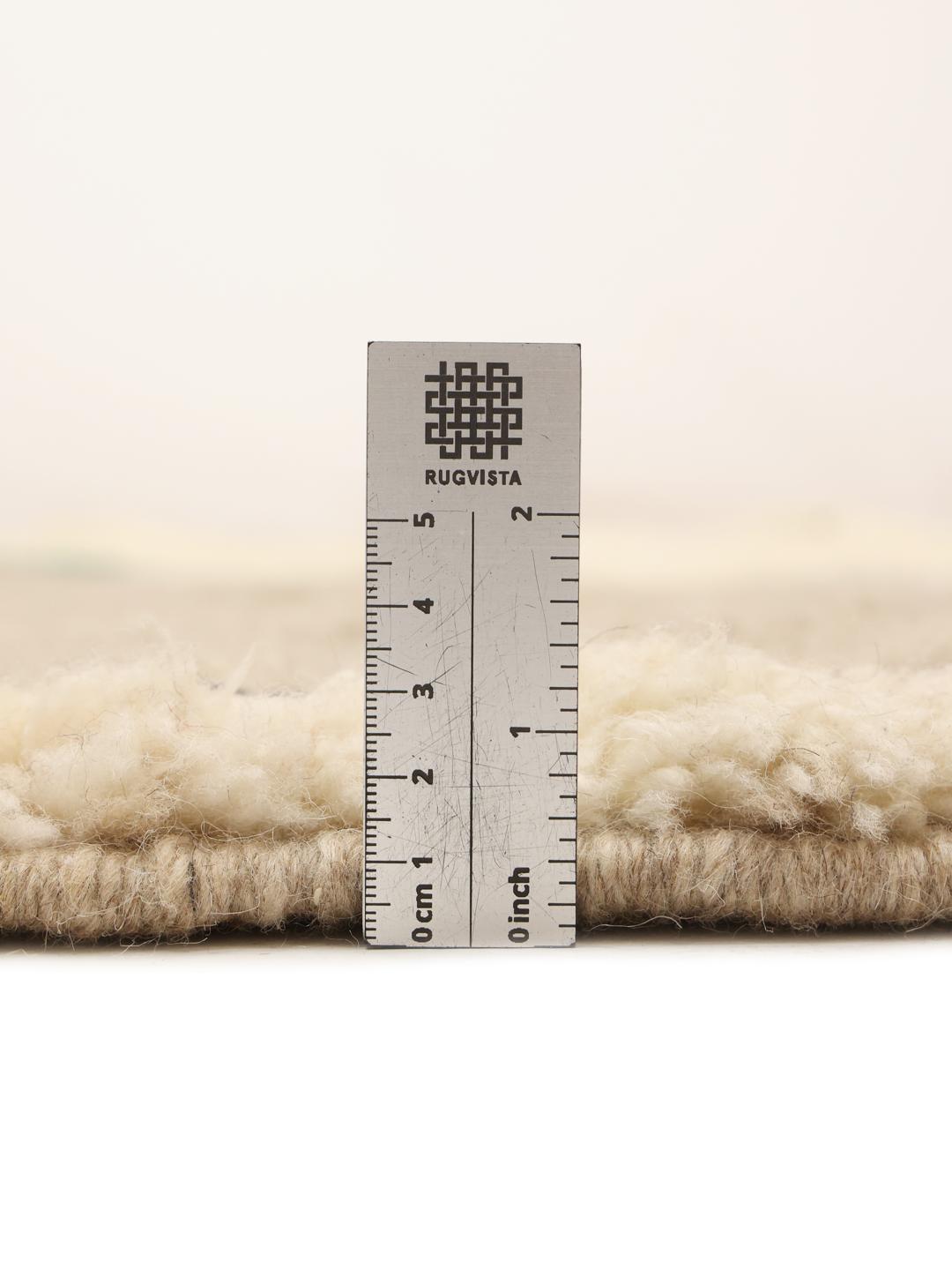
The term Beni Ourain refers to a specific group of tribes known for their high-quality, long-pile Wool creations. These rugs are traditionally crafted using thick, hand-spun Wool that is prized for its soft, lustrous quality and natural resilience. This material choice is not merely aesthetic; it is a practical response to the mountain environment, ensuring the rugs provide superior insulation and warmth.
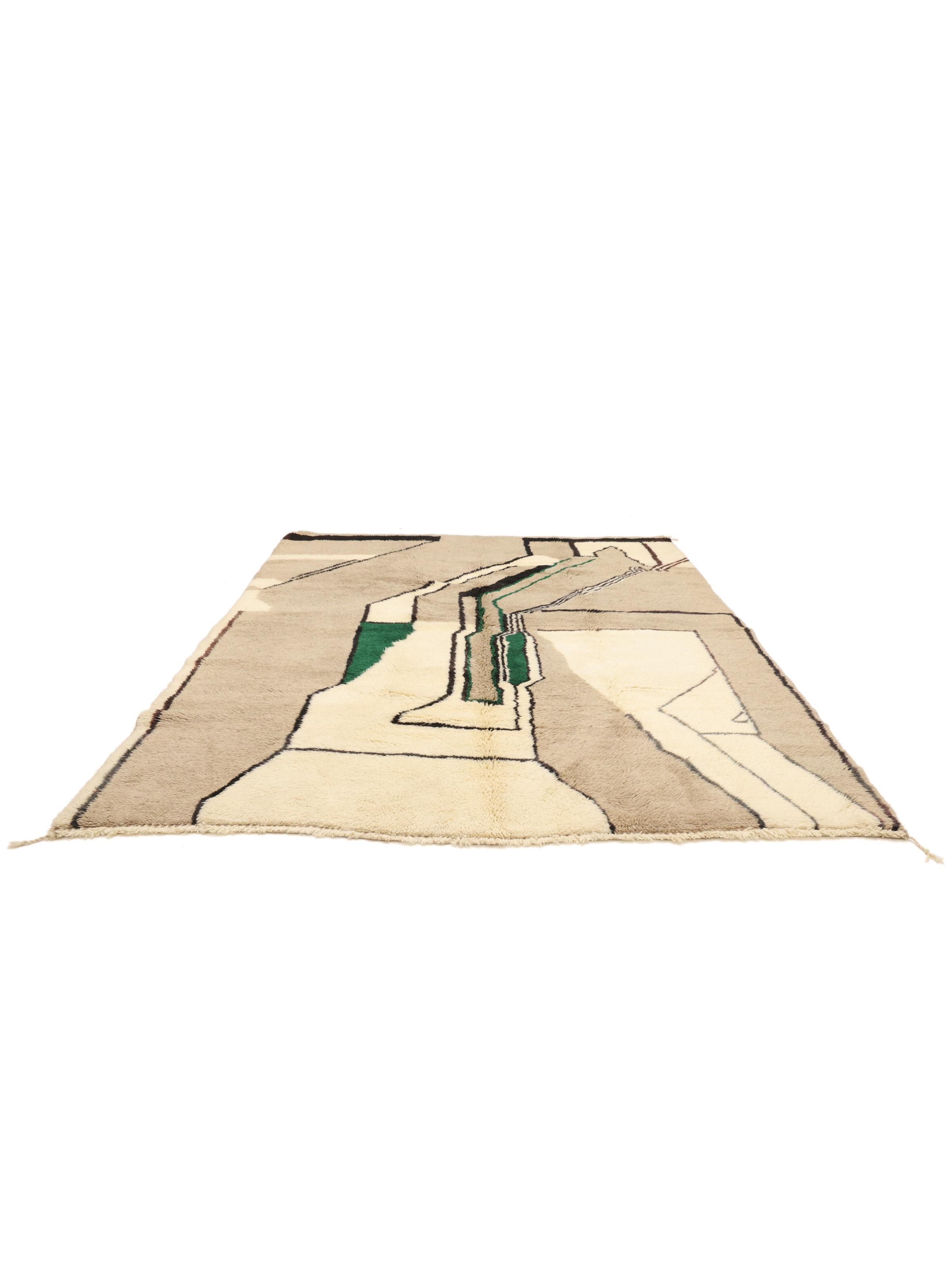
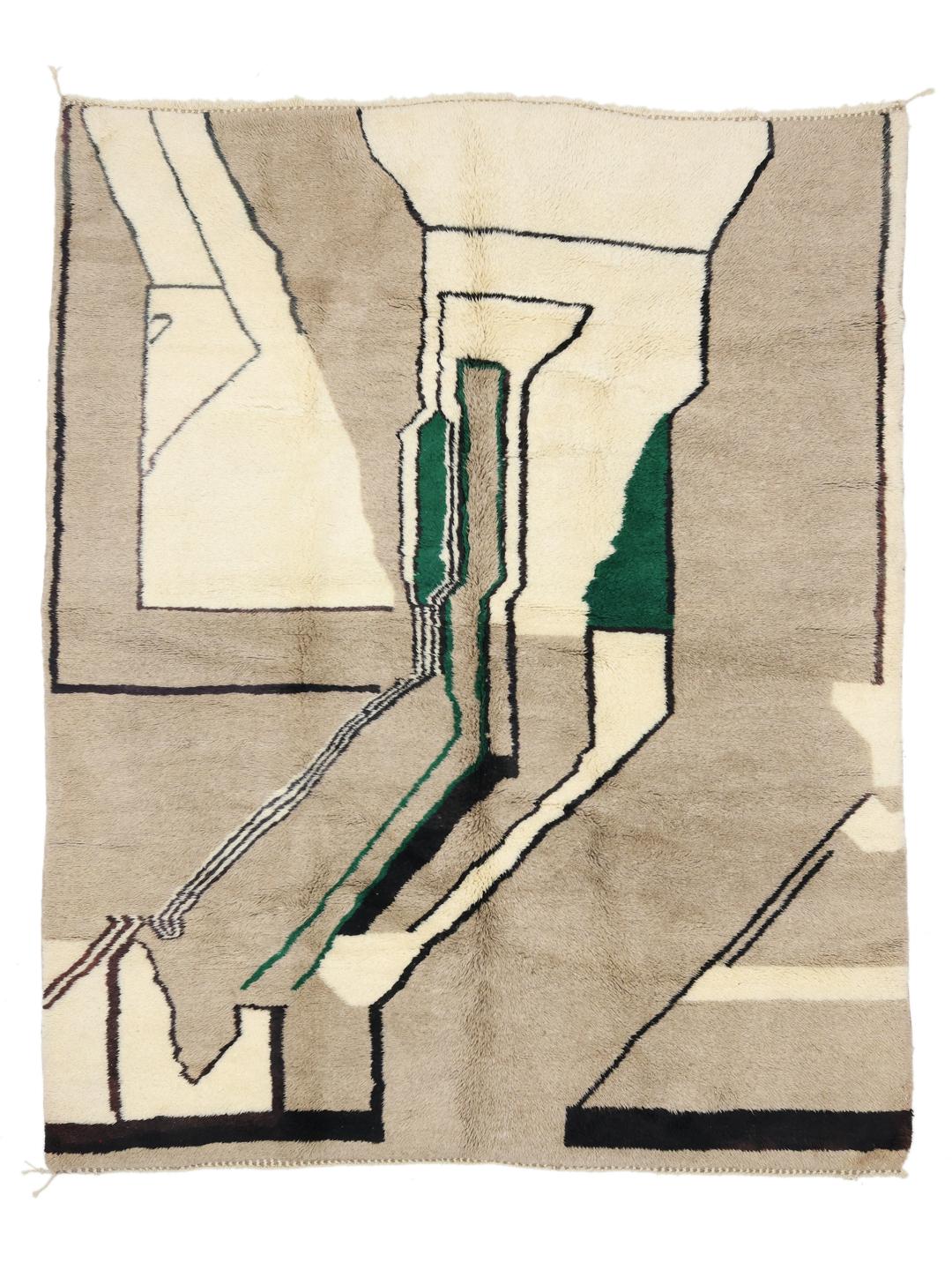
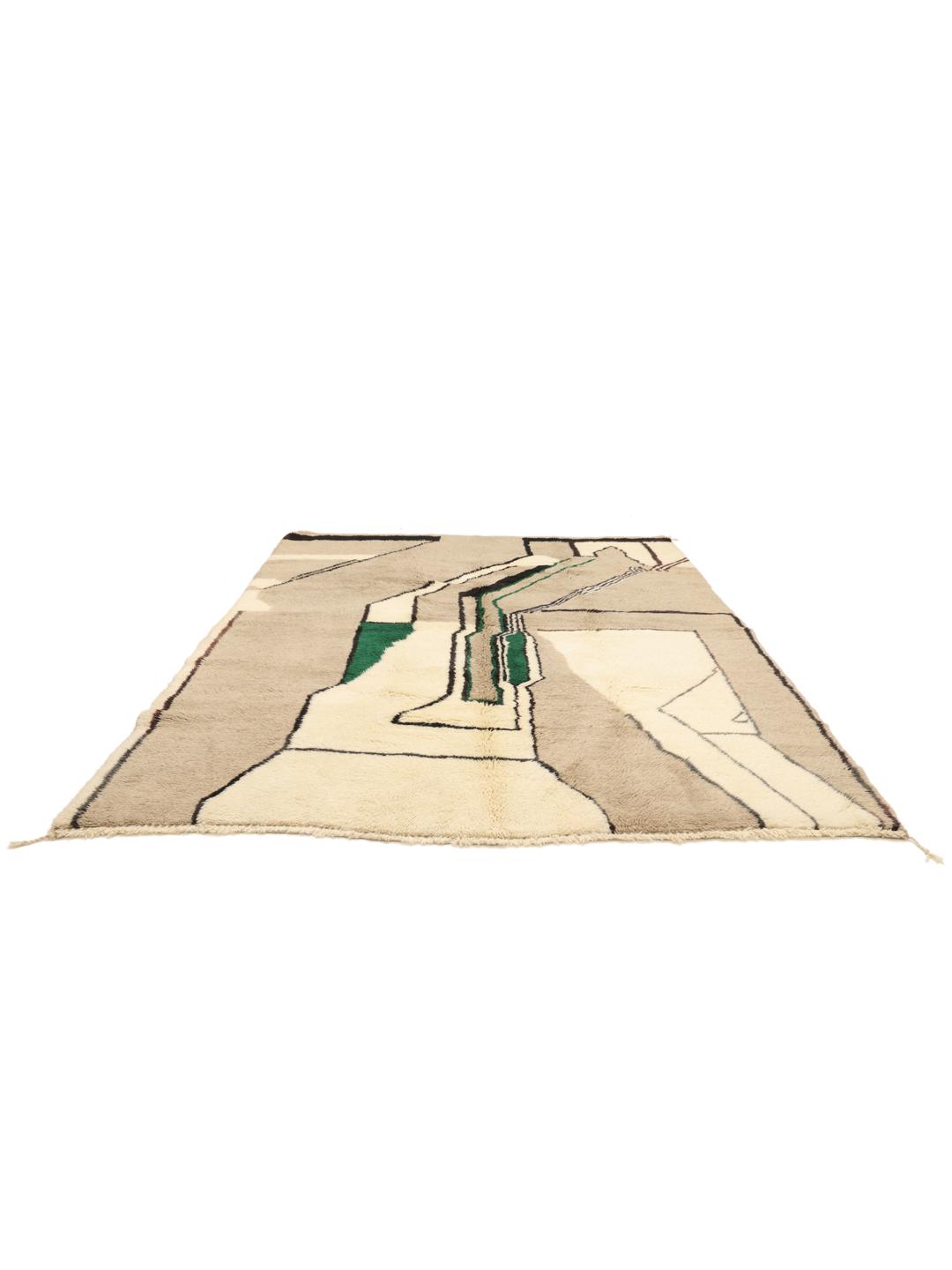
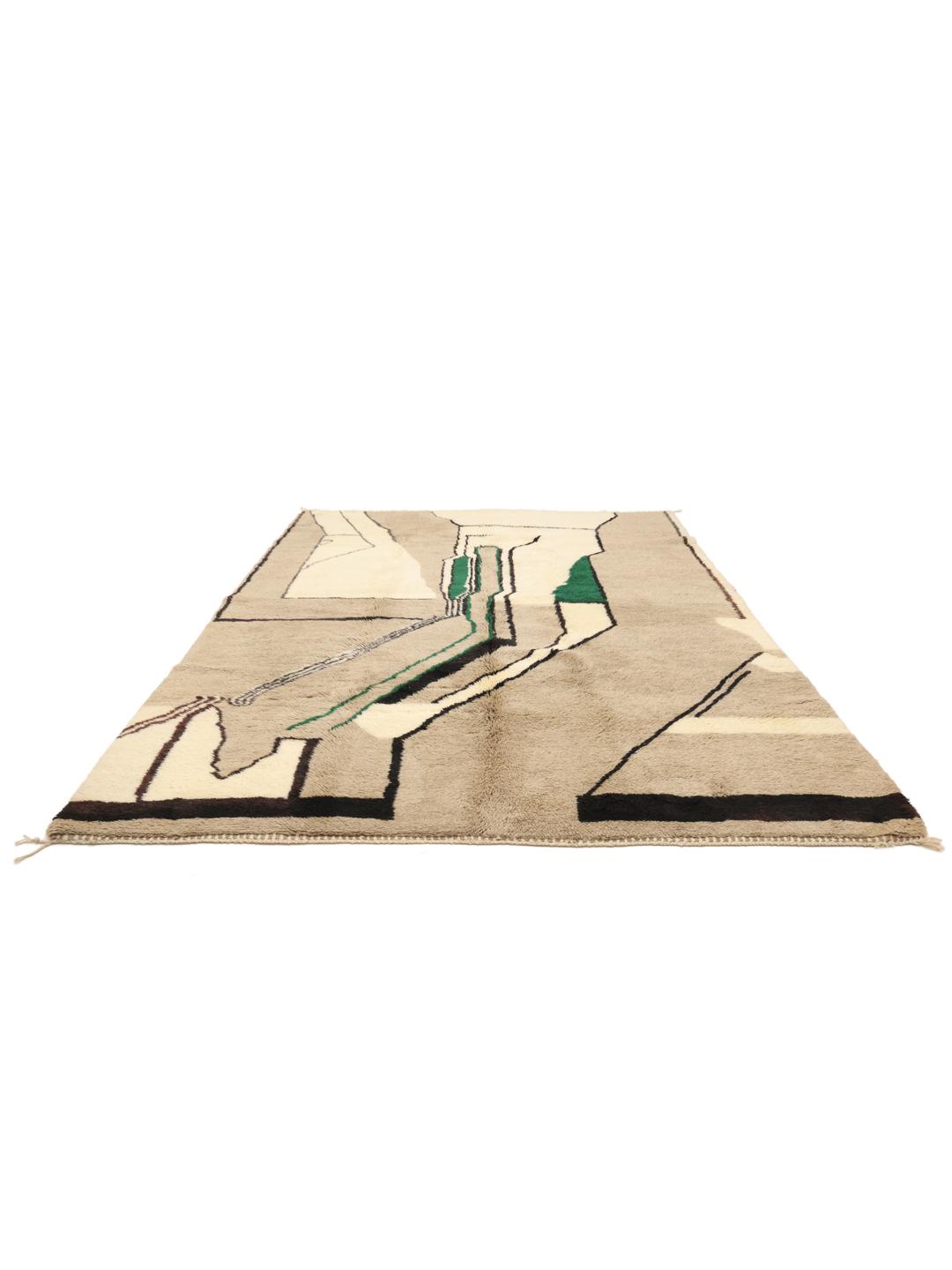
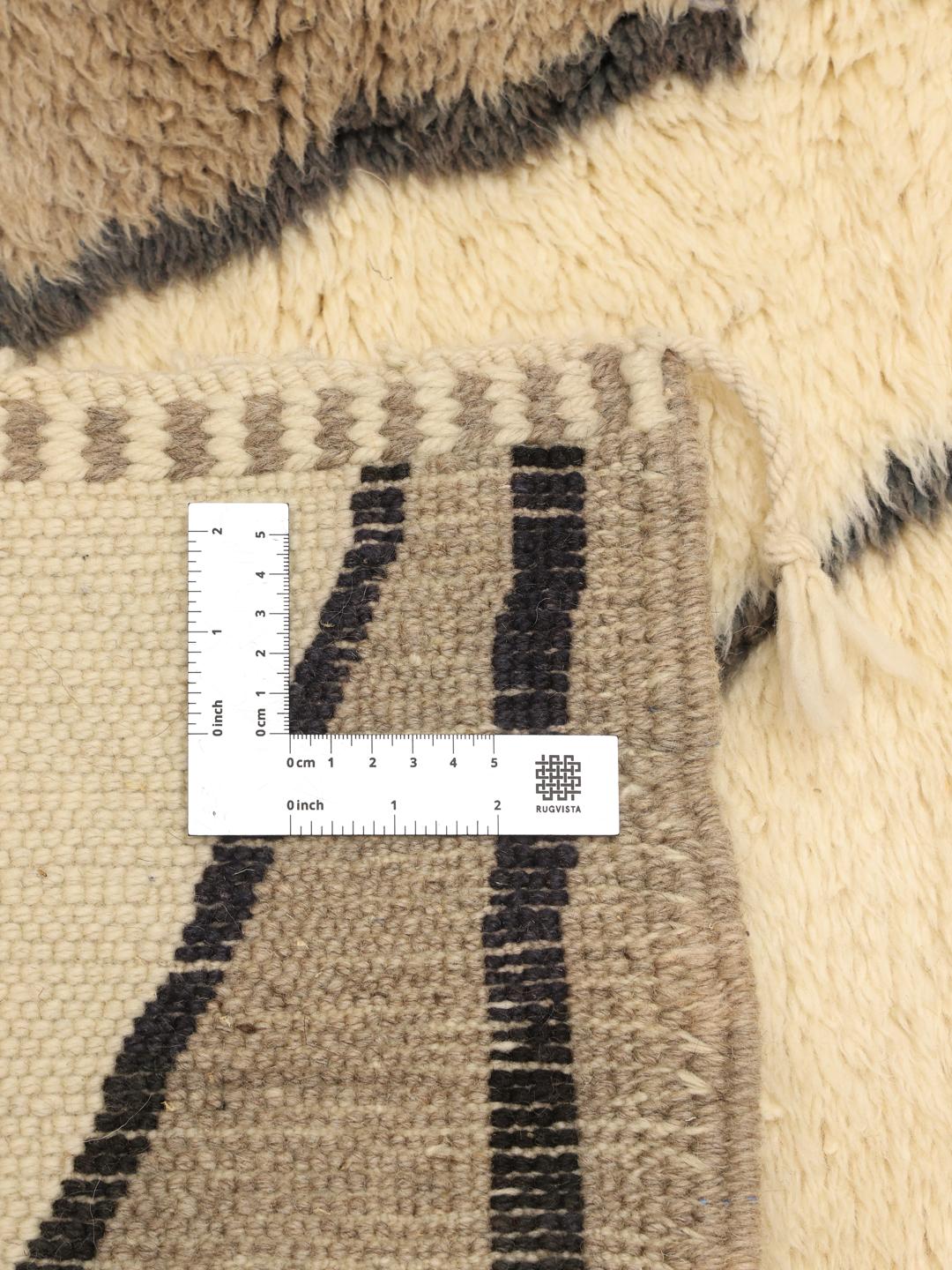
Visually, these rugs are defined by their minimalist yet powerful aesthetic. While they are famous for simple geometric lines, more artistic interpretations like this piece showcase a bold, abstract approach. The use of natural, undyed Wool combined with subtle coloured accents creates a timeless look that adapts beautifully to modern interiors while retaining its ancient, tribal roots.
Owning a piece from this tradition is an investment in human skill and cultural heritage. Because they are woven by hand in small, domestic settings, these rugs carry the individual mark of the maker. They are highly sought after by collectors who value the authenticity of the craft and the way these pieces age, becoming more beautiful and storied with every passing year.