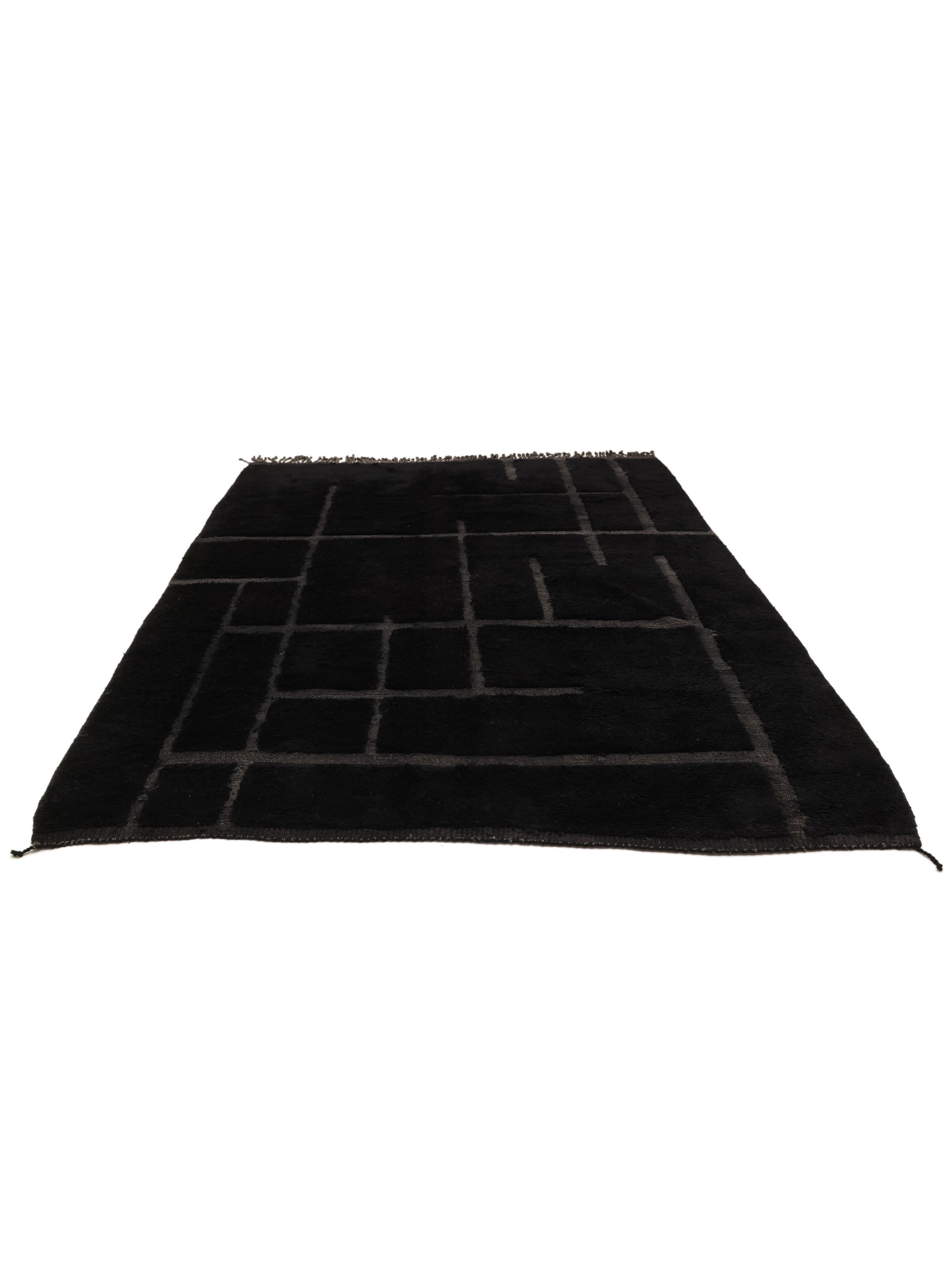
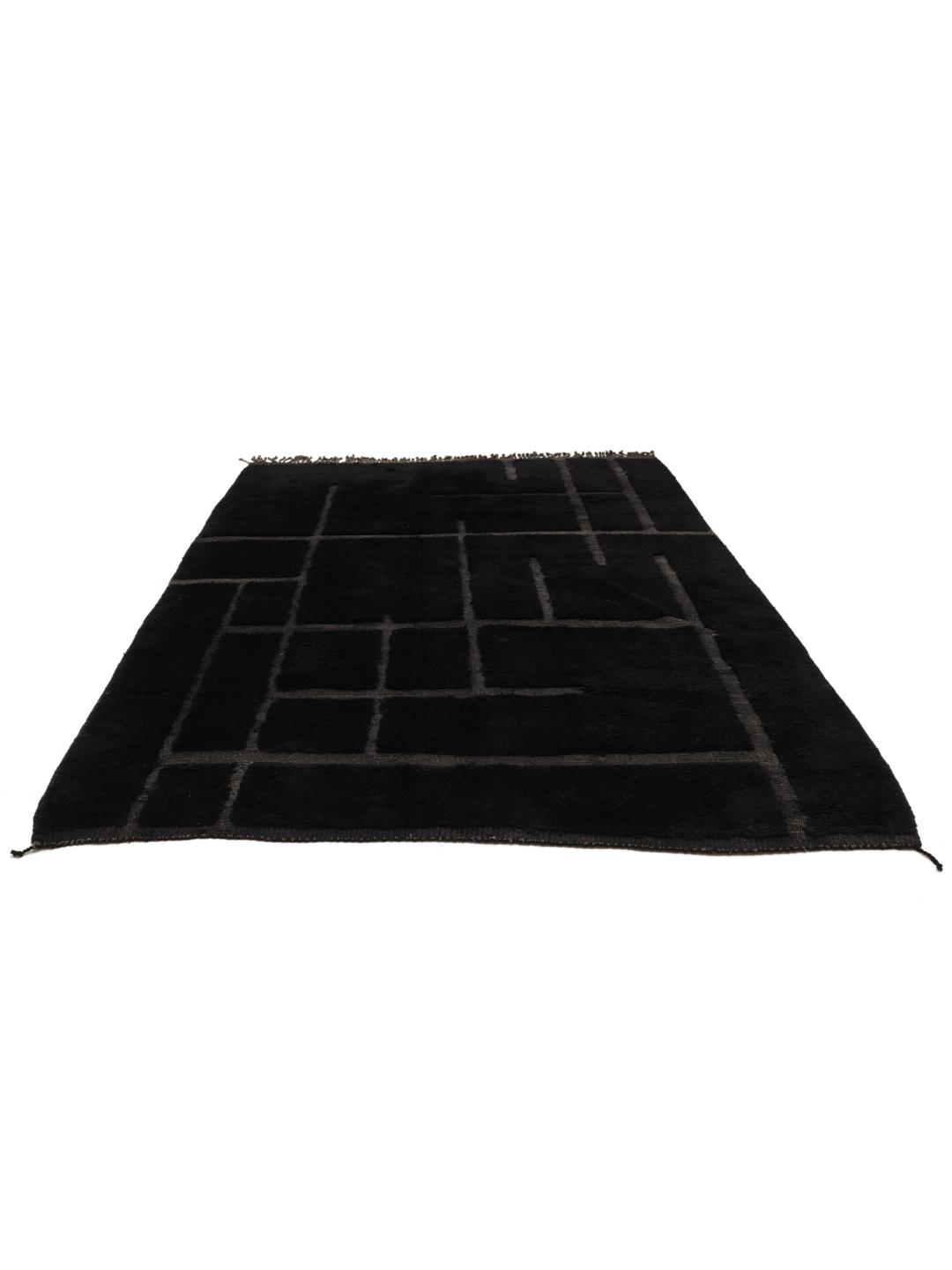
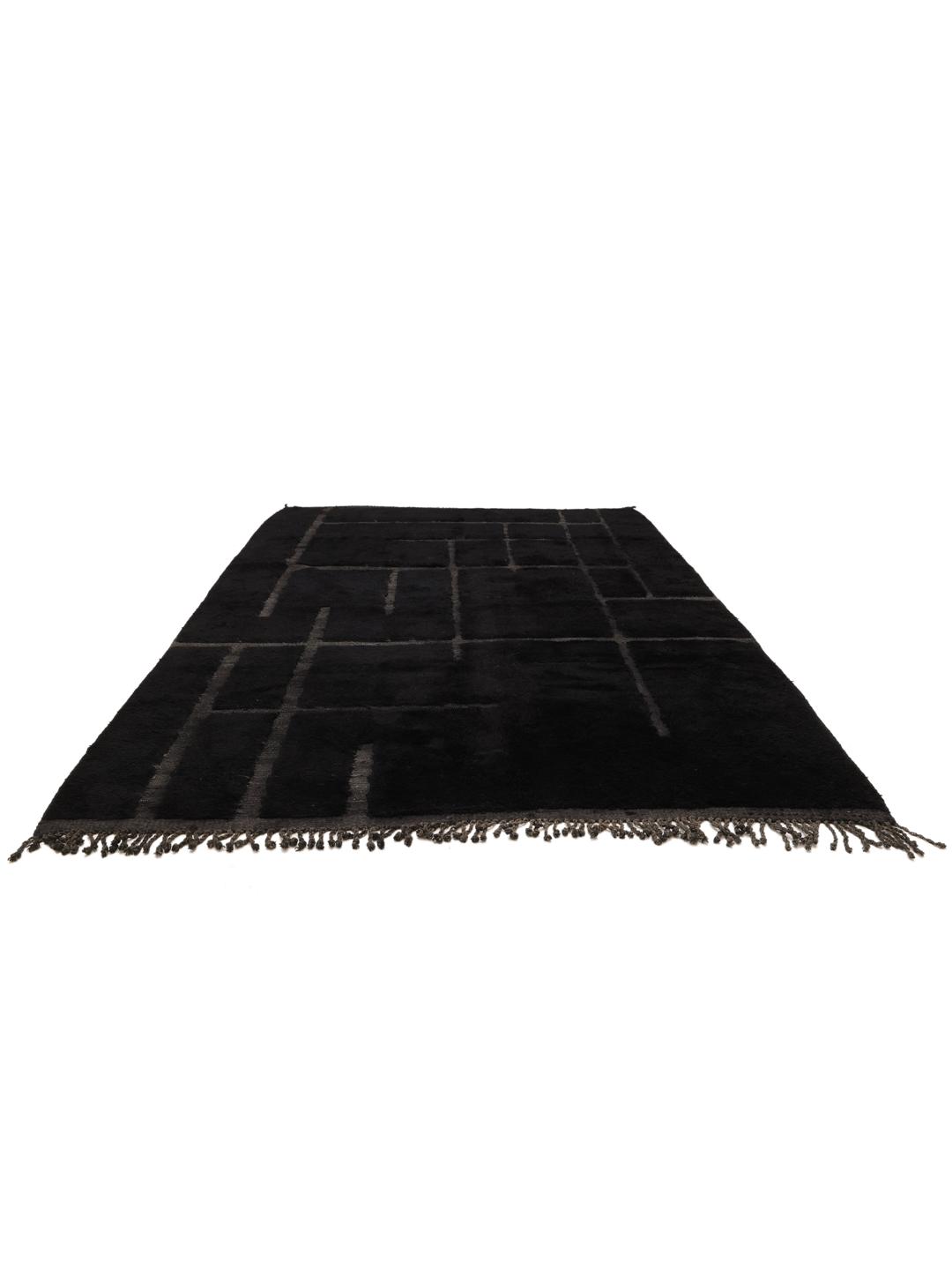
The Beni Ourain rugs originate from the Atlas Mountains of Morocco, where they have been crafted for centuries by the Berber tribes. These rugs were traditionally created as functional items for nomadic life, designed to provide warmth and comfort in the harsh, cold mountain climate, rather than as decorative objects for urban homes.
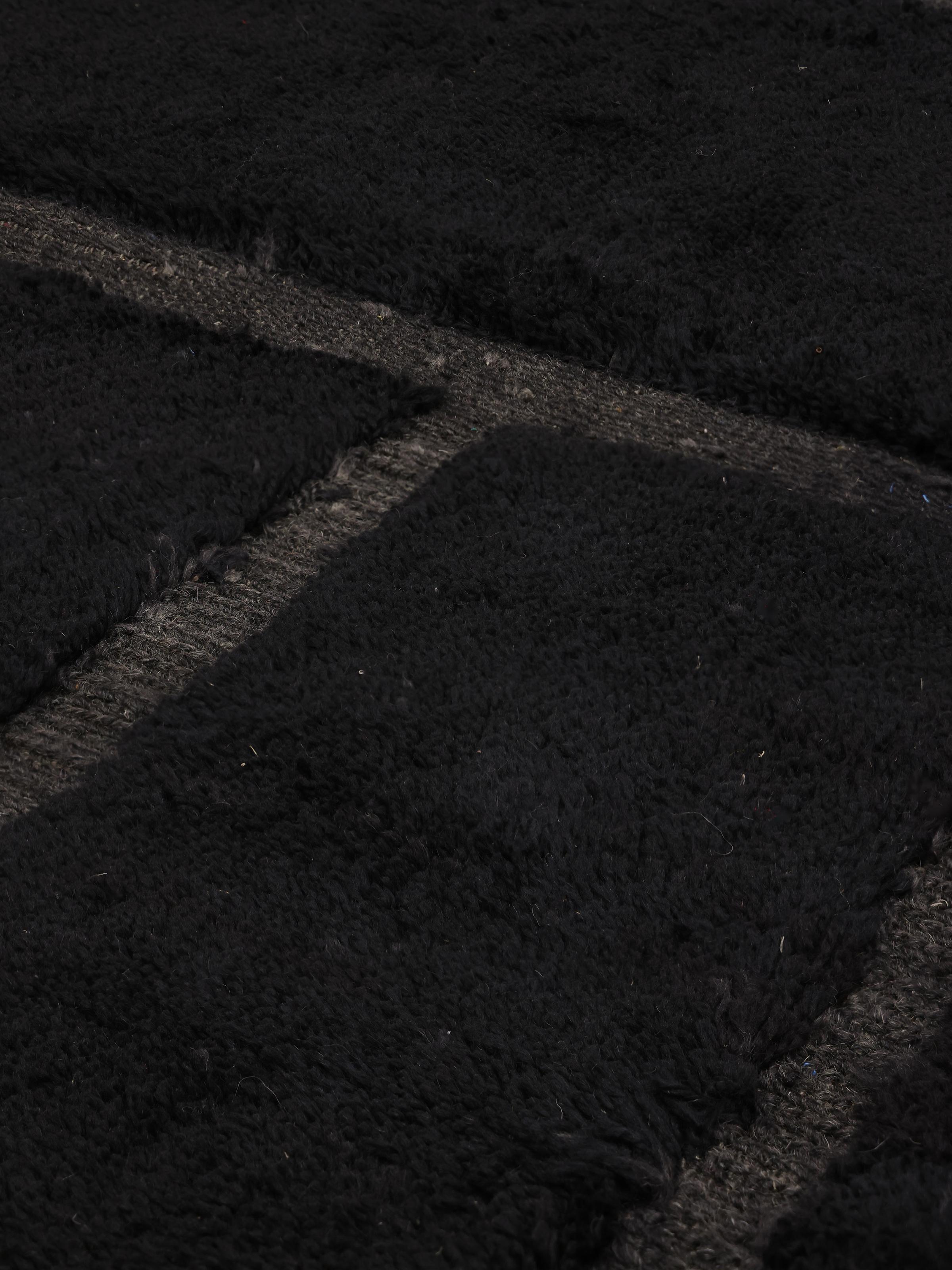
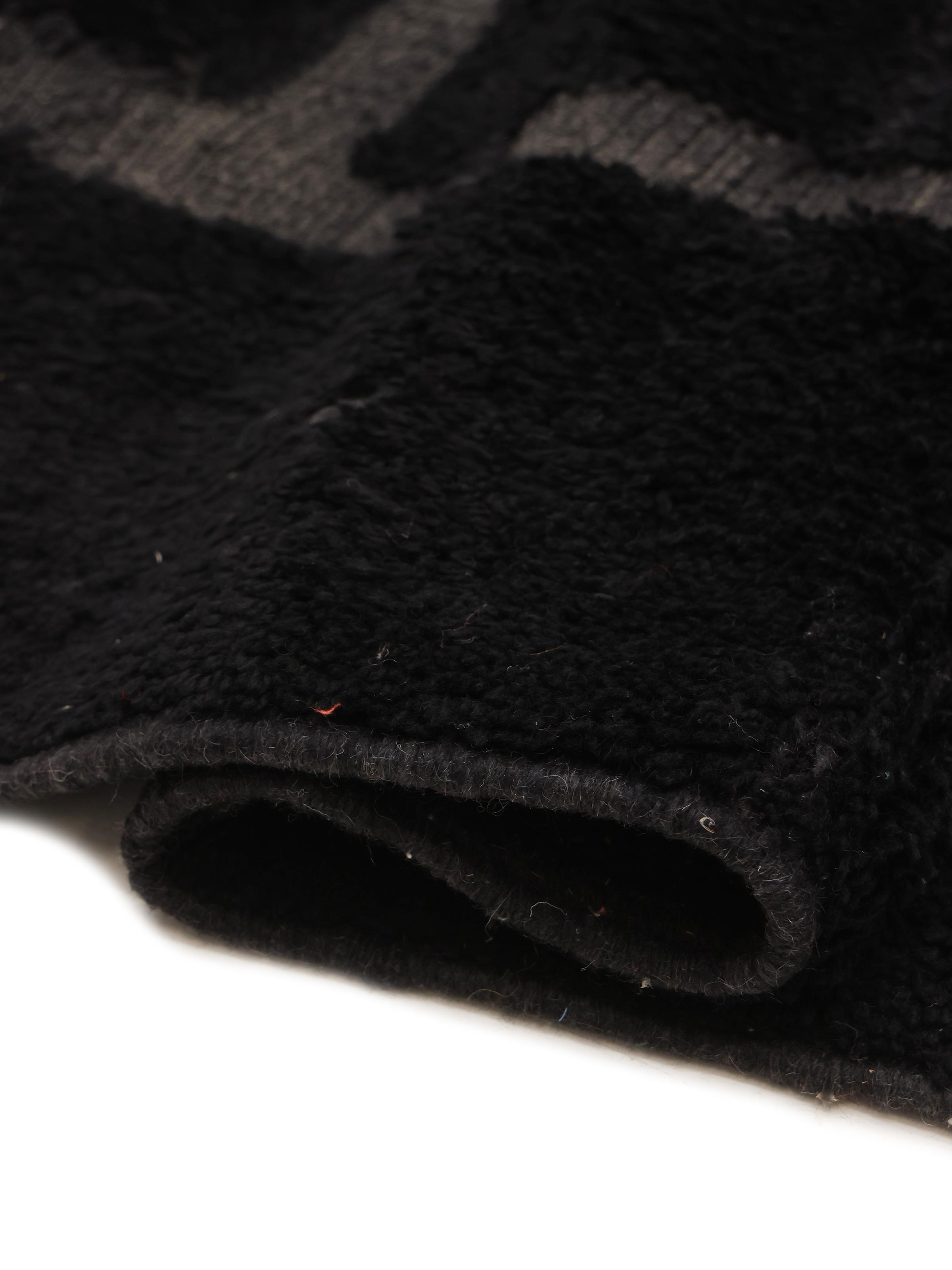
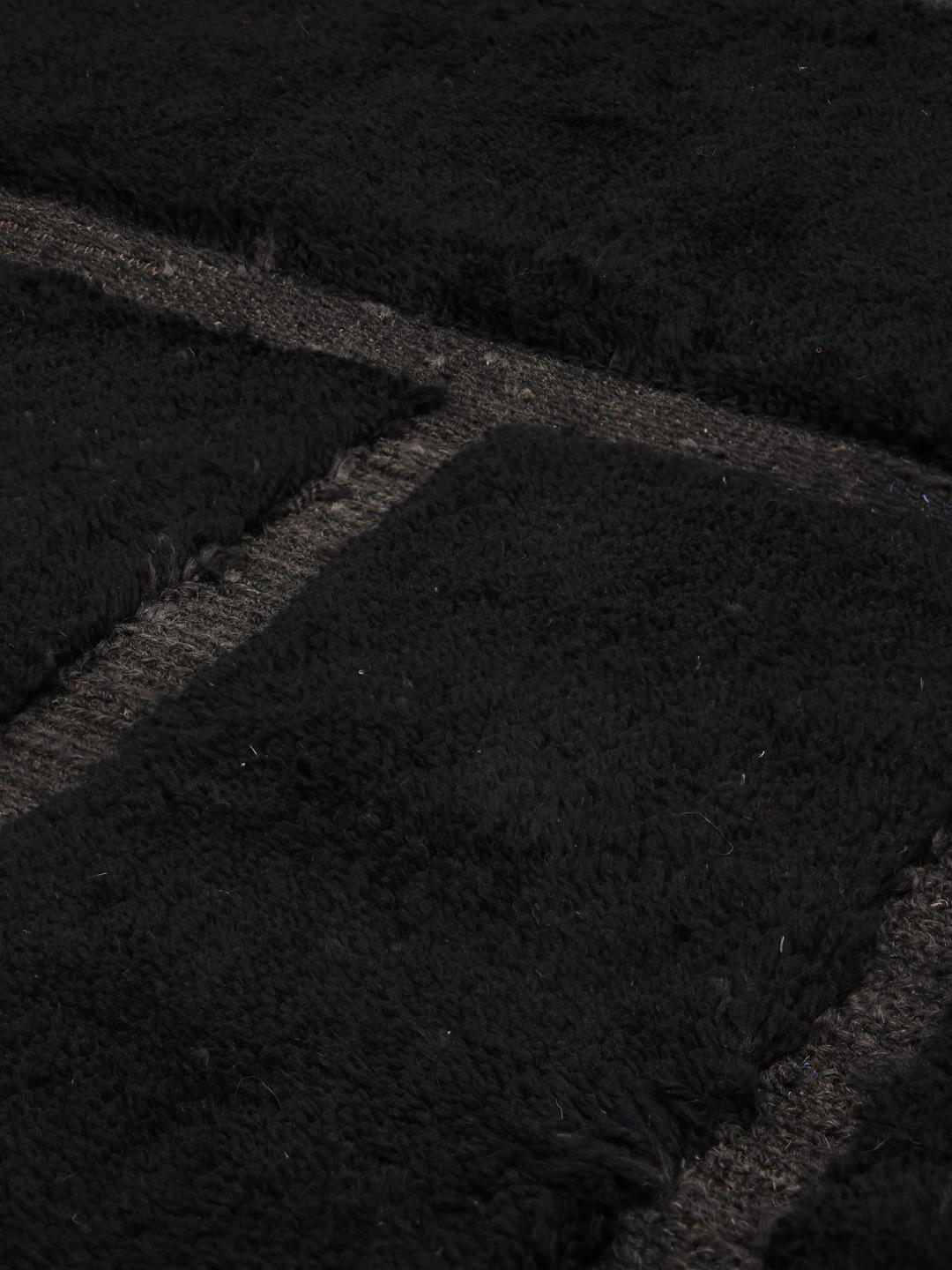
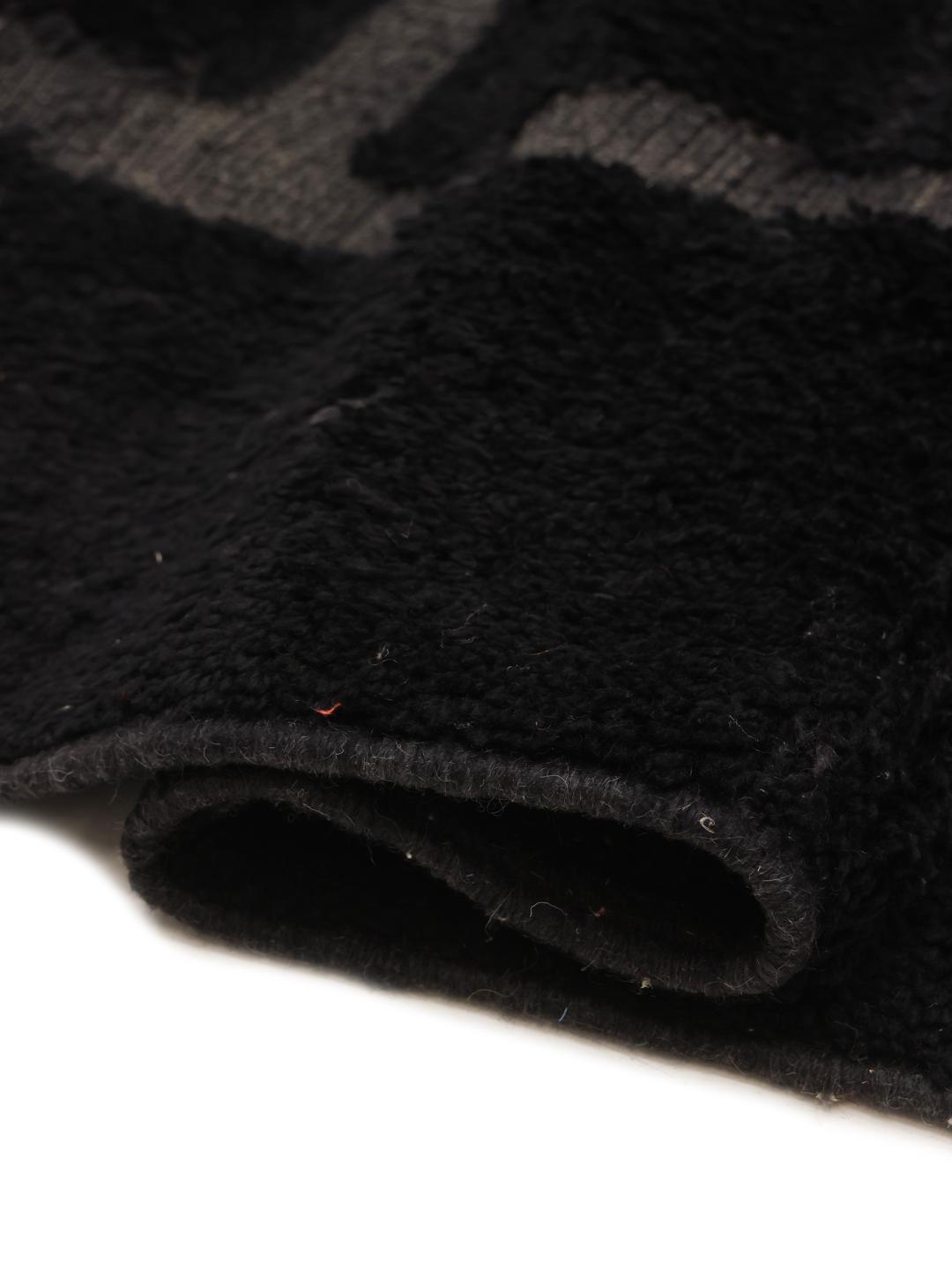
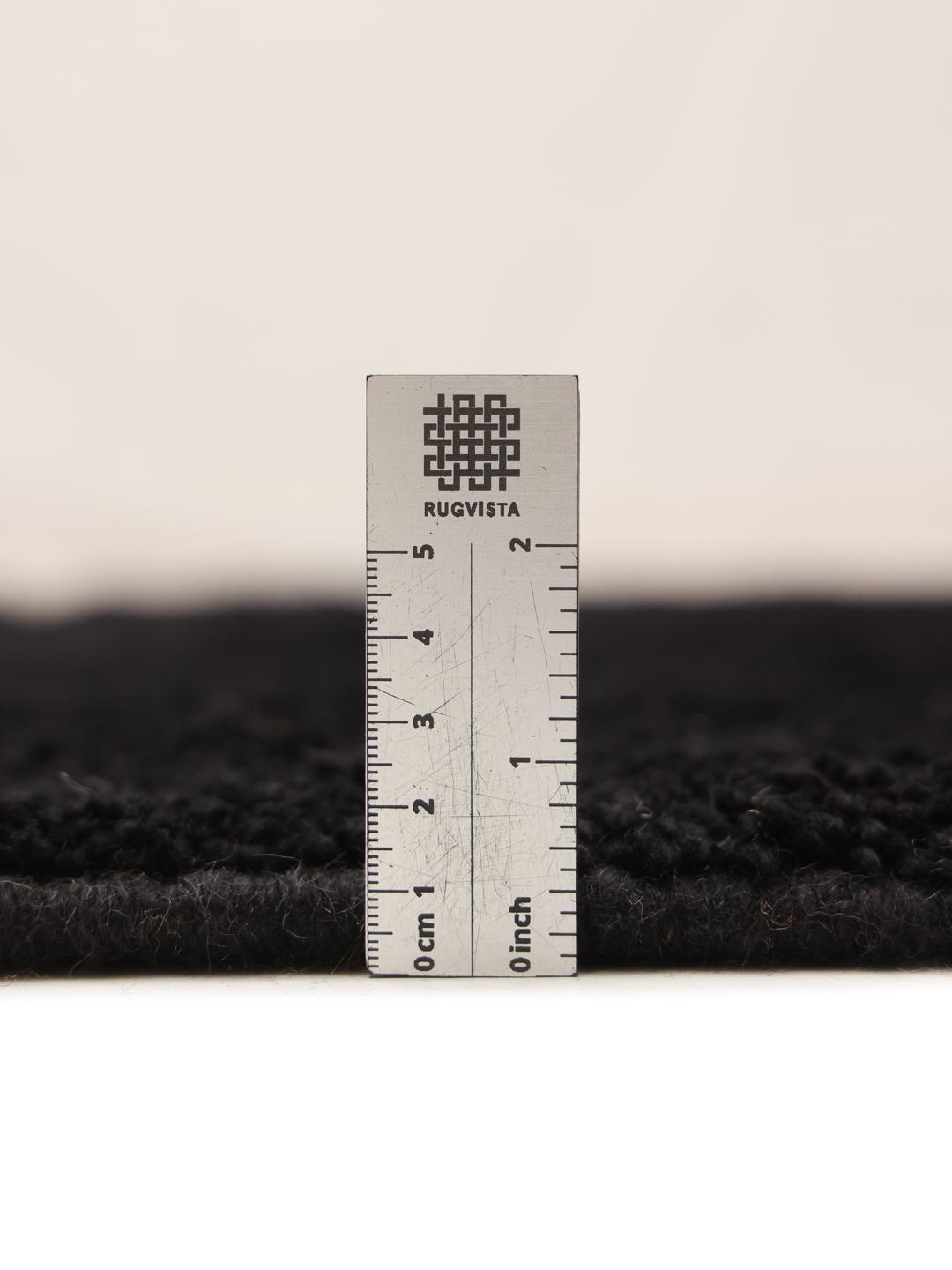
The craft relies on a deep understanding of natural fibres, with the wool often sourced from ancient breeds of sheep native to the region. The thickness and density of the pile are hallmarks of this tradition, reflecting the practical need for insulation and protection against the elements, which translates today into a remarkably soft and inviting floor covering.
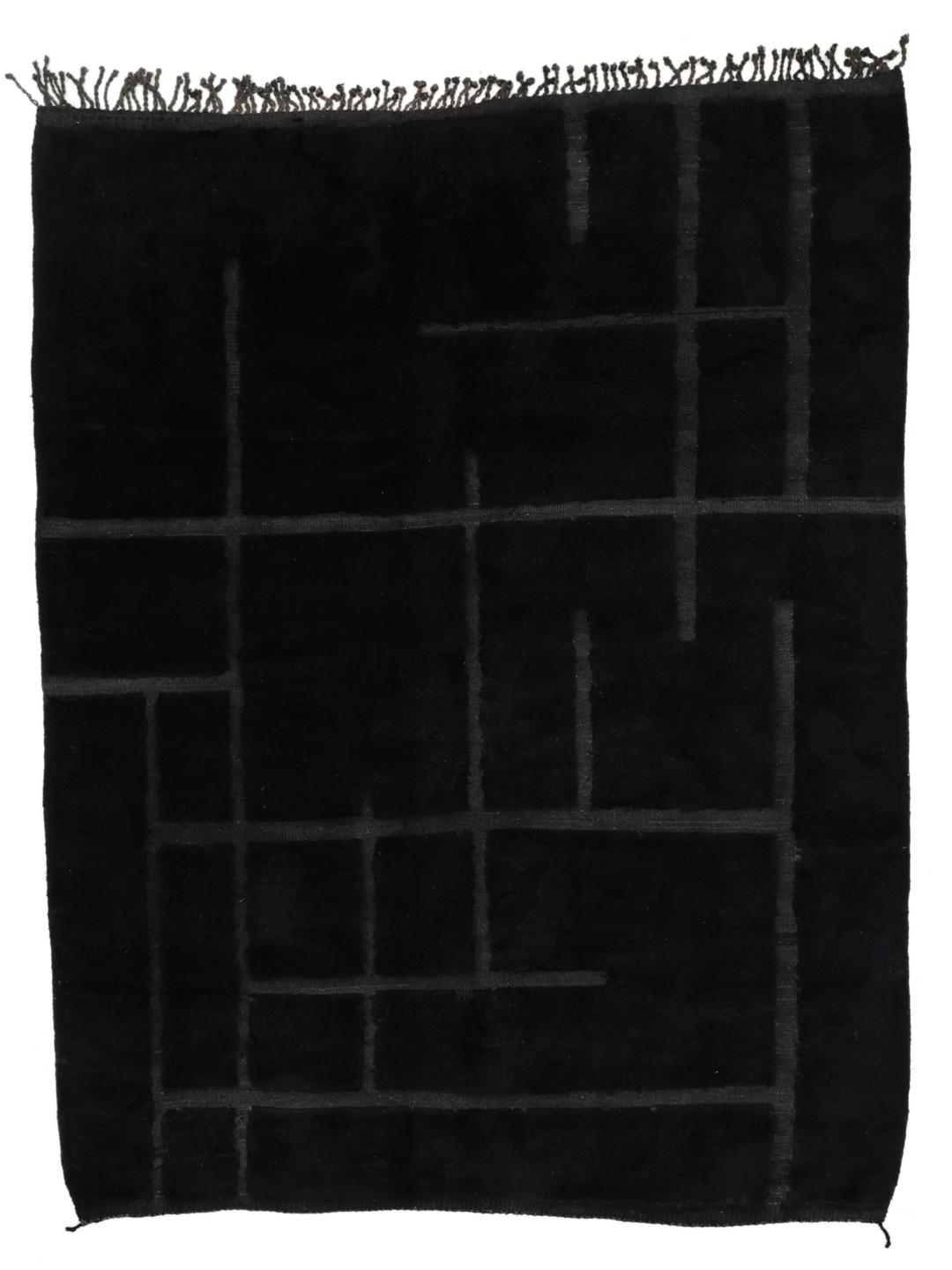
Visually, these rugs are celebrated for their minimalist aesthetic, often featuring dark, abstract, or geometric lines against a neutral or deep-toned background. These symbols were historically imbued with personal and cultural significance, acting as a form of visual storytelling that documented the weaver's life, beliefs, and surrounding environment, rather than following rigid, pre-planned patterns.
Today, owning a piece from this tradition is an act of preserving a rich cultural heritage. Collectors value these rugs not only for their striking, modern appearance but also for the connection they provide to a slow, intentional way of life. Each rug is a testament to the skill passed down through generations, representing a bridge between ancient nomadic history and contemporary home design.