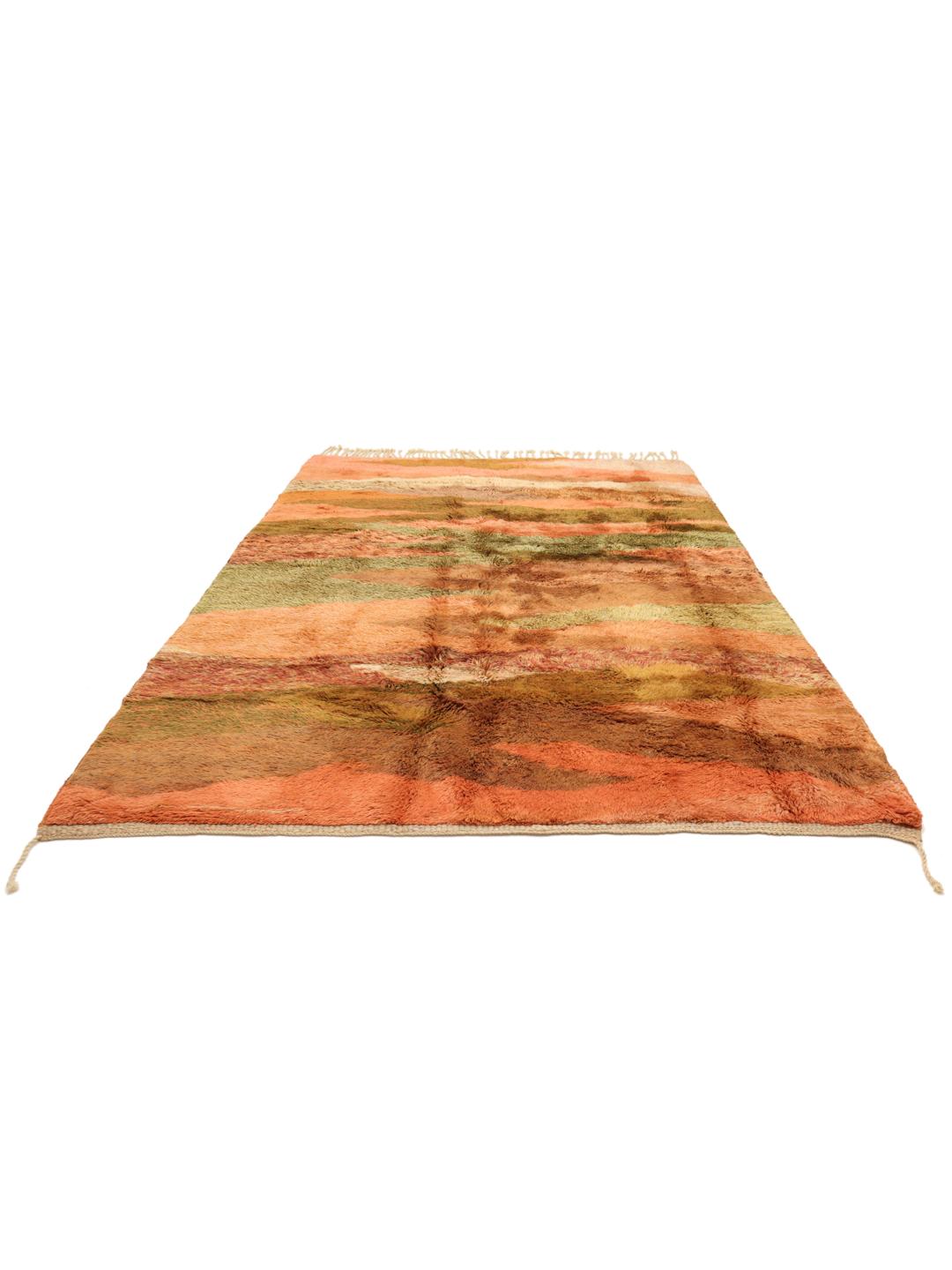
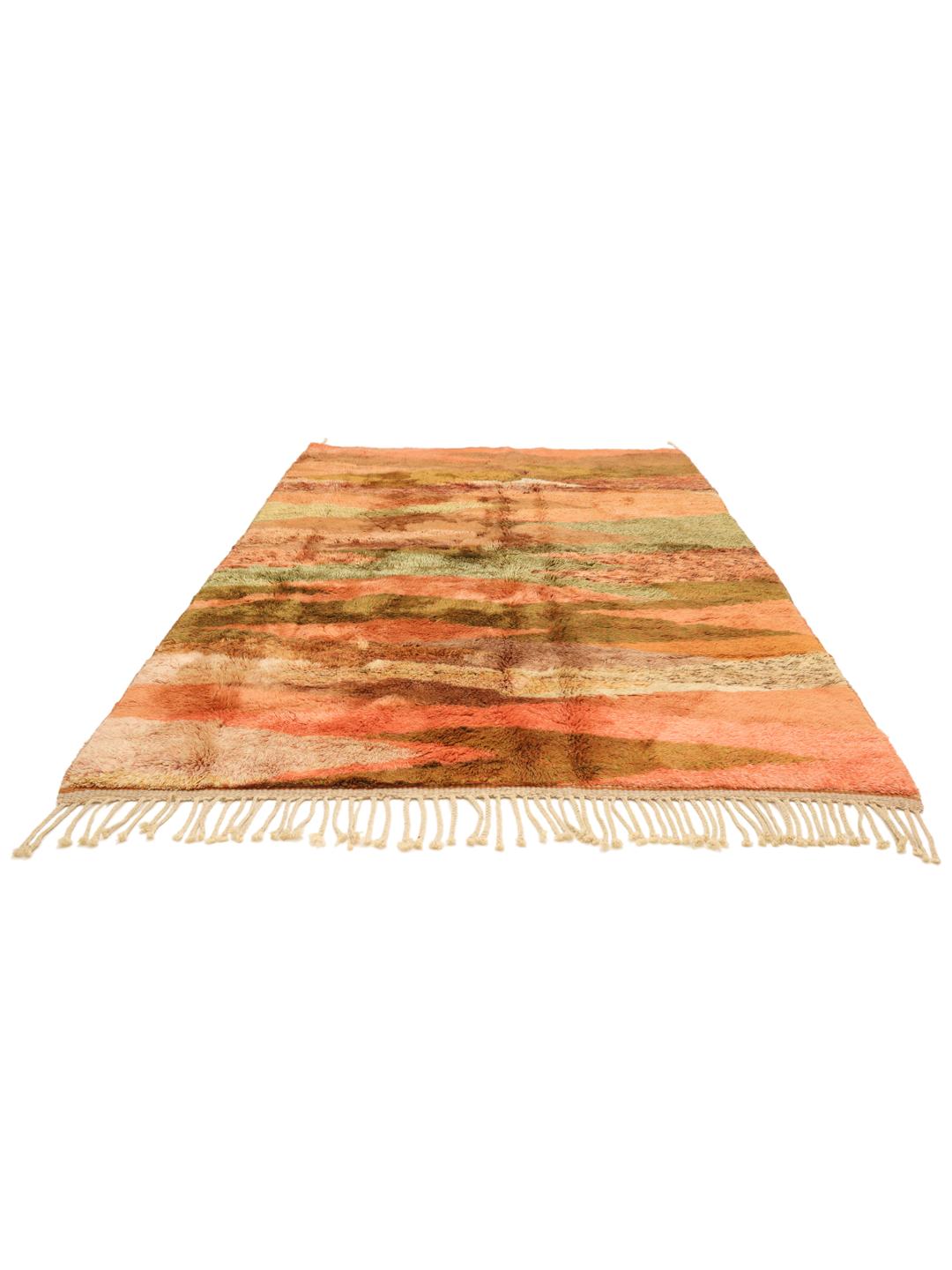
Berber rugs originate from the indigenous tribes of the Atlas Mountains in Morocco. For centuries, these communities have woven rugs not merely as floor coverings, but as essential functional items for mountain life, designed to provide insulation against harsh winters and serve as comfortable sleeping mats.
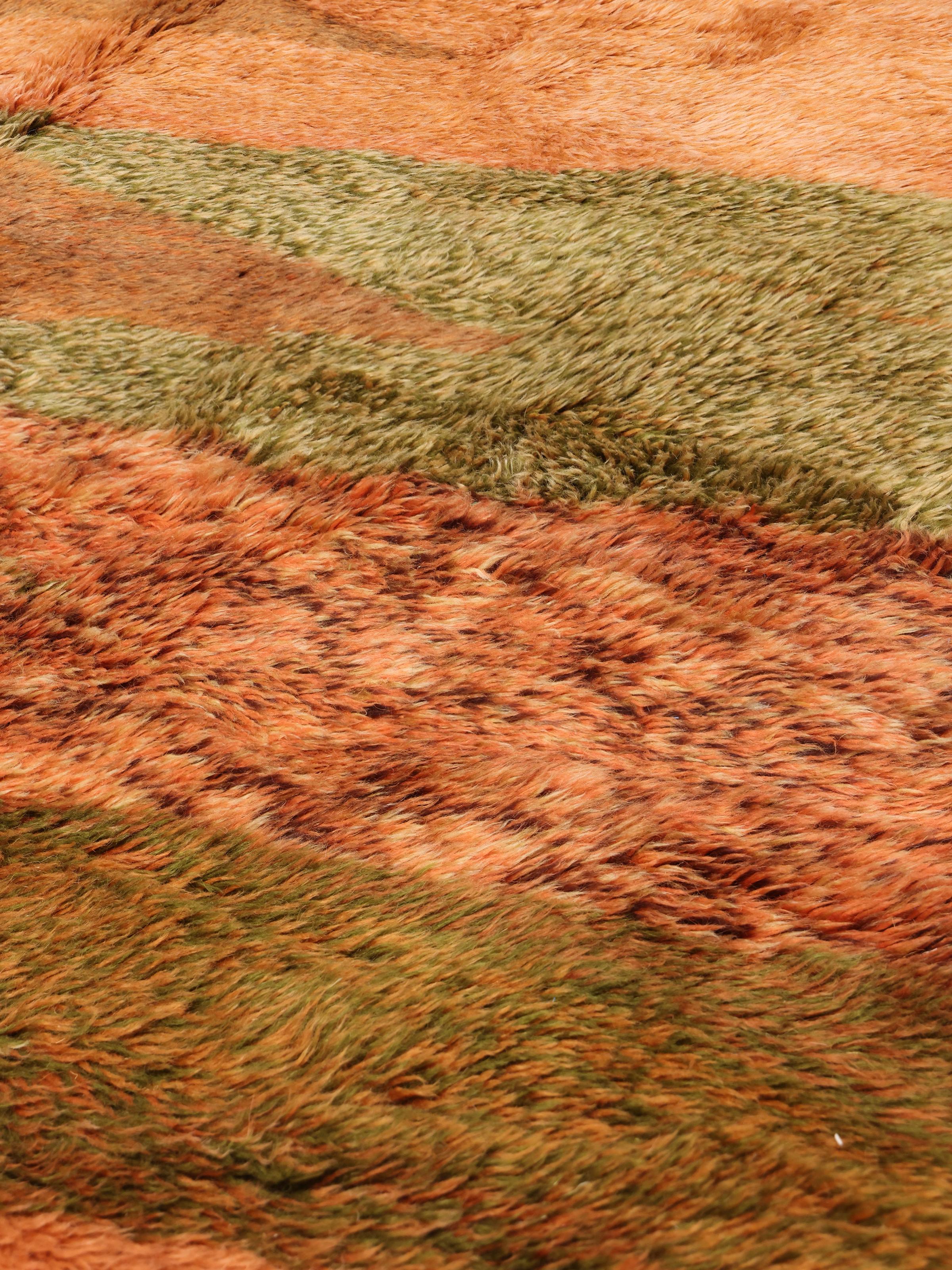
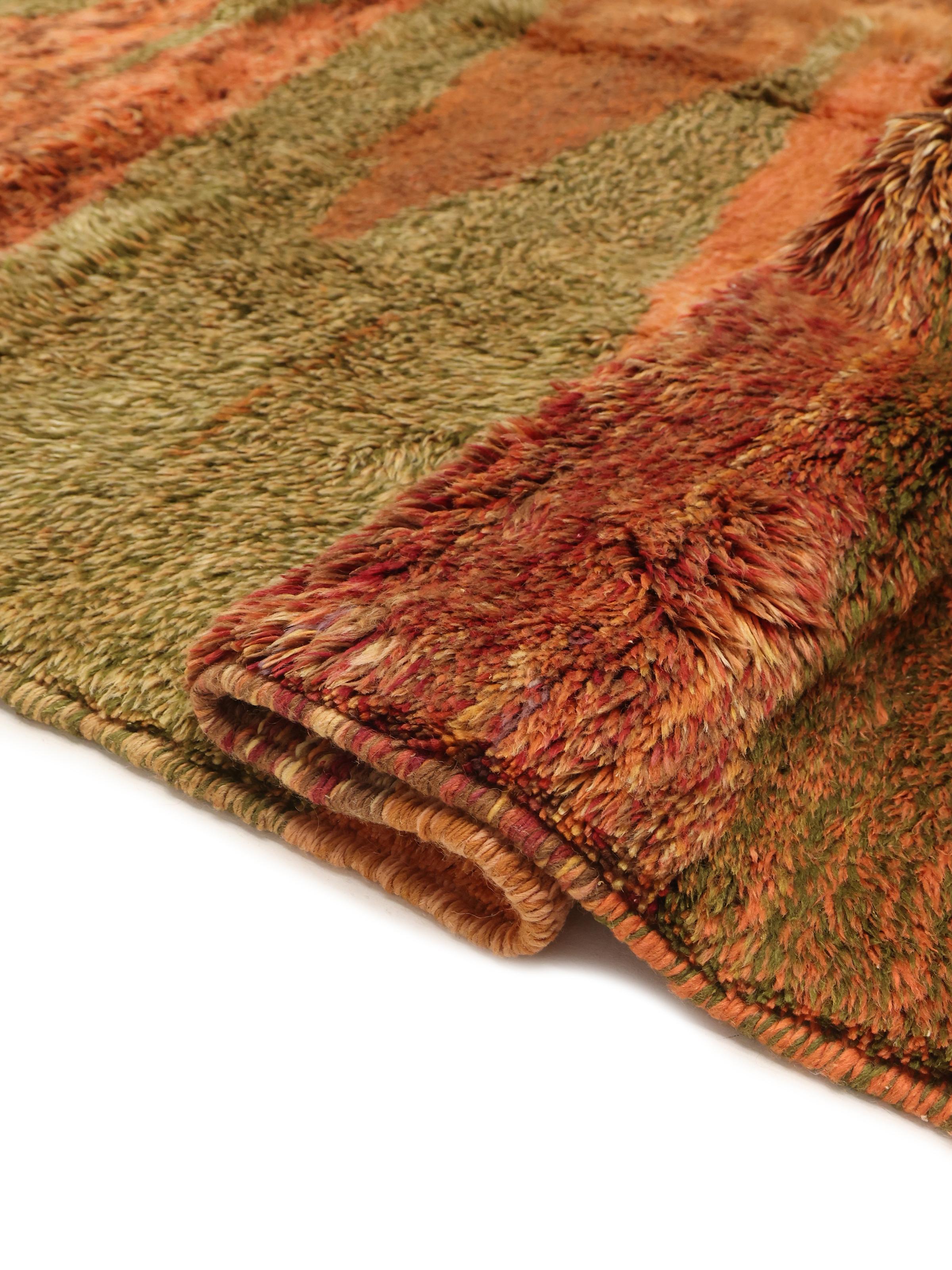
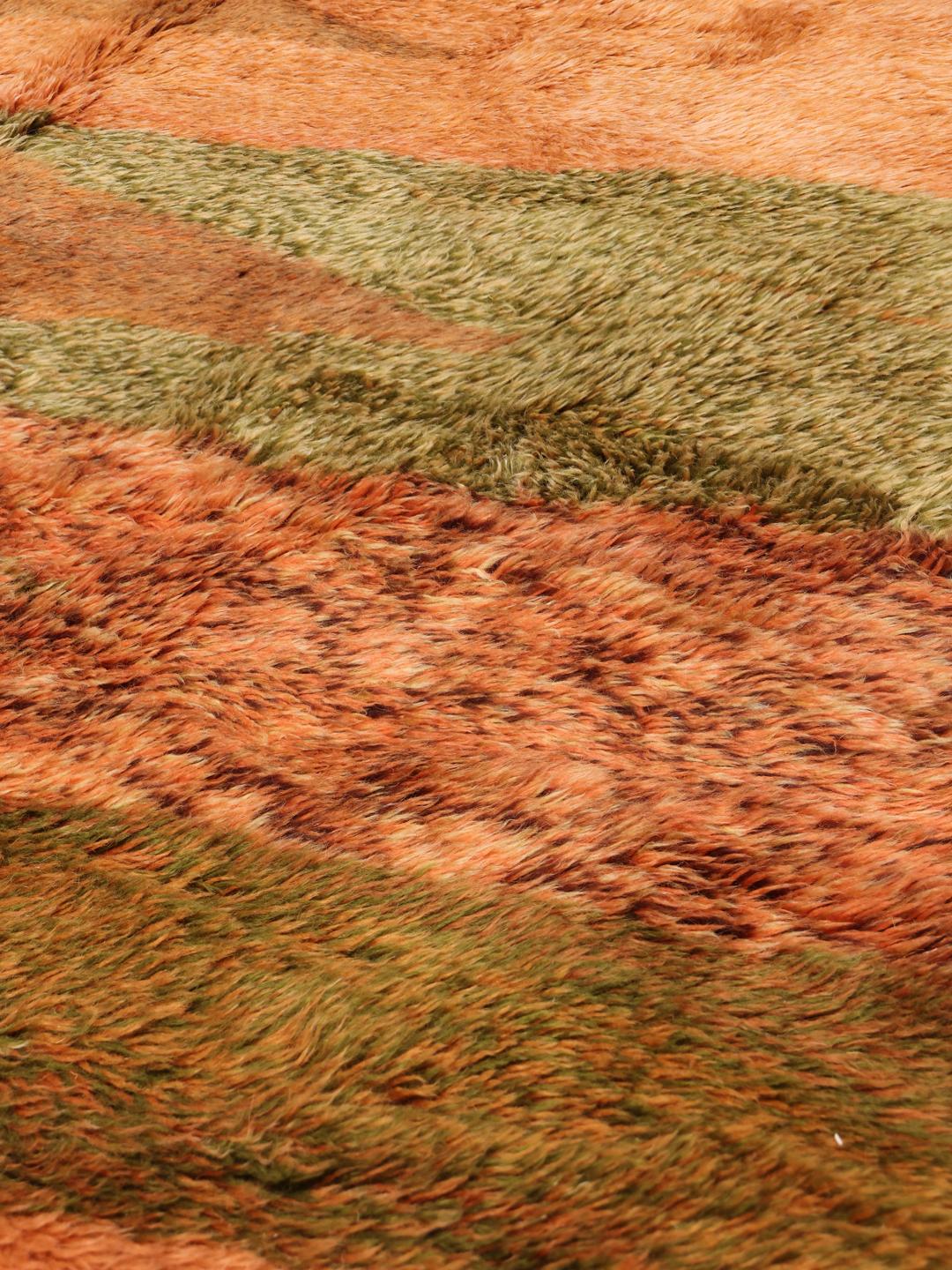
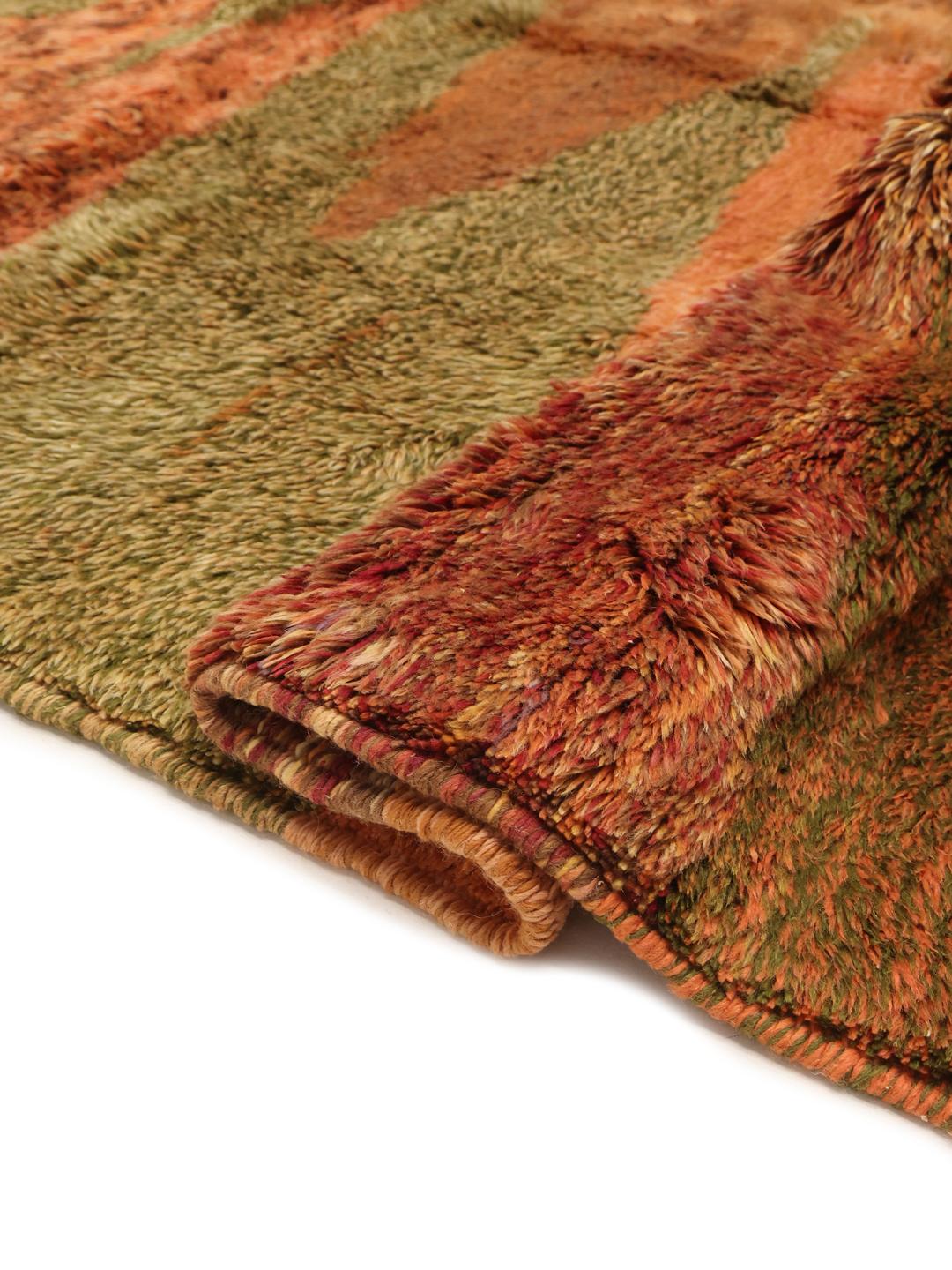
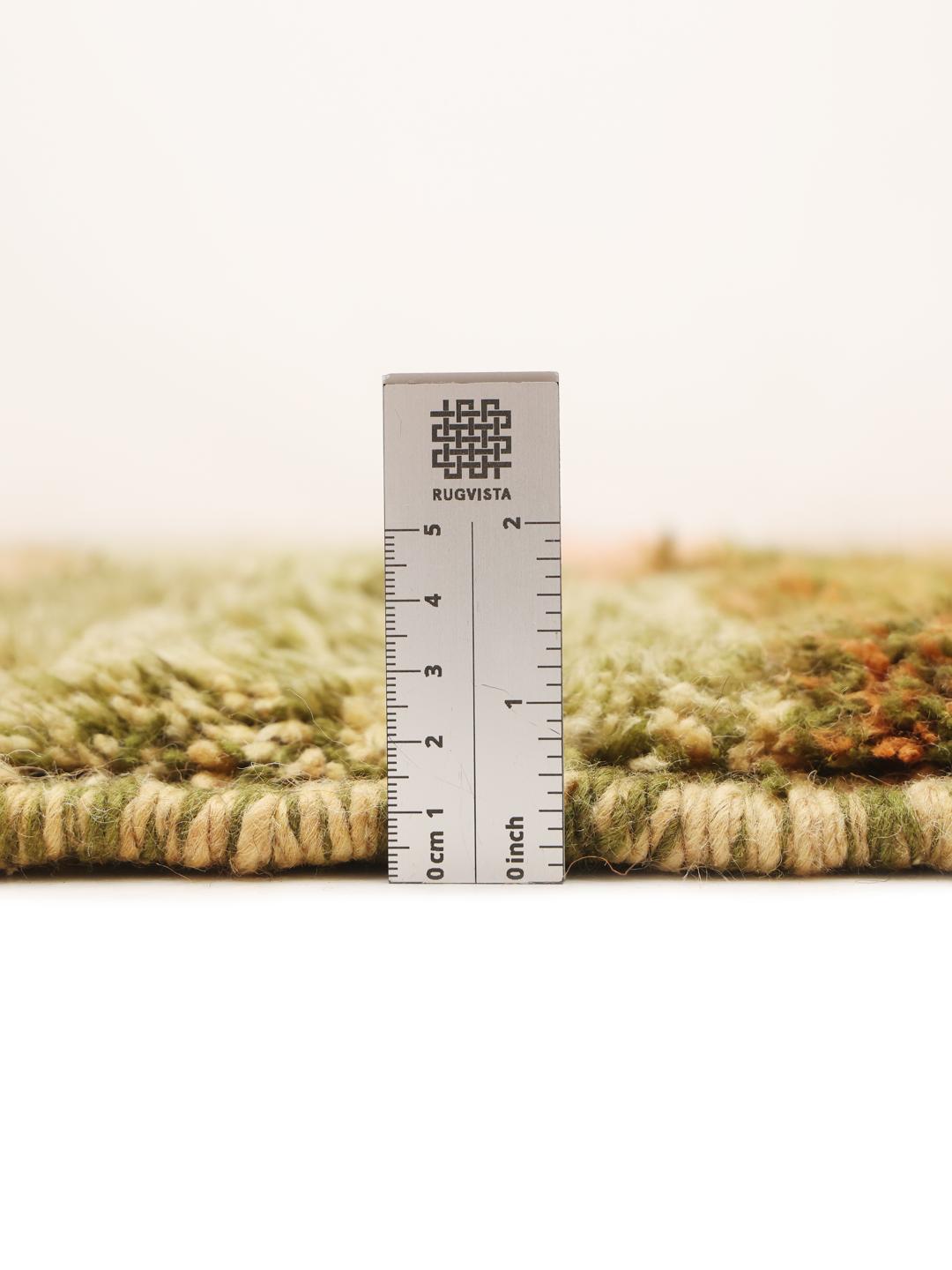
The terminology surrounding these rugs often refers to the specific tribal traditions, such as the Beni Ourain, known for their thick, high-pile construction. The term 'pile' refers to the soft, upright strands of Wool that define the rug's surface, which in this tradition are often left thick and plush to create a luxurious and warm tactile experience.
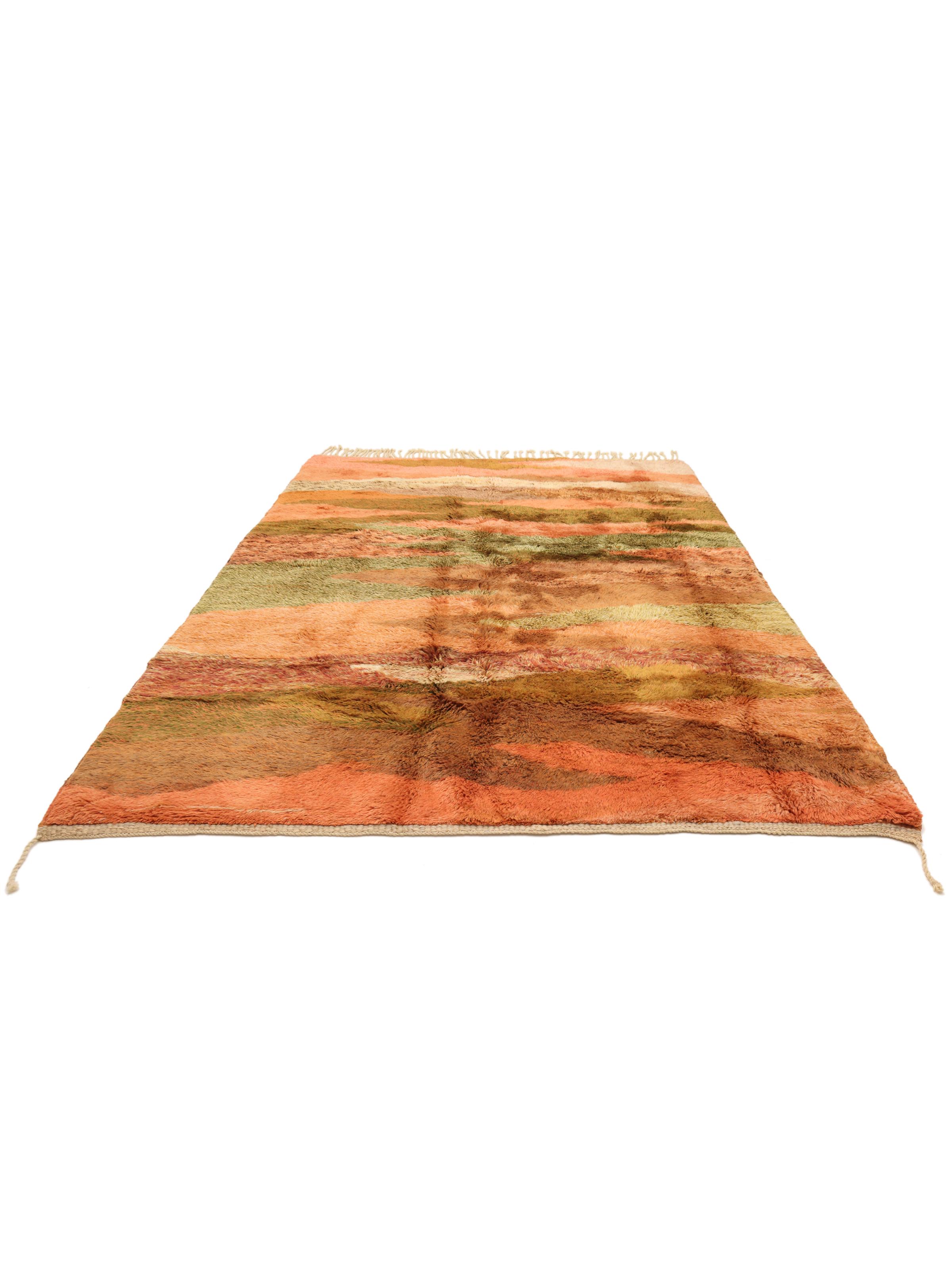
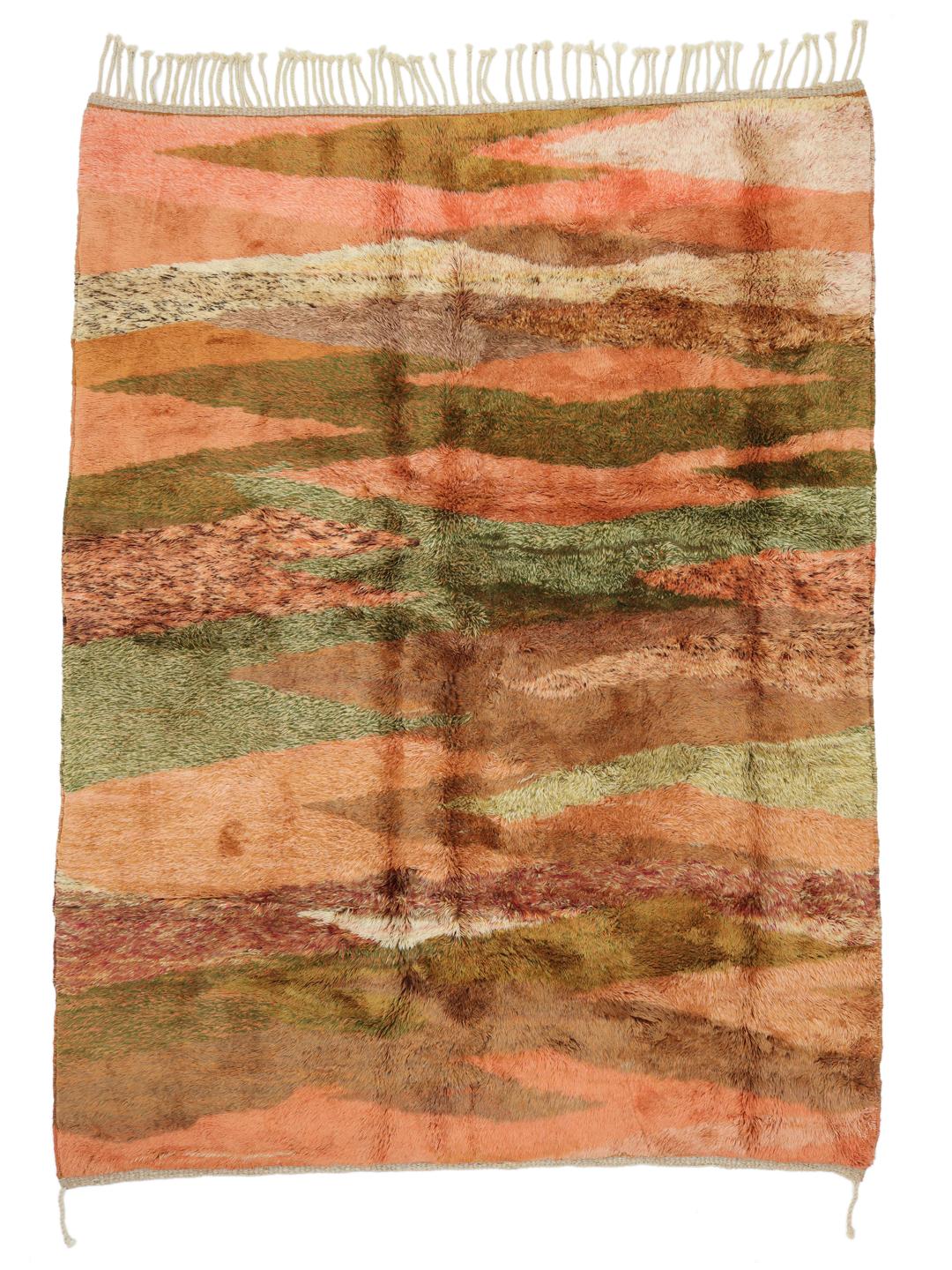
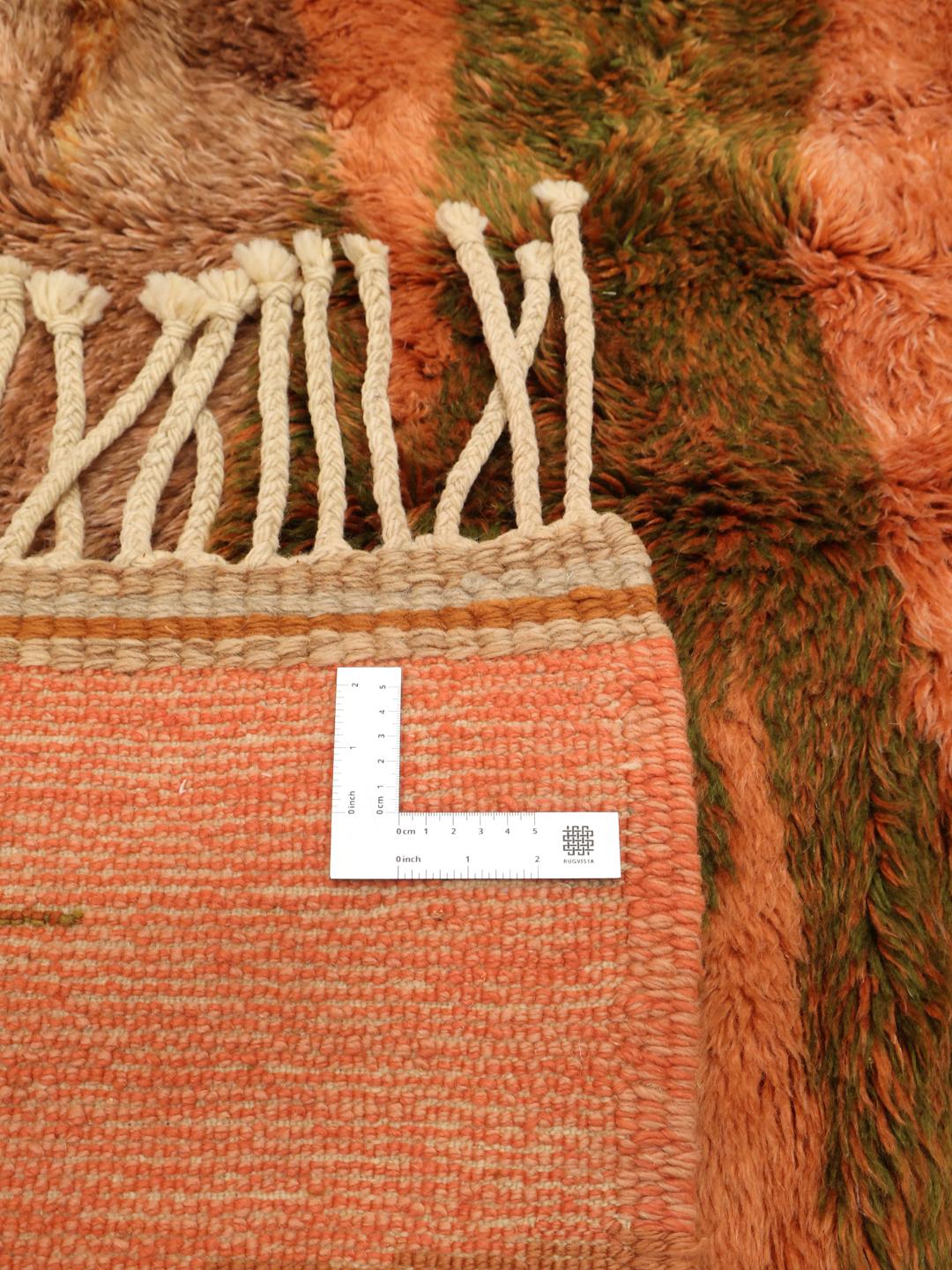
Visually, these rugs are celebrated for their expressive, often geometric or abstract designs that reflect the weaver's personal narrative or the surrounding landscape. While some traditional styles favour minimalist, monochromatic palettes, others—like this piece—feature vibrant, earthy tones that reflect the natural pigments and creative spirit of the region, making each rug a unique canvas.
Owning a Berber rug is an investment in cultural heritage and long-standing artisanal skill. These pieces are highly valued by collectors and interior enthusiasts for their authenticity and the human story behind every knot. They represent a connection to a slow, intentional way of life that prizes durability and individual artistry over mass production.