Berber rugs originate from the Atlas Mountains of Morocco, where they have been woven for centuries by the indigenous Berber tribes. Traditionally, these rugs were not intended as mere decorative floor coverings but as essential, multi-functional items used as blankets, bedding, and floor mats to protect families from the harsh, cold mountain winters.
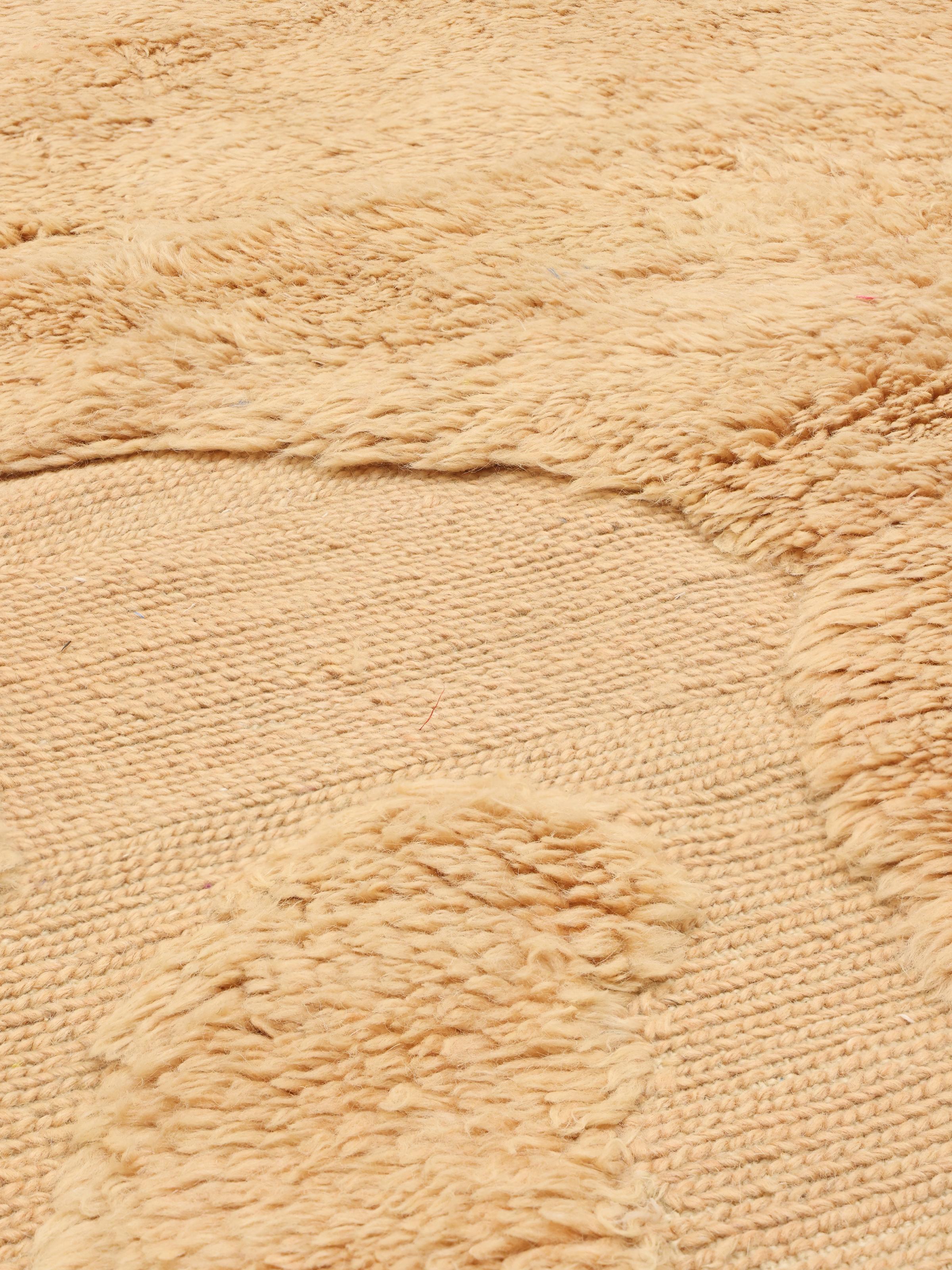
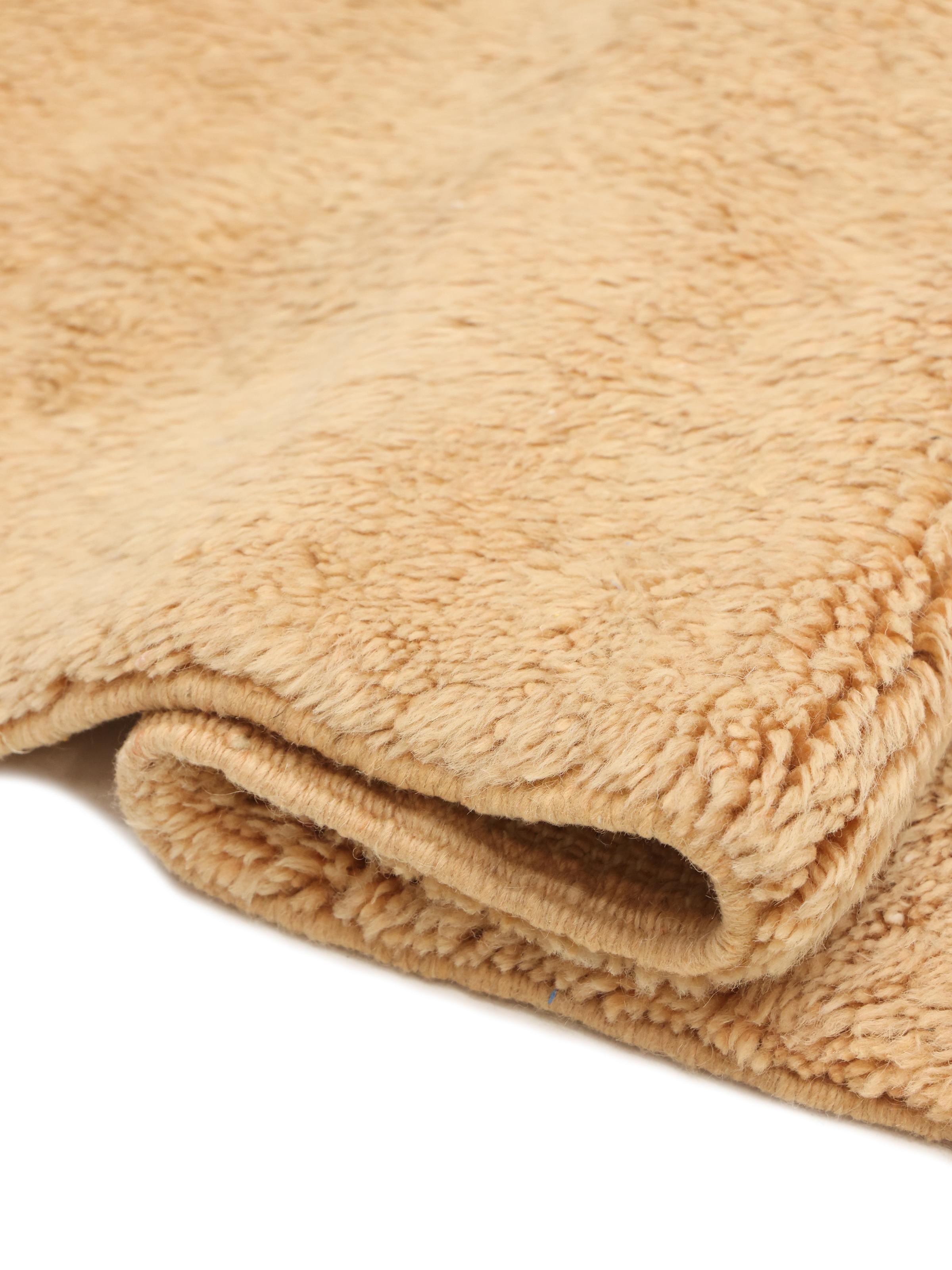
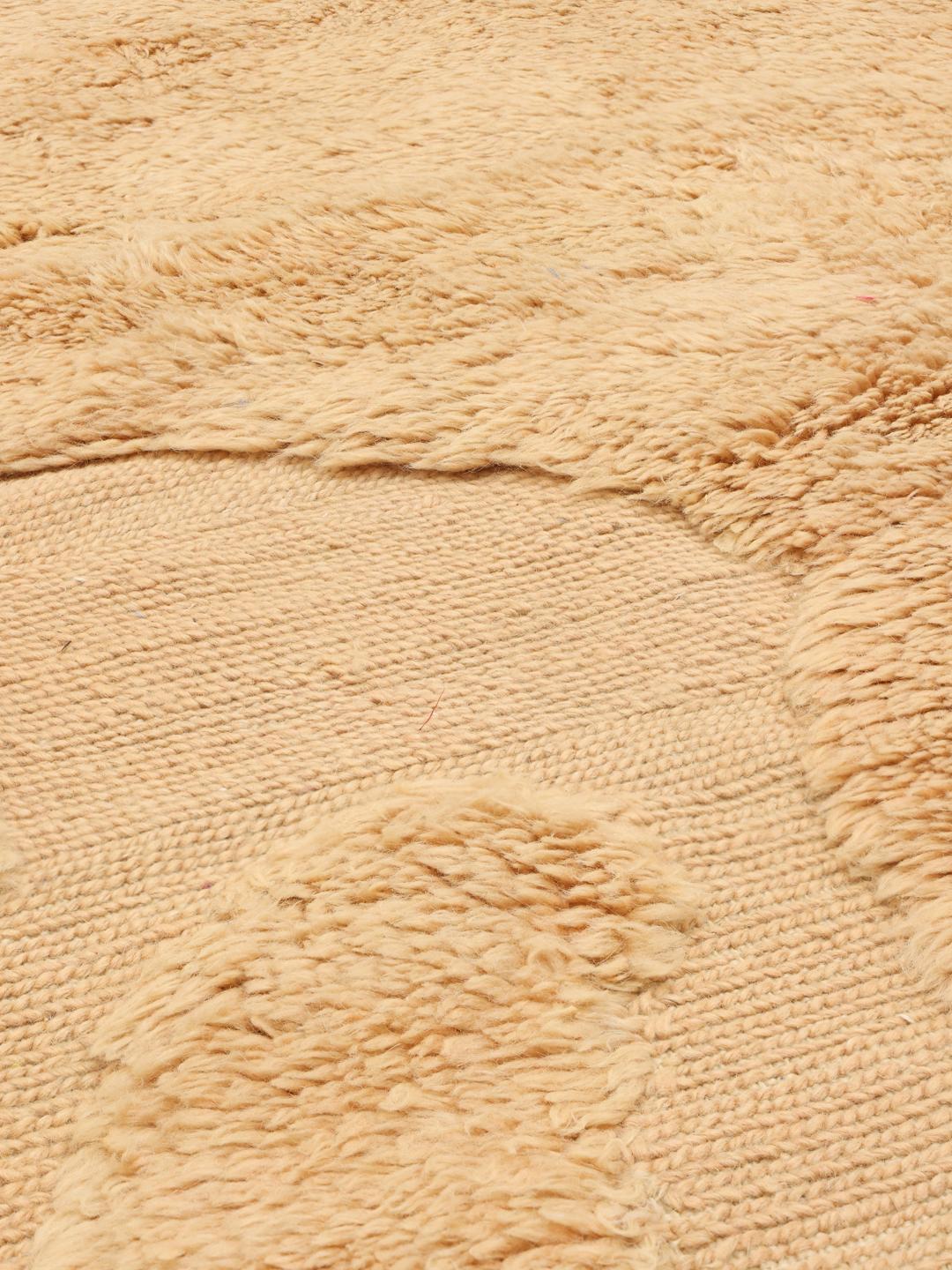
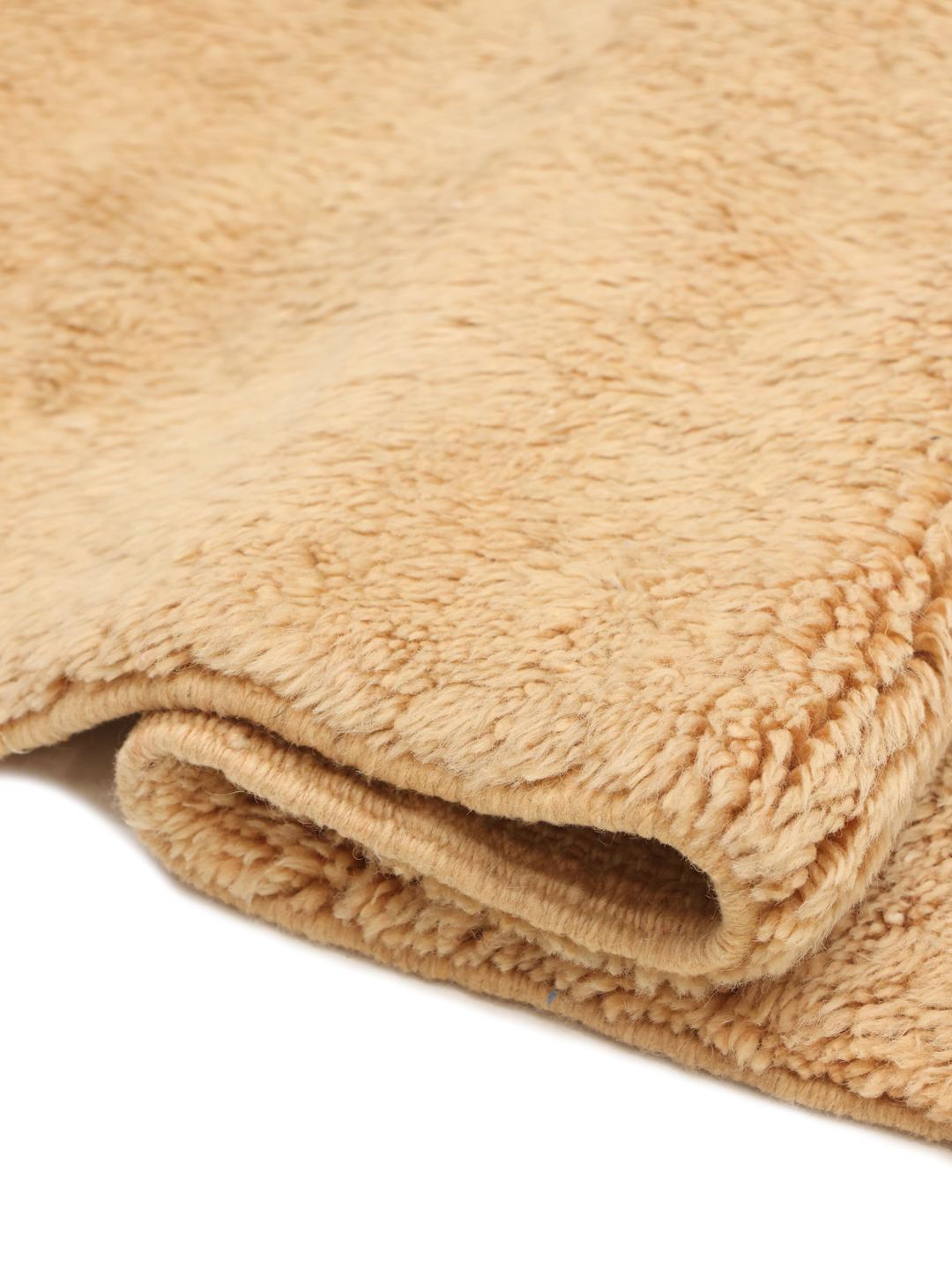
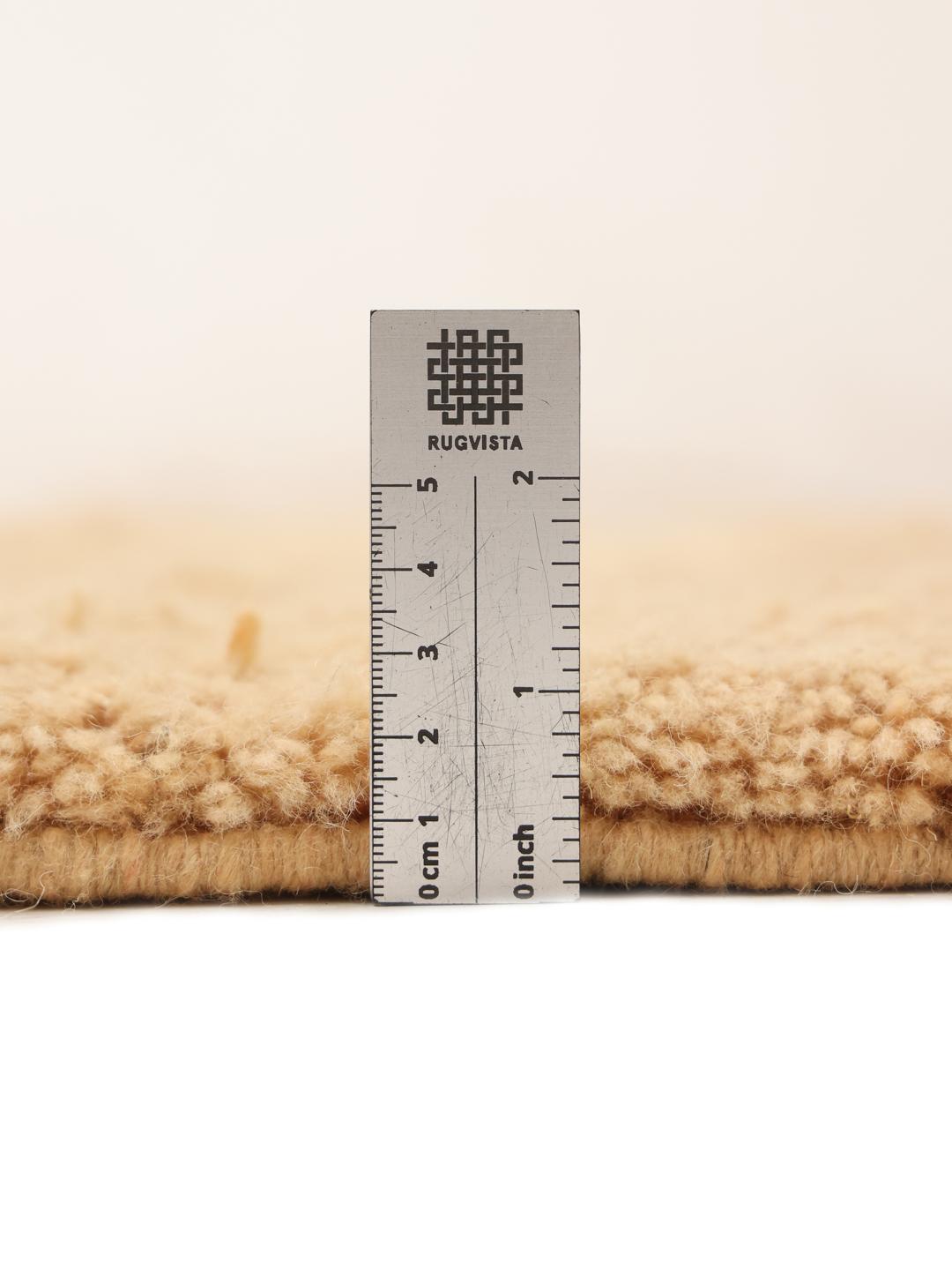
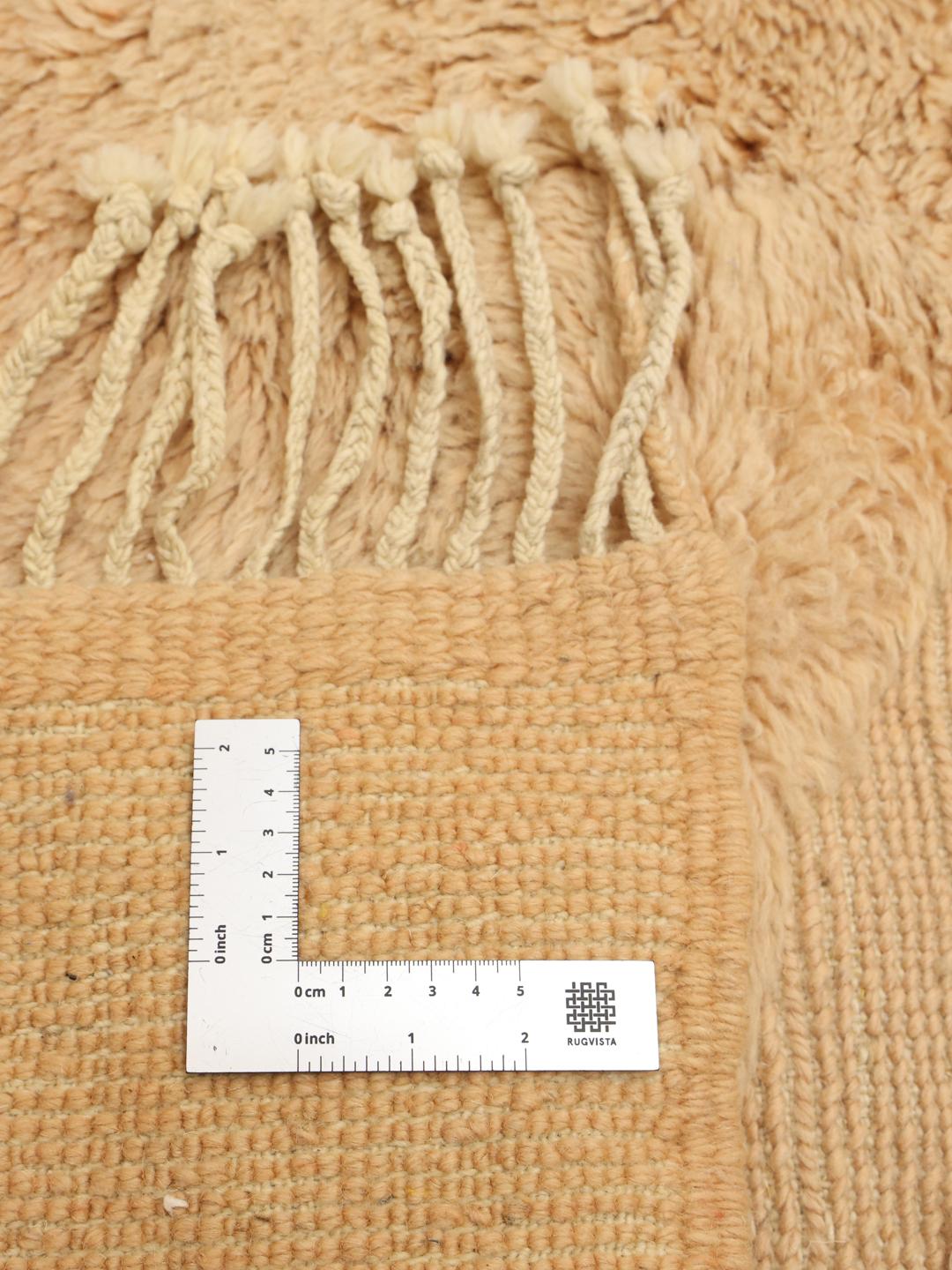
The construction of these rugs relies on a deep understanding of natural materials. The wool used is sourced from local sheep, chosen for its strength and natural insulating properties. The hand-knotting process is a time-honoured skill passed down through generations, where the focus is on creating a thick, protective layer that is both resilient and remarkably soft.
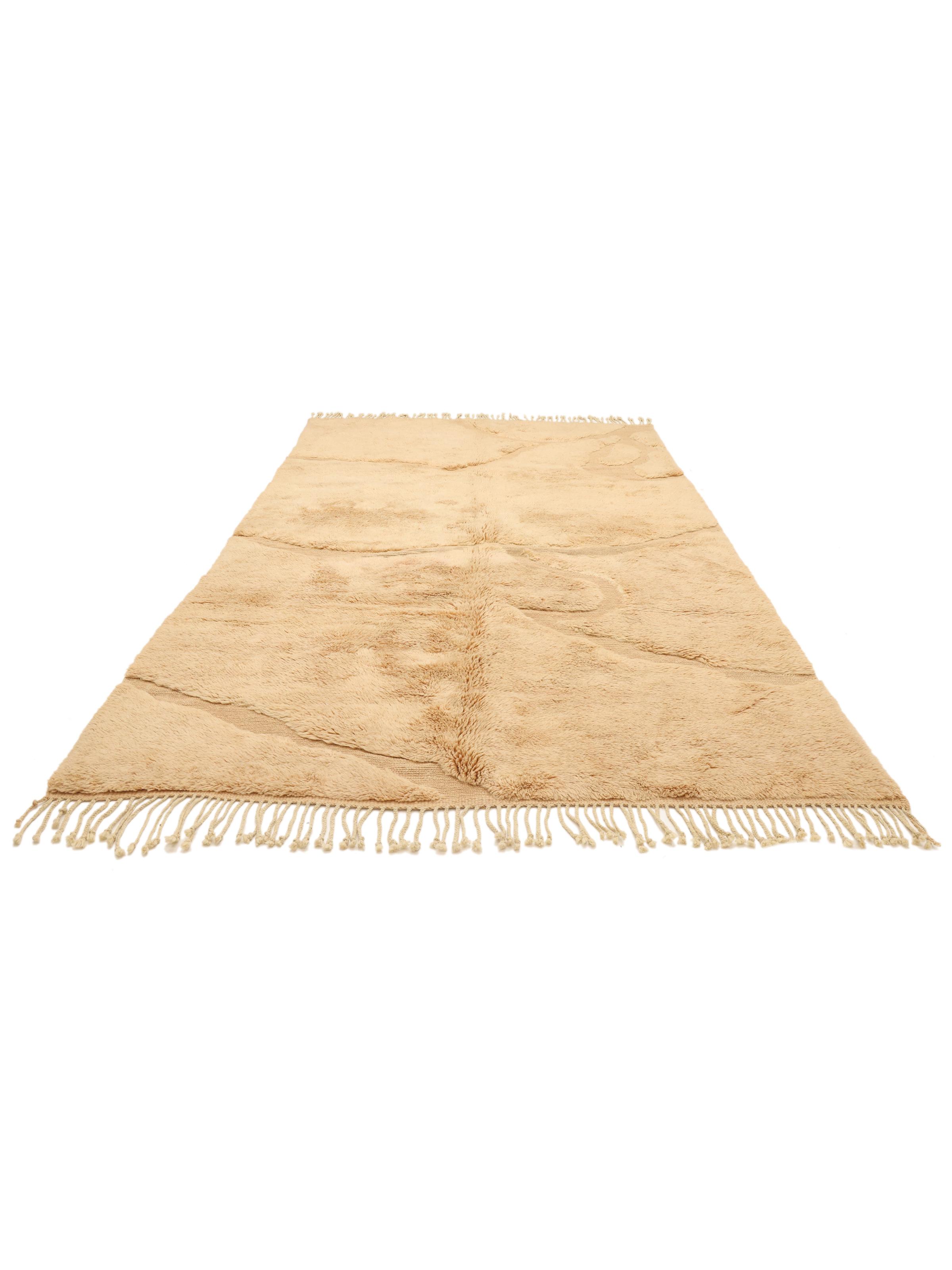
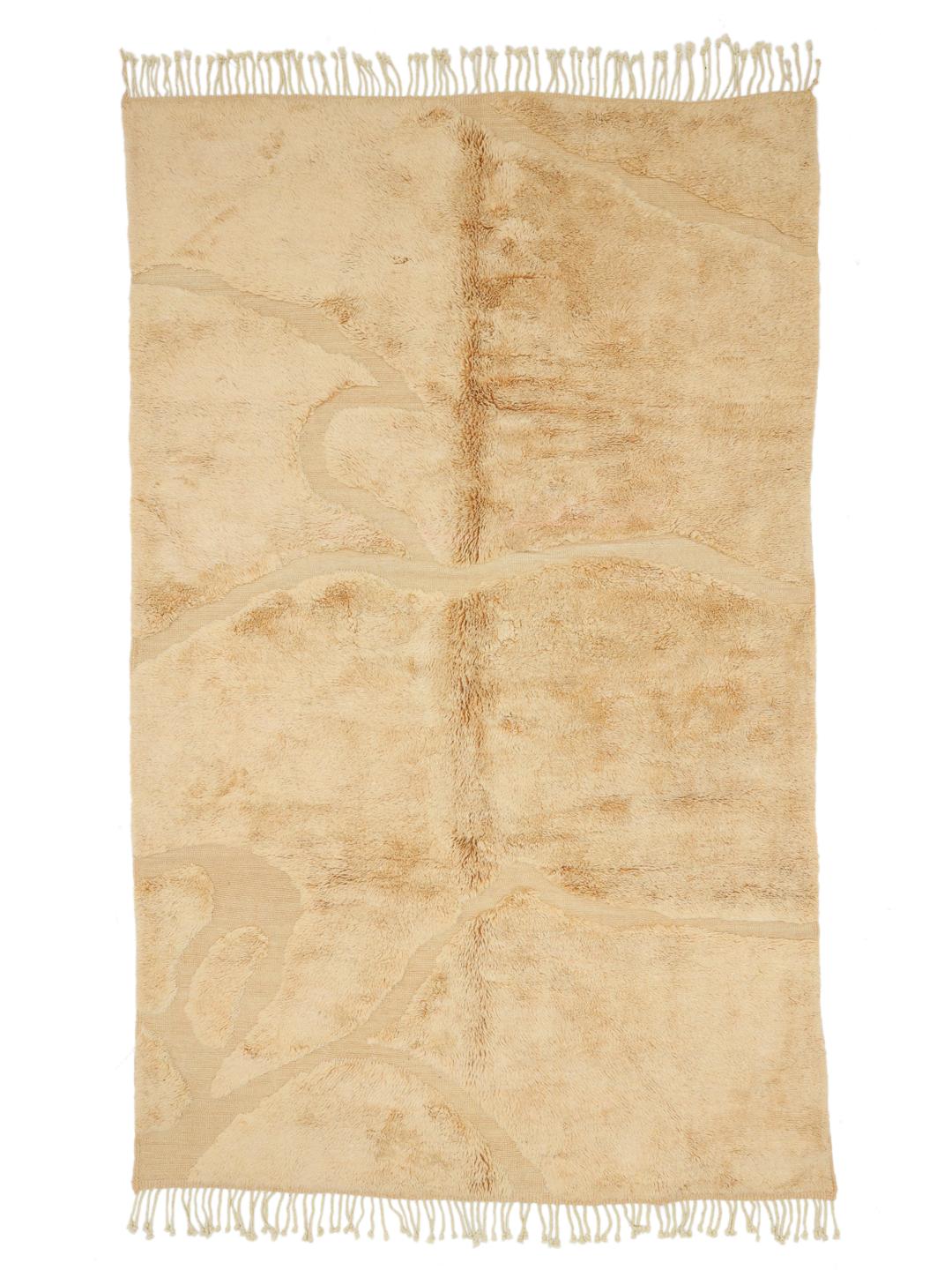
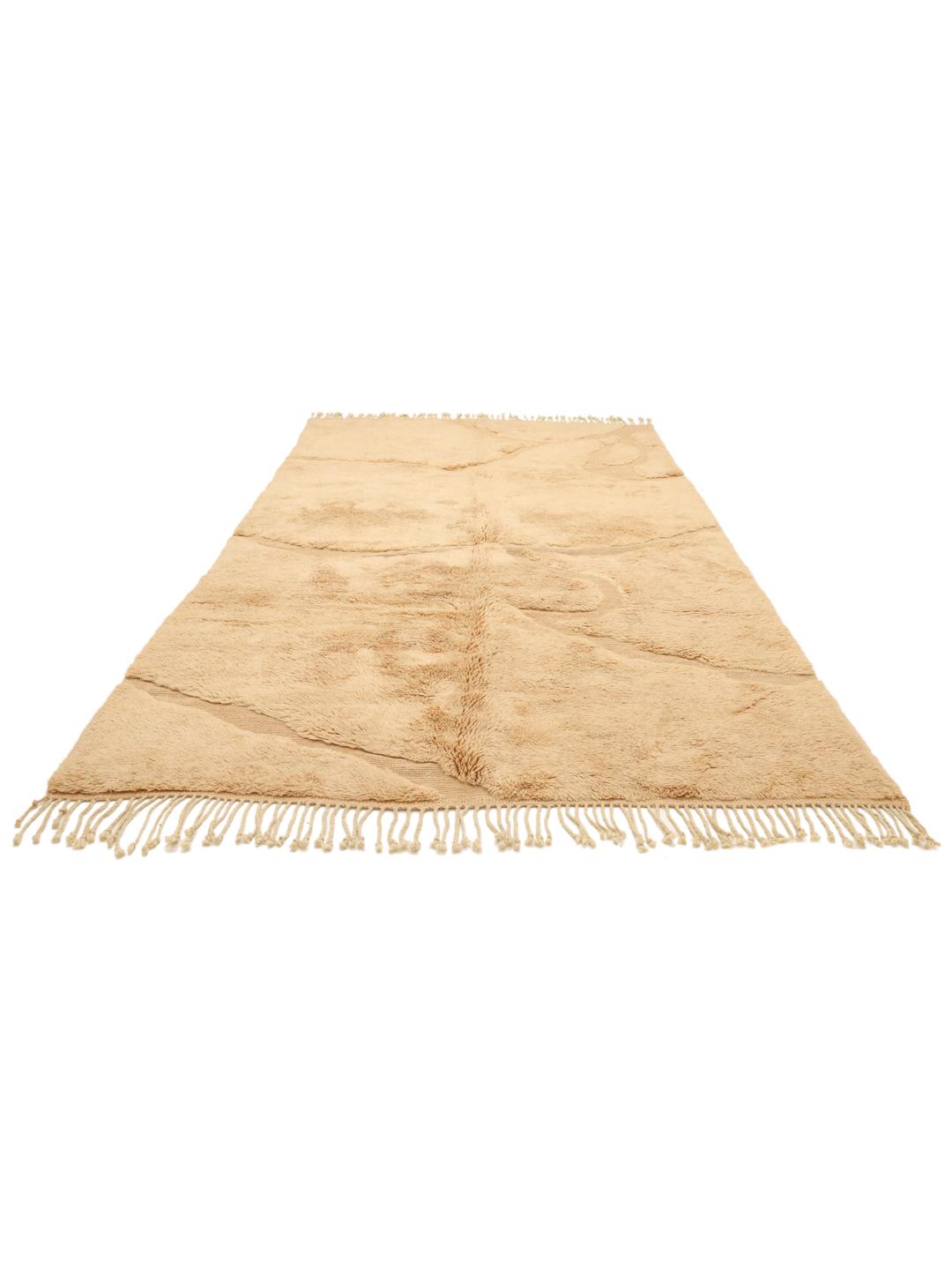
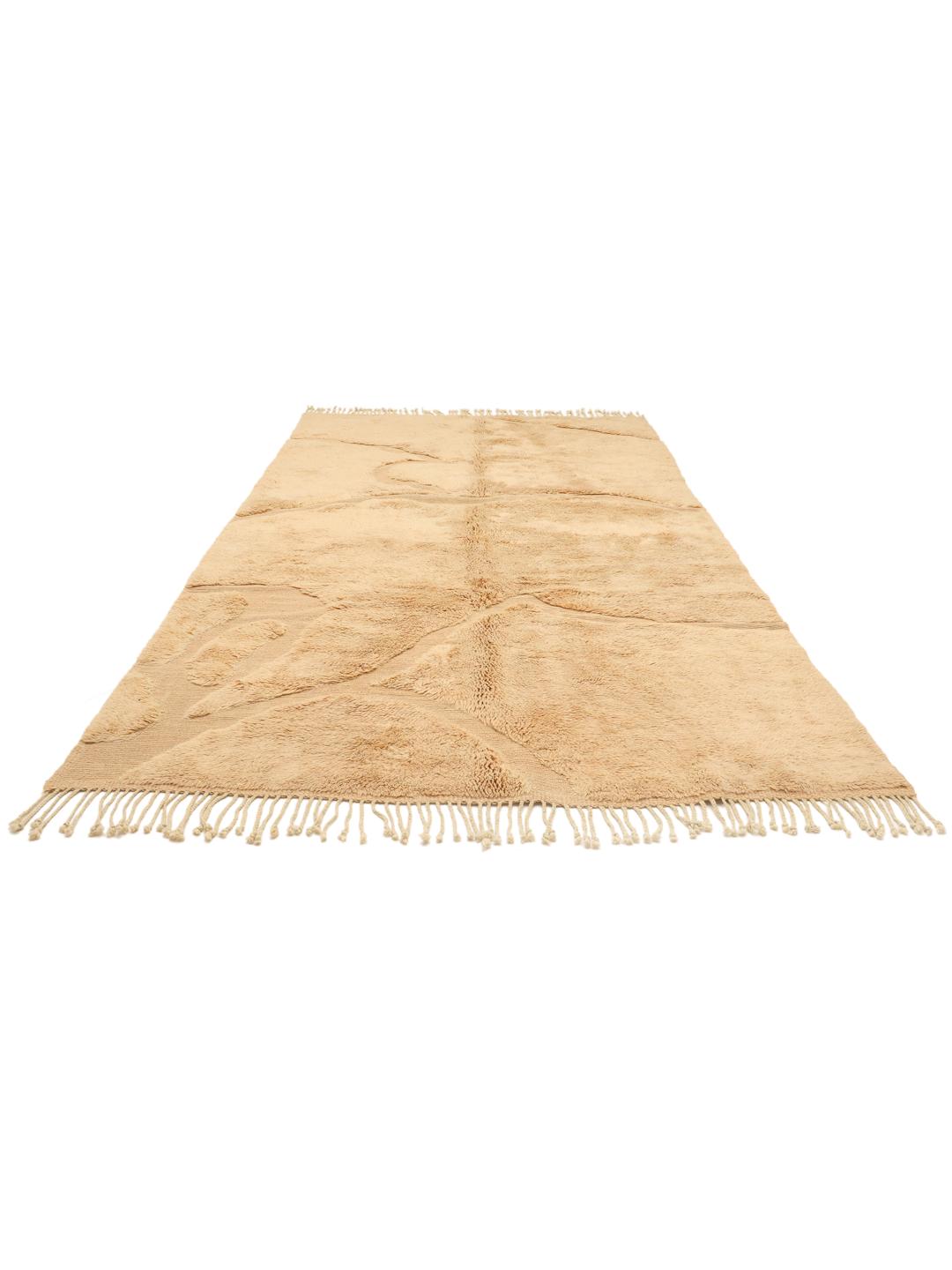
Design-wise, these rugs are celebrated for their artistic and often abstract expression. While they are known for their minimalist, geometric, or organic lines, each weaver often incorporates personal stories or symbols into the work. This particular piece features soft, flowing lines that reflect the natural, free-spirited aesthetic of the region, emphasising a balance between form and function.
Today, these rugs are highly valued by collectors and interior designers alike for their authenticity and cultural weight. Owning a piece from this tradition means connecting with a living heritage of craftsmanship. Each rug serves as a testament to the skill of the weaver and the enduring appeal of traditional, hand-wrought textiles in a modern home.