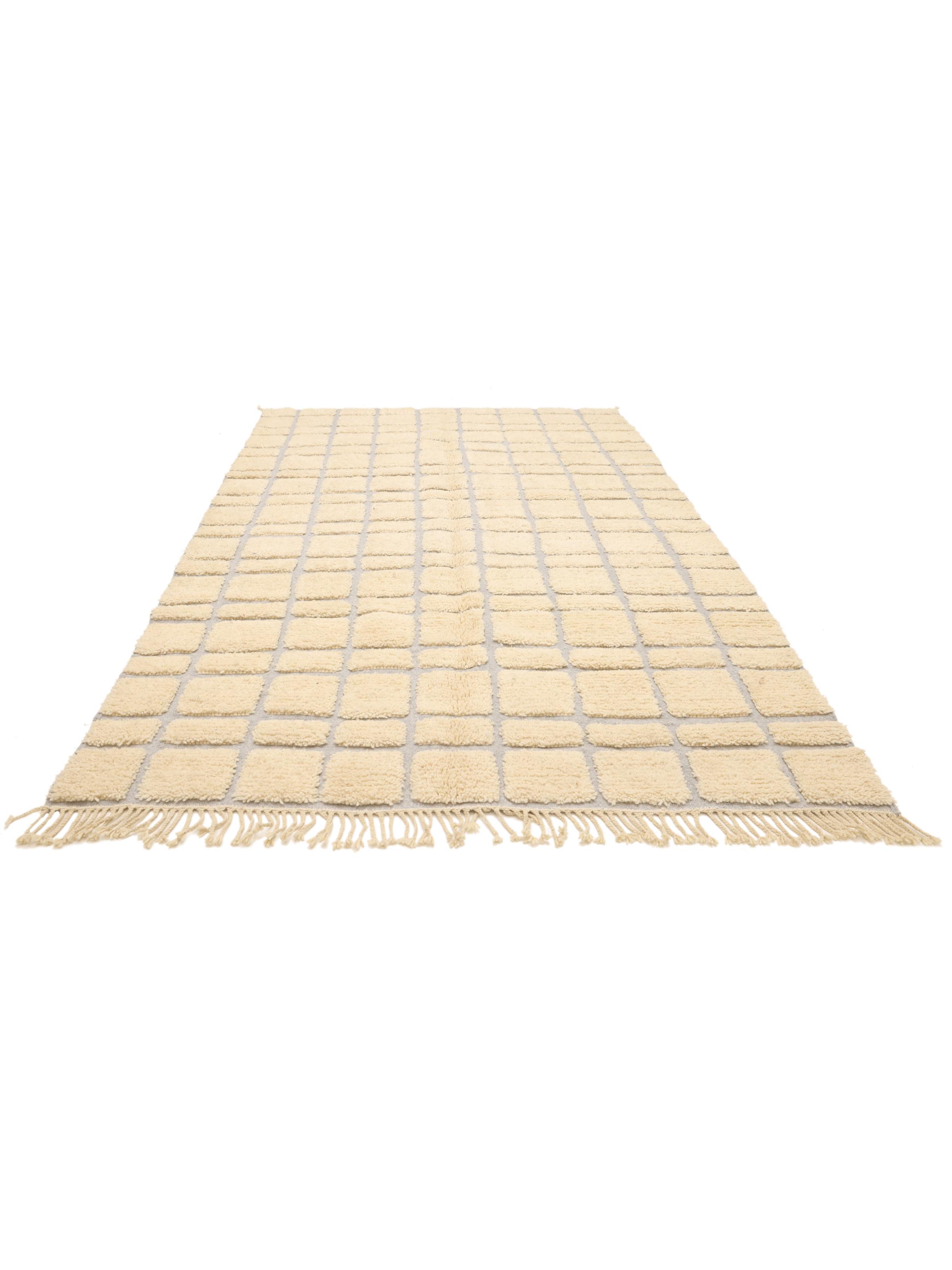
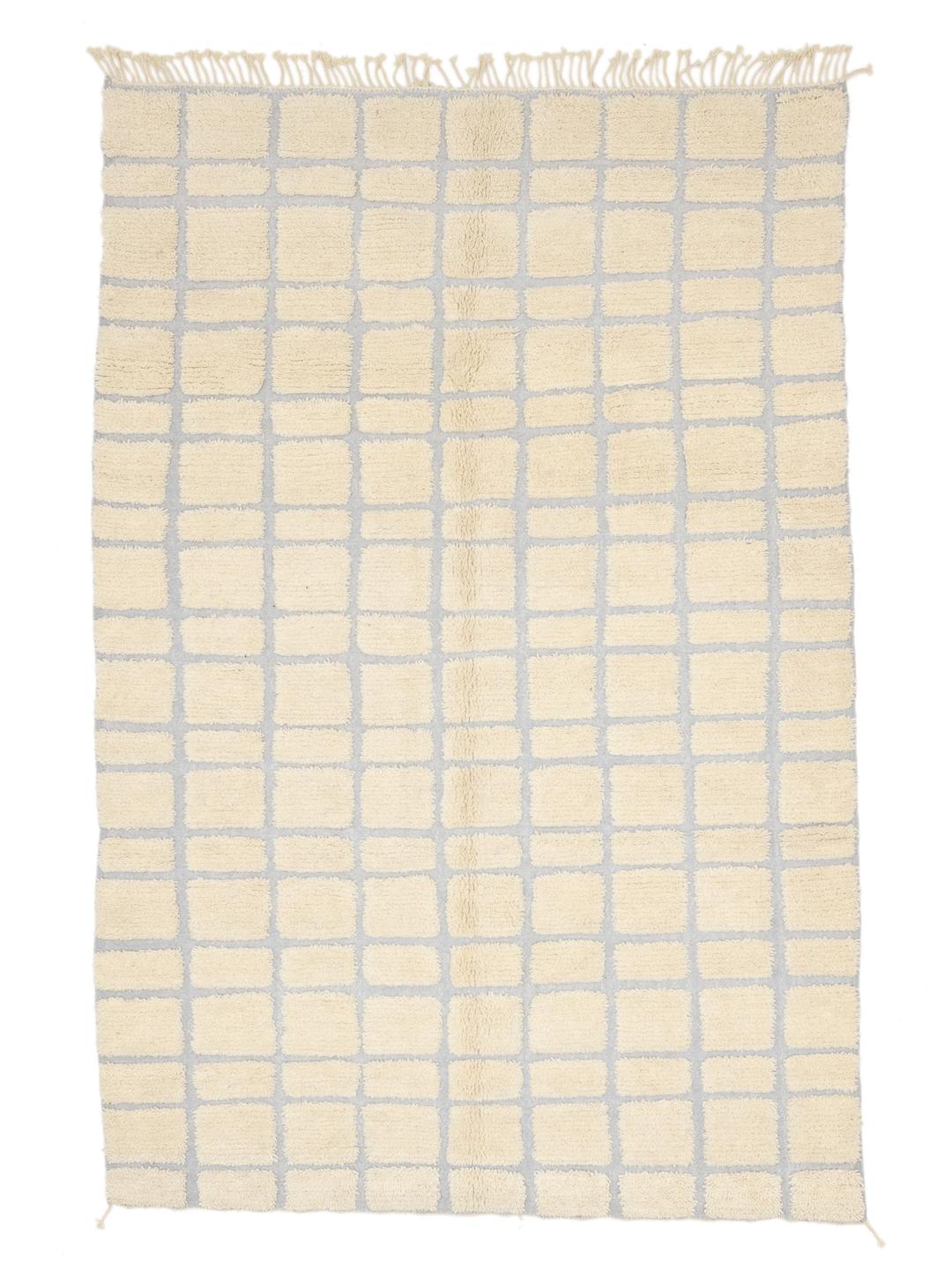
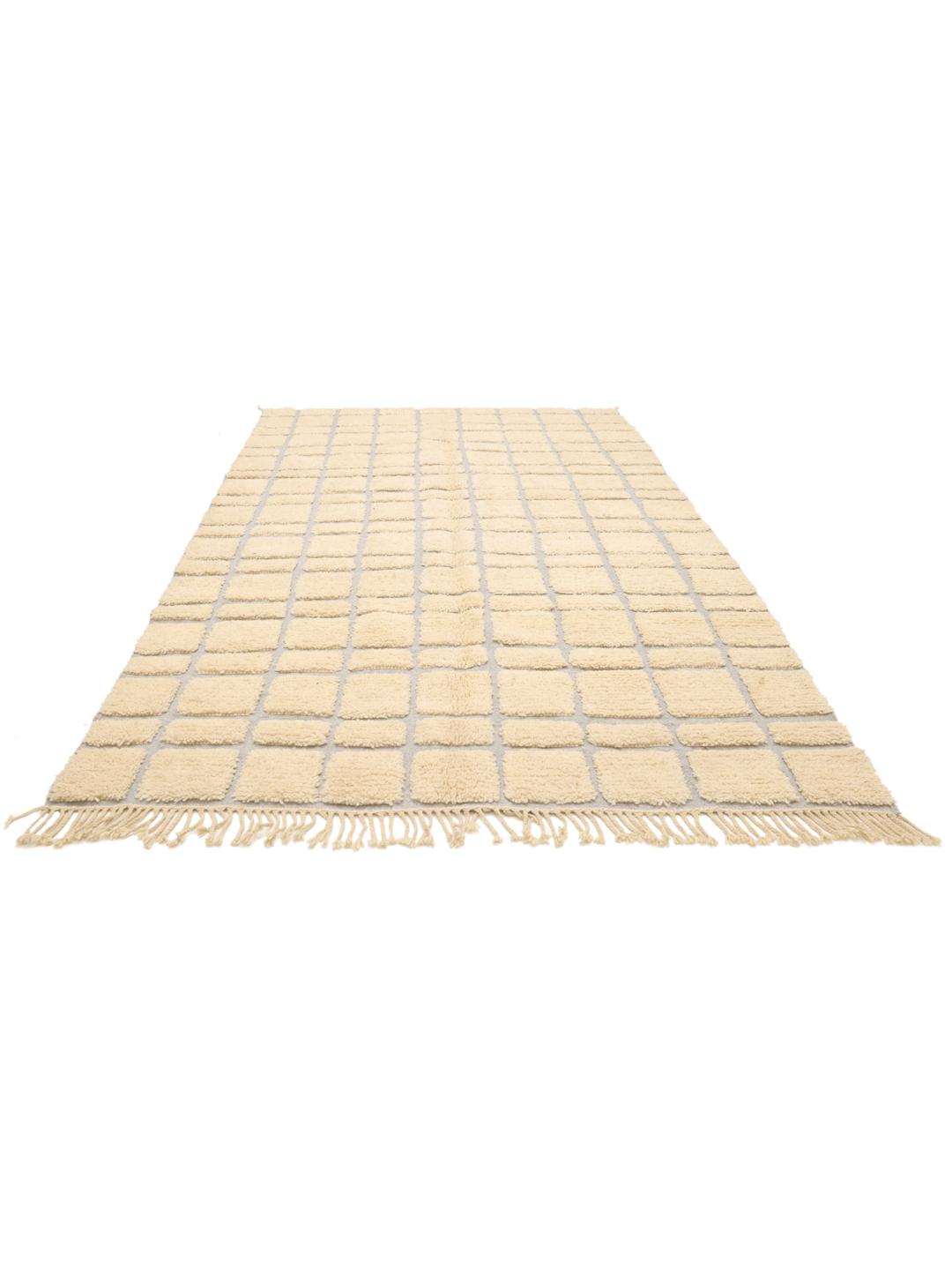
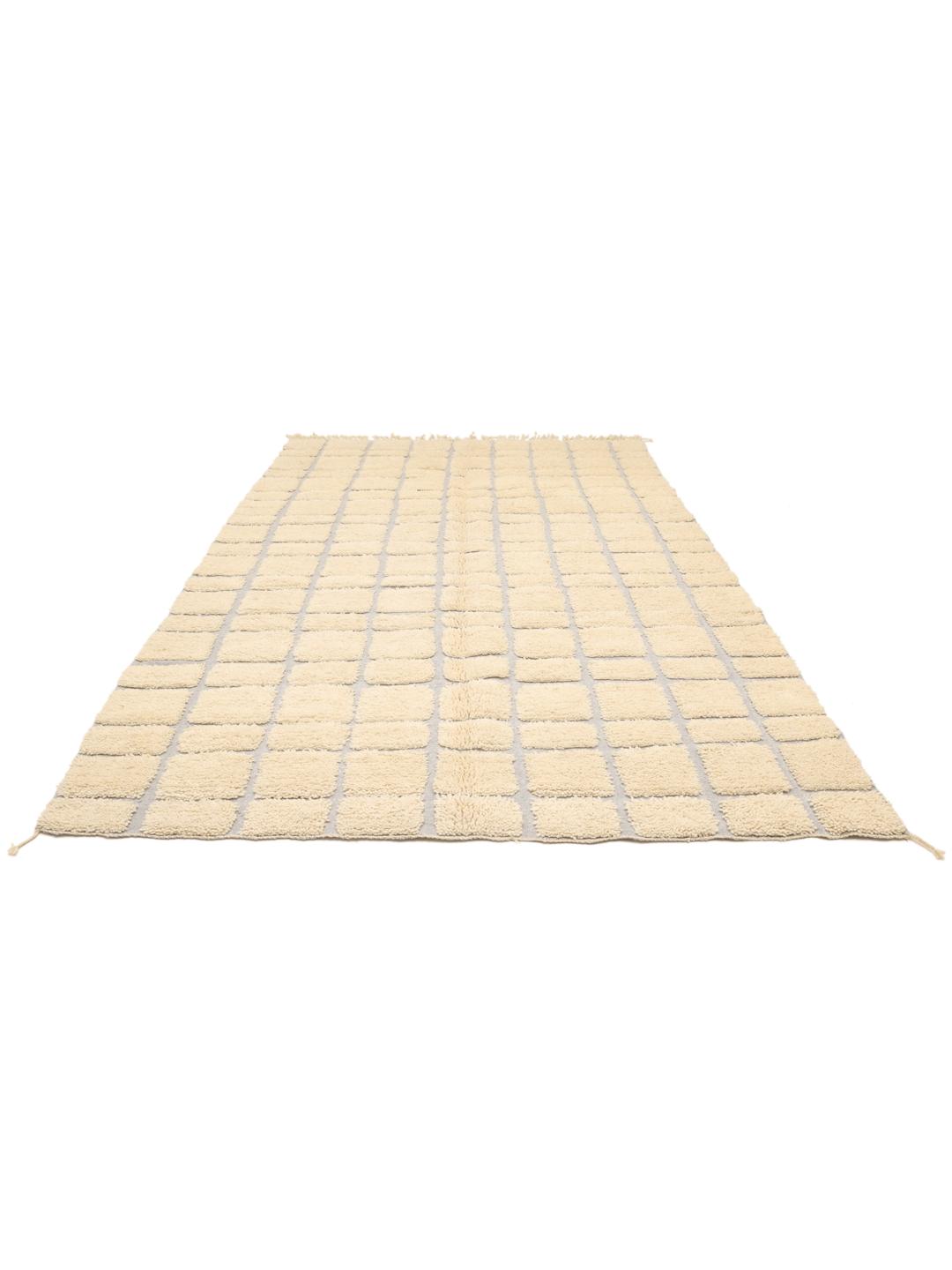
Berber rugs originate from the Atlas Mountains of Morocco, where they have been crafted for centuries by the indigenous Berber tribes. These rugs were traditionally made not just for decoration, but as essential household items designed to provide warmth and insulation against the cold mountain climate, reflecting the nomadic and semi-nomadic lifestyle of the weavers.
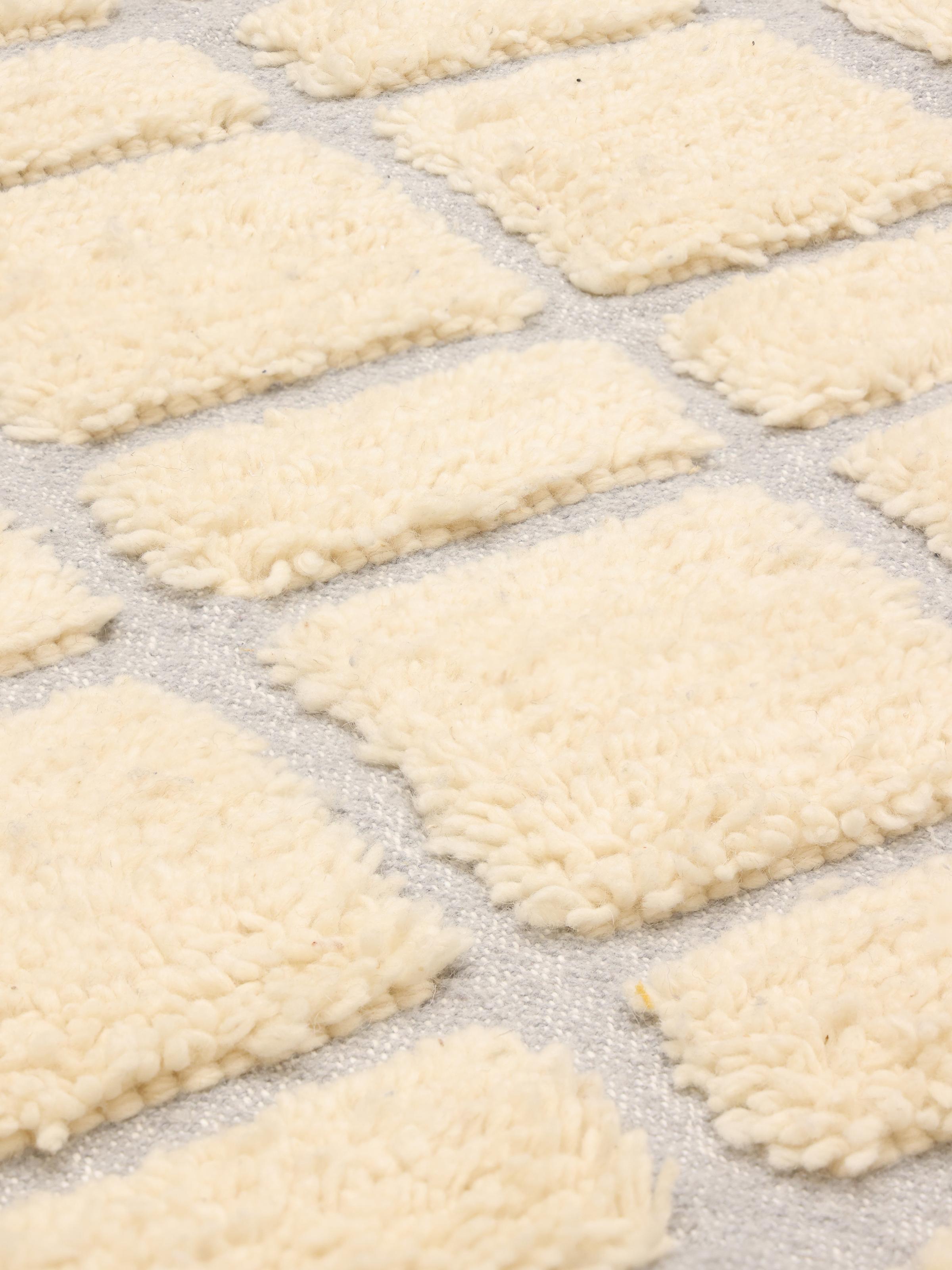
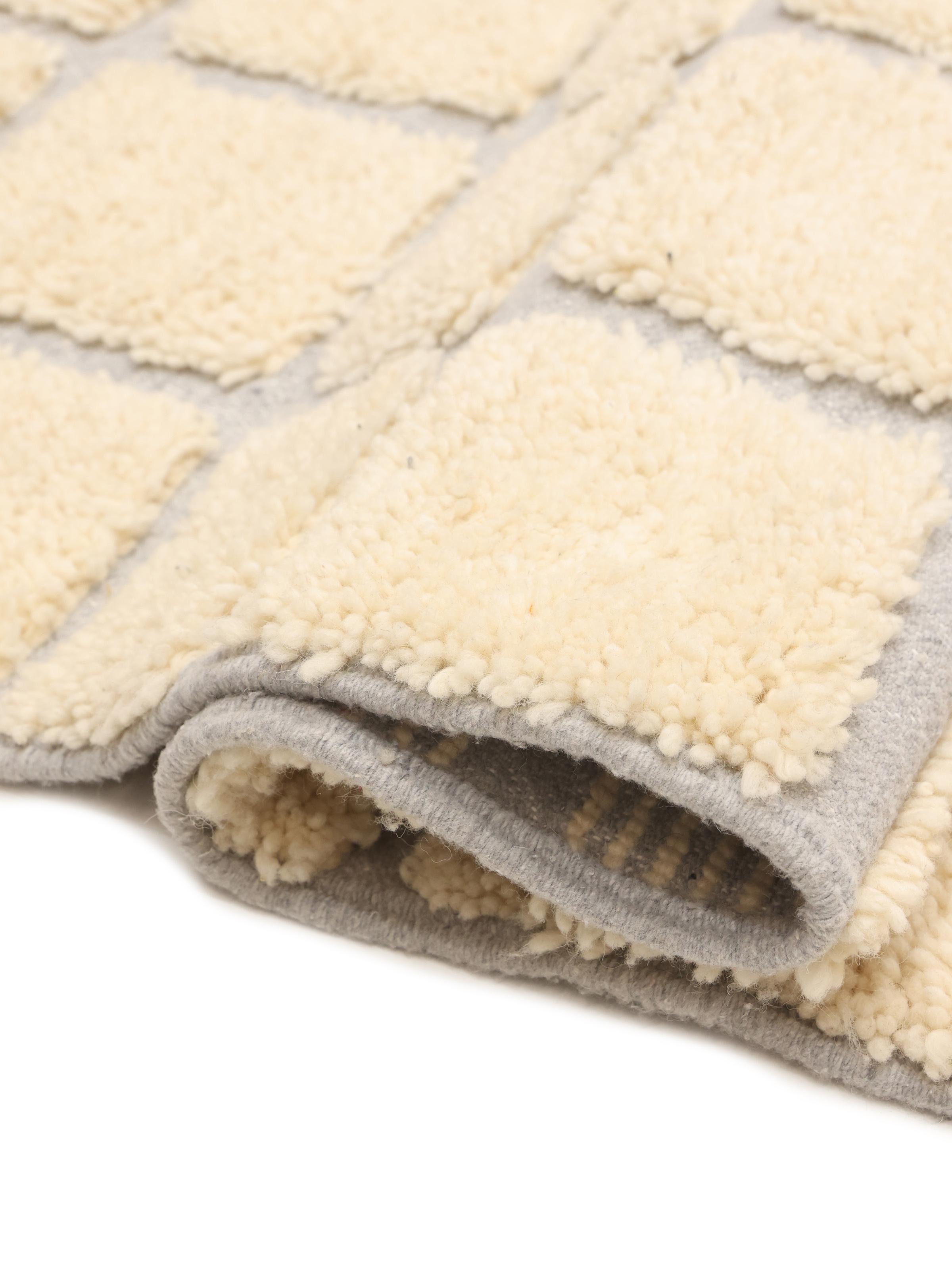
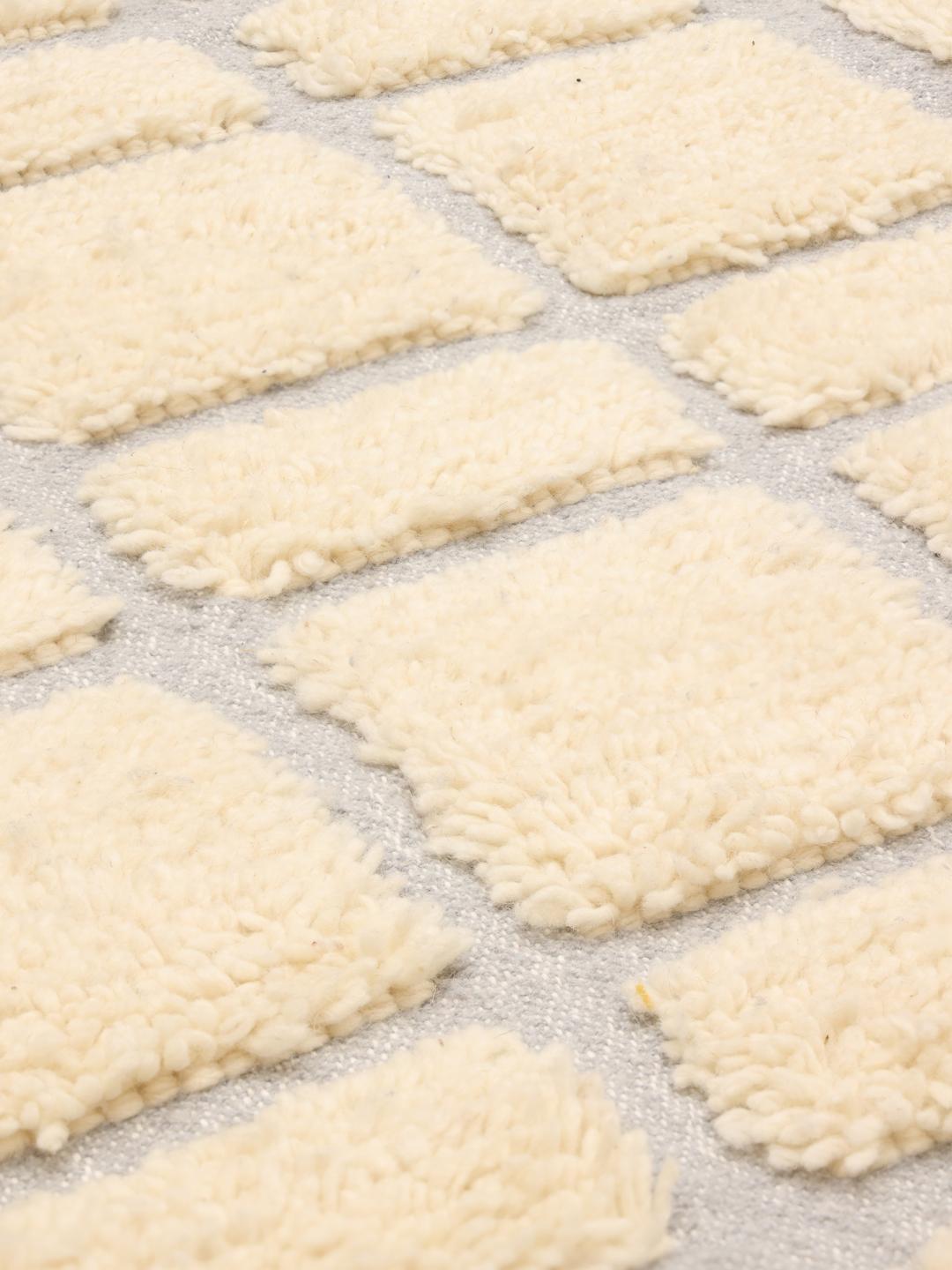
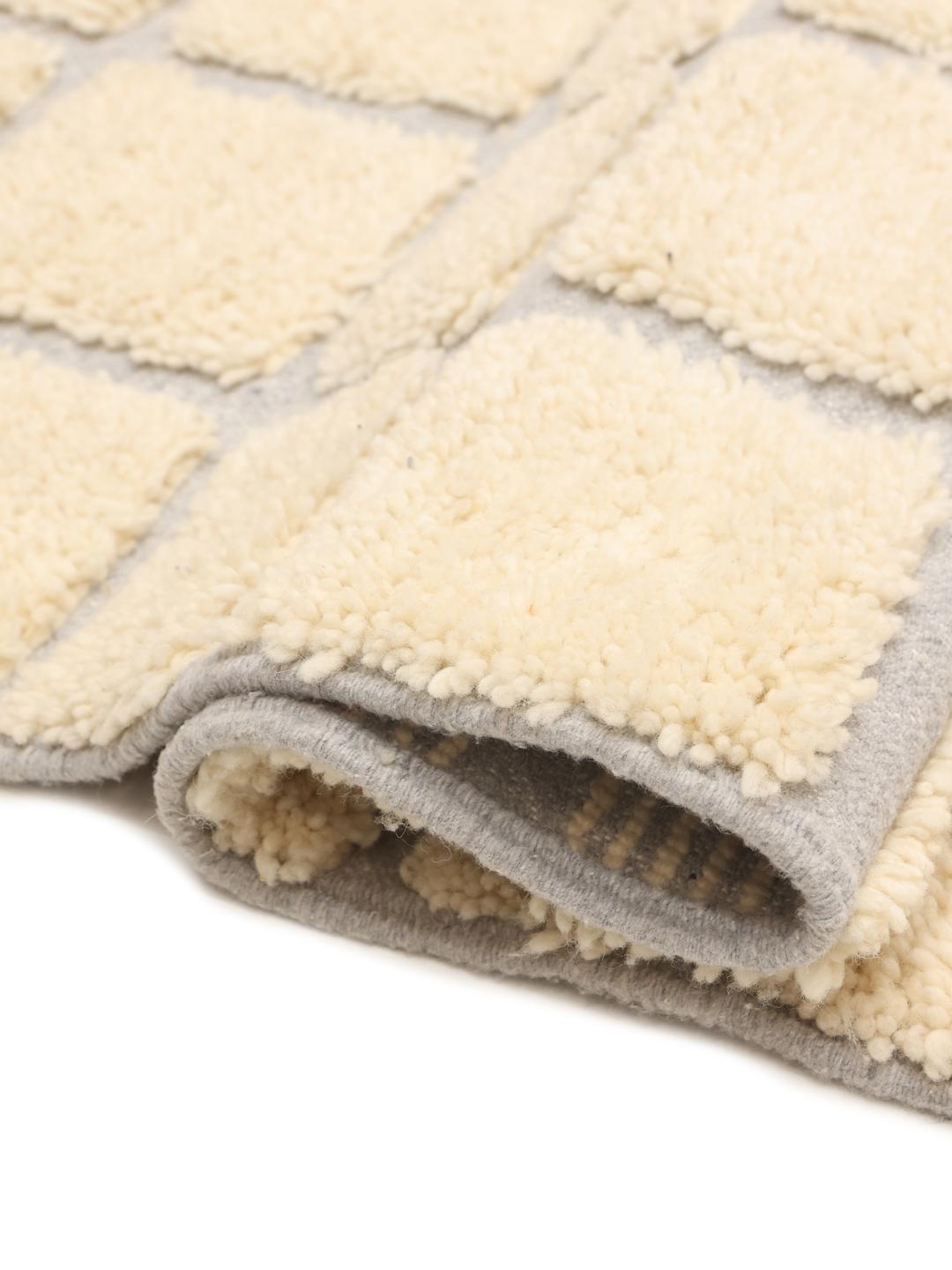
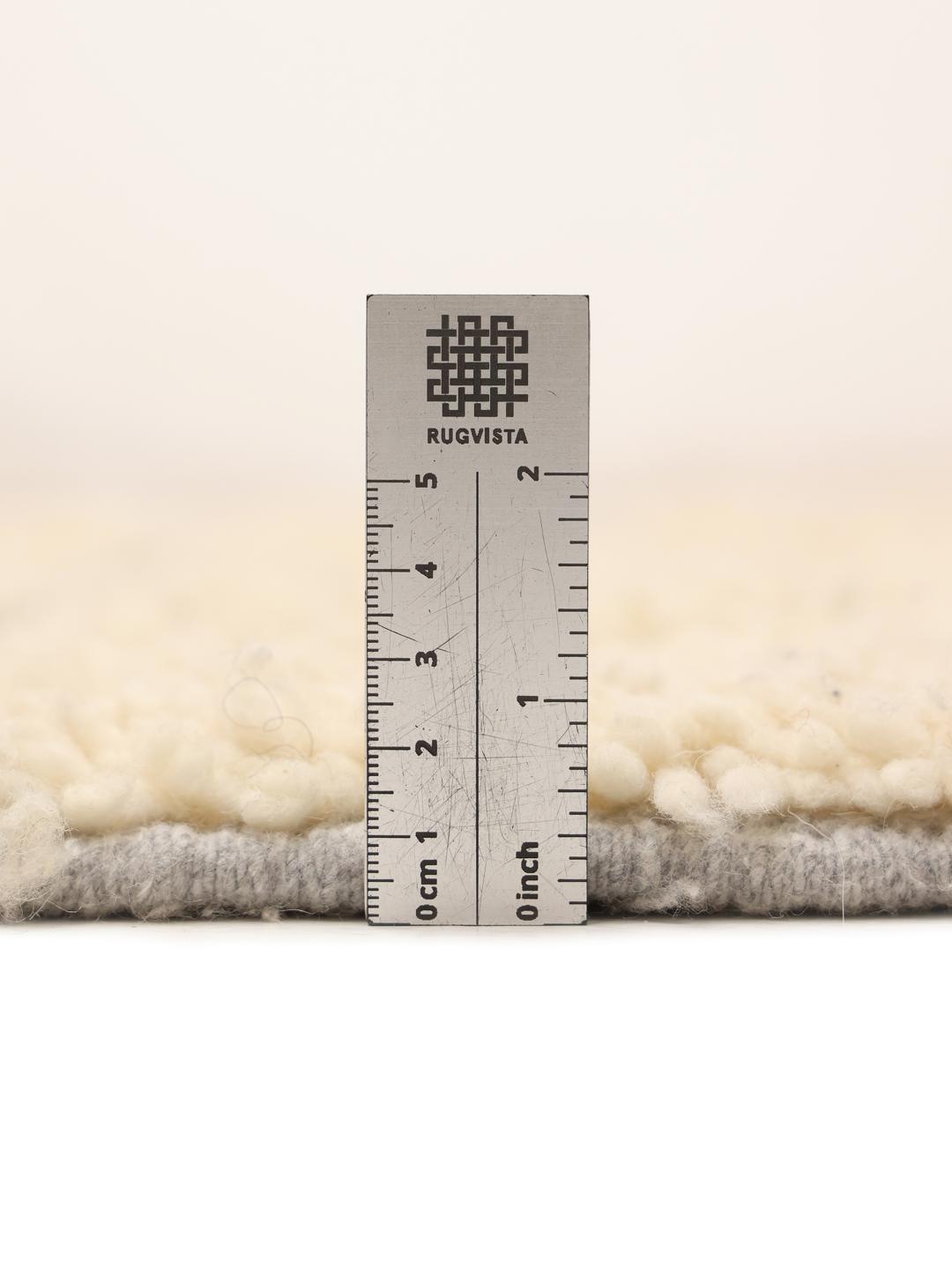
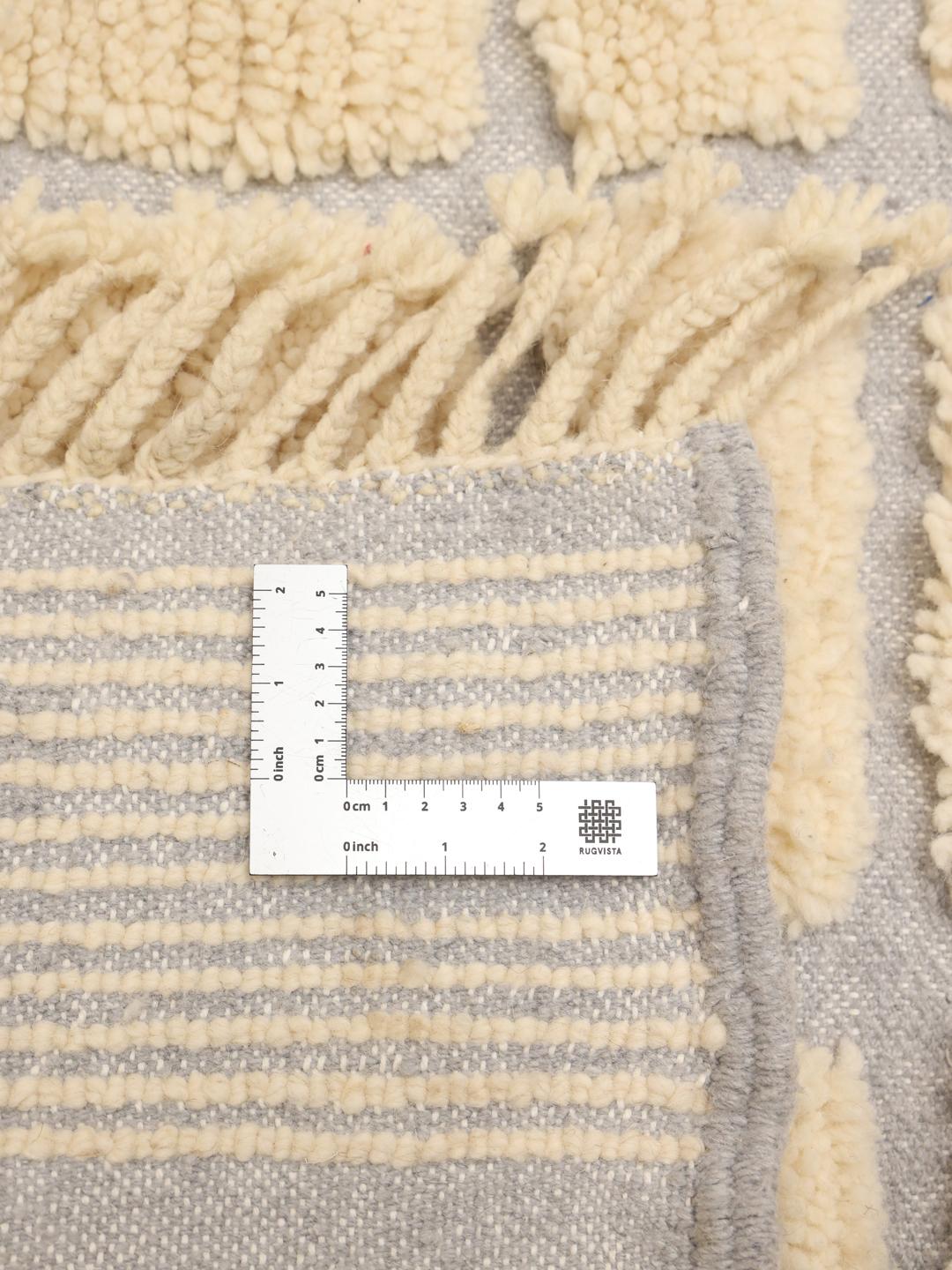
The construction of a Berber rug is rooted in ancient methods, focusing on the use of high-quality, long-staple wool. This material is prized for its natural lanolin content, which gives the finished rug a soft, lustrous sheen and an inherent resistance to dirt and wear. The thick, hand-knotted pile is a hallmark of this tradition, offering a level of durability that allows these pieces to be passed down through generations.
Visually, these rugs are often defined by minimalist, geometric motifs that carry deep cultural significance, often representing themes of fertility, protection, and the natural world. While the grid pattern on this piece is a classic expression of the Berber aesthetic, each weaver brings their own interpretation, ensuring that the layout and spacing are unique to the specific artisan and moment of creation.
Collectors and design enthusiasts value these rugs for their authentic connection to a living craft tradition. Owning a genuine Moroccan Berber rug means holding a piece of history that embodies the skill, patience, and cultural identity of the Atlas Mountain communities, offering a sense of heritage that modern mass-production simply cannot replicate.