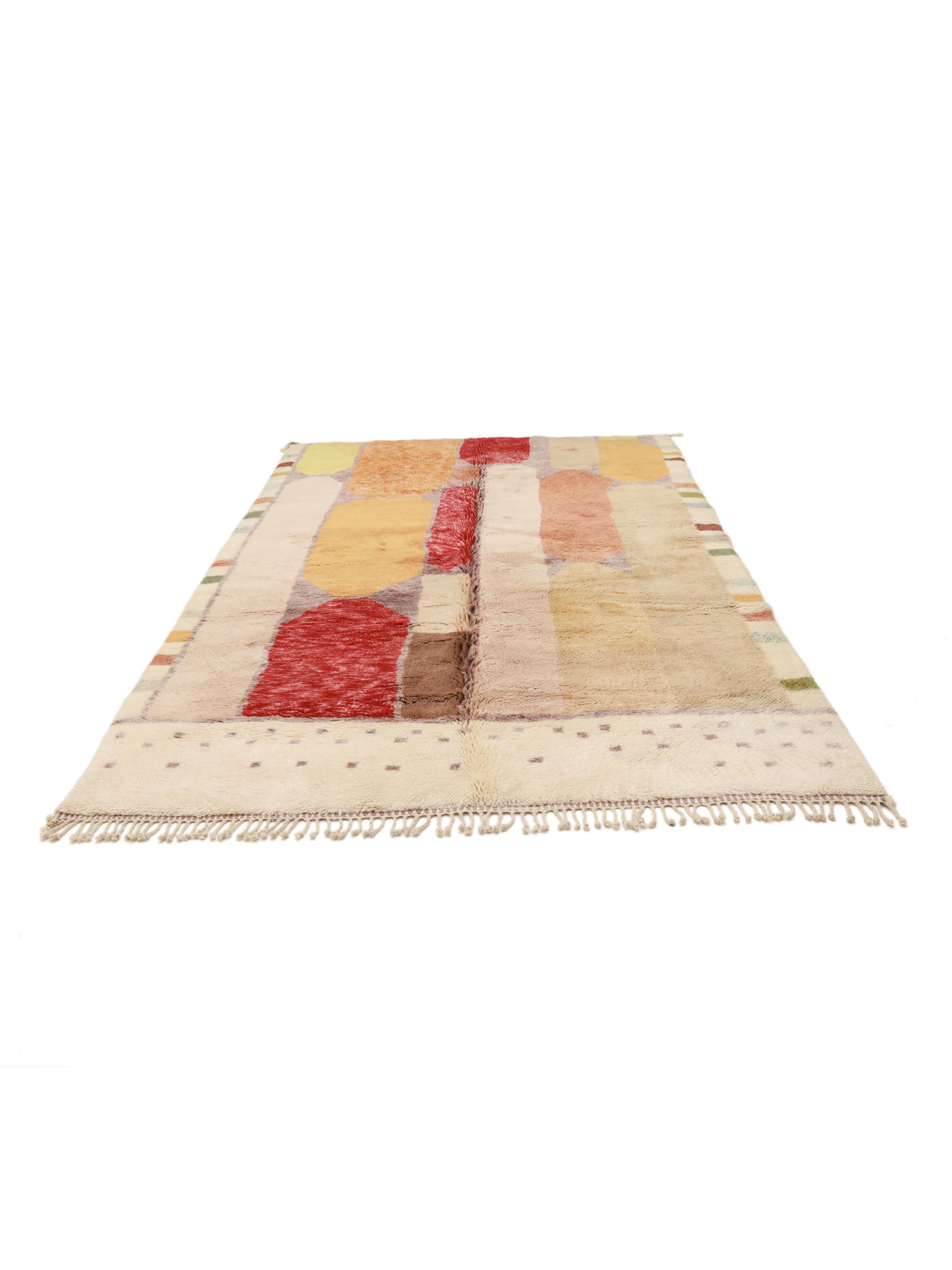
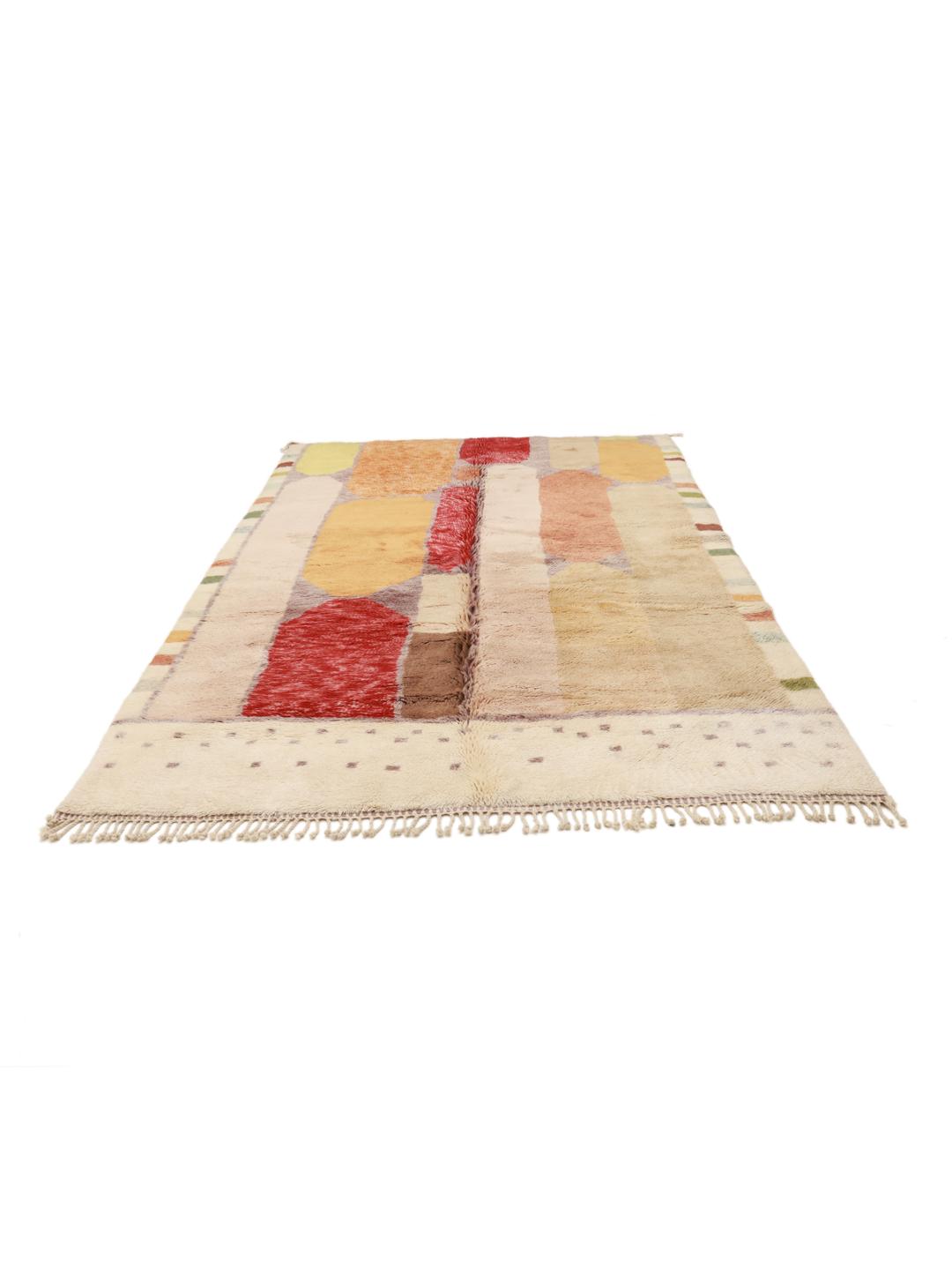
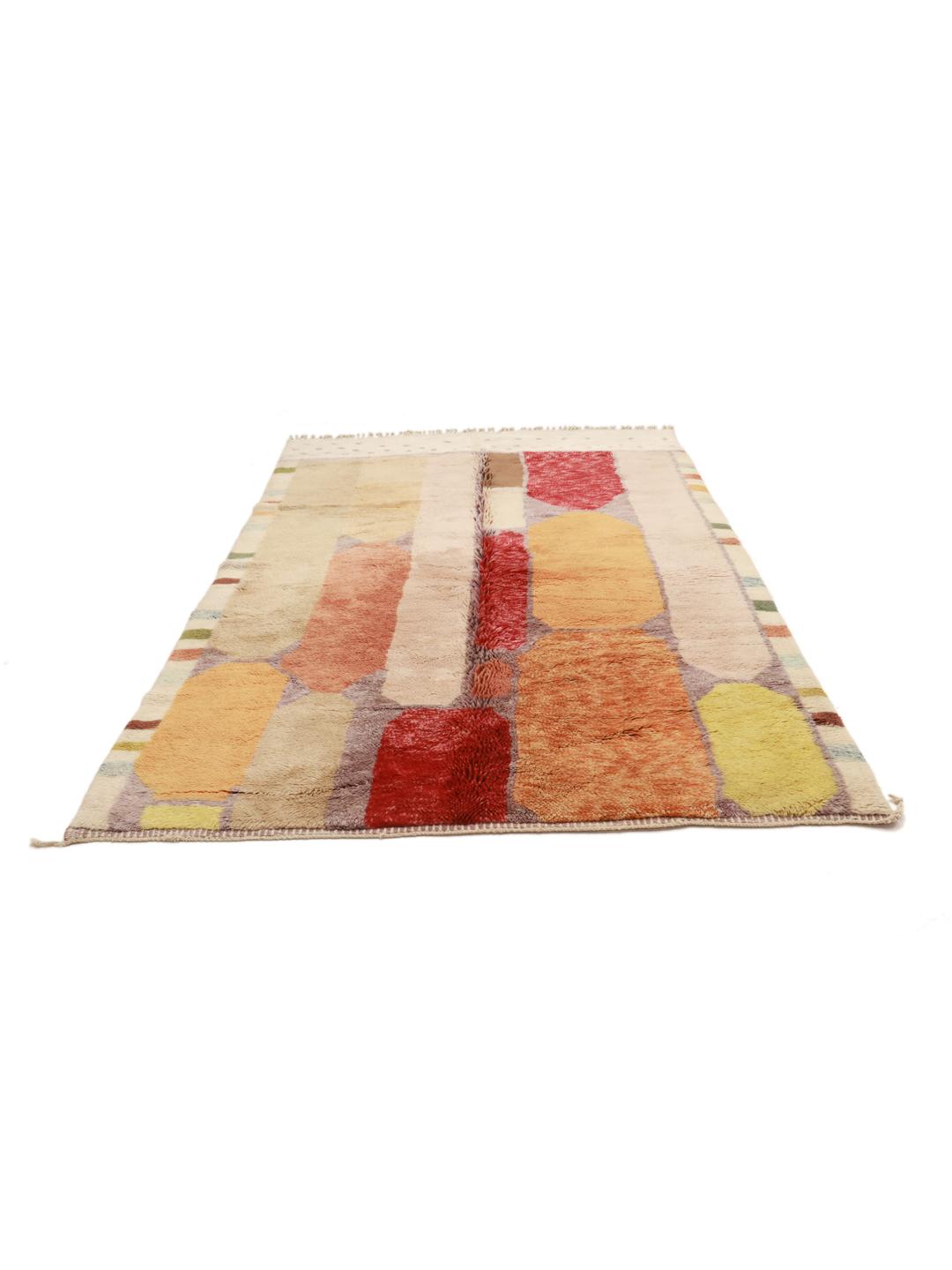
The Berber rugs of the Mid Atlas region are deeply rooted in the history of the indigenous Amazigh people of Morocco. These rugs were not originally created for commercial sale, but rather as essential household items, serving as bed coverings, blankets, or floor mats designed to withstand the harsh, cold winters of the Atlas Mountains.
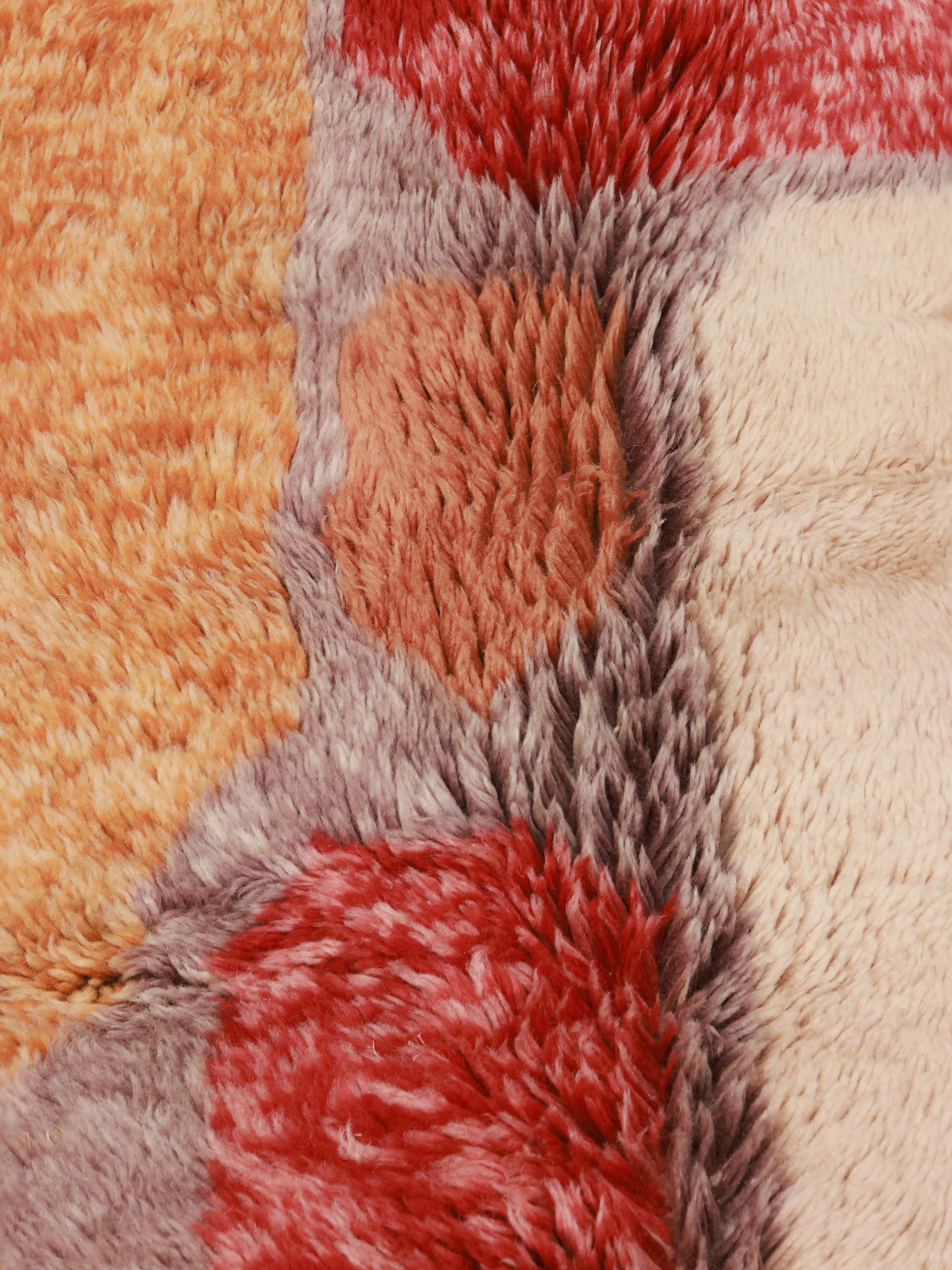
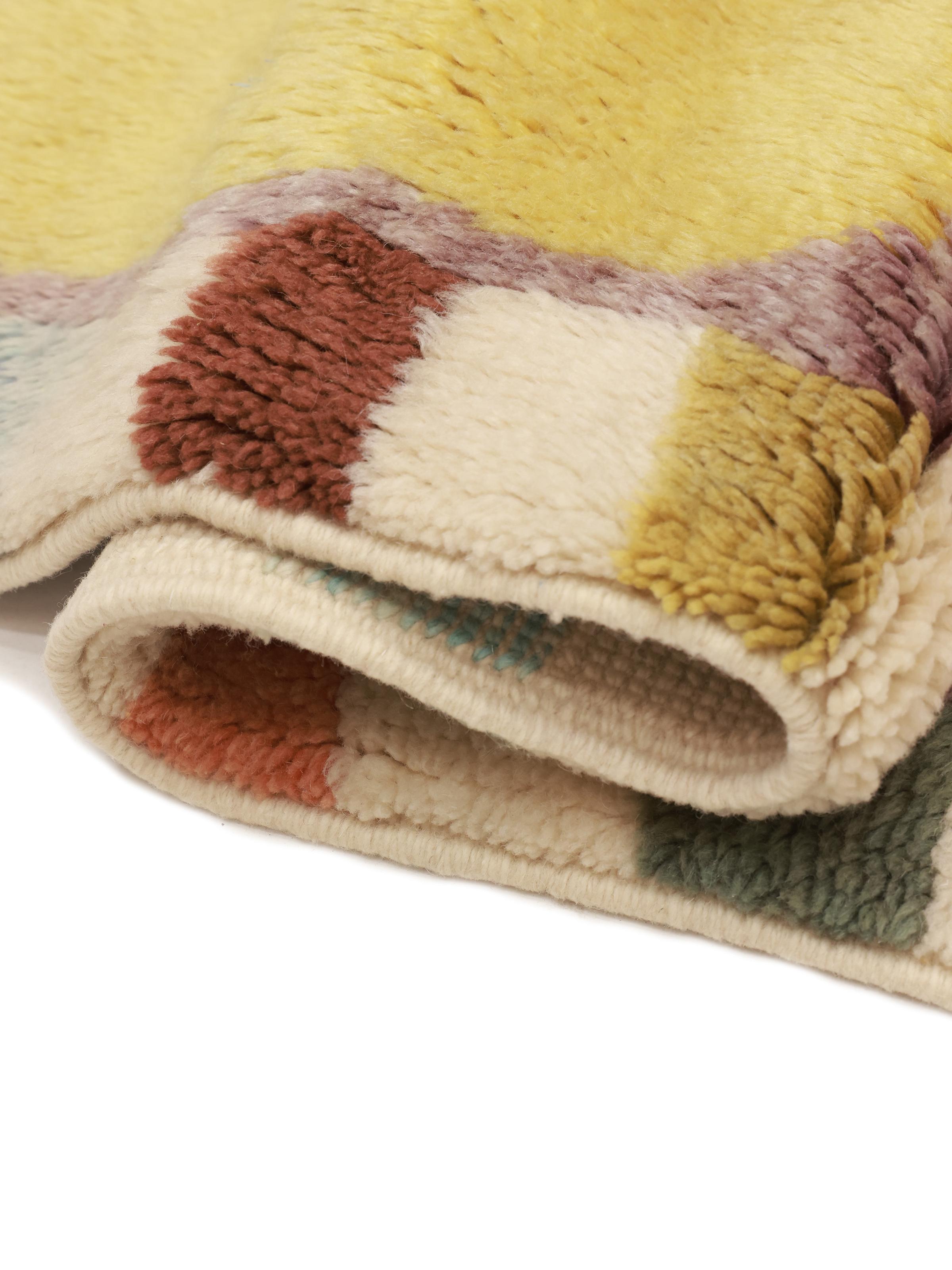
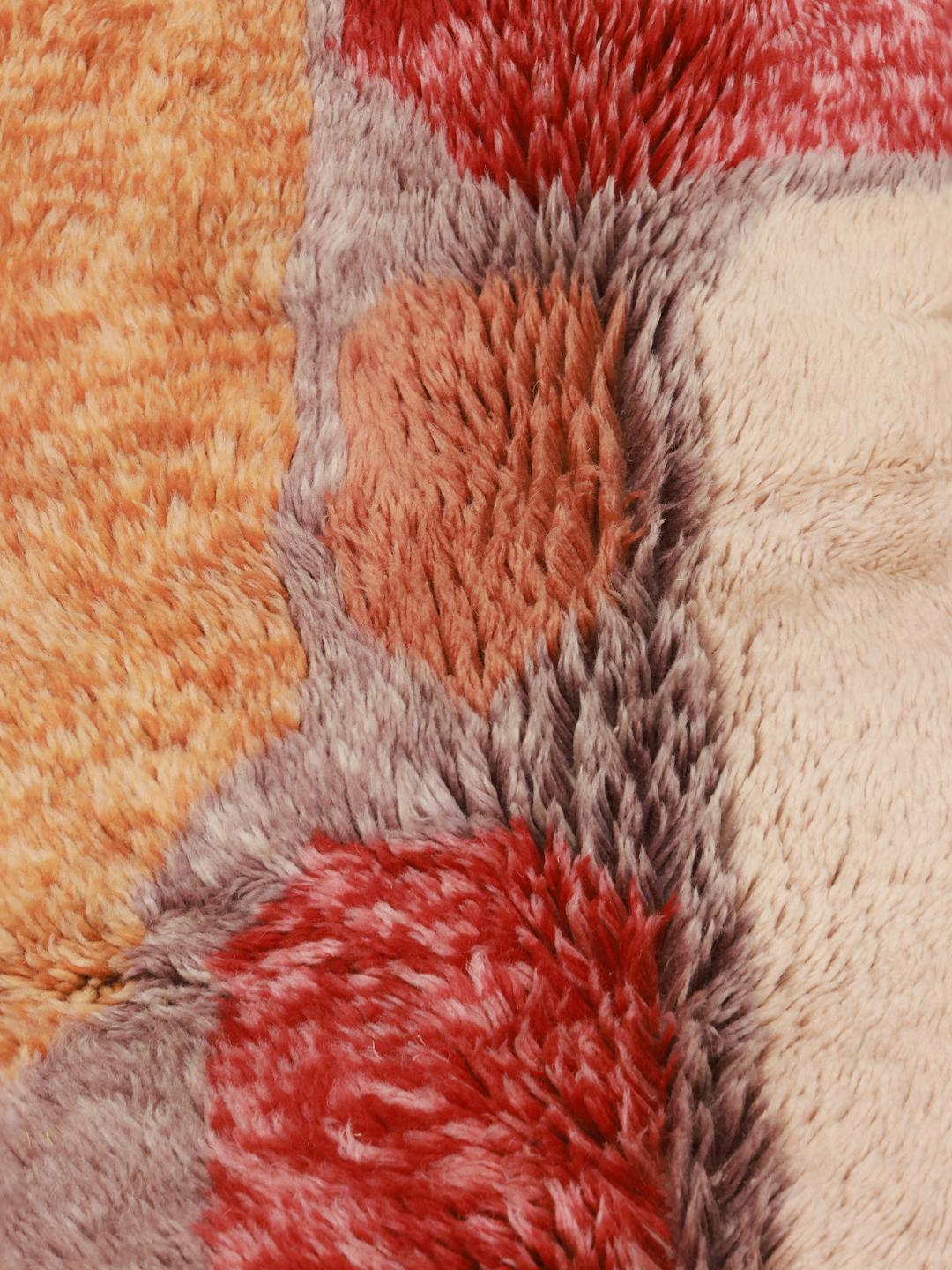
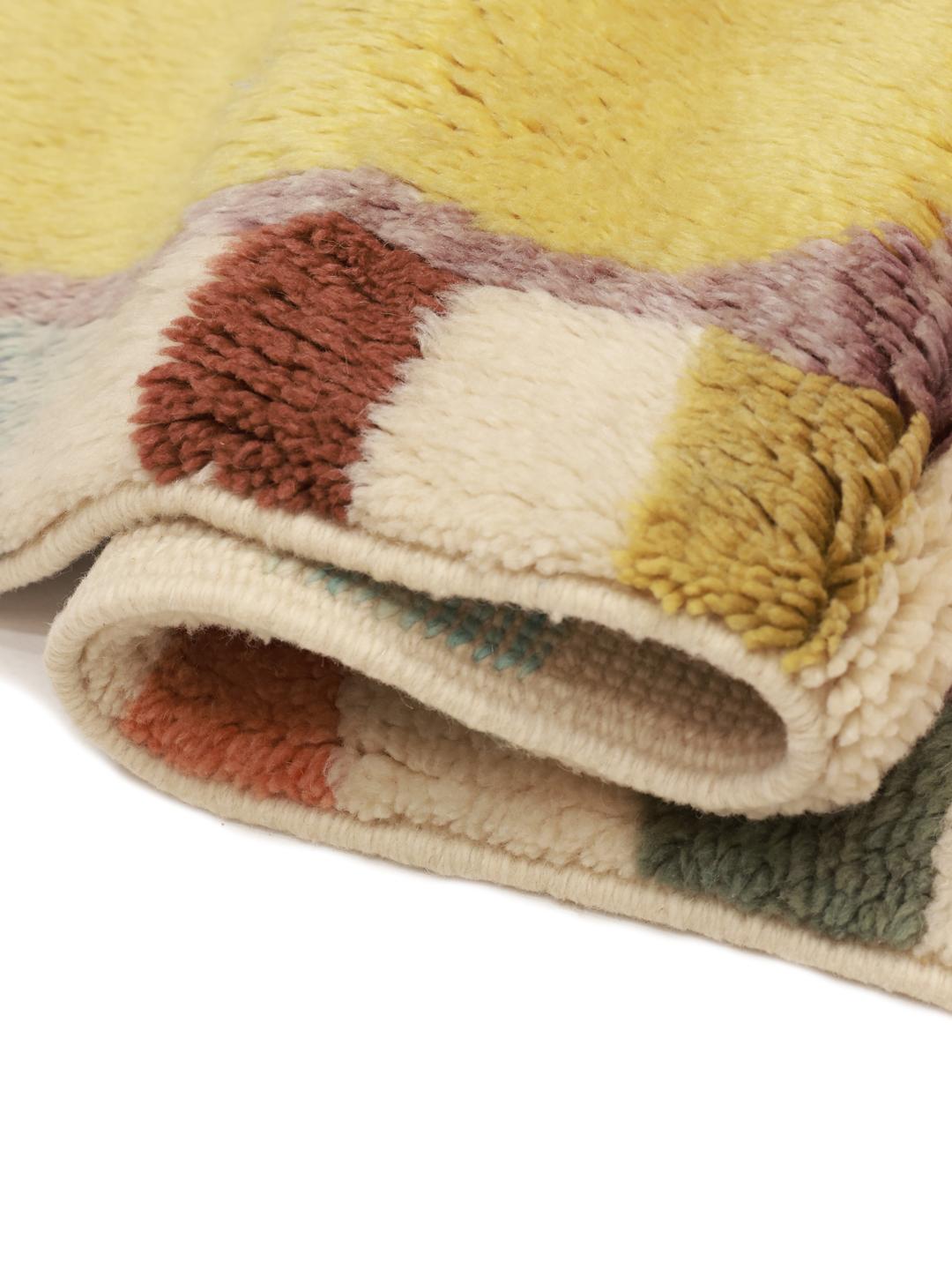
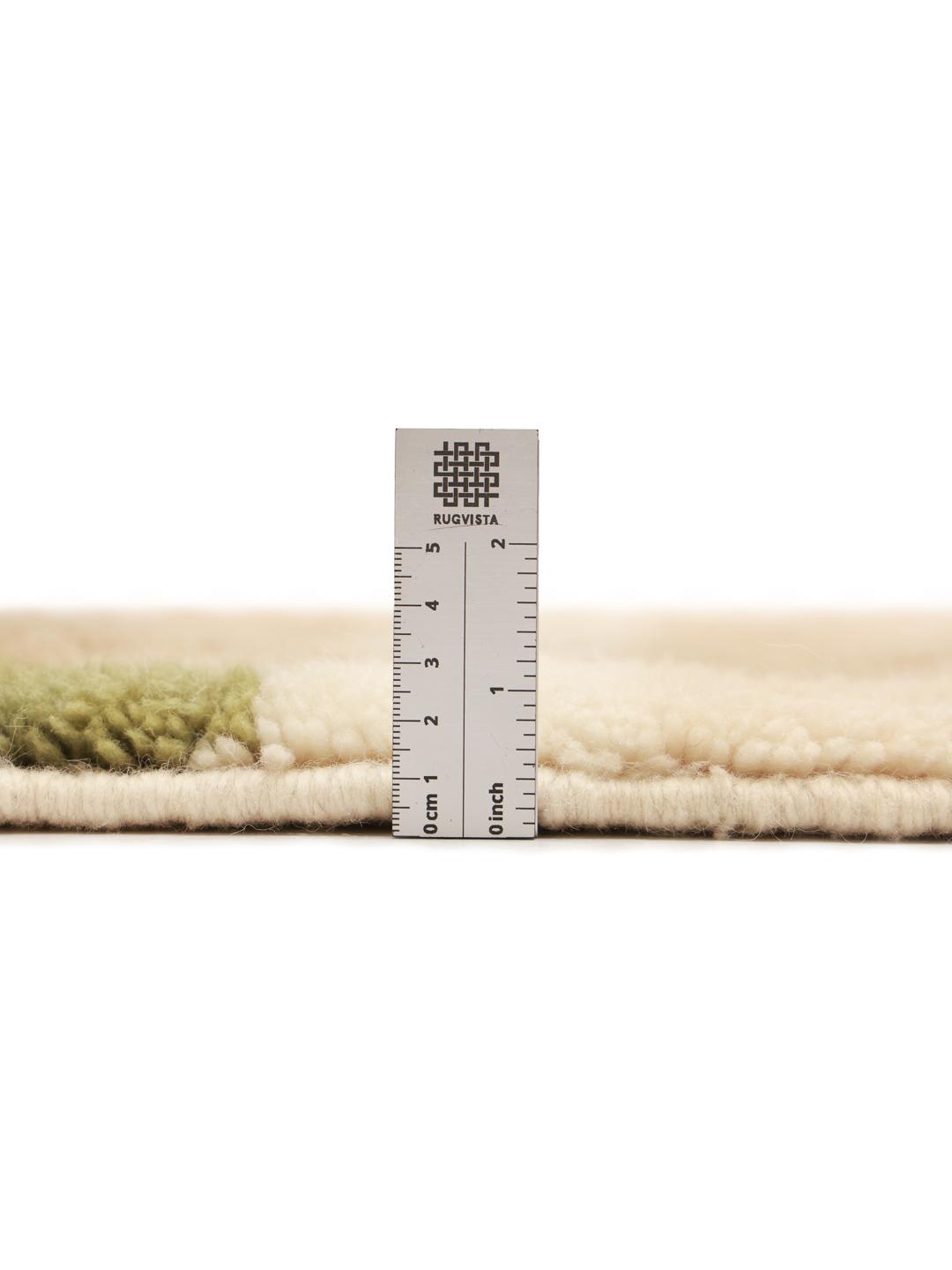
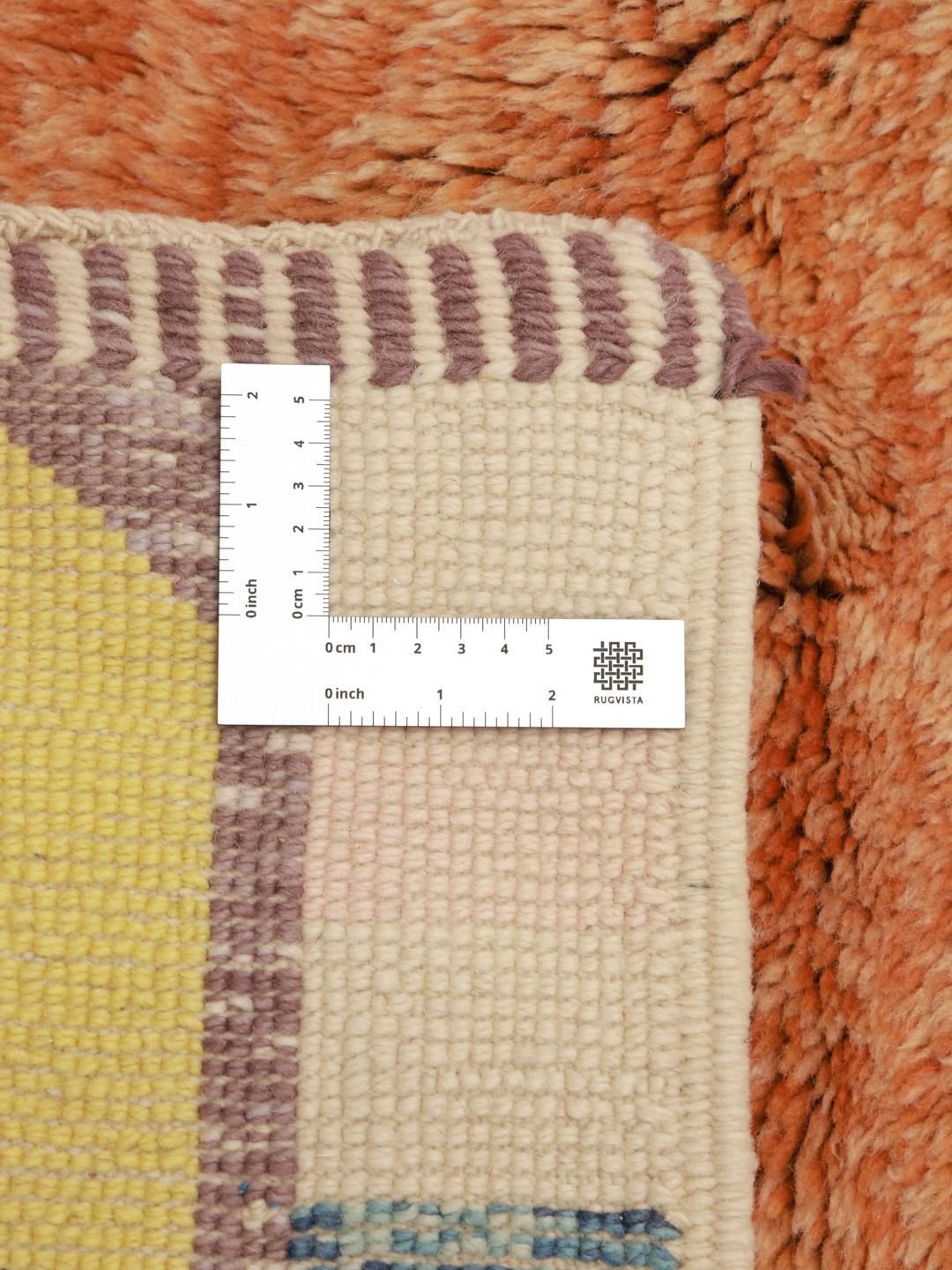
The craft relies on specific traditional techniques, with the wool being sourced locally and hand-spun to maintain its natural strength and texture. The resulting pile is characteristically thick and soft, a hallmark of the region's climate-conscious design. This focus on material integrity ensures that the rug is not just a decorative object, but a durable, long-lasting textile.
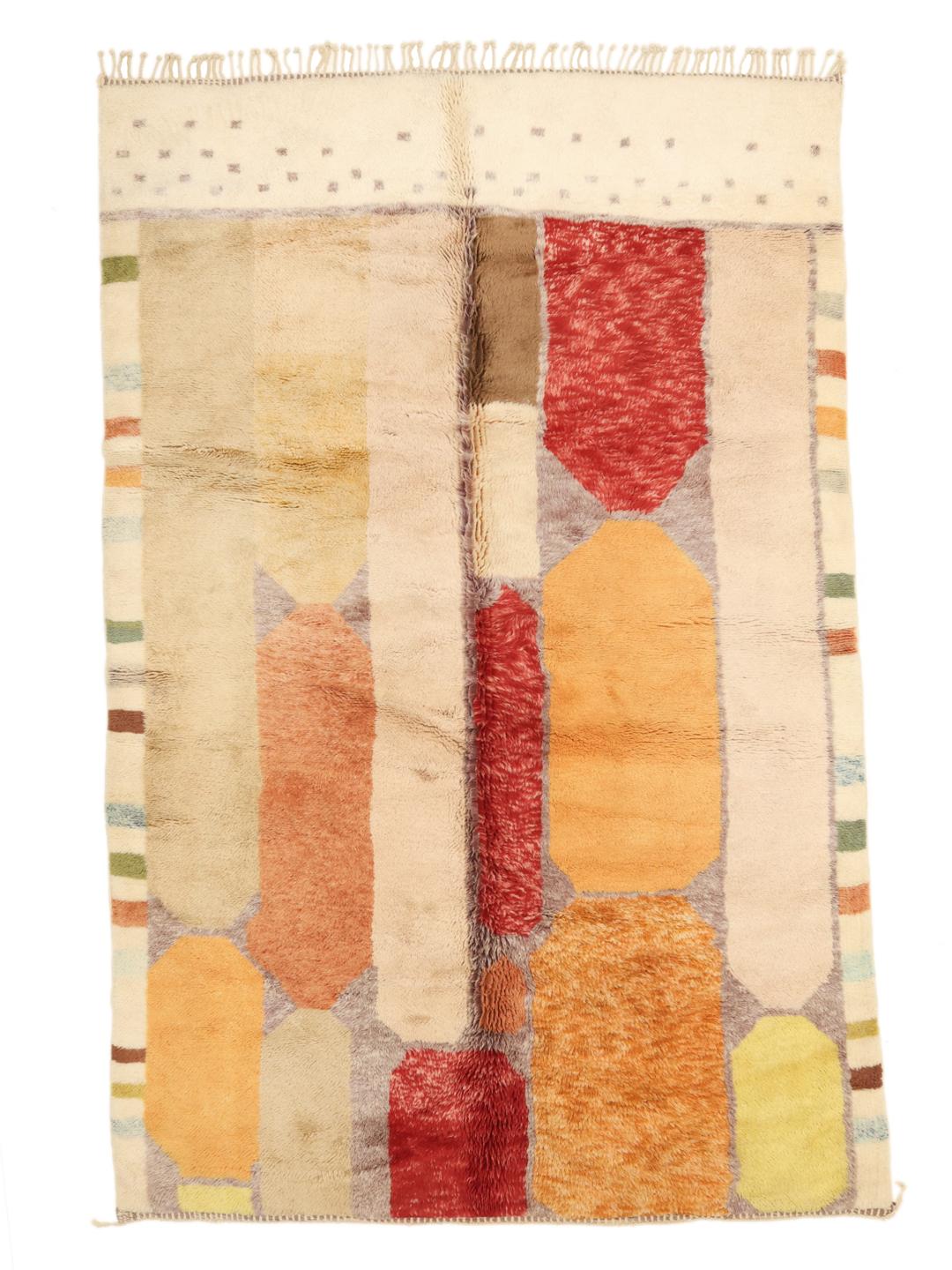
Visually, these rugs are defined by their expressive use of geometric motifs, often incorporating symbols that reflect the weaver's personal history, environment, and beliefs. While some traditions favour neutral, monochrome palettes, the Mid Atlas style is celebrated for its more adventurous use of colour, often utilising natural dyes to create bold, contrasting designs that stand out in any room.
Today, these rugs are highly sought after by collectors and interior designers alike for their cultural authenticity and artistic freedom. Owning a piece from this tradition is an opportunity to connect with a living heritage, as each rug carries the signature aesthetic of its creator, representing a fusion of ancient utility and contemporary artistic expression.