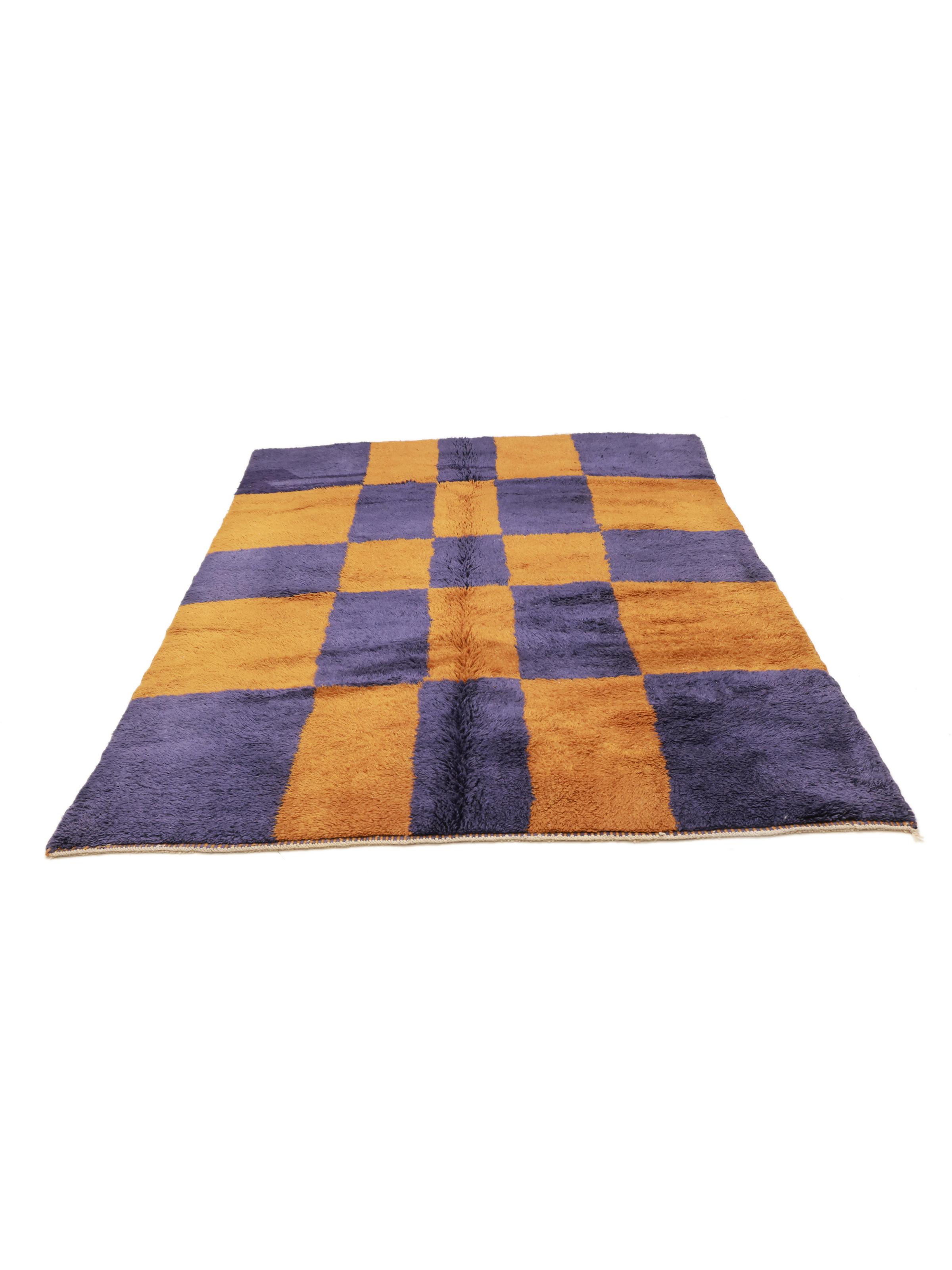
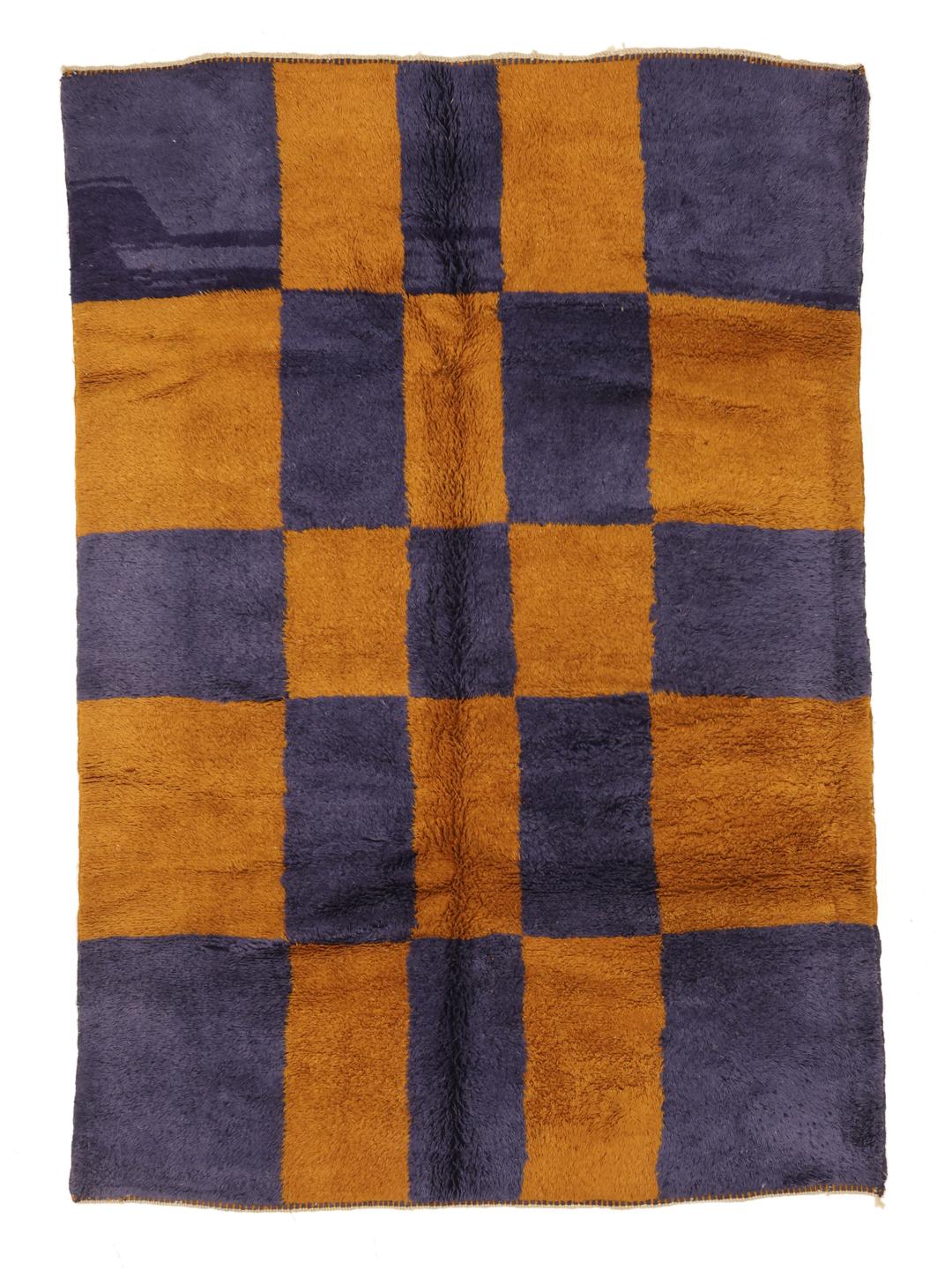
The Berber Moroccan rug tradition originates from the indigenous tribes of the Atlas Mountains, where weaving has been a vital cultural practice for generations. These rugs were historically created by nomadic tribes for their own practical use, serving as warm bedding, blankets, and floor coverings against the harsh mountain winters.
The term 'Beni Ourain' refers to the specific tribal groups that produce these rugs, known for their skill in working with raw, un-dyed wool. While traditional designs often featured simple, dark geometric lines on a light background, contemporary interpretations like this one have evolved to include bolder, vibrant colours and graphic patterns that bridge the gap between ancient heritage and modern interior design.
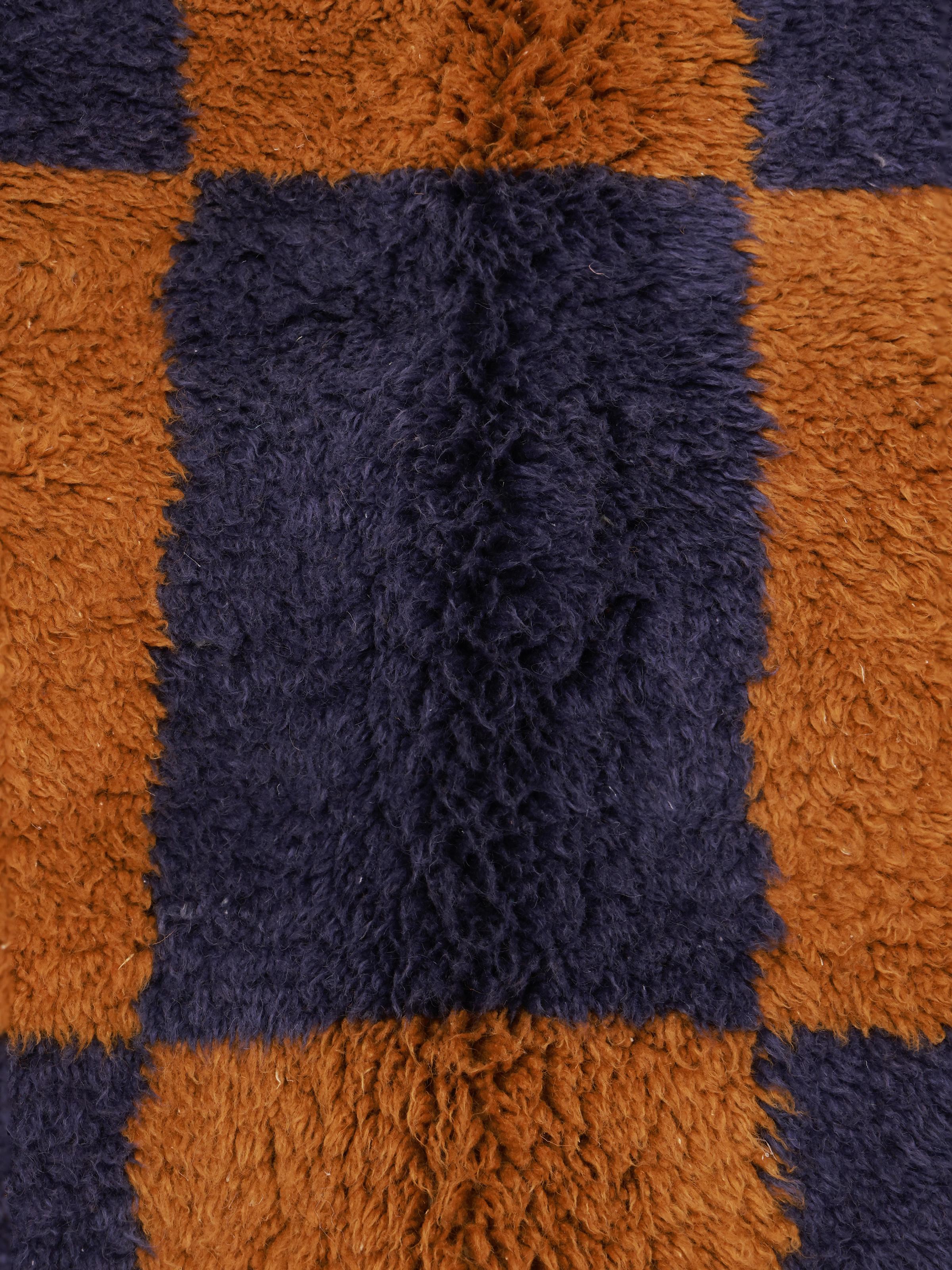
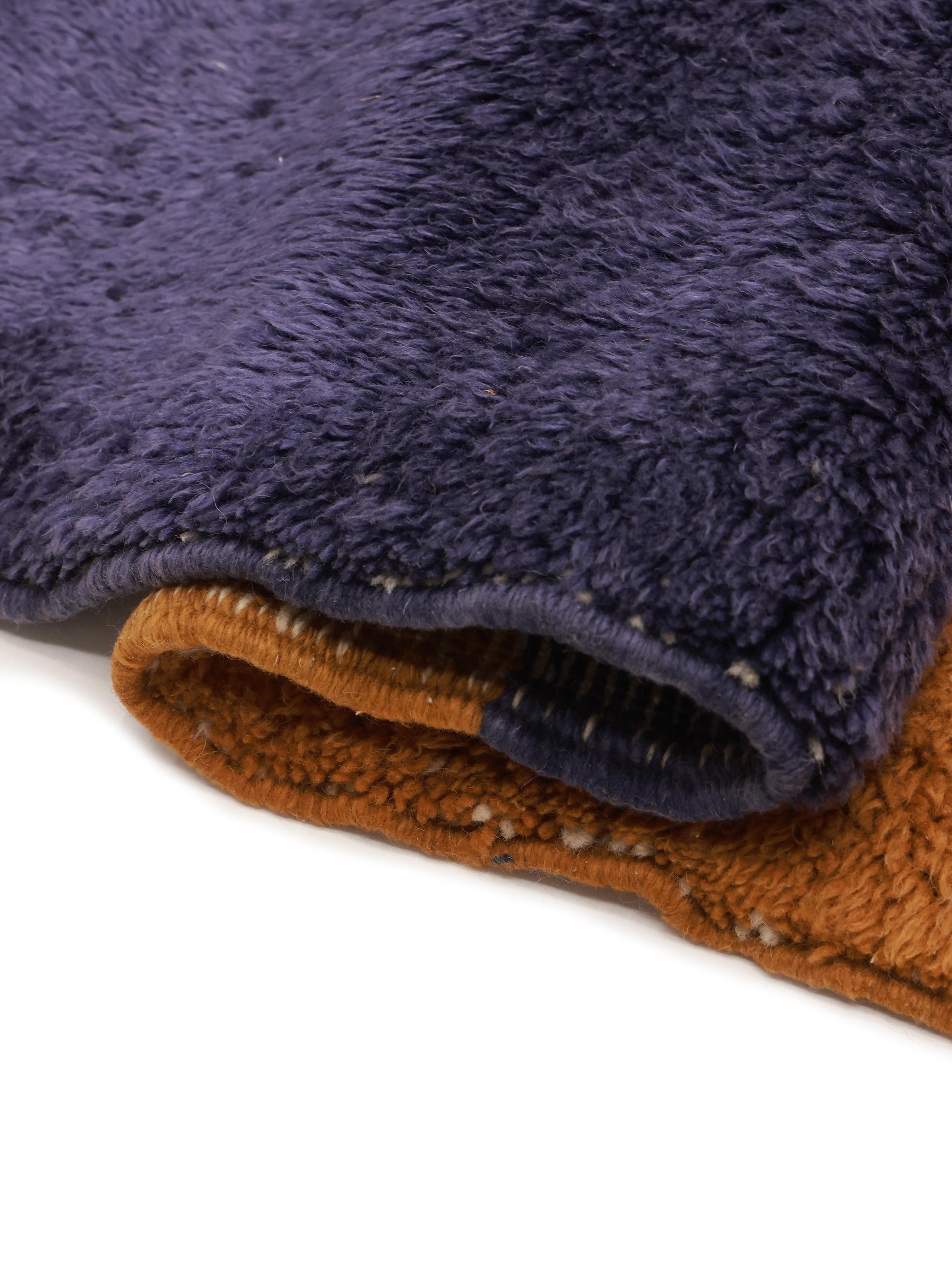
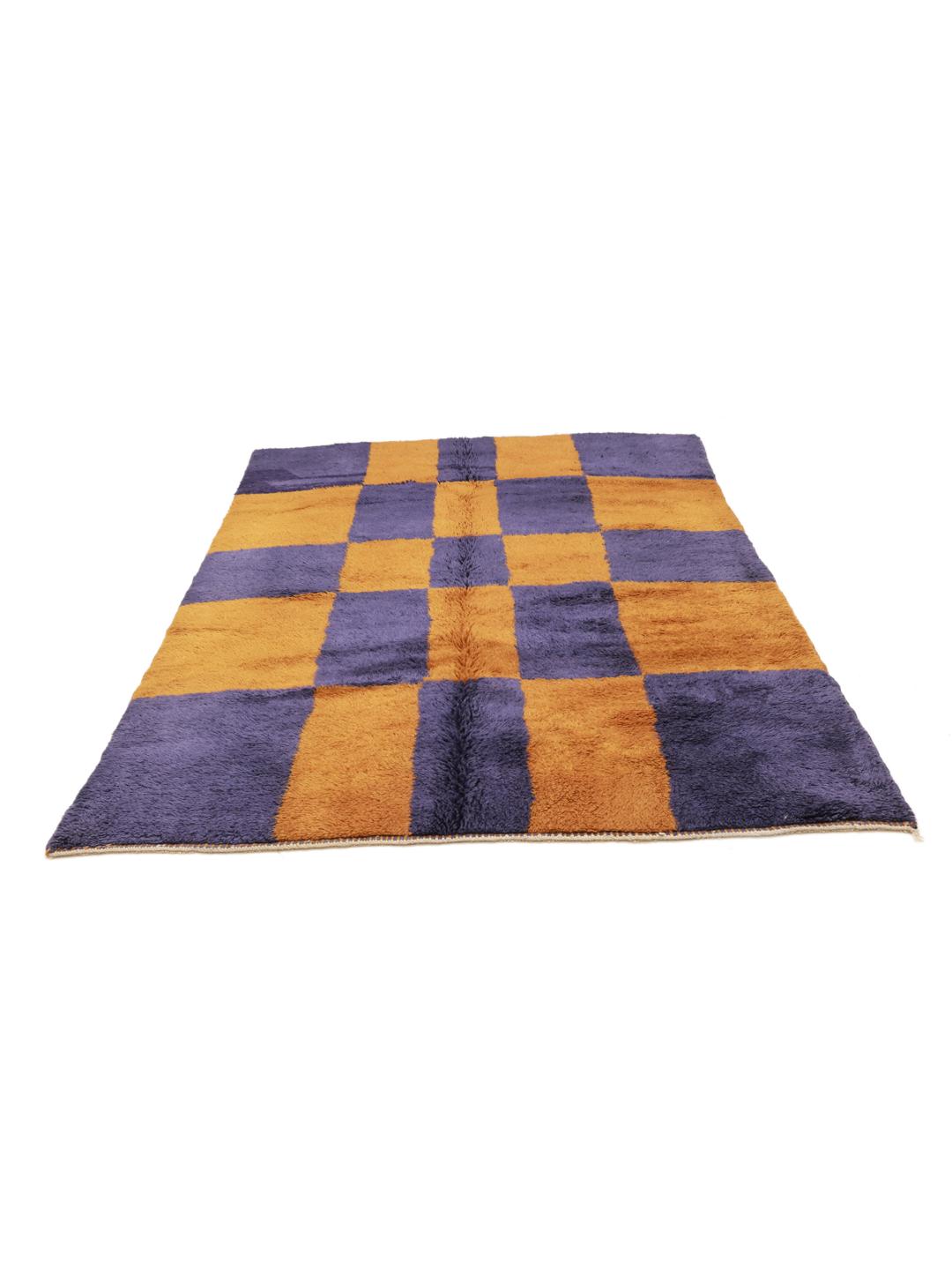
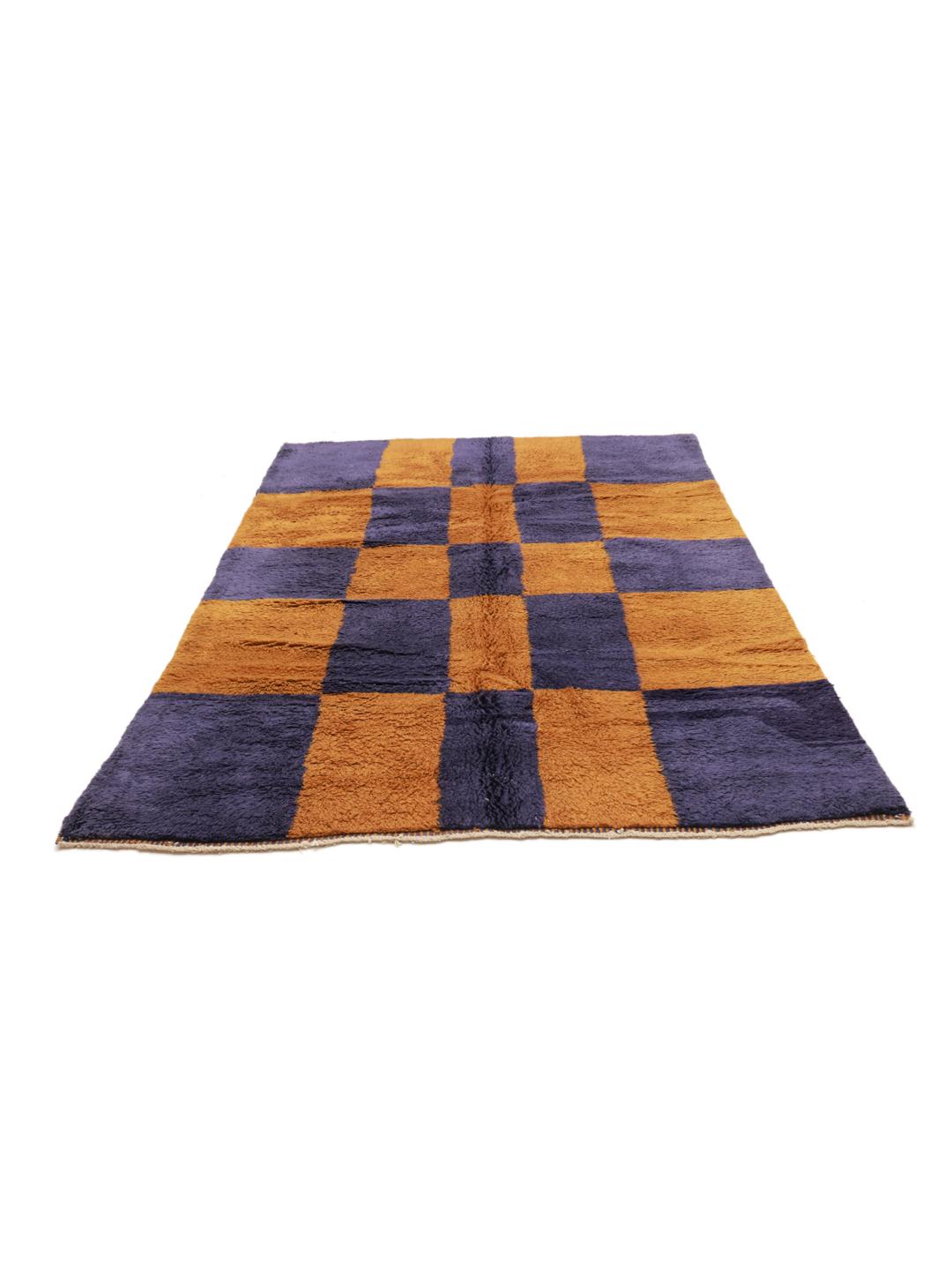
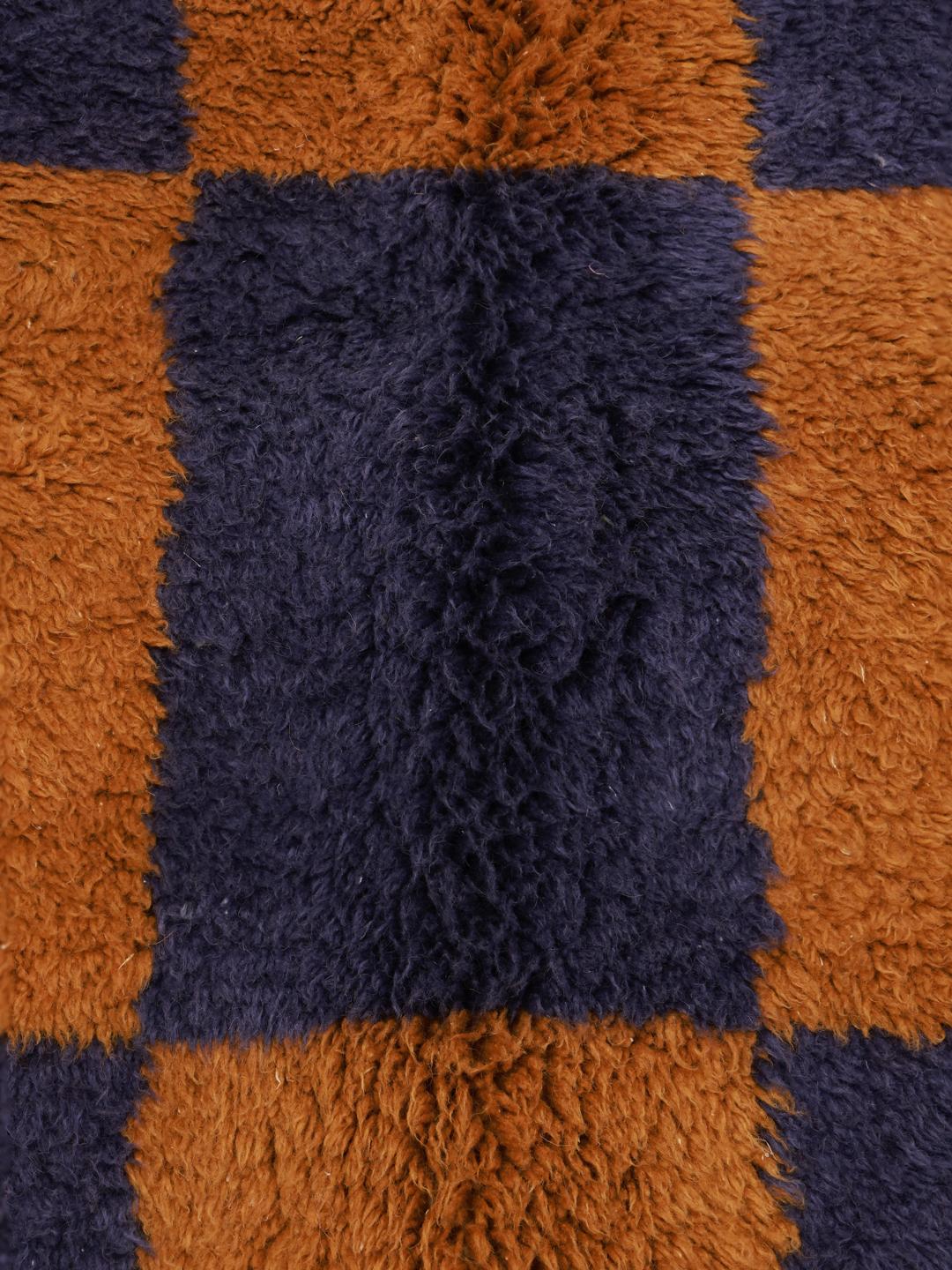
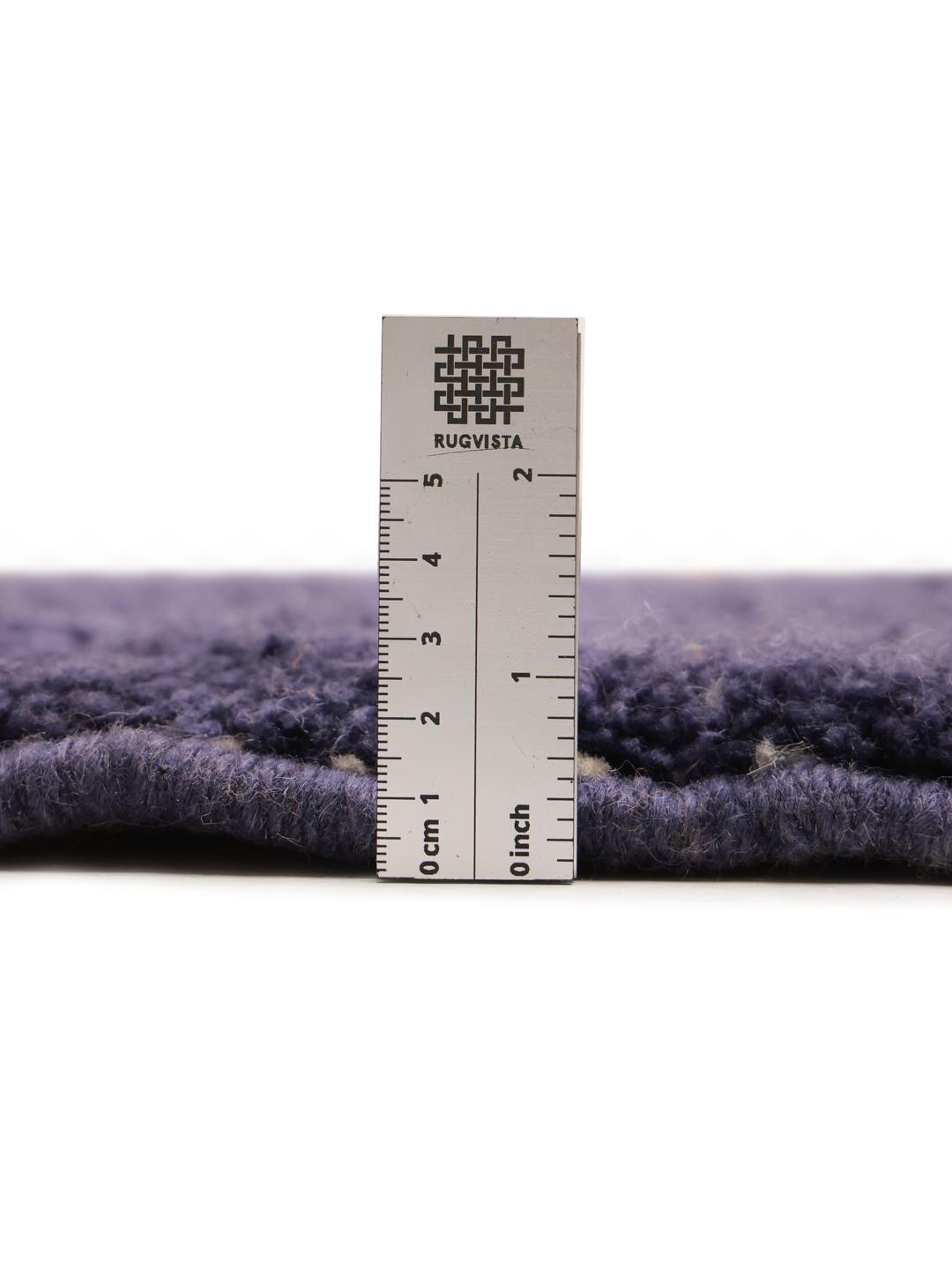
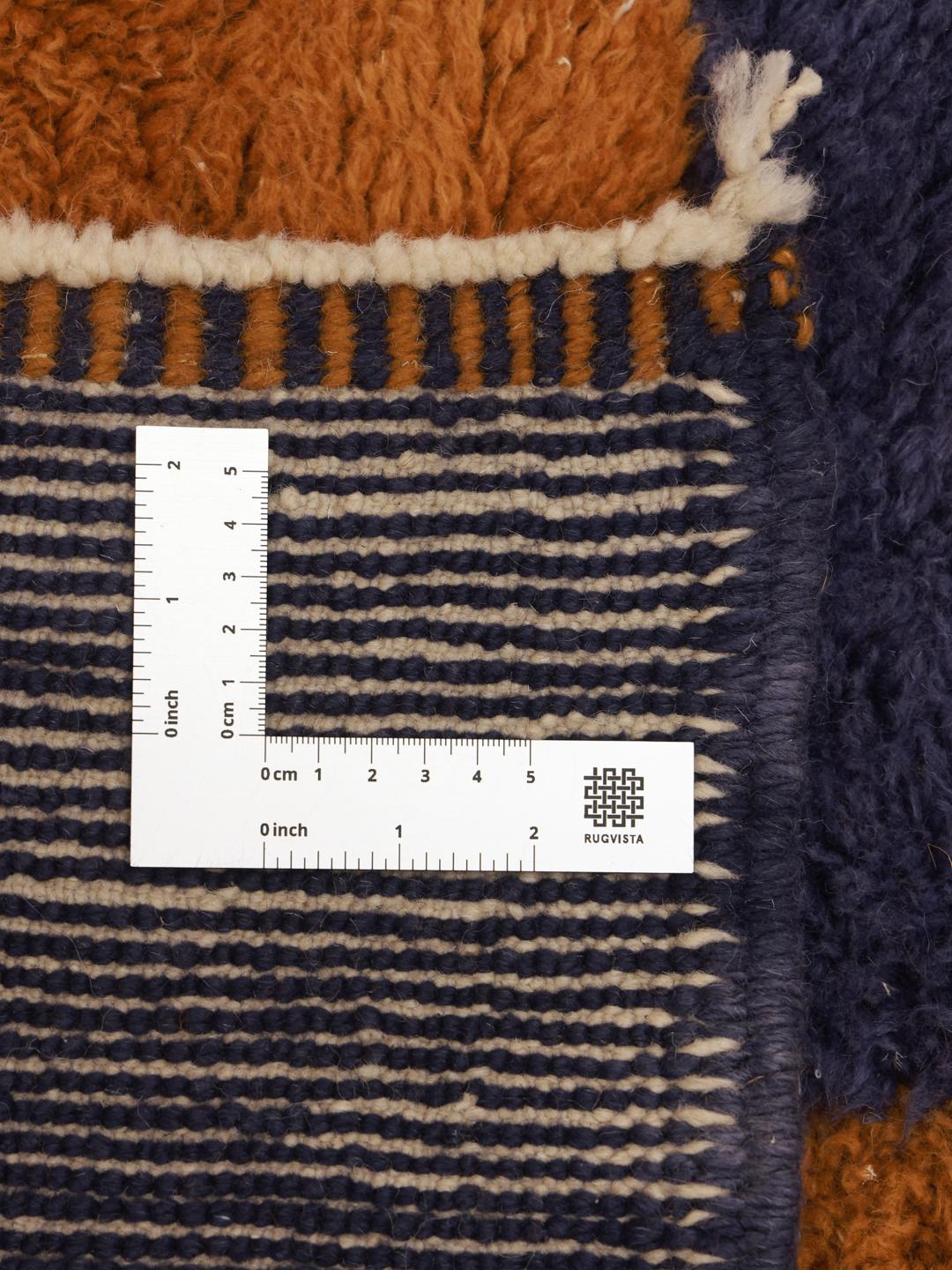
Signature elements of these rugs include their thick, high-pile construction and an emphasis on symbolic, geometric motifs. The use of repeating patterns, such as the bold checkerboard seen here, is a hallmark of the artistic expression found in these mountainous regions, reflecting the weaver's personal interpretation of their surroundings.
Owning a Berber Moroccan rug is an investment in a storied craft tradition. These pieces are highly valued by collectors for their authenticity and the human story behind every thread. By bringing this rug into your home, you are not just adding a decorative element, but preserving a piece of cultural history that celebrates manual skill and natural materials.