The Berber rugs of the Middle Atlas mountains in Morocco are among the most storied textile traditions in the world. For generations, these rugs have been woven by tribal communities, serving not just as floor coverings, but as essential household items that provided warmth, bedding, and comfort in the high-altitude climate of the Atlas range.
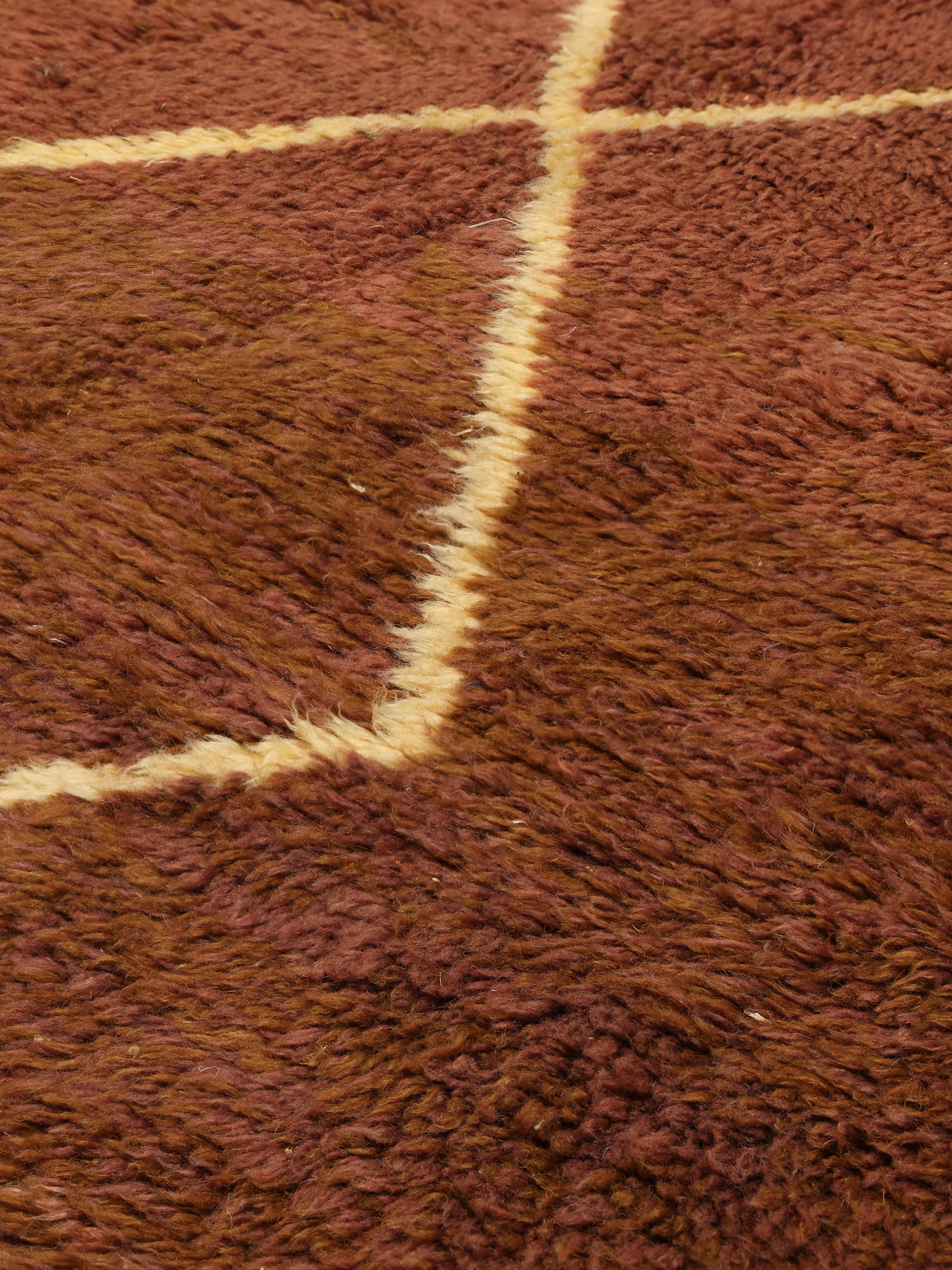
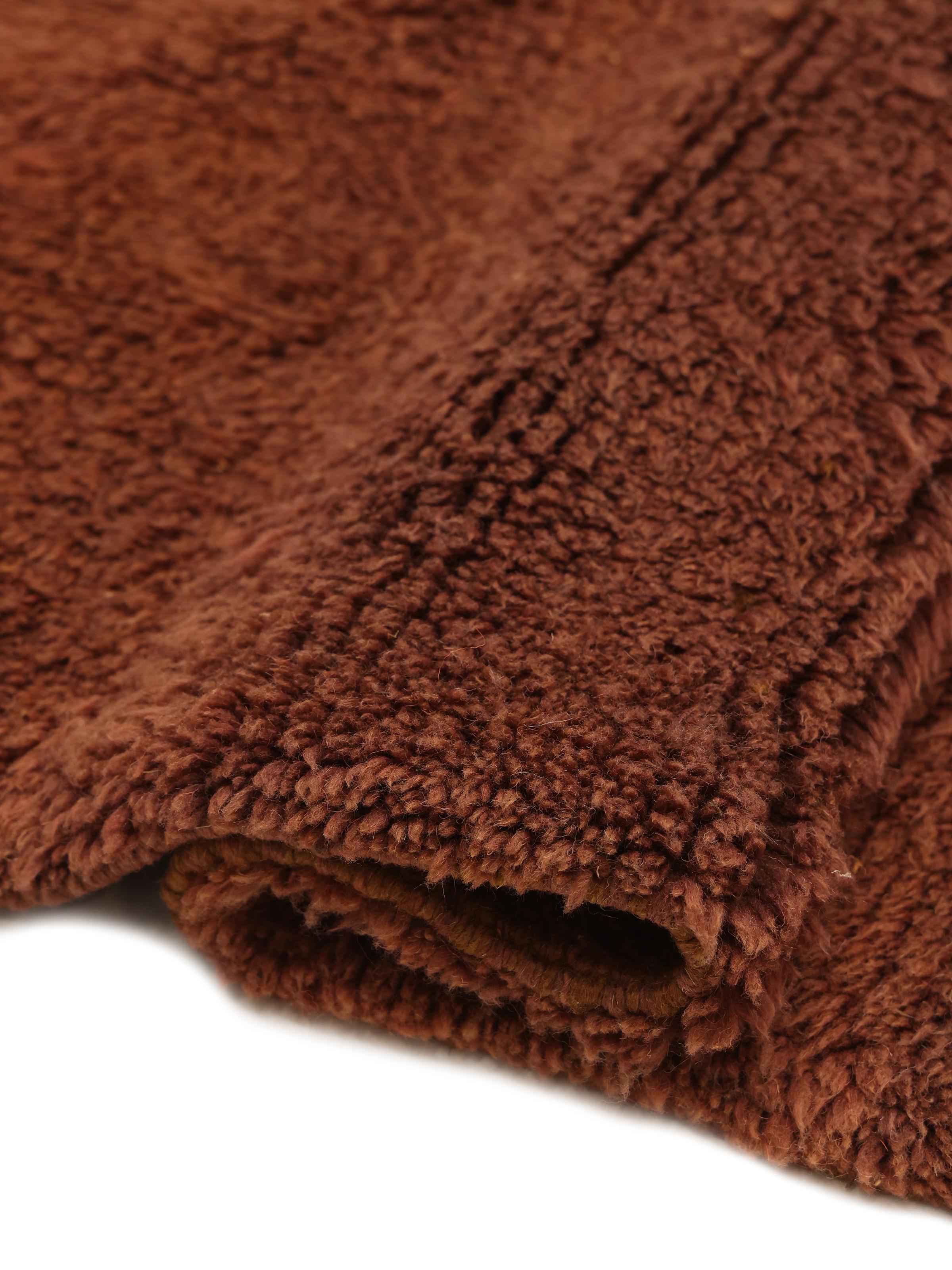
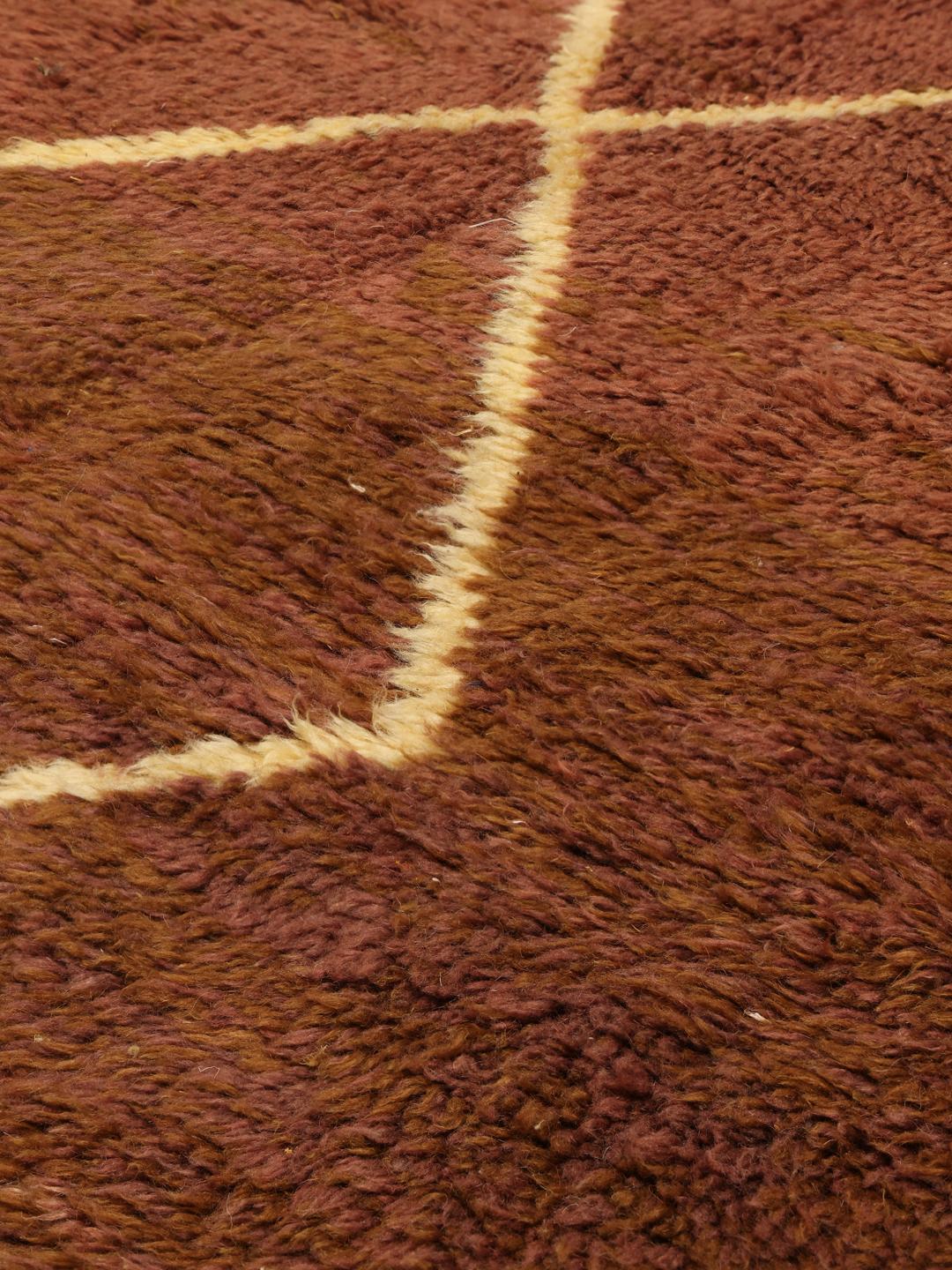
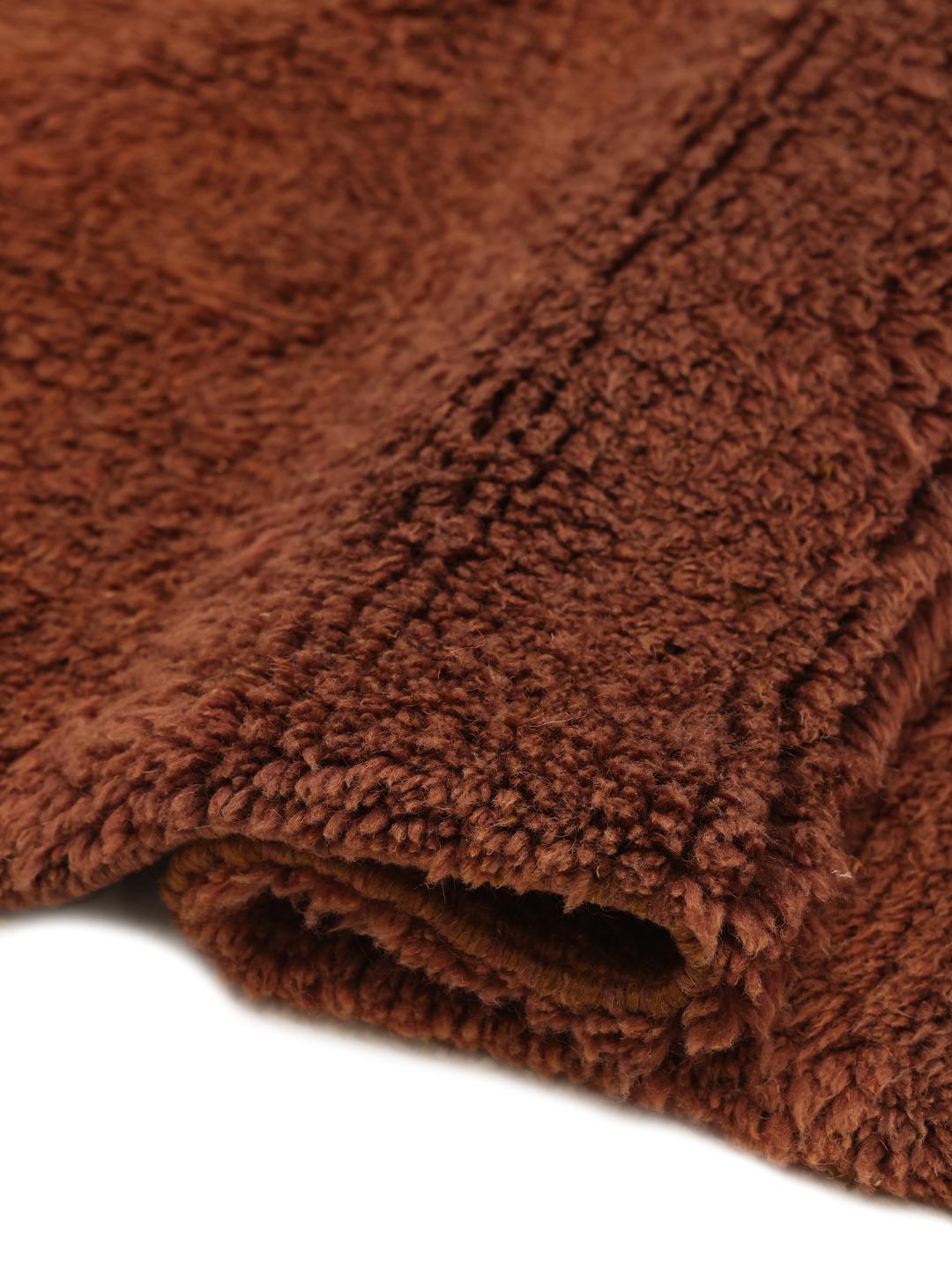
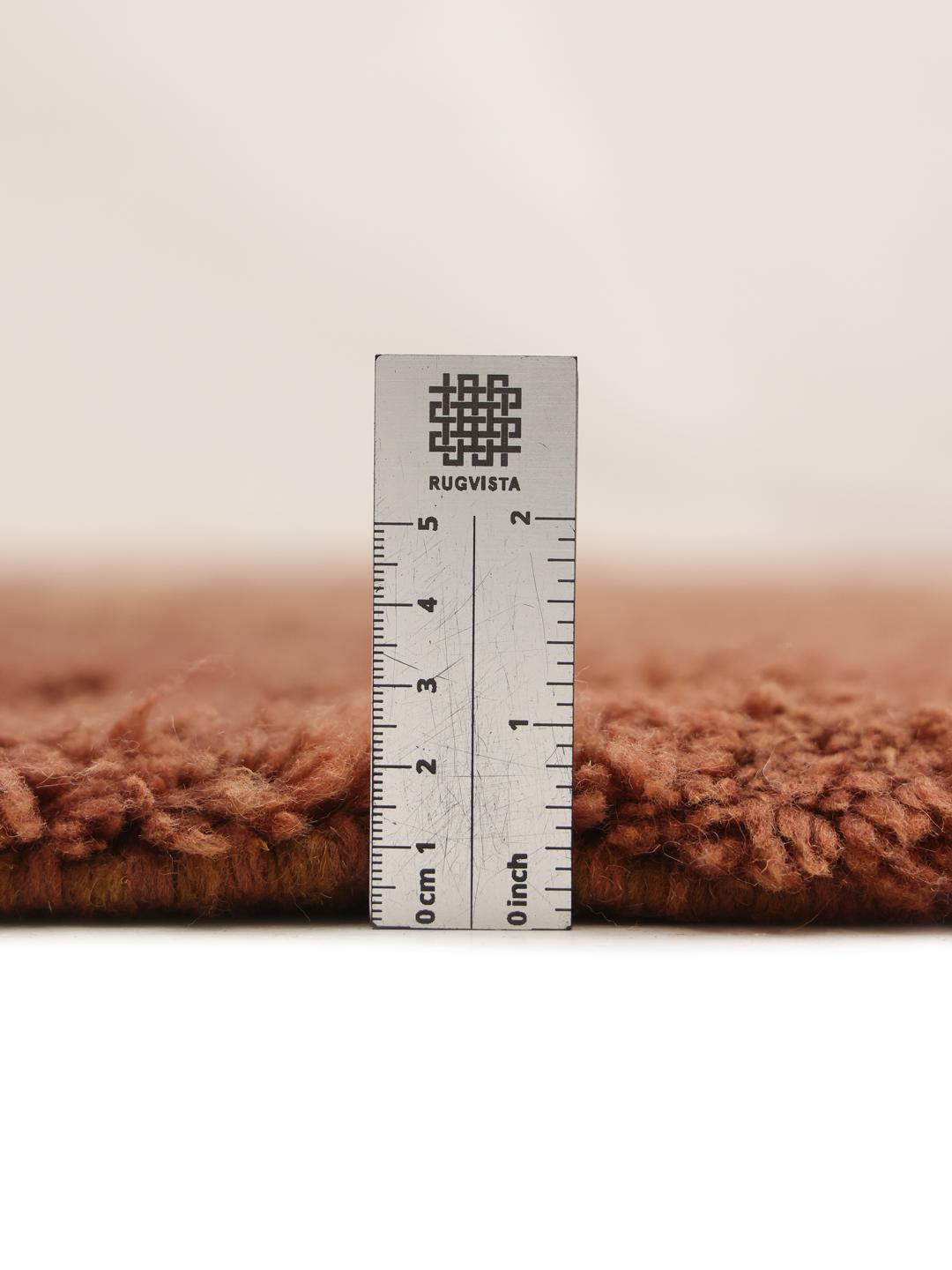
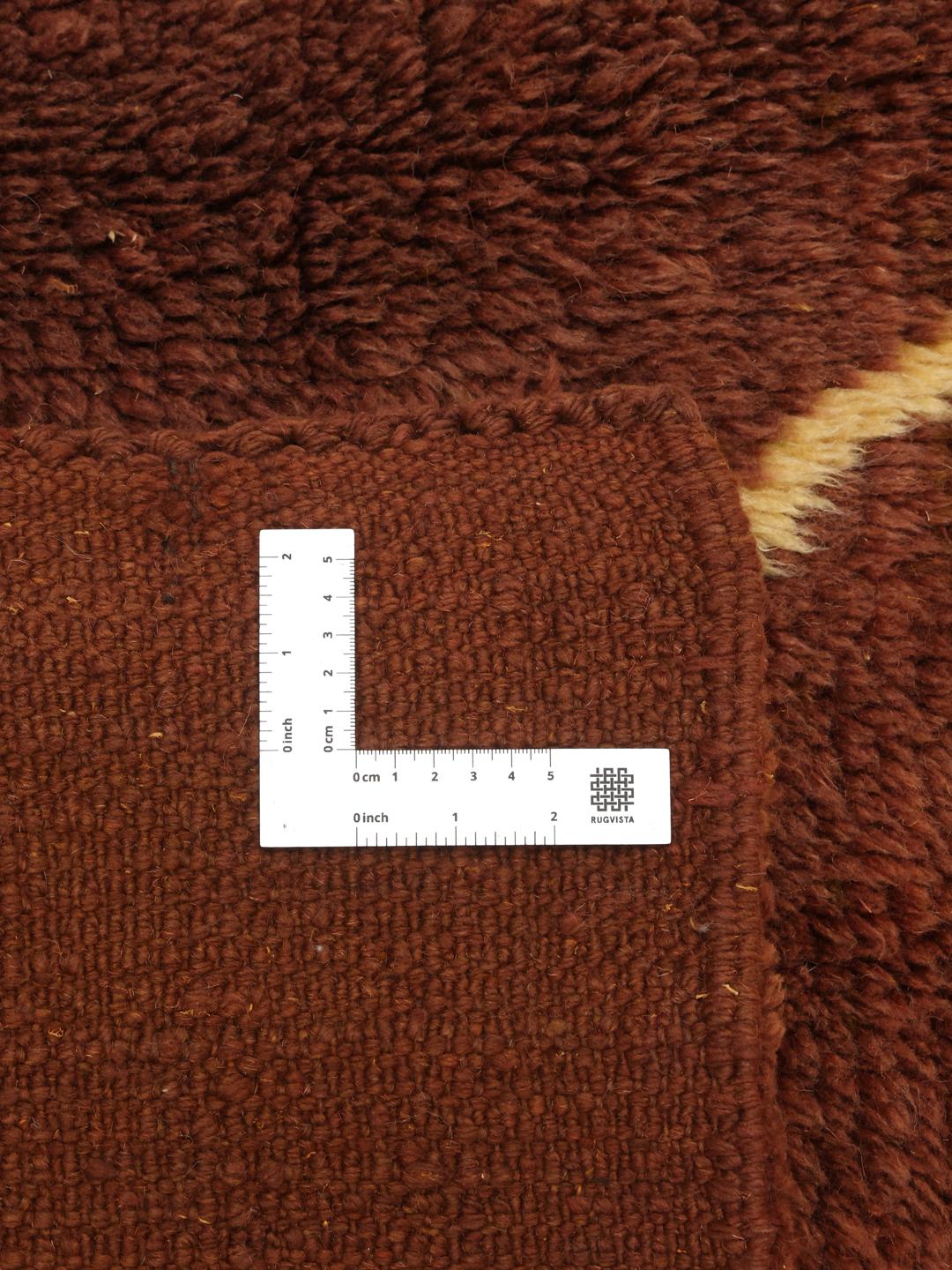
These rugs are defined by their honest, rustic construction. Unlike highly symmetrical city rugs, Berber pieces often embrace a more organic approach to design, where the weave itself tells the story of the artisan. The use of hand-spun, thick wool creates a tactile experience that is synonymous with the rugged, natural environment of their origin.
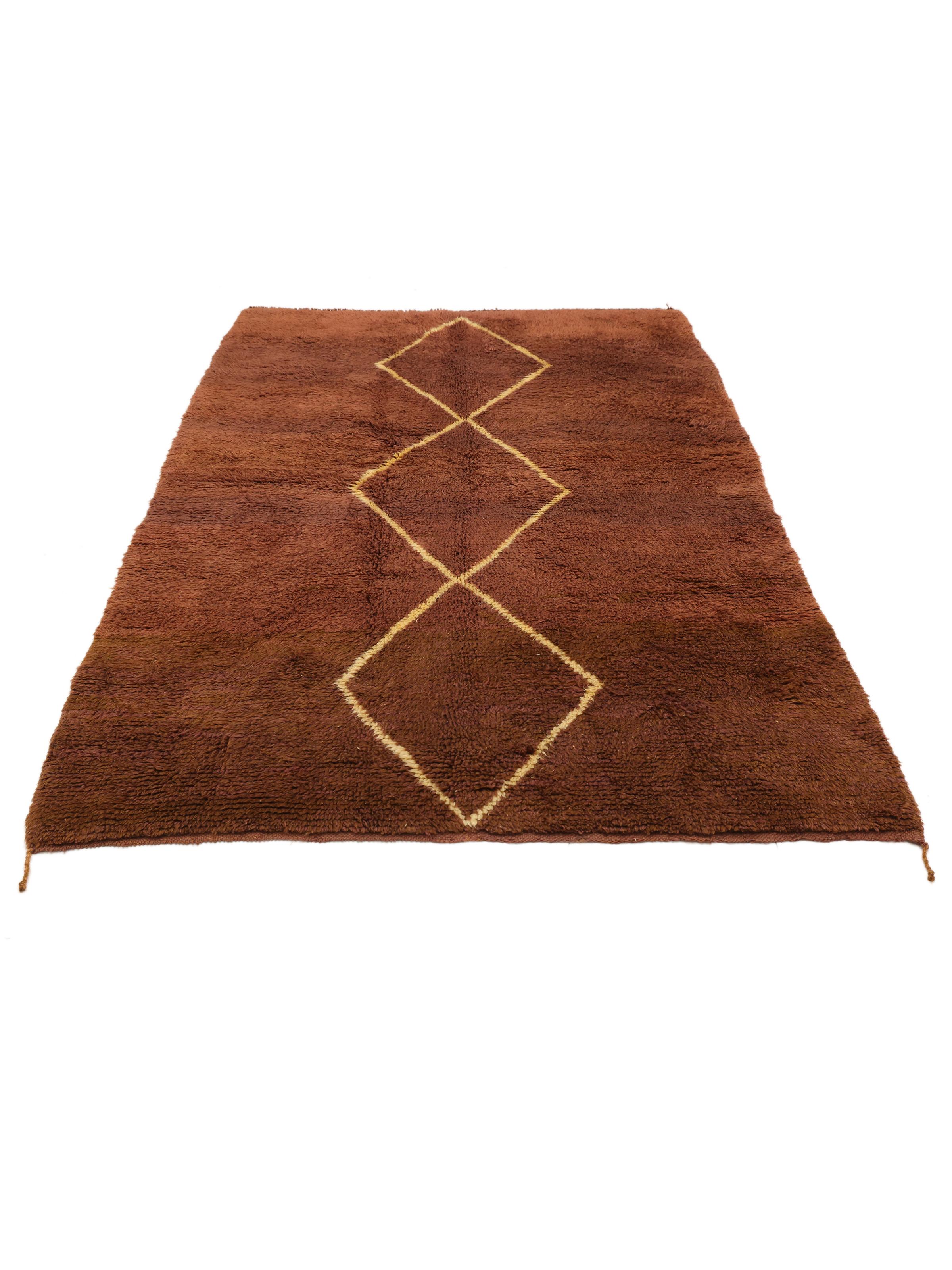
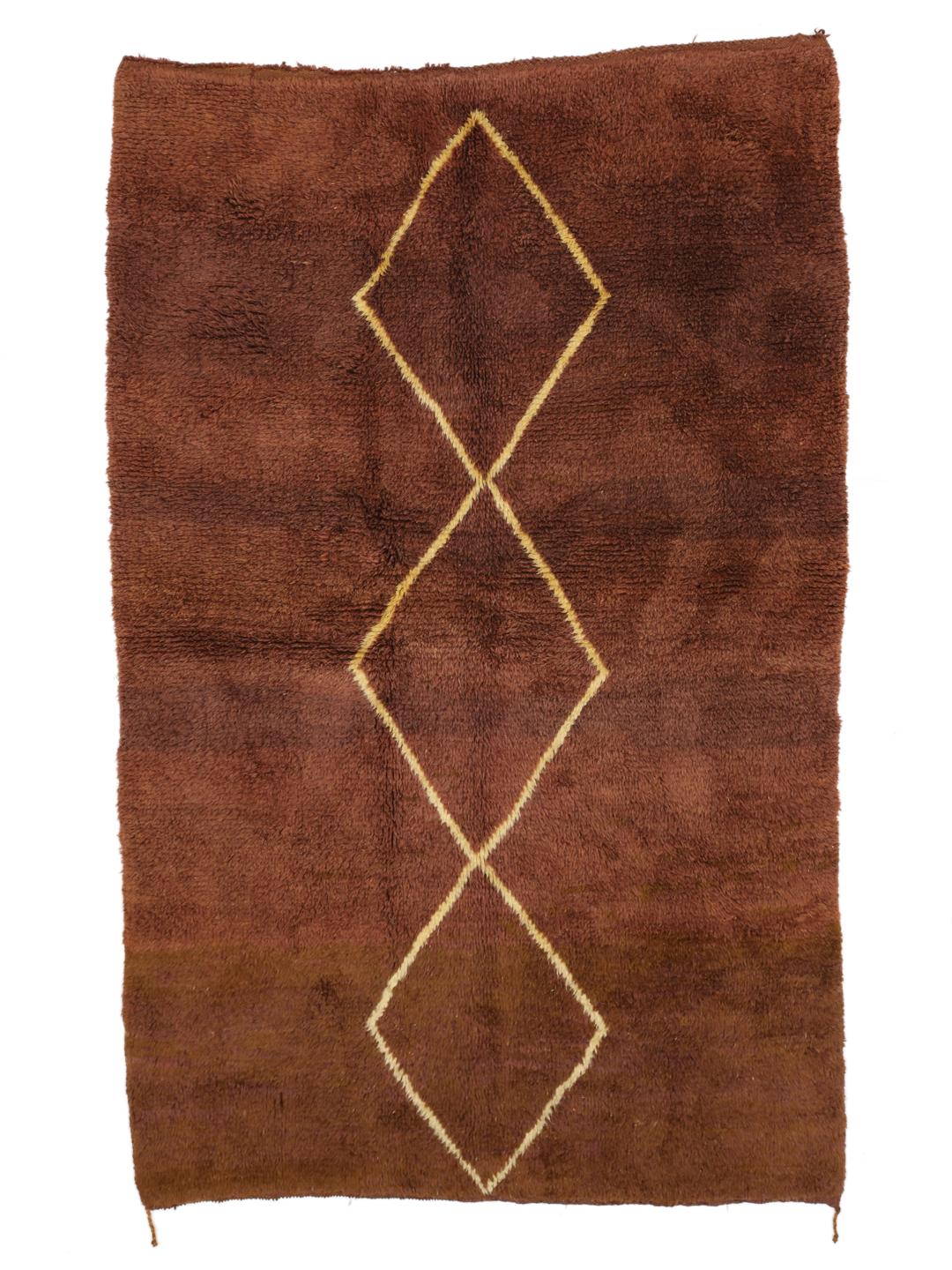
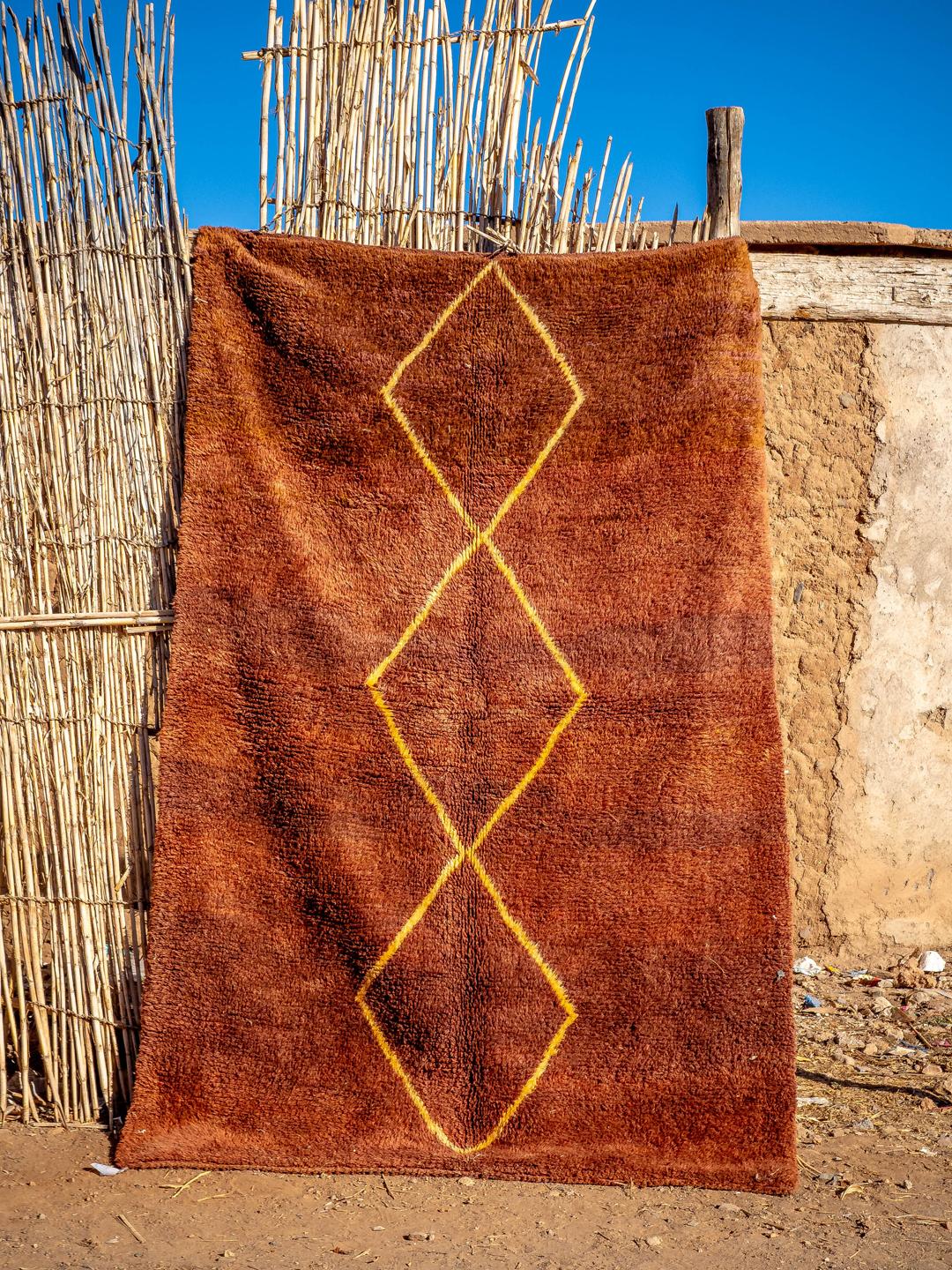
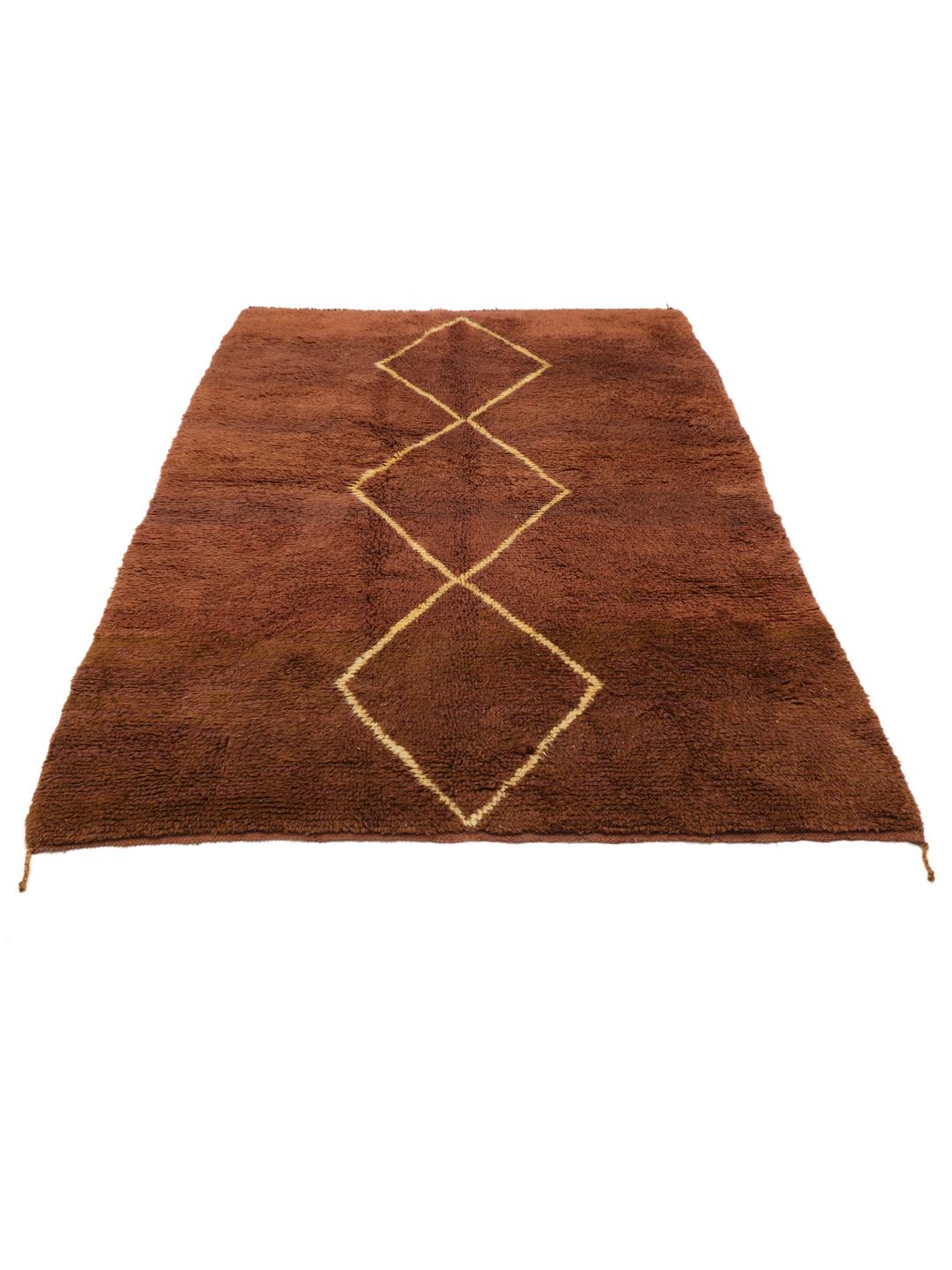
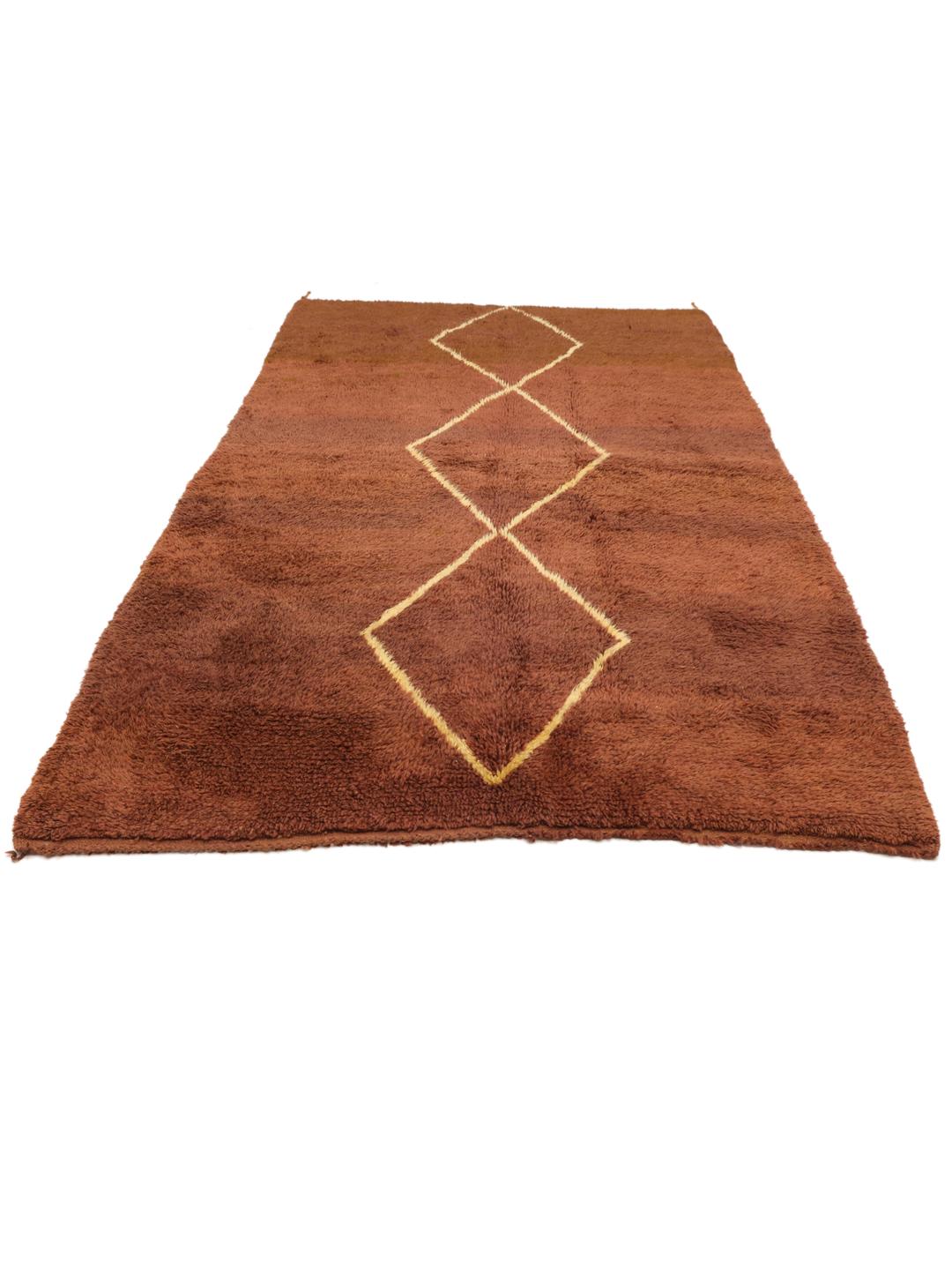
Visually, these rugs are celebrated for their minimalist, geometric language. The diamond motif seen here is a classic signature, often representing protection or fertility within the symbolic vocabulary of the weavers. The deep, natural brown tones are characteristic of the un-dyed or naturally sourced wools that have defined this aesthetic for centuries.
Collecting a Berber rug is an investment in cultural heritage. Because they are not mass-produced, each rug represents a personal expression of the weaver and the specific traditions of their tribe. Owning one is a way to connect with a practice that has remained largely unchanged by modern technology, preserving a human connection in your home.