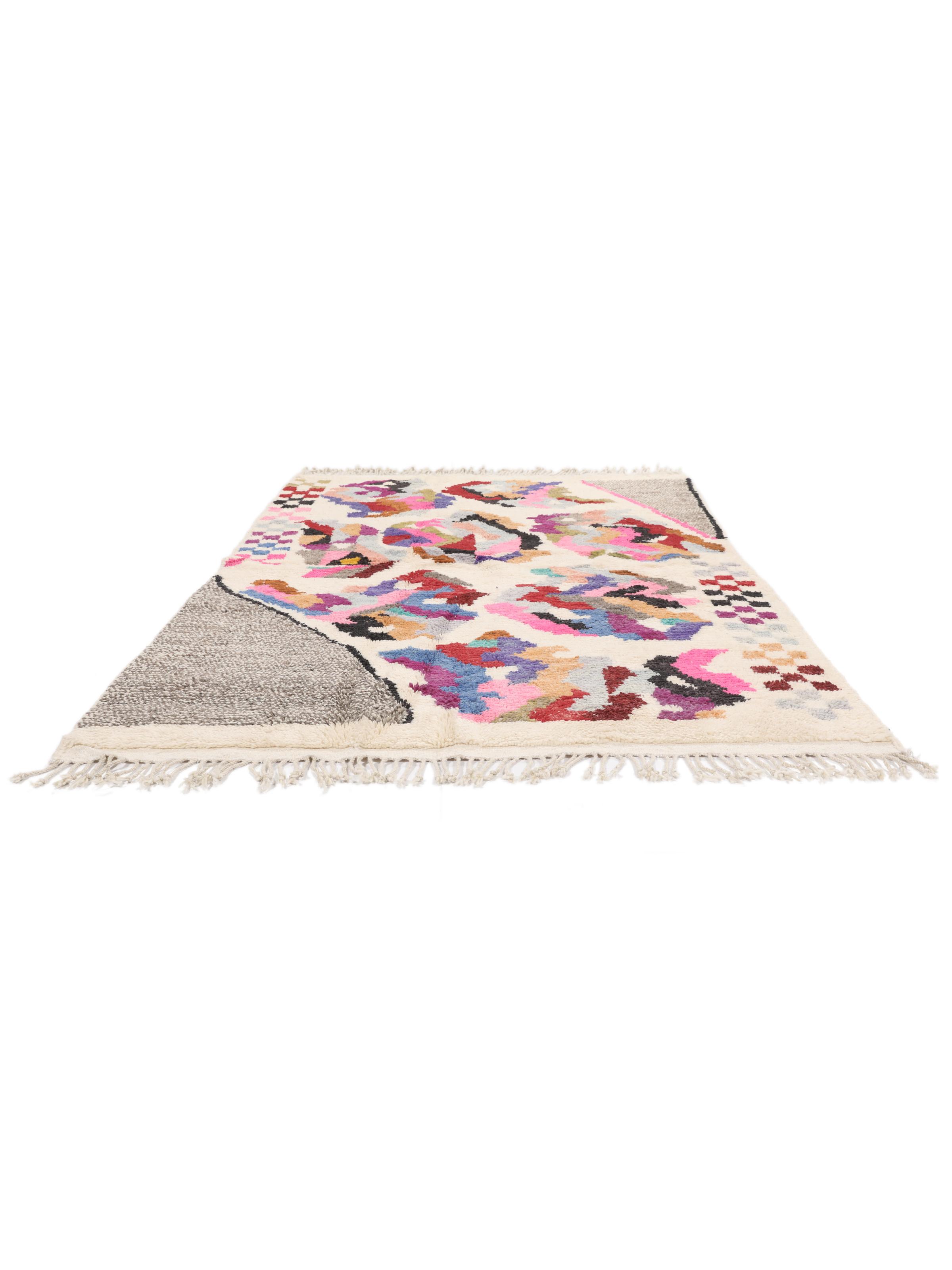
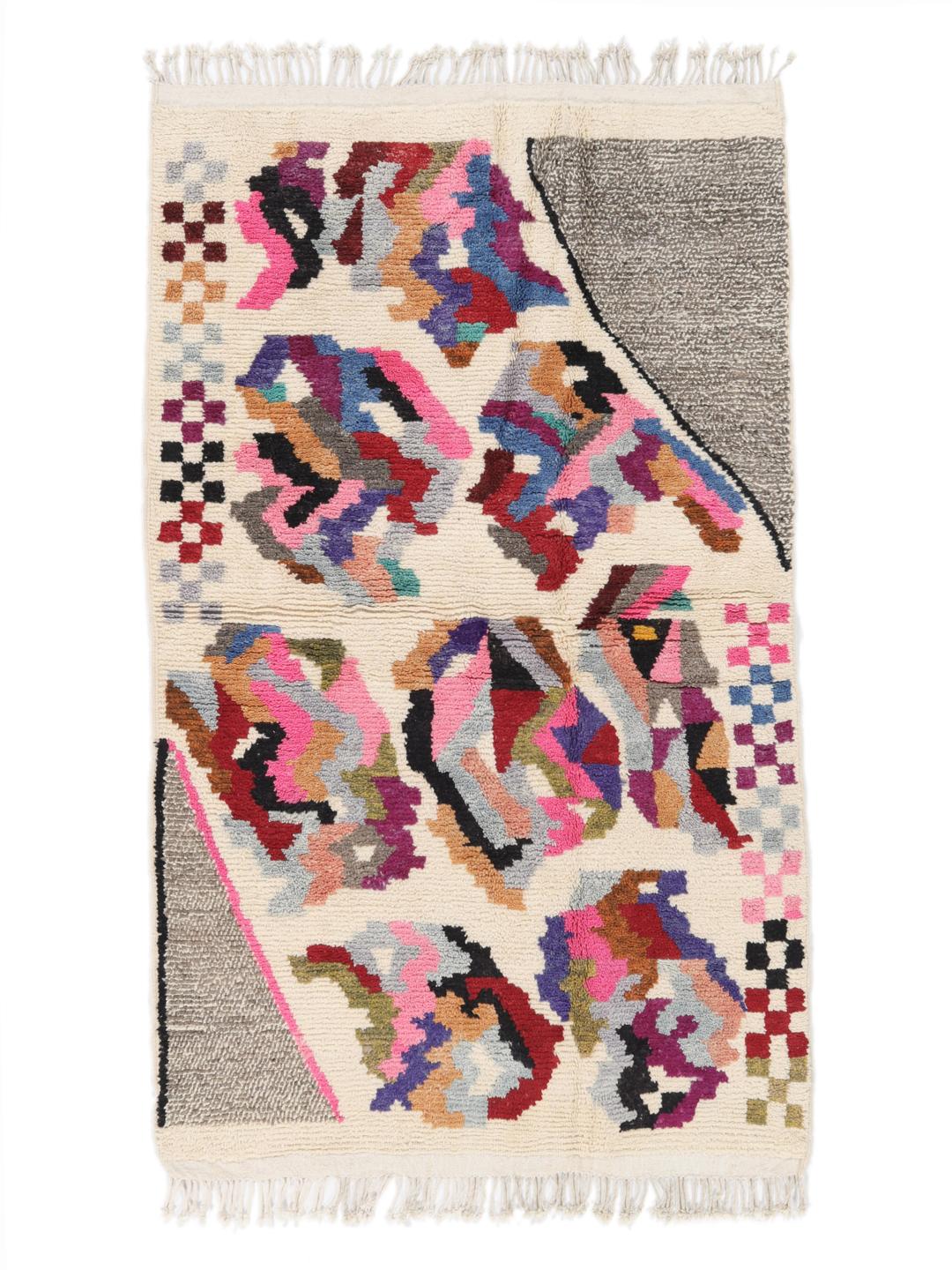
The Berber rugs of the Middle Atlas mountains in Morocco are among the most revered textile traditions in the world. For centuries, these rugs have been woven by indigenous tribes, serving as vital household items that provided warmth during cold mountain winters and functioned as comfortable sleeping mats or decorative wall hangings.
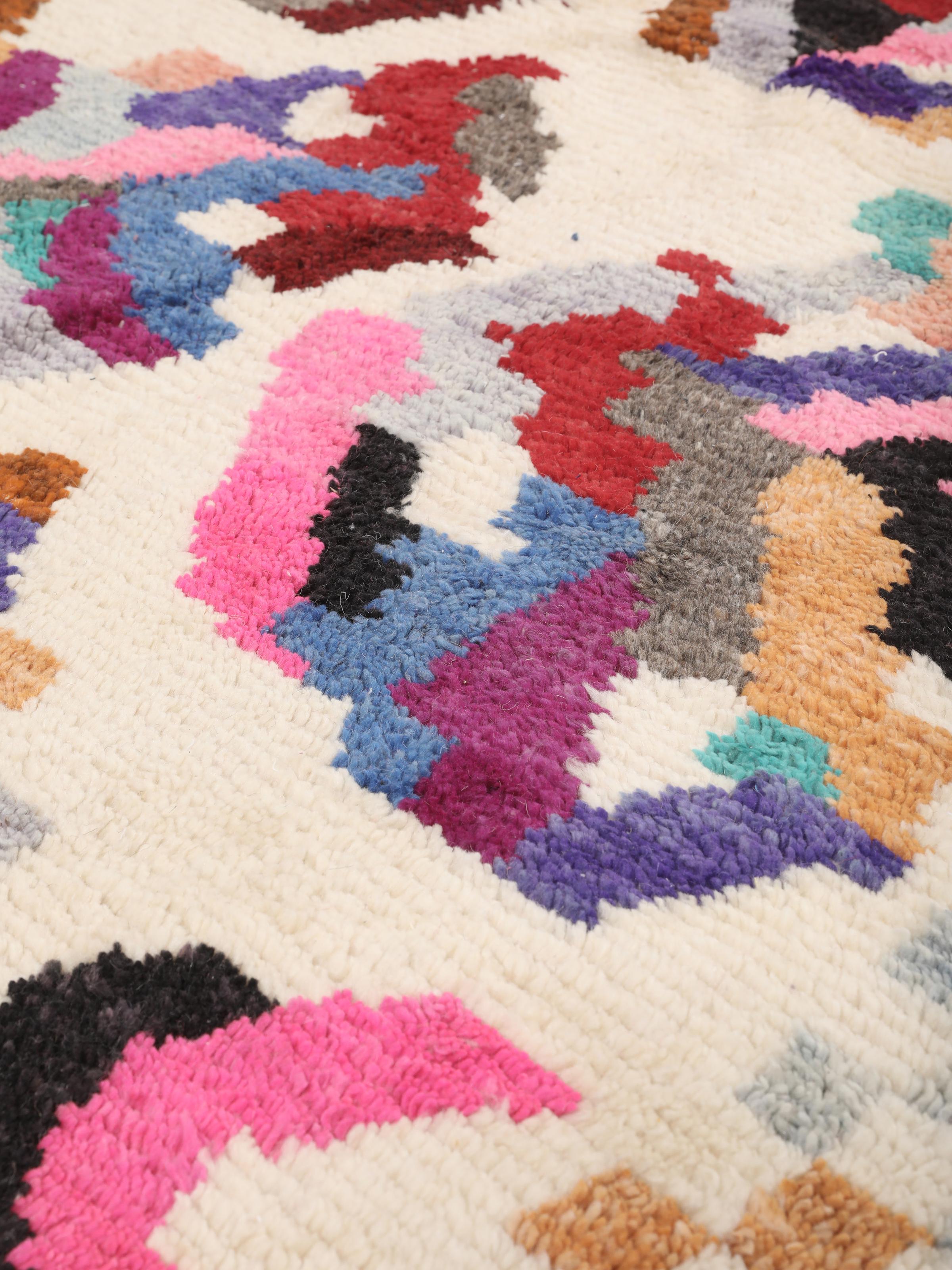
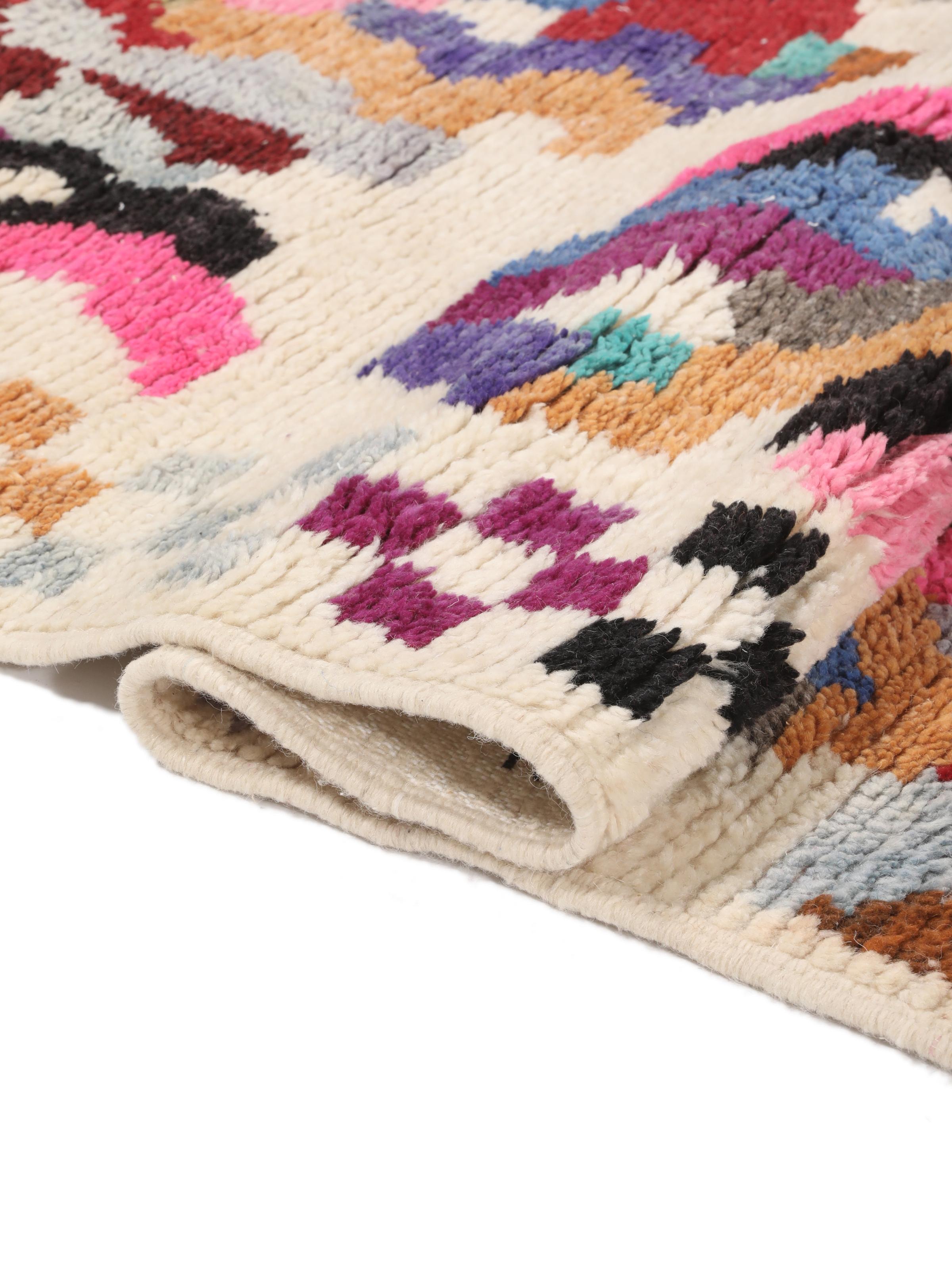
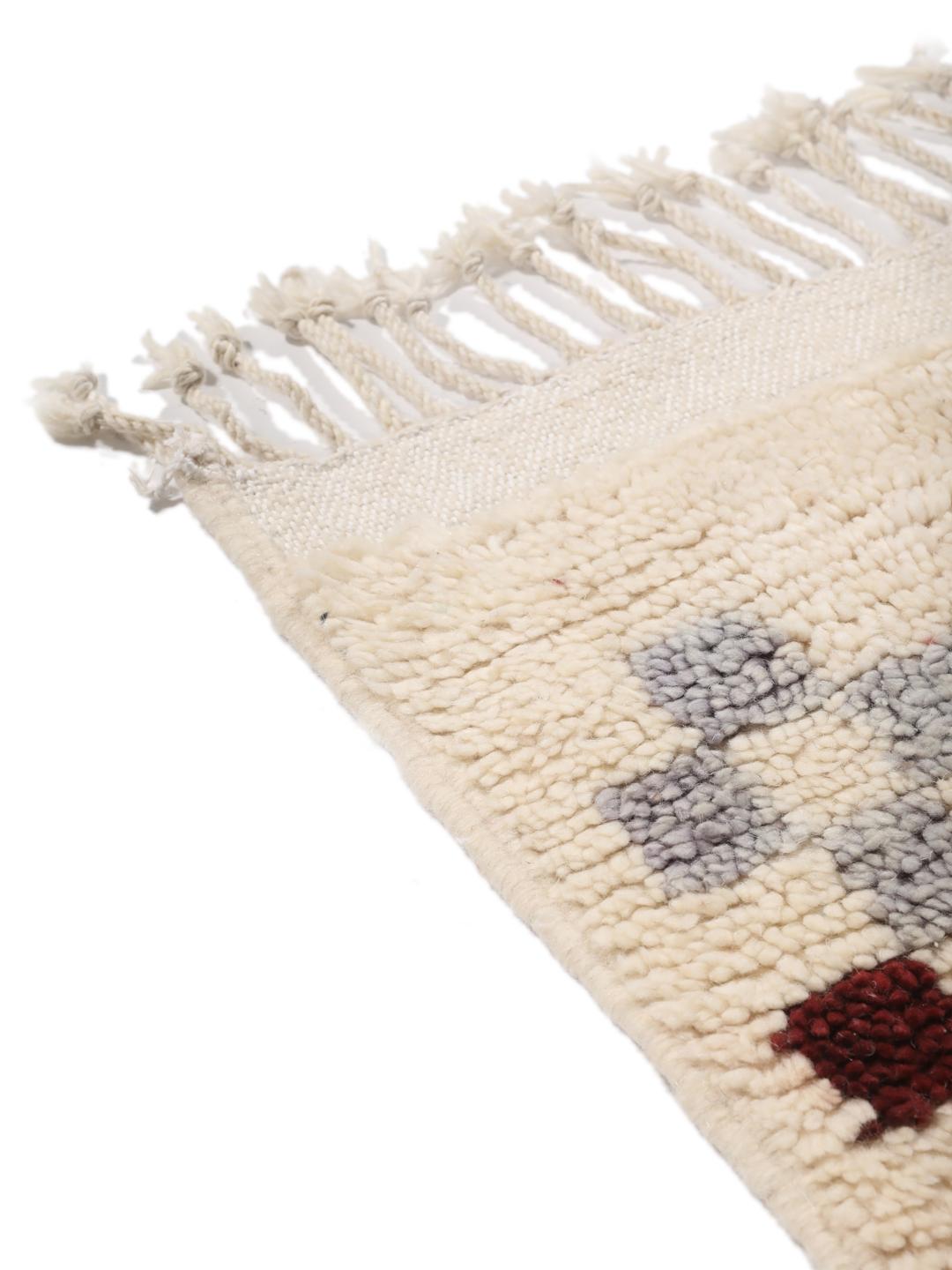
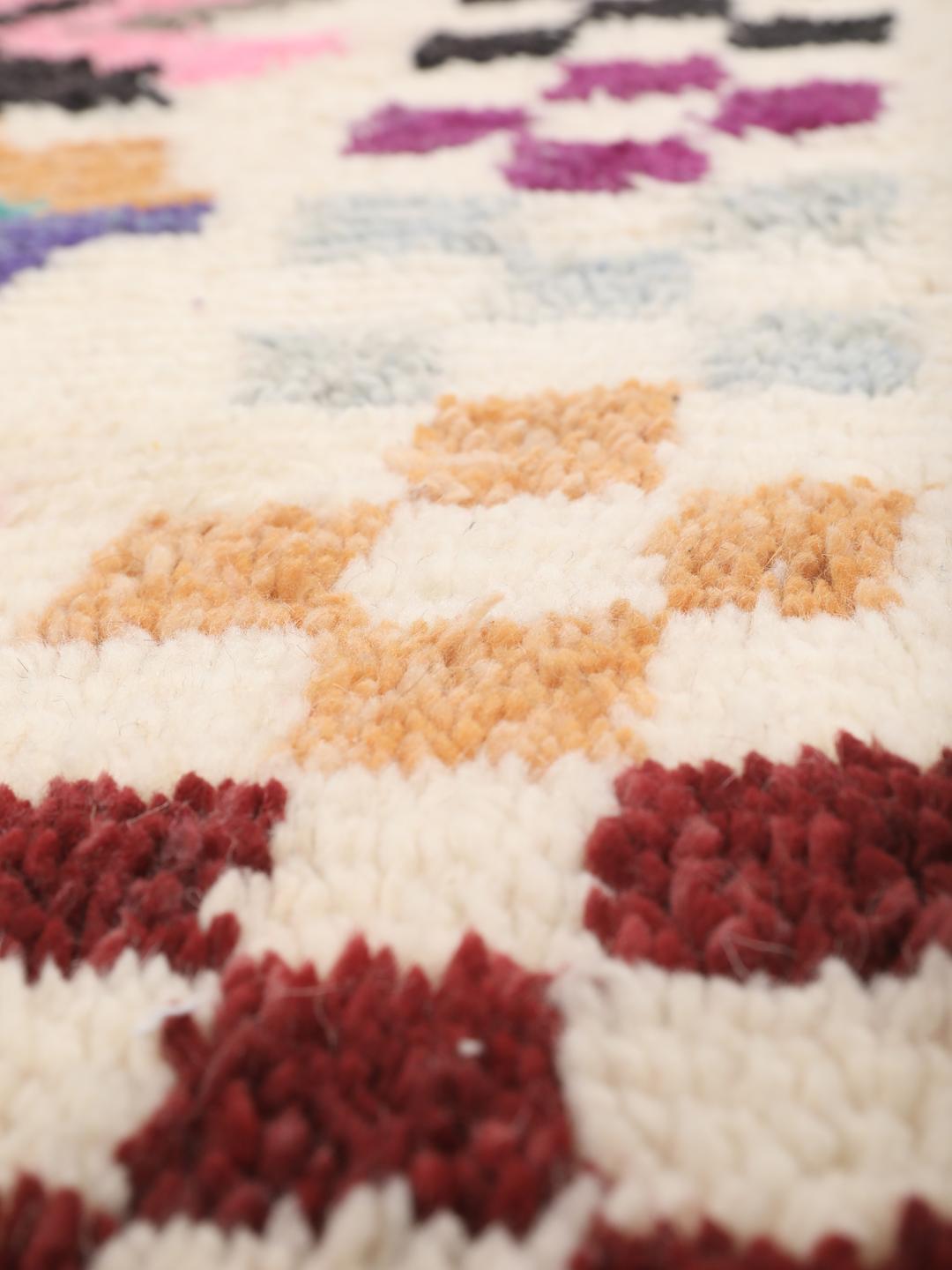
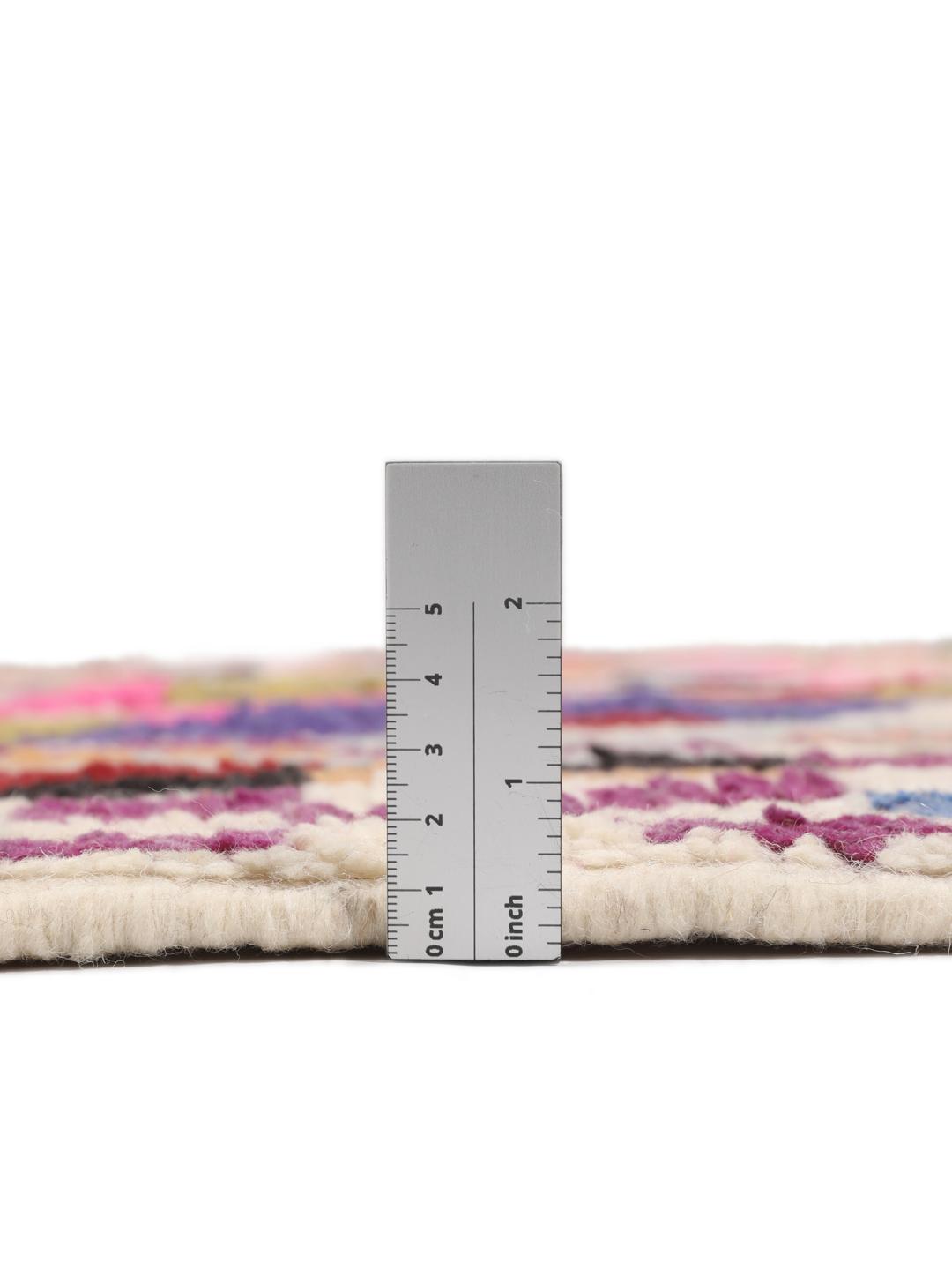
The term Beni Ourain refers to the specific tribal groups known for their exceptional mastery of wool. These weavers traditionally use high-quality, long-staple wool, which results in a pile that is naturally lustrous, resilient, and exceptionally soft to the touch. This material quality is a hallmark of the tradition, ensuring that the rugs retain their shape and beauty through generations of use.
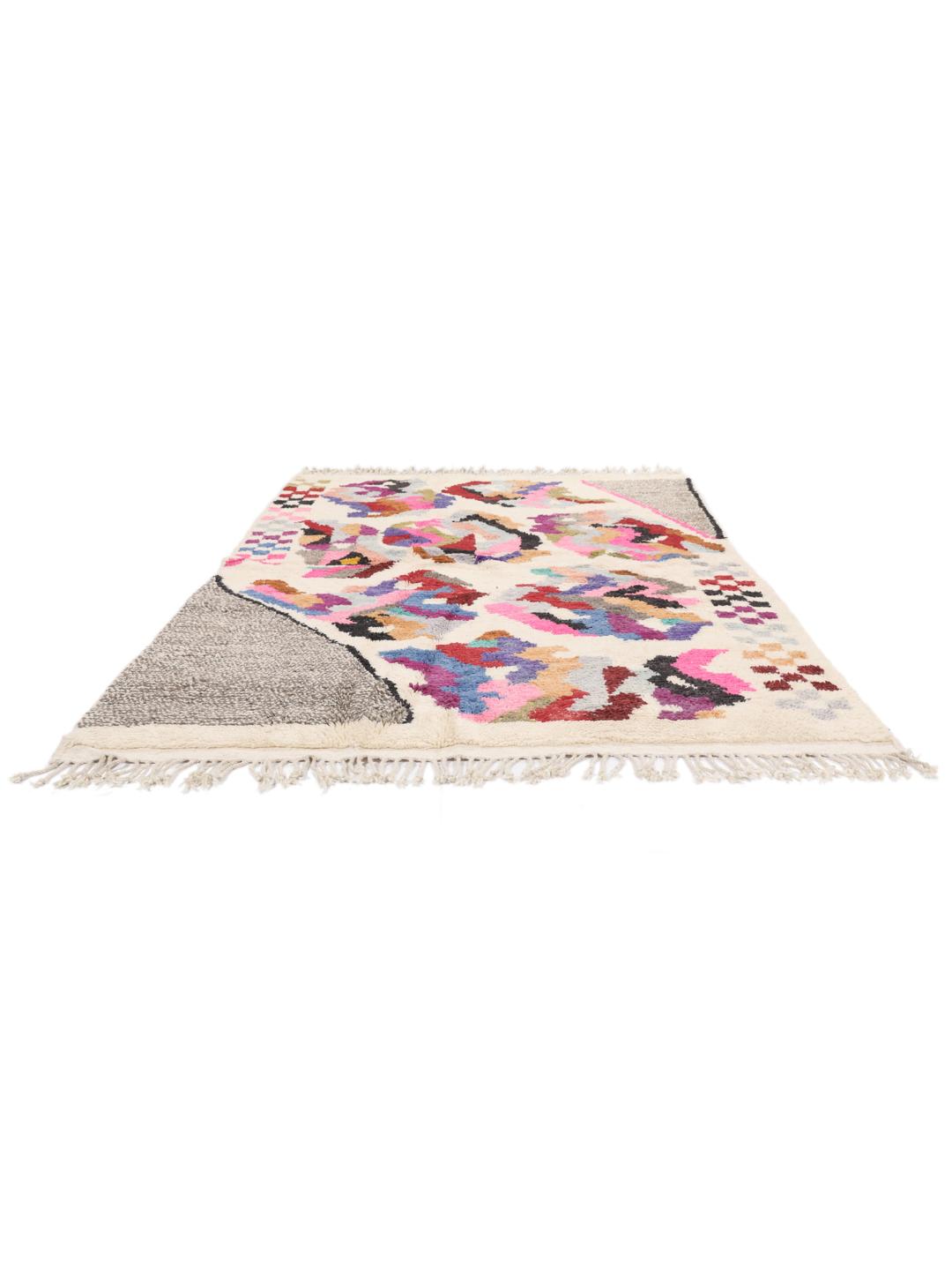
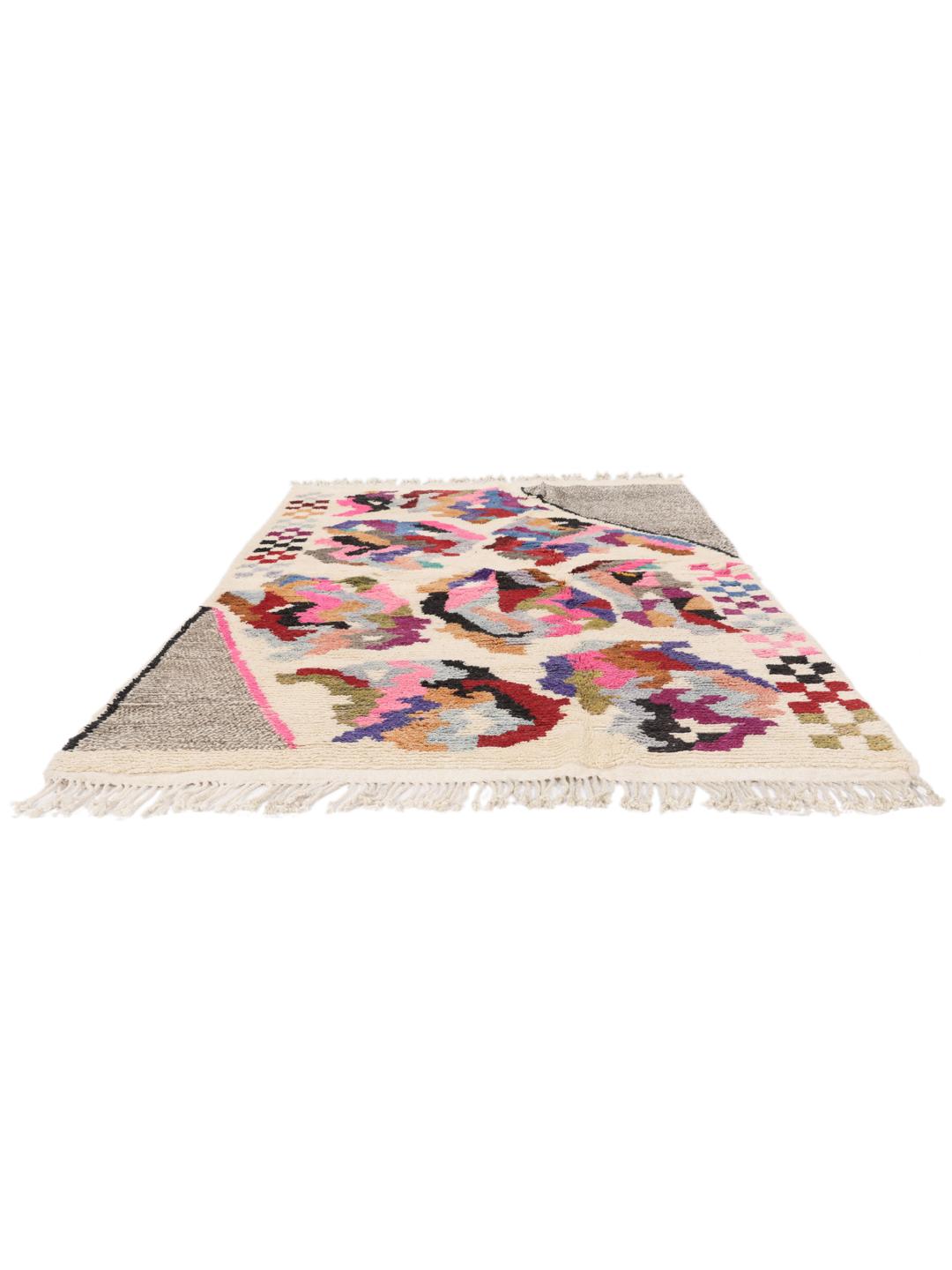
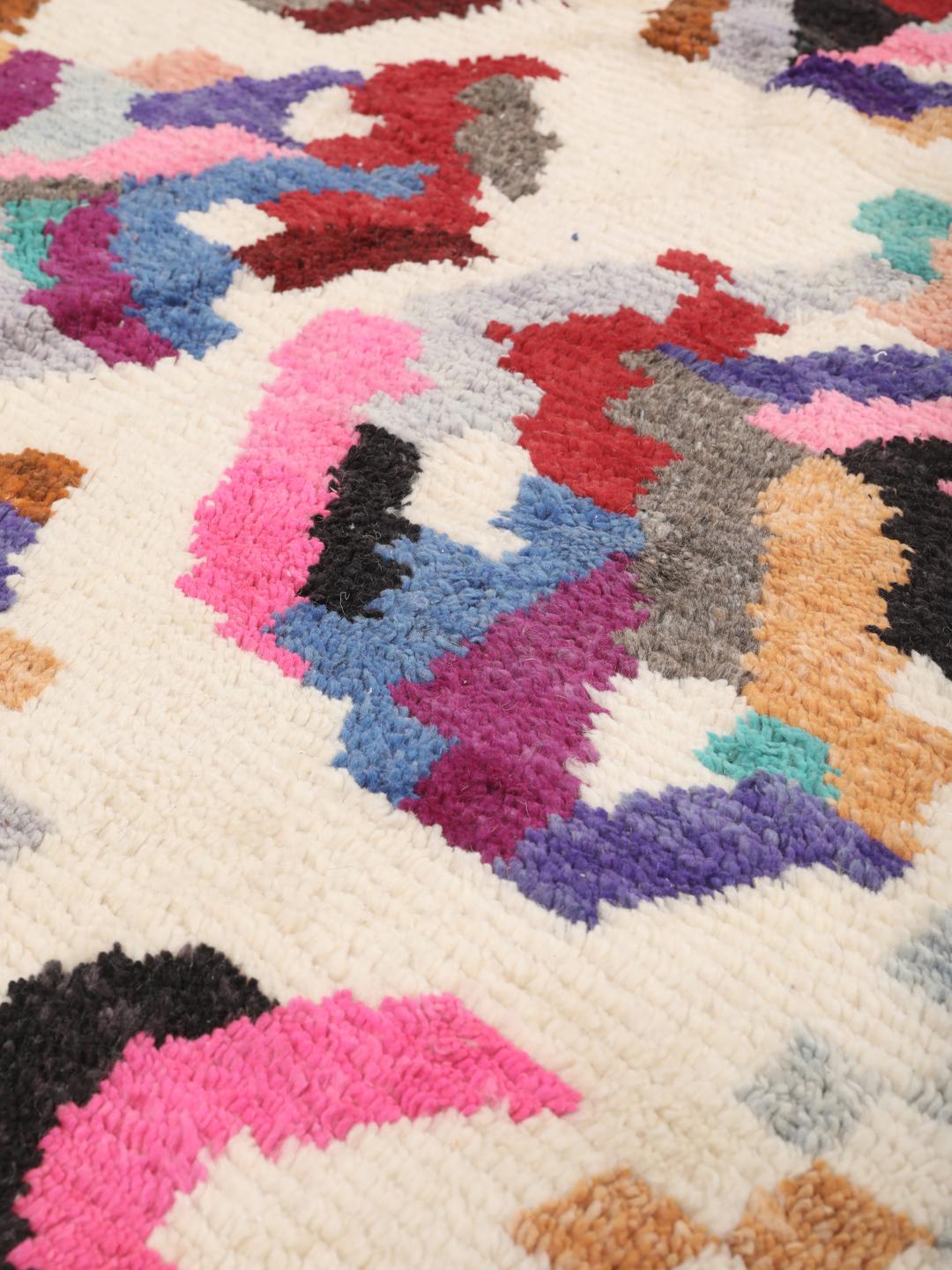
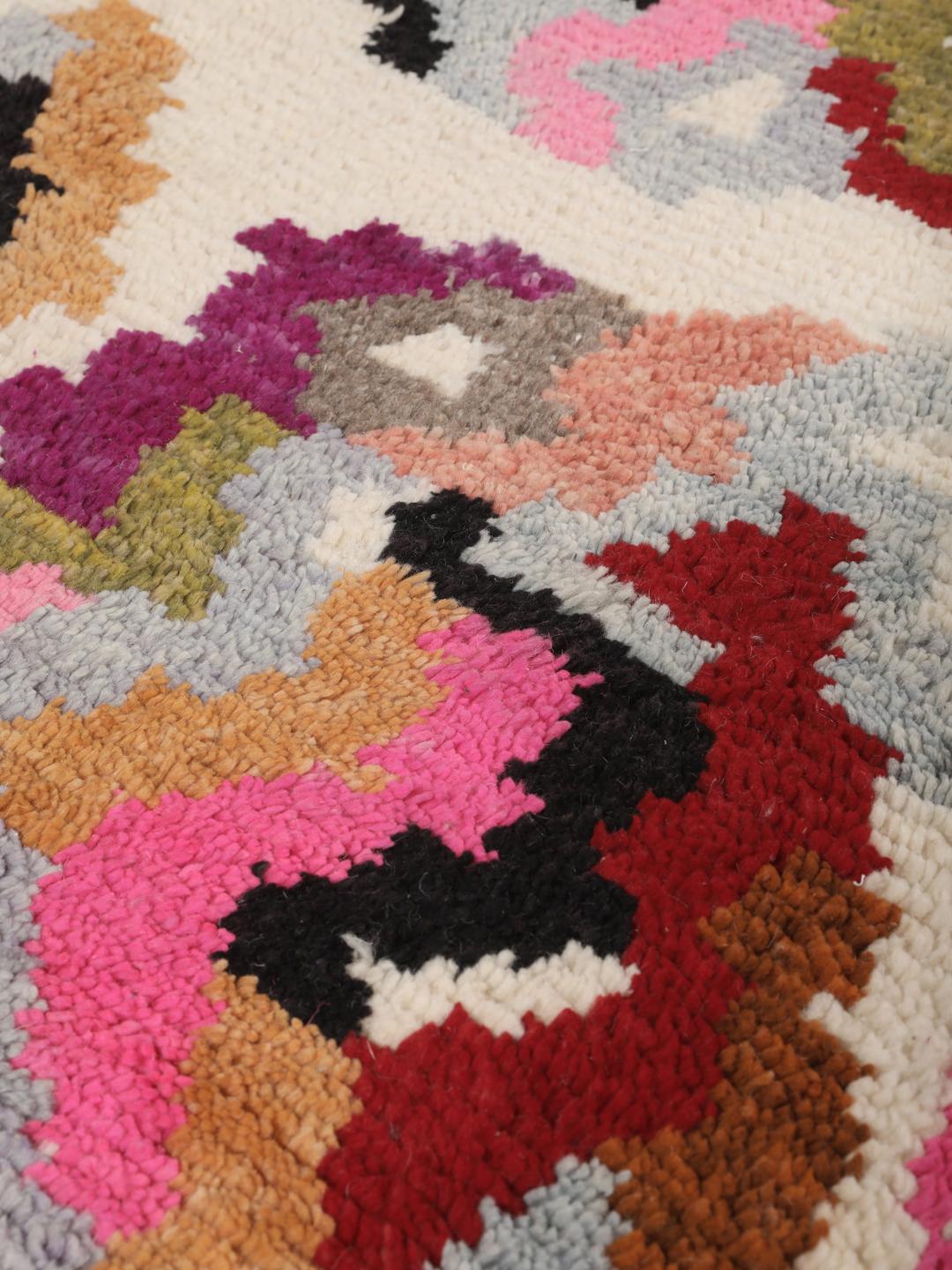
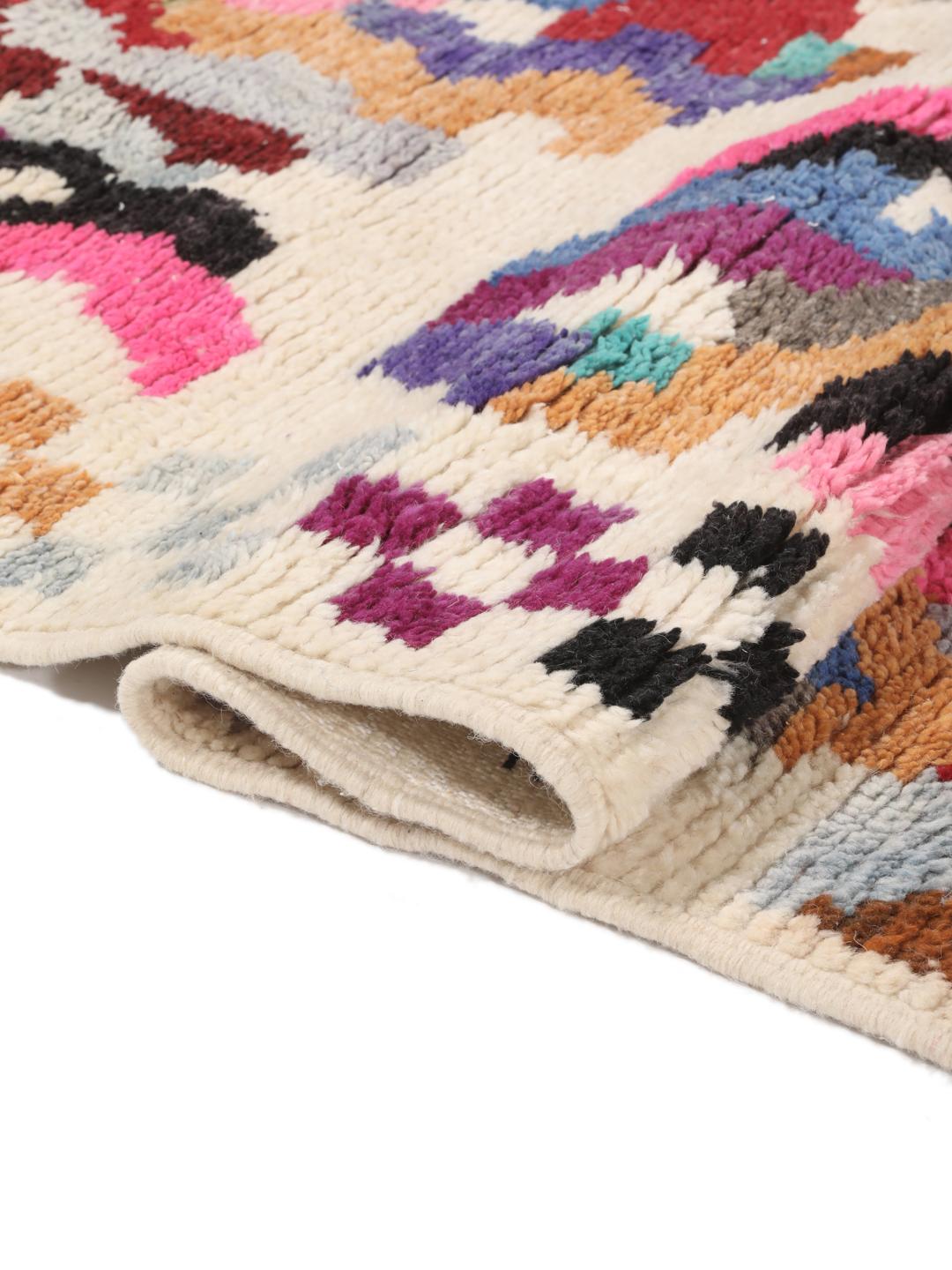
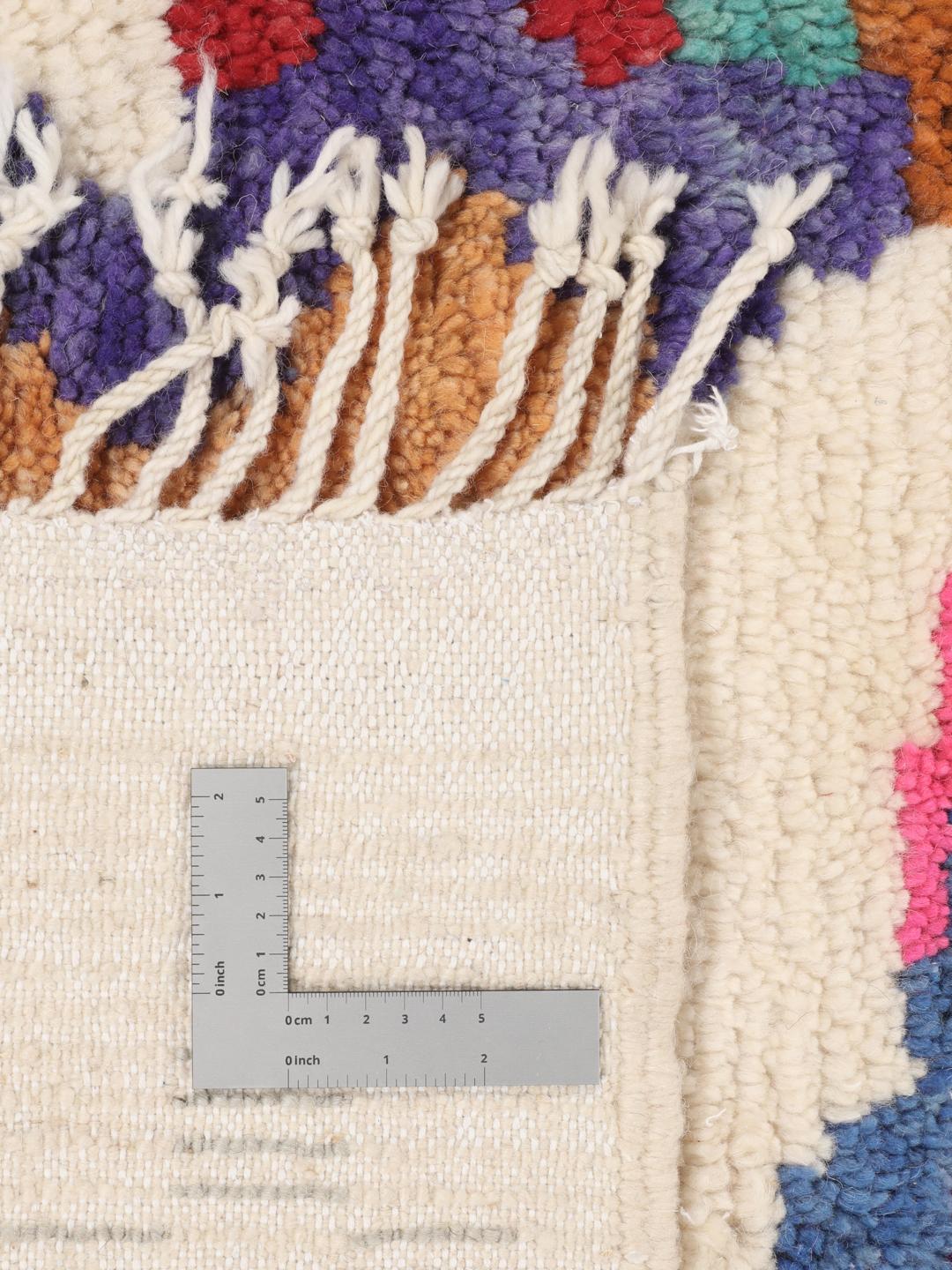
Visually, these rugs are defined by a language of abstract symbols and geometric motifs. While some traditional pieces are known for their minimalist, monochromatic palette, others like this one incorporate vibrant, expressive colours and playful shapes that reflect the weaver's personal inspiration and the cultural history of their specific community.
Collecting a rug from this tradition is an investment in human heritage. Each piece acts as a historical record, with patterns often passed down through families and interpreted by each generation. Owning one is a way to preserve this ancient craft, celebrating the skill and cultural narrative embedded in every thread.