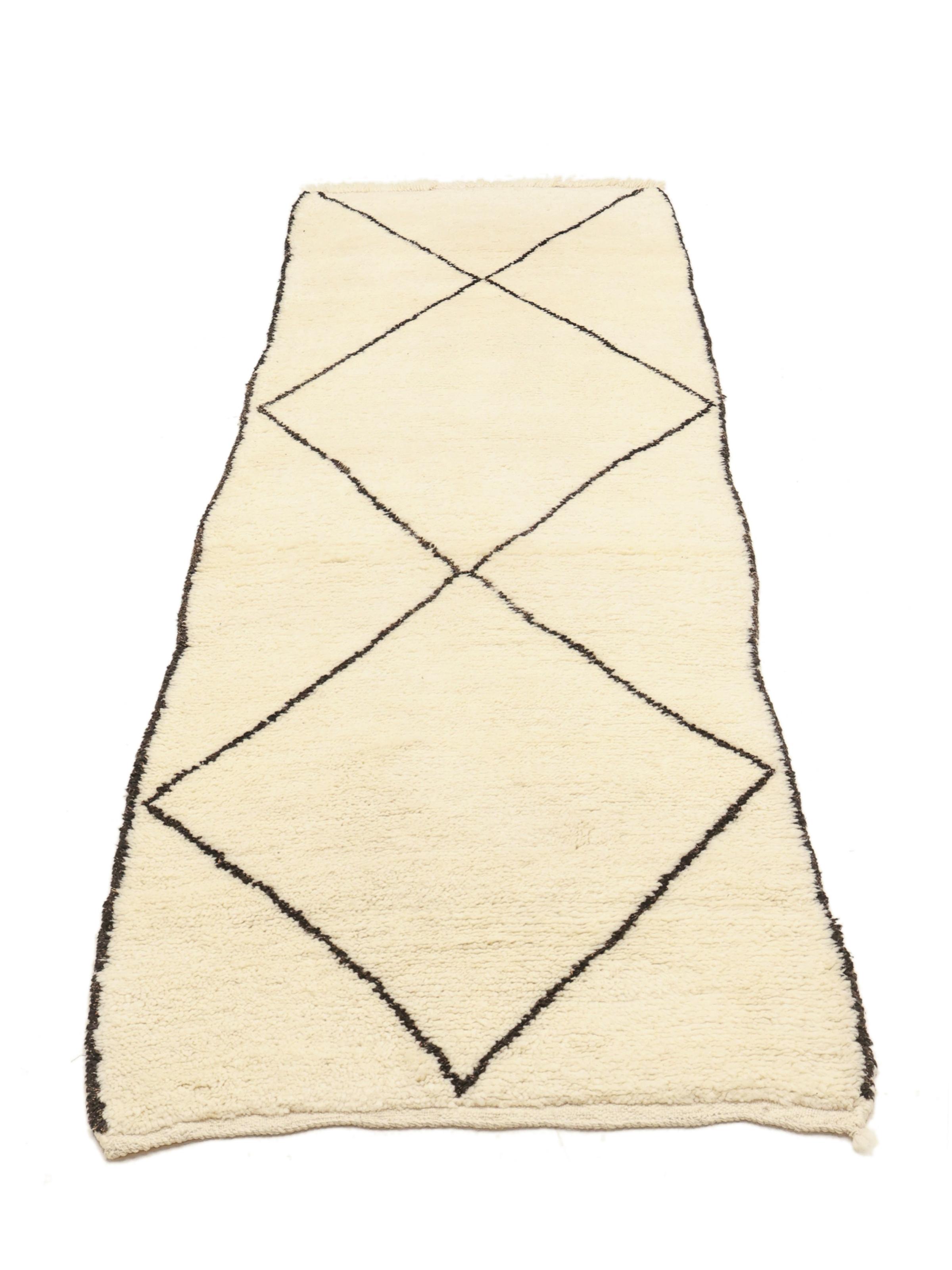
The origins of these rugs trace back to the Berber tribes of the Middle Atlas mountains in Morocco. For generations, these communities have woven rugs not merely as floor coverings, but as essential household items designed to provide warmth and protection against the harsh, cold climates of the high mountain regions. This tradition is deeply embedded in the social and cultural fabric of the tribes, with designs often reflecting the weaver's personal stories and environment.
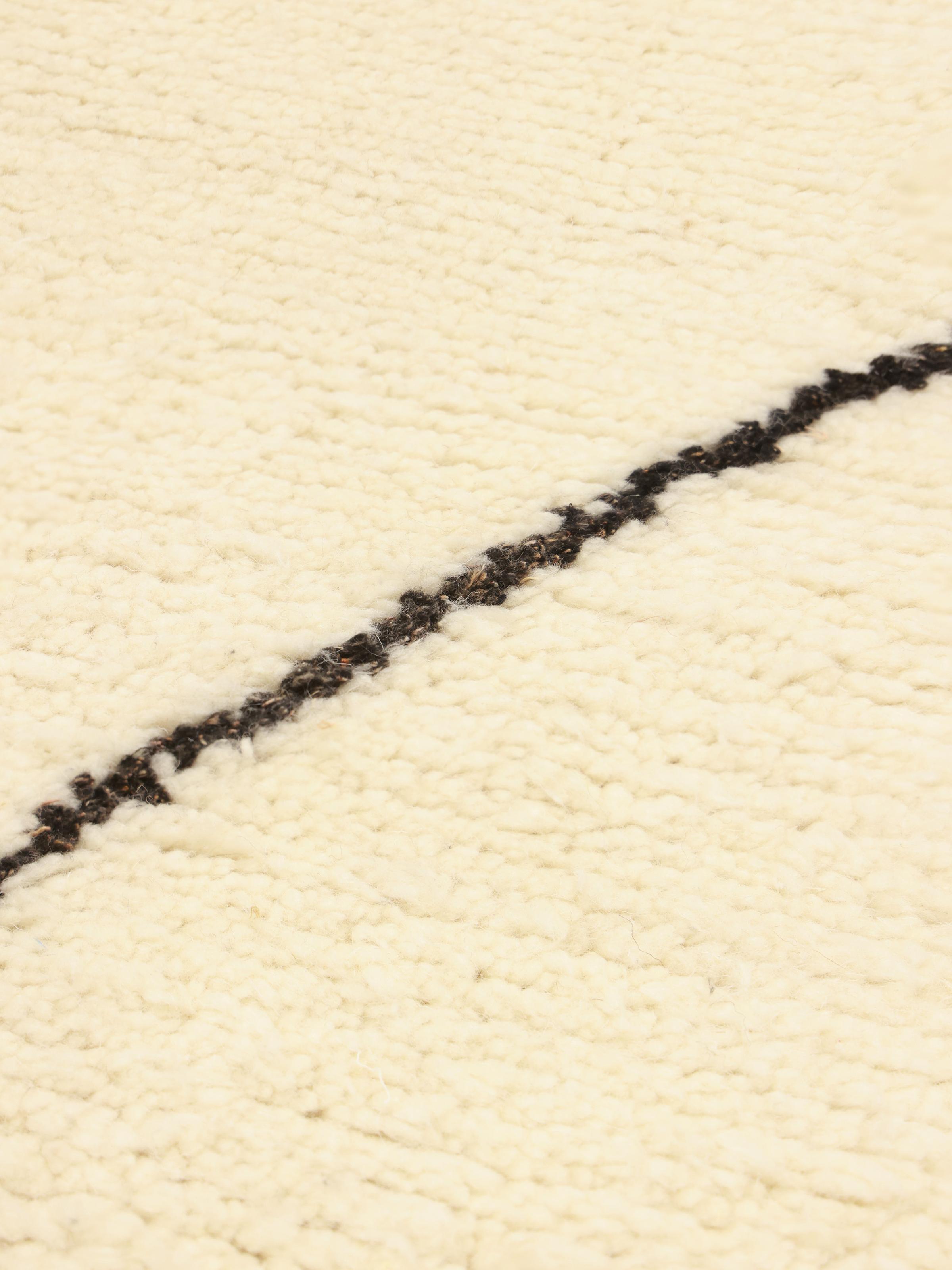
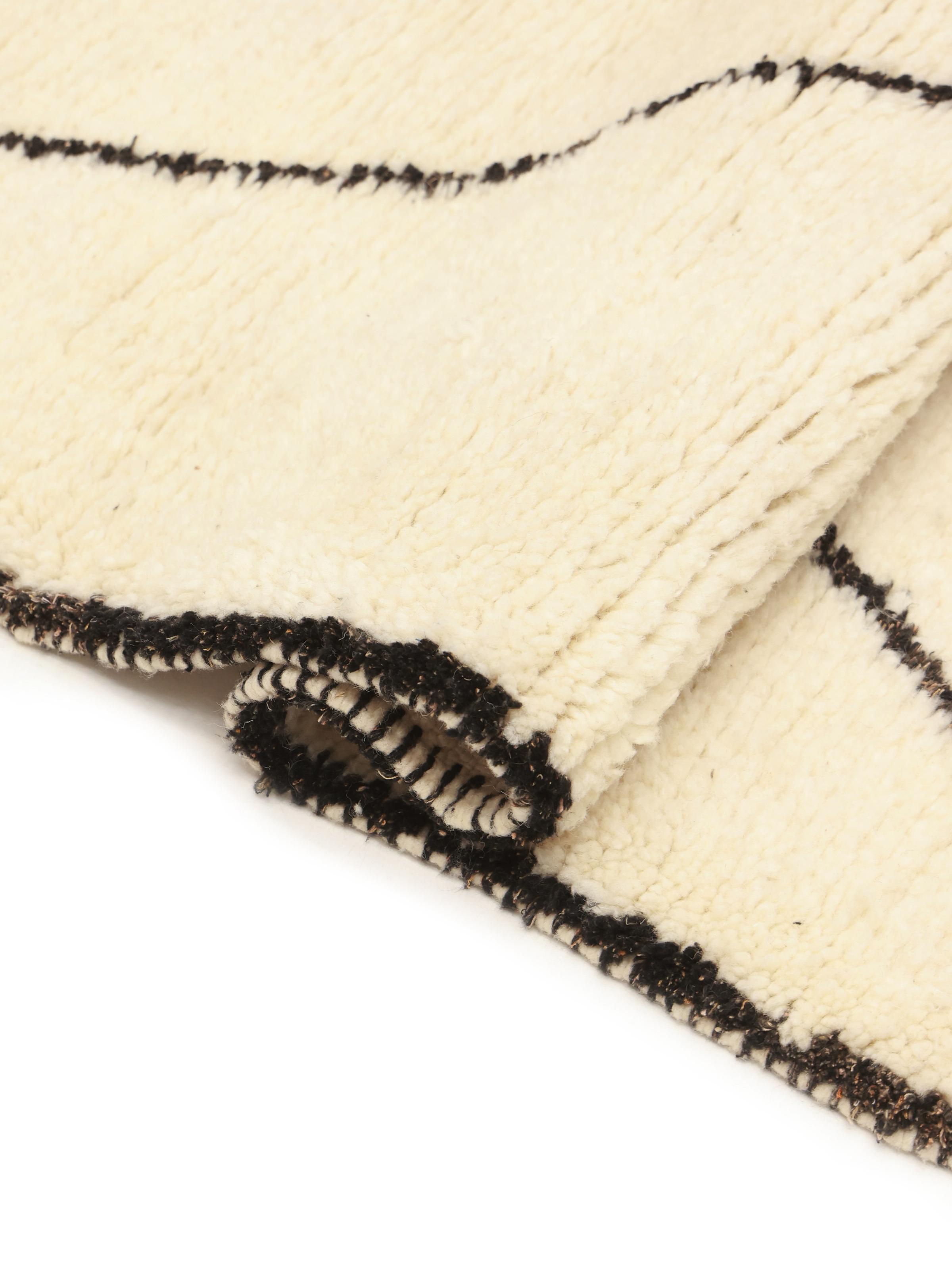
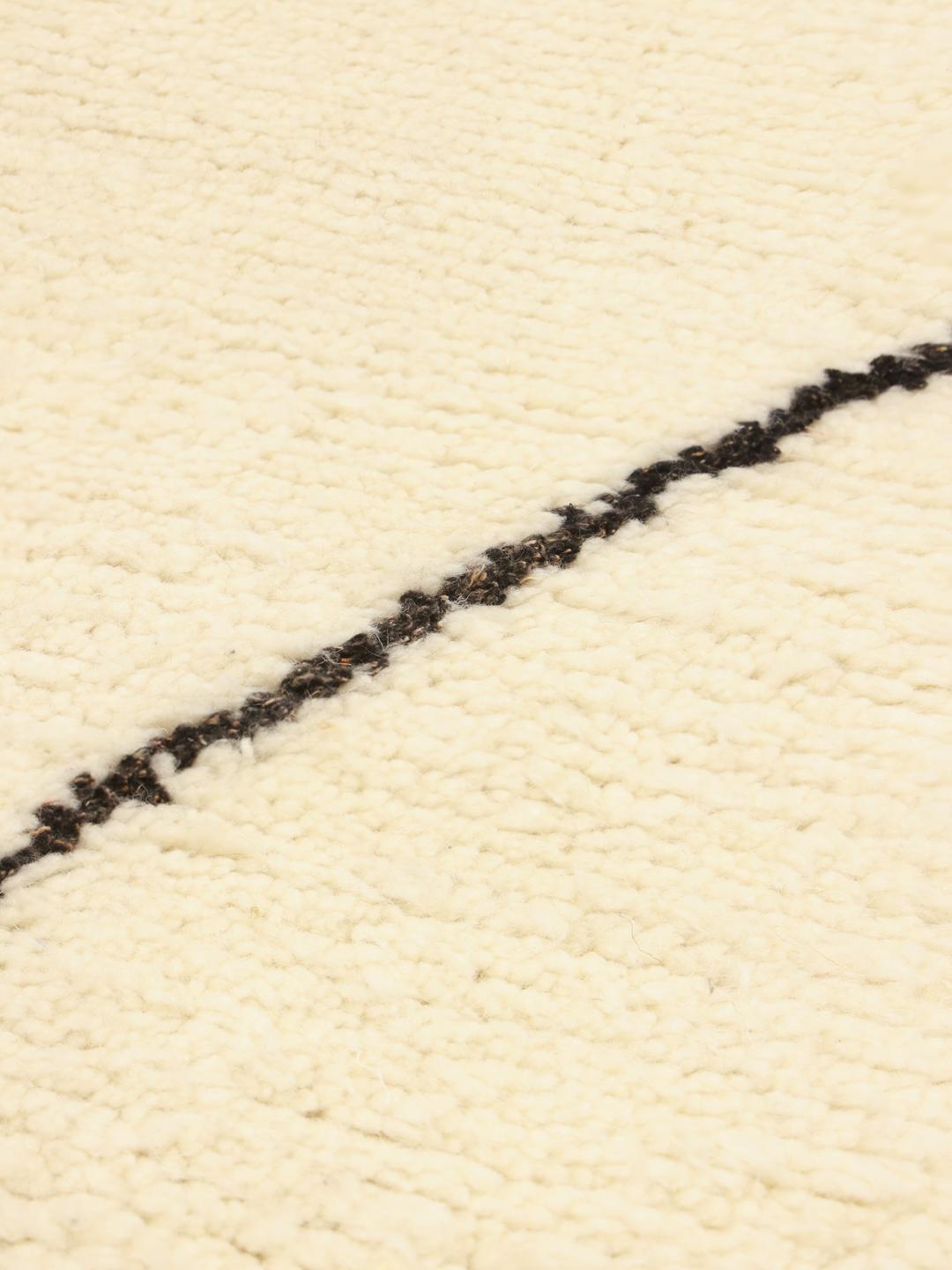
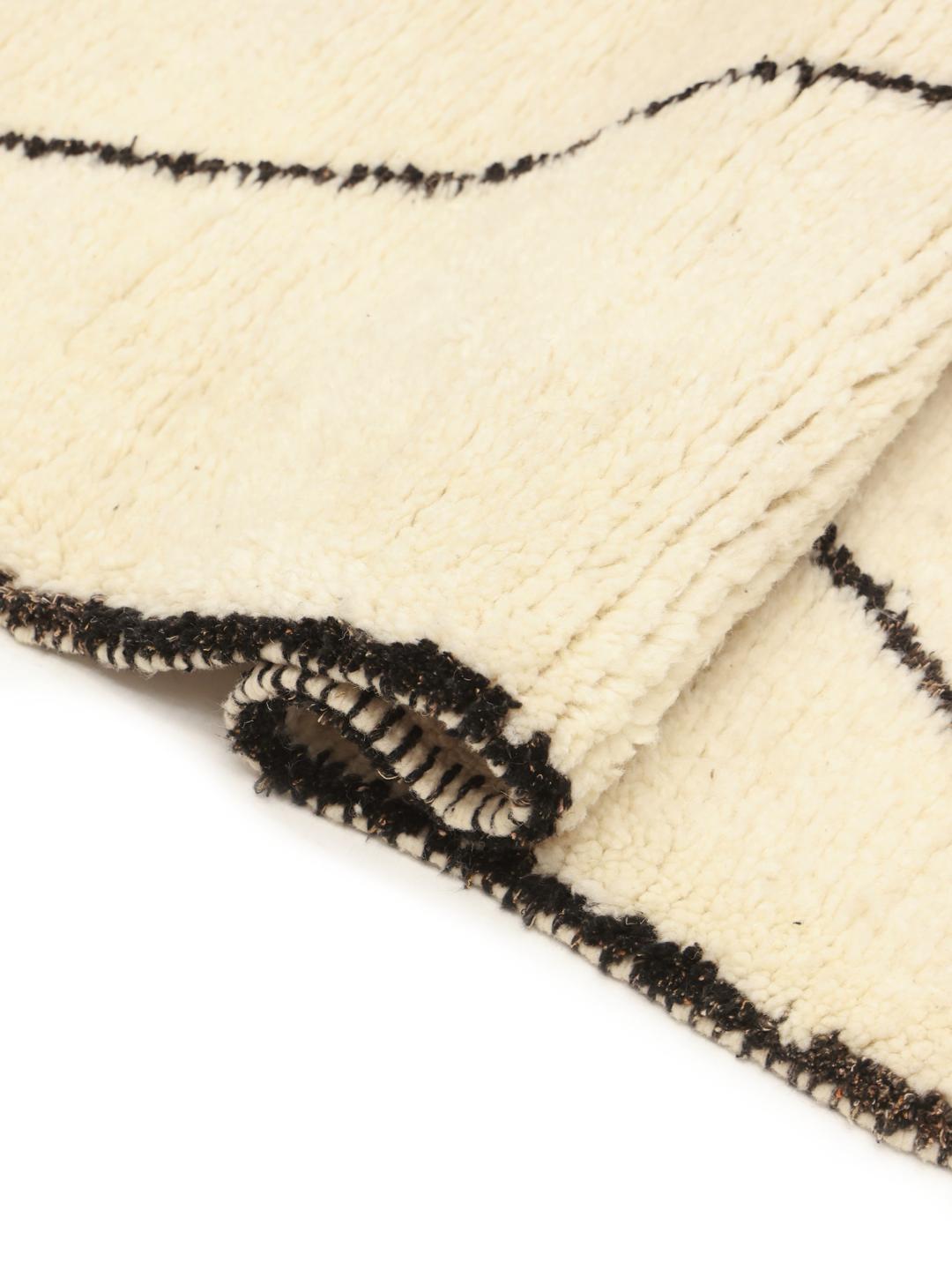
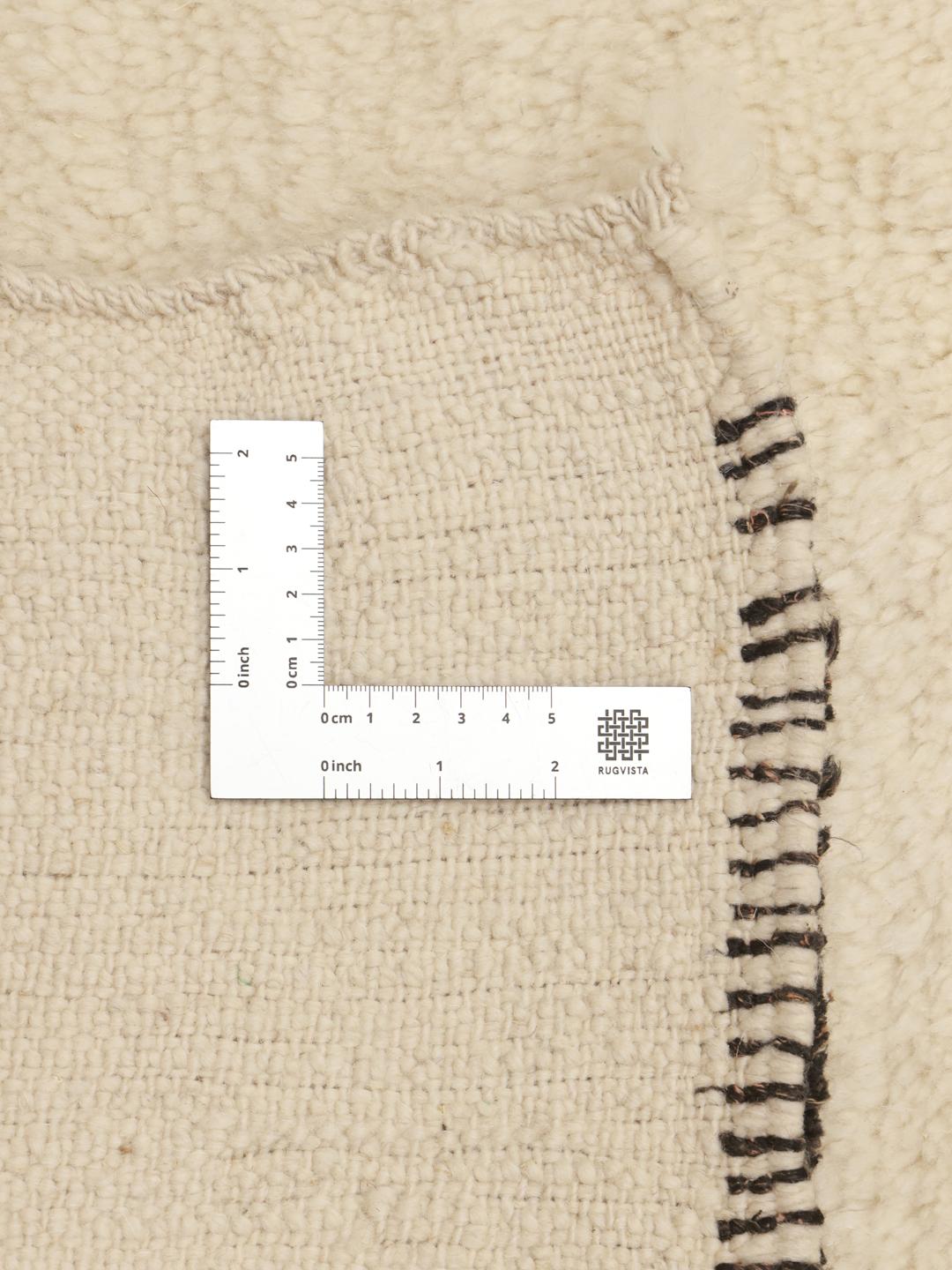
The term 'Beni Ourain' refers to a confederation of tribes whose weaving style is world-renowned for its simplicity and use of high-quality, un-dyed natural wool. The wool is prized for its long, lustrous fibres, which are carefully cleaned and spun by hand. This attention to raw material quality is a hallmark of the tradition, ensuring that the finished rugs remain soft, durable, and naturally resistant to dirt and wear.
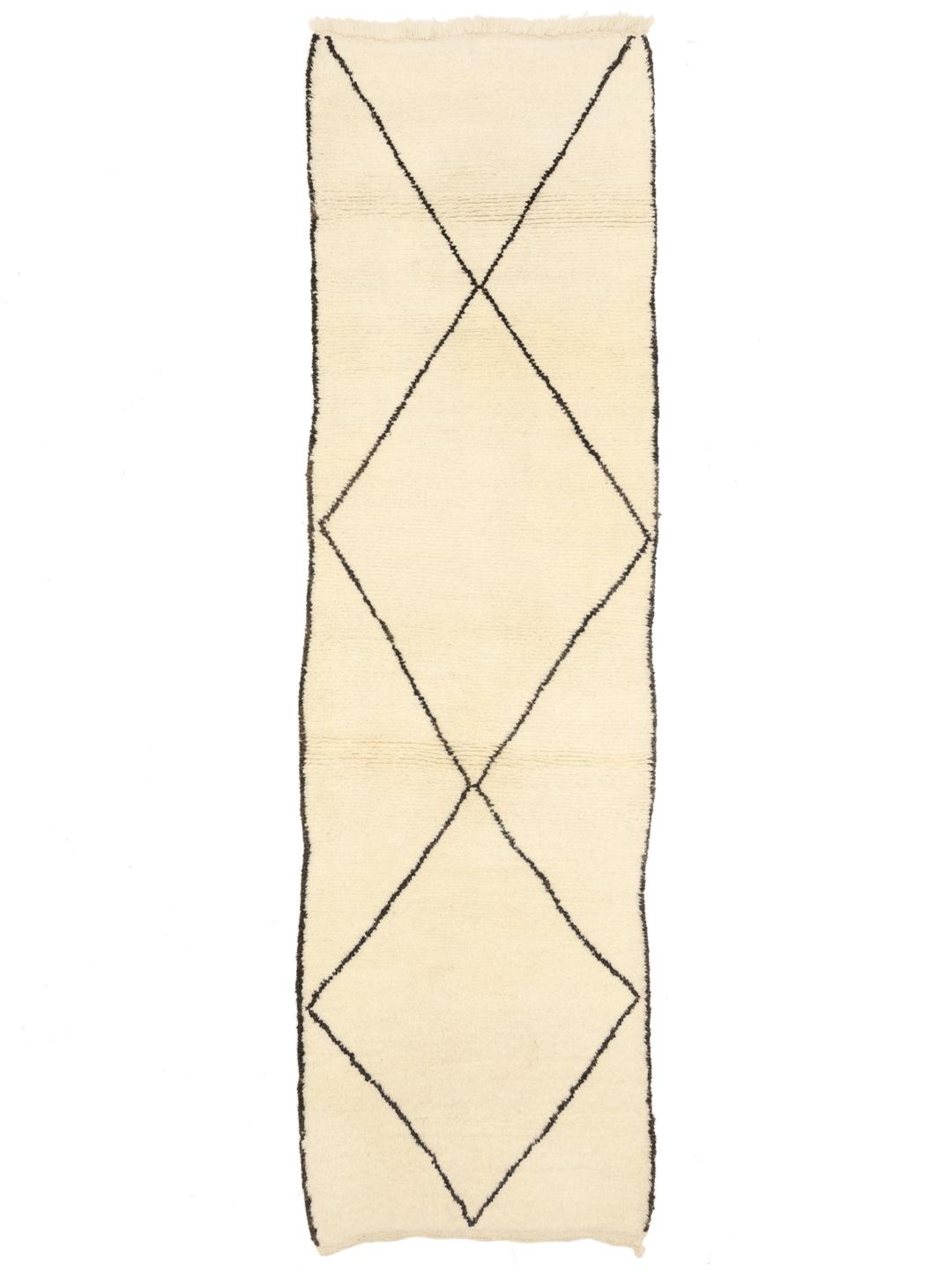
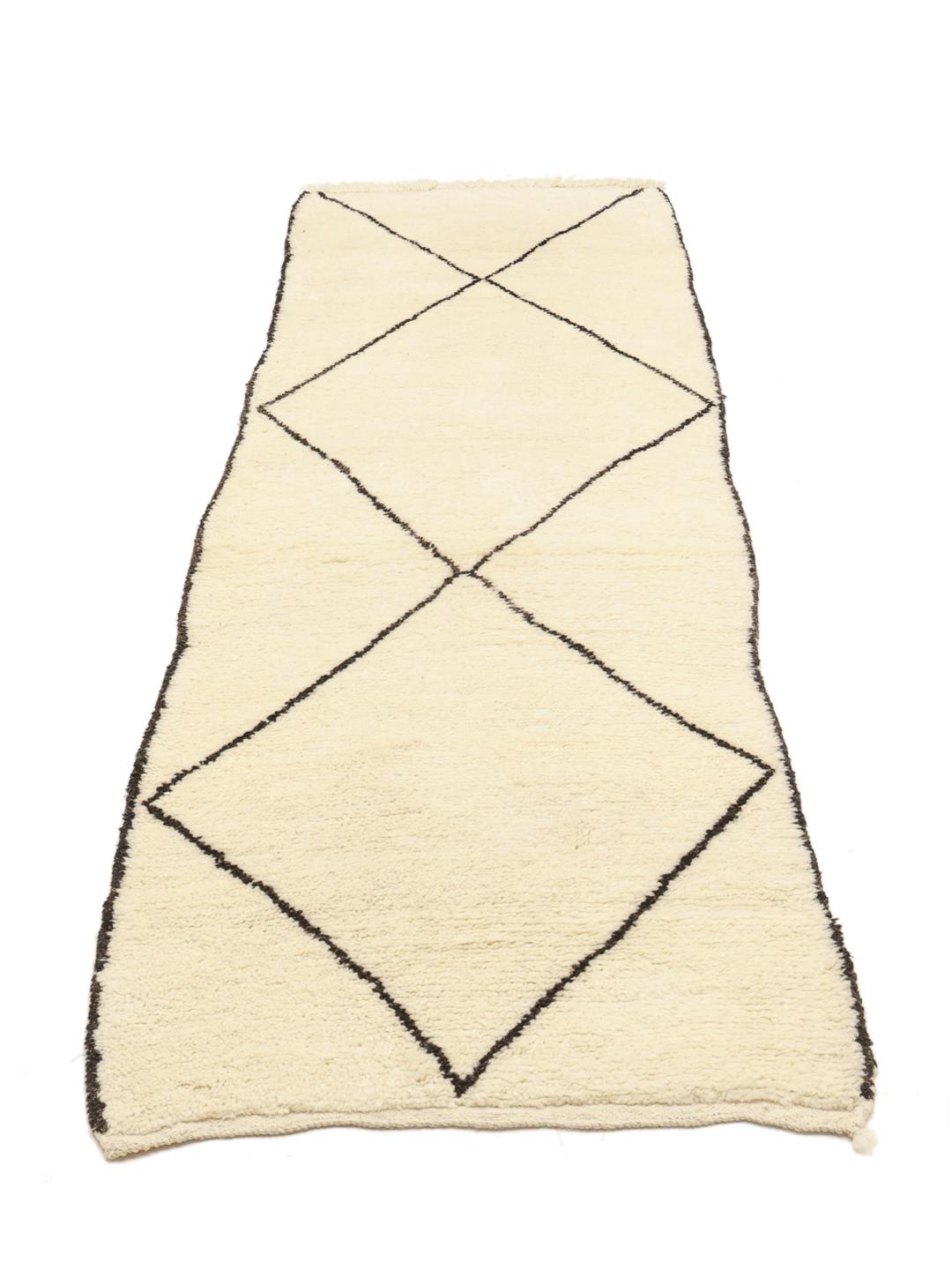
Visually, these rugs are defined by their minimalist aesthetic, typically featuring a neutral, creamy wool background adorned with dark, linear geometric shapes. The diamond motif is perhaps the most iconic, often interpreted as a symbol of protection or fertility within the tribal culture. These patterns are not strictly planned but often emerge organically as the weaver works, which is why no two rugs are ever identical.
Today, these rugs are highly sought after by collectors and interior designers for their timeless appeal and the stories they carry. Owning a genuine piece from this region connects you to a craft that has survived through centuries of migration and change. It is an investment in cultural heritage, representing a level of skill and authenticity that brings a sense of grounded, human history into a modern home.