The Berber rugs of the Middle Atlas mountains in Morocco represent one of the most enduring and storied weaving traditions in the world. For centuries, the indigenous Berber tribes have crafted these rugs not merely for their utility as floor coverings or bedding, but as deeply meaningful objects that tell the stories of their makers. These rugs are traditionally woven by women, who incorporate symbols, motifs, and patterns that reflect their personal experiences, beliefs, and the natural world surrounding their mountain homes.
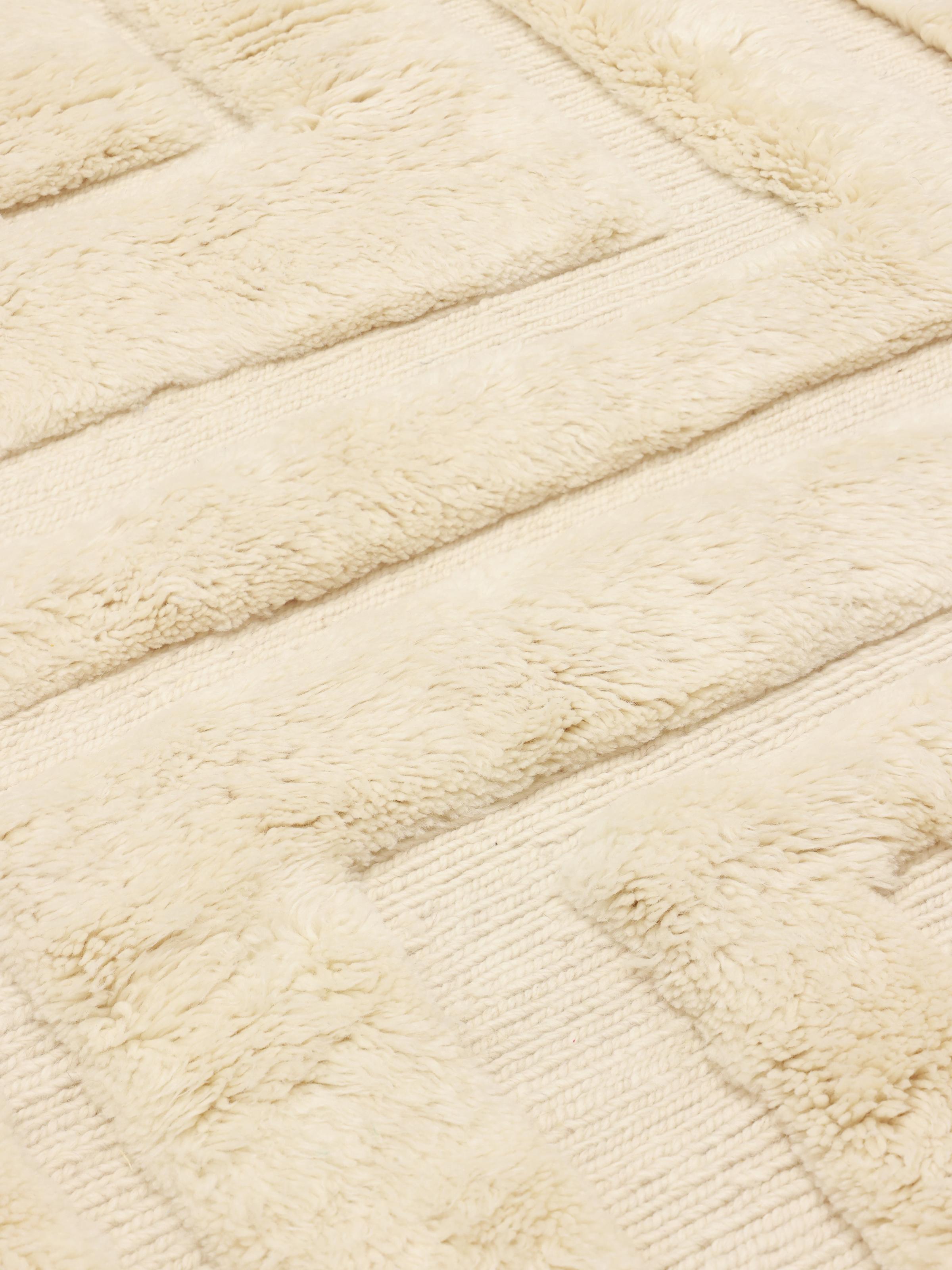
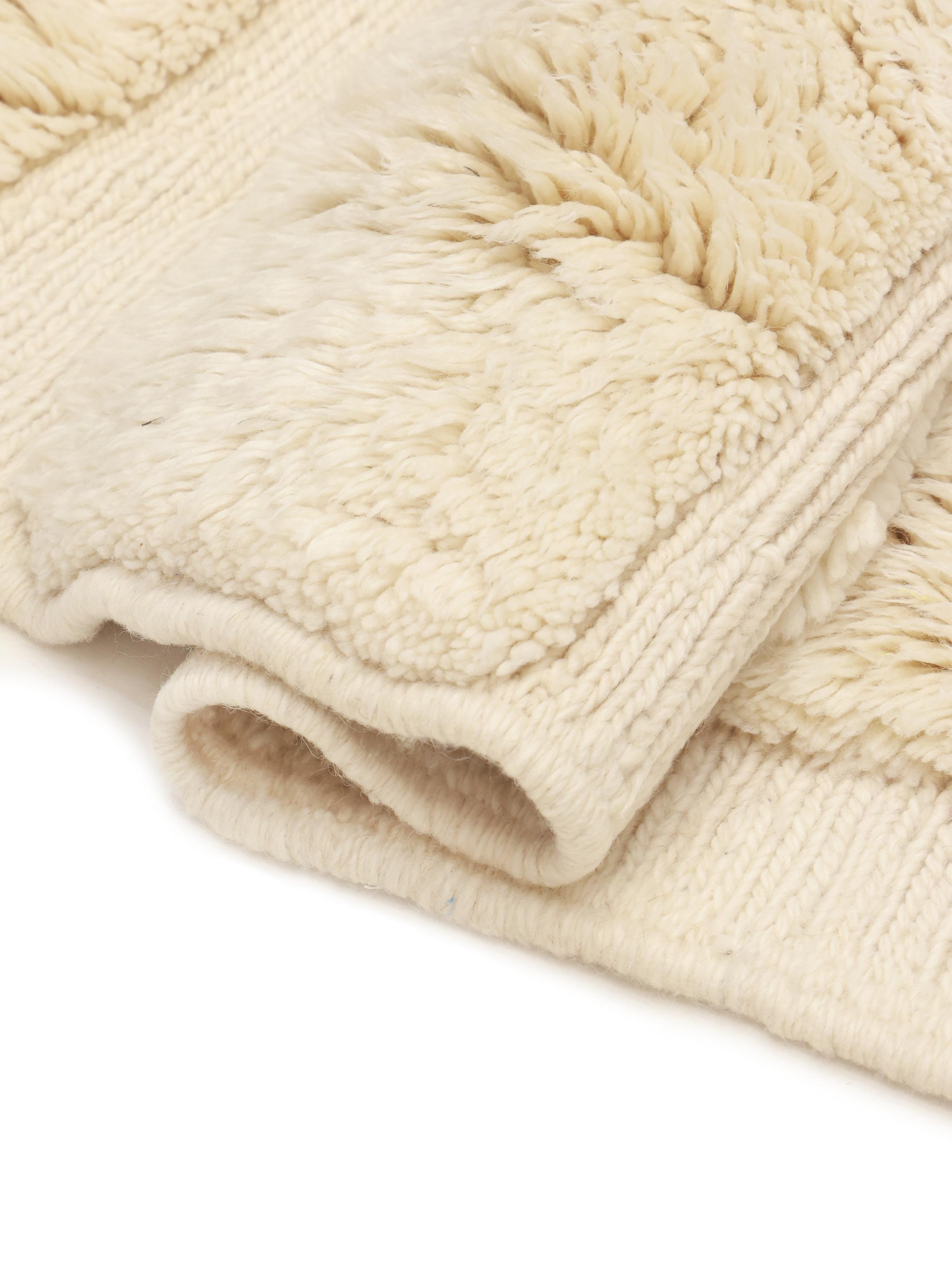
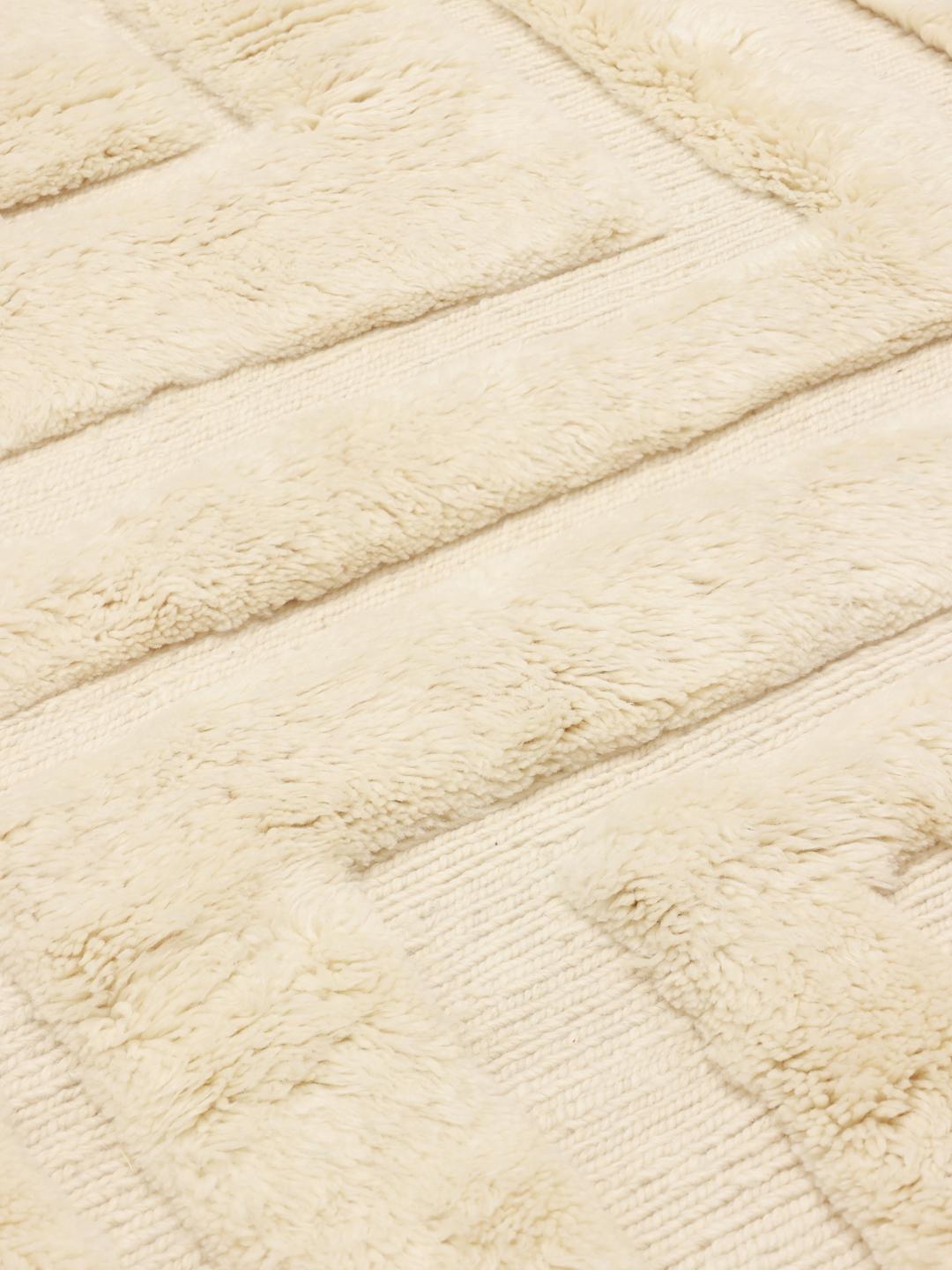
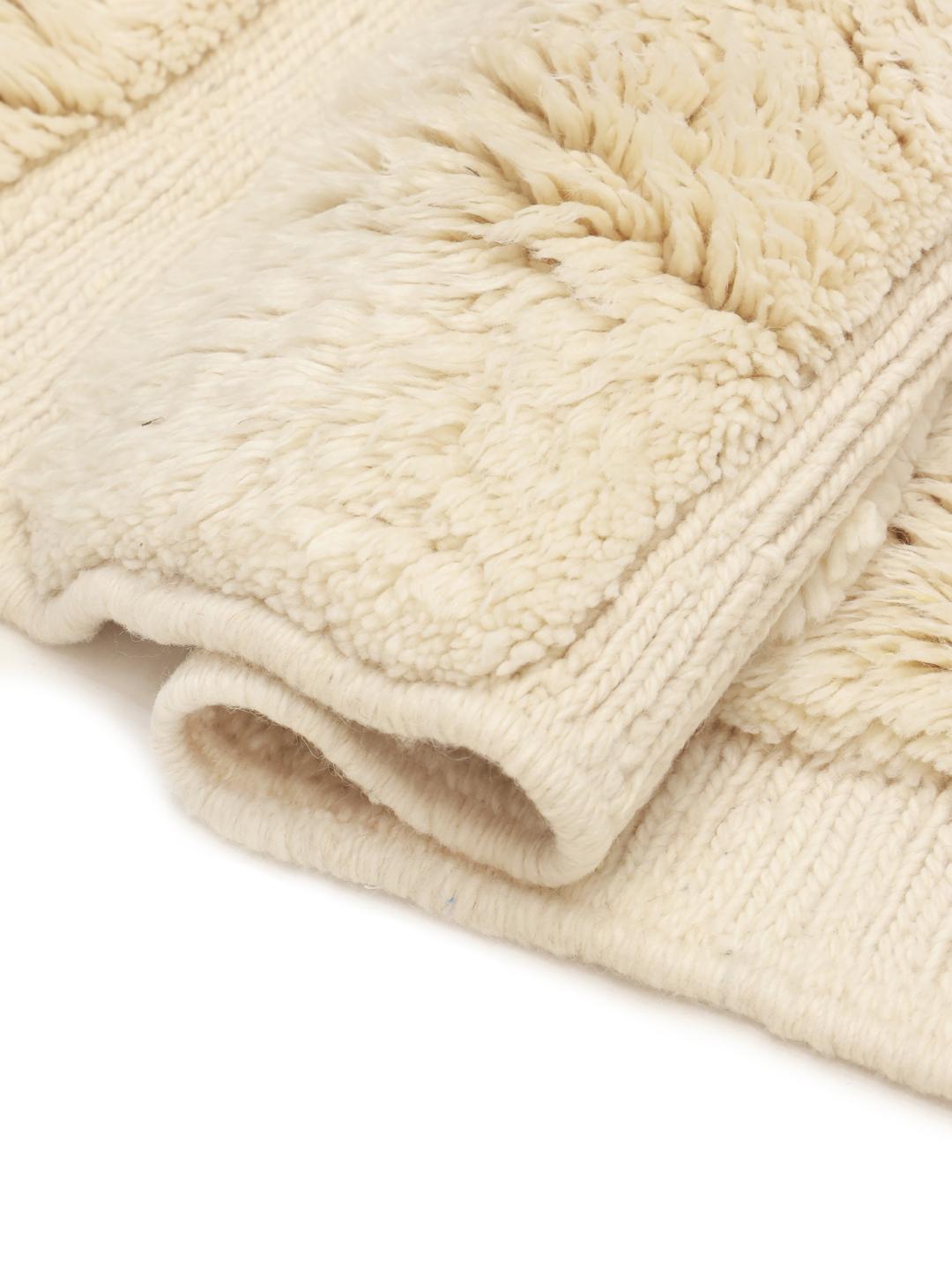
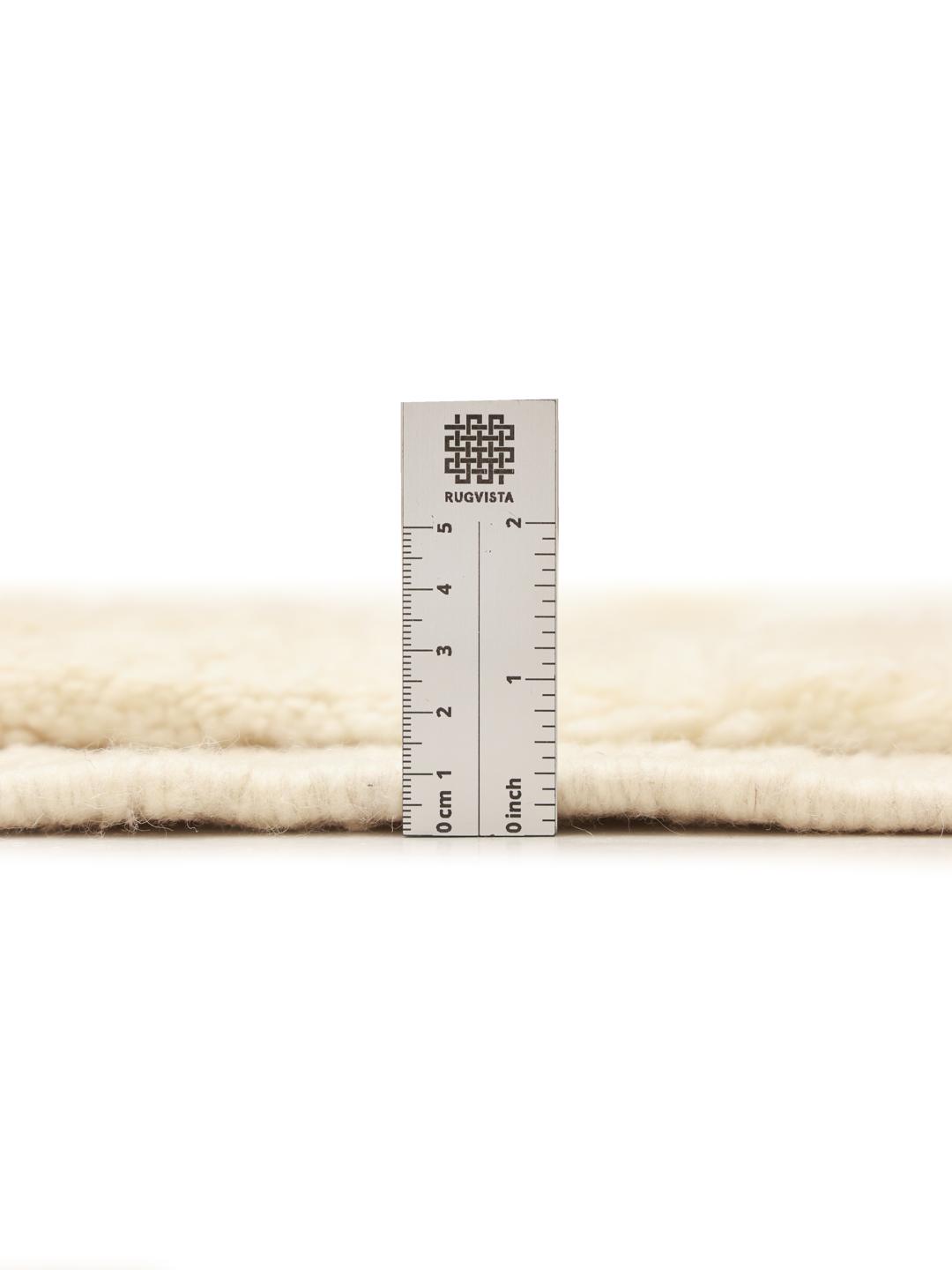
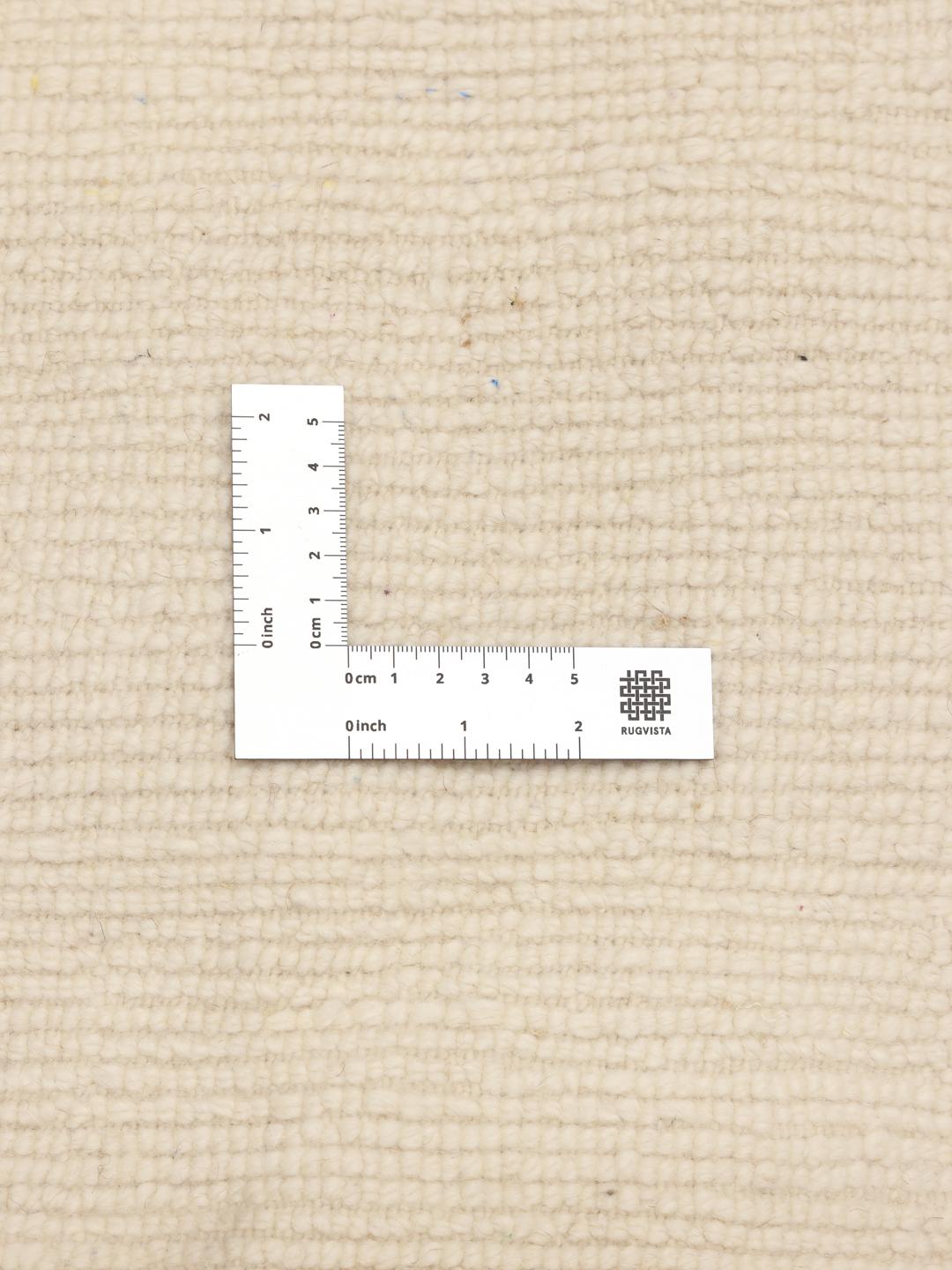
Technically, these rugs are renowned for their high-pile construction, which is specifically designed to provide insulation against the harsh winters of the Atlas Mountains. The wool used is sourced from local sheep, often left in its natural, undyed state, which contributes to the iconic cream and off-white palette associated with the Beni Ourain style. This focus on natural, raw materials is a hallmark of the tradition, emphasising a connection to the earth that is both functional and aesthetic.
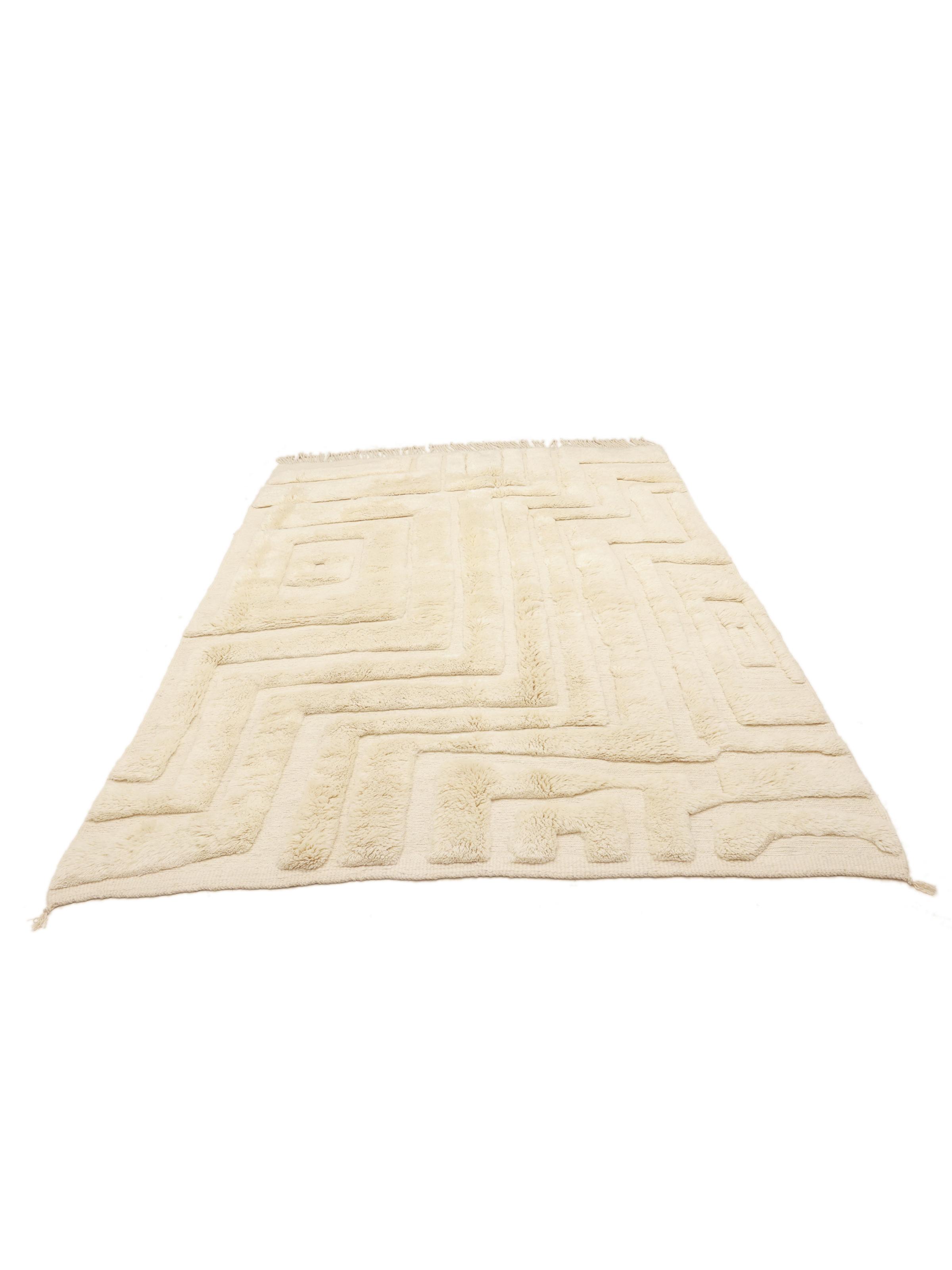
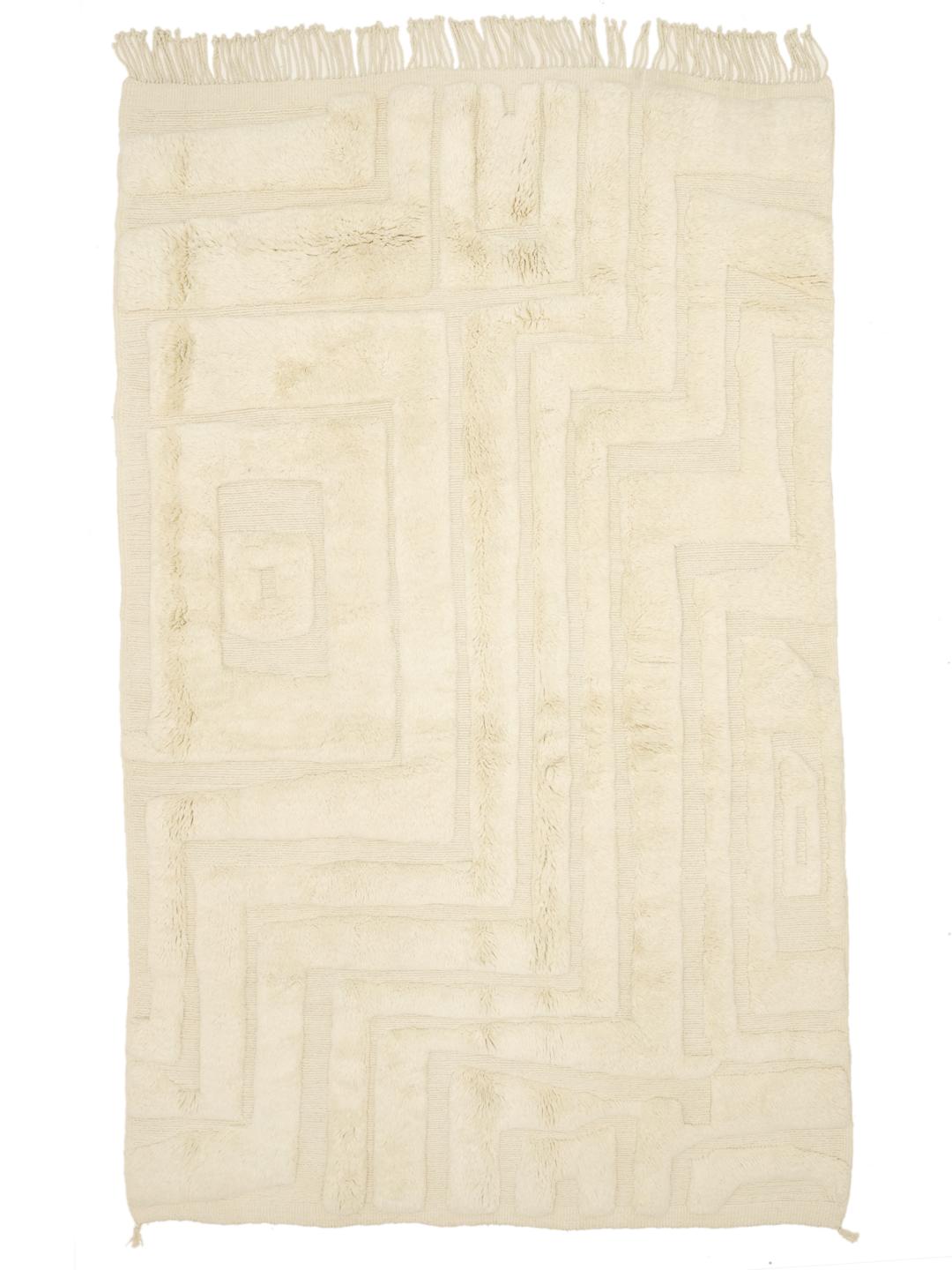
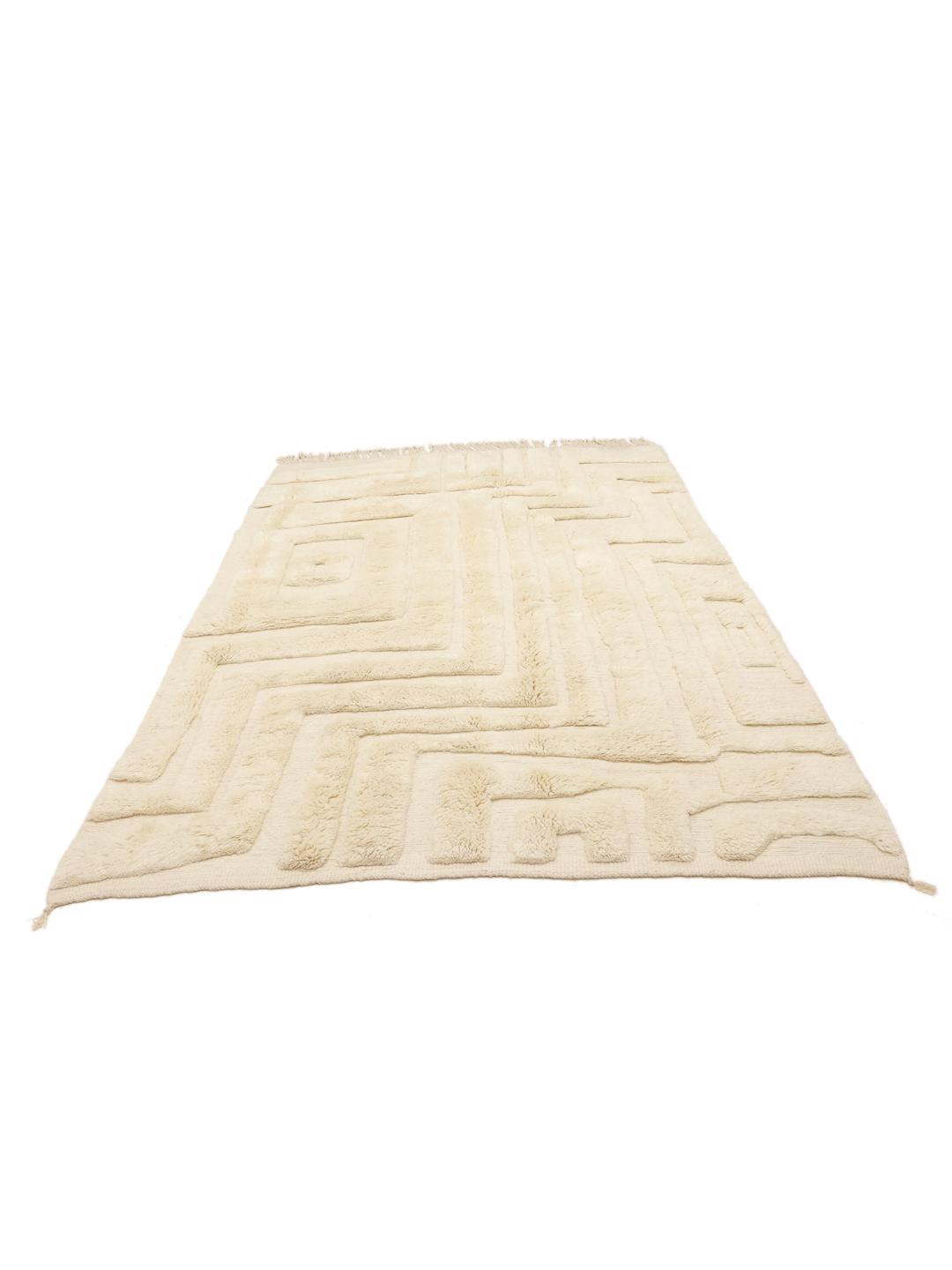
The visual language of these rugs is defined by a minimalist, geometric approach. Unlike the dense, floral motifs found in other Middle Eastern rug traditions, the Berber style often features simple, striking lines and diamonds that create a dynamic contrast between positive and negative space. This specific rug, with its intricate geometric maze, is a beautiful example of how traditional motifs can evolve into modern, artistic expressions that feel perfectly at home in contemporary interiors.
Collecting a genuine Berber rug is a way to preserve a rich cultural heritage that remains largely unchanged by time. Because each piece is woven by hand without a formal blueprint, the slight irregularities and subtle variations are not considered flaws, but rather the signature of the artisan. Owning such a piece is an investment in human skill and cultural history, offering a sense of authenticity and warmth that mass-produced items simply cannot provide.