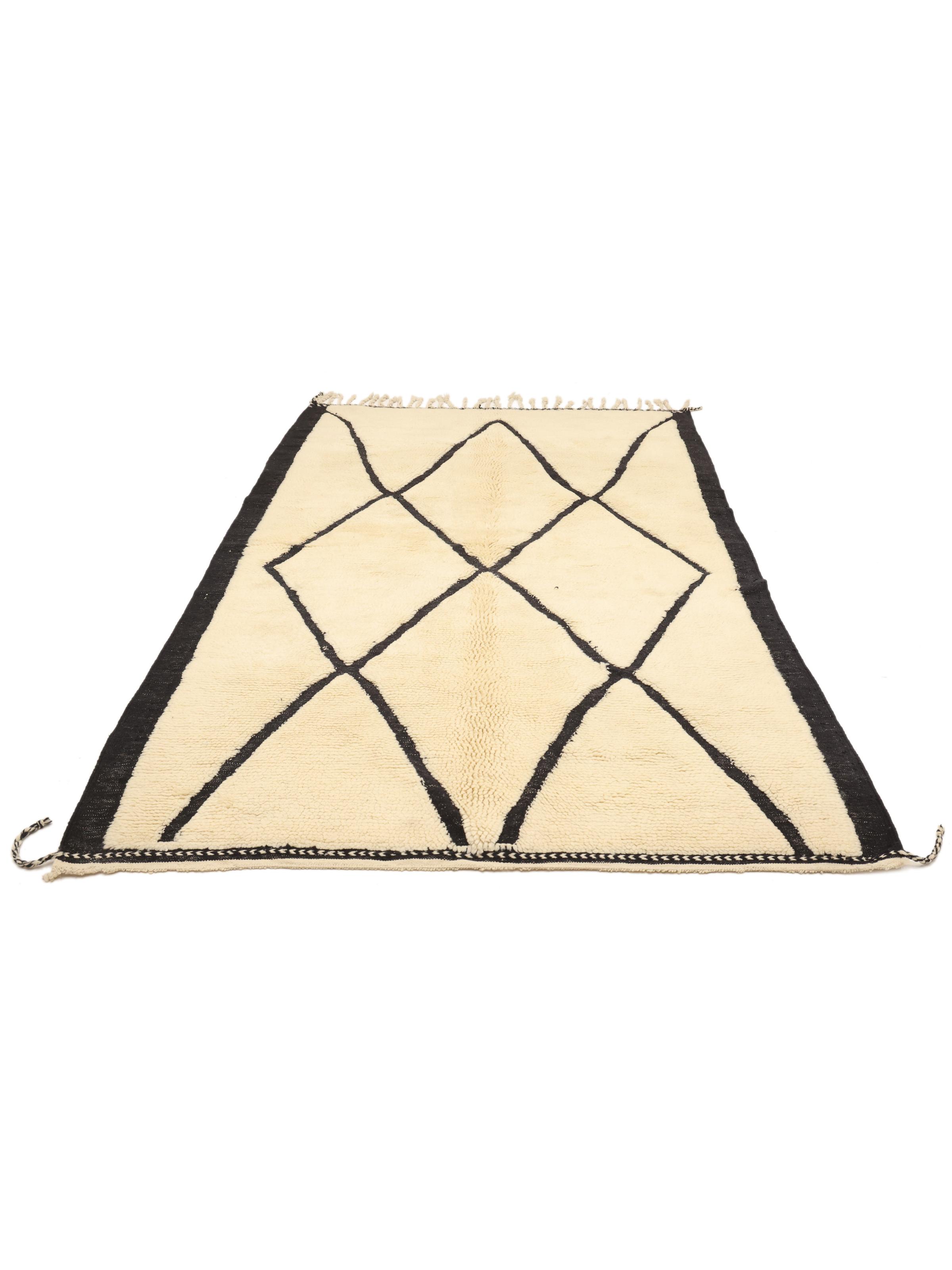
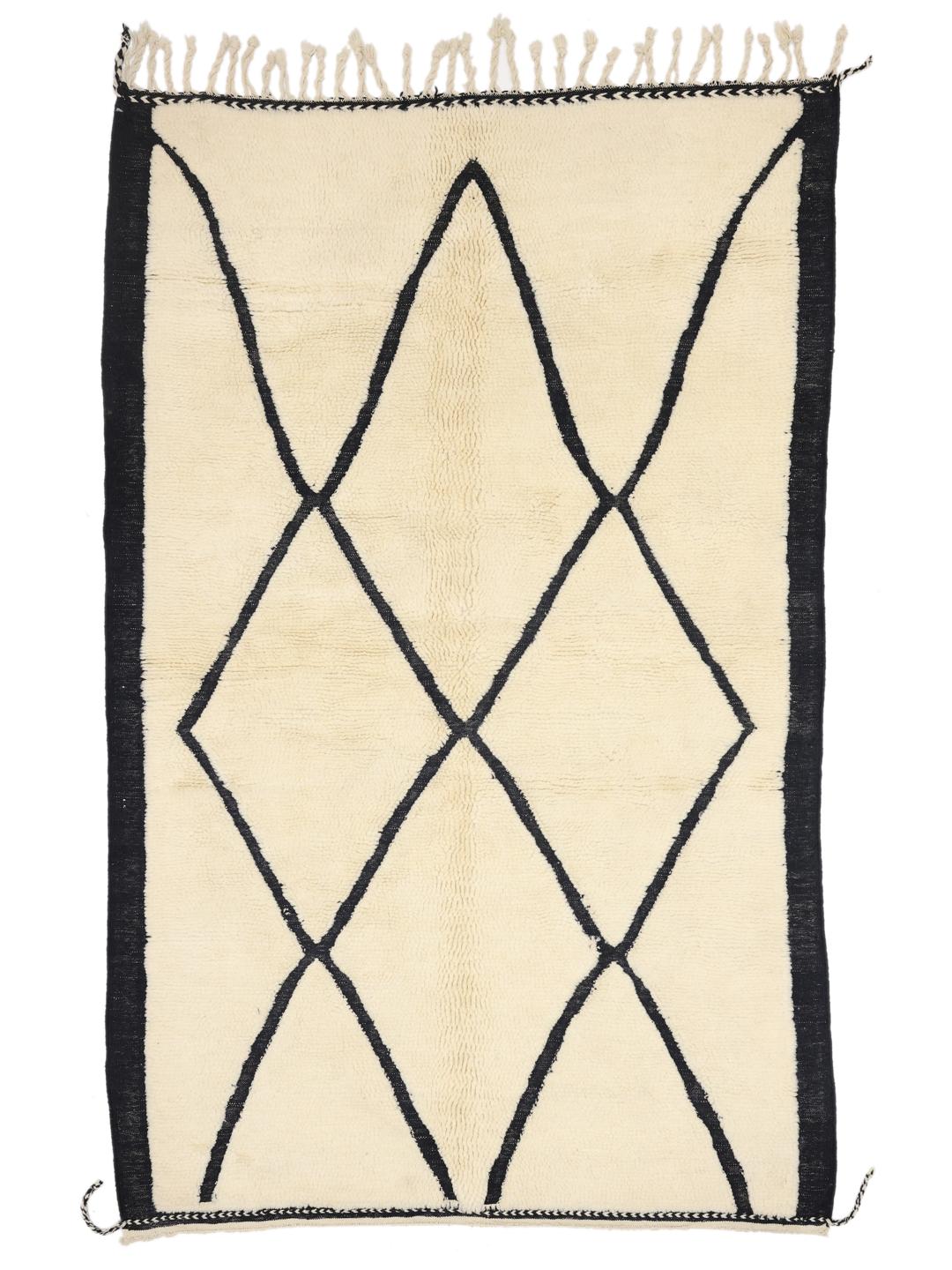
The Beni Ourain rugs are deeply rooted in the traditions of the Berber tribes who have inhabited the Middle Atlas mountains of Morocco for centuries. These rugs were originally crafted for practical purposes, serving as warm bedding and floor coverings to protect families against the harsh, freezing winters of the high mountain climate. The migration and evolution of these designs have seen them move from remote mountain dwellings to become globally recognised symbols of minimalist design.
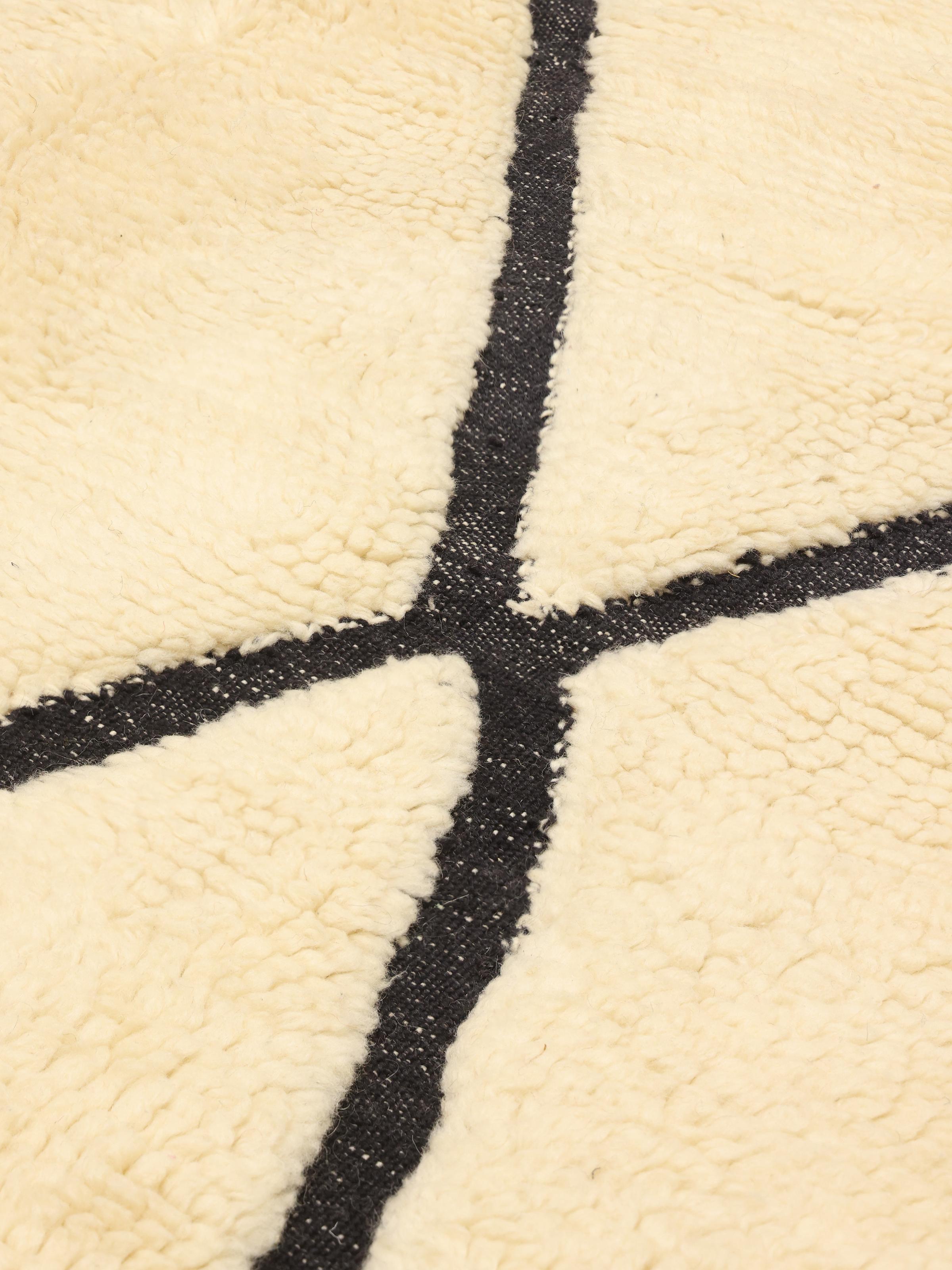
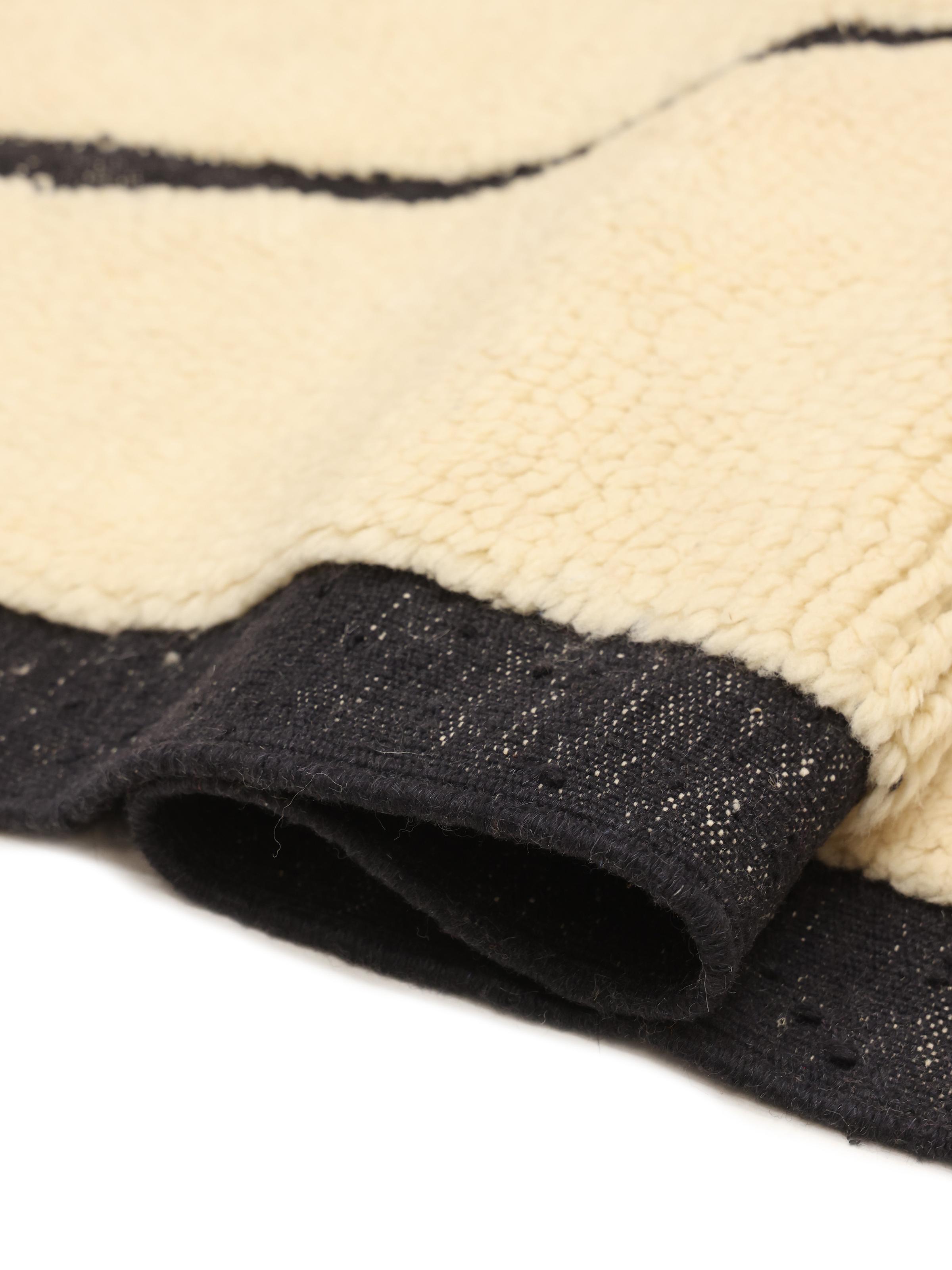
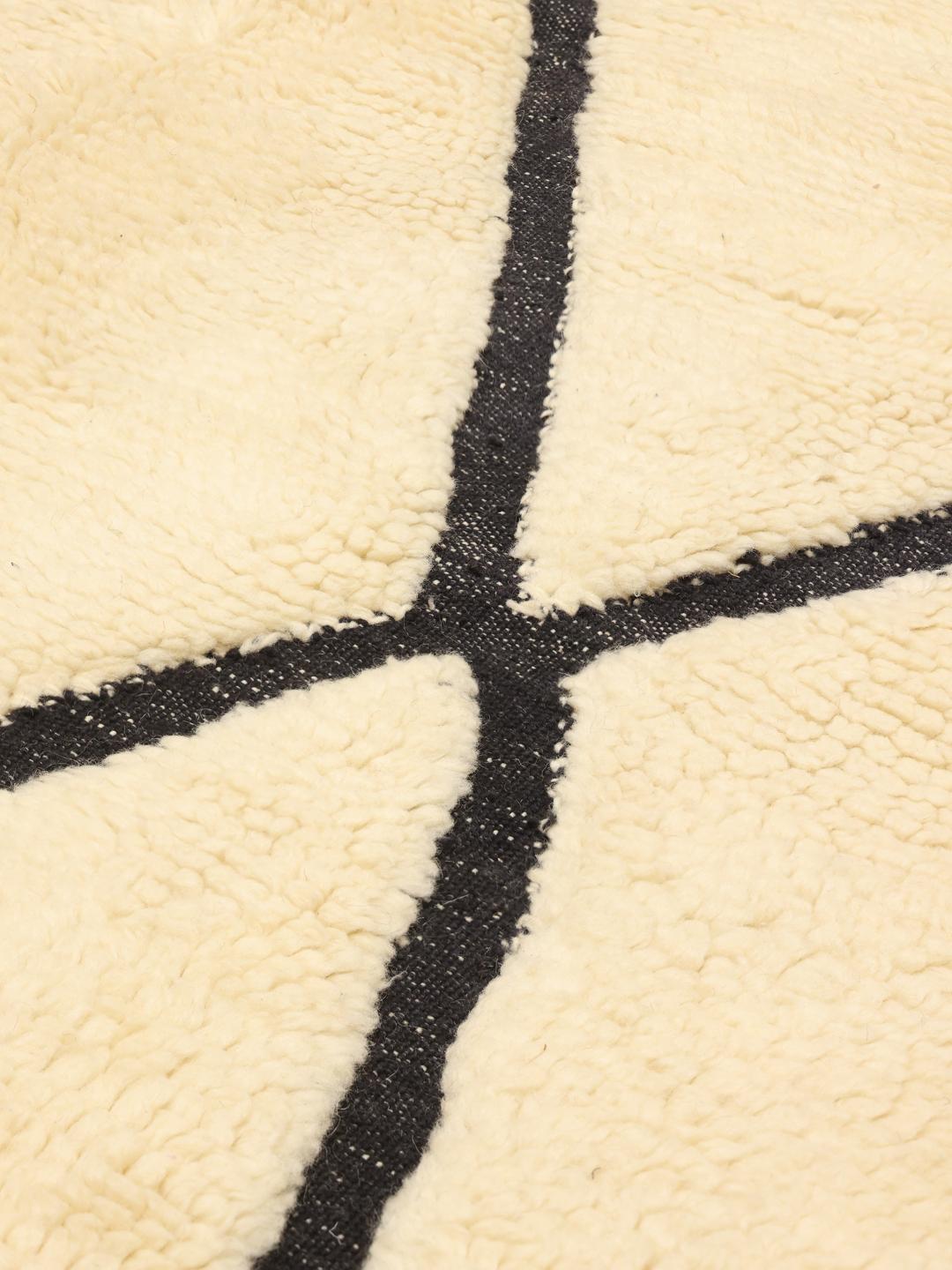
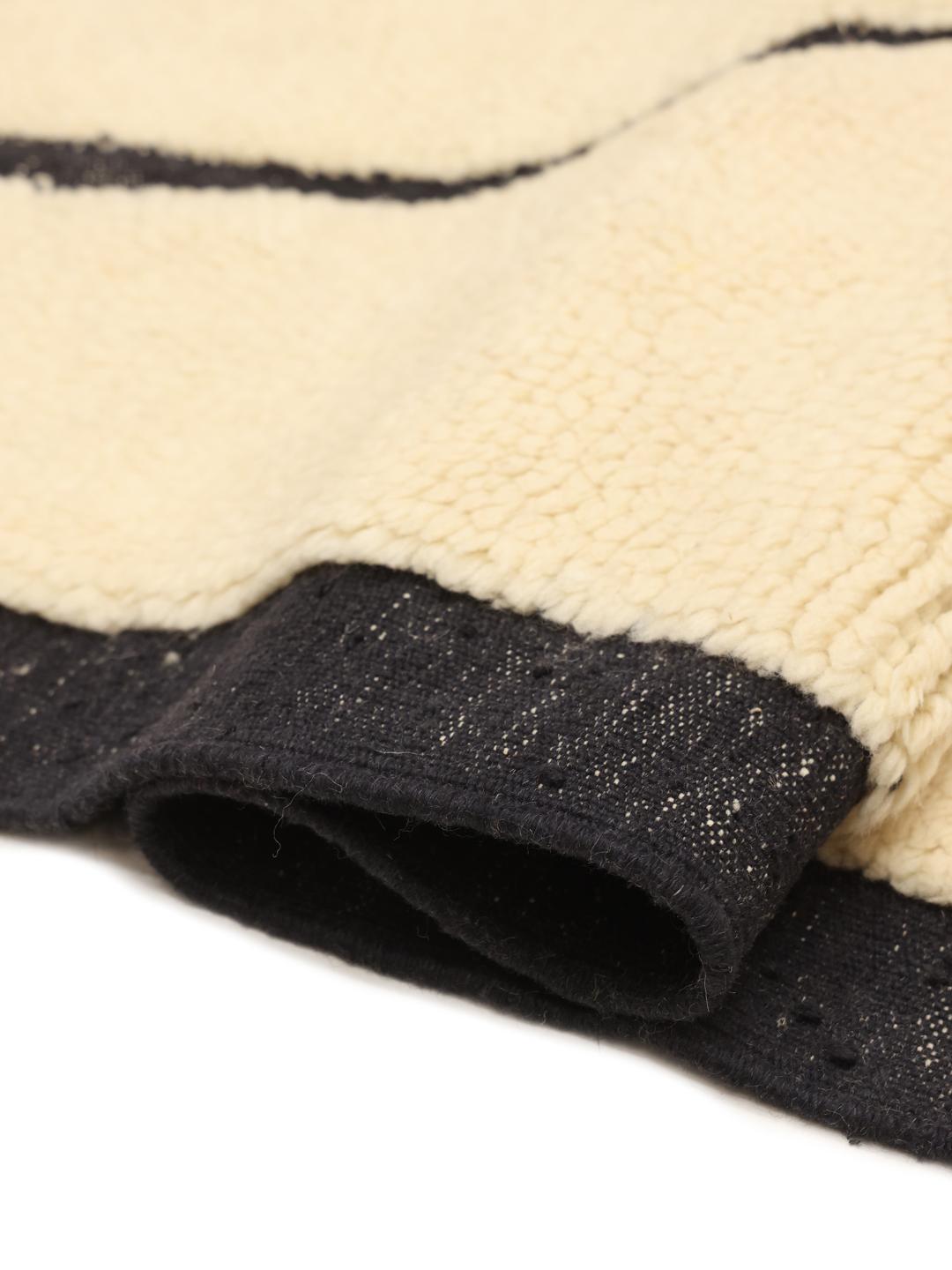
The term 'Beni Ourain' refers to the confederation of Berber tribes responsible for this specific style of weaving. Their craft is characterised by a commitment to using natural, undyed wool, which often ranges from creamy off-white to deep browns. The technical process involves a high level of skill, where the weaver creates a dense, plush surface that is both soft to the touch and incredibly durable, ensuring that the rug remains a functional staple for generations.
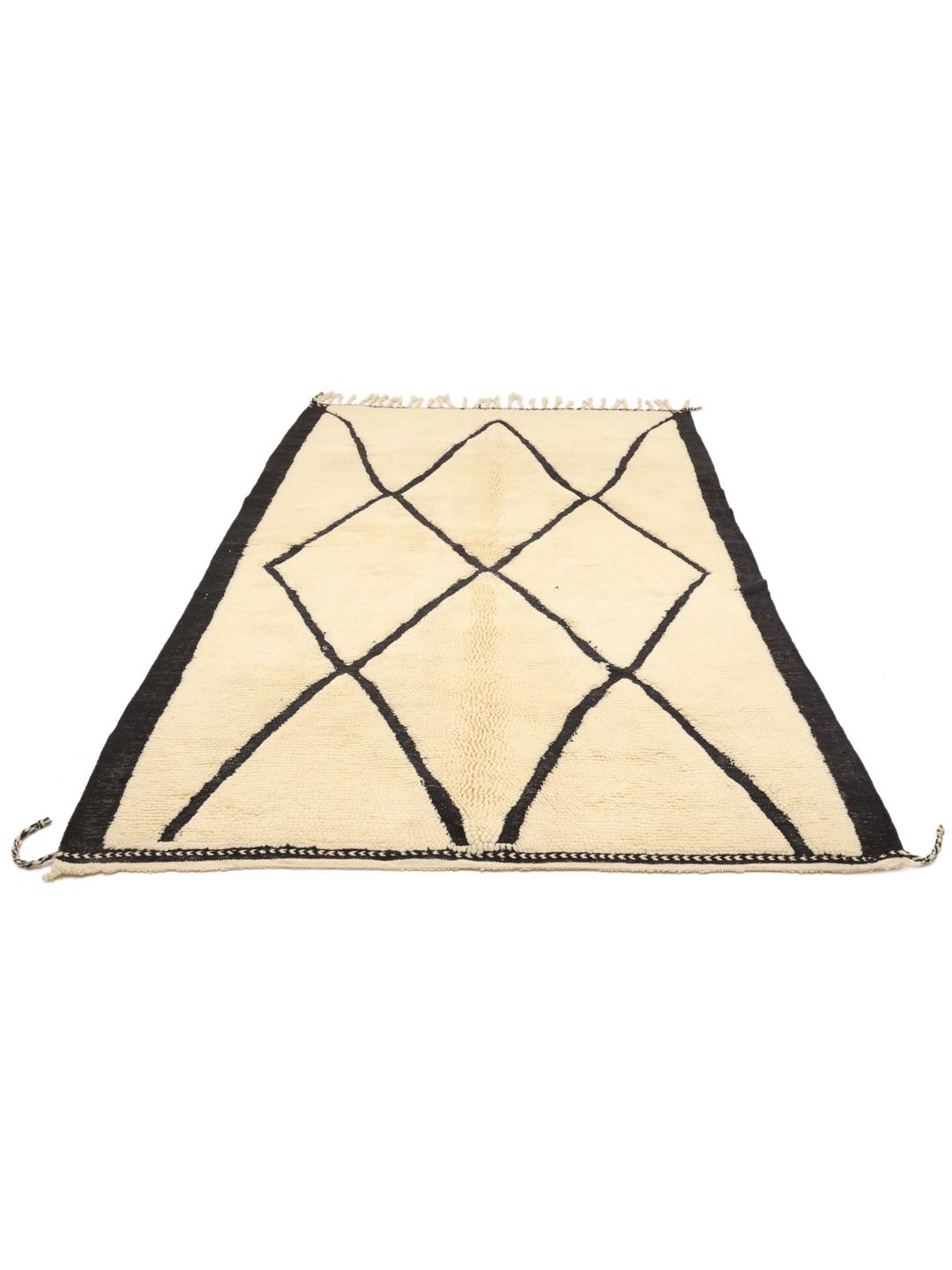
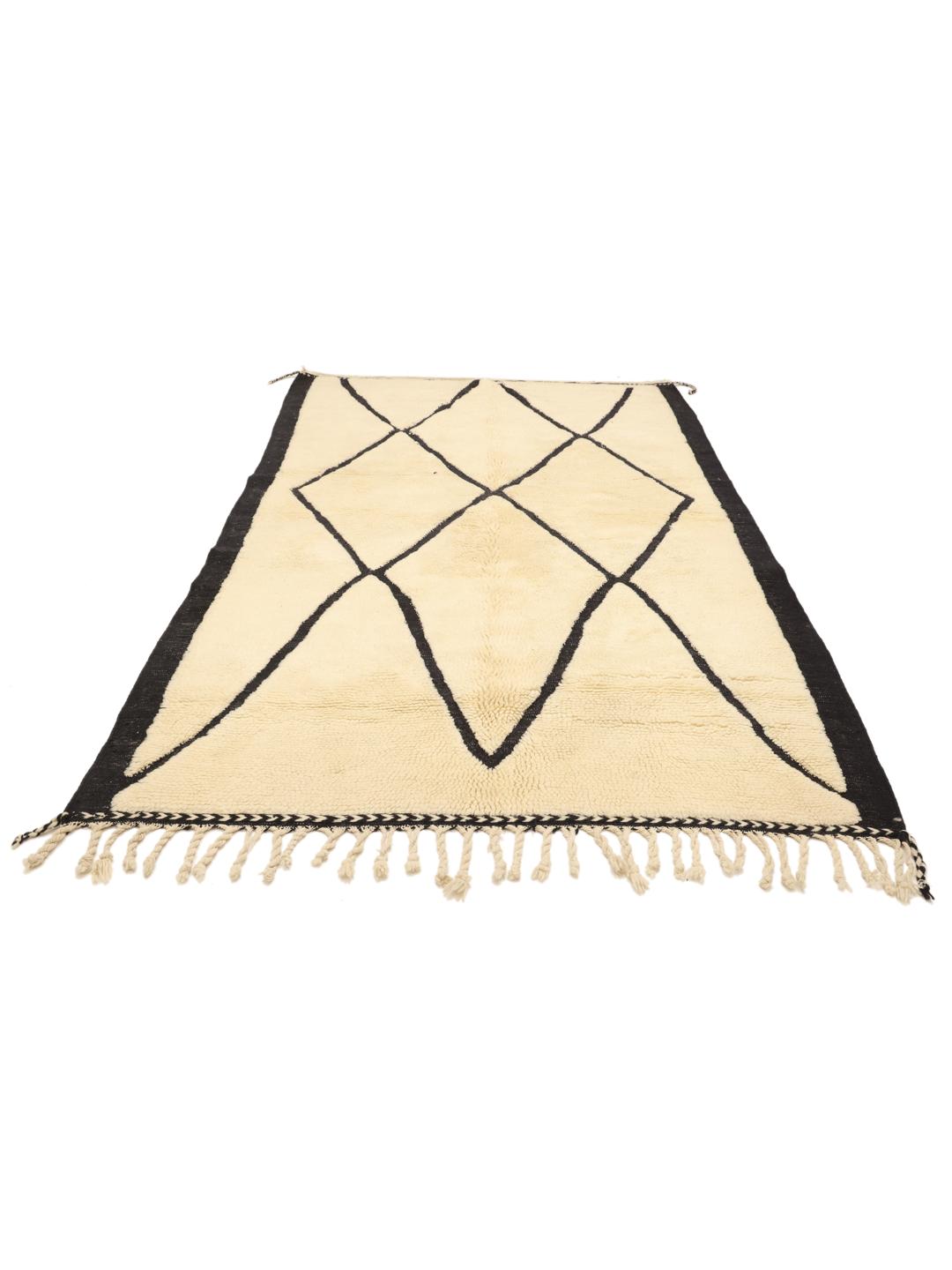
Signature design elements of these rugs typically include geometric patterns, most notably the diamond grid, which is often interpreted as a protective symbol or a reflection of the weaver's personal narrative. While the classic look features dark lines on a light field, each rug remains distinct, as the weavers often improvise their patterns, incorporating motifs that tell stories of their daily lives, environment, or traditional folklore.
Today, these rugs are highly valued by collectors and interior enthusiasts alike for their cultural significance and the human element present in every fibre. Owning a Beni Ourain is more than just a decor choice; it is an act of preserving a centuries-old craft. It represents a connection to the nomadic heritage of the Moroccan mountains, bringing a sense of history, skill, and lasting beauty into the modern home.