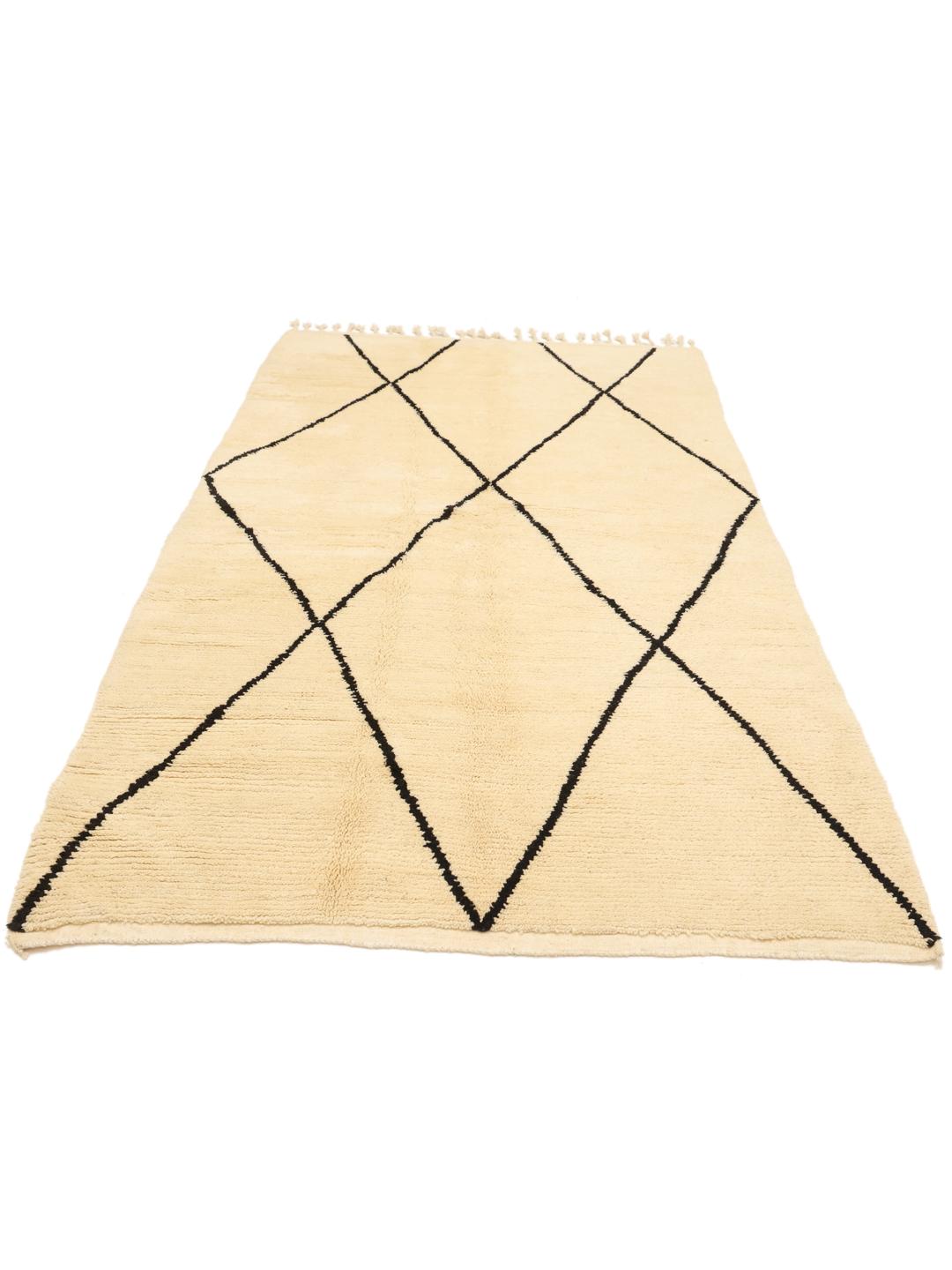
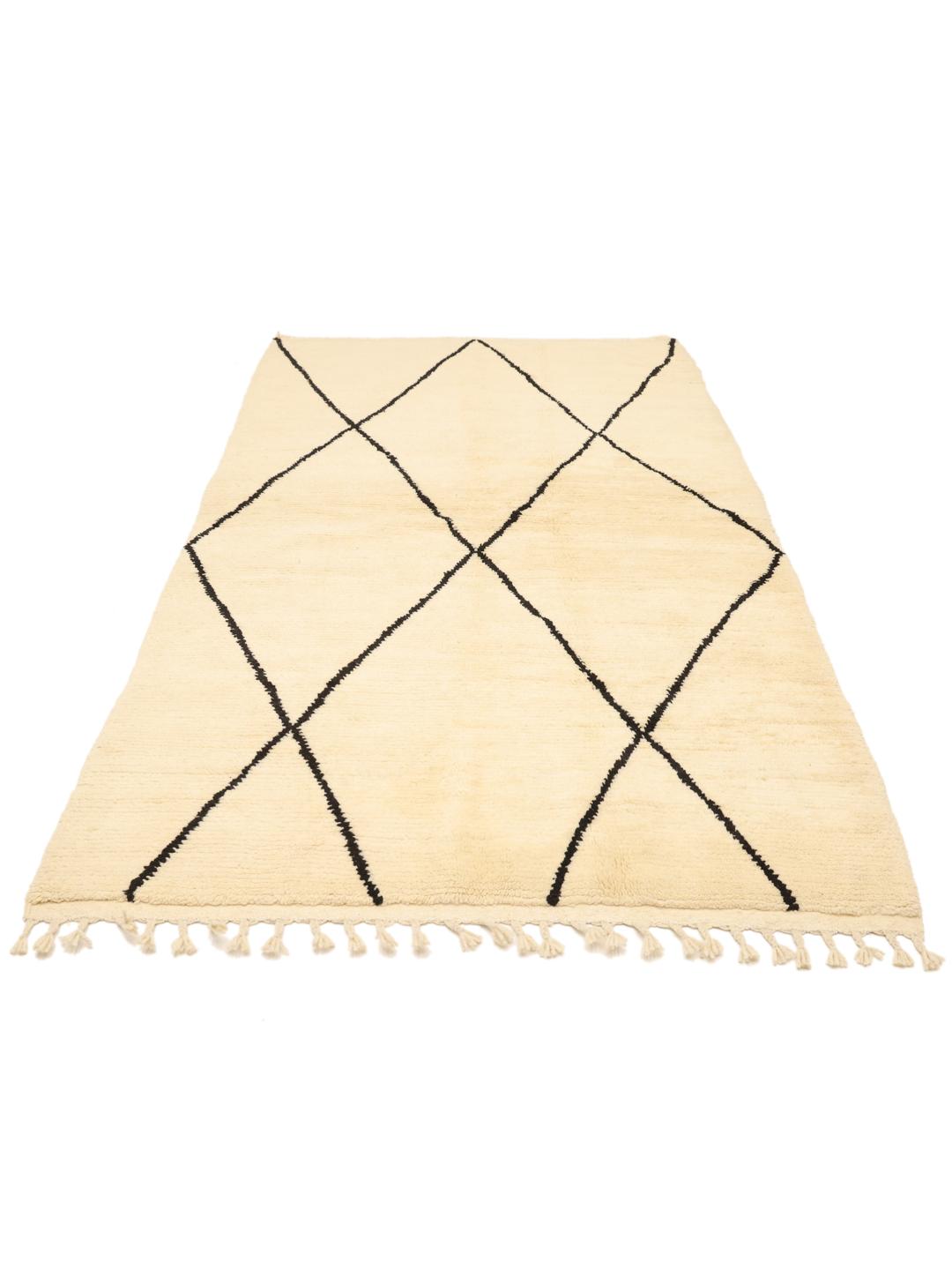
The Beni Ourain rugs originate from the Atlas Mountains of Morocco, where they have been woven for centuries by the Berber tribes. Traditionally, these rugs were not intended as decorative showpieces but as essential, functional items for mountain life, serving as warm bedding, blankets, and floor coverings to protect families from the harsh, cold climates of the high altitudes.
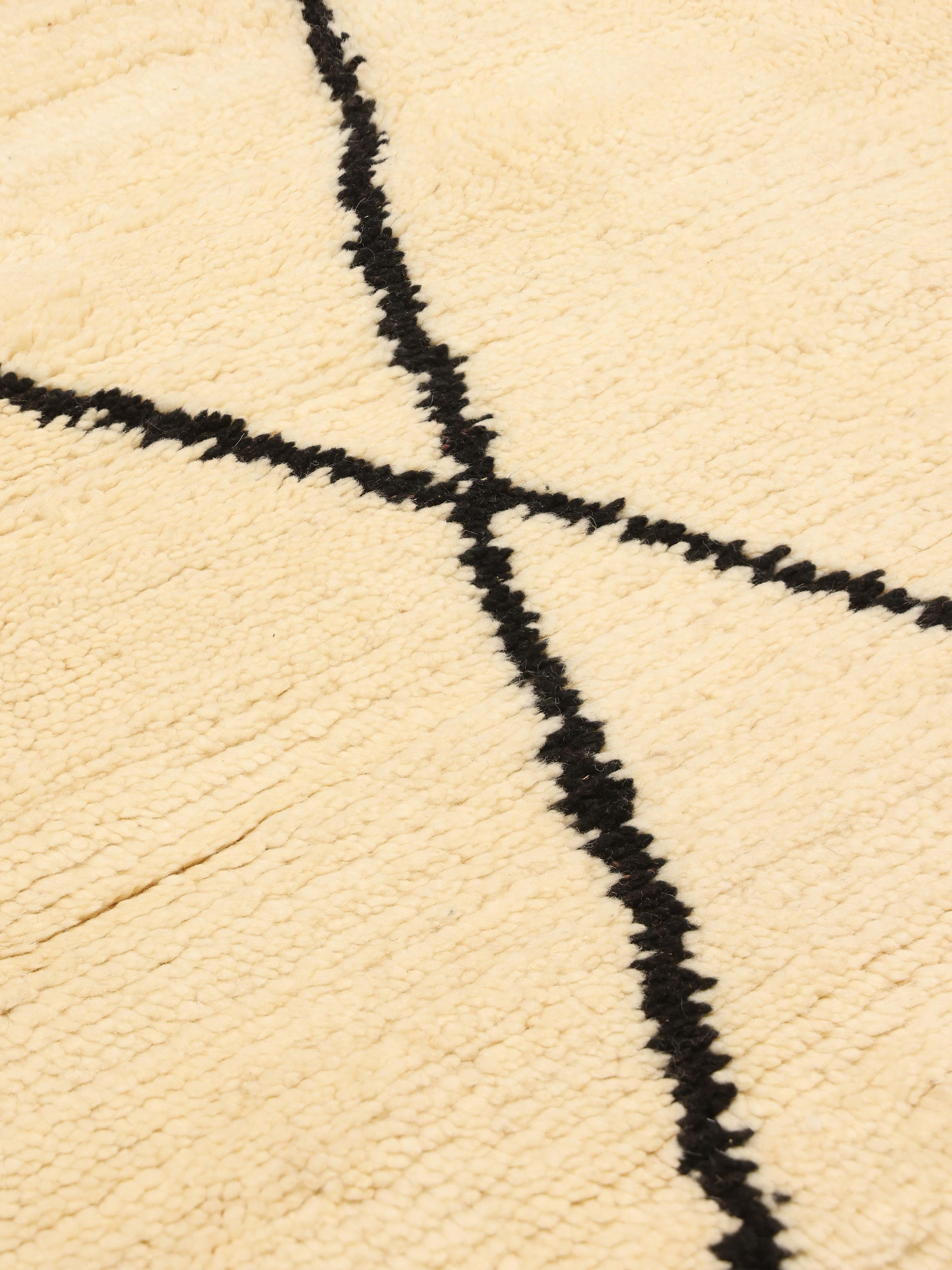
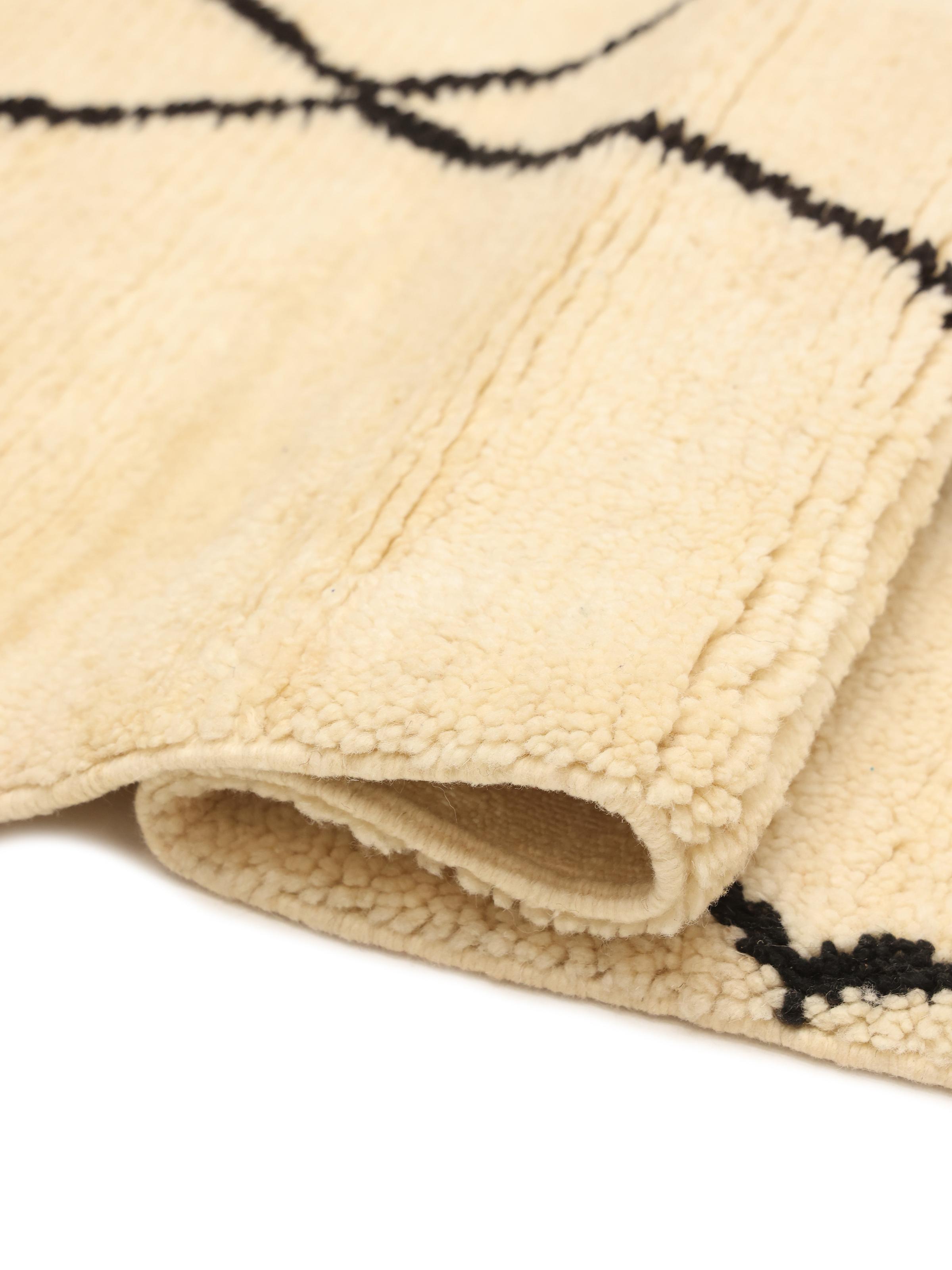
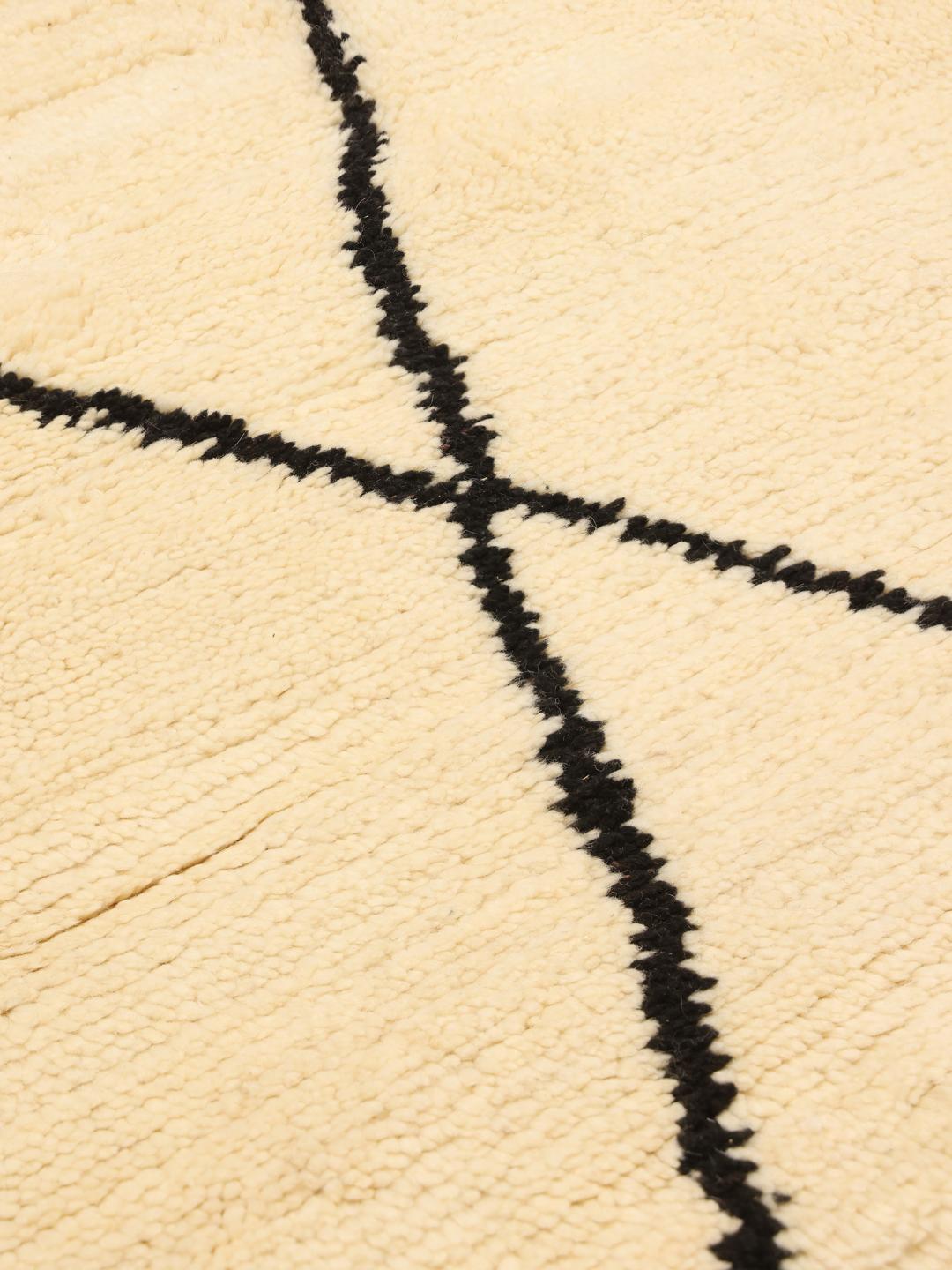
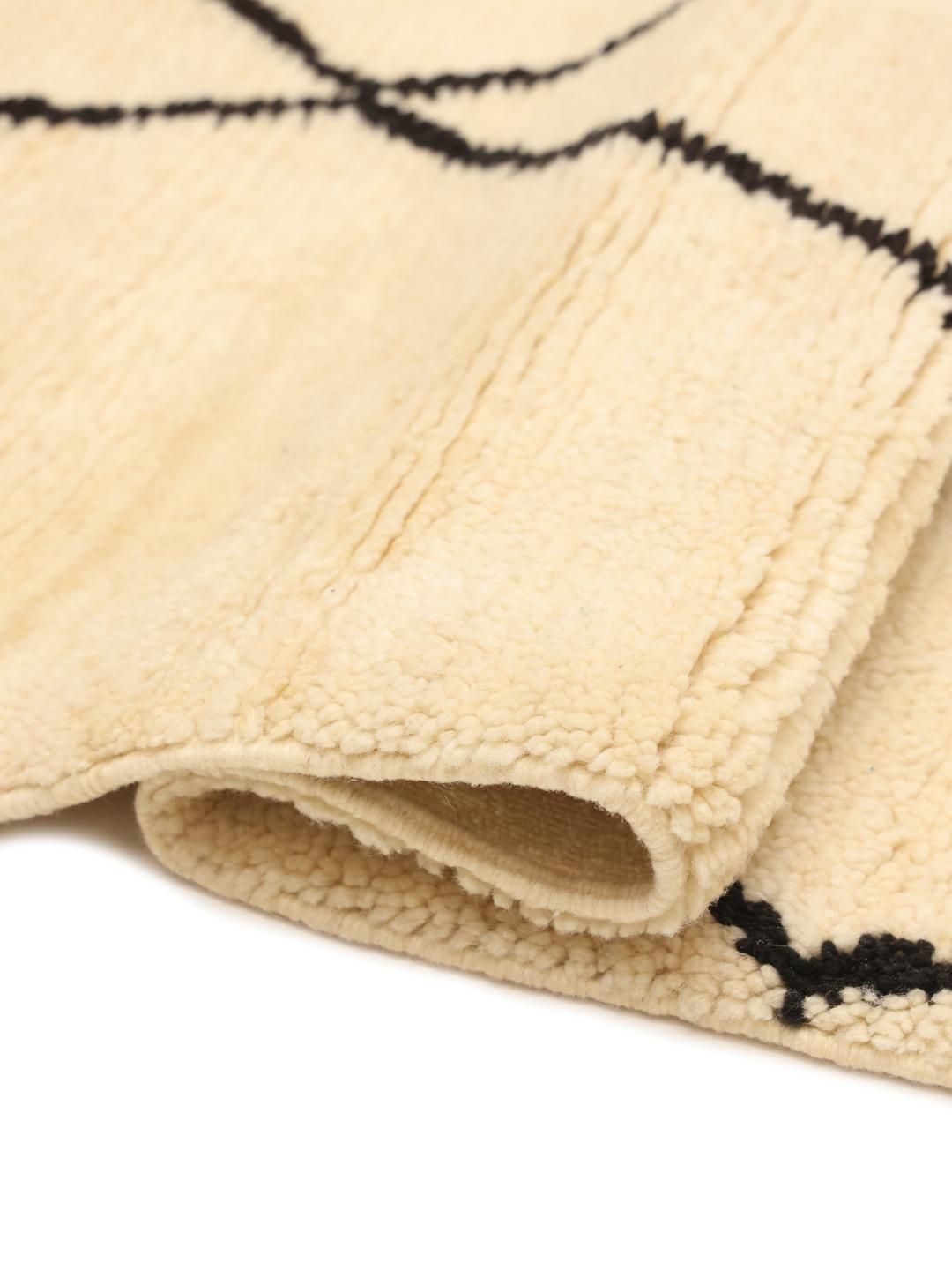
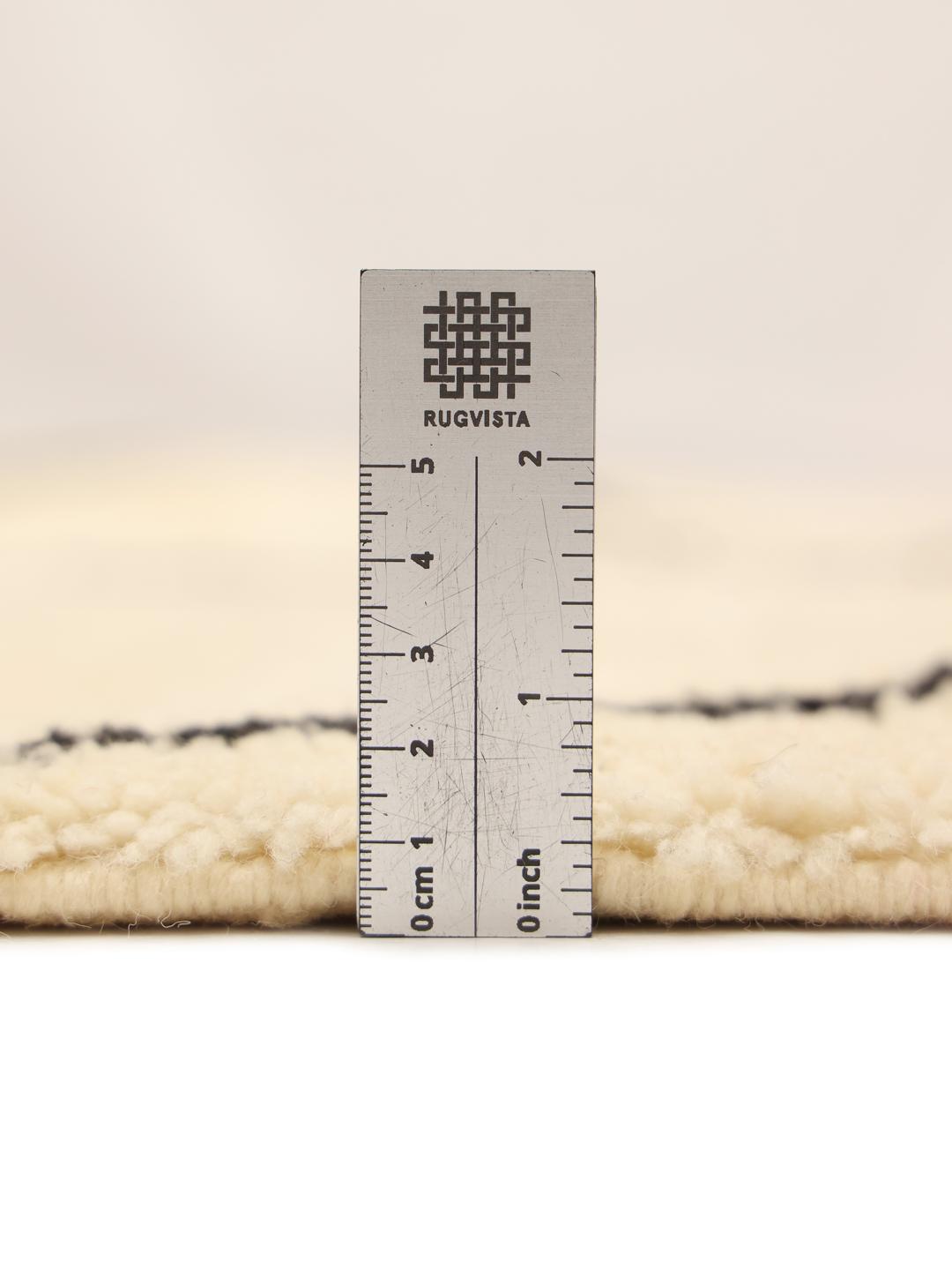
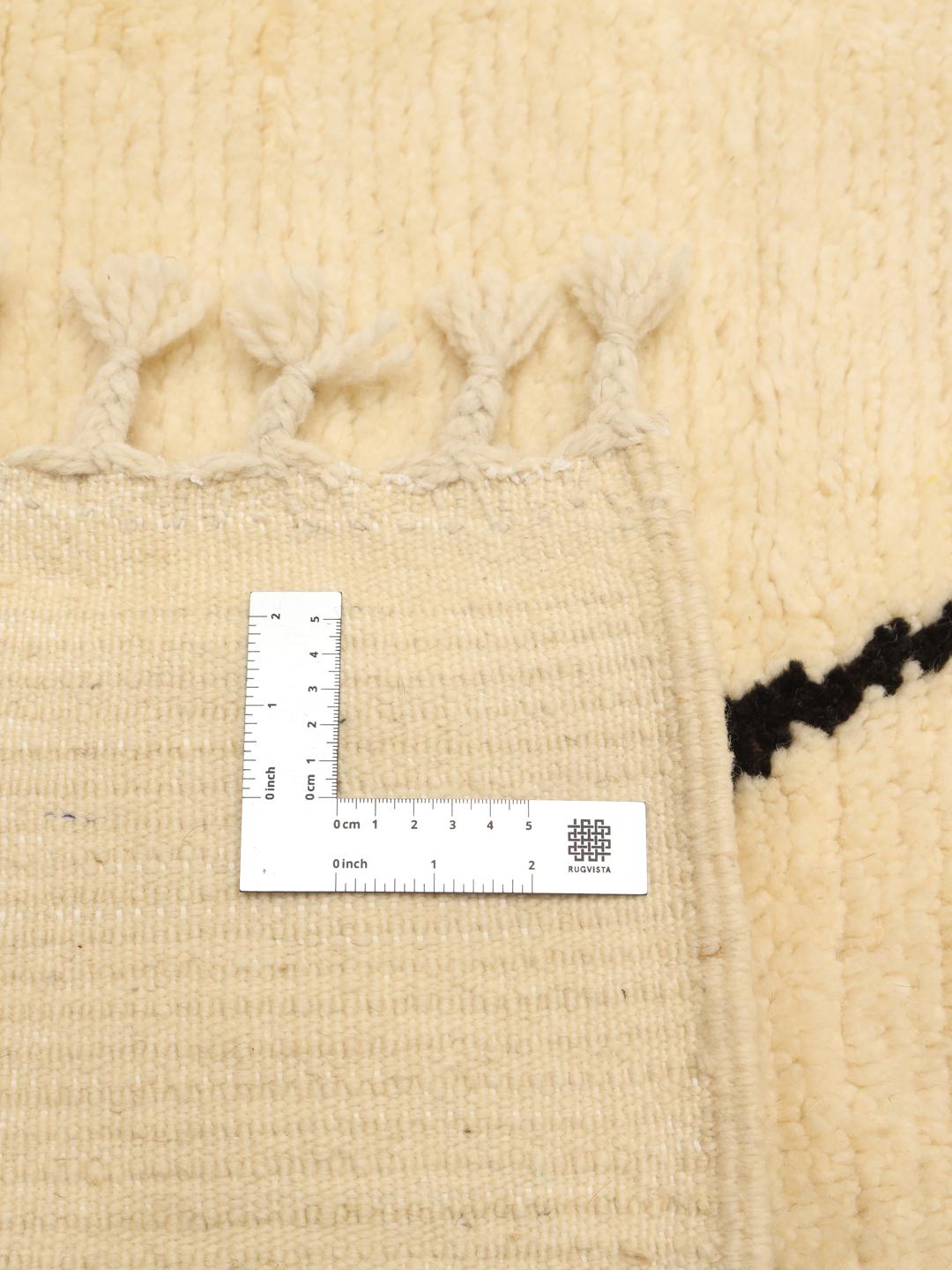
The craftsmanship behind these rugs is deeply rooted in oral tradition and ancestral knowledge, passed down through generations of women. The technique involves hand-knotting the wool, which is sourced from local sheep. This process is time-intensive and requires a deep understanding of the medium, resulting in a pile that is exceptionally soft, thick, and resilient compared to other woven traditions.
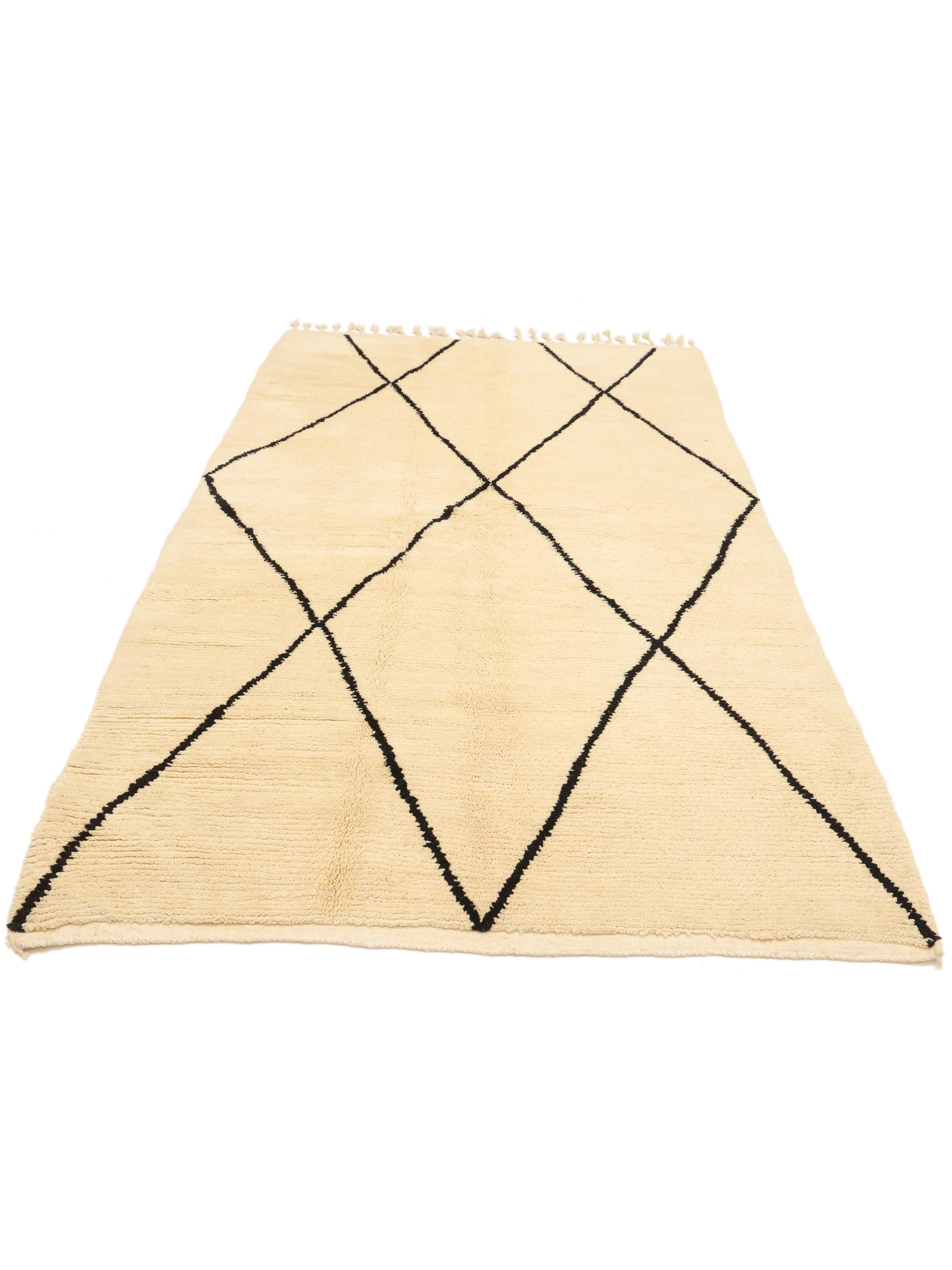
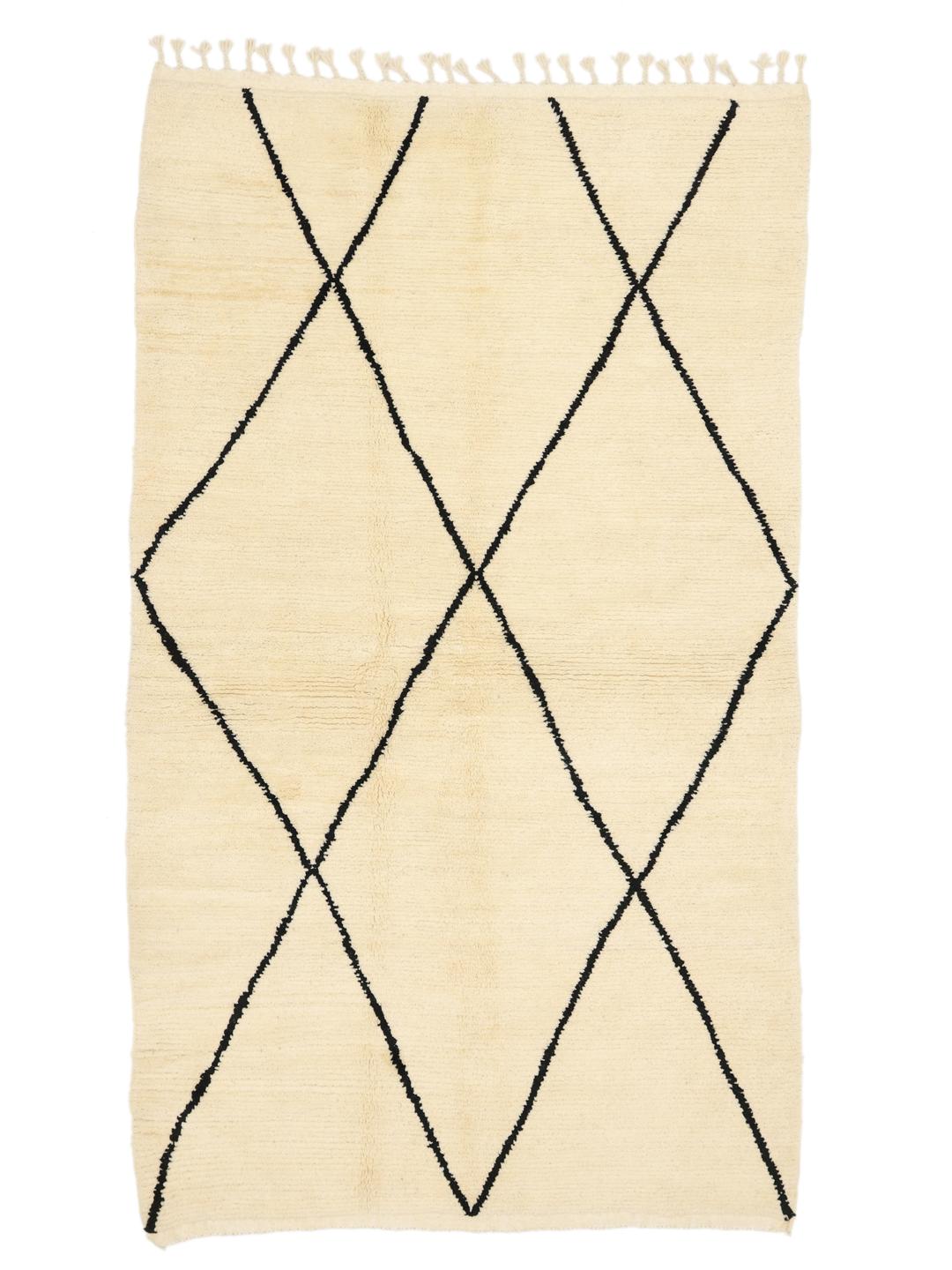
Visually, these rugs are defined by their minimalist aesthetic, which often features simple, bold geometric patterns against a natural, undyed wool background. The diamond motifs commonly seen in Beni Ourain designs are more than just decorative choices; they are often symbolic, representing aspects of tribal life, protection, or fertility, with each weaver bringing their own interpretation to the traditional grid.
Today, these rugs are highly sought after by collectors and interior enthusiasts worldwide for their authentic, raw beauty and their ability to bring a sense of history into contemporary spaces. Owning a genuine Beni Ourain means preserving a piece of cultural heritage that reflects a slow, thoughtful approach to craft, standing in stark contrast to the mass-produced designs of the modern era.