The tradition of rug weaving in Afghanistan is deeply rooted in the cultural history of the Central Asian region. These rugs often draw inspiration from the nomadic lifestyle, where weaving was a necessary skill for creating durable, portable items that could provide comfort in harsh environments. Over time, these domestic crafts evolved into a sophisticated art form known for its bold expression.
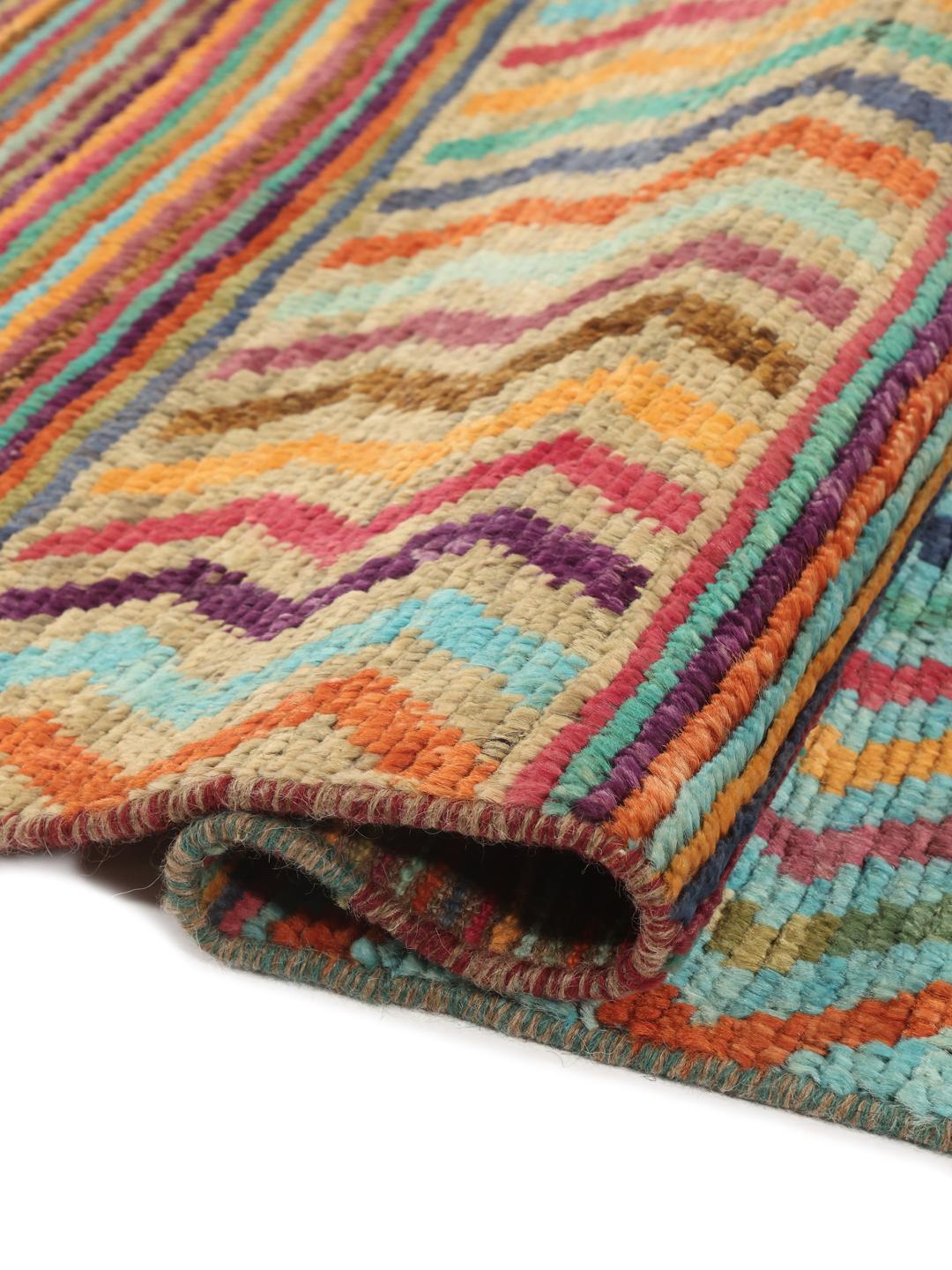
The term Berber in this context refers to a style that honours the rustic, textured character of traditional hand-woven textiles. While the technique is ancient, modern Afghan weaving has become renowned for its ability to blend these historical roots with vibrant, contemporary palettes. This evolution ensures that the traditional skills remain relevant and highly sought after by those who appreciate authentic craft.
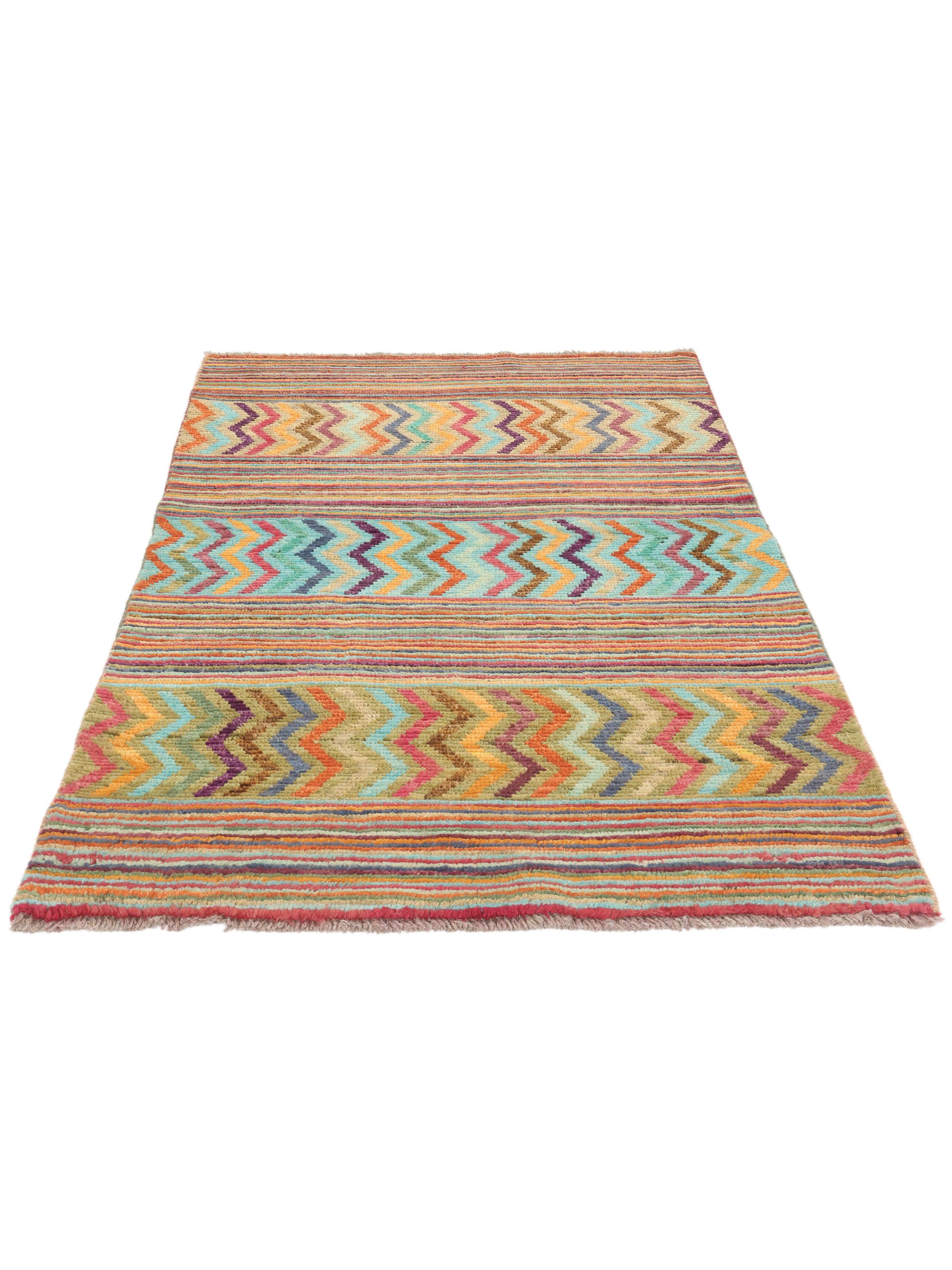
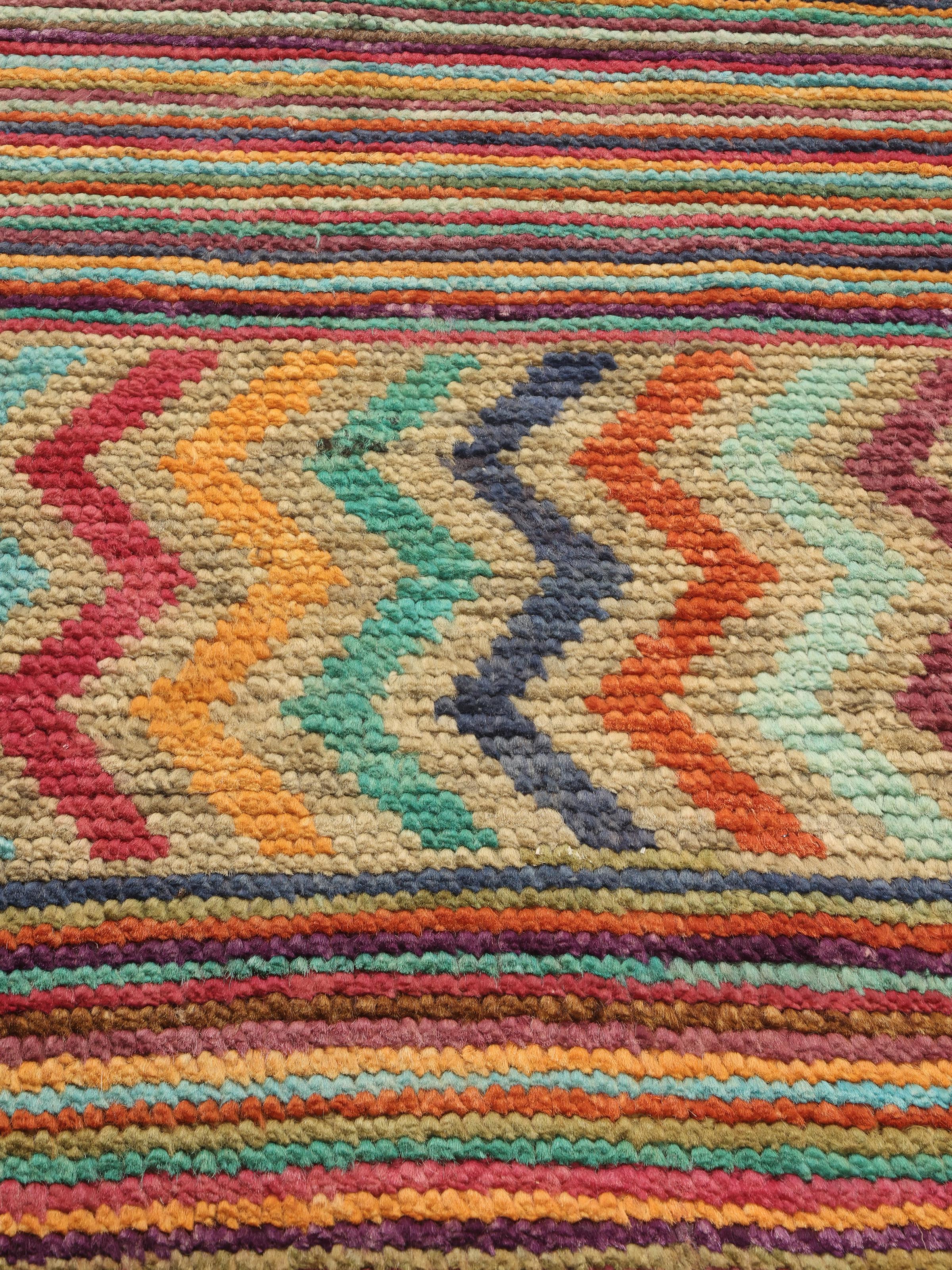
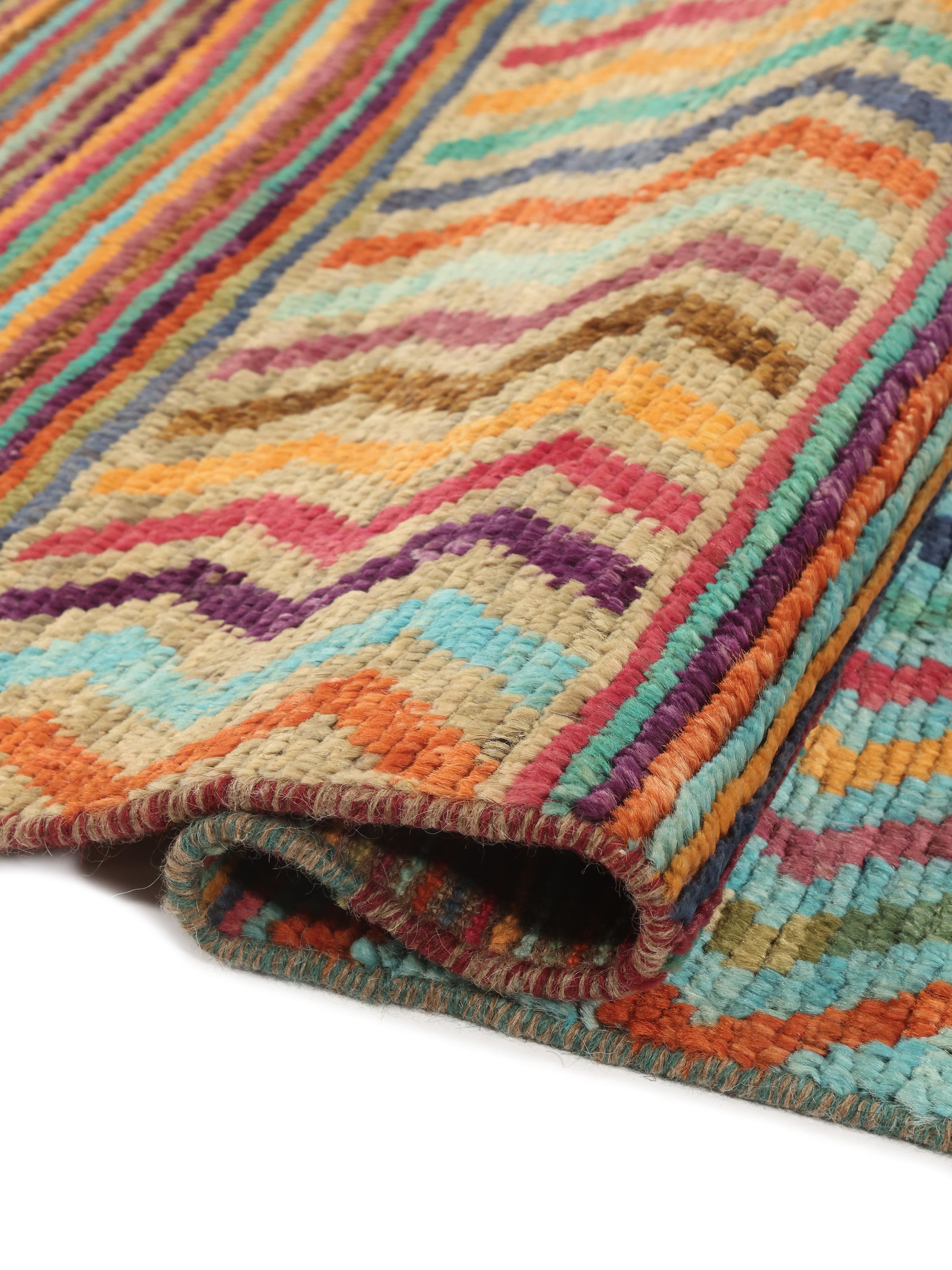
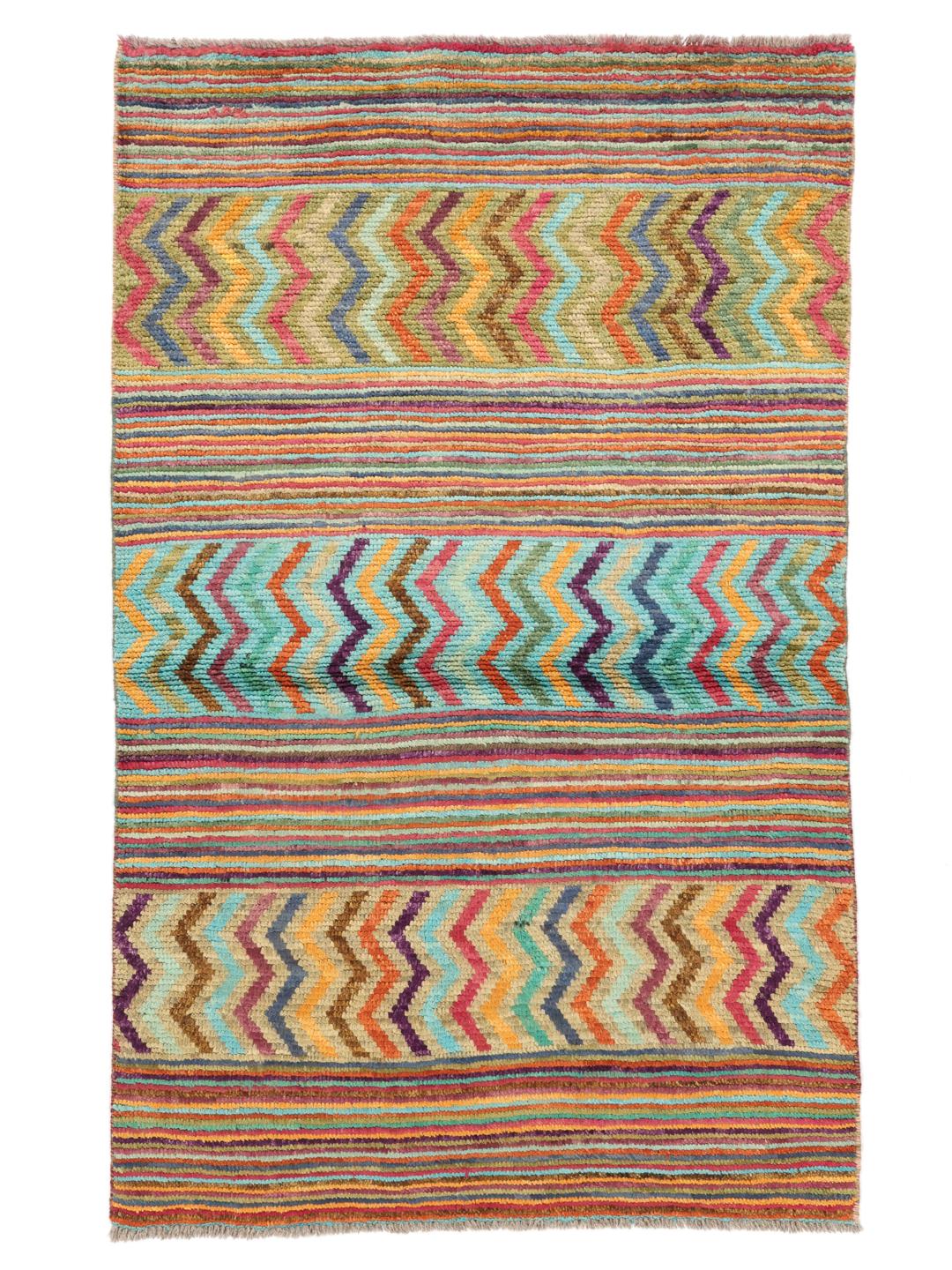
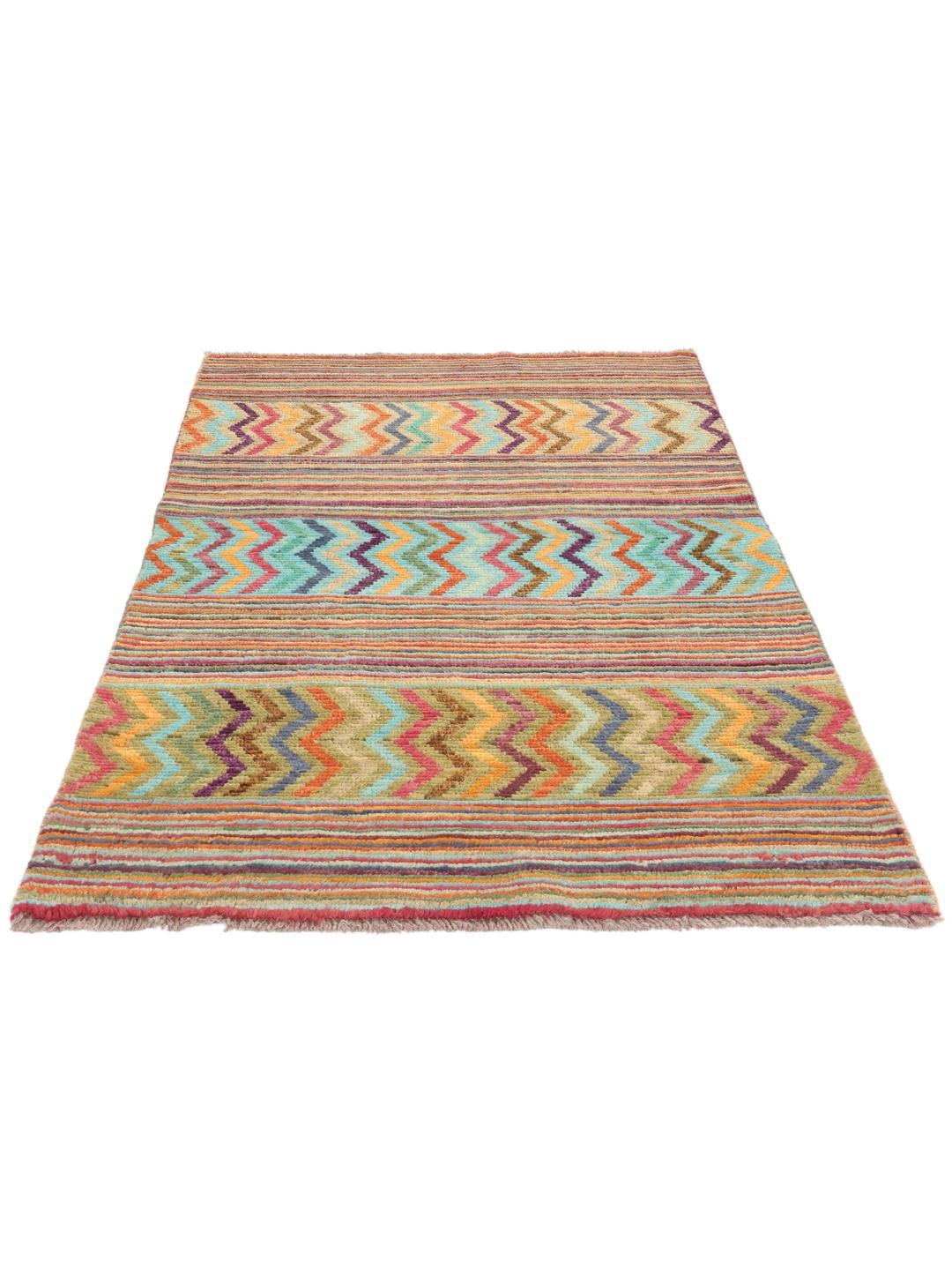
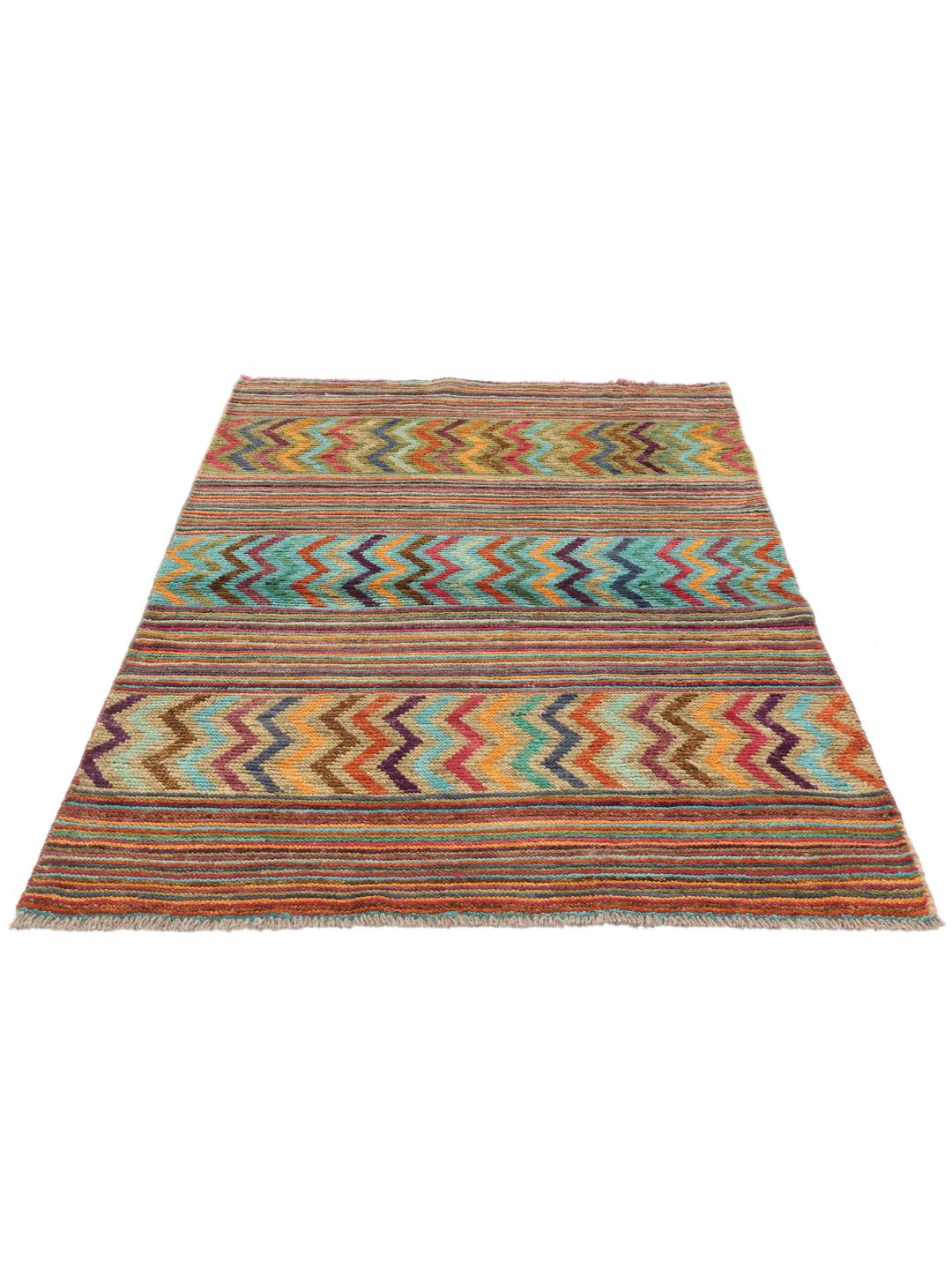
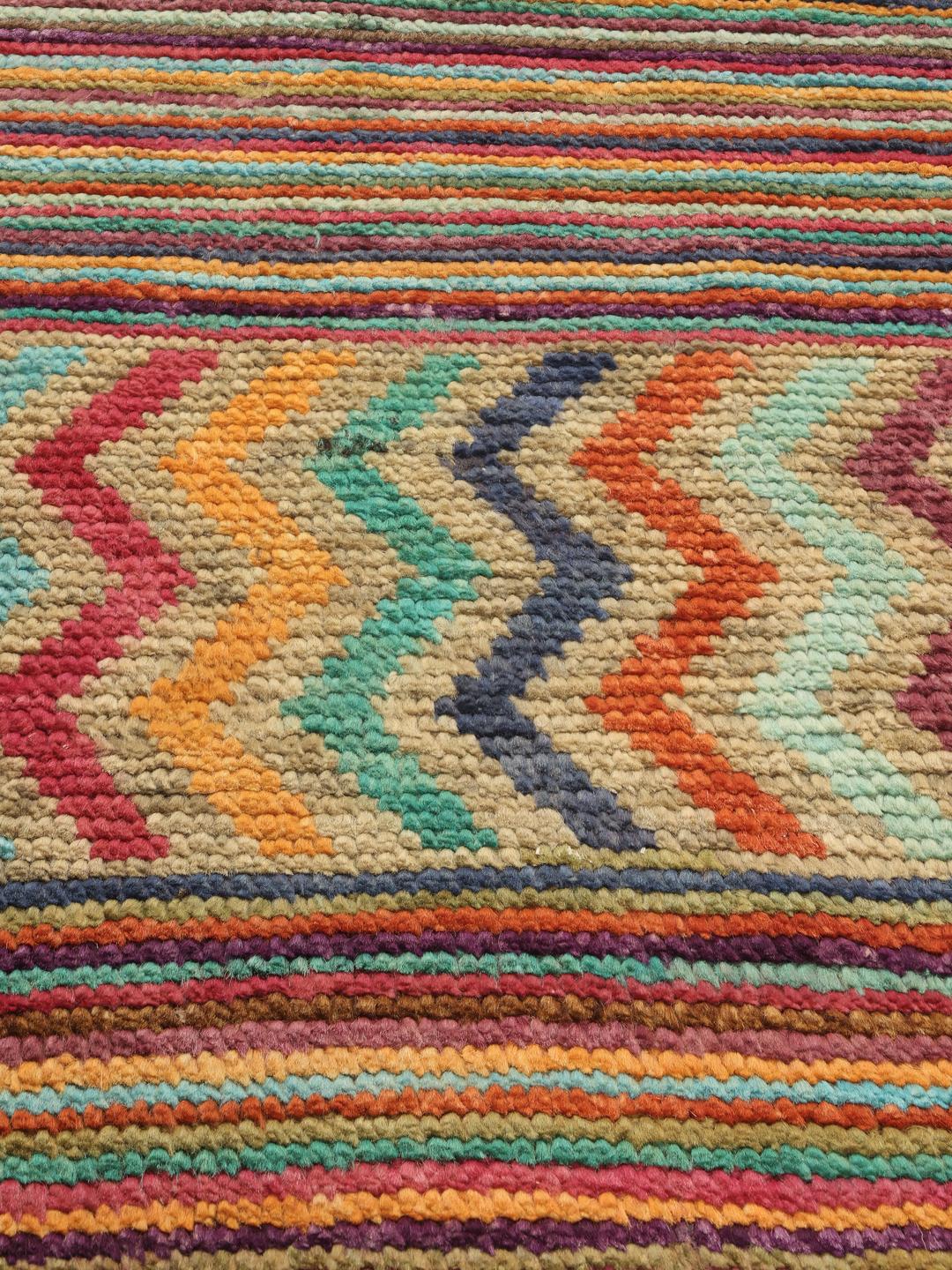
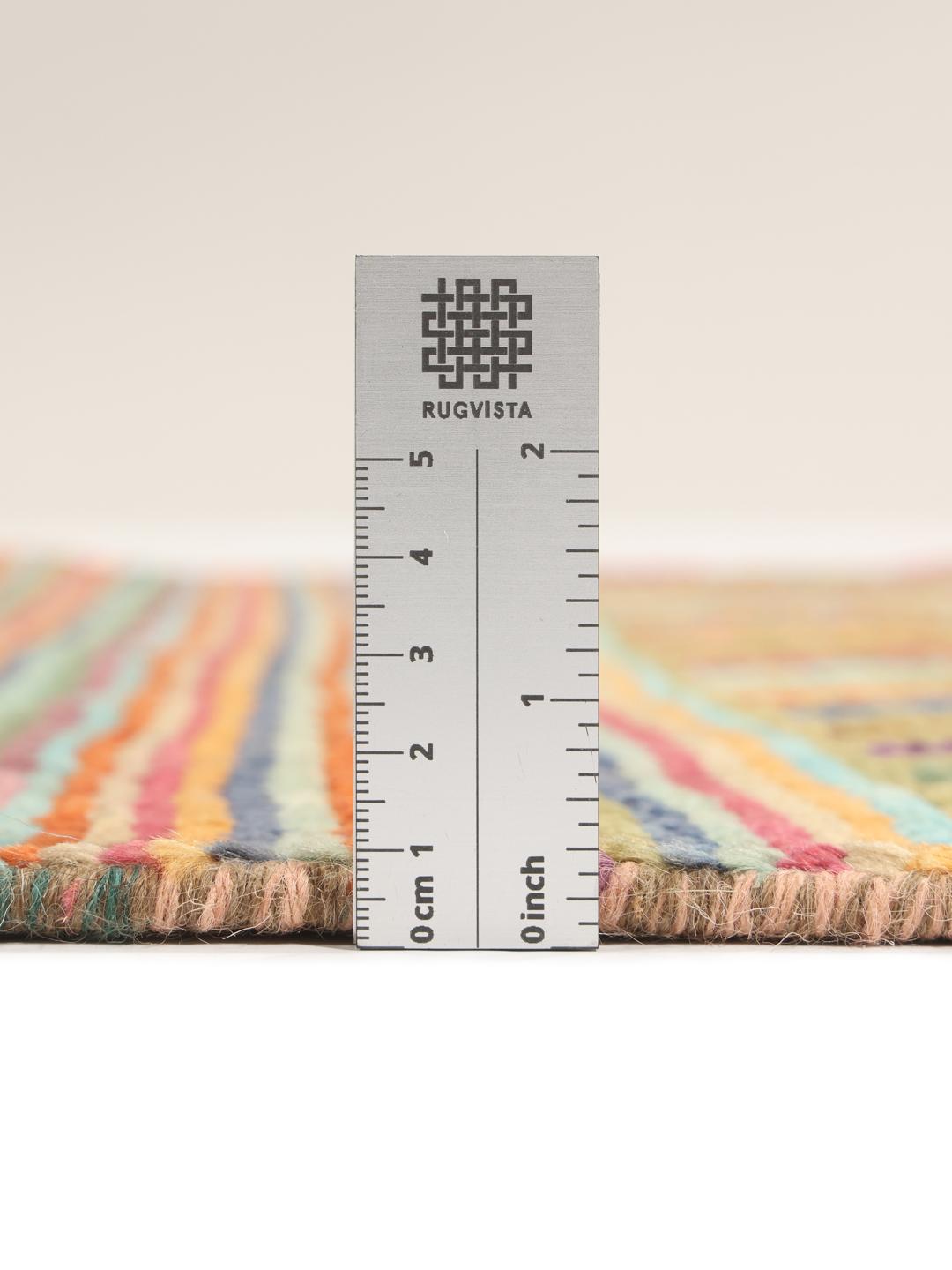
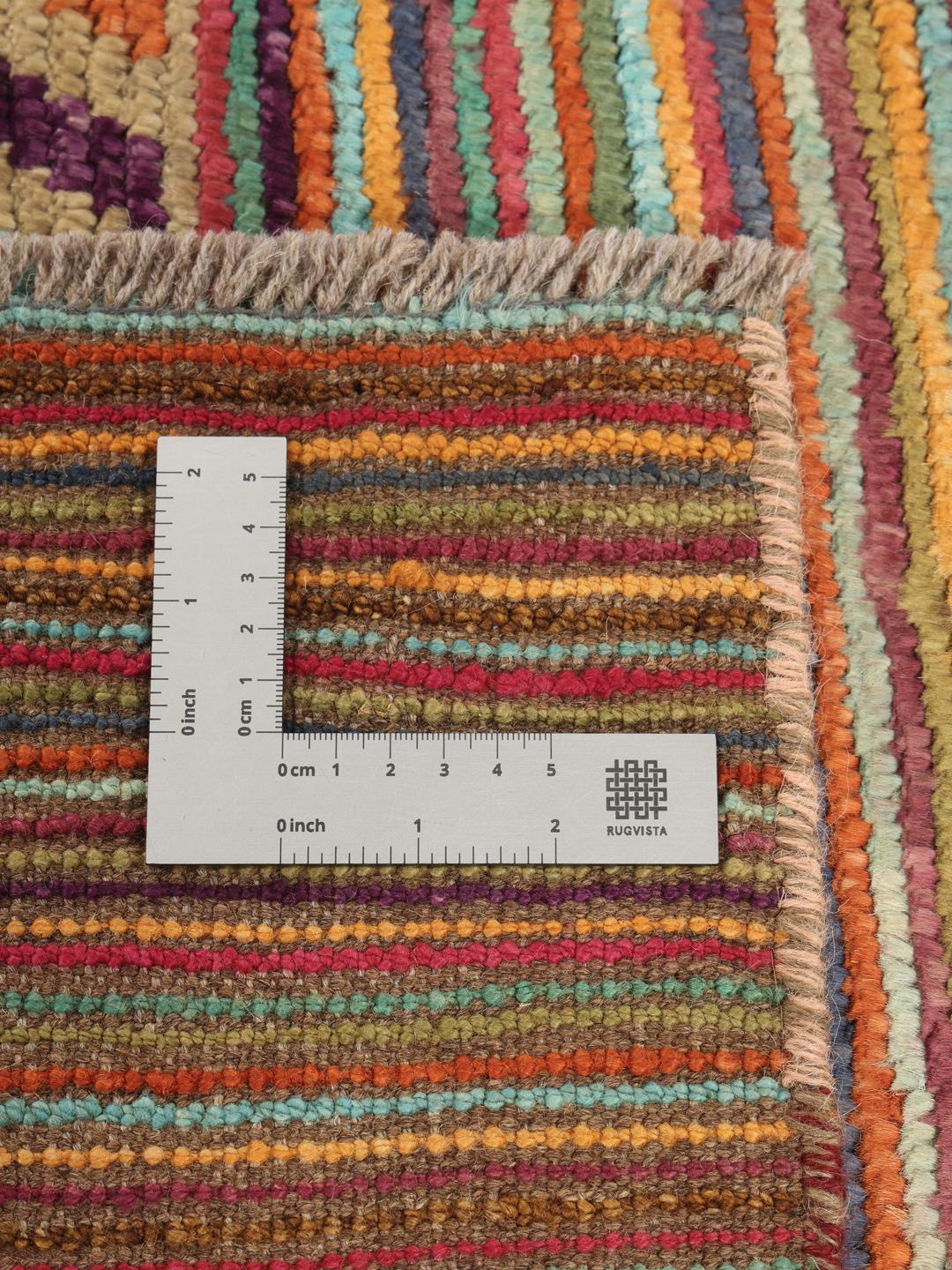
The visual language of this rug is defined by its use of repeating geometric motifs, such as the zig-zag, which often hold symbolic meaning in local traditions. These patterns are typically arranged in deliberate sequences, framed by bands of colour that create a sense of movement. The use of varied colours across the field is a hallmark of this style, intended to bring joy and vitality into the home.
Collecting these rugs is an investment in the preservation of human skill and cultural heritage. Because each rug is created without a template, the variations in tone and pattern density serve as a record of the artisan's hand at work. Owning such a piece is a way to bridge the gap between ancient traditions and modern living, providing a connection to the people and the place where it was born.