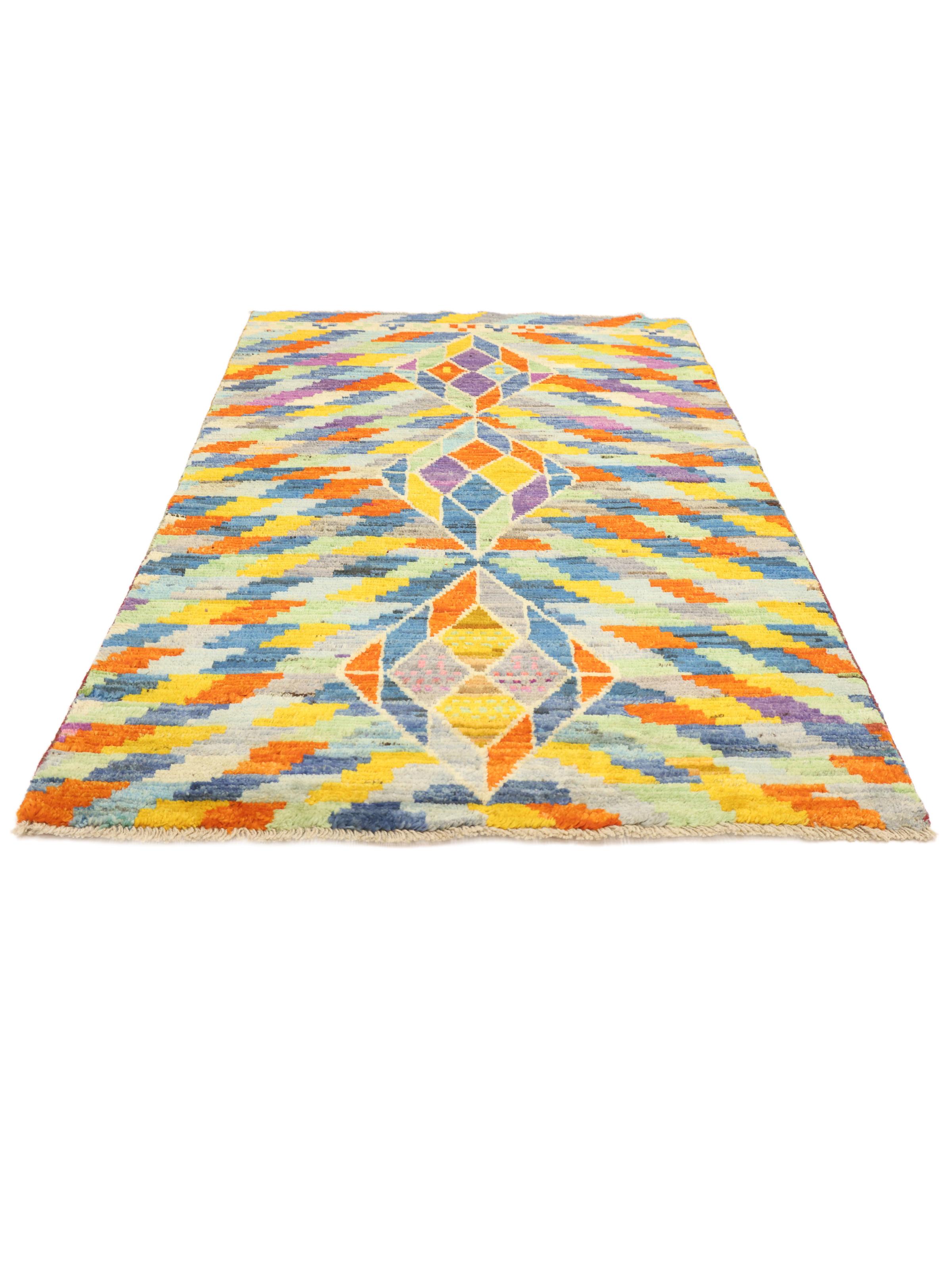
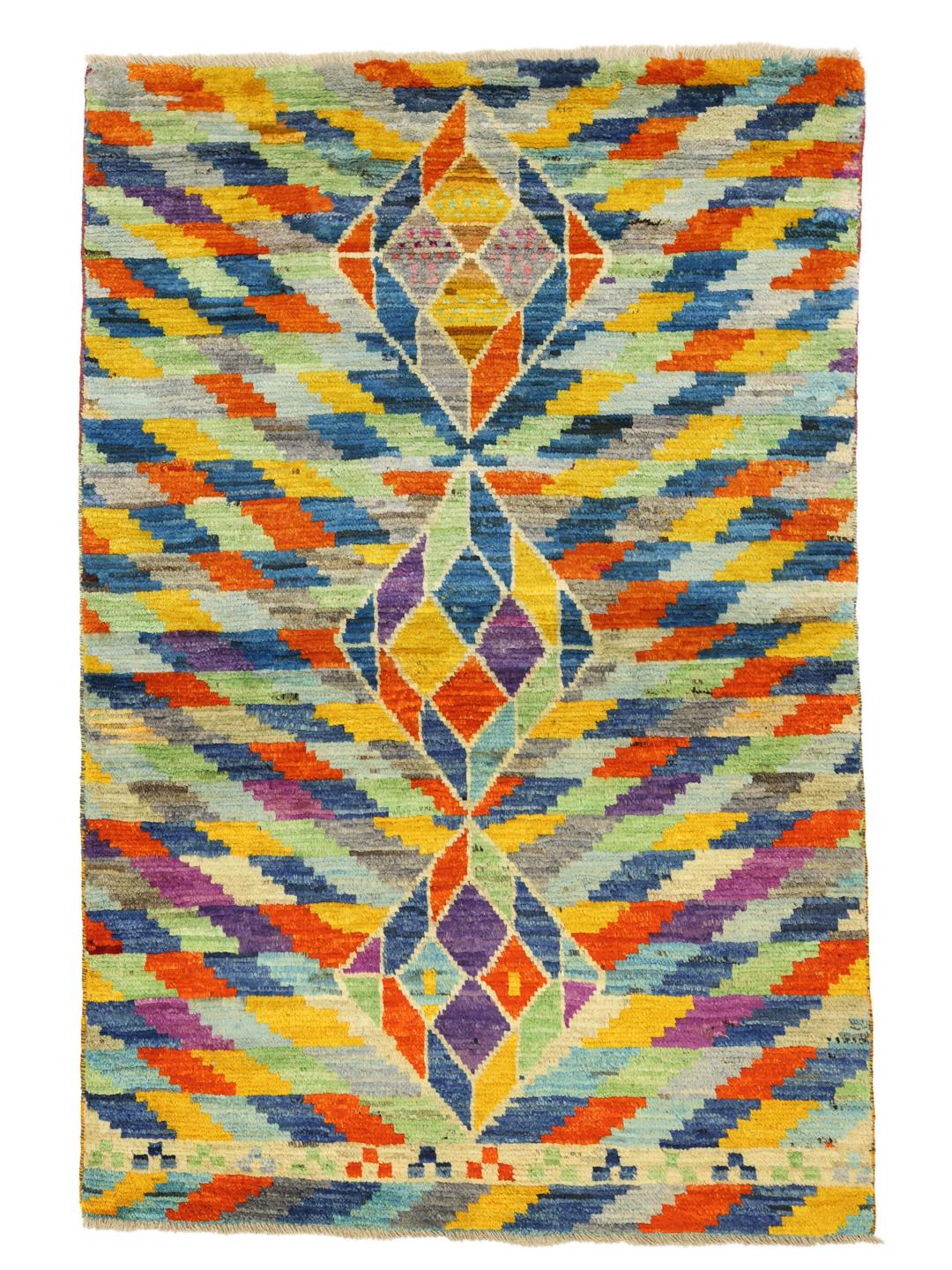
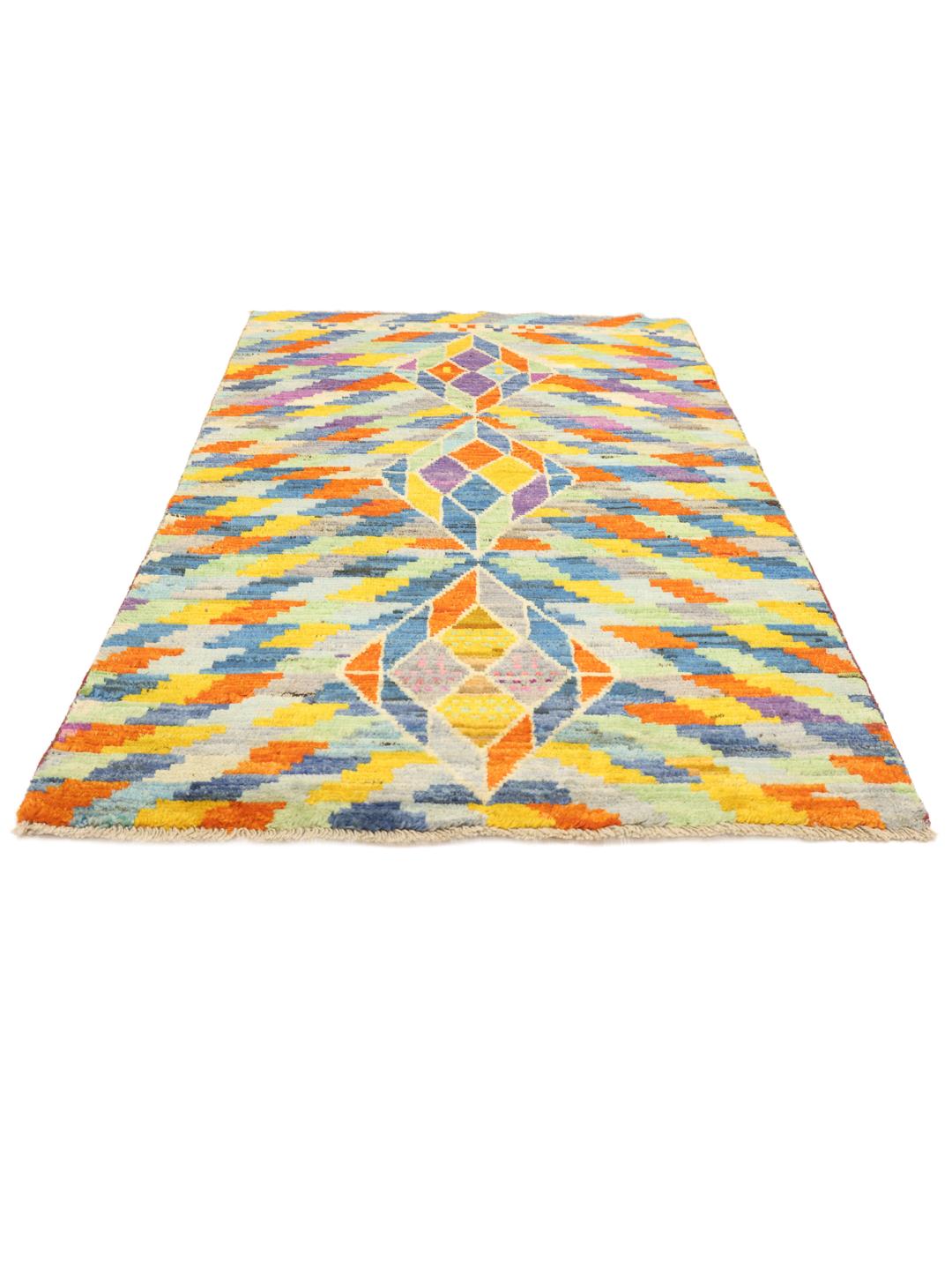
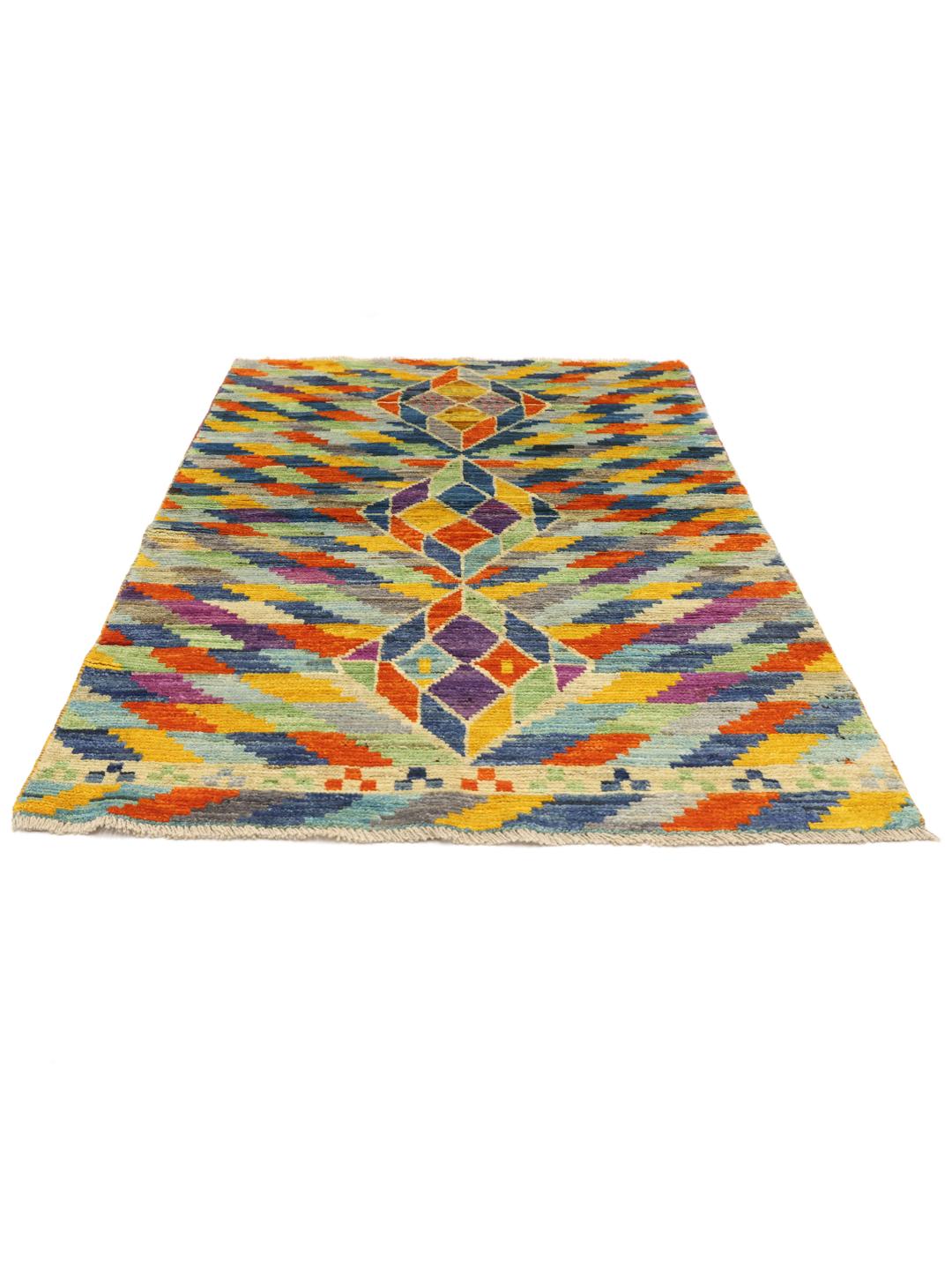
The Berber tradition is deeply rooted in the history of the Middle East and North Africa, where tribal weavers have passed down their knowledge of wool processing and knotting for generations. While the term Berber originally refers to the indigenous peoples of North Africa, the style has inspired weavers in neighbouring regions, including Afghanistan, who have adapted these techniques to create their own vibrant, expressive textiles.
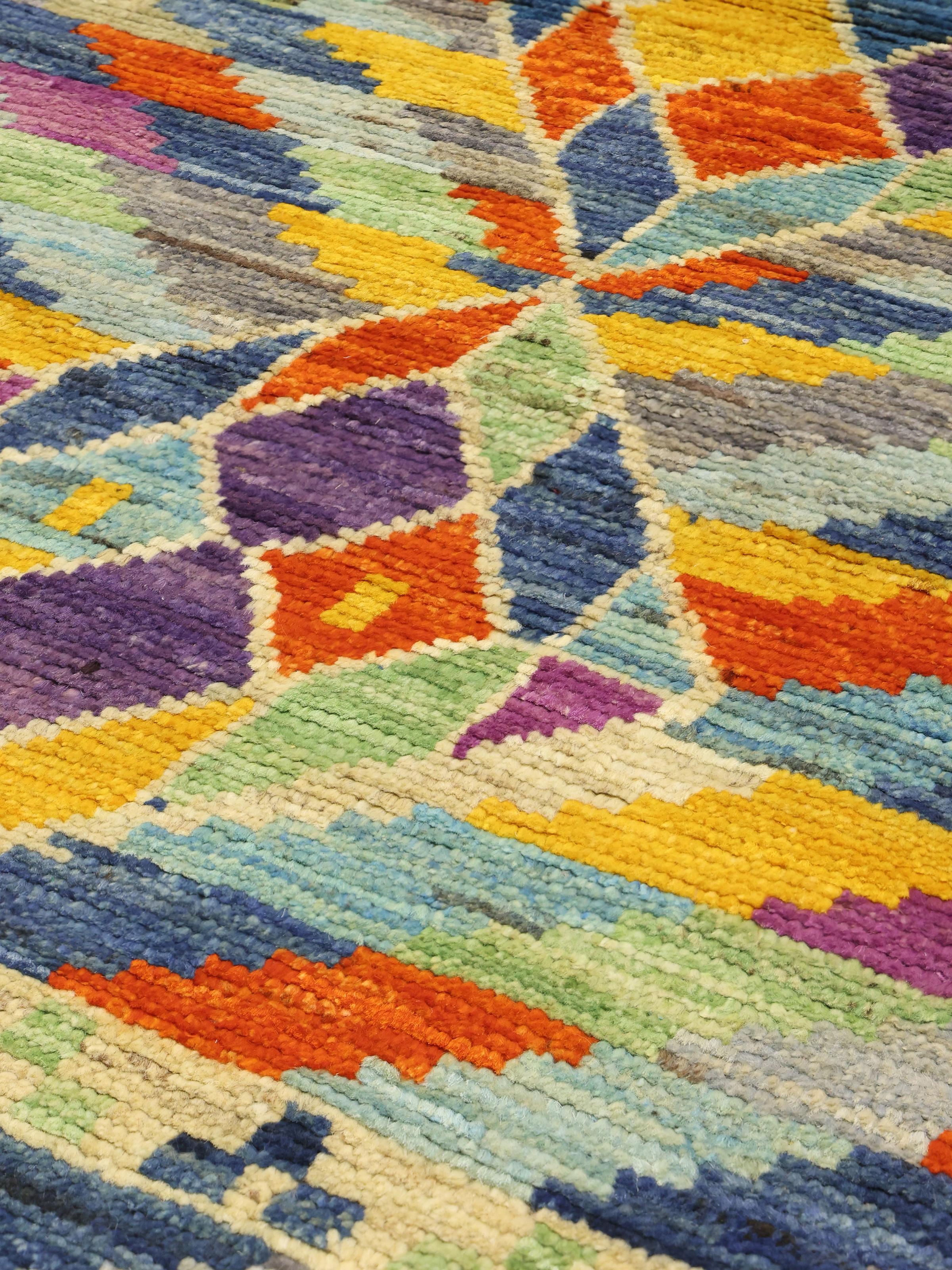
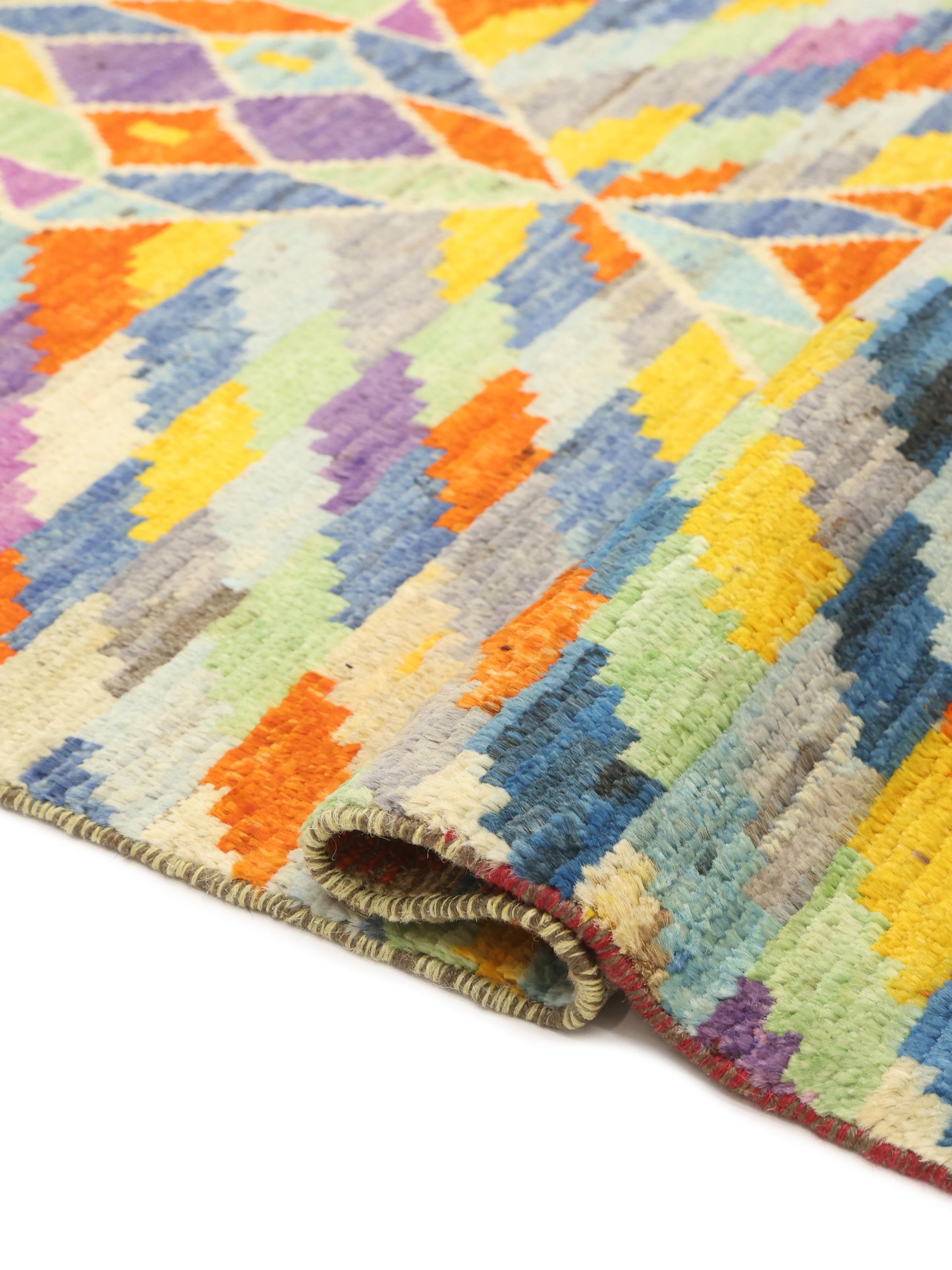
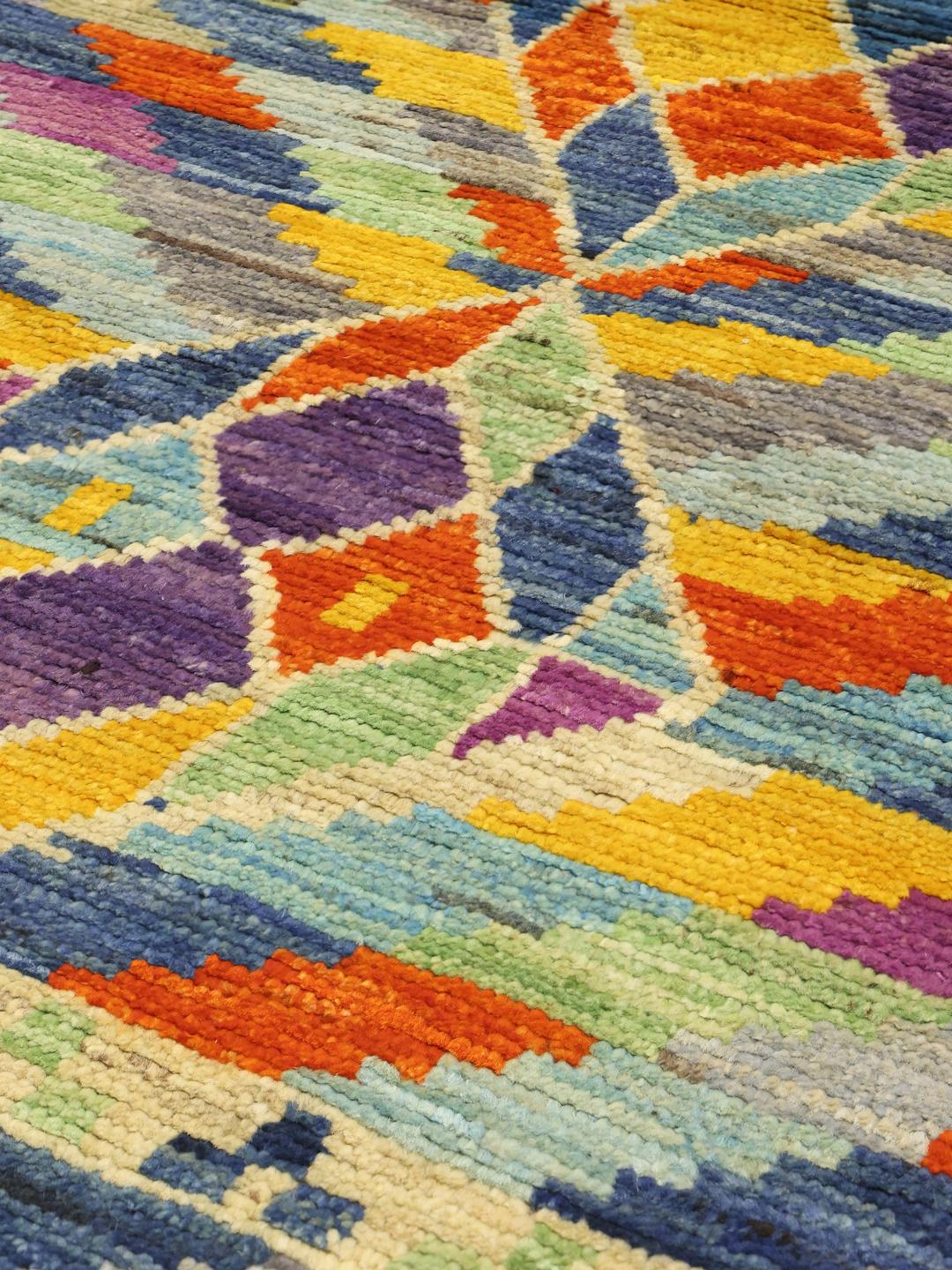
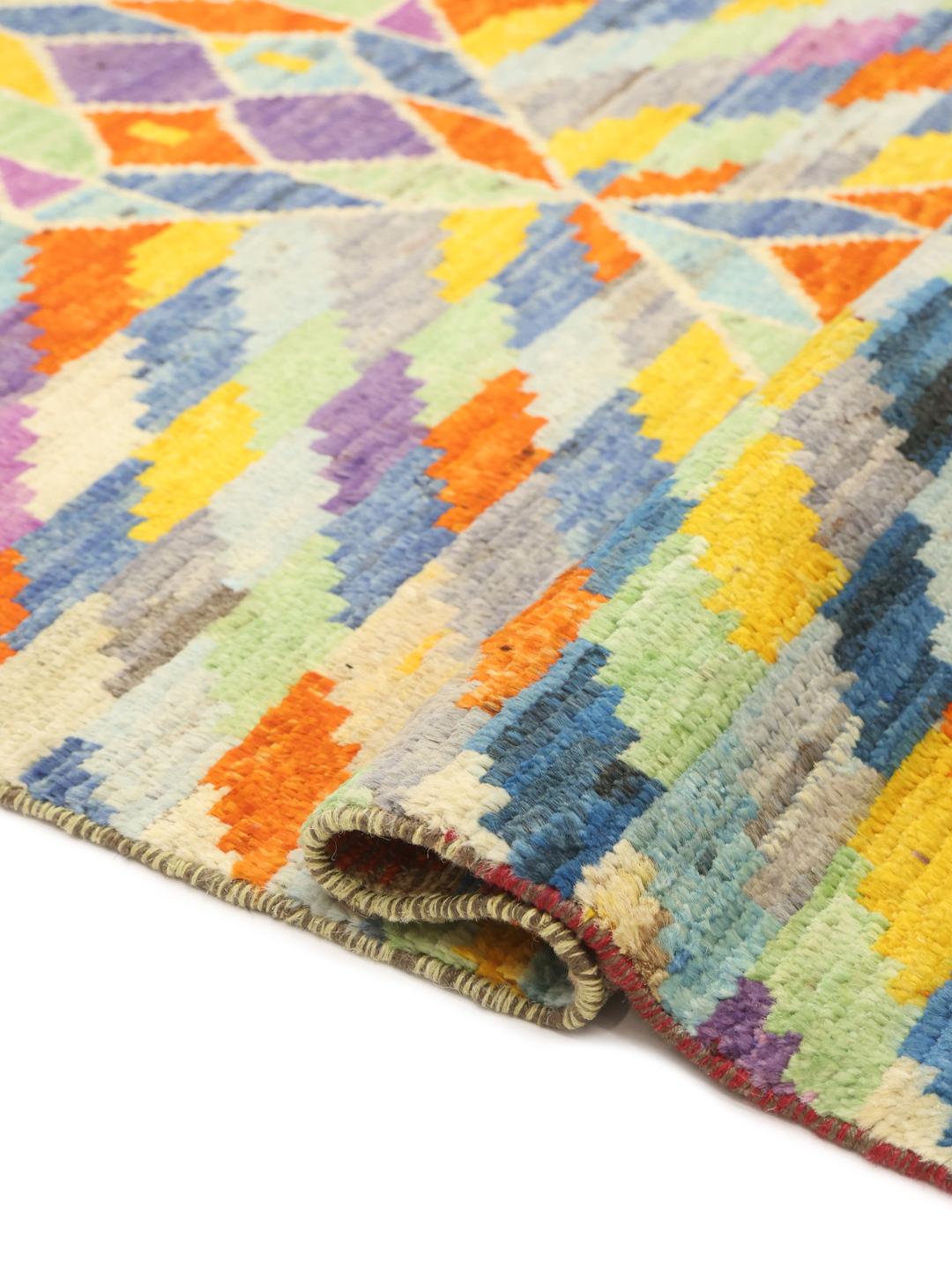
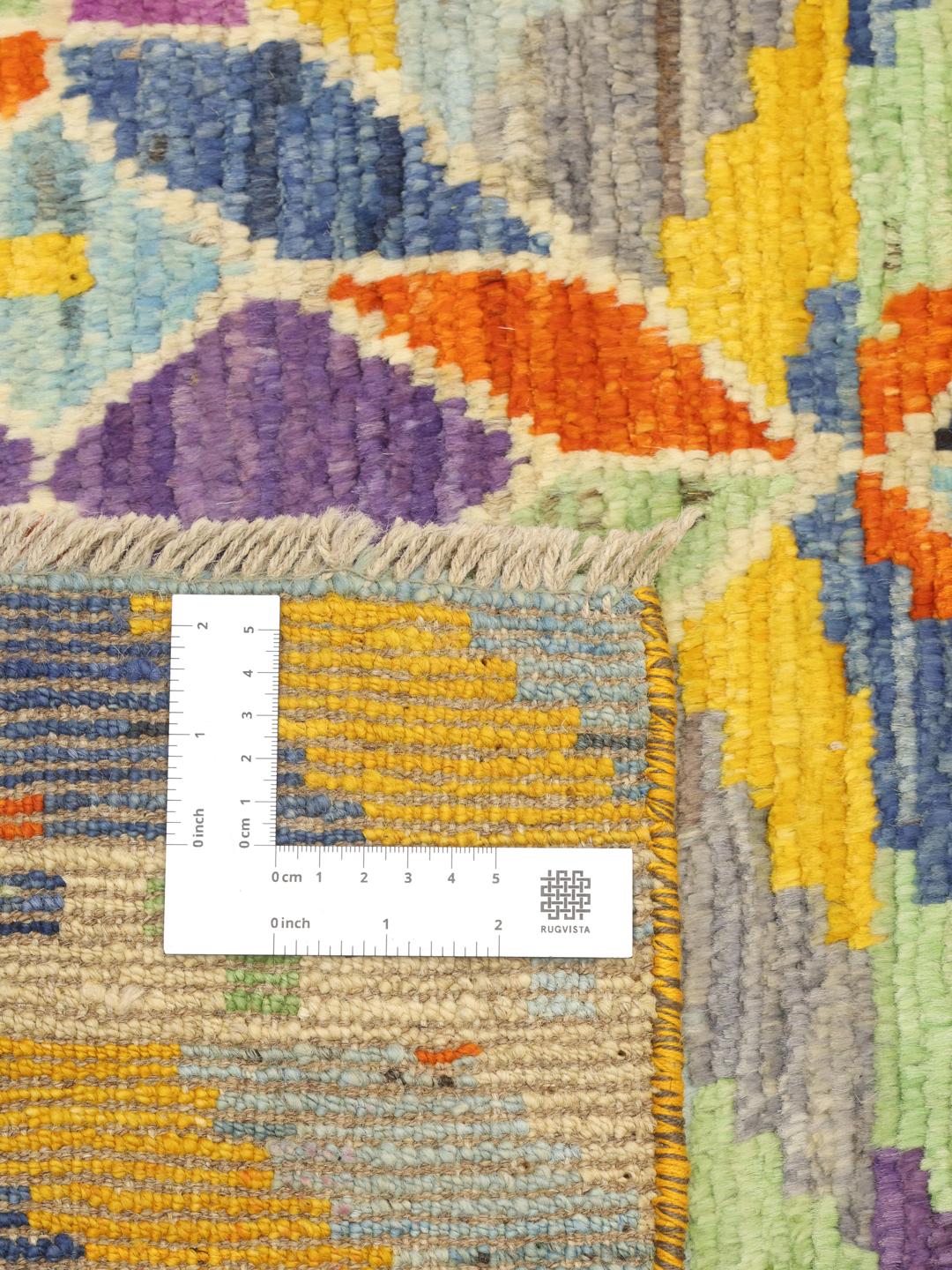
The construction of these rugs relies on traditional hand-knotting, a technique that has been refined over centuries. This method involves creating a foundation and then building the pile knot by knot, which allows for intricate patterns and a dense, hard-wearing surface. The quality of a rug is often determined by the tension and consistency of these knots, which ensure that the rug lies flat and maintains its shape even after years of use.
Visually, these rugs are defined by their bold use of colour and geometric motifs. Often, the designs are inspired by the natural environment and local folklore, resulting in patterns that feel both ancient and contemporary. The inclusion of diamond shapes and vibrant, rhythmic colour shifts is a hallmark of this tradition, turning every rug into a narrative of the weaver's creative vision.
Owning a hand-knotted rug from this tradition is an investment in cultural heritage and skilled labour. These pieces are highly valued by collectors and homeowners alike, not only for their aesthetic appeal but for the way they represent a connection to human history. By bringing such a piece into your home, you are preserving a craft that values quality over speed and artistry over uniformity.