Berber rugs are rooted in the rich textile traditions of North Africa, yet their influence has travelled across continents, inspiring weavers in regions like Afghanistan to adopt and reinterpret these bold, geometric styles. This cross-cultural dialogue has led to a distinctive fusion where local techniques meet iconic, symbolic design languages.
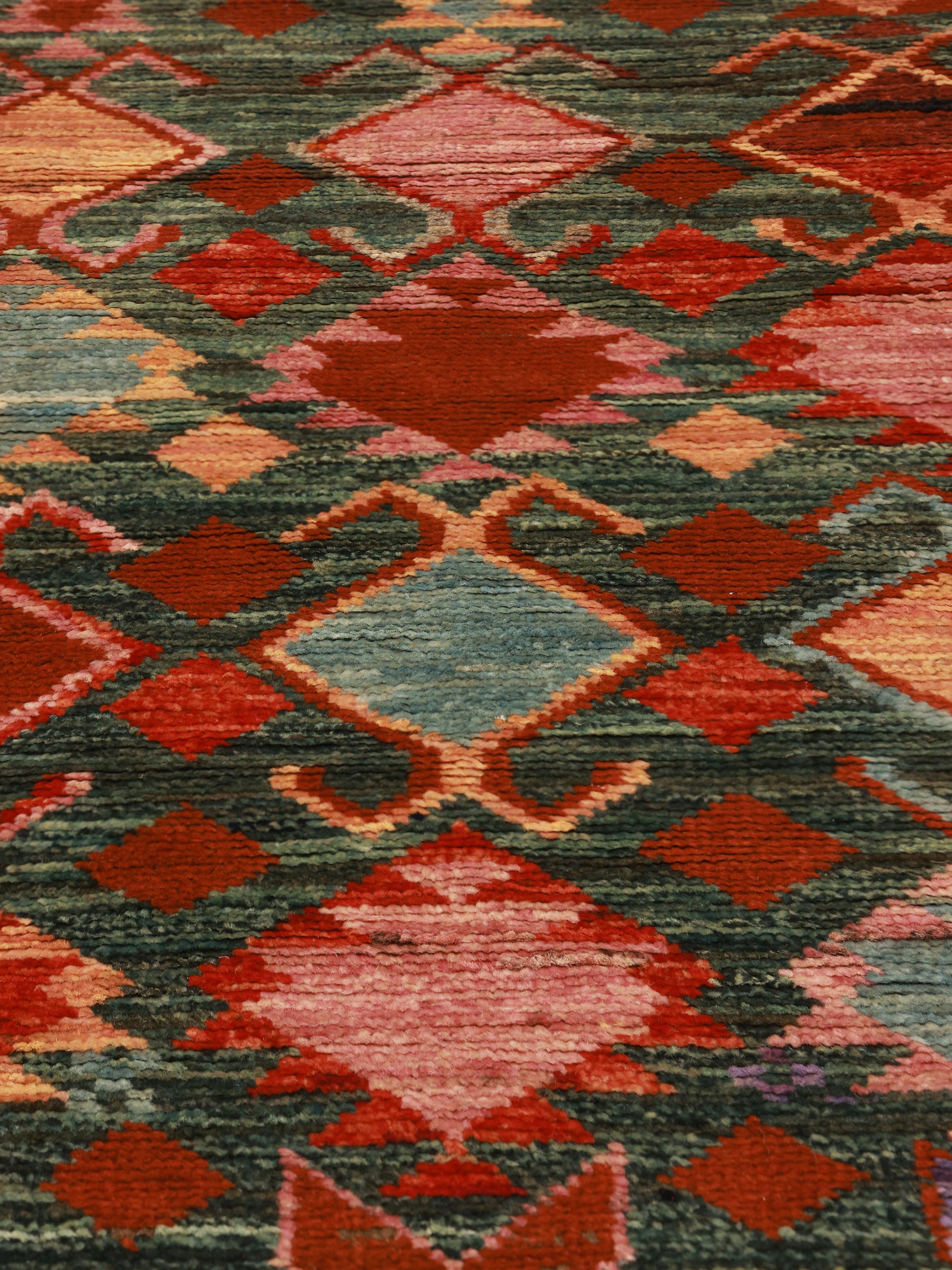
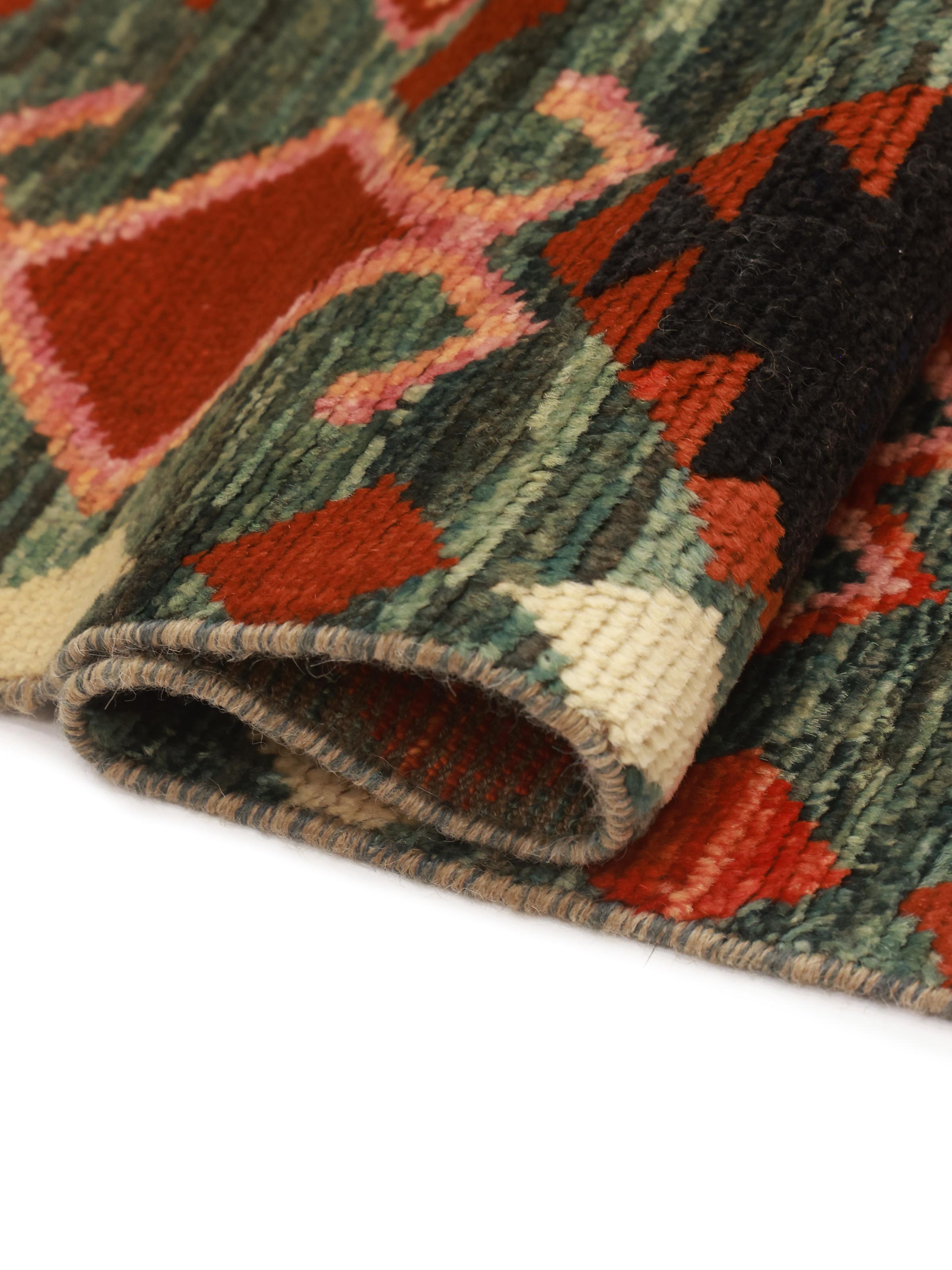
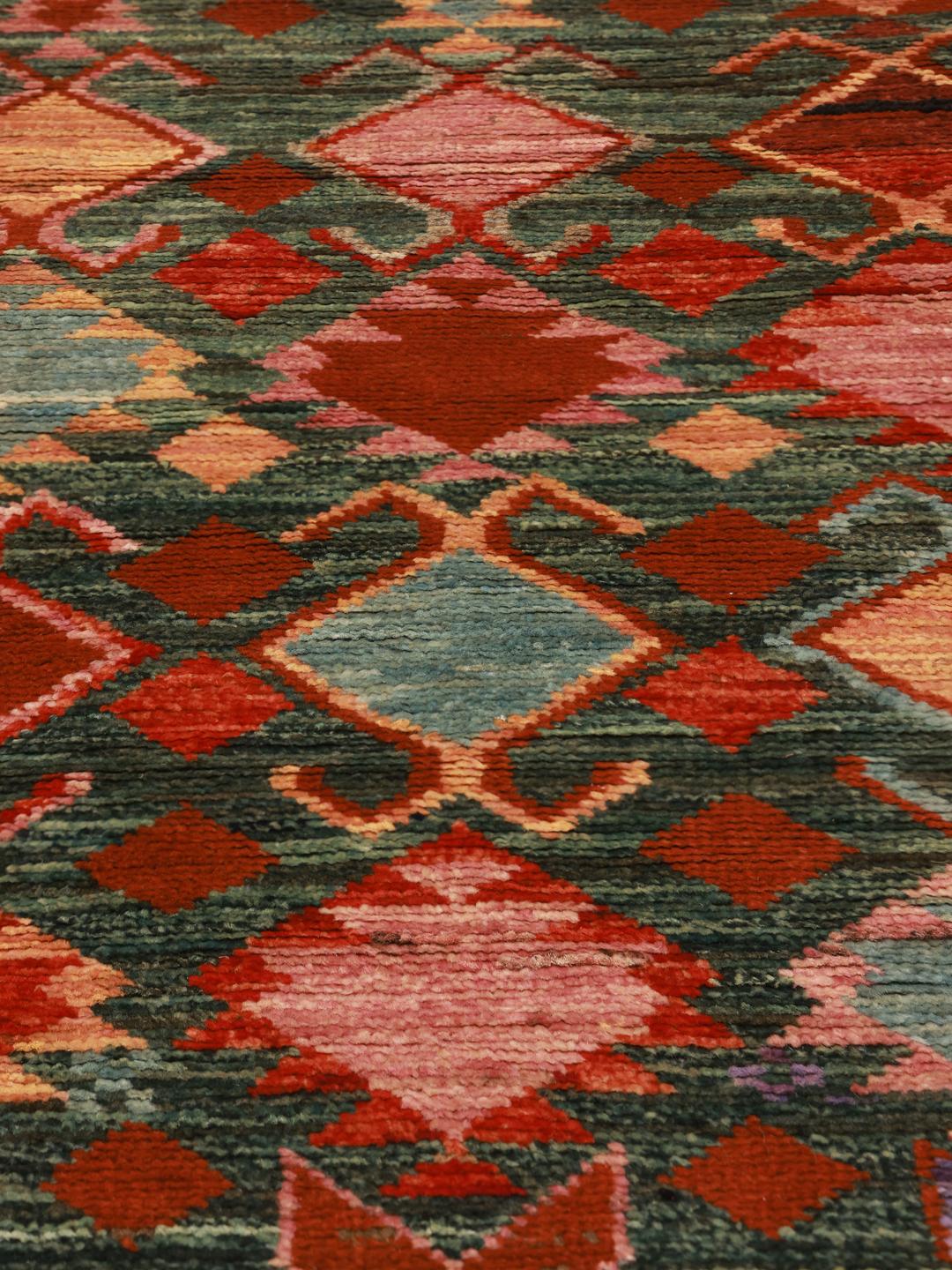
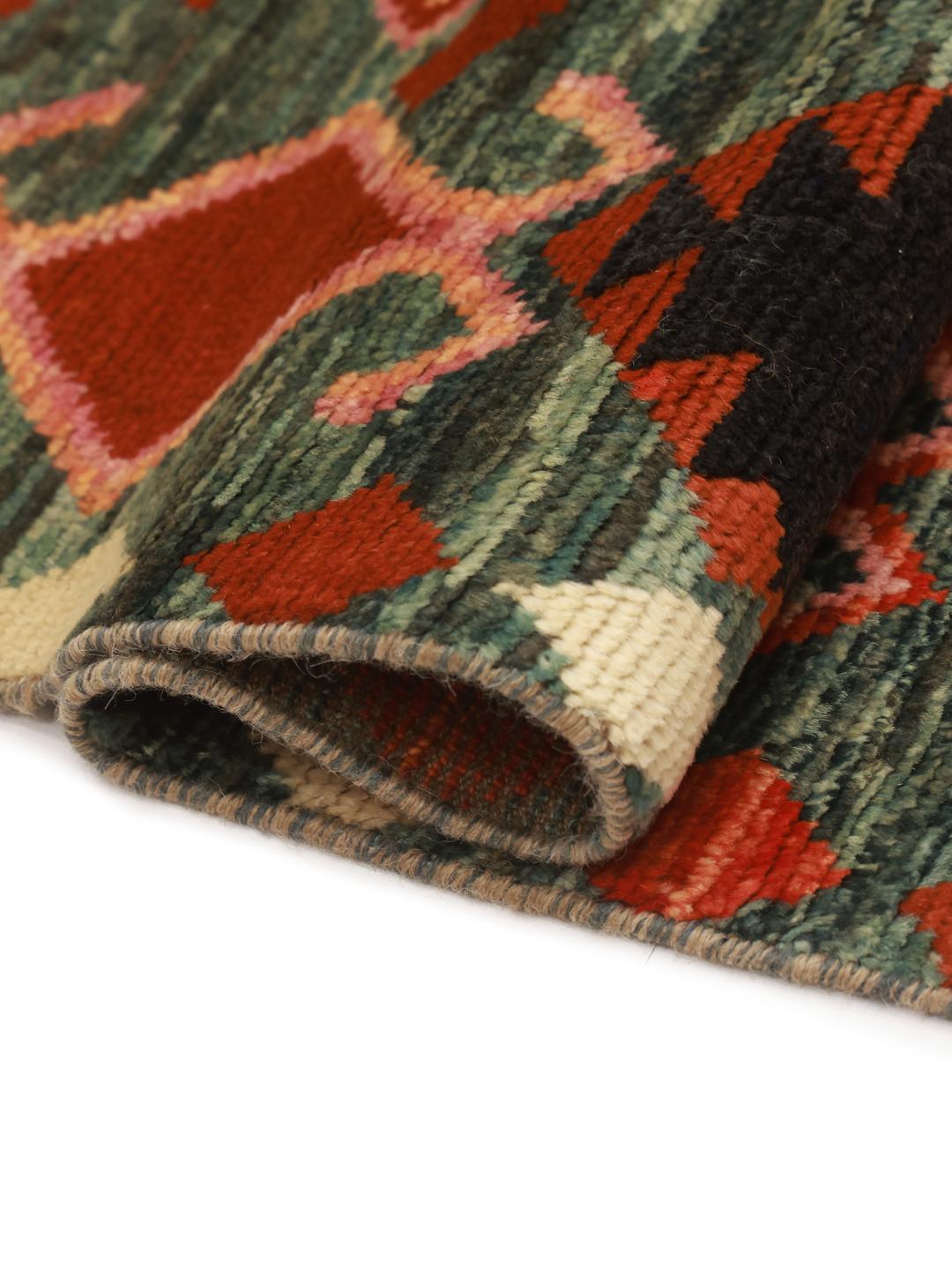
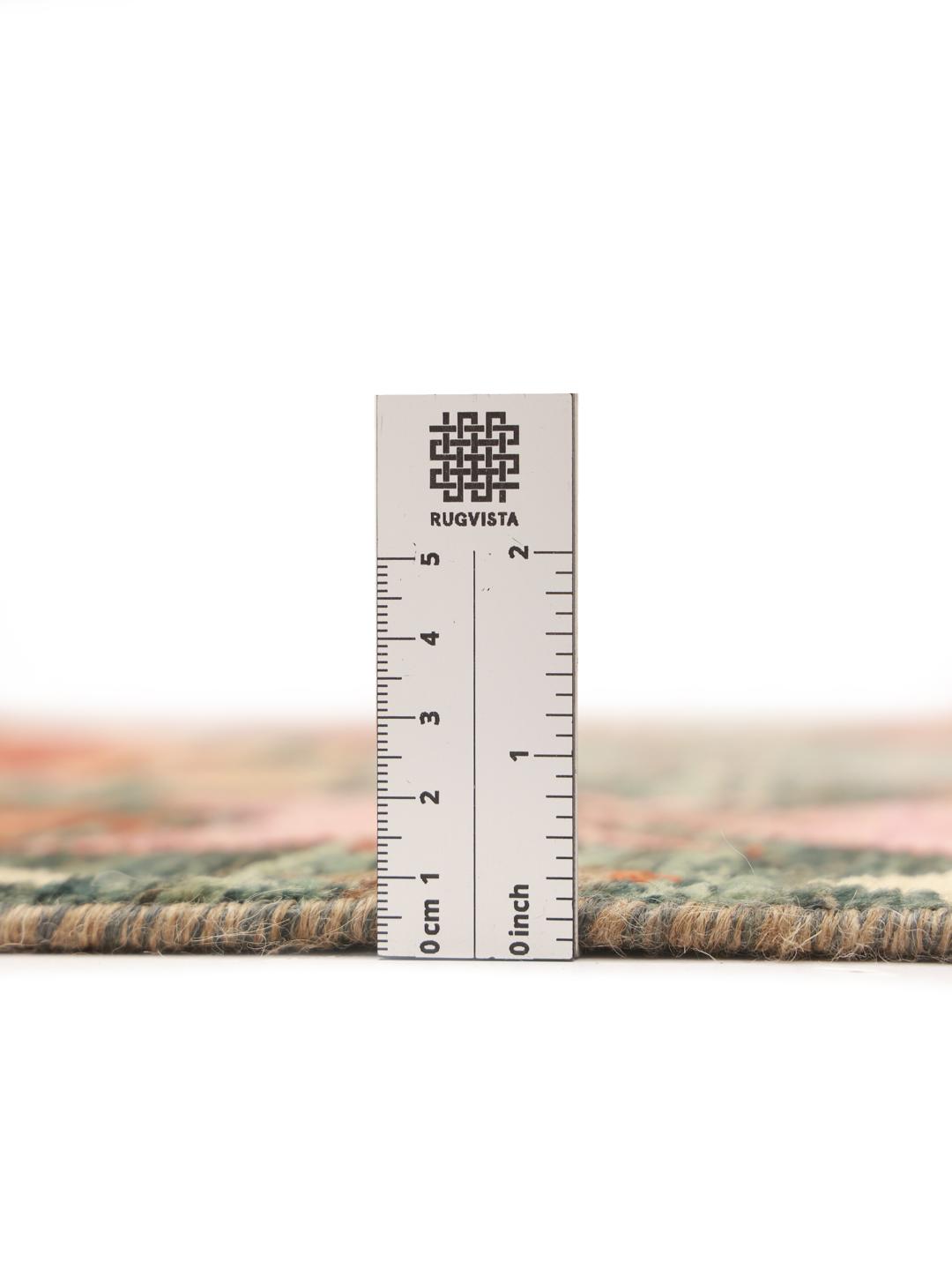
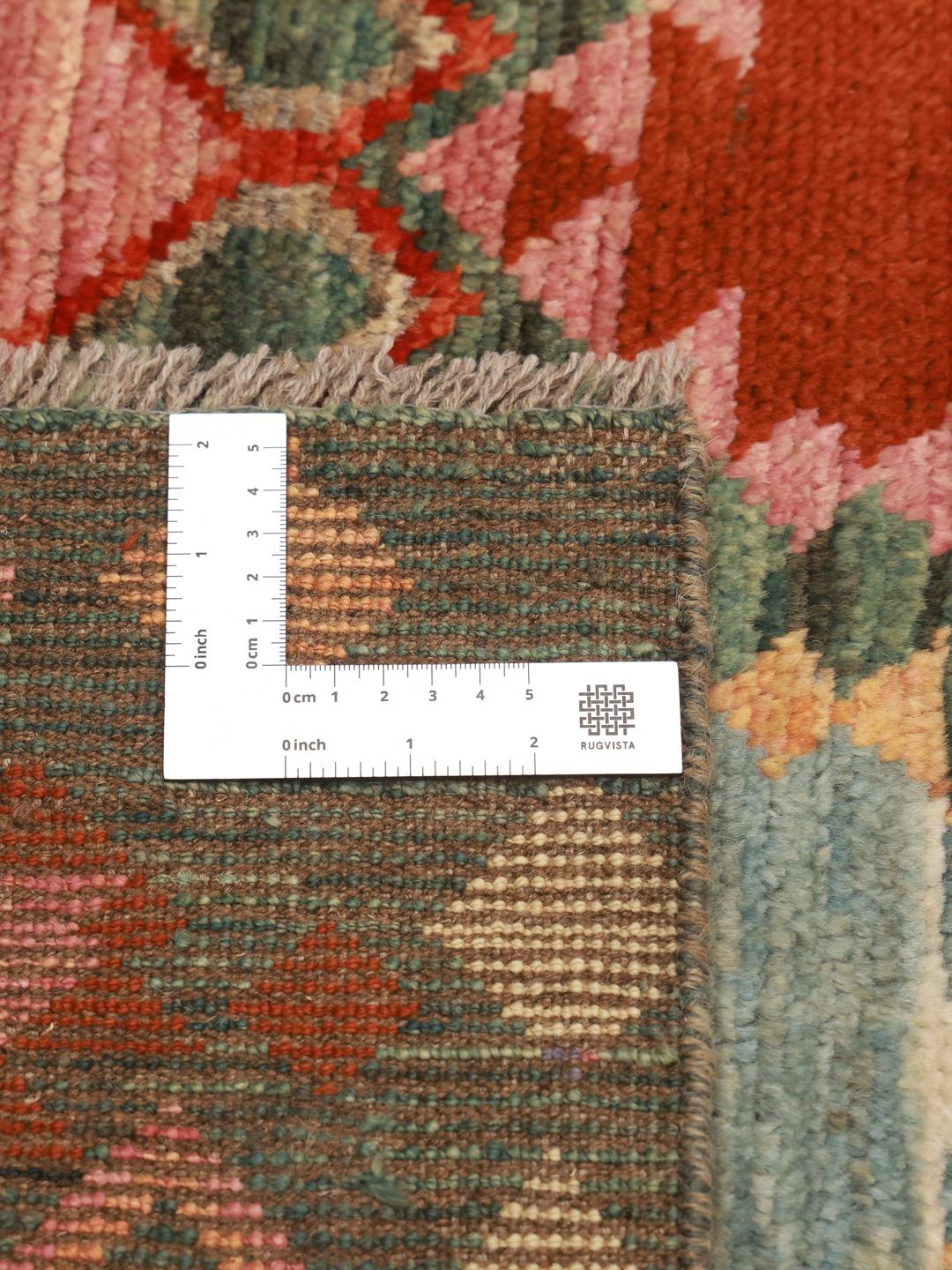
The term hand-knotted refers to the traditional method of creating a rug by tying individual strands of wool onto the foundation. This technique is highly valued because it creates a pile that is incredibly durable and capable of holding complex, sharp designs that remain vivid over decades of use.
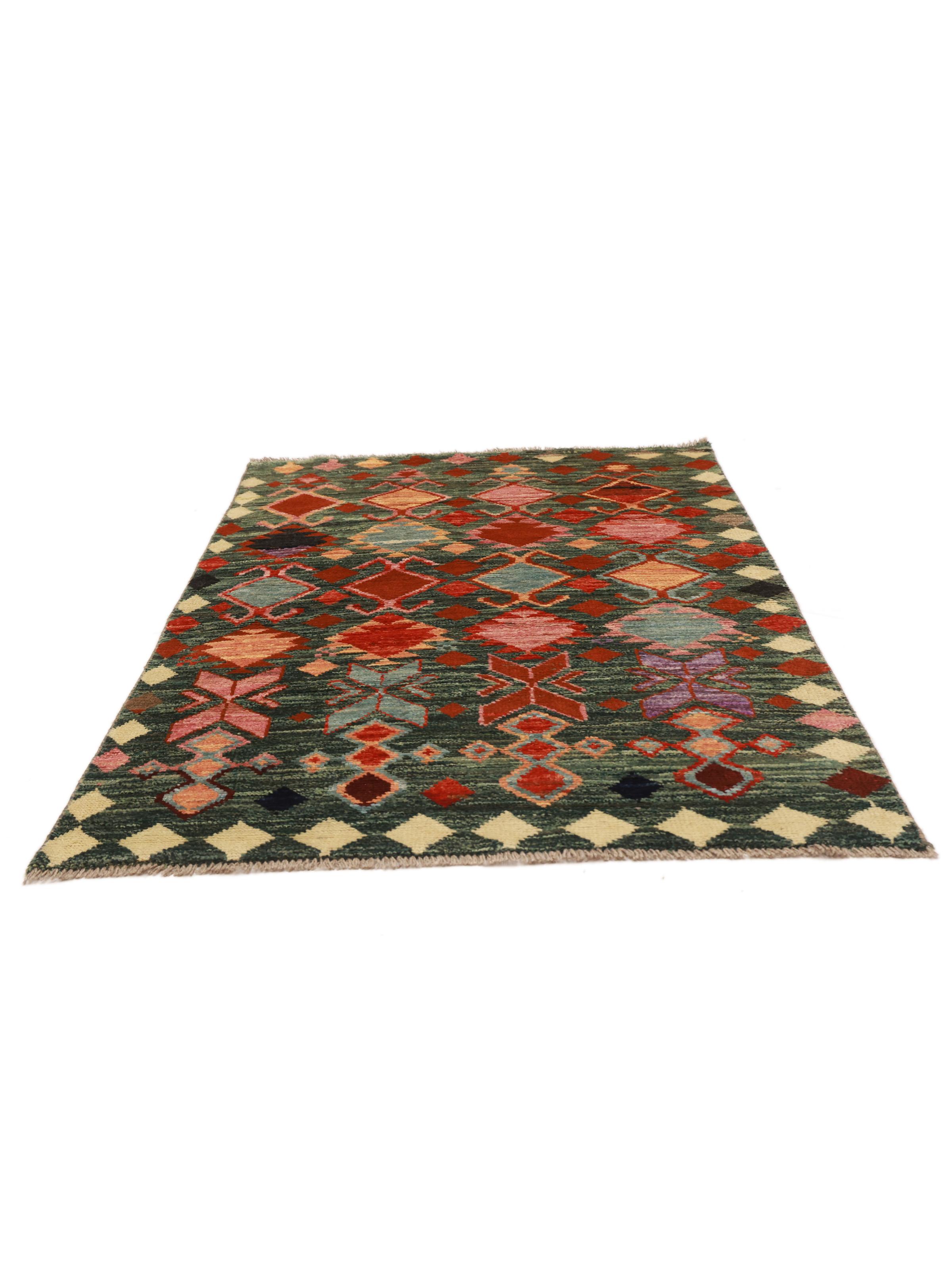
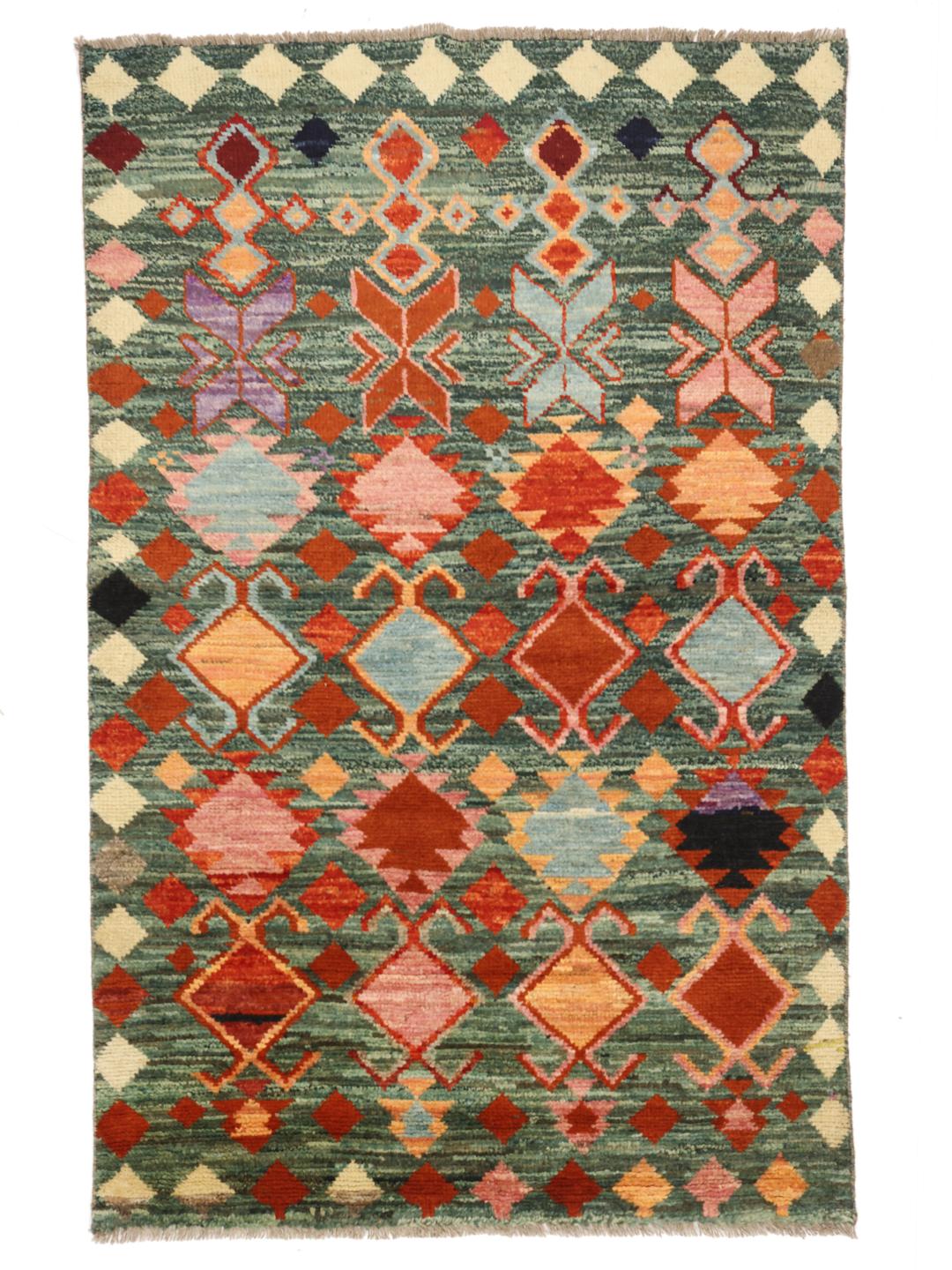
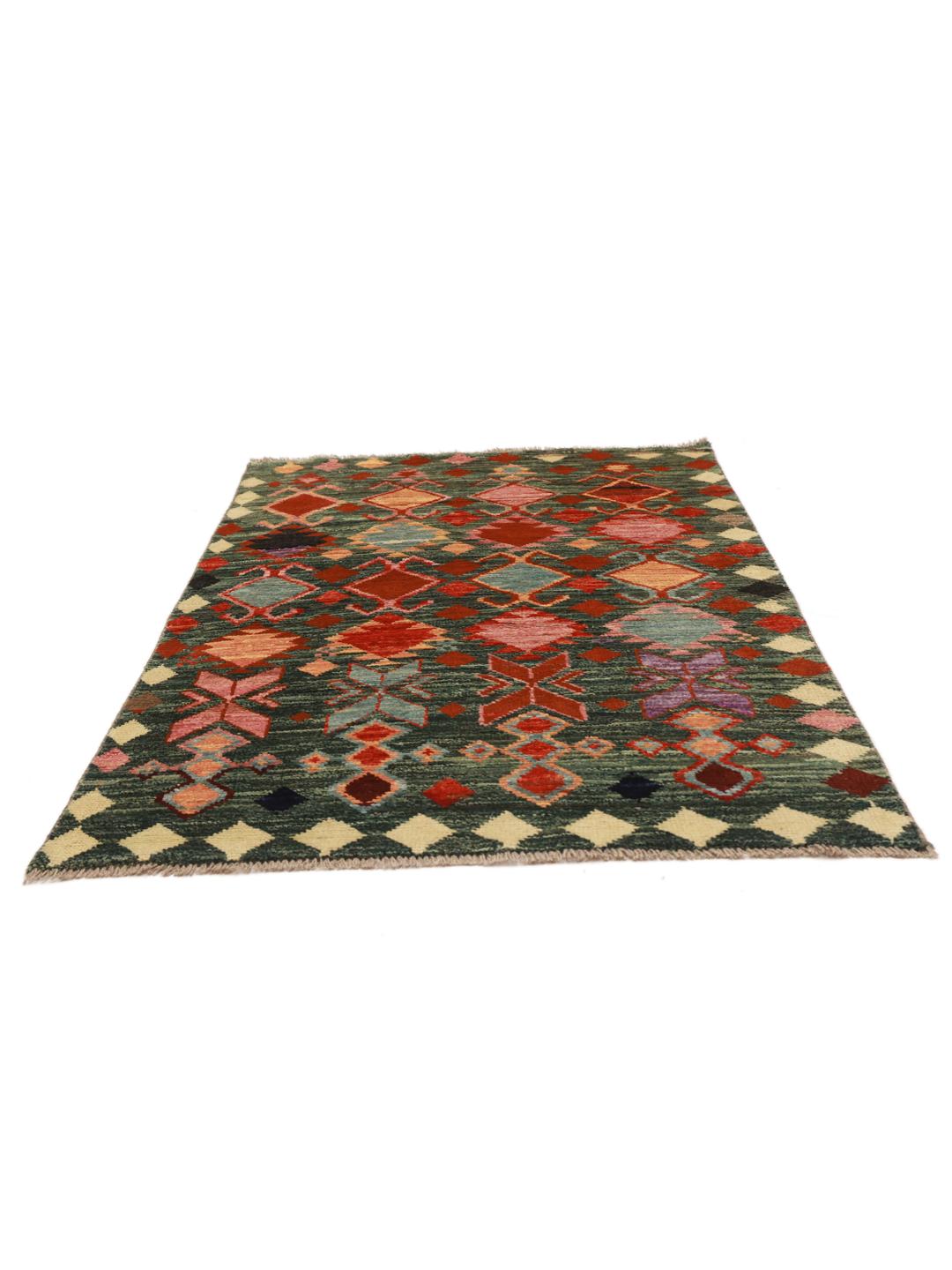
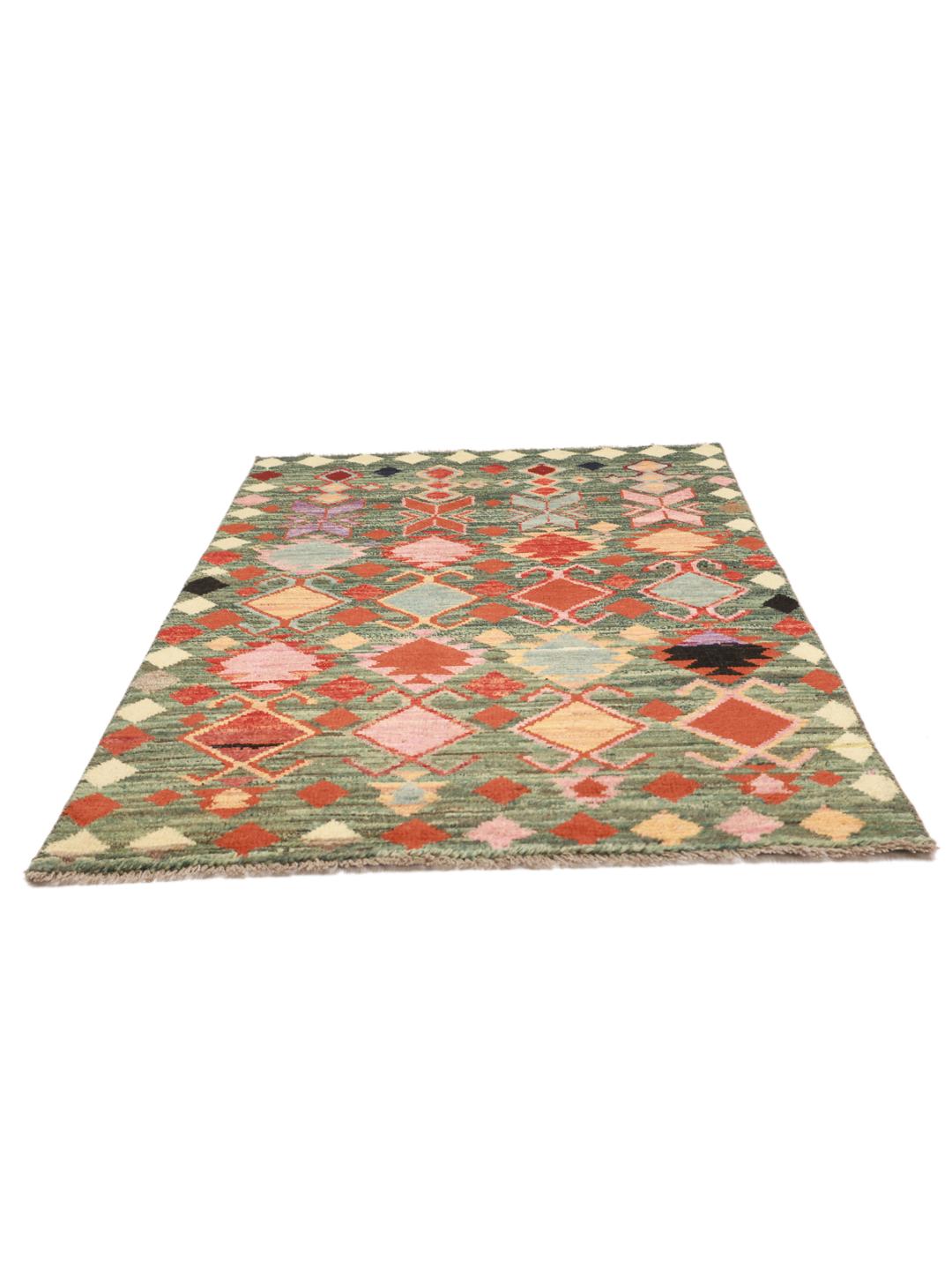
The visual language of this rug is defined by its repeating diamond motifs and vibrant colour palette. In many traditions, these symbols are not merely decorative but carry deep cultural significance, often representing protection, prosperity, or the natural world. The use of a dark-green field provides a modern, grounded contrast to the lively, multi-coloured geometric shapes.
Collecting a hand-knotted rug from this tradition is an investment in human skill and cultural continuity. These pieces are valued for their authenticity and the way they bridge the gap between historical craft and contemporary interior design, offering a level of depth and texture that mass-produced items simply cannot replicate.