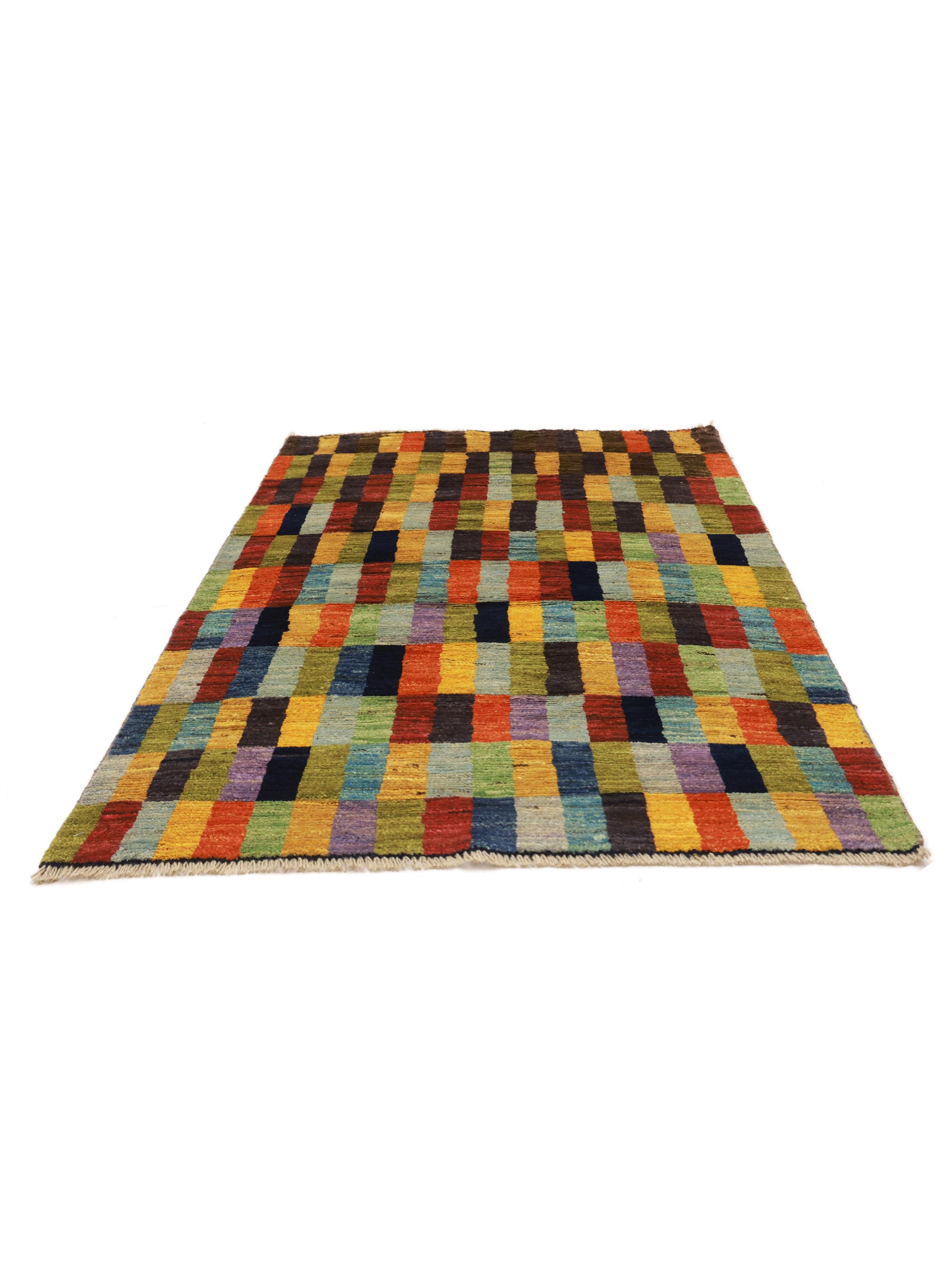
Berber rugs trace their origins to the indigenous weaving traditions of North Africa, where nomadic tribes created these pieces primarily for warmth and utility. Over generations, the aesthetic influence of these tribal designs has travelled across the globe, inspiring weavers in regions like Afghanistan to adopt and reinterpret the style.
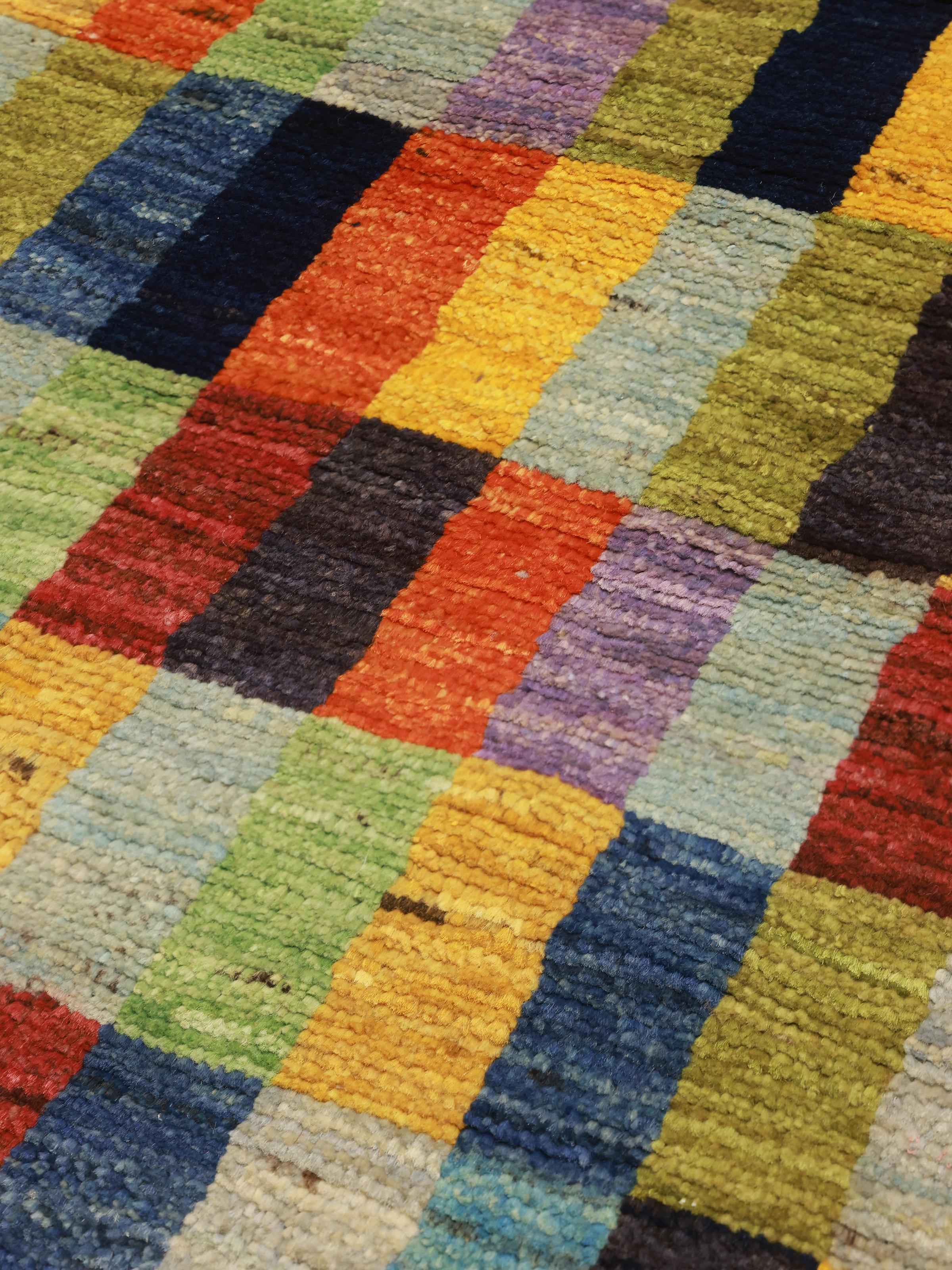
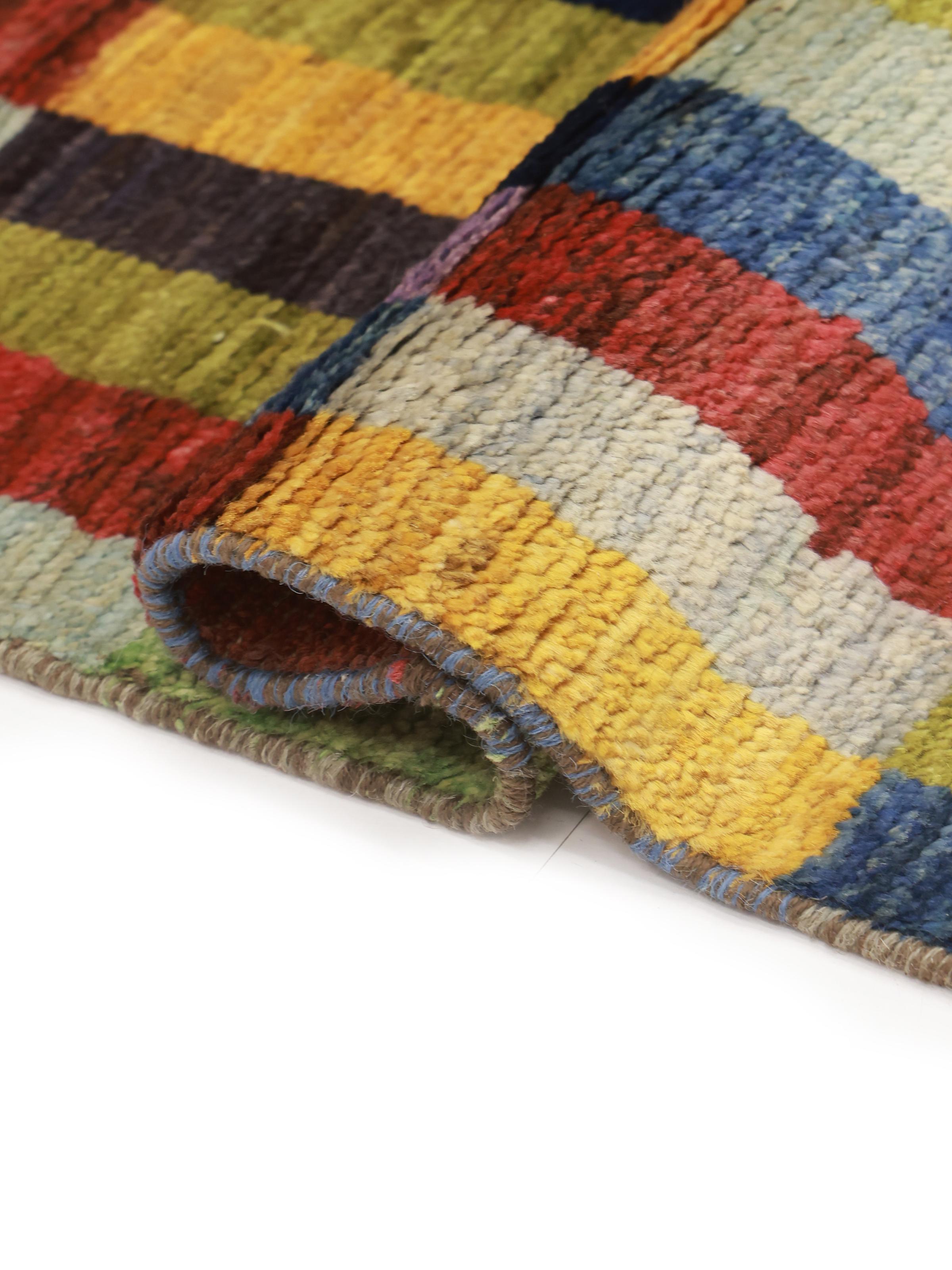
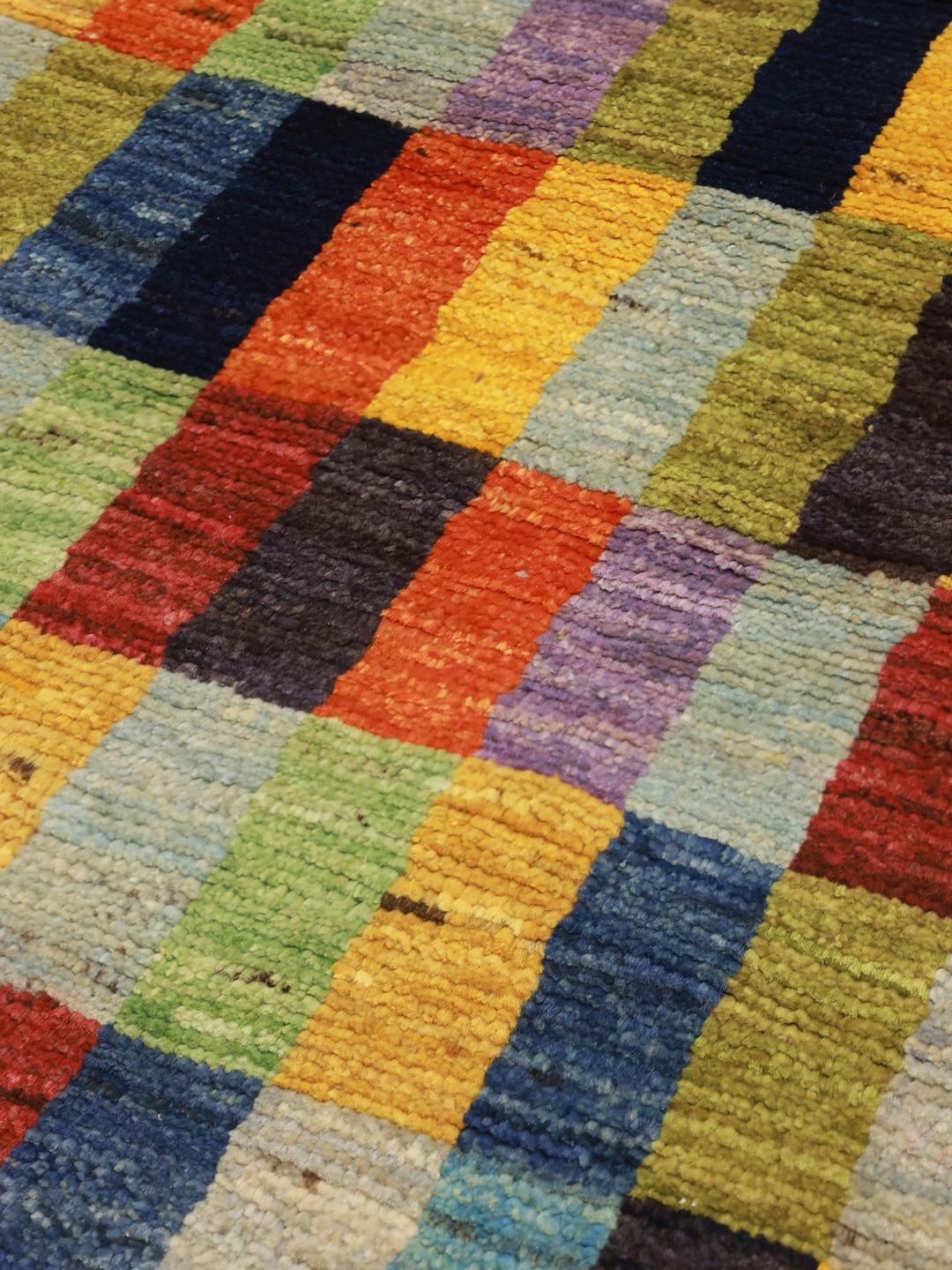
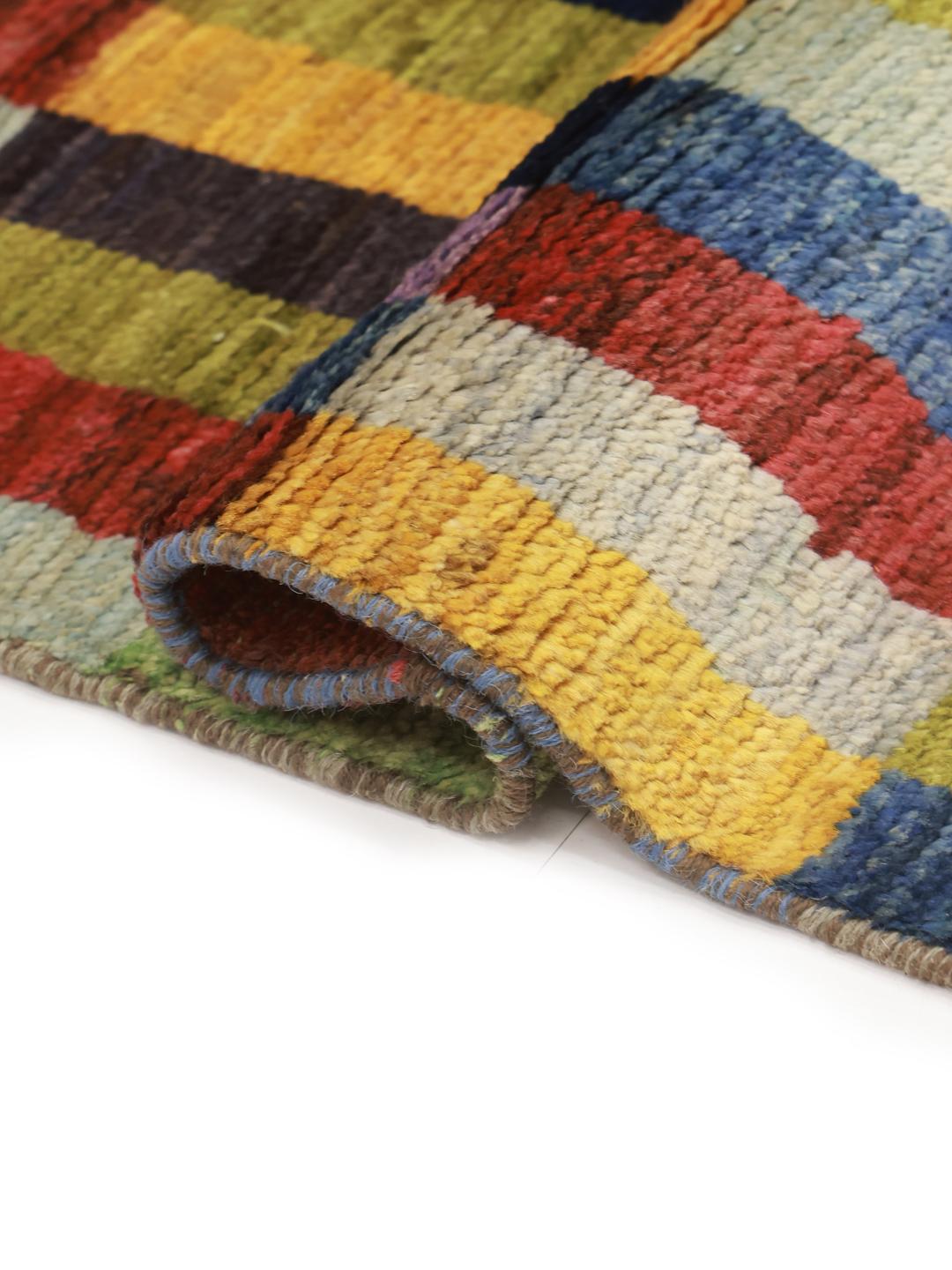
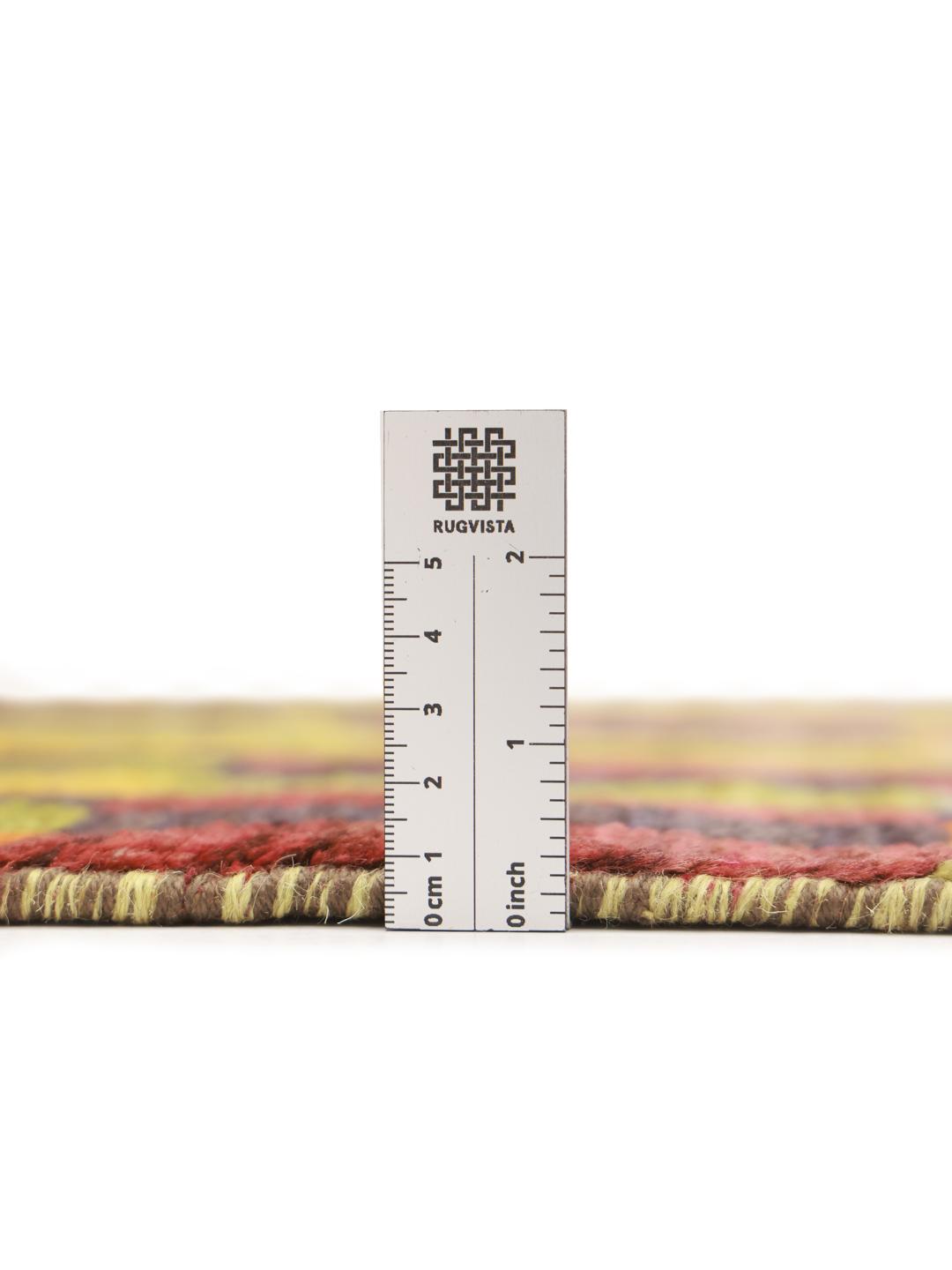
The term Berber historically refers to the weaving techniques and distinct pile-knotting methods used by these ancient cultures. In the context of Afghan production, this means utilising high-quality wool and traditional hand-knotting, which results in a thicker, more durable pile compared to flatter, woven alternatives.
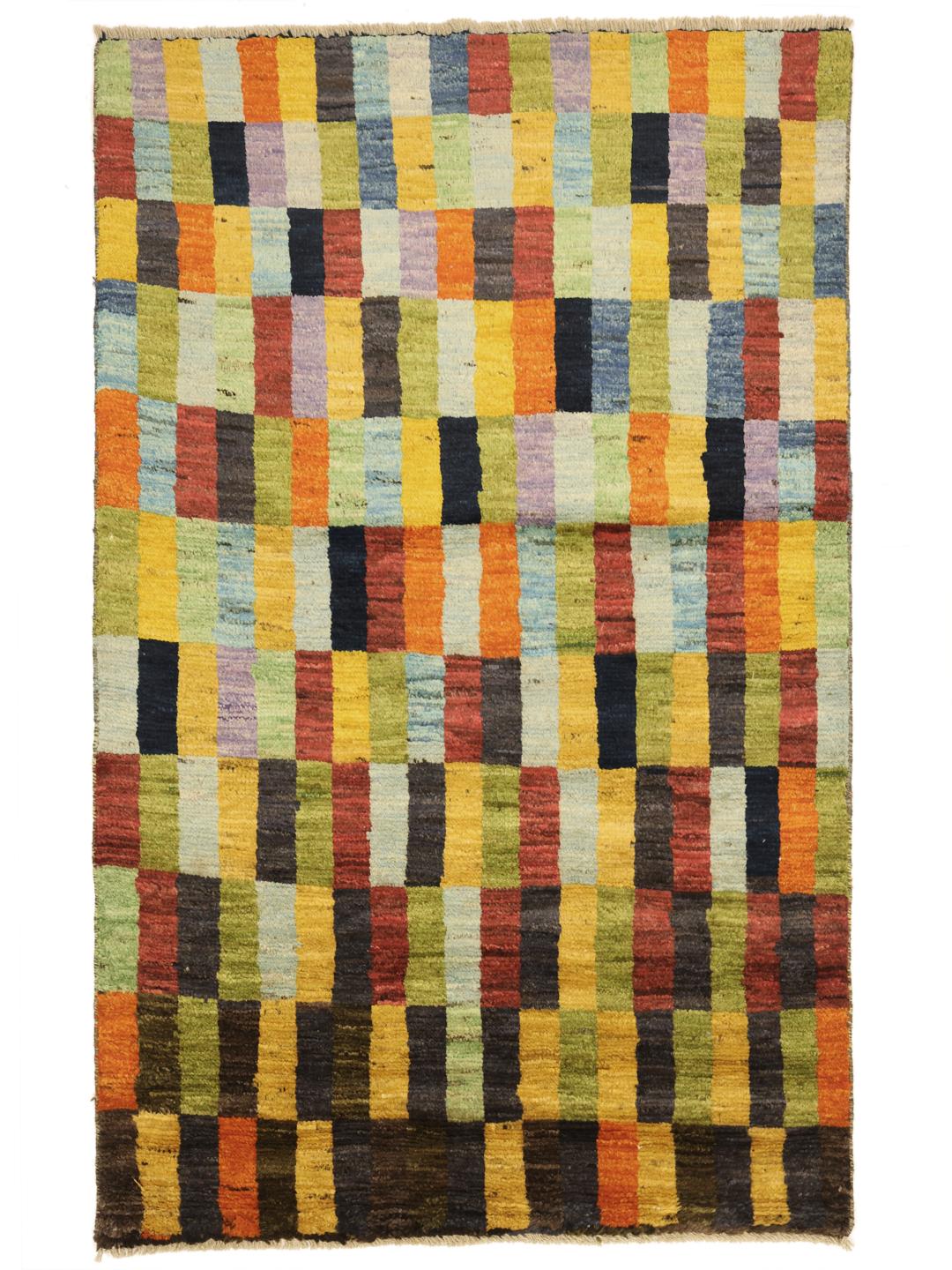
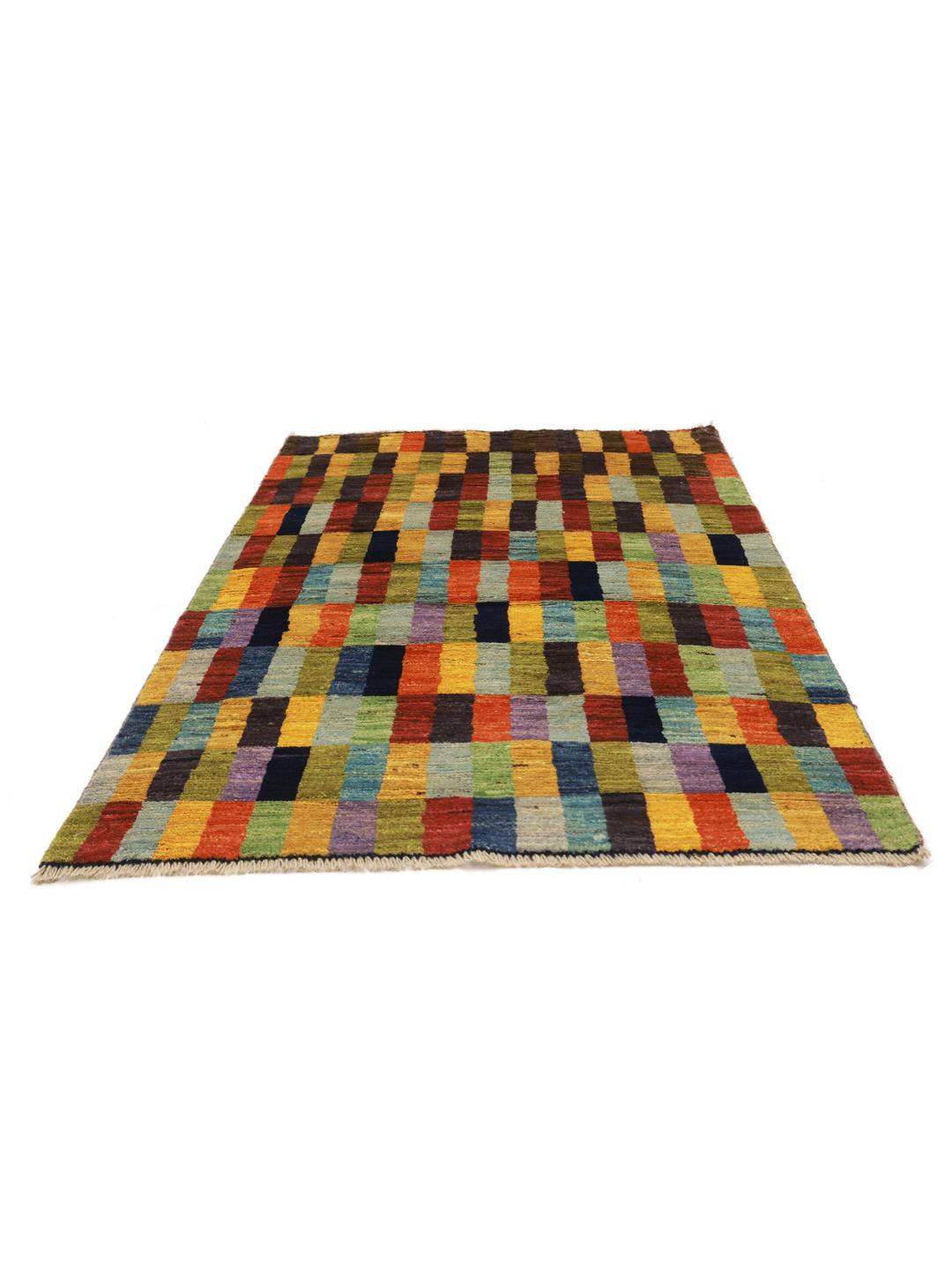
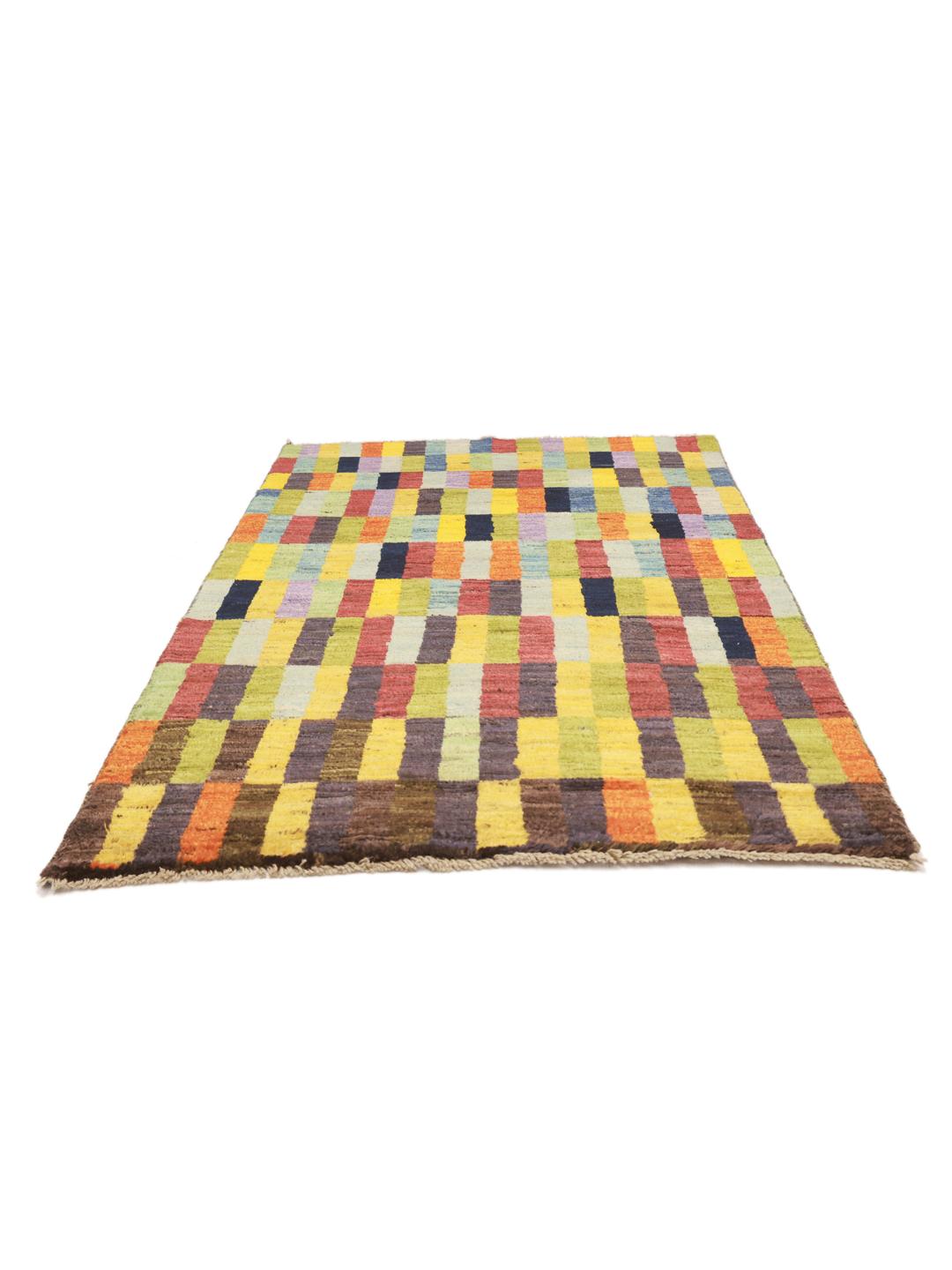
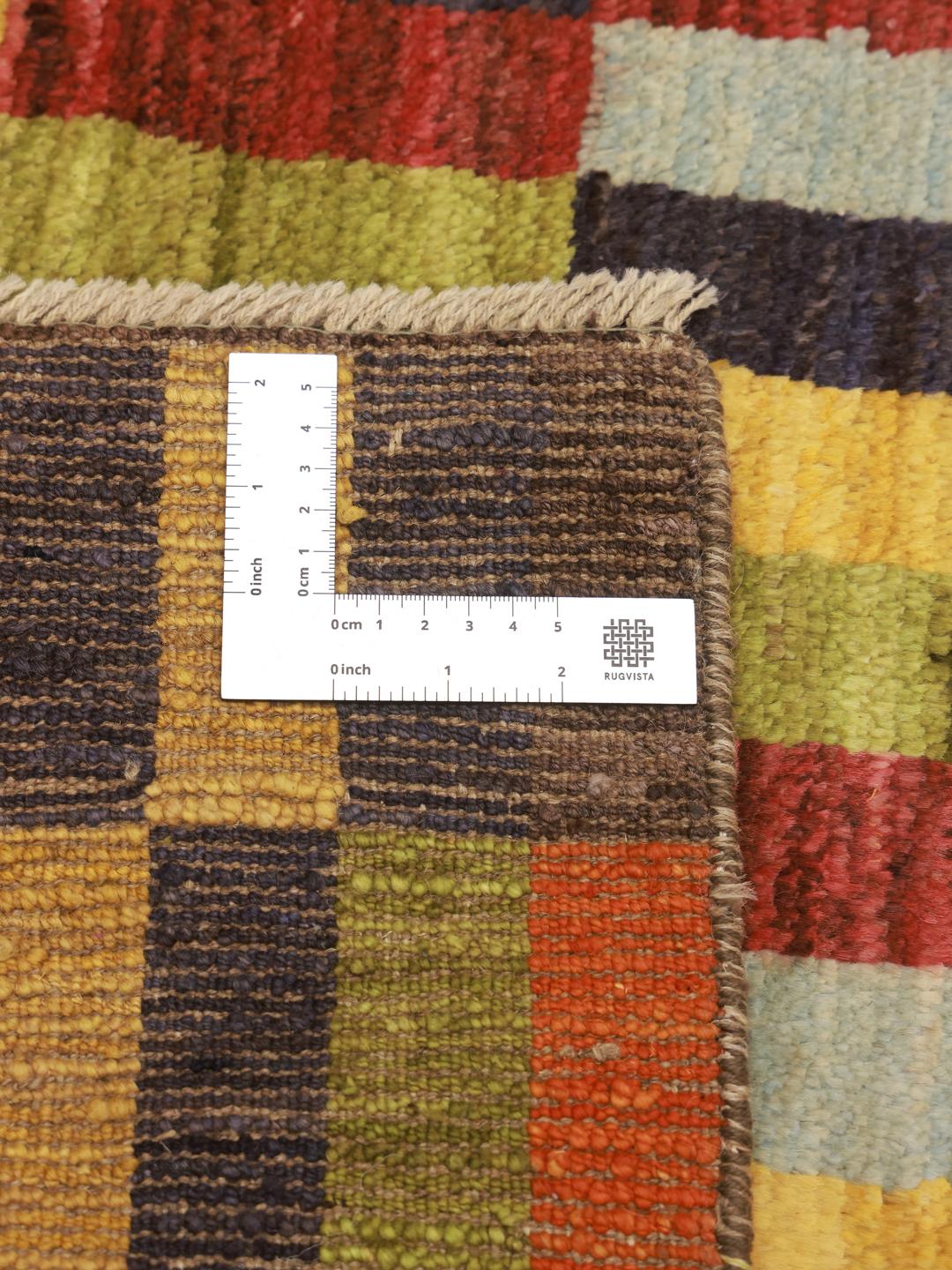
Visually, these rugs are defined by their bold, geometric expressions. While traditional Berber rugs often favoured neutral tones, the vibrant, multi-coloured block pattern seen here represents a modern evolution of the craft, showcasing the weavers' ability to blend ancient techniques with a contemporary eye for colour and rhythm.
Owning a hand-knotted piece from this tradition is an investment in human skill and cultural heritage. It represents a connection to the long history of nomadic artistry, where every motif and colour choice was deeply personal. By choosing this rug, you are supporting a craft that values longevity and individual expression over mass production.