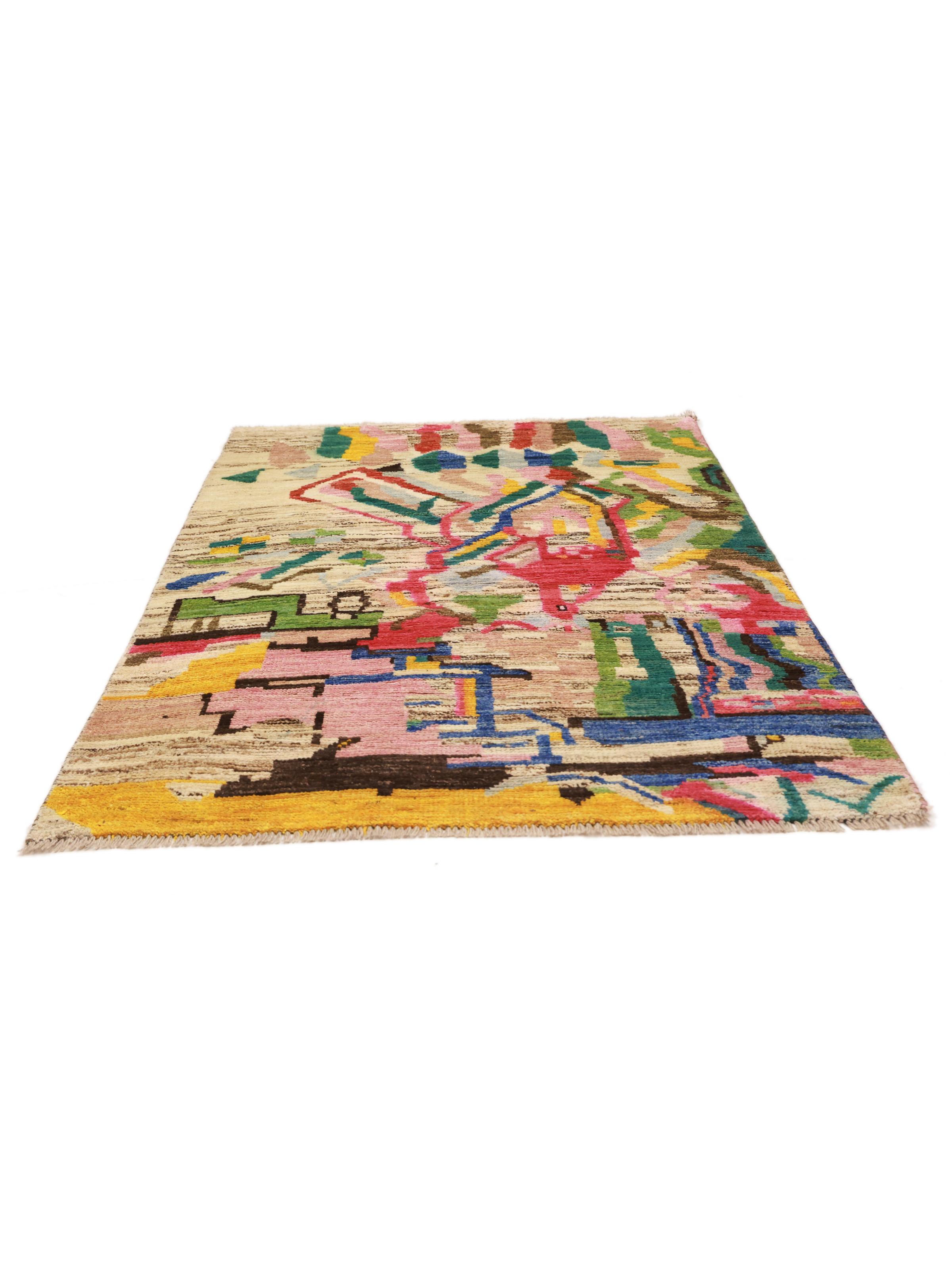
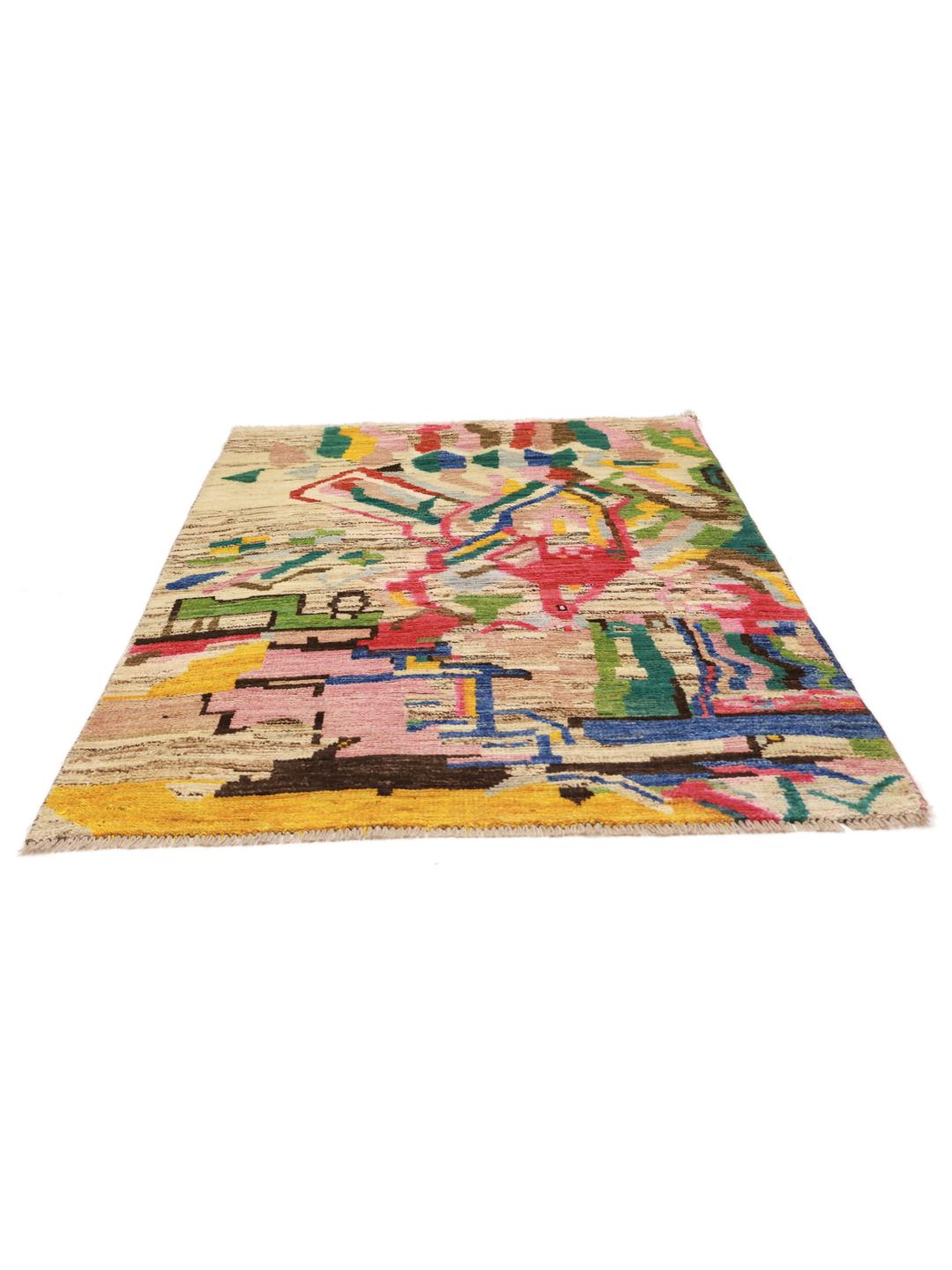
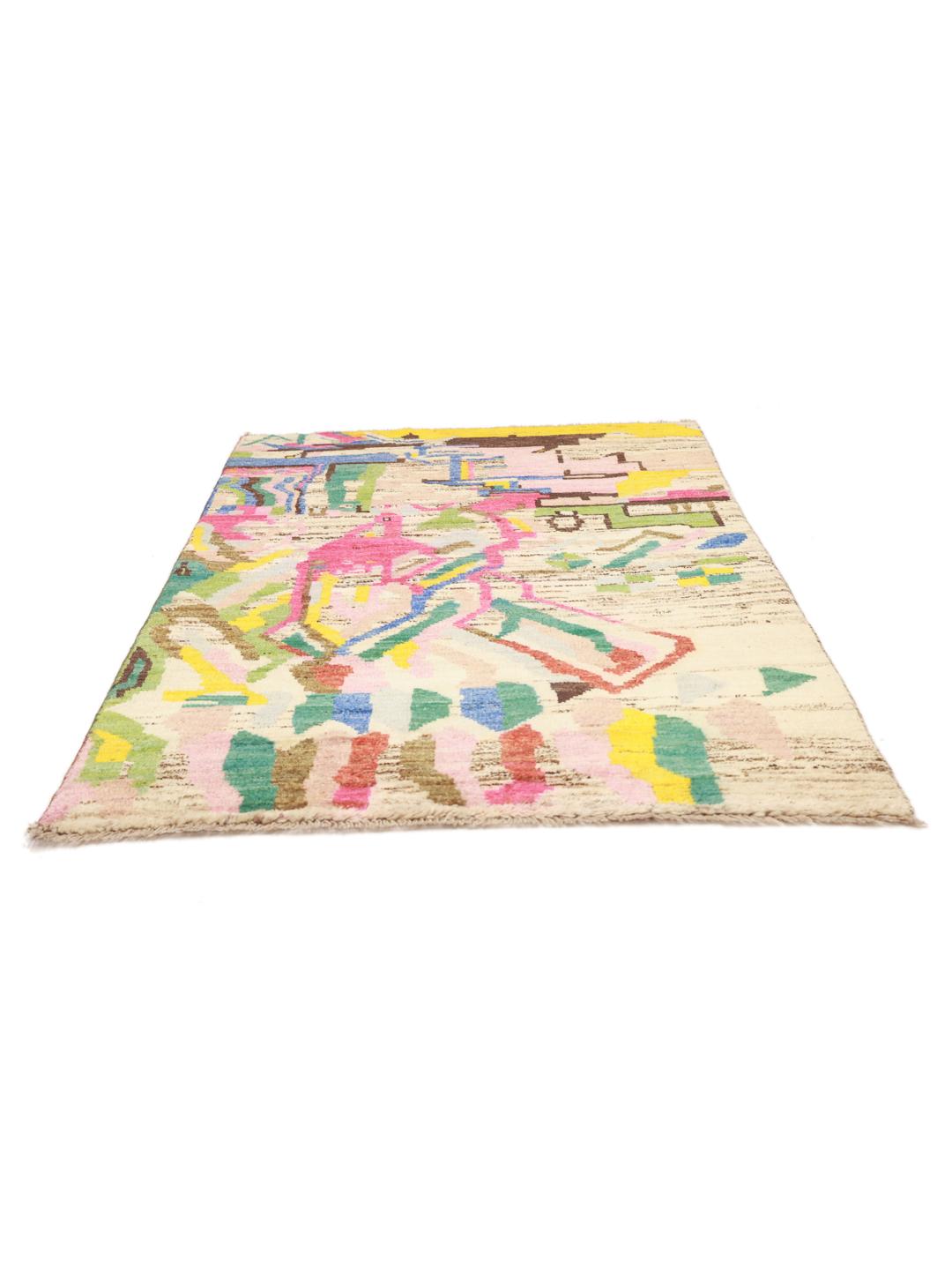
Berber-style rugs are deeply rooted in the nomadic traditions of mountain regions, where weavers have historically created textiles to provide warmth and protection in harsh climates. While the term originates from North African weaving cultures, the tradition of creating thick, knotted Wool rugs has evolved into a global craft, with Afghanistan becoming a celebrated hub for this specific style of artistic expression.
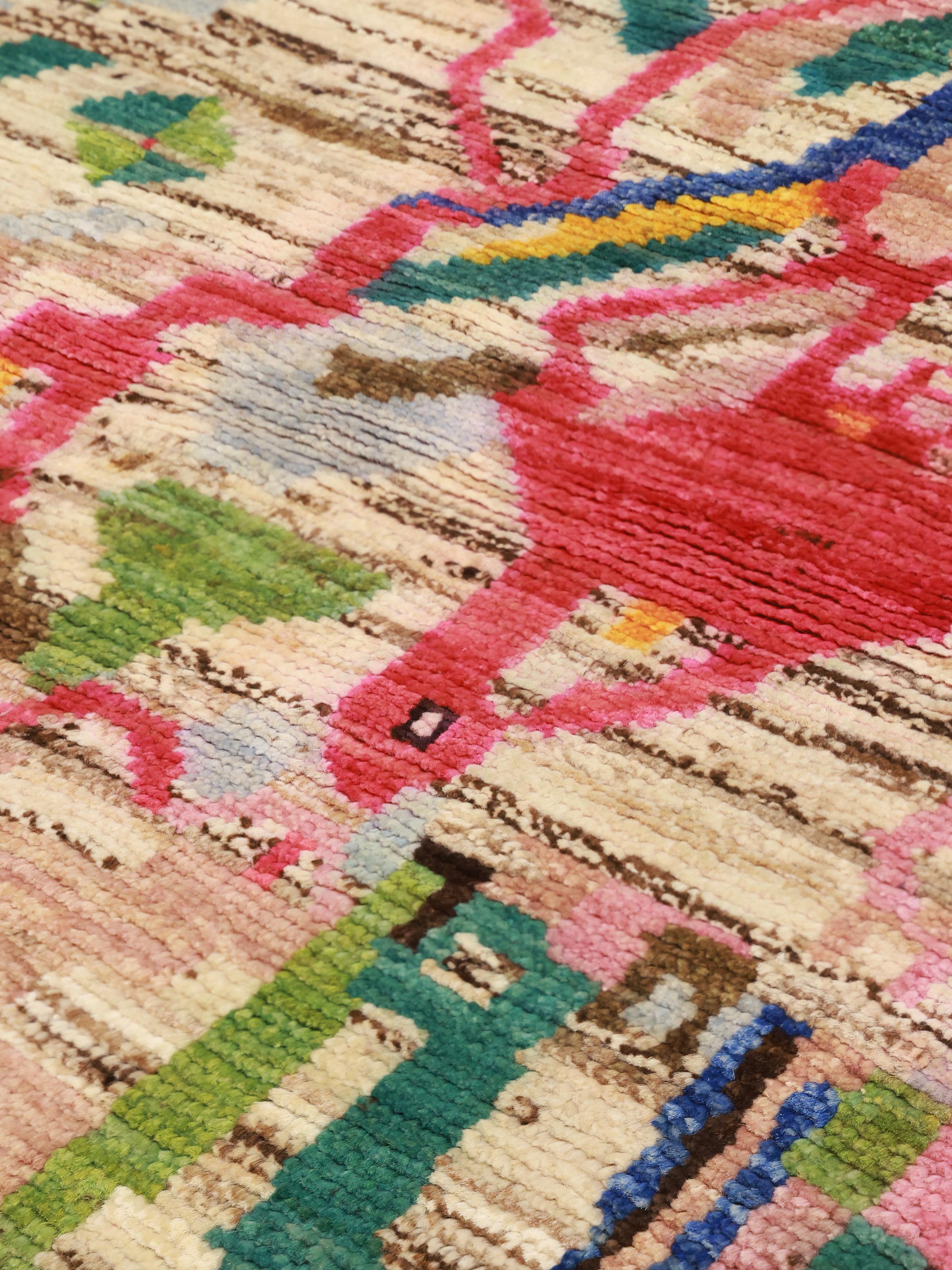
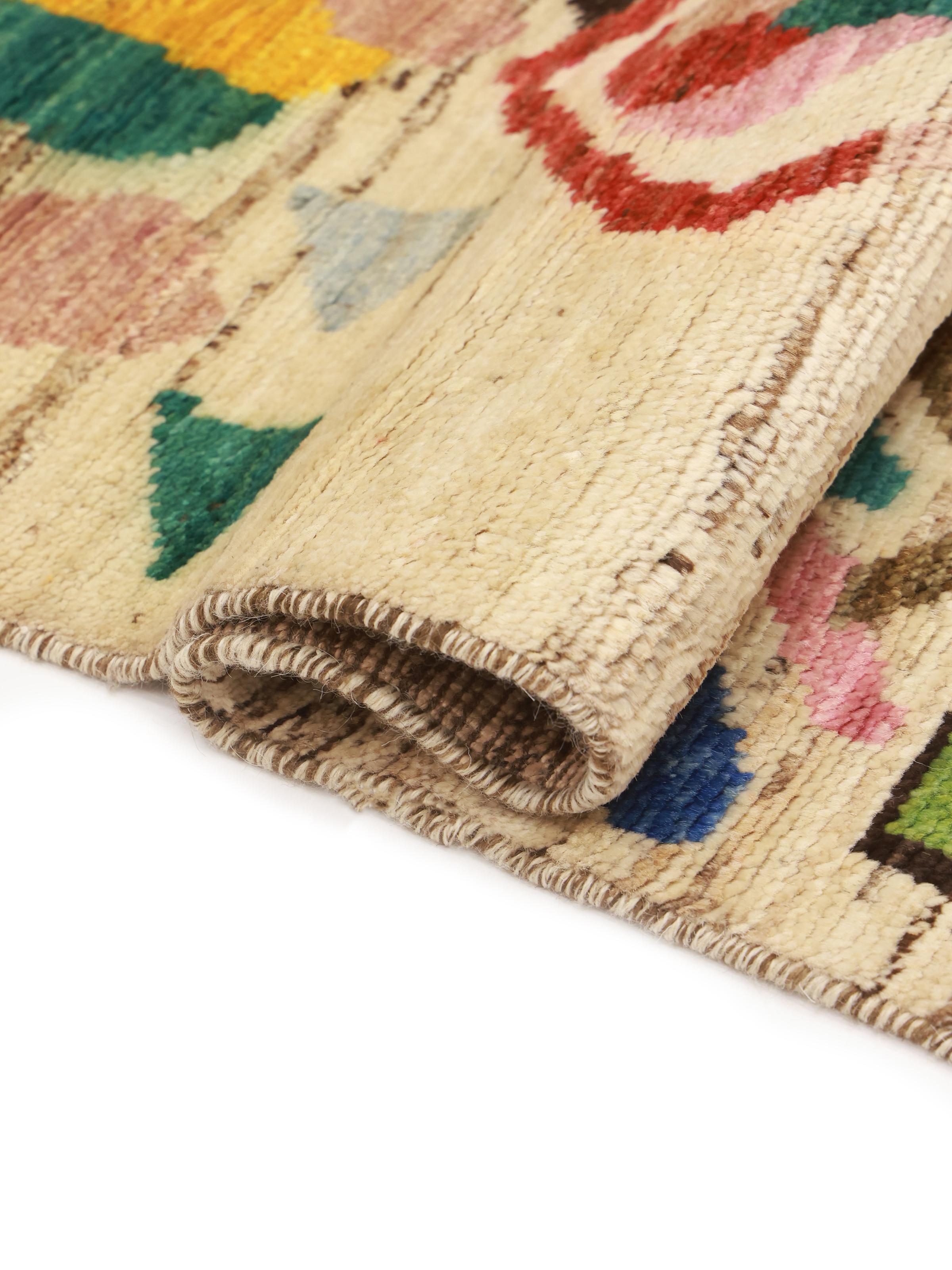
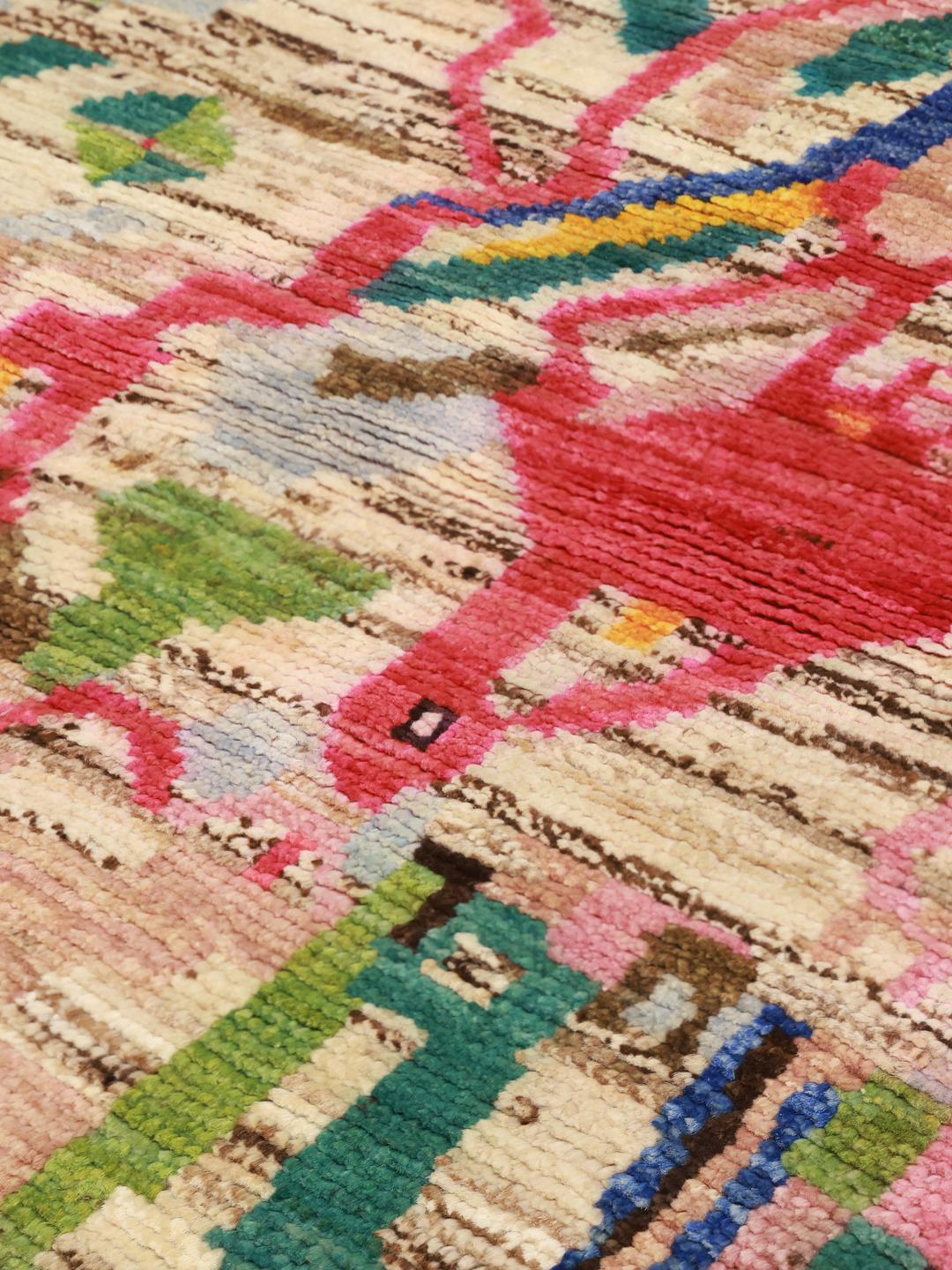
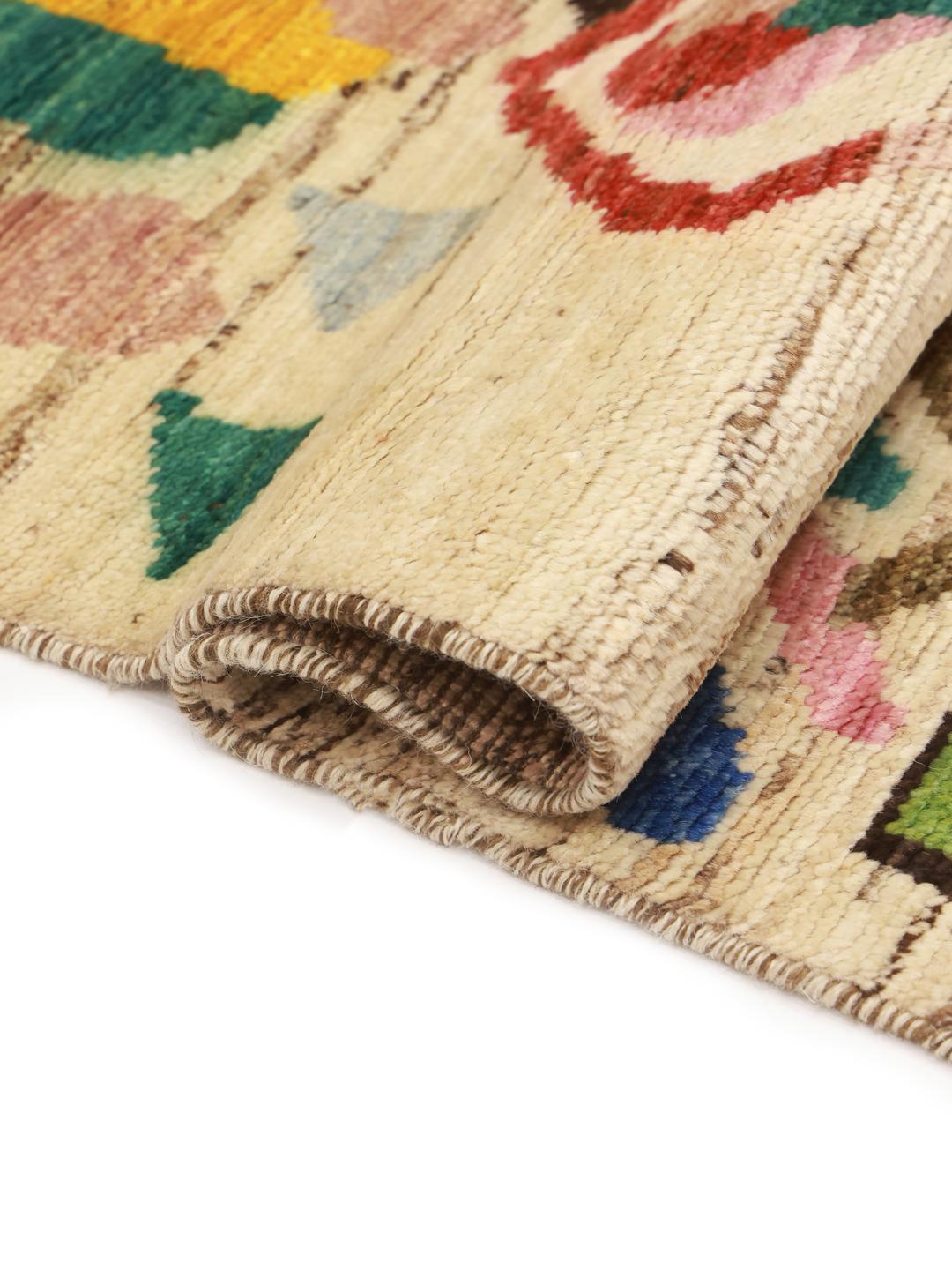
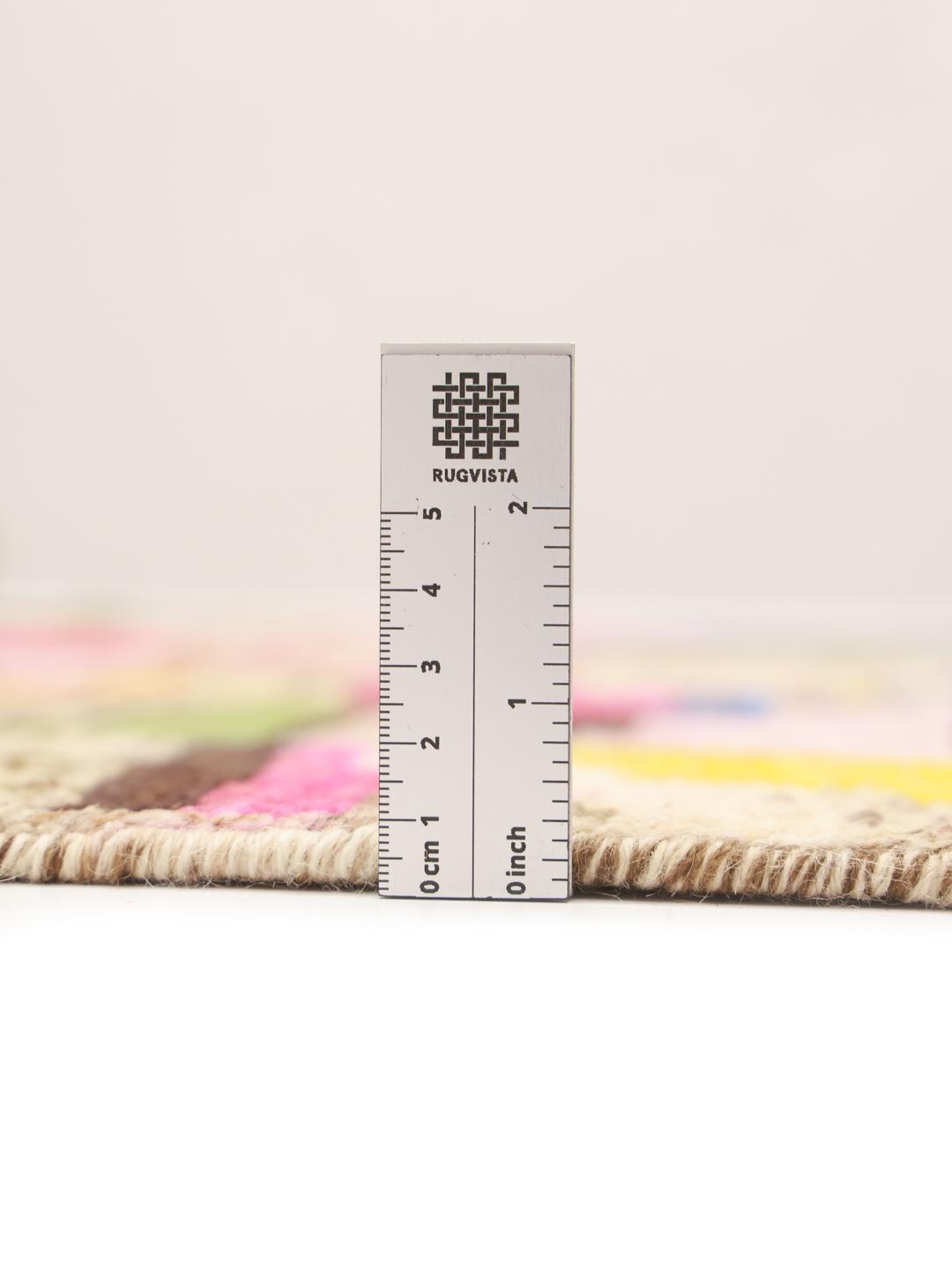
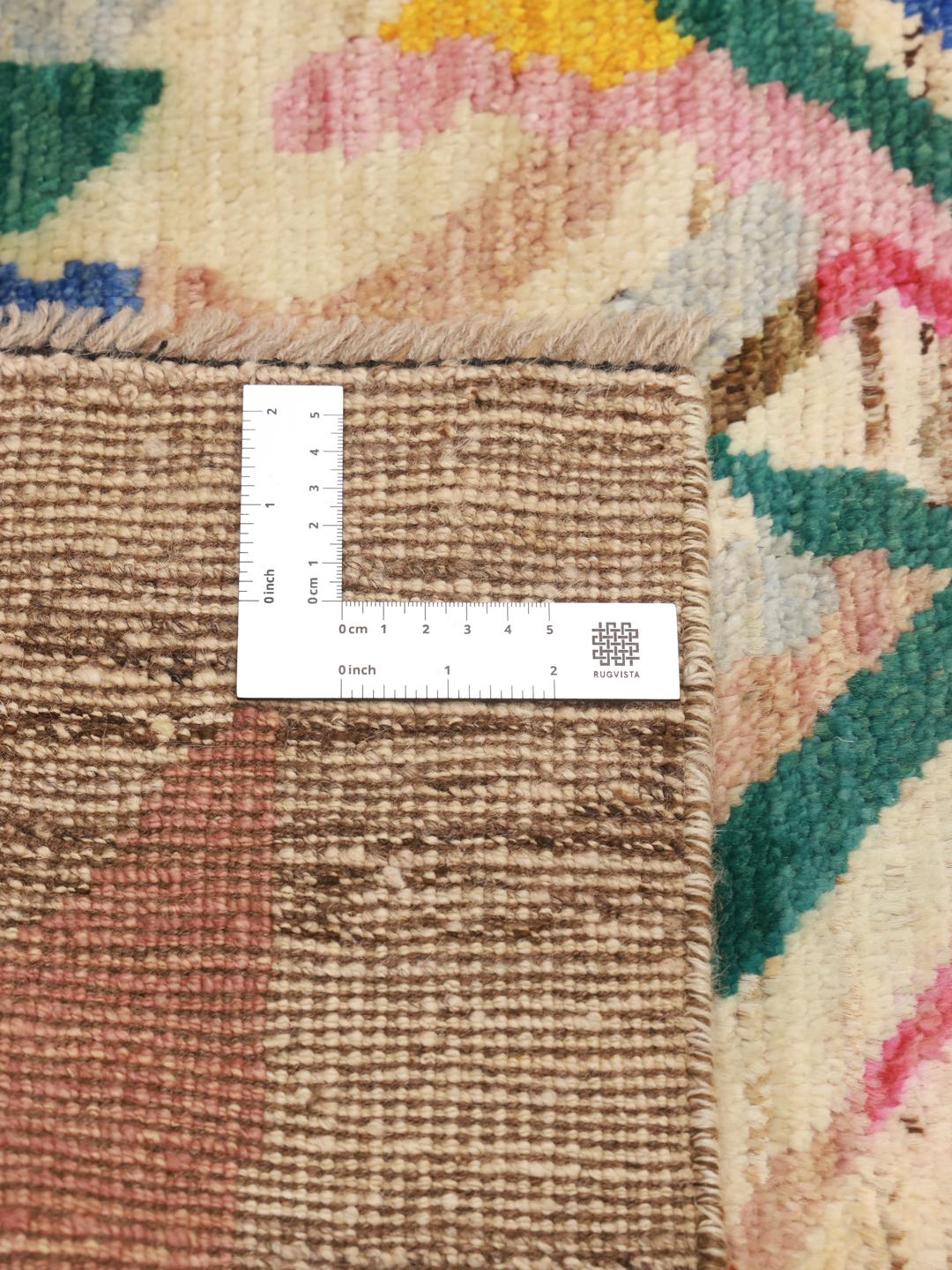
These rugs are characterised by their hearty construction and the use of high-quality, durable Wool. The technique involves a traditional knotting process that provides a dense, plush pile. This density is essential for both insulation and longevity, ensuring that the rug provides a comfortable, soft surface that remains a central feature of the home for generations.
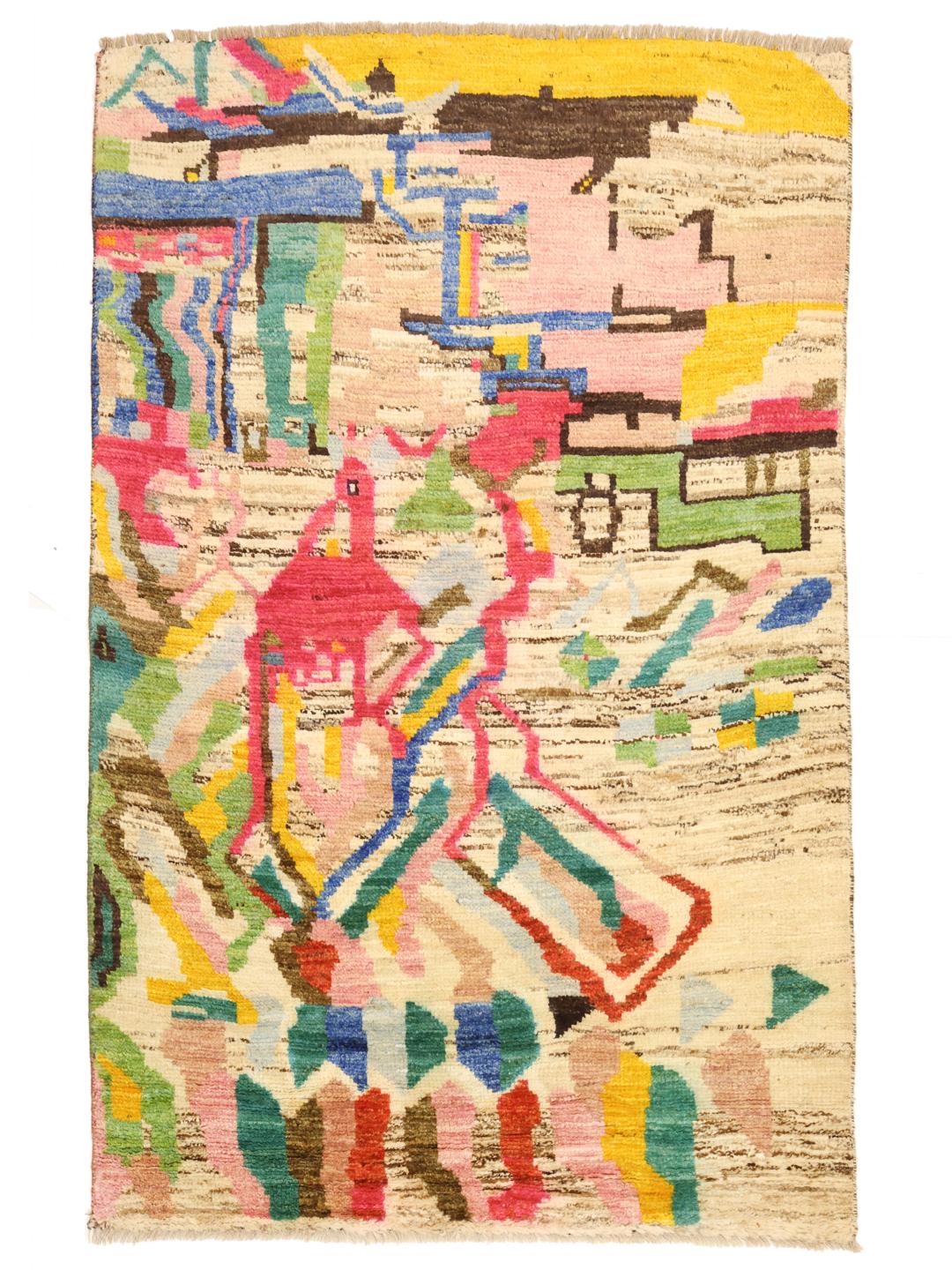
The visual language of these rugs is often free-spirited and expressive, frequently featuring geometric patterns, organic shapes, and a bold use of colour that reflects the weaver's environment and imagination. Unlike formal, symmetrical designs, this style embraces a more spontaneous approach, allowing for a creative narrative to unfold within the weave of every piece.
Owning a hand-knotted rug from this tradition is an act of preserving cultural heritage. It represents a connection to the artisans who have passed these skills down through generations. These pieces are highly valued by collectors not only for their striking aesthetic but for the human story and the remarkable skill embedded in every single knot.