The Berber weaving tradition has its roots in North Africa, where nomadic tribes created thick, protective textiles to withstand the mountain cold. Over time, these expressive, geometric designs have inspired weavers across different regions, including skilled artisans in Afghanistan who adapt these tribal languages to their own rich weaving heritage.
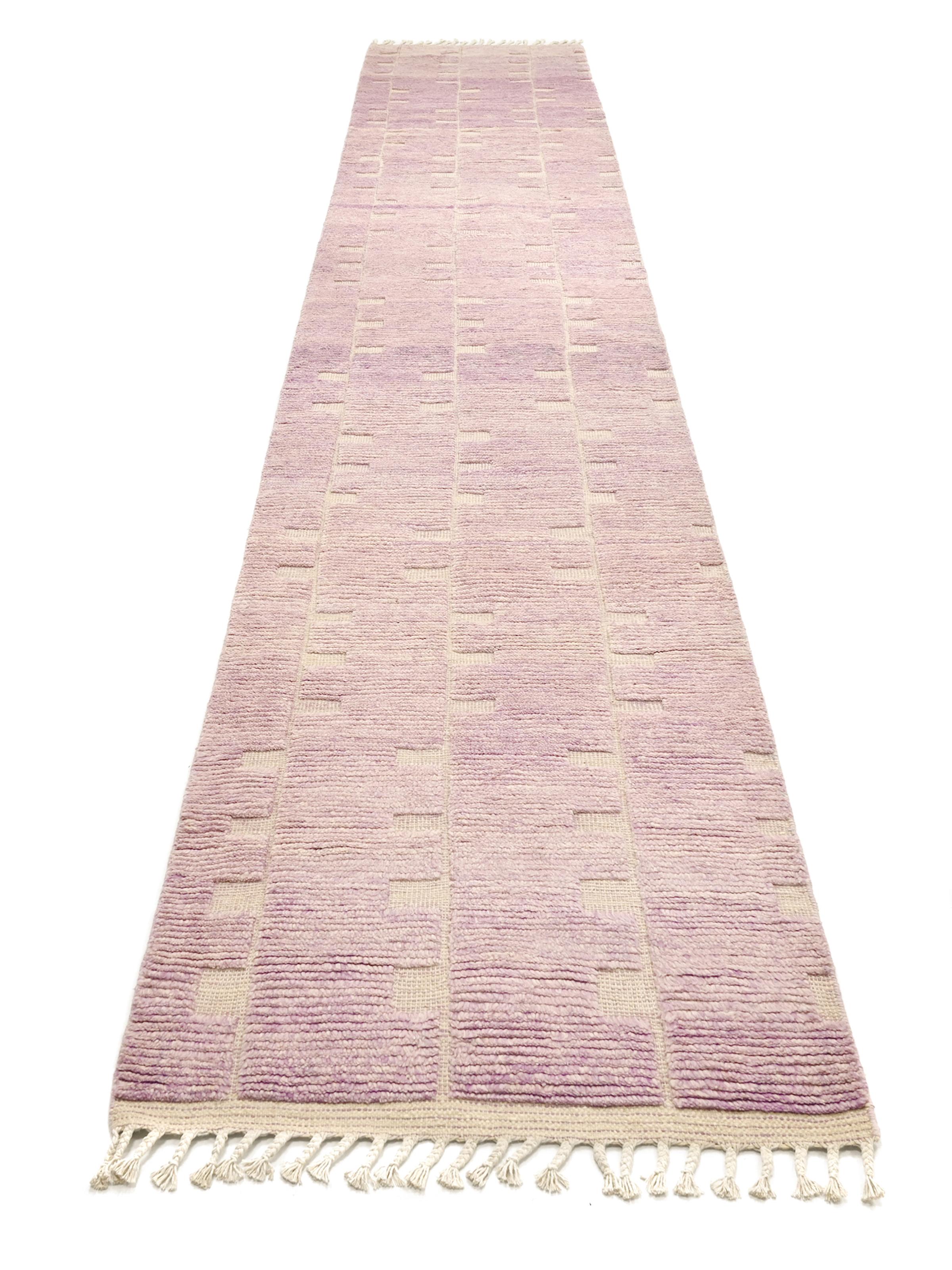
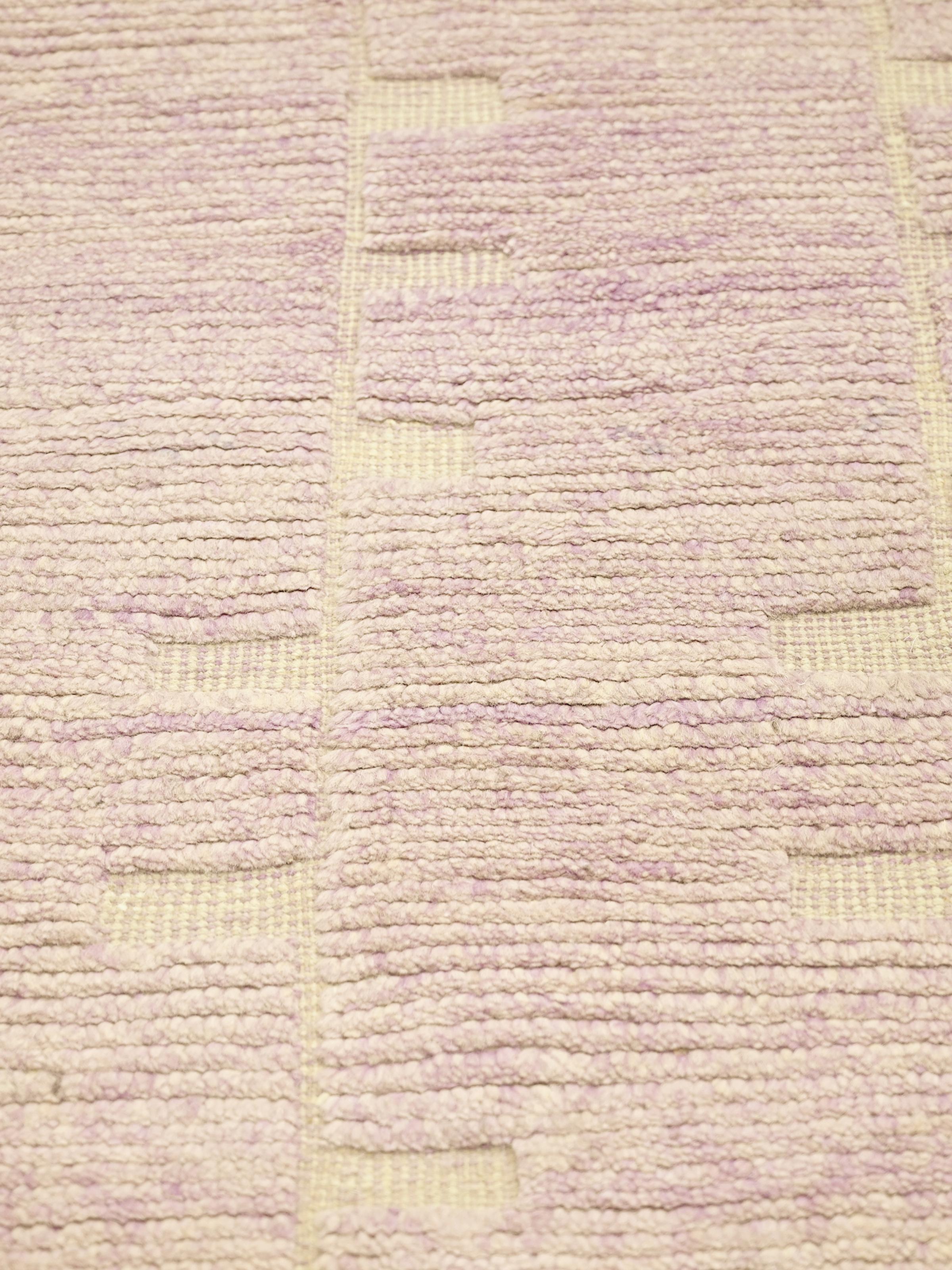
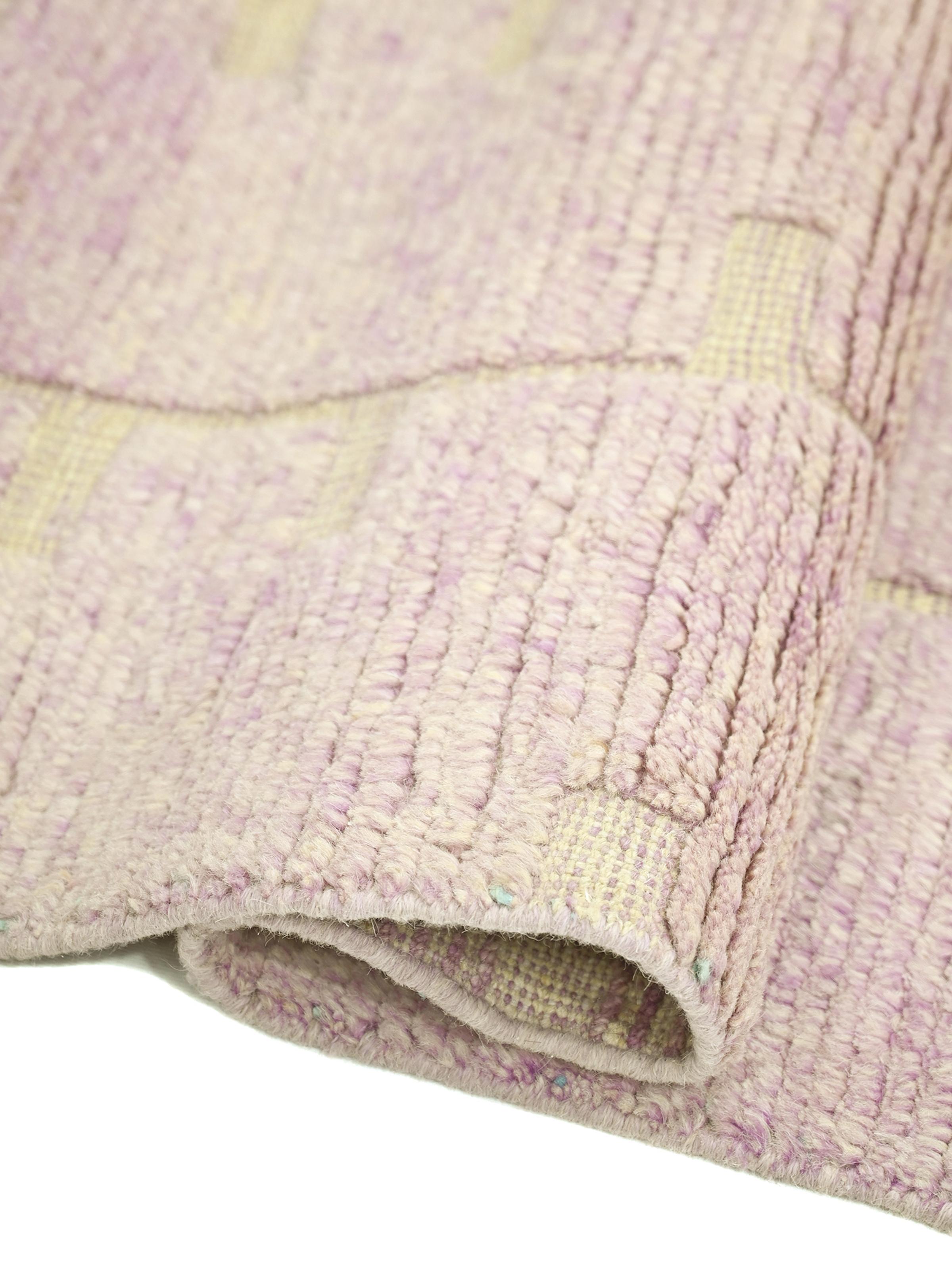
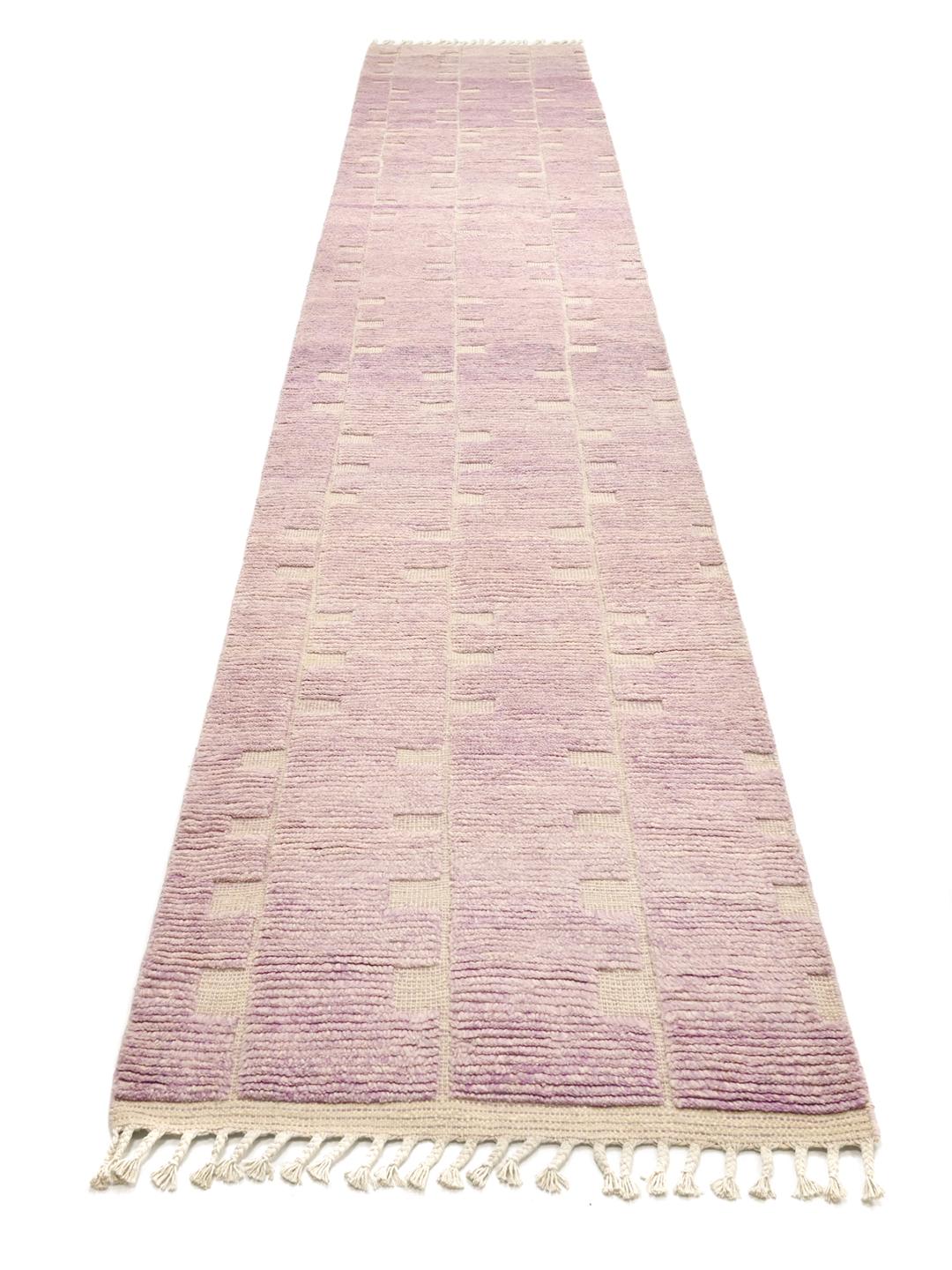
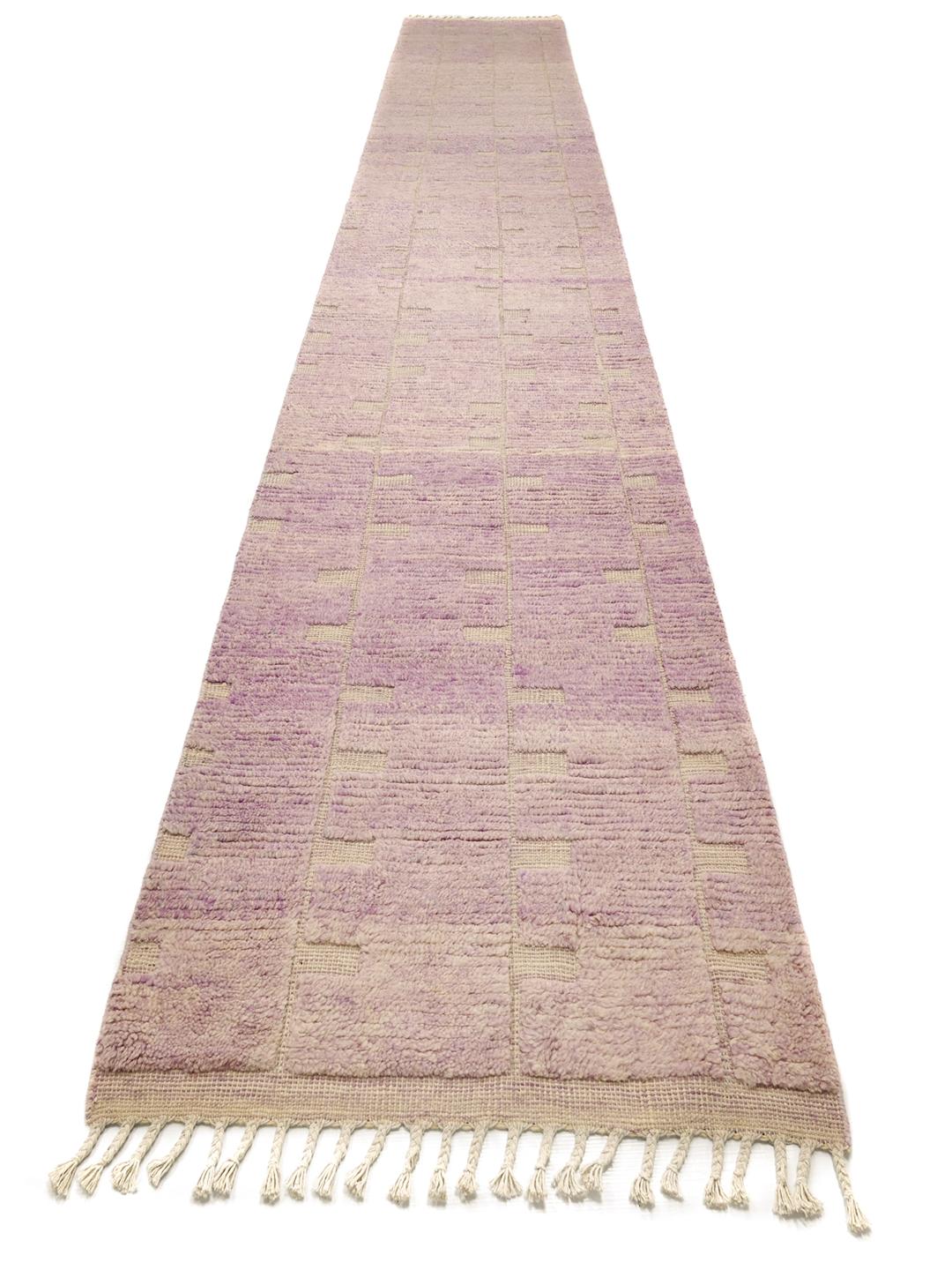
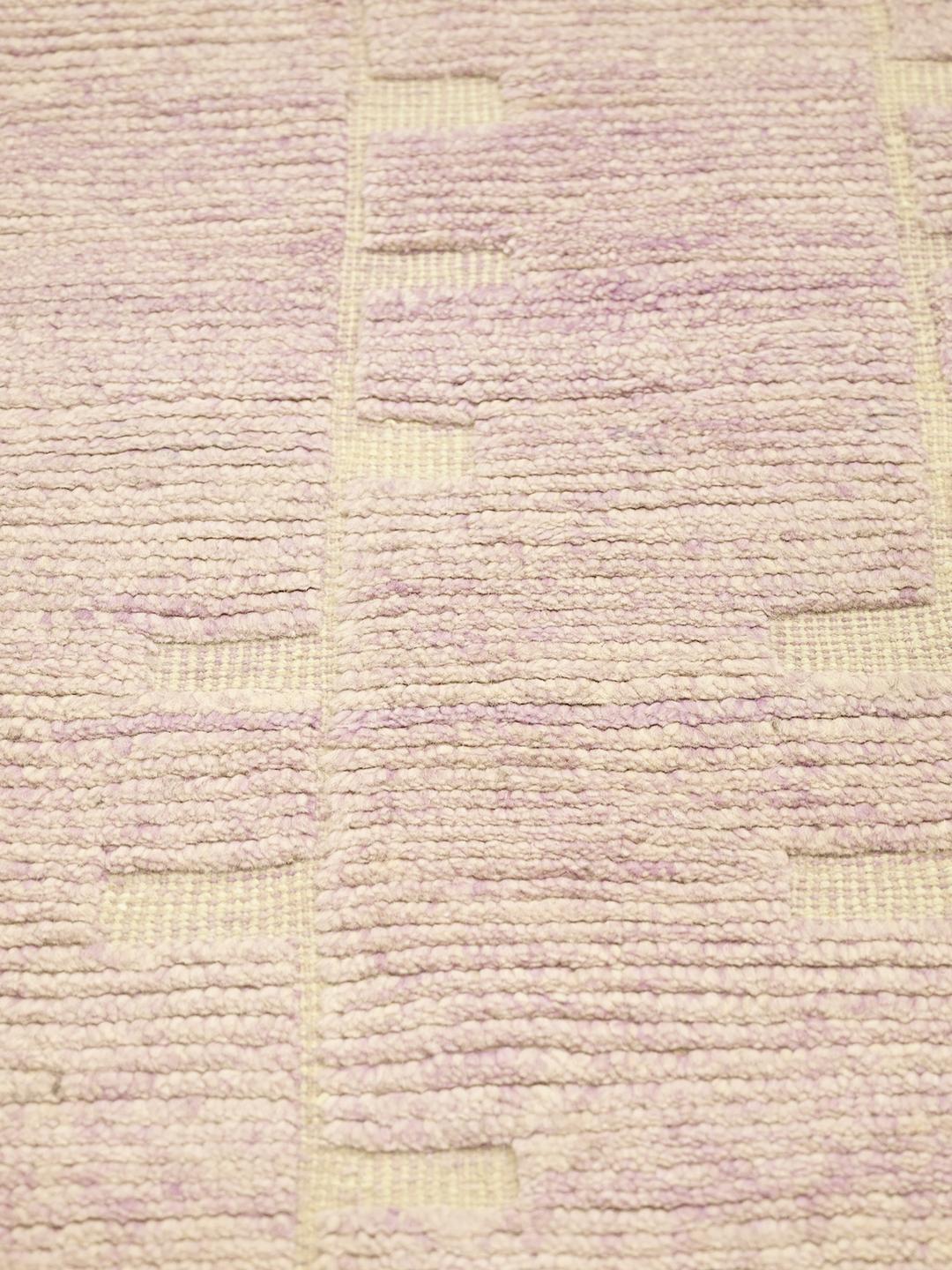
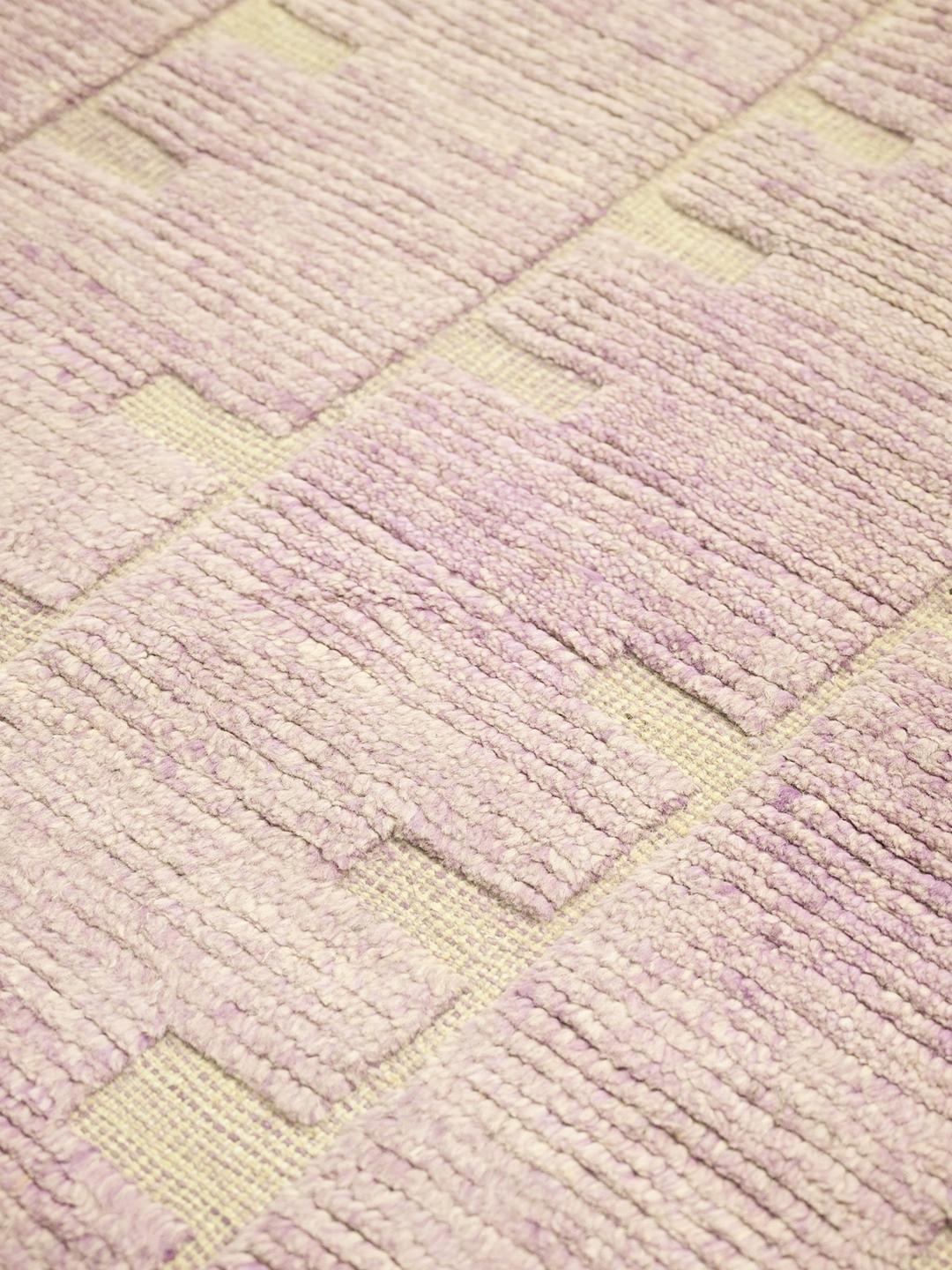
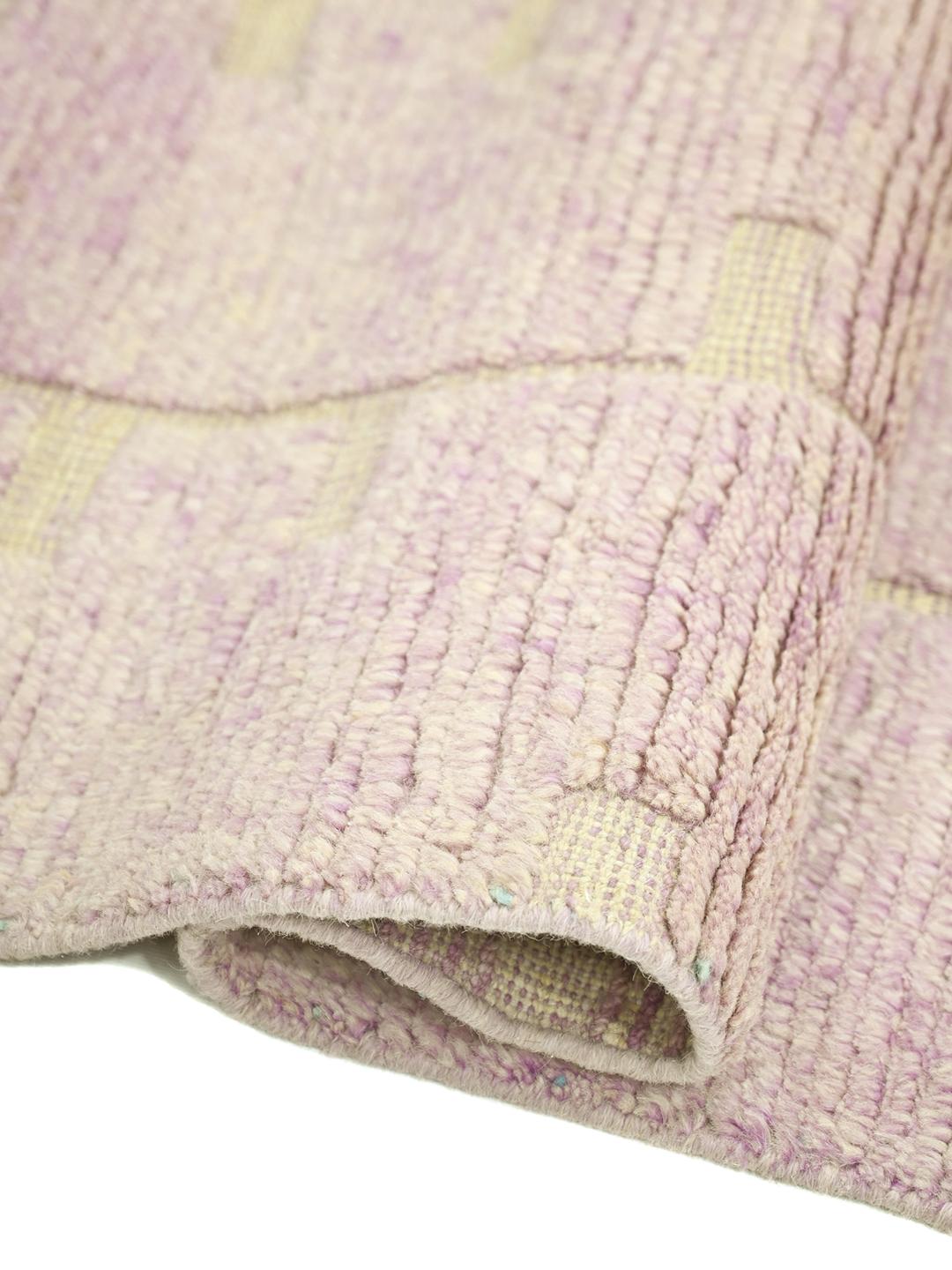
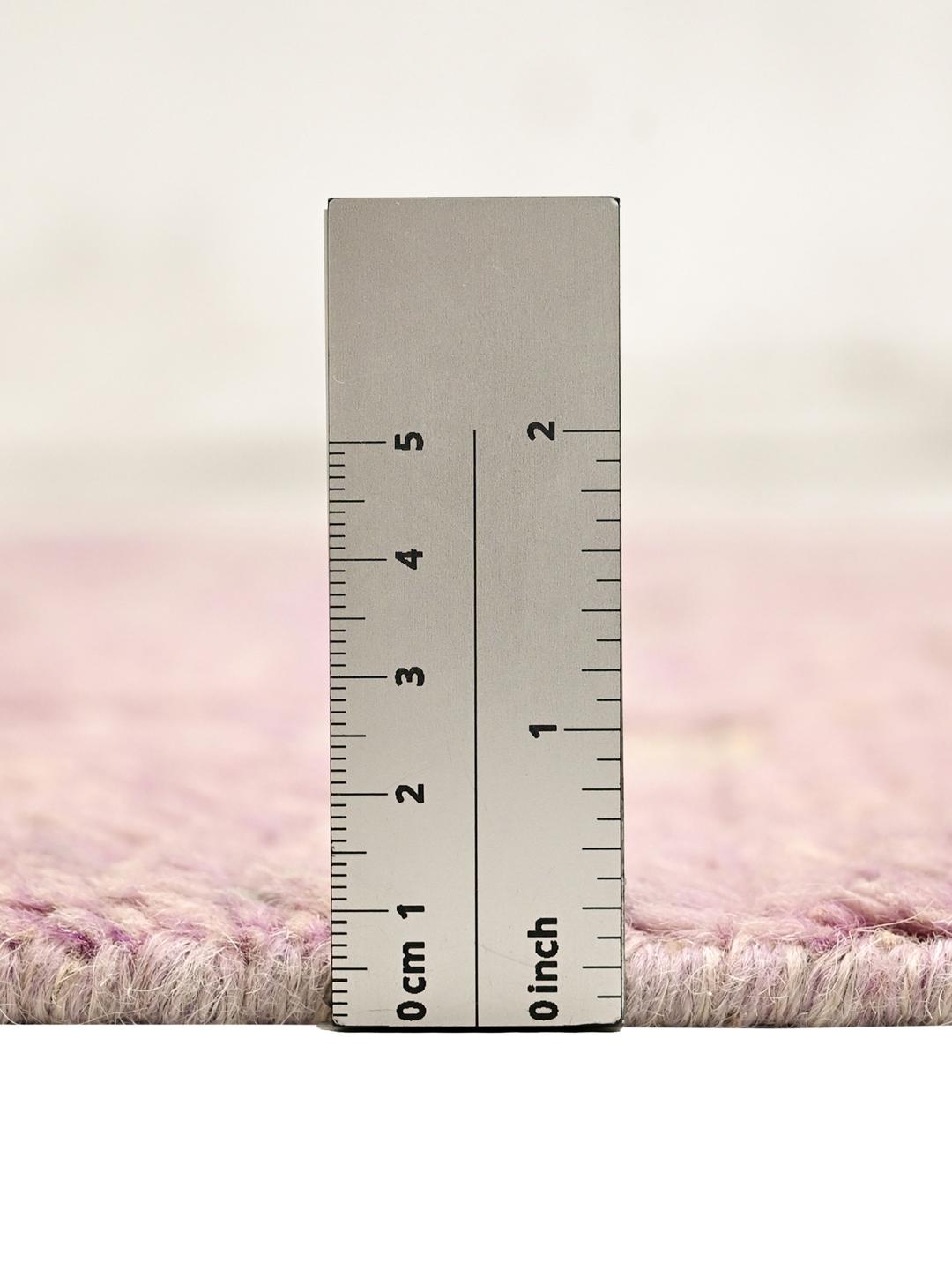
While traditional Berber rugs are often associated with heavy, shaggy piles, contemporary interpretations like this runner focus on a more refined, low-pile structure. This evolution allows the intricate grid patterns to stand out with greater clarity while maintaining the soft, inviting feel that wool is celebrated for.
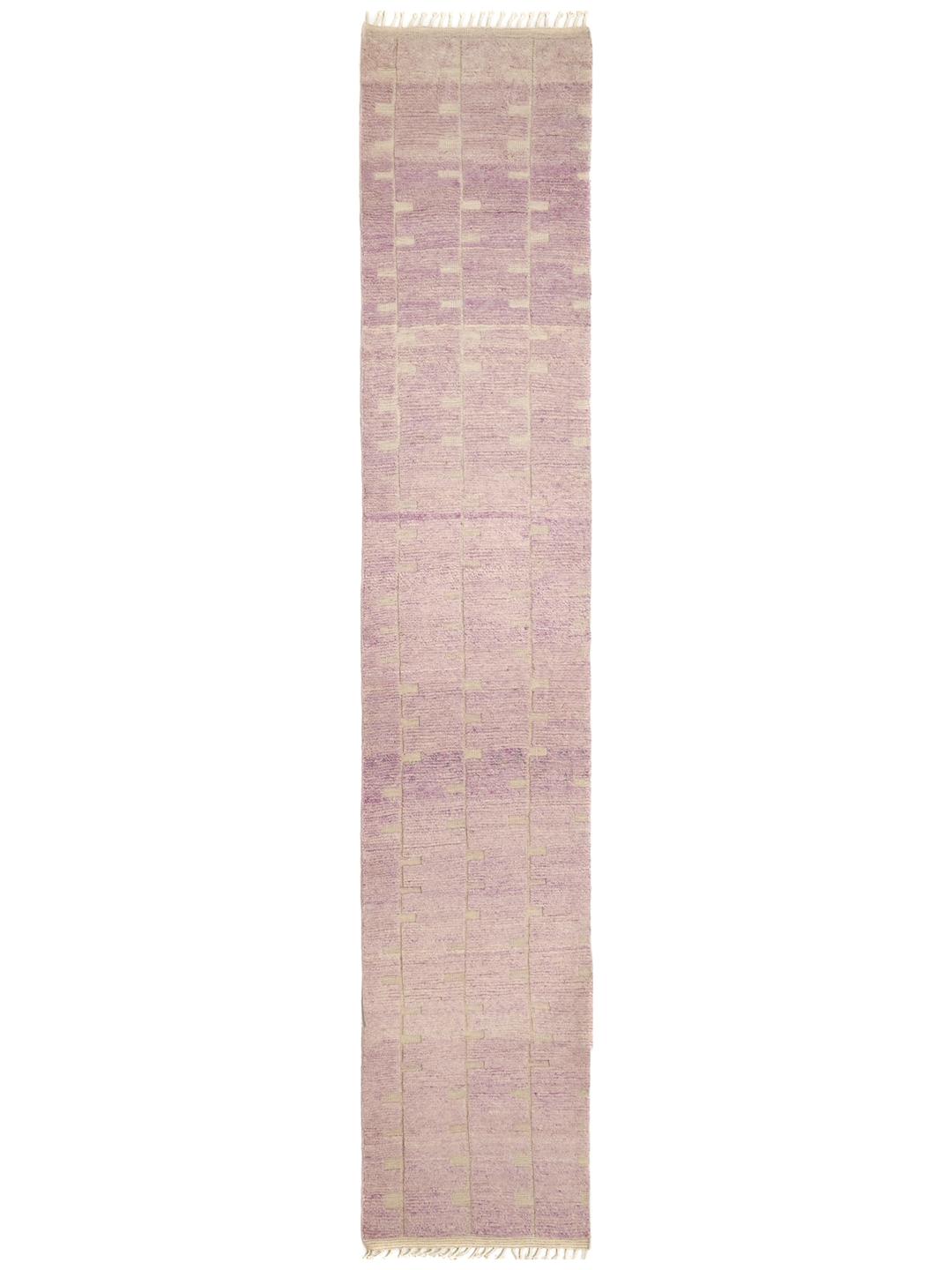
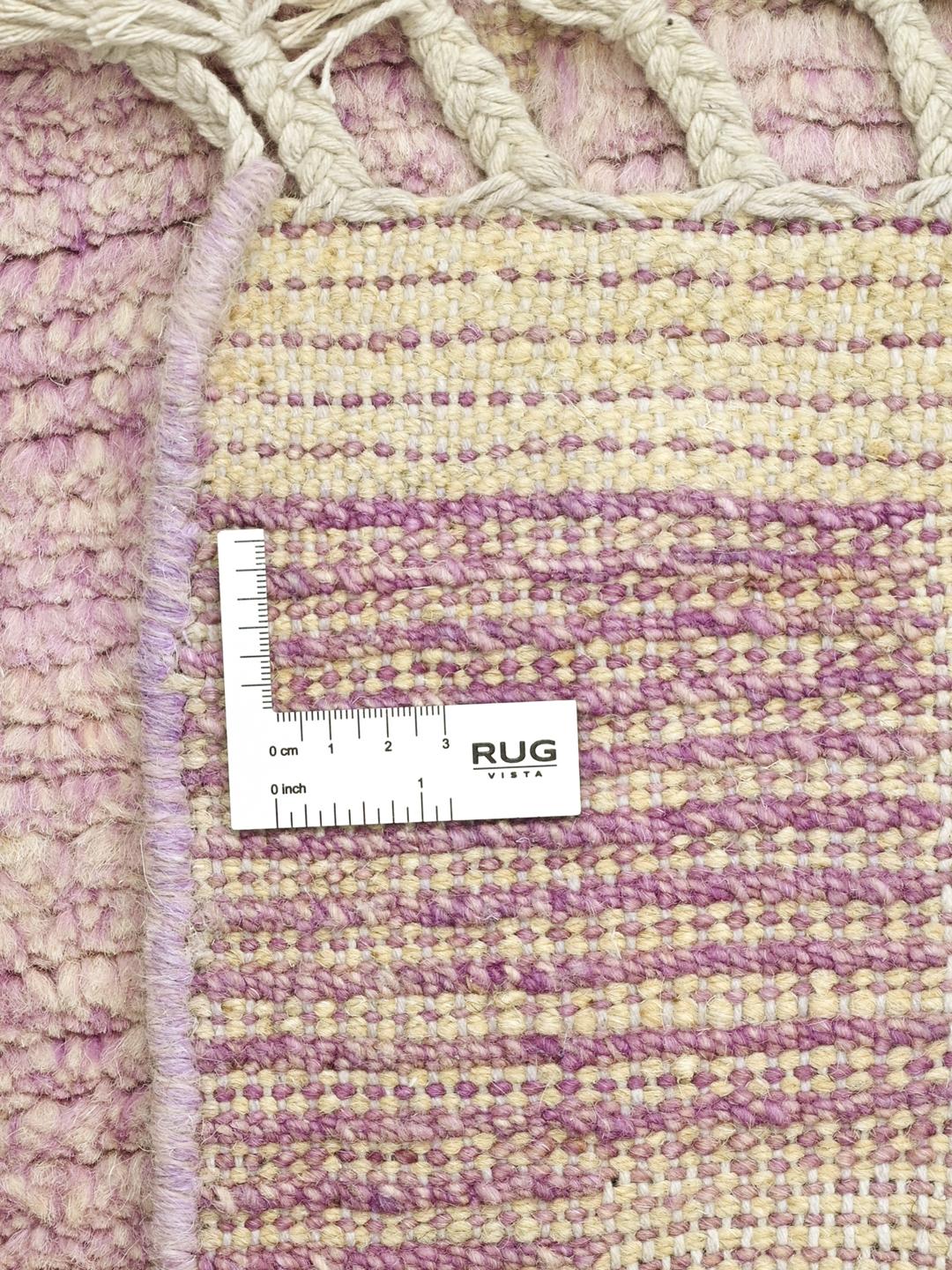
The visual language of this runner is defined by a subtle geometric grid, where gentle shifts between light purple and beige create a soft, shifting landscape. This minimalist approach to pattern allows the natural variations of the wool to take centre stage, framed by delicate fringes that ground the design.
Rugs from this contemporary Afghan tradition are highly valued for their fusion of tribal soul and modern simplicity. Owning such a piece is not just about decorating a floor, but about preserving a living craft that continues to adapt, grow, and bring warmth to homes worldwide.