Berber-style rugs from Afghanistan represent a fascinating evolution of weaving traditions. While the term Berber is historically associated with the indigenous peoples of North Africa, the style has been adopted and adapted by skilled weavers across the Middle East. These artisans have integrated their own regional design sensibilities into the aesthetic, creating a unique hybrid that celebrates nomadic artistry.
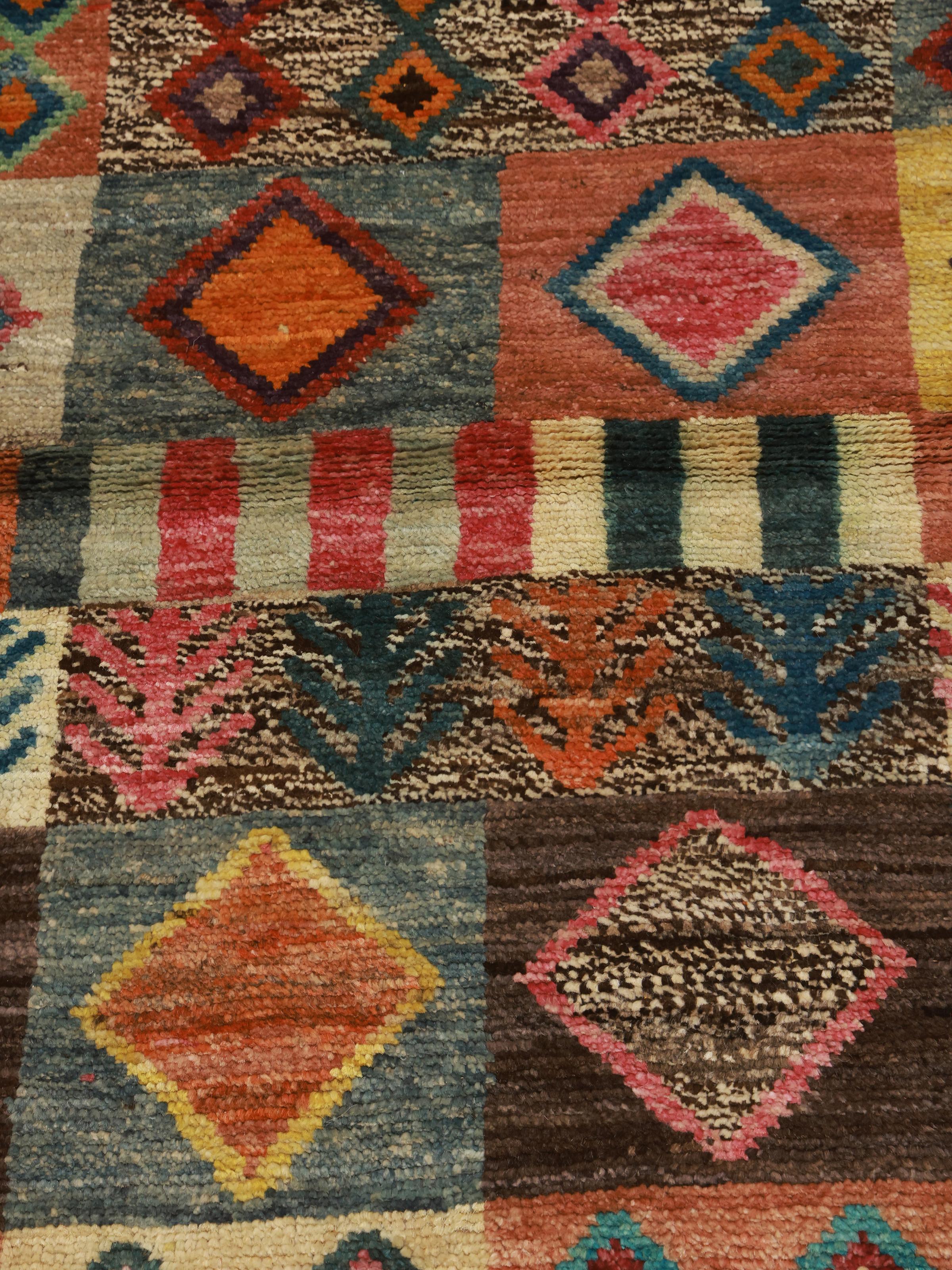
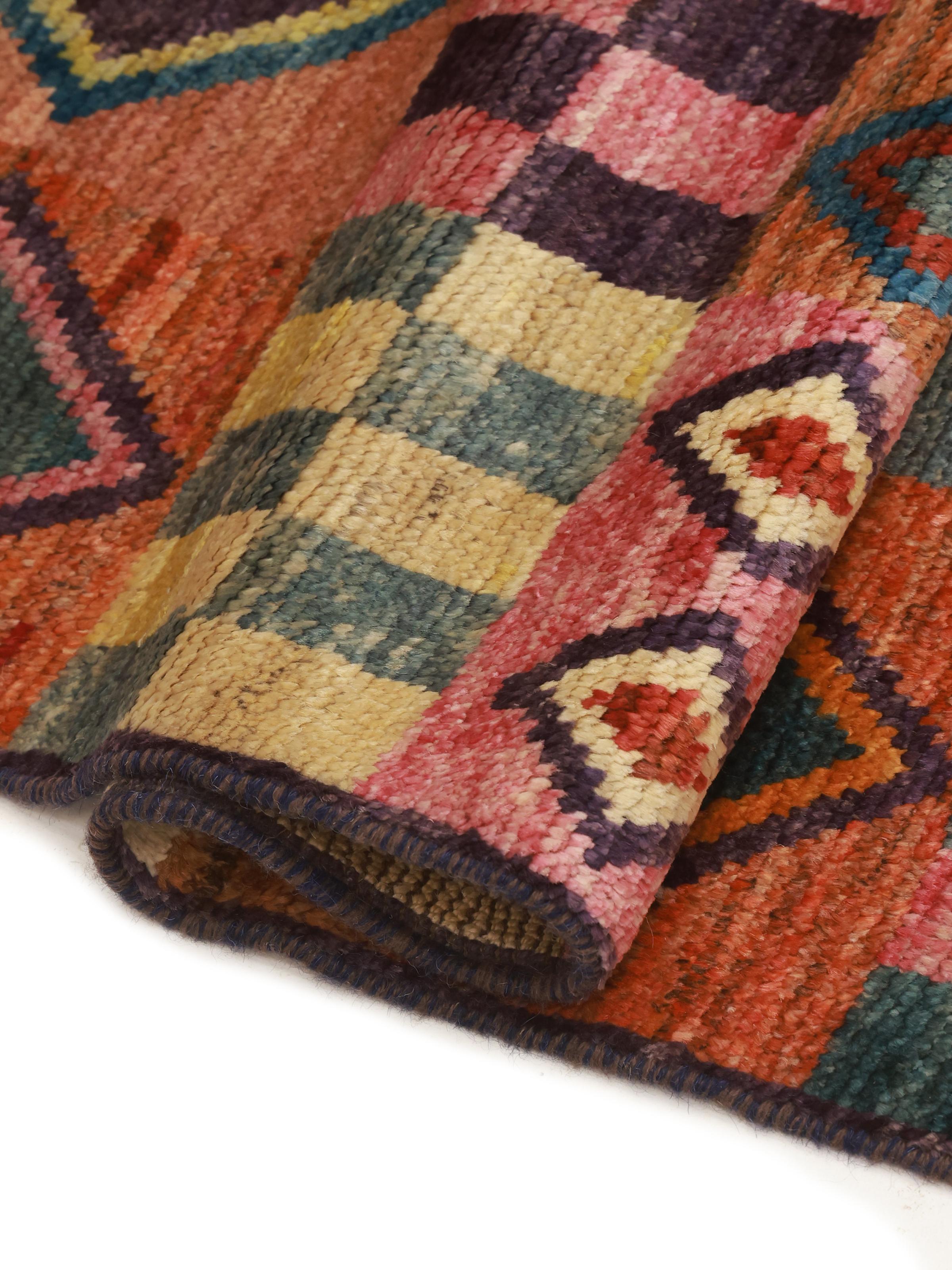
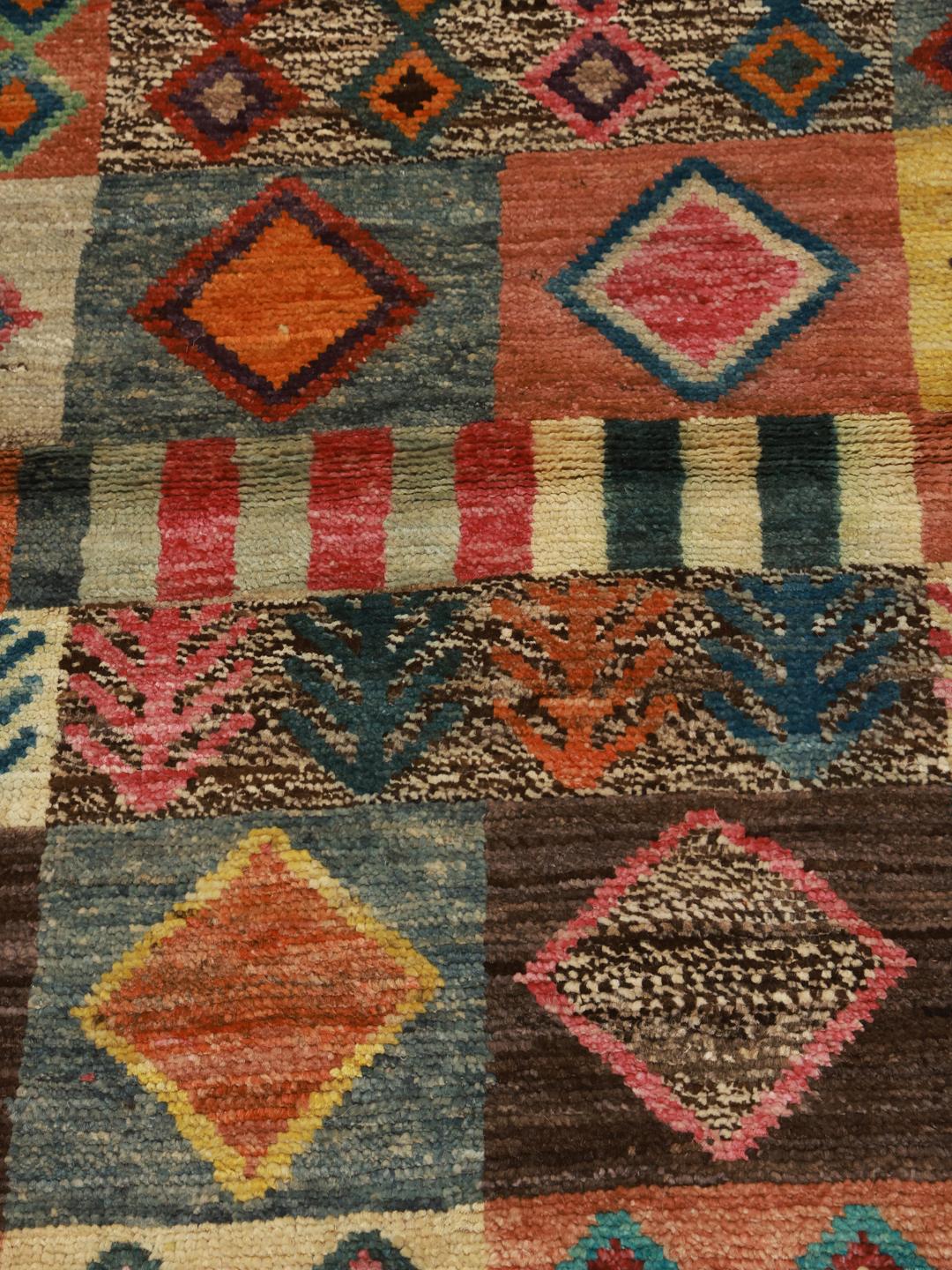
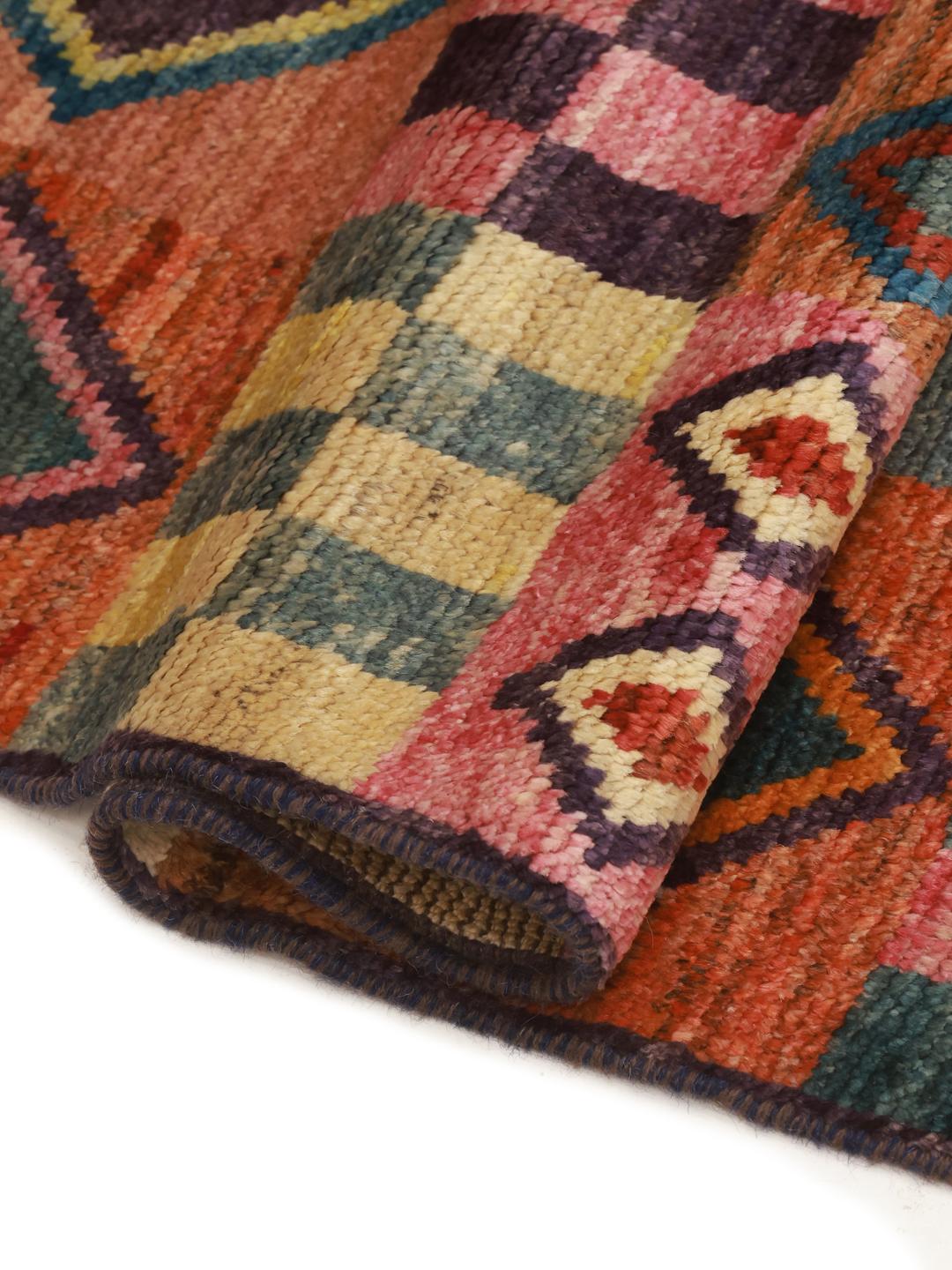
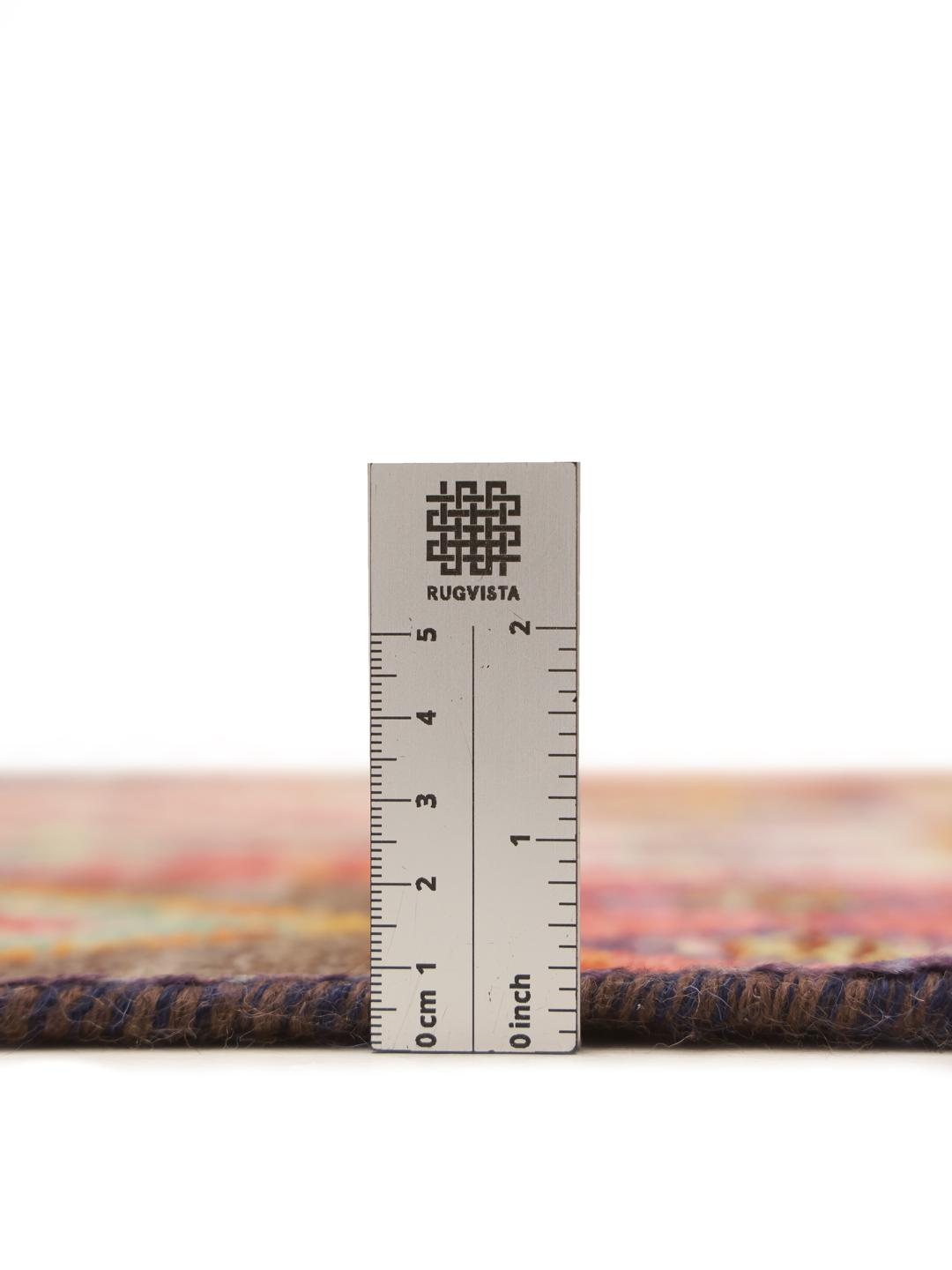
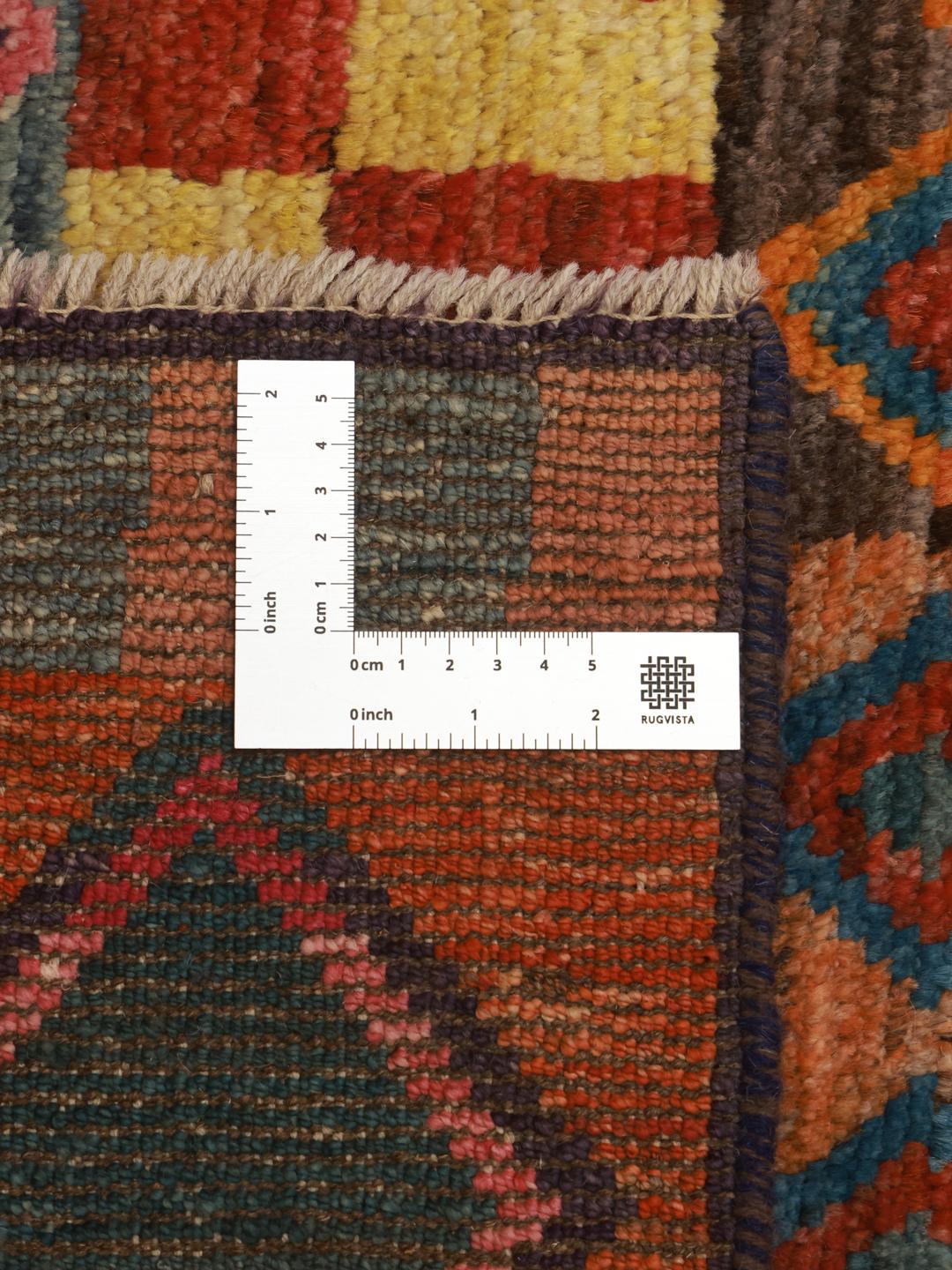
The construction of these rugs typically involves a robust foundation that supports a dense and resilient pile. This technical approach ensures that the finished piece is capable of withstanding the rigours of daily life while retaining its intricate visual details. The choice of high-quality wool is central to this durability, providing a naturally long-lasting surface that ages beautifully.
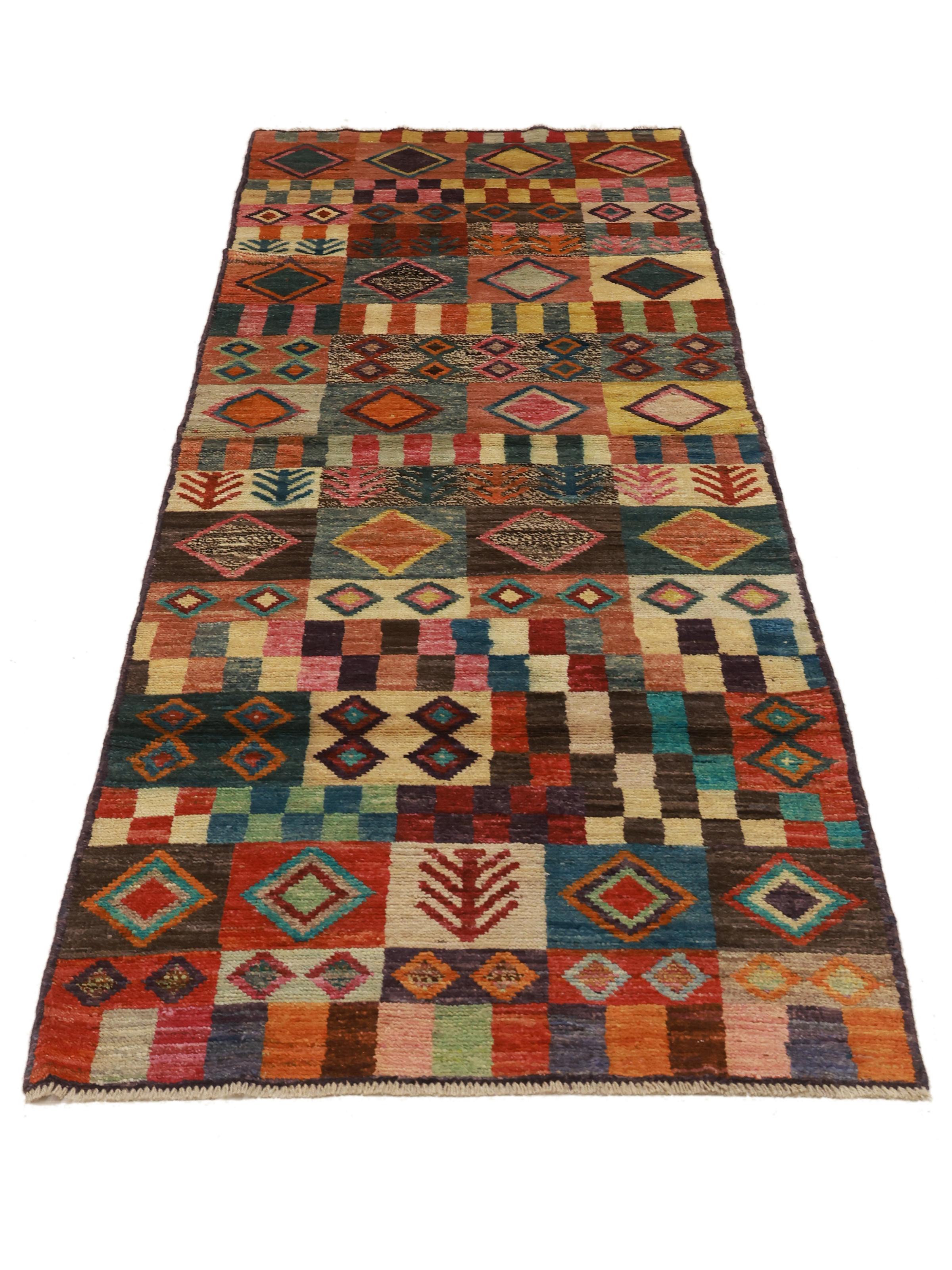
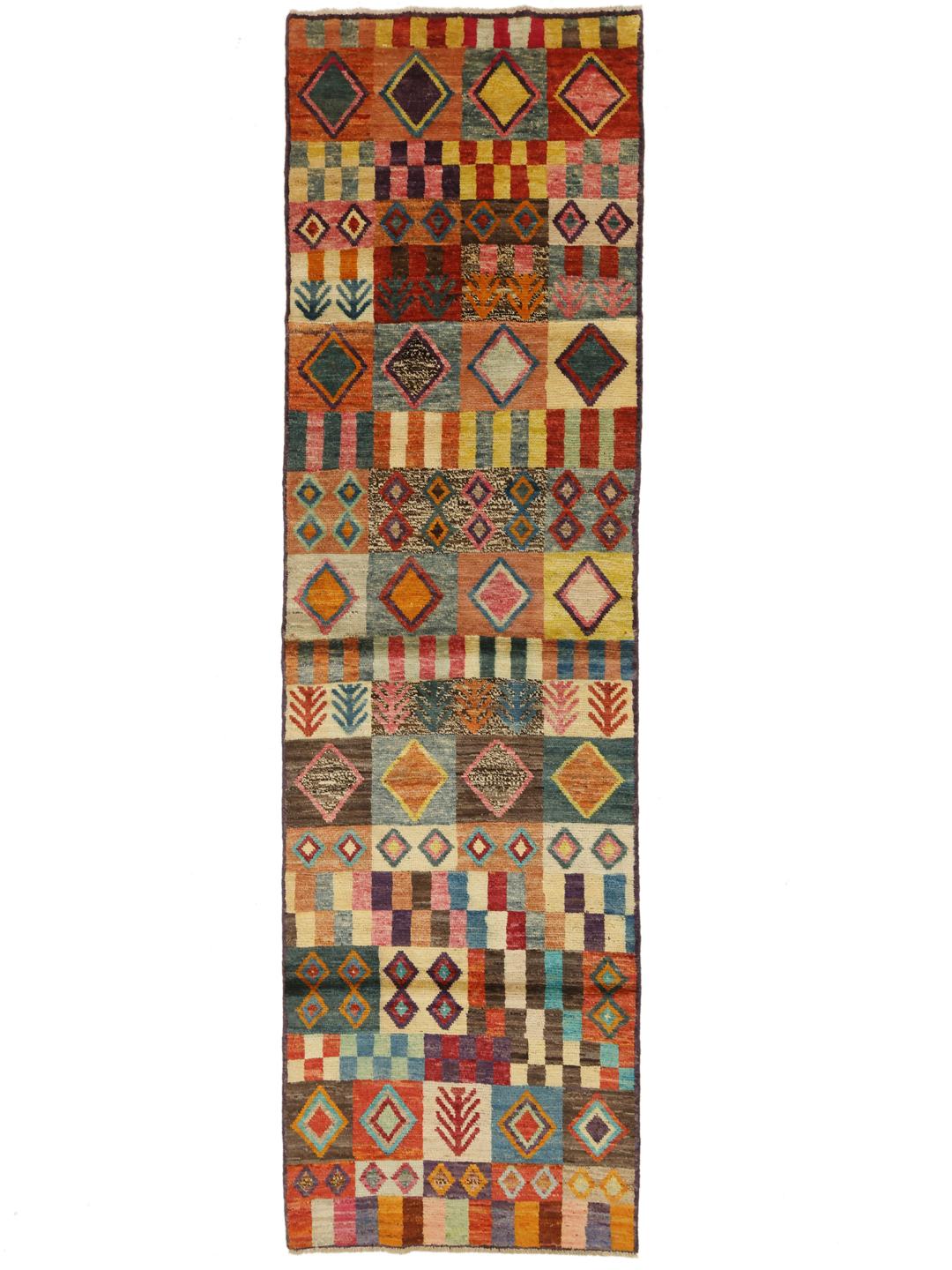
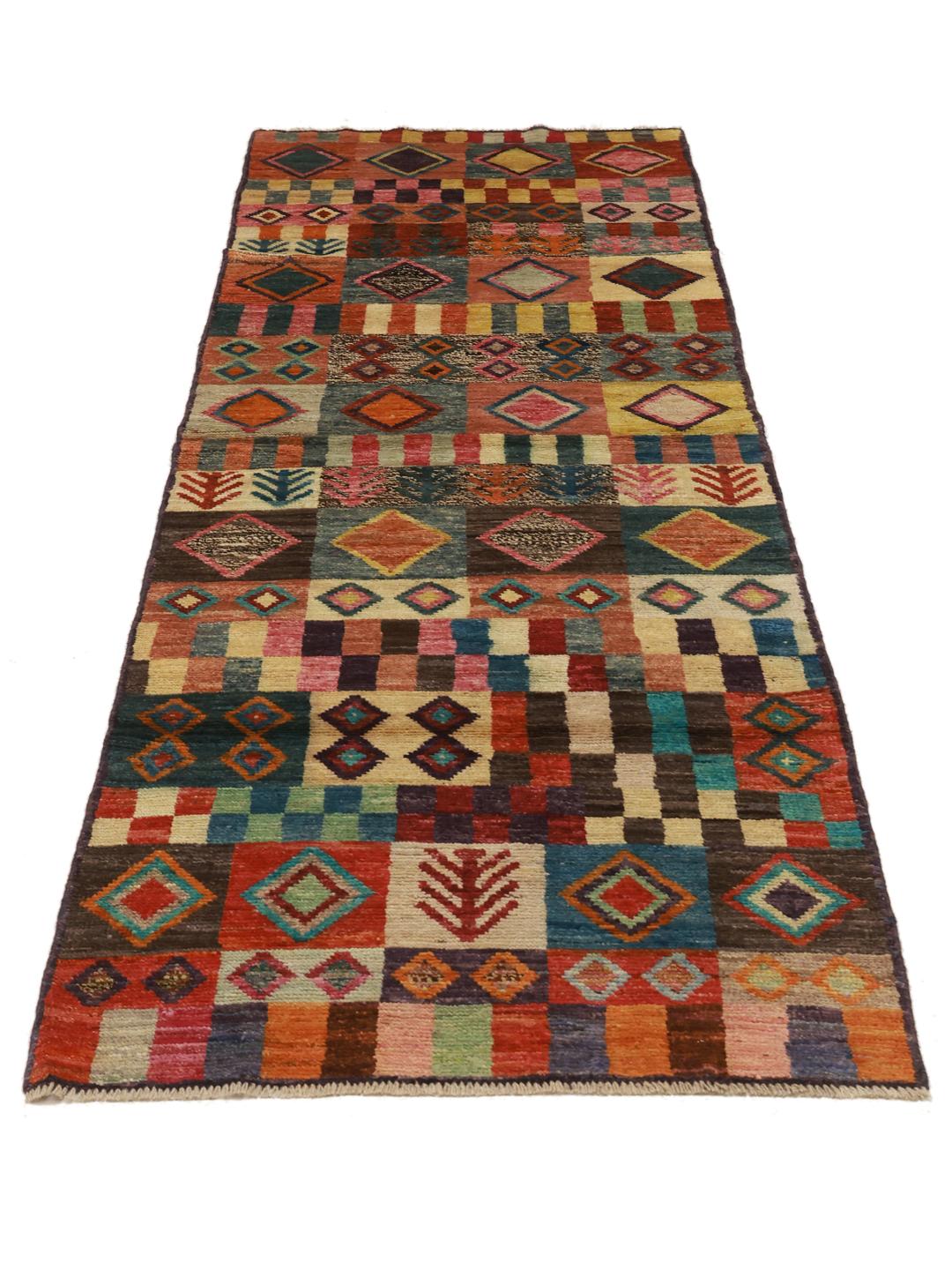
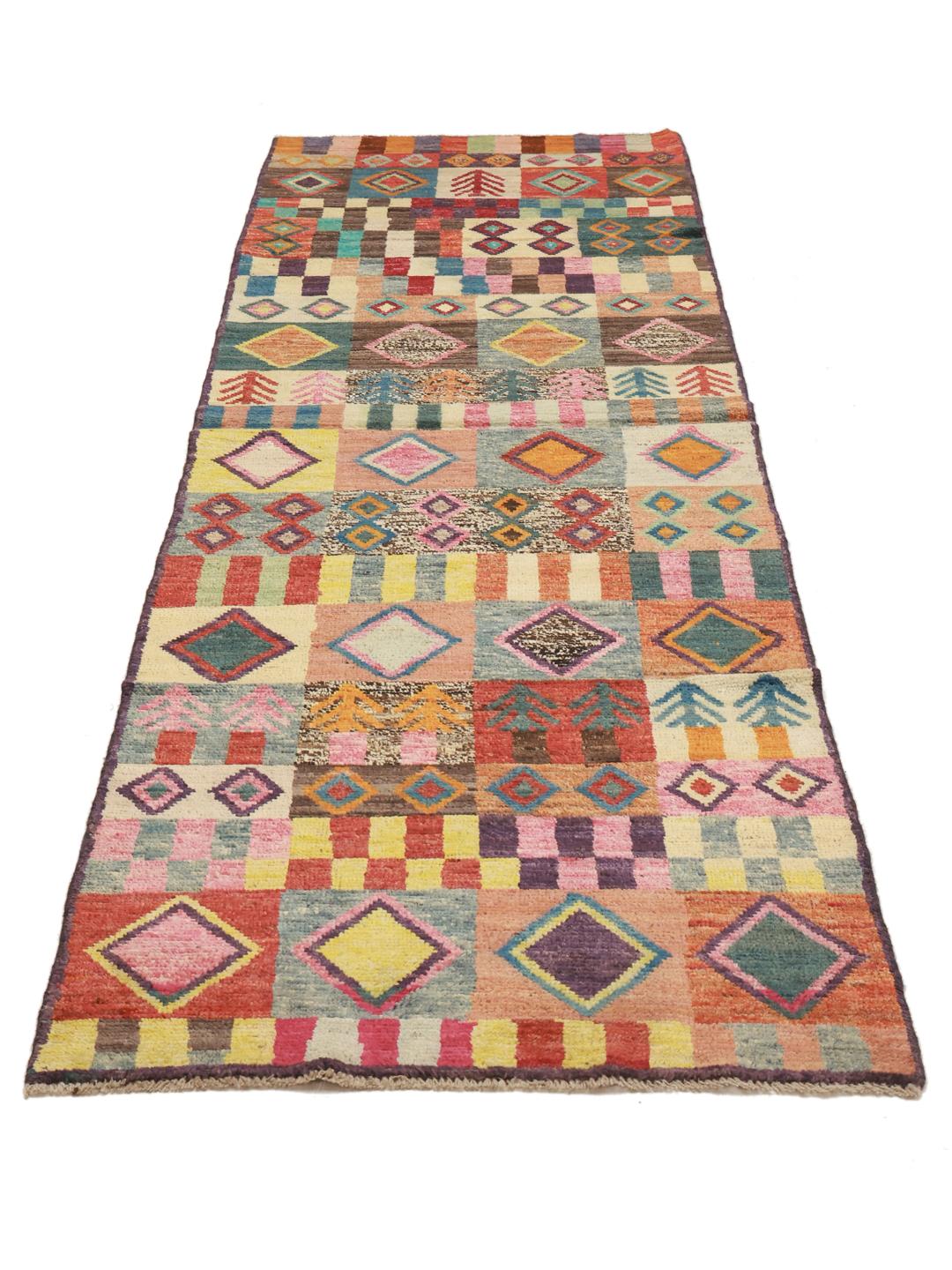
Visually, these rugs are defined by their expressive use of geometric motifs, including diamonds, stripes, and stylized tribal symbols. Unlike more formal, symmetrical designs, these pieces often feature a spontaneous and playful layout. The use of varied colours is intended to reflect the natural dyes and creative spirit of the weaving community, resulting in a vibrant tapestry of form and hue.
Valued for their cultural significance, these hand-knotted runners are sought after by those who appreciate the intersection of heritage and personal style. Owning a piece like this is more than just a decor choice; it is an investment in a living tradition where every knot tells a story of the artisan's skill and the region's enduring craft history.