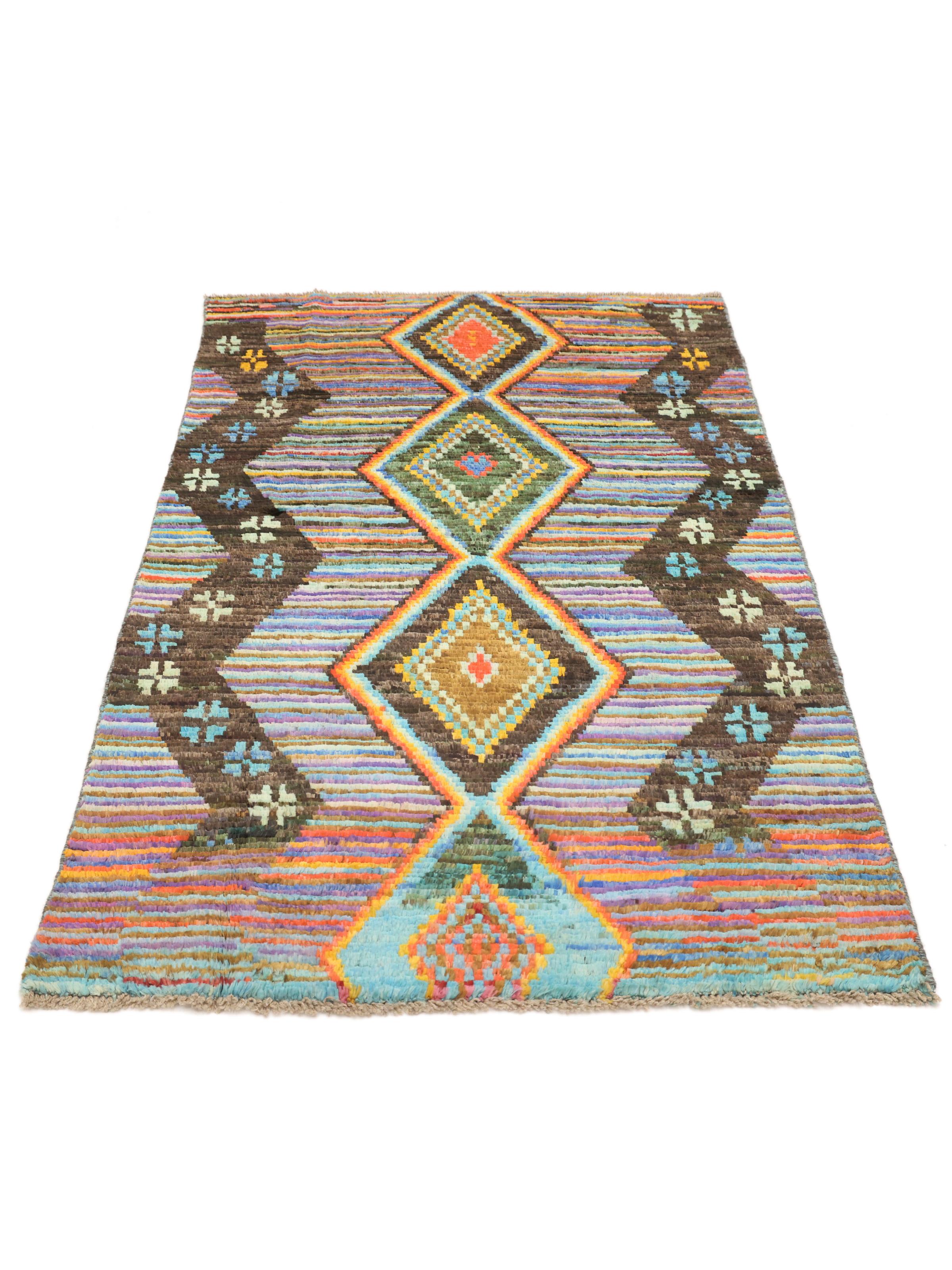
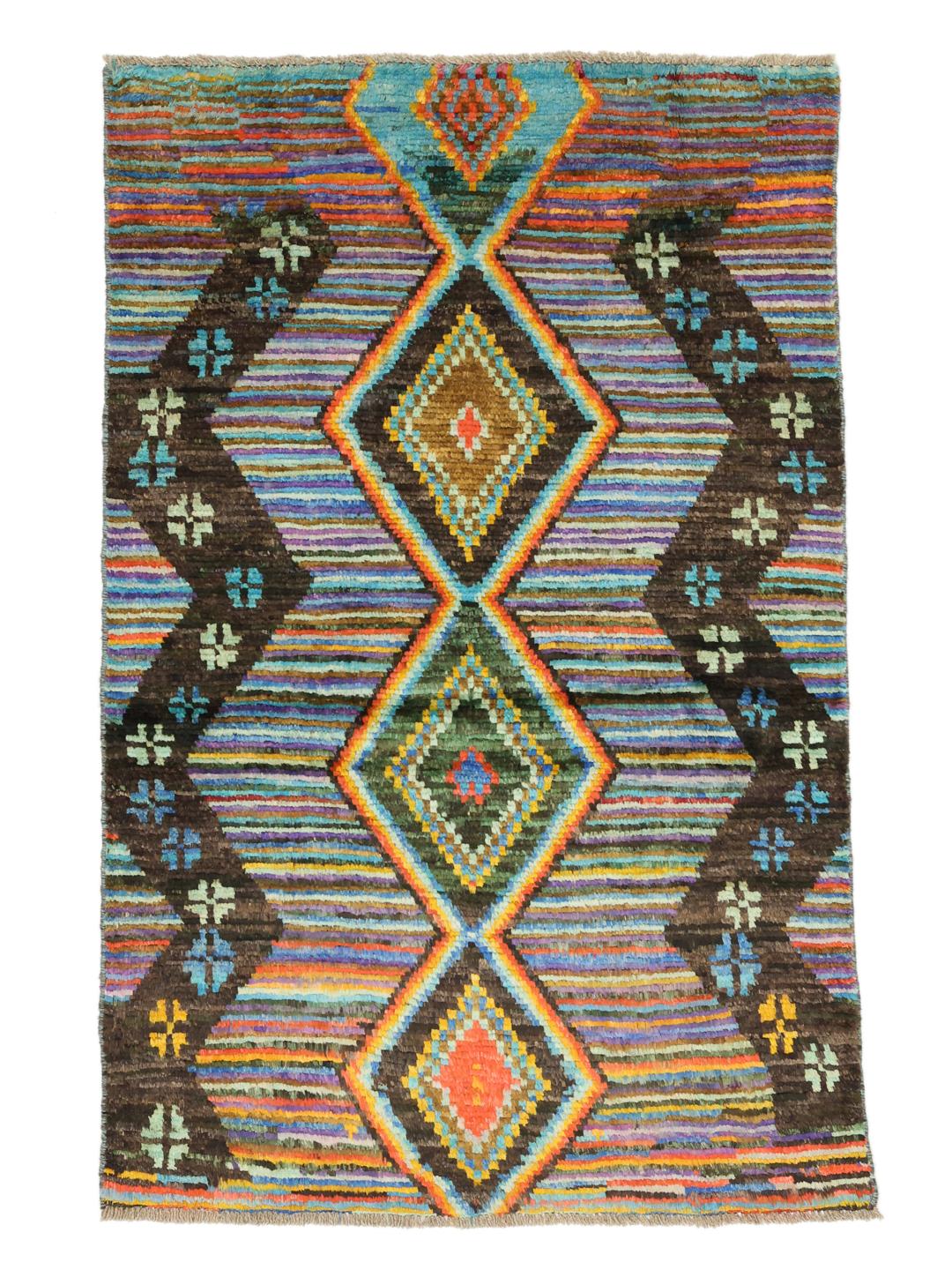
Berber-style rugs are deeply rooted in the nomadic traditions of the Middle East and surrounding regions, where weaving has served as both a practical necessity and a form of artistic storytelling for centuries. While the term originates from North African traditions, the style has been adopted and reinterpreted by master weavers in Afghanistan, who bring their own regional sensibilities and techniques to the craft.
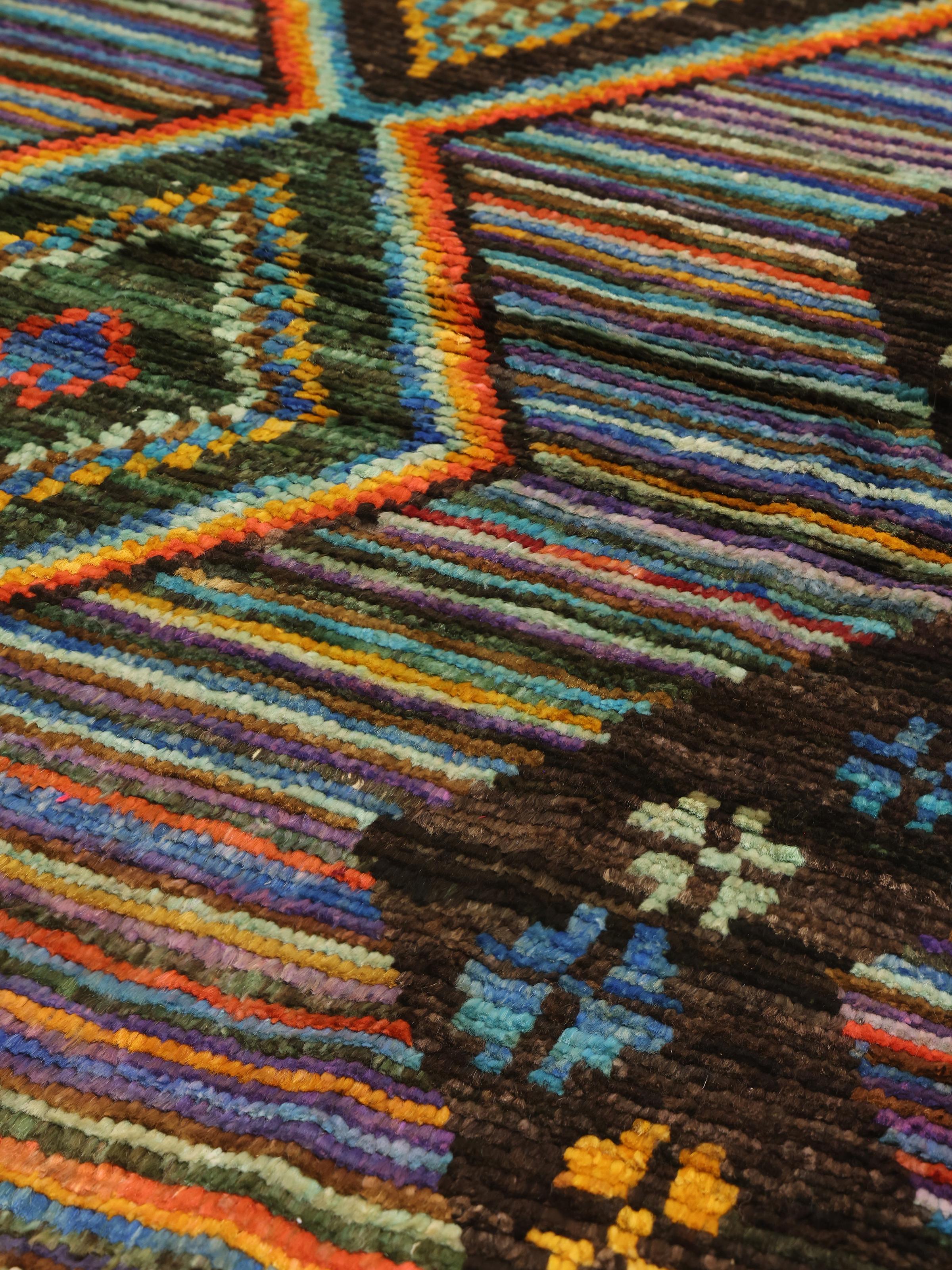
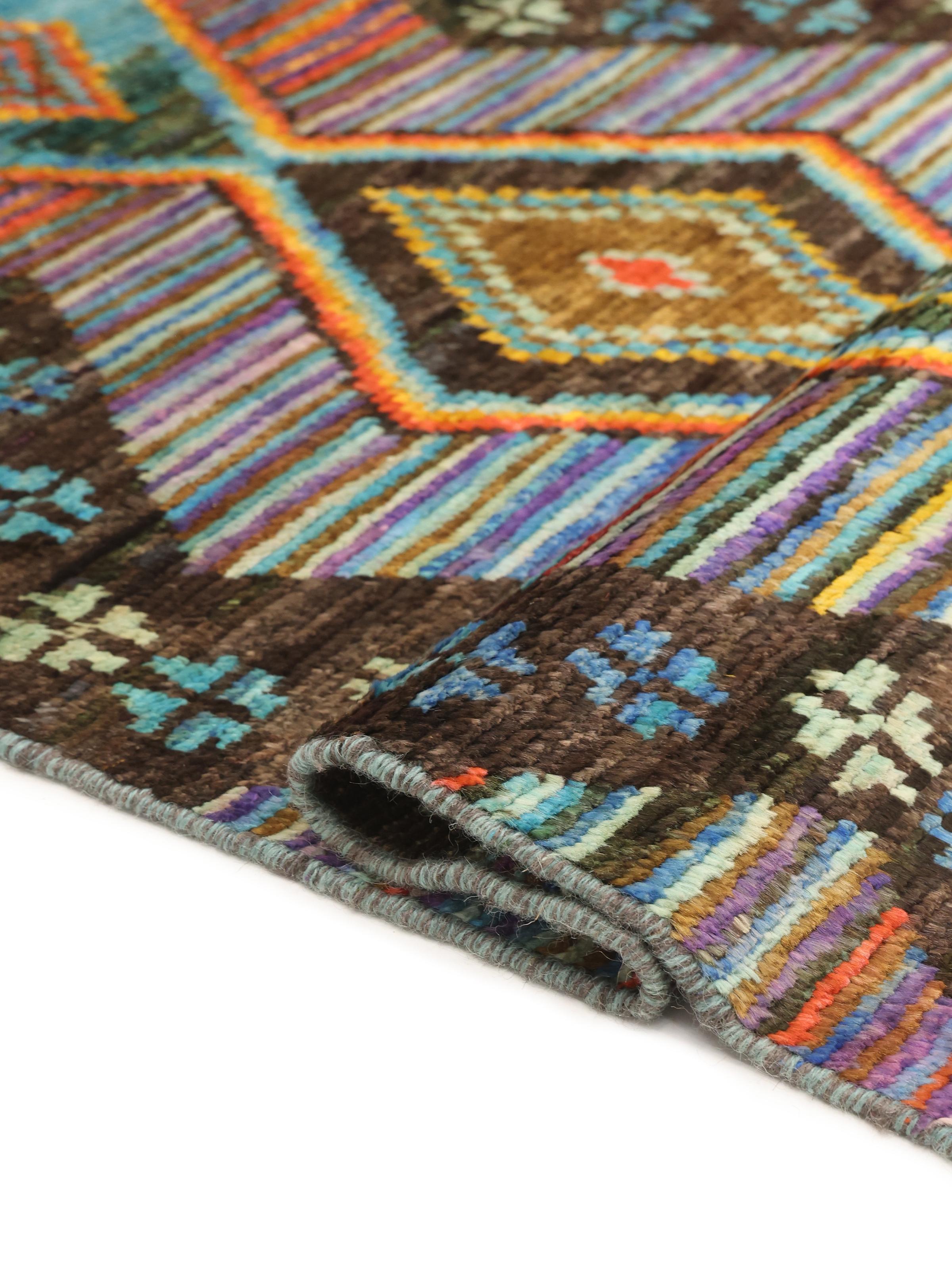
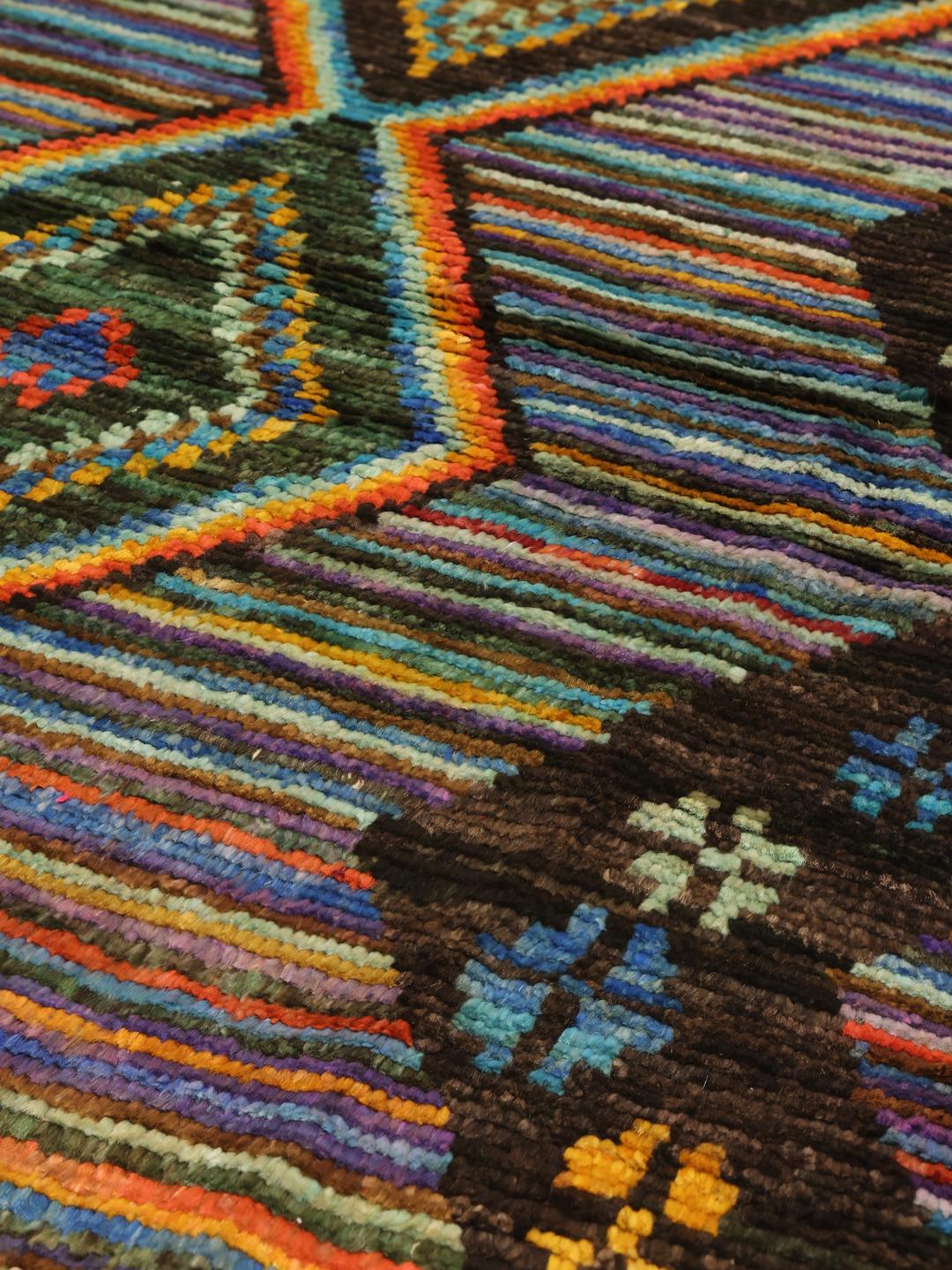
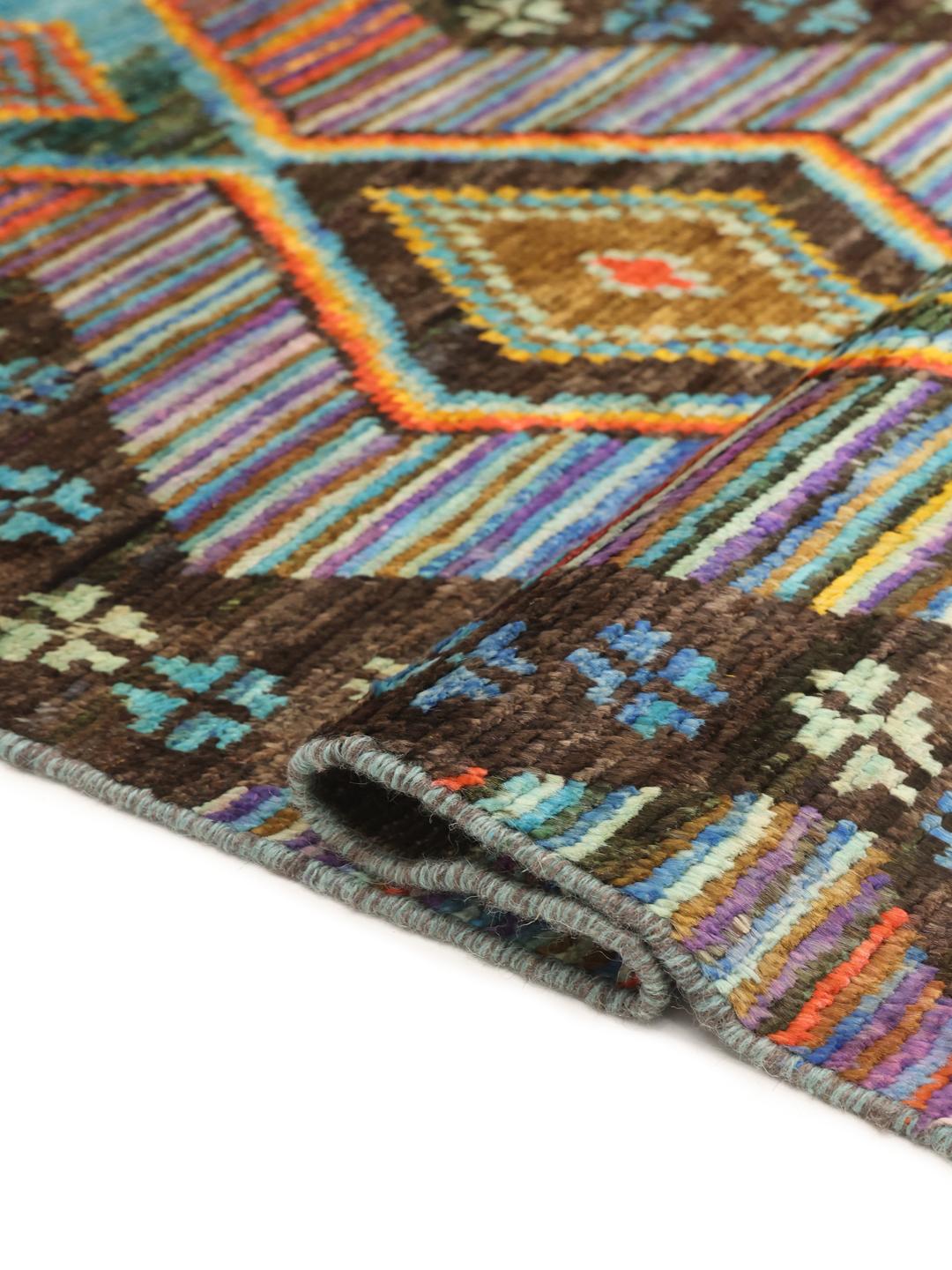
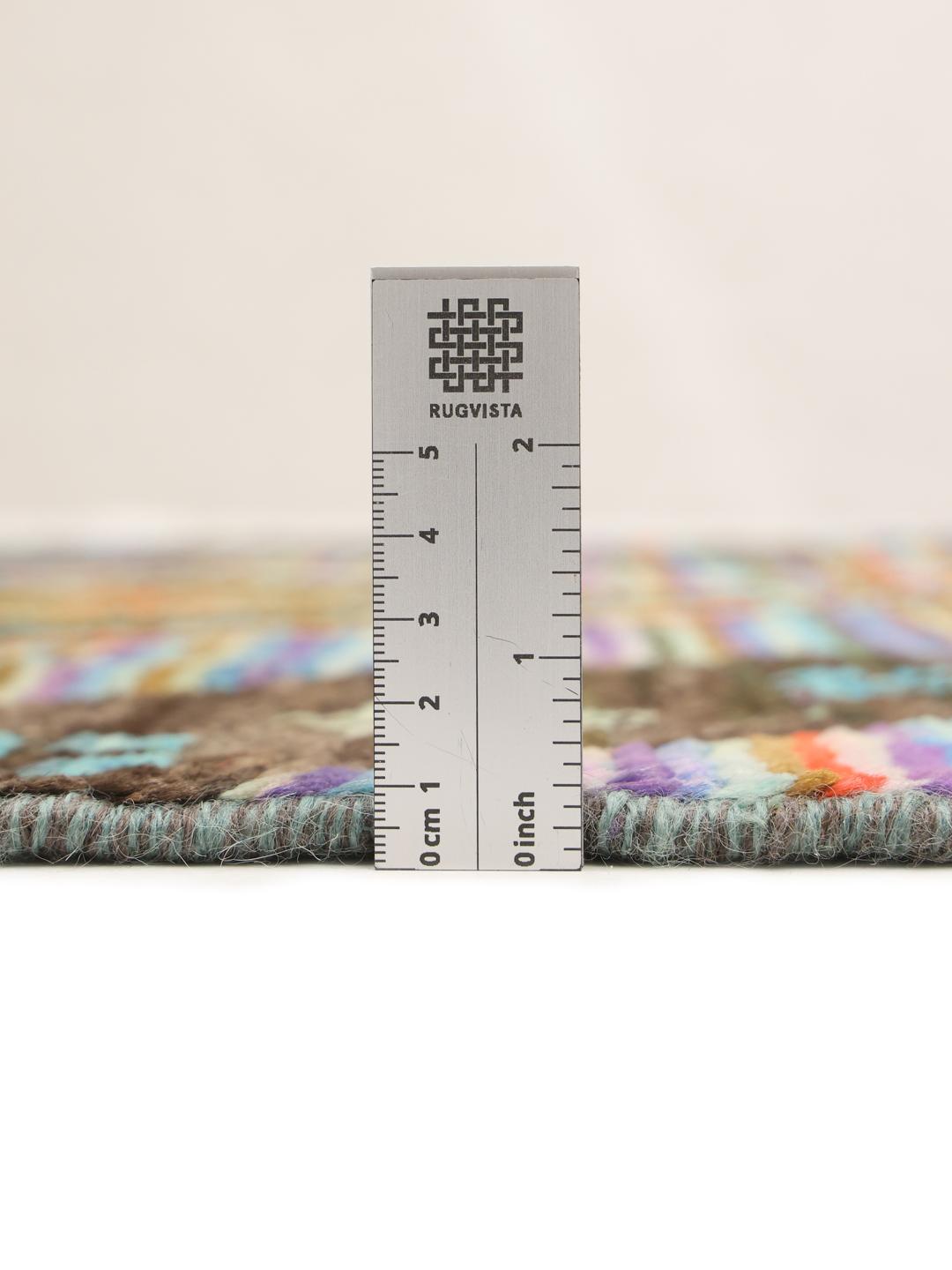
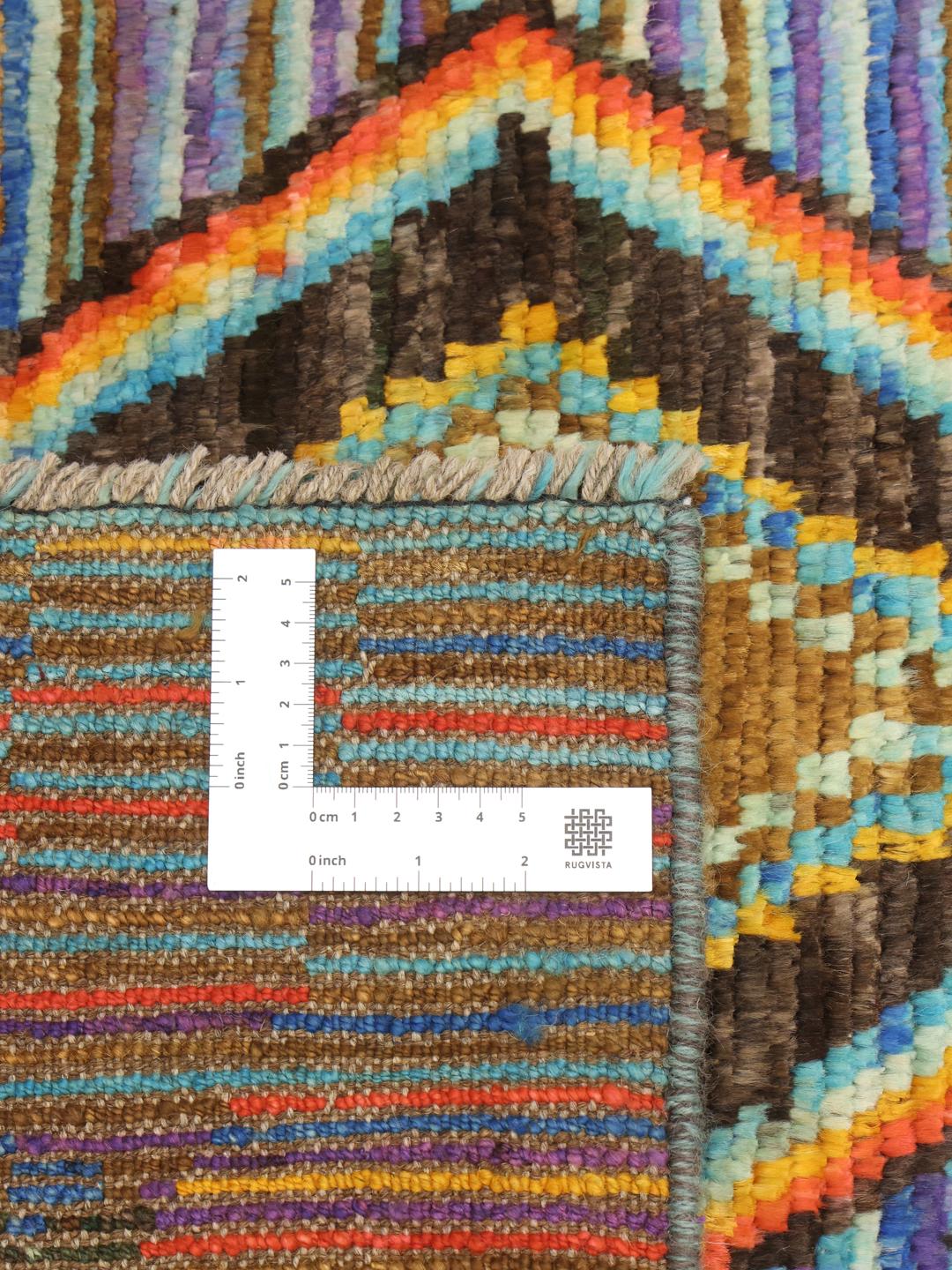
The construction of these rugs typically involves hand-knotting, a technique that allows for intricate patterns and a dense, high-quality pile. By using Wool for both the pile and the foundation, weavers create a robust structure that is naturally resistant to wear. This choice of material and method ensures that the rug not only looks beautiful but also provides a lasting, resilient surface for your home.
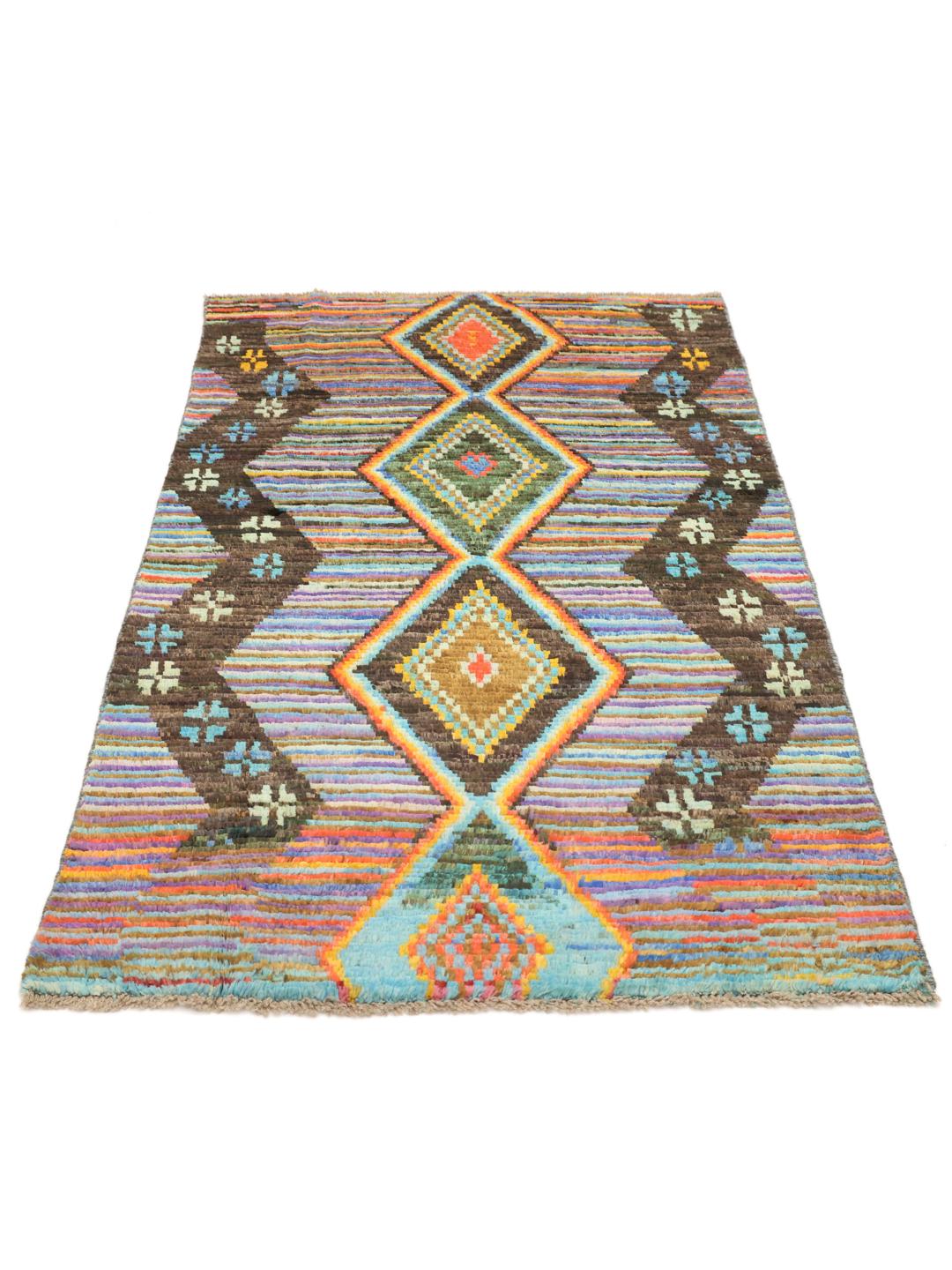
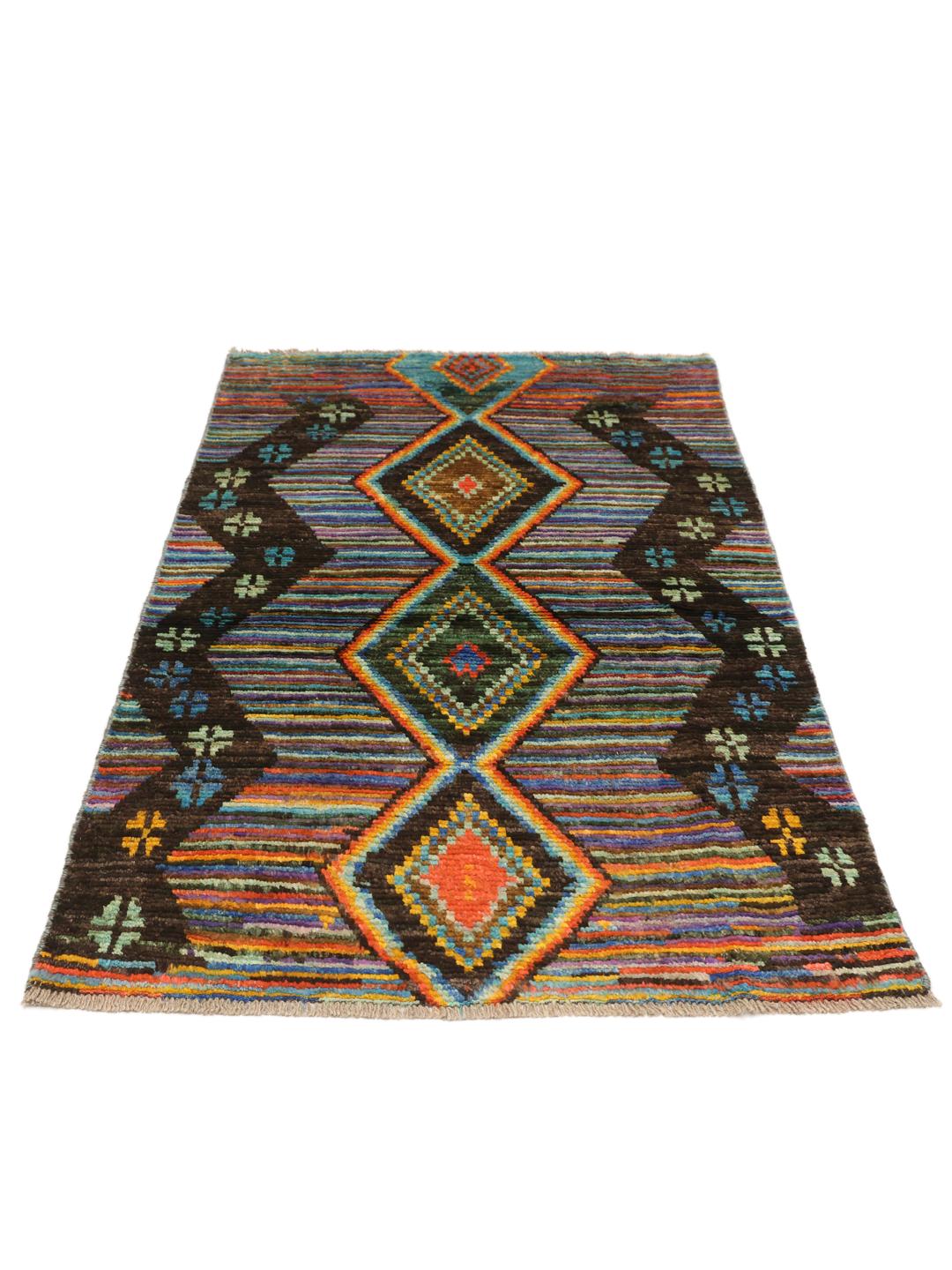
Visually, this tradition is known for its bold use of colour and geometric motifs. Diamonds, zig-zags, and stylised floral or tribal elements often dominate the field, arranged to create a sense of rhythm and balance. The use of vibrant, contrasting hues is a hallmark of this style, often reflecting the natural dyes and vivid landscapes of the region where the rug was conceived.
Owning a piece from this tradition is an invitation to appreciate the history of human craft. These rugs are highly valued by collectors and design enthusiasts alike, not just for their aesthetic impact, but for the skill and cultural heritage they represent. By bringing this rug into your home, you are continuing a legacy of artistry that honours the human hand.