The tradition of rug weaving in Afghanistan is deeply rooted in the cultural history of the Middle East, drawing on centuries of nomadic and settled craft practices. While Berber-style rugs are often associated with North African traditions, Afghan artisans have long interpreted these aesthetic principles through their own unique lens, blending traditional techniques with contemporary artistic expressions.
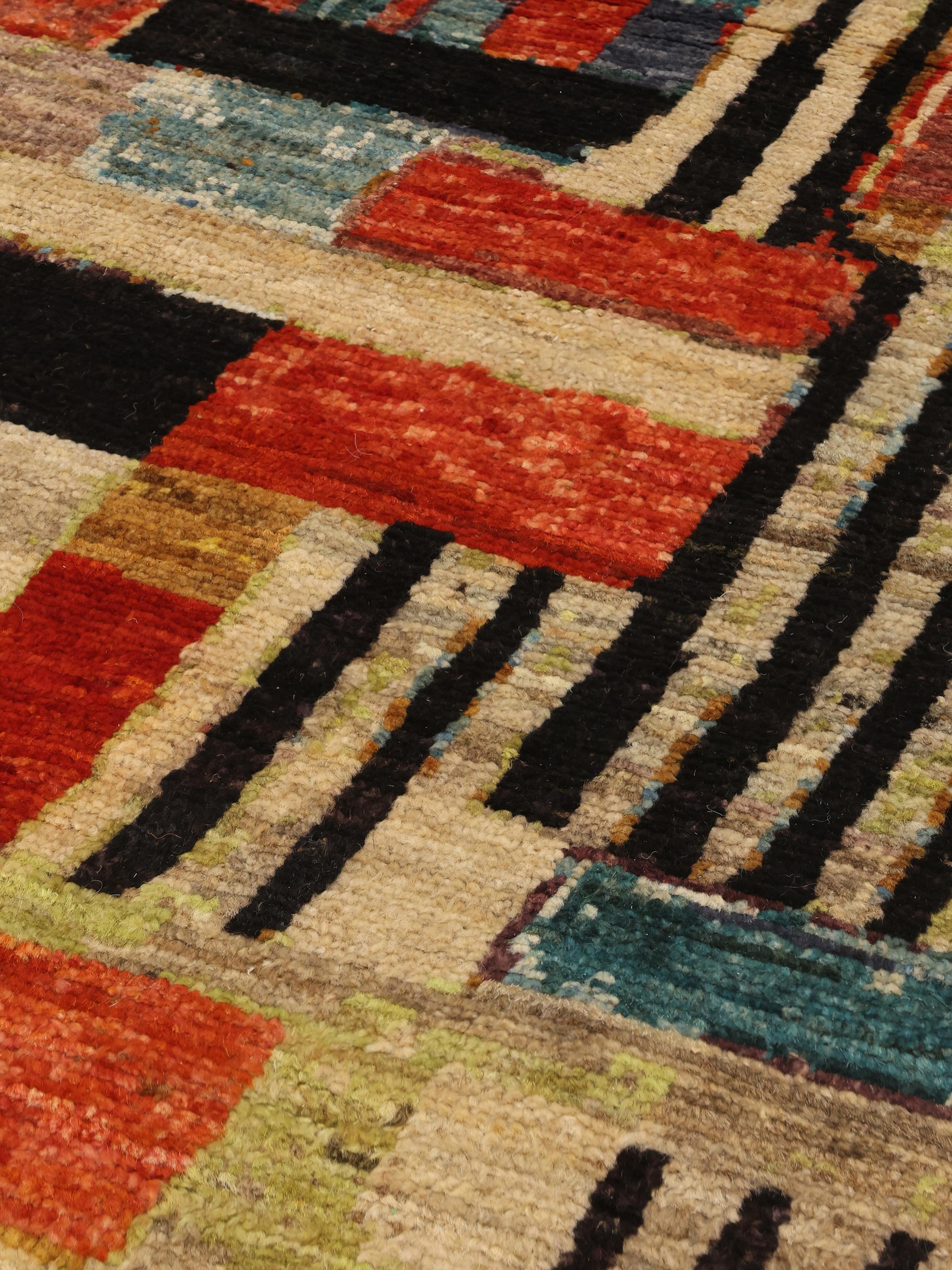
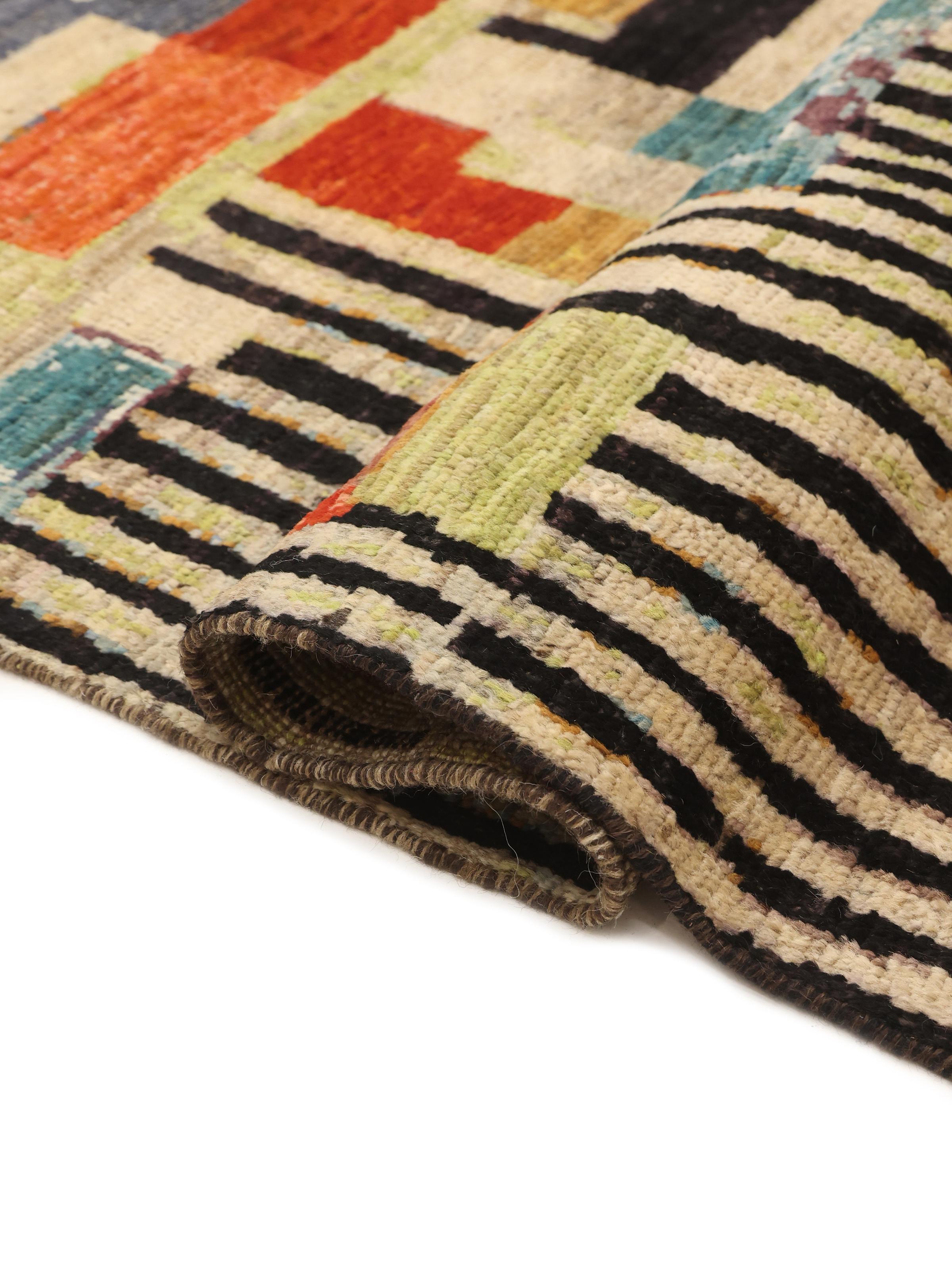
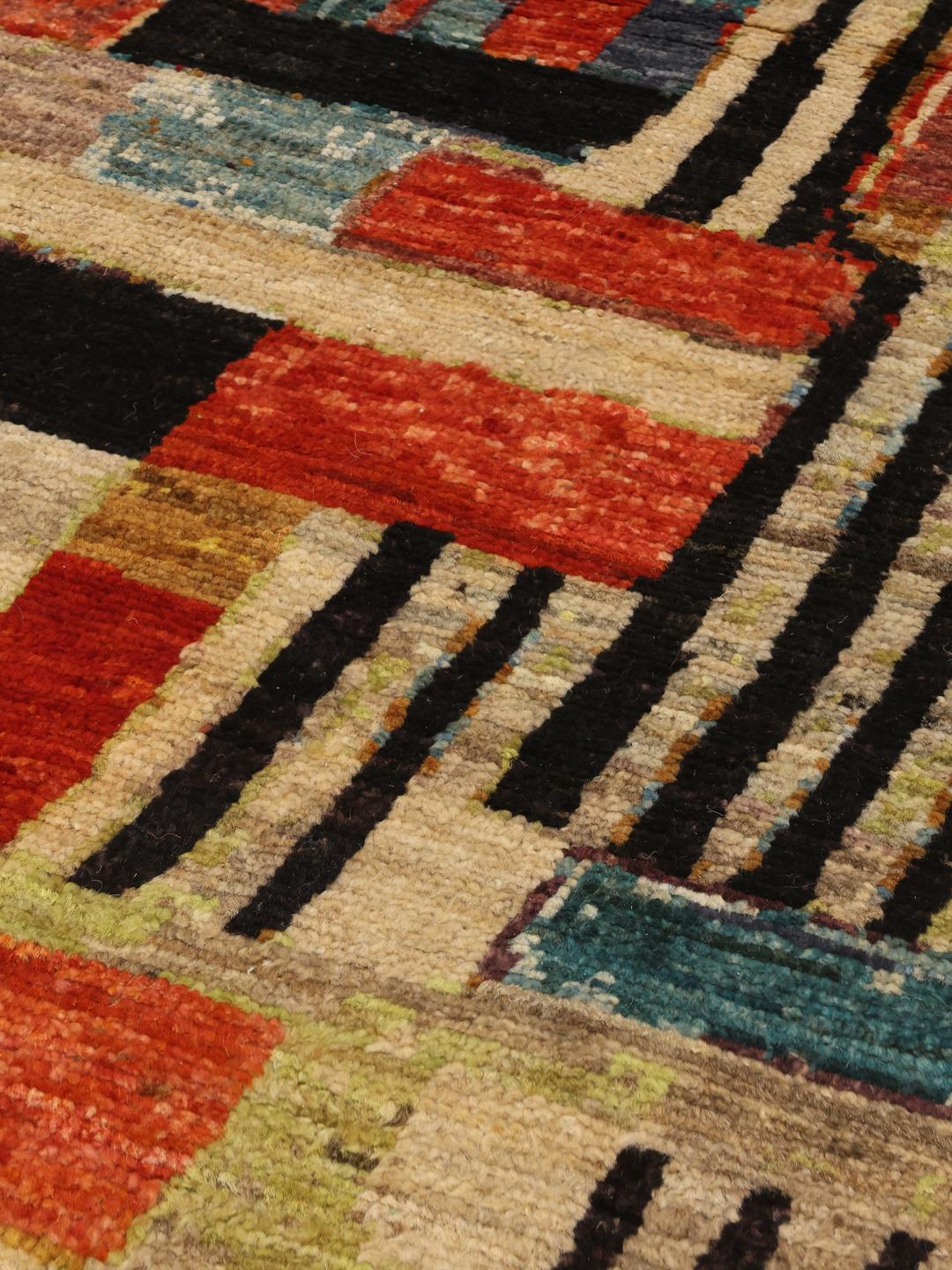
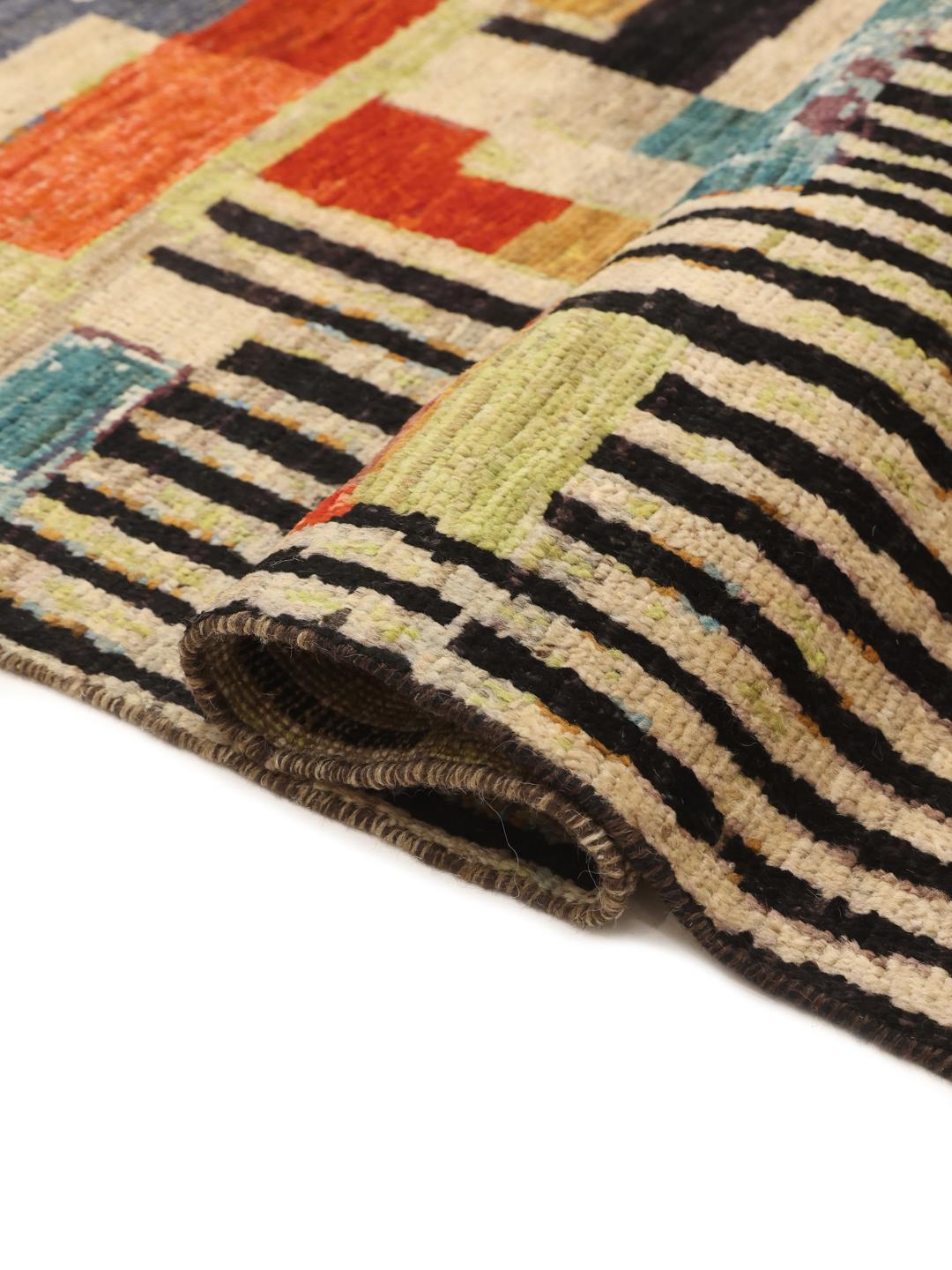
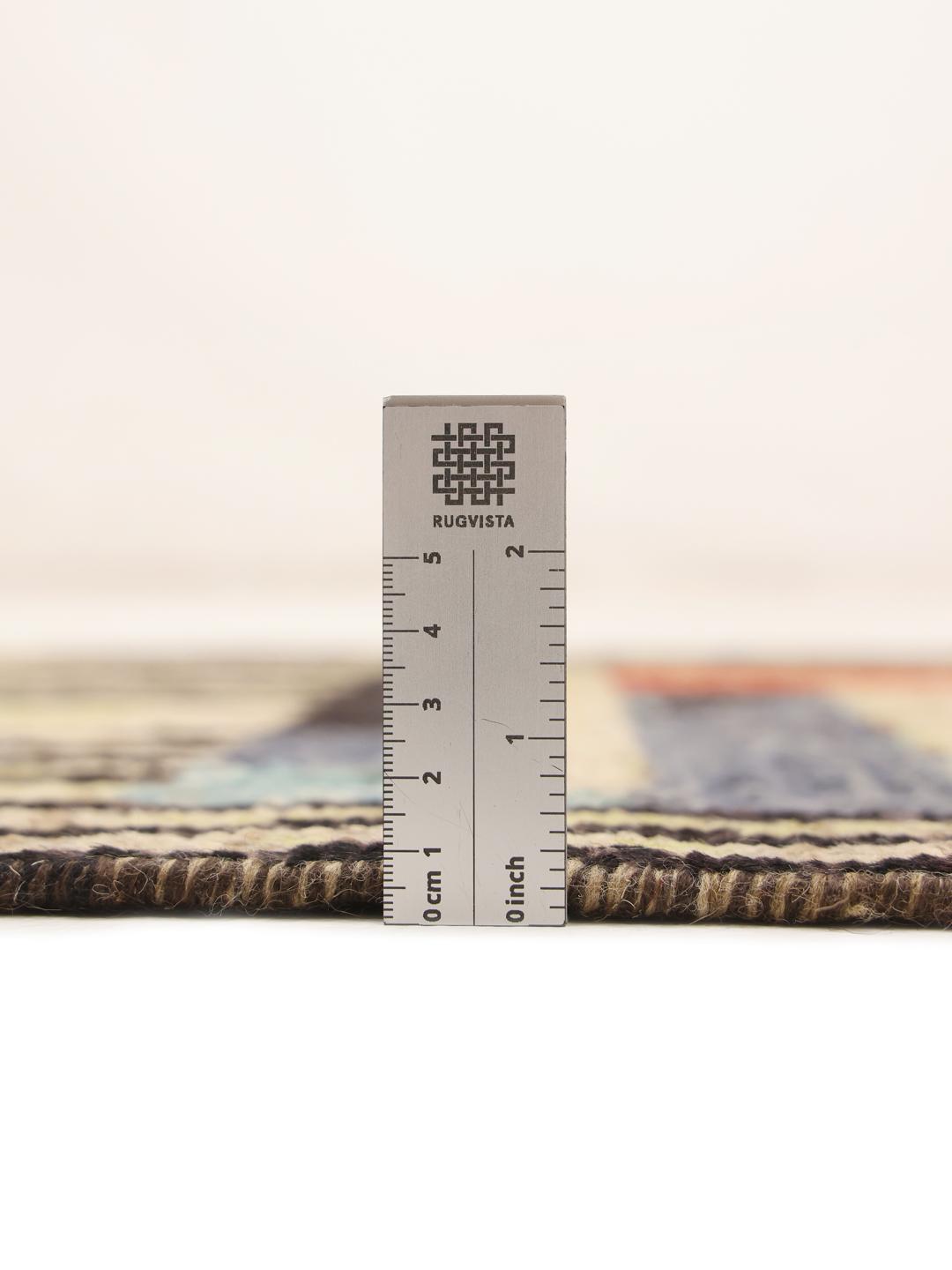
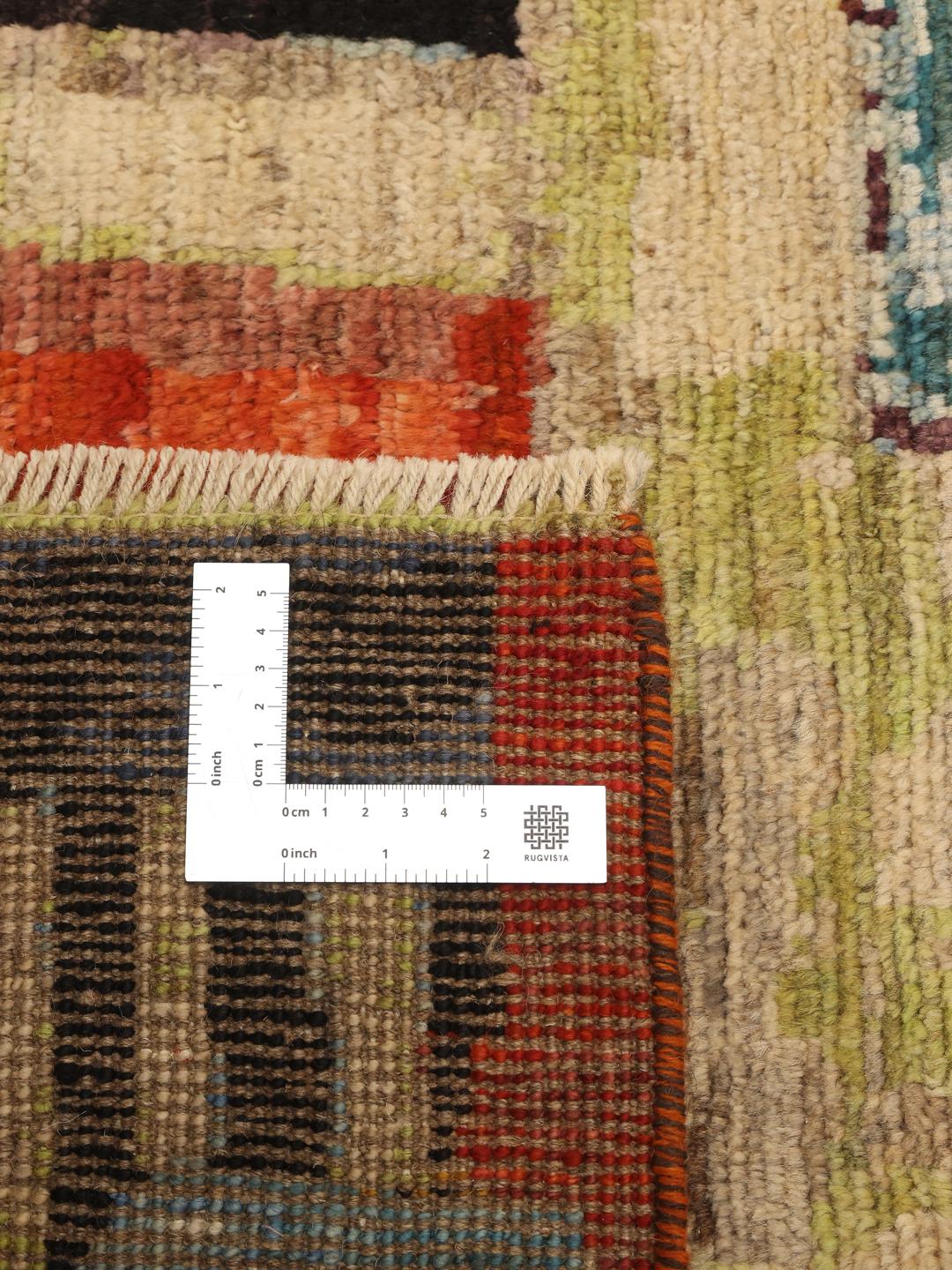
Hand-knotting is the cornerstone of this heritage, a technique that has been passed down through generations of families. This method involves tying individual knots onto a foundation, a slow and deliberate process that allows for the creation of intricate patterns and a pile that is both dense and exceptionally durable.
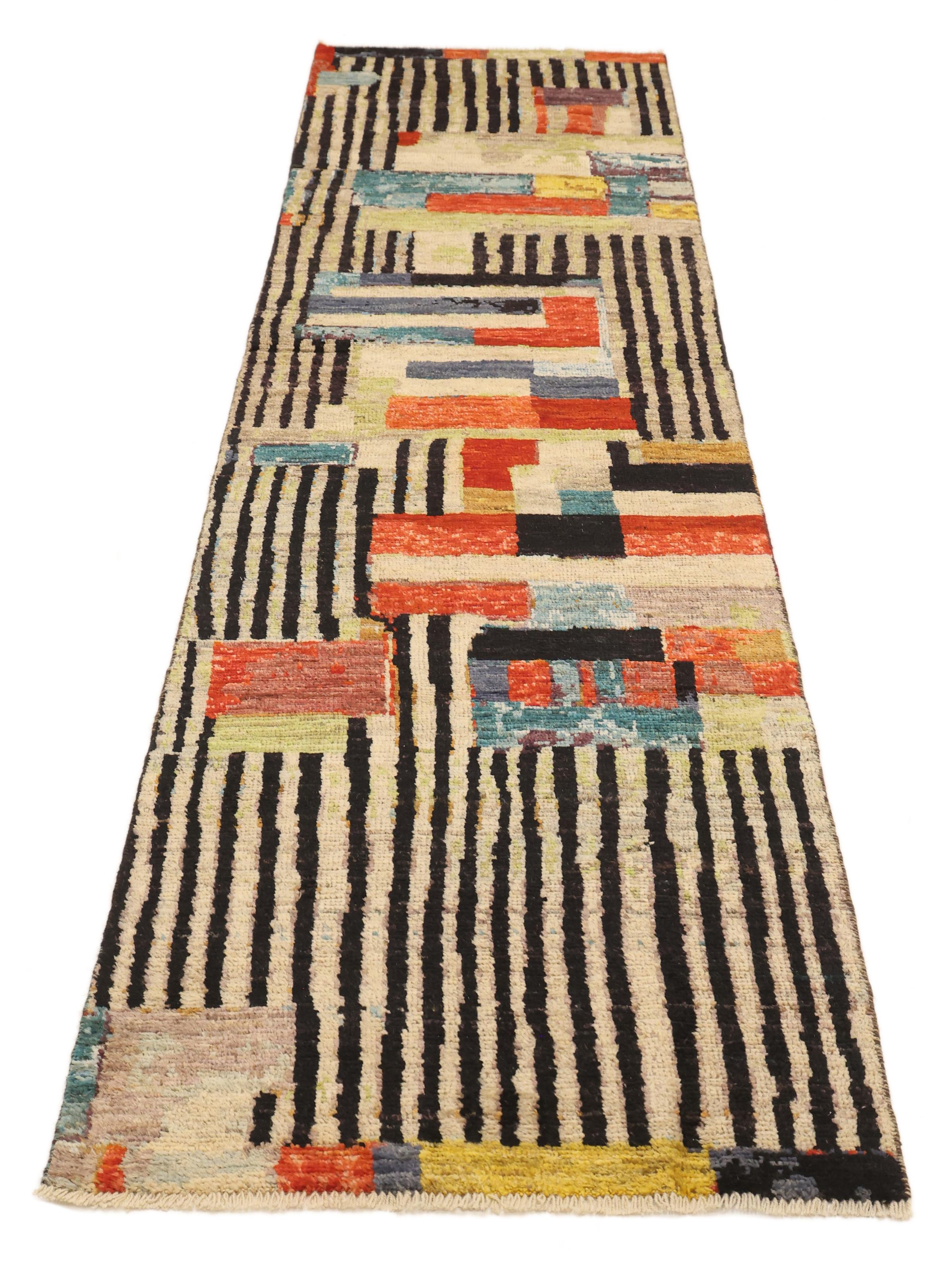
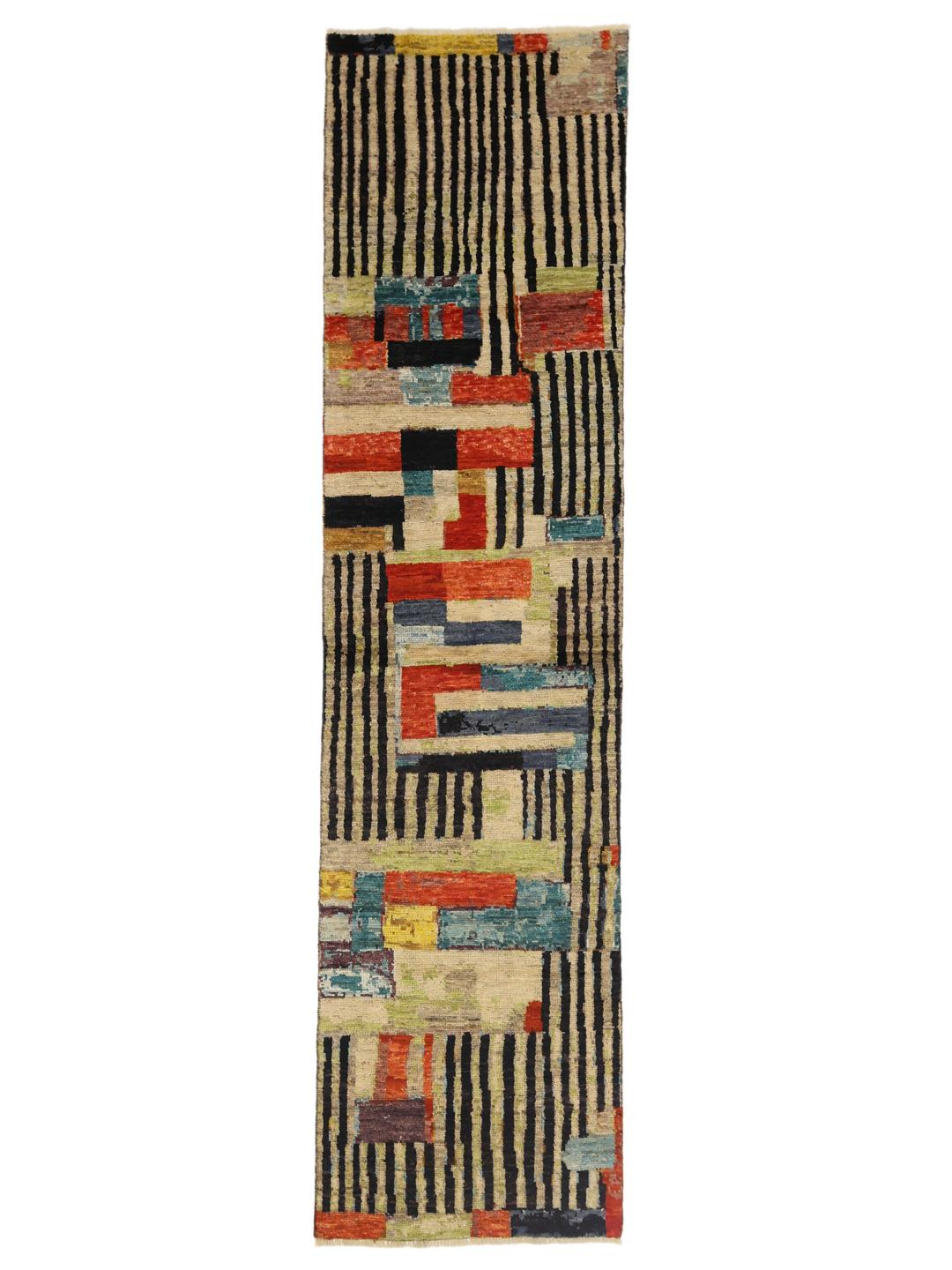
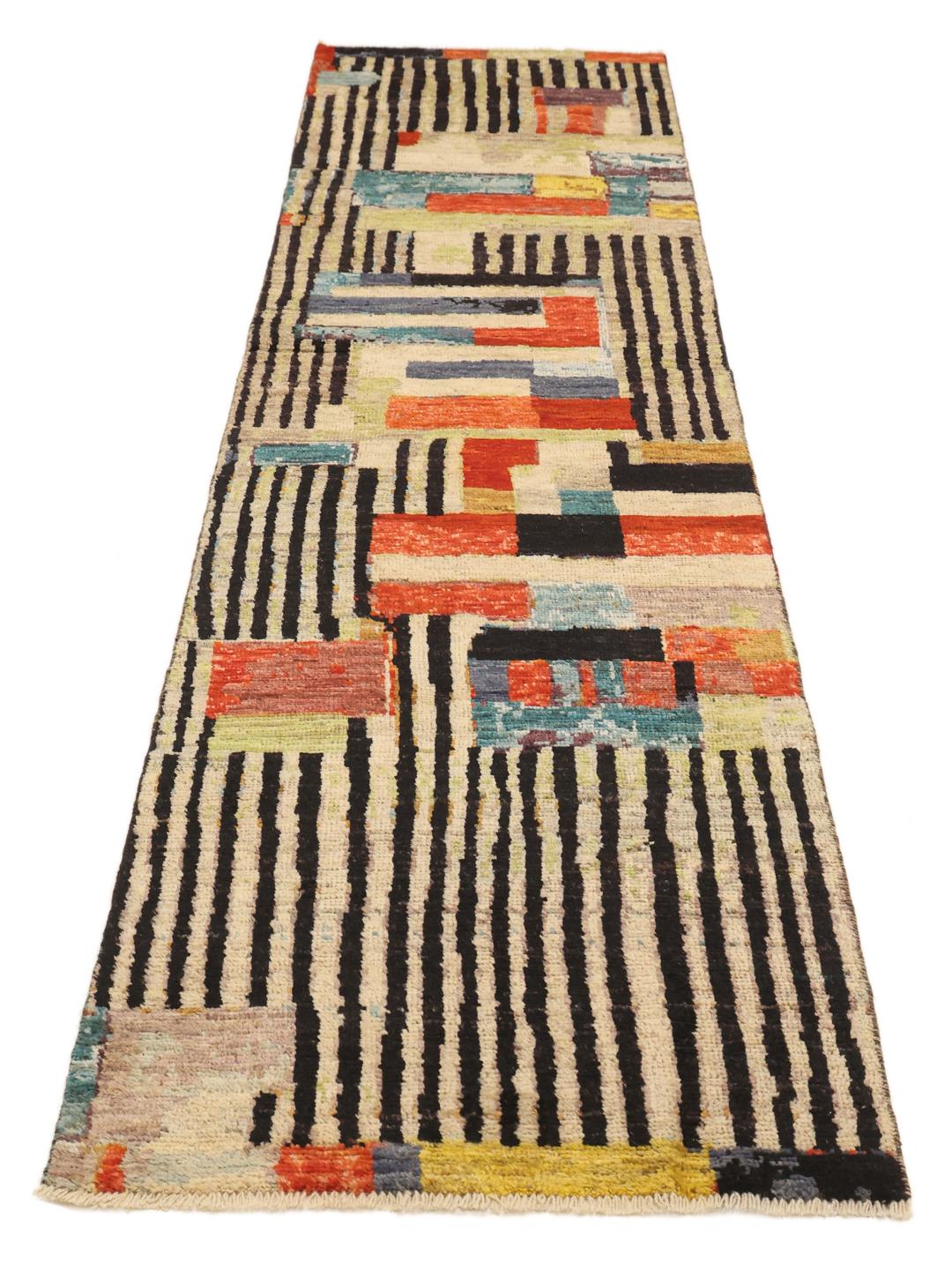
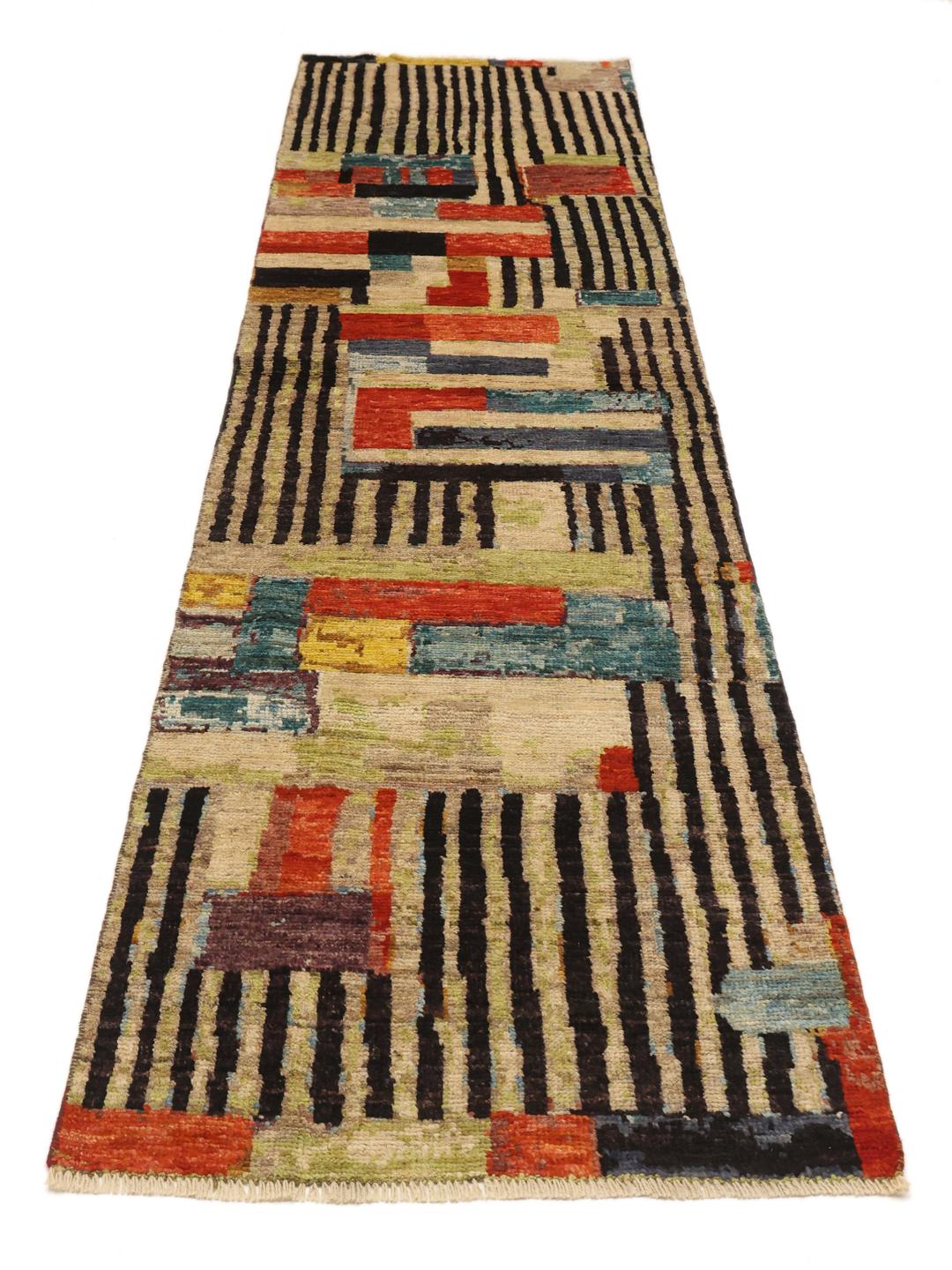
This specific design showcases a modern approach to the classic rug form. By juxtaposing linear stripes with bold, abstract geometric blocks, the rug bridges the gap between ancient weaving traditions and modern interior aesthetics. The use of vibrant, contrasting colours is a hallmark of this style, intended to bring life and personality to any room.
Owning a rug of this calibre means participating in a living history of craft. These pieces are valued not only for their visual impact but for the human effort and cultural knowledge embedded in every thread. They are collected by those who appreciate the intersection of heritage, skill, and the enduring beauty of handmade textiles.